ART WIKI37,791 on view
MapCollectionArtistsMuseumsExhibitionsJournal
Sign in

ART WIKI

Where to see art and when to visit.

Collections: Art Institute of Chicago, Cooper Hewitt, Smithsonian Design Museum, Getty Villa, Harvard Art Museums, Hirshhorn Museum and Sculpture Garden, J. Paul Getty Museum, Minneapolis Institute of Art, Musée du Louvre, National Gallery of Art, National Museum of Asian Art, National Portrait Gallery (Smithsonian), Pushkin State Museum of Fine Arts, Rijksmuseum, Smithsonian American Art Museum, SMK — National Gallery of Denmark, State Hermitage Museum, State Russian Museum, The Cleveland Museum of Art, The Metropolitan Museum of Art, The Museum of Modern Art, Tretyakov Gallery, Victoria and Albert Museum, Whitney Museum of American Art, Yale Center for British Art, Yale University Art Gallery, State Catalogue of the Museum Fund of Russia (274 museums), Europeana (19 museums), Wikidata (44 museums), Paris Musées (12 museums), Joconde, the French Ministry of Culture's museum database (495 museums), and the Catalogo generale dei Beni Culturali of Italy's Ministry of Culture (74 museums). Images belong to their rights holders.

Sections

  • Map
  • Search
  • Collection
  • Masterpieces
  • Stolen and lost
  • Embed artwork status
  • On view now
  • Artists

More

  • Museums & galleries
  • Exhibitions
  • Journal
  • Where the data comes from
  • Privacy & cookies
  • About
  • Terms of use
HomeMapBrowse

Browse

Charcoal

Charcoal drawing uses carbonised wood or manufactured charcoal sticks to put dark particles on a surface. A point can trace a contour; a stick used sideways can cover a broad area. Because loose charcoal lifts and smears easily, drawing also happens through removal. An eraser can bring light into a face as actively as the stick builds its shadow.

9,549 works from 188 museums16 on view nowClear all

/
Technique
  • All
  • Graphite139,727
  • Pen and ink61,432
  • Watercolour59,084
  • Ink52,798
  • Chalk39,879
  • Charcoal9,549
  • Gouache9,482
  • Pastel4,296
  • Oil2,442
  • Silverpoint430
  • Mixed media301
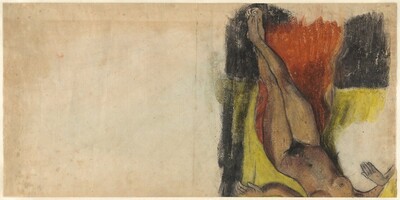
Tahitian Faces (Frontal View and Profiles), Paul Gauguin, ca. 1899Paul GauguinTahitian Faces (Frontal View and Profiles)ca. 1899The Metropolitan Museum of Art
Self-Portrait, Henri Matisse, 1937Henri MatisseSelf-Portrait1937National Gallery of Art
Still Life with Fan, Pablo Picasso, 1910Pablo PicassoStill Life with Fan1910The Museum of Modern Art
Reclining Nude, Henri Matisse, 1938Henri MatisseReclining Nude1938The Museum of Modern Art
Branch of a Judas Tree, Henri Matisse, 1942Henri MatisseBranch of a Judas Tree1942The Museum of Modern Art
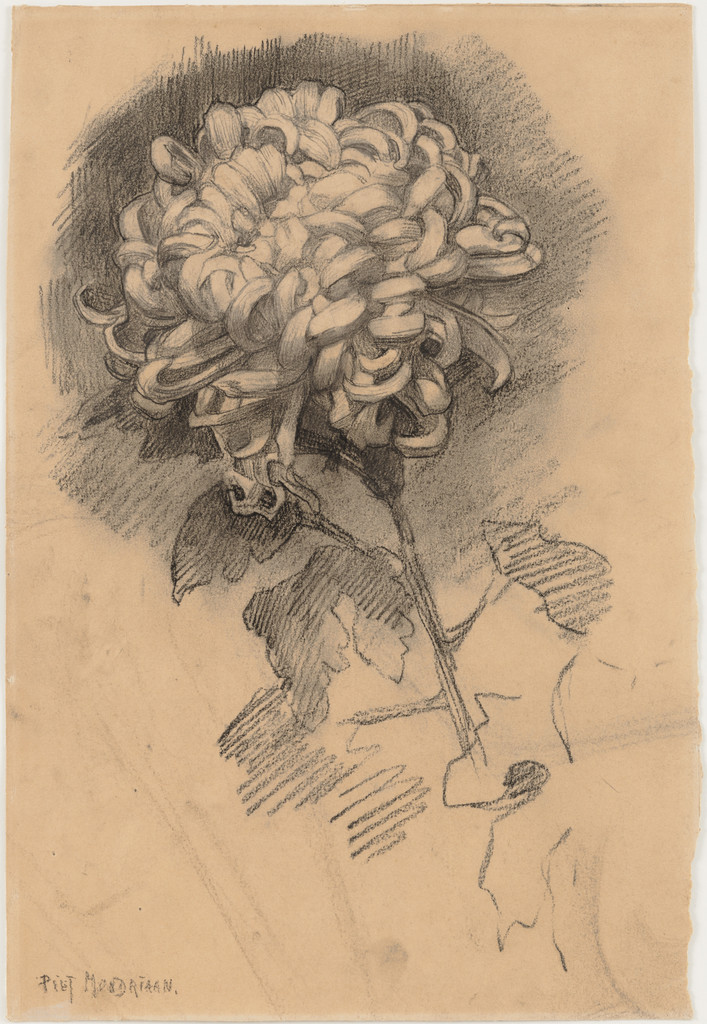
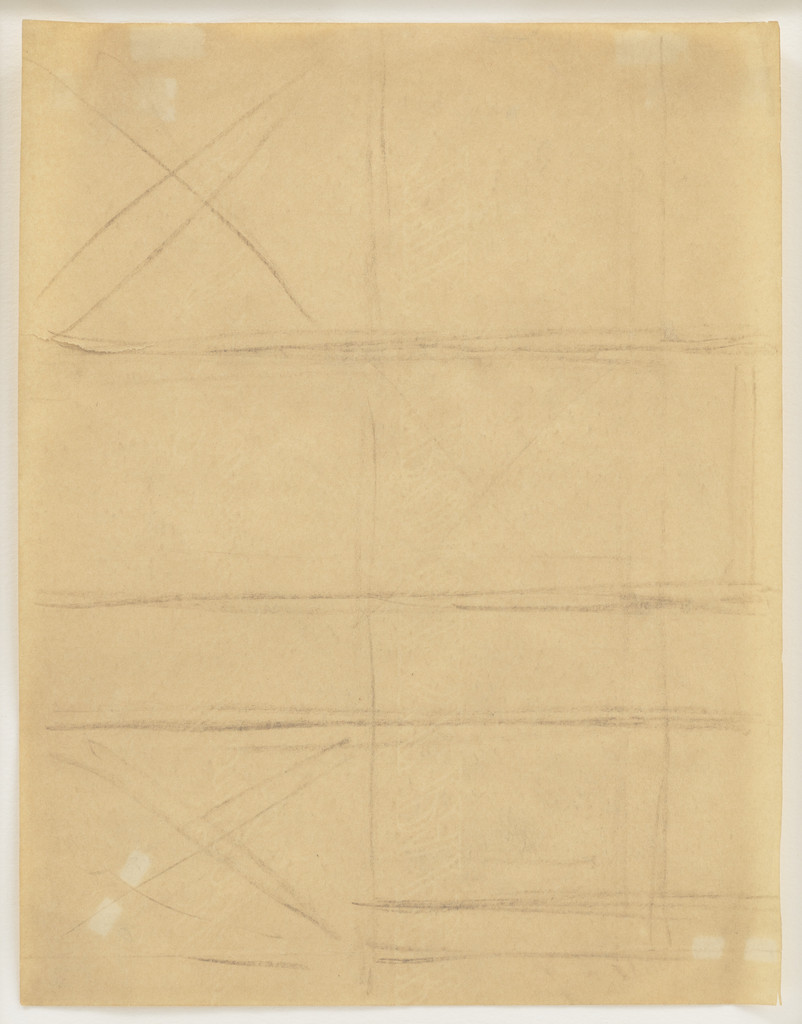
Chrysanthemum (recto) and Head in Profile (verso), Piet Mondrian, 1906Piet MondrianChrysanthemum (recto) and Head in Profile (verso)1906The Museum of Modern Art
Girl with Tulips (Jeanne Vaderin), Henri Matisse, 1910Henri MatisseGirl with Tulips (Jeanne Vaderin)1910MoMA, Floor 5, 504The Museum of Modern Art
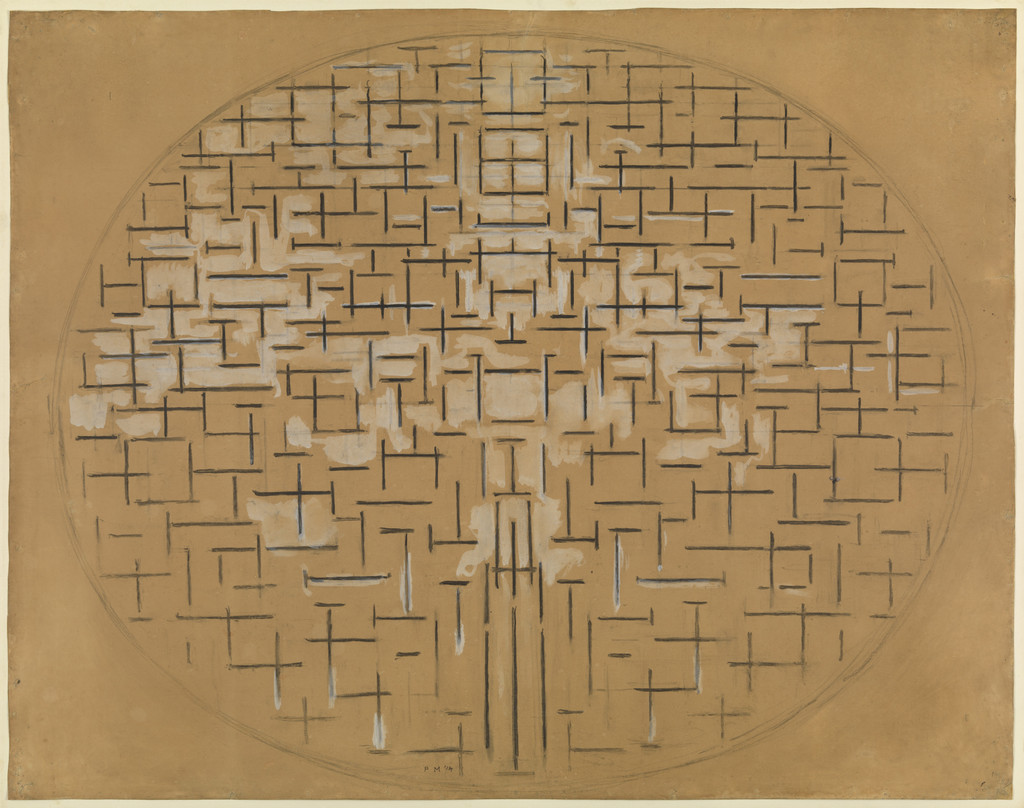
Study for a Composition, Piet Mondrian, c. 1935–36Piet MondrianStudy for a Compositionc. 1935–36The Museum of Modern Art
Man Wearing a Cloak [recto], Edouard Manet, 1852/1858Édouard ManetMan Wearing a Cloak [recto]1852/1858National Gallery of Art
Dr. Koller, Egon Schiele, c. 1918Egon SchieleDr. Kollerc. 1918National Gallery of Art
Woman with Slipper (Frau mit Hausschuh), Egon Schiele, 1917Egon SchieleWoman with Slipper (Frau mit Hausschuh)1917The Museum of Modern Art
Laundress Carrying Linen, Edgar Degas, c. 1885/1895Edgar DegasLaundress Carrying Linenc. 1885/1895National Gallery of Art
The Cup of Coffee, Pablo Picasso, 1913Pablo PicassoThe Cup of Coffee1913National Gallery of Art
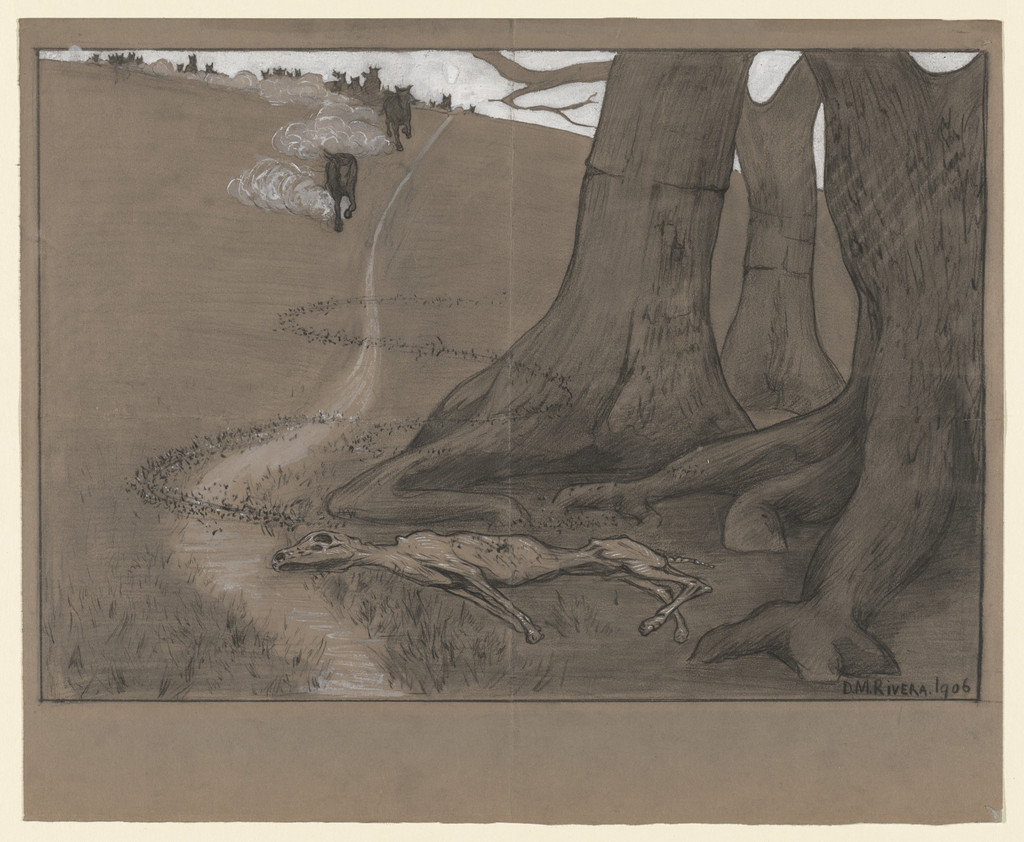
Dead Horse, Diego Rivera, 1906Diego RiveraDead Horse1906The Museum of Modern Art
Madame la Mort, Gauguin, Paul, 1891Paul GauguinMadame la Mort1891Musée du Louvre
The Cock (Le Coq), Pablo Picasso, 1938Pablo PicassoThe Cock (Le Coq)1938The Museum of Modern Art
A Tahitian Woman with a Flower in Her Hair, Paul Gauguin, 1891–92Paul GauguinA Tahitian Woman with a Flower in Her Hair1891–92The Metropolitan Museum of Art
Woman in Profile, Amedeo Modigliani, 1910-11Amedeo ModiglianiWoman in Profile1910-11The Museum of Modern Art
Tête de jeune fille, Renoir, Pierre AugustePierre-Auguste RenoirTête de jeune filleMusée du Louvre
A Girl Reading (with a Sketch of Seated Woman), Auguste Renoir, n.d.Pierre-Auguste RenoirA Girl Reading (with a Sketch of Seated Woman)n.d.The Metropolitan Museum of Art
Fen near Saasveld, Piet Mondrian, ca. 1907Piet MondrianFen near Saasveldca. 1907Yale University Art Gallery
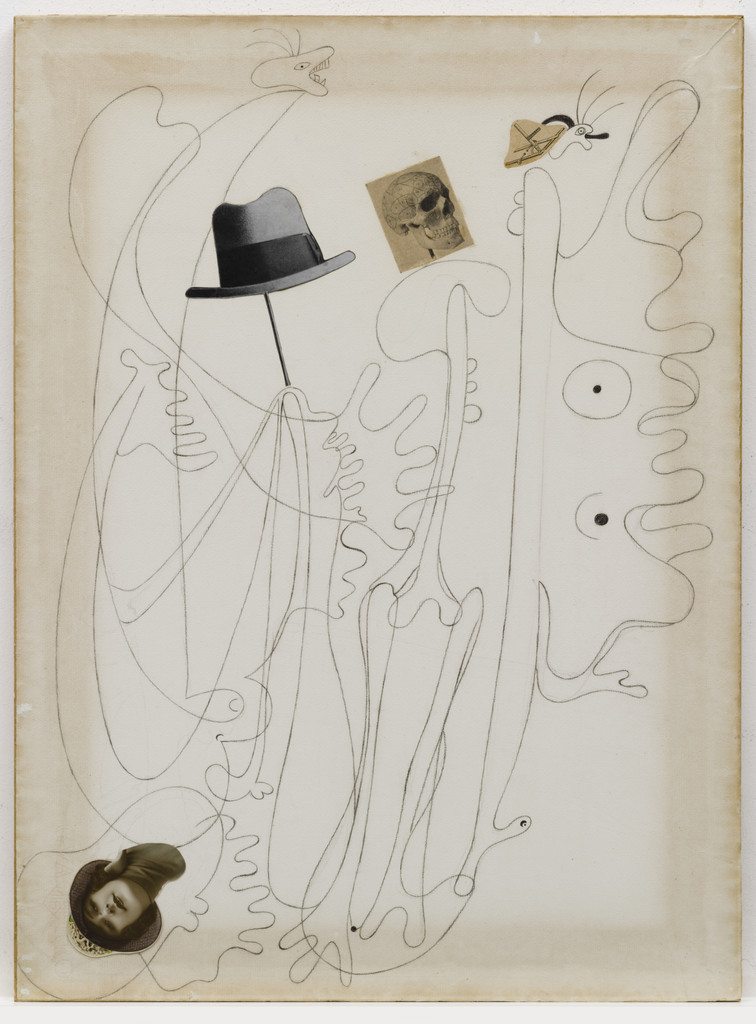
Untitled (Drawing-Collage), Joan Miró, 1933Joan MiróUntitled (Drawing-Collage)1933The Museum of Modern Art
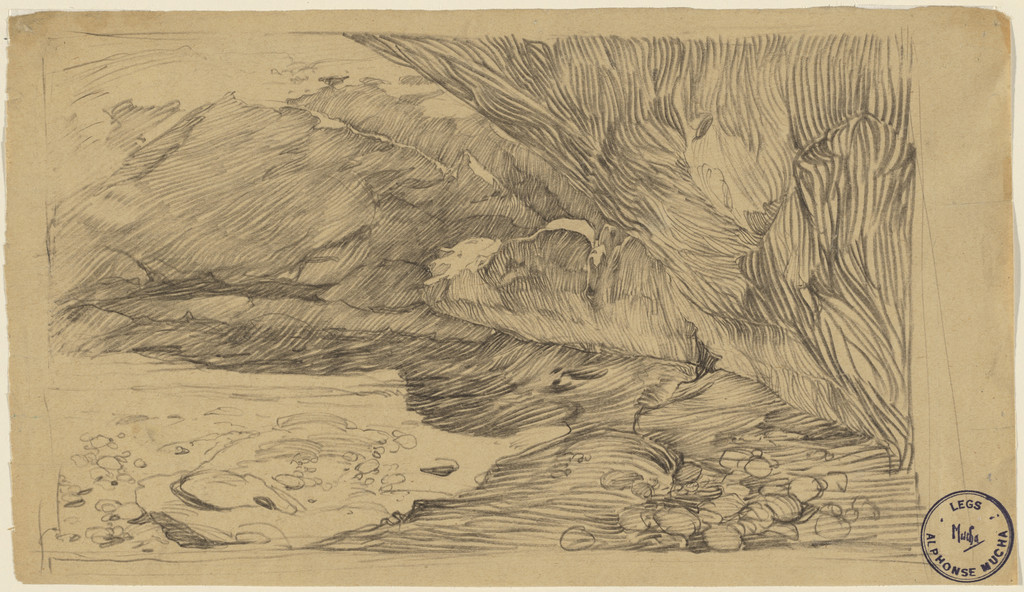
Rocks on the Shore, Alphonse Mucha, n.d.Alphonse MuchaRocks on the Shoren.d.The Museum of Modern Art
Seated Nude Girl Clasping Her Left Knee, Egon Schiele, 1918Egon SchieleSeated Nude Girl Clasping Her Left Knee1918The Metropolitan Museum of Art
Presentation Drawing of "The Statue of Liberty Illuminating the World", Frédéric-Auguste Bartholdi, 1875Frédéric Auguste BartholdiPresentation Drawing of "The Statue of Liberty Illuminating the World"1875The Metropolitan Museum of Art
Still Life with a Glass and Ace of Clubs, Pablo Picasso, 1914Pablo PicassoStill Life with a Glass and Ace of Clubs1914National Gallery of Art
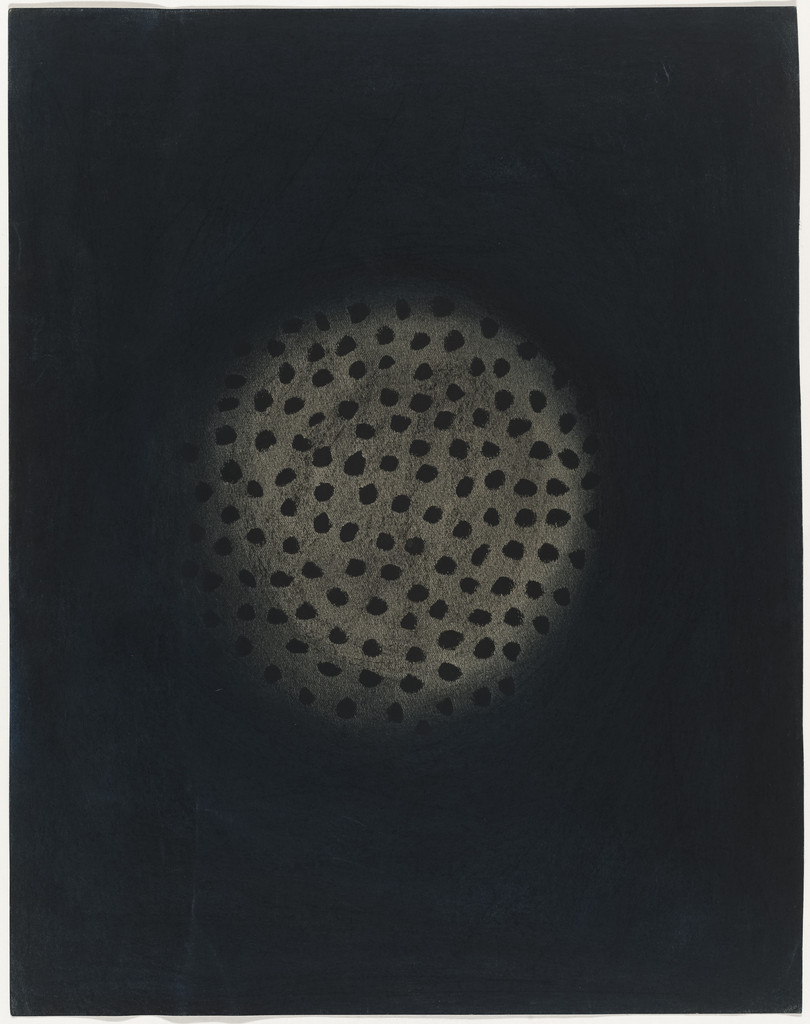
Untitled, Yayoi Kusama, 1952Yayoi KusamaUntitled1952The Museum of Modern Art
Accumulation No. 18a, Yayoi Kusama, 1962Yayoi KusamaAccumulation No. 18a1962The Museum of Modern Art
John Dewey, Henri Matisse, 1930Henri MatisseJohn Dewey1930The Museum of Modern Art
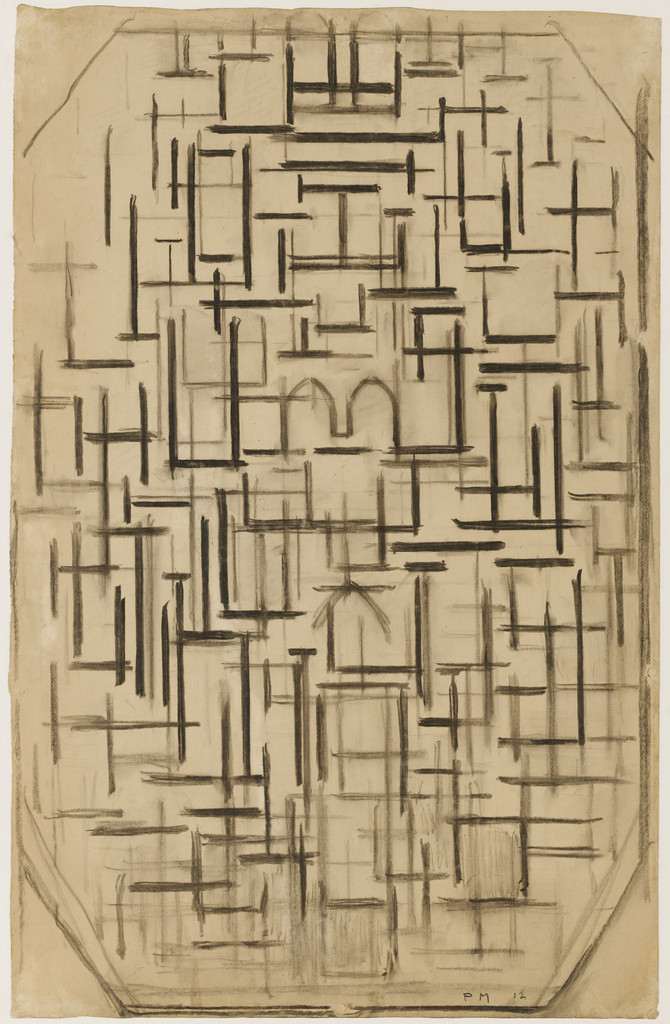
Church Facade 6, Piet Mondrian, 1915, dated 1912Piet MondrianChurch Facade 61915, dated 1912The Museum of Modern Art
Man Wearing a Cloak [verso], Edouard Manet, 1852/1858Édouard ManetMan Wearing a Cloak [verso]1852/1858National Gallery of Art
Final study for Portrait of Mistress Mills in 1750, Joan Miró, 1929Joan MiróFinal study for Portrait of Mistress Mills in 17501929The Museum of Modern Art
Untitled, Mark RothkoMark RothkoUntitledNational Gallery of Art
Final study for Dutch Interior (I), Joan Miró, 1928Joan MiróFinal study for Dutch Interior (I)1928The Museum of Modern Art
No. 7 Special, Georgia O'Keeffe, 1915Georgia O'KeeffeNo. 7 Special1915National Gallery of Art
Armor, Odilon Redon, 1891Odilon RedonArmor1891The Metropolitan Museum of Art
Study for Aita tamari vahine Judith te parari [verso], Paul Gauguin, c. 1894Paul GauguinStudy for Aita tamari vahine Judith te parari [verso]c. 1894National Gallery of Art
The Oriental (L'Asiatique), Henri Matisse, 1939Henri MatisseThe Oriental (L'Asiatique)1939National Gallery of Art
Hail Mary (Ia Orana Maria), Paul Gauguin, ca. 1893–95Paul GauguinHail Mary (Ia Orana Maria)ca. 1893–95The Metropolitan Museum of Art
Guitar, Pablo Picasso, Paris, December 1912Pablo PicassoGuitarParis, December 1912The Museum of Modern Art
Head, Pablo Picasso, 1913Pablo PicassoHead1913The Museum of Modern Art
The Swineherd, Pablo Picasso, 1906Pablo PicassoThe Swineherd1906The Museum of Modern Art
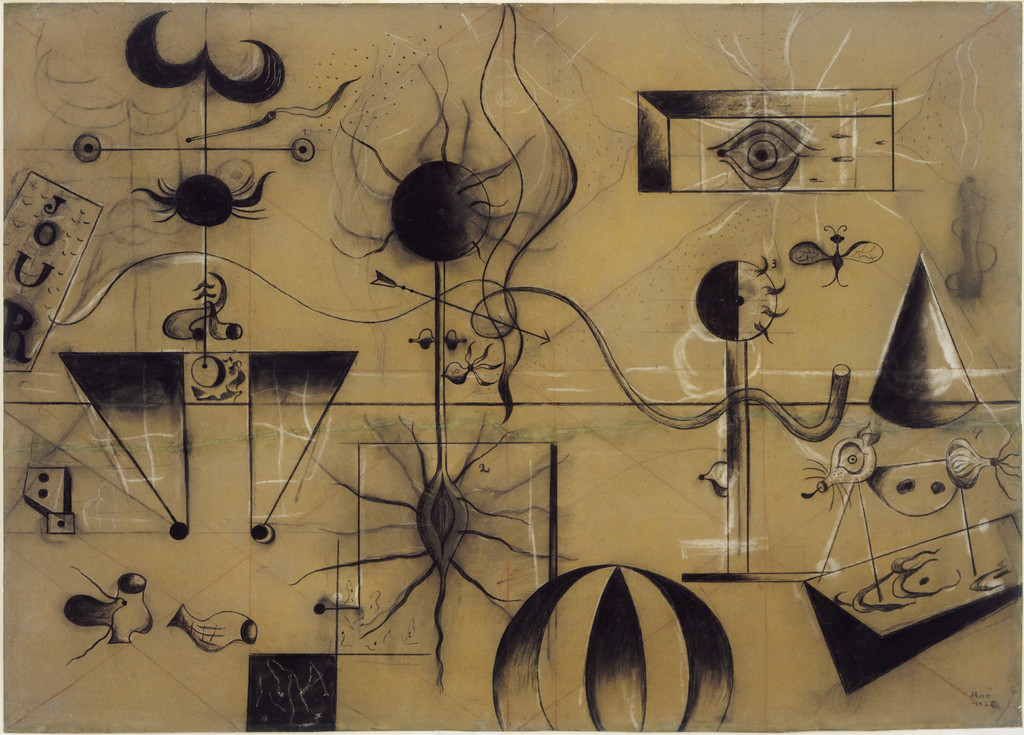
The Family, Joan Miró, 1924Joan MiróThe Family1924The Museum of Modern Art
Pier and Ocean 5 (Sea and Starry Sky), Piet Mondrian, 1915, dated 1914Piet MondrianPier and Ocean 5 (Sea and Starry Sky)1915, dated 1914The Museum of Modern Art
Portrait of Séverine, Auguste Renoir, 1885–87Pierre-Auguste RenoirPortrait of Séverine1885–87The Metropolitan Museum of Art
Napoleon Views His Rising Star, Alphonse Marie MuchaAlphonse MuchaNapoleon Views His Rising StarNational Gallery of Art
CERBERE DEVORANT UN HOMME, Auguste Rodin, 1880 vers,?Auguste RodinCERBERE DEVORANT UN HOMMEMusée Rodin
Mosque, M.C. Escher, c. 1927Maurits Cornelis EscherMosquec. 1927National Gallery of Art

Charcoal drawing

William Kentridge's animated films make a stubborn property of charcoal visible. He draws, photographs, erases and draws again. The old image never quite disappears: grey residues follow the new one like memories. What a tidy draughtsman might try to eliminate becomes part of the action. Charcoal's capacity to change its mind is not merely a convenience before the finished picture. It can be the reason for making the picture at all.

What is drawing charcoal made from?

Traditional sticks begin as twigs, often willow or vine, heated with oxygen excluded. The resulting carbonised wood keeps its slender form but crumbles under the hand. It is neither a lump of mineral coal nor the graphite inside a pencil. Under magnification, tiny wood fragments can still be visible. Something of the tree survives in the powder, even after the heat has transformed its behaviour.

Manufactured charcoal crayons take a different route. Powder is compressed, sometimes with a little binder, into a usable stick, giving a range of hardnesses. This distinction matters when two supposedly identical black drawings behave differently. A loose twig charcoal and a denser manufactured stick do not necessarily lift, spread or bite into the paper in the same way. The short word charcoal can cover several working experiences.

Drawing with the side, the point and the eraser

An upright point makes a narrow mark; a stick laid sideways spreads darkness across a wider strip. A finger, rolled-paper stump or soft cloth moves the particles into smoother tones. Textured paper helps hold them. Lifting charcoal with a kneaded eraser can reopen a light area. The sequence may run from dark mass to recovered light, rather than from a clean outline towards a filled-in object.

This reversibility is qualified. Rubbing does not always restore untouched paper, and a faint remainder can affect every later mark. That remainder is often worth looking at. Beside a firm contour, a soft grey echo may suggest an earlier position, but not every blur is a correction: blending can be deliberate from the beginning. Read the difference as a question about the making, rather than a guaranteed answer.

Matisse looks back through his glasses

Henri Matisse's Self-Portrait of 1937 combines charcoal with stumping. Round glasses, brows and a white beard give the head its bearings; the surrounding sheet remains largely empty. Here softness and firmness have different jobs. The portrait does not need equal definition everywhere. A blurred passage can keep the head turning while the darker accents return attention to the eyes.

1
Henri Matisse, Self-Portrait, 1937. National Gallery of Art, Washington; not on view on our autumn 2026 check.

In discussing Matisse's charcoal work, the Museum of Modern Art's drawings catalogue describes repeated searching, rubbing away and redrawing. That account changes the meaning of apparent simplicity. A few surviving lines can be the outcome of many rejected ones. One can admire the final economy and still enjoy the less orderly evidence around it. The drawing allows both readings to remain present.

Picasso takes a guitar apart

The charcoal Guitar Picasso made in December 1912 brings the instrument's front, sides and back into the same image. Charcoal here does more than simulate light falling on a solid thing. It helps rearrange the terms on which that thing can be recognised. The familiar object becomes a puzzle of parts, and the viewer has to reconstruct a guitar without expecting one continuous viewpoint.

Pablo Picasso, Guitar, December 1912. Museum of Modern Art, New York; not on view on our autumn 2026 check.

The sheet's later history contains a less voluntary dismantling. It entered Daniel-Henry Kahnweiler's stock, which the French state seized as enemy property during the First World War. In 1923 it was sold in a lot of fourteen works on paper. The charcoal object that now receives an individual museum entry once travelled through the market in a bundle. Its modest materials made no guarantee of a modest history.