ART WIKI37,791 on view
MapCollectionArtistsMuseumsExhibitionsJournal
Sign in

ART WIKI

Where to see art and when to visit.

Collections: Art Institute of Chicago, Cooper Hewitt, Smithsonian Design Museum, Getty Villa, Harvard Art Museums, Hirshhorn Museum and Sculpture Garden, J. Paul Getty Museum, Minneapolis Institute of Art, Musée du Louvre, National Gallery of Art, National Museum of Asian Art, National Portrait Gallery (Smithsonian), Pushkin State Museum of Fine Arts, Rijksmuseum, Smithsonian American Art Museum, SMK — National Gallery of Denmark, State Hermitage Museum, State Russian Museum, The Cleveland Museum of Art, The Metropolitan Museum of Art, The Museum of Modern Art, Tretyakov Gallery, Victoria and Albert Museum, Whitney Museum of American Art, Yale Center for British Art, Yale University Art Gallery, State Catalogue of the Museum Fund of Russia (274 museums), Europeana (19 museums), Wikidata (44 museums), Paris Musées (12 museums), Joconde, the French Ministry of Culture's museum database (495 museums), and the Catalogo generale dei Beni Culturali of Italy's Ministry of Culture (74 museums). Images belong to their rights holders.

Sections

  • Map
  • Search
  • Collection
  • Masterpieces
  • Stolen and lost
  • Embed artwork status
  • On view now
  • Artists

More

  • Museums & galleries
  • Exhibitions
  • Journal
  • Where the data comes from
  • Privacy & cookies
  • About
  • Terms of use
HomeMapBrowse

Browse

Mixed media

Mixed media combines different artistic materials or processes within one work. A drawing might join ink to pastel; a painting might acquire pasted paper or projecting metal parts. The combination need not announce itself. Black paper can look like thick paint, while an apparently powdery ballet scene can turn out to have a much less straightforward surface.

301 works from 24 museums3 on view nowClear all

/
Technique
  • All
  • Graphite139,727
  • Pen and ink61,432
  • Watercolour59,084
  • Ink52,798
  • Chalk39,879
  • Charcoal9,549
  • Gouache9,482
  • Pastel4,296
  • Oil2,442
  • Silverpoint430
  • Mixed media301
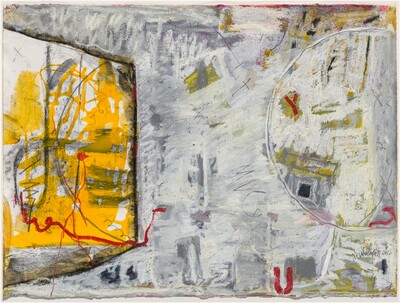
Slam Click, David Wojnarowicz, 1983David WojnarowiczSlam Click1983The Museum of Modern Art
Study for Out of the Mud, Robert Arneson, 1985Robert ArnesonStudy for Out of the Mud1985Yale University Art Gallery
Slipped Grid [Green], Polly Apfelbaum, 1994Polly ApfelbaumSlipped Grid [Green]1994Yale University Art Gallery
Bethany Squares 13, Rebecca Salter, 2003Rebecca SalterBethany Squares 132003Yale Center for British Art
Bethany Squares 17, Rebecca Salter, 2003Rebecca SalterBethany Squares 172003Yale Center for British Art
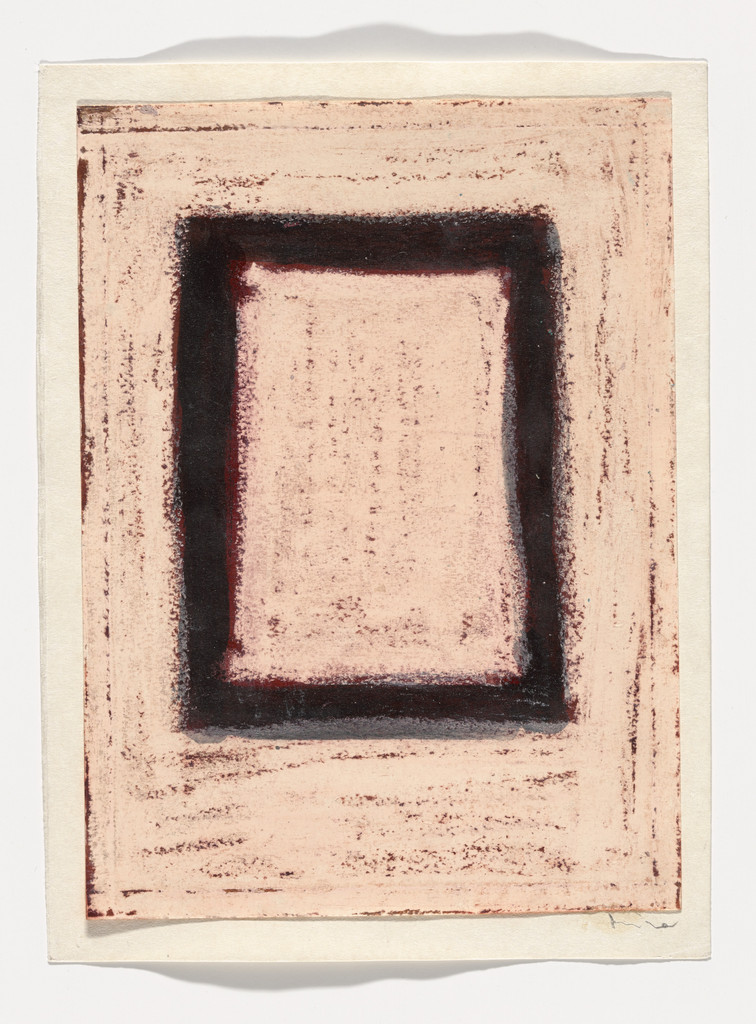
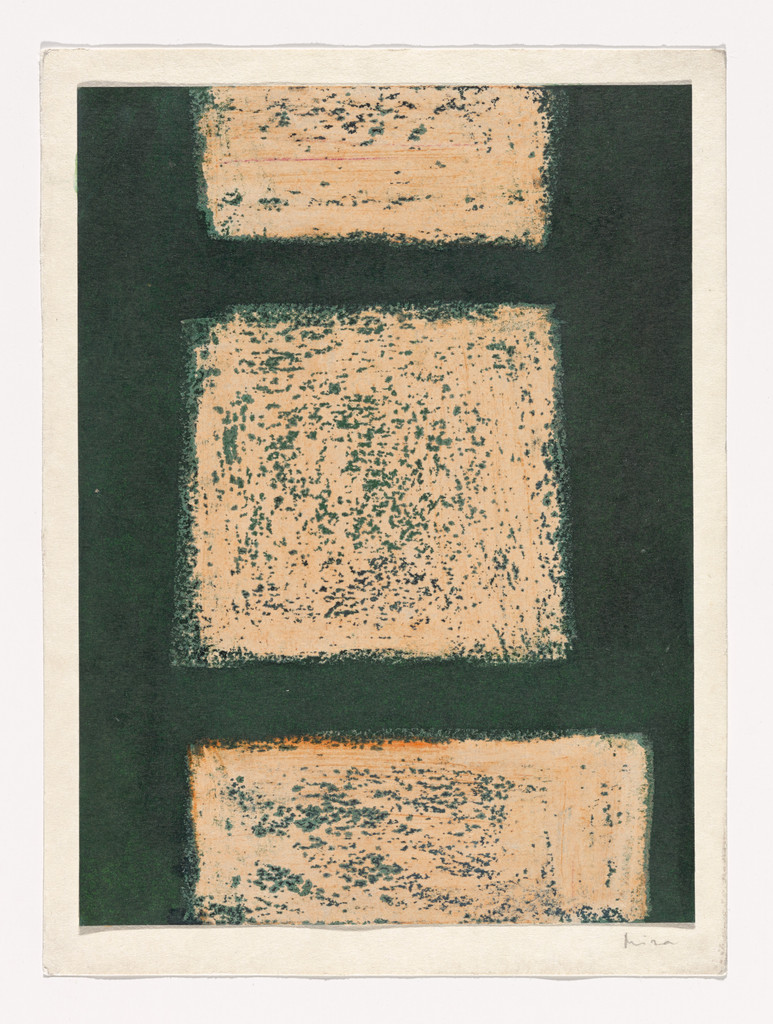
Untitled, Mira Schendel, 1960sMira SchendelUntitled1960sThe Museum of Modern Art
Bethany Squares 10, Rebecca Salter, 2003Rebecca SalterBethany Squares 102003Yale Center for British Art
Bethany Squares 12, Rebecca Salter, 2003Rebecca SalterBethany Squares 122003Yale Center for British Art
Bethany Squares 15, Rebecca Salter, 2003Rebecca SalterBethany Squares 152003Yale Center for British Art
Untitled, Arturo Herrera, 1998Arturo HerreraUntitled1998Art Institute of Chicago
Untitled, Roberto Matta, 1943–44MattaUntitled1943–44Yale University Art Gallery
Werkzeichnung/ Workdrawing, Franz Erhard Walther, 1969–70Franz Erhard WaltherWerkzeichnung/ Workdrawing1969–70Yale University Art Gallery
Untitled, Philip Taaffe, 1993Philip TaaffeUntitled1993Yale University Art Gallery
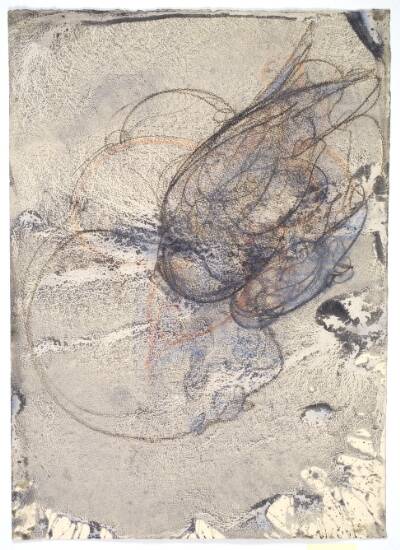
Los Pájaros y el Alma (el espíritu inválido), Arnaldo Roche-Rabell, 1993Arnaldo Roche-RabellLos Pájaros y el Alma (el espíritu inválido)1993National Gallery of Art
Witness, Robert Brady, 1984Robert BradyWitness1984Yale University Art Gallery
Tape Project, Jaime Davidovich, 1970Jaime DavidovichTape Project1970The Museum of Modern Art
War of the Worlds [after HG Wells], Tim Rollins, 1991Tim Rollins, K.O.S. (Kids of Survival), Andreas Gursky, Ross Bleckner, Various ArtistsWar of the Worlds [after HG Wells]1991Yale University Art Gallery
4 Part Ad Reinhardt, Ray Johnson, 1972Ray Johnson4 Part Ad Reinhardt1972Whitney Museum of American Art
Untitled, Arturo Herrera, 1998Arturo HerreraUntitled1998Art Institute of Chicago
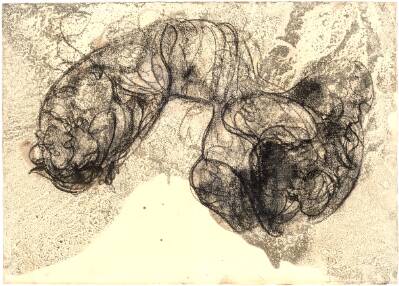
Svedetegning, John Olsen, 2006John OlsenSvedetegning2006SMK
Uden titel, Jesper Christiansen, 1989Jesper ChristiansenUden titel1989SMK
Svedetegning, John Olsen, 2006John OlsenSvedetegning2006SMK
Preliminary model for a chapel, Ellsworth Kelly, 1986Ellsworth KellyPreliminary model for a chapel1986The Museum of Modern Art
Untitled, from the series Shooting Star, Sam Gilliam, 1998Sam GilliamUntitled, from the series Shooting Star1998Yale University Art Gallery
Bethany Squares 3, Rebecca Salter, 2003Rebecca SalterBethany Squares 32003Yale Center for British Art
Untitled, Mira Schendel, 1960sMira SchendelUntitled1960sThe Museum of Modern Art
Y...U?, Joyce Wellman, 2016Joyce WellmanY...U?2016National Gallery of Art
Bethany Squares 5, Rebecca Salter, 2003Rebecca SalterBethany Squares 52003Yale Center for British Art
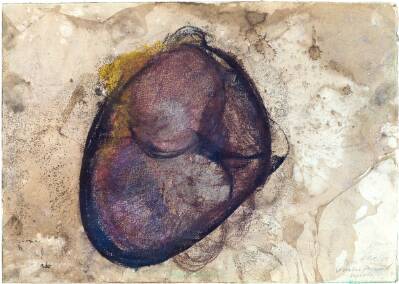
Svedetegning, John Olsen, 2005John OlsenSvedetegning2005SMK
Collage, Number 21, Joseph Stella, c. 1920Joseph StellaCollage, Number 21c. 1920Whitney Museum of American Art
#95F, AB 7.27.04, 7.28.04, 8.3.04m 3.27.06, 4.14.06, 5.1.06, 5.16.06, 5.18.06, 5.20.06, 9.22.06, 9.24.06, 9.26.06 Napkin Mountain, Pope.L, 2004–06Pope.L#95F, AB 7.27.04, 7.28.04, 8.3.04m 3.27.06, 4.14.06, 5.1.06, 5.16.06, 5.18.06, 5.20.06, 9.22.06, 9.24.06, 9.26.06 Napkin Mountain2004–06Art Institute of Chicago
Portfolio, Ethel Stein, c. 1950-2018Ethel SteinPortfolioc. 1950-2018Art Institute of Chicago
Collage, Number 11, Joseph Stella, c. 1933Joseph StellaCollage, Number 11c. 1933Whitney Museum of American Art
Bethany Squares 11, Rebecca Salter, 2003Rebecca SalterBethany Squares 112003Yale Center for British Art
Wunde Punkte, Günter Brus, (1983)Günter BrusWunde Punkte(1983)The Museum of Modern Art
Untitled, Mira Schendel, 1960sMira SchendelUntitled1960sThe Museum of Modern Art
Bethany Squares 14, Rebecca Salter, 2003Rebecca SalterBethany Squares 142003Yale Center for British Art
Opportunities Surround You, Jane Hammond, 1994Jane HammondOpportunities Surround You1994Yale University Art Gallery
Untitled, Mira Schendel, 1960sMira SchendelUntitled1960sThe Museum of Modern Art
Untitled (You and the Most Useless Type), Jon Pylypchuk, 2003Jon PylypchukUntitled (You and the Most Useless Type)2003Whitney Museum of American Art
Untitled, Jon Pylypchuk, 2003Jon PylypchukUntitled2003Whitney Museum of American Art
Untitled, Brice Marden, 1968Brice MardenUntitled1968Art Institute of Chicago
Untitled, Arturo Herrera, 1998Arturo HerreraUntitled1998Art Institute of Chicago
Bethany Squares 6, Rebecca Salter, 2003Rebecca SalterBethany Squares 62003Yale Center for British Art
Sketchbook, Ethel Stein, 1986-1994Ethel SteinSketchbook1986-1994Art Institute of Chicago

Mixed media

Edgar Degas owed Henri Rouart a replacement. He had tried to improve a work belonging to his friend and accidentally destroyed it. The compensation was Dancers Practicing at the Barre, shown in 1877. Even this picture did not entirely satisfy him. An older Metropolitan Museum catalogue recounts that he later wanted to remove its watering can; Rouart refused, and was even said to have chained the picture to his wall. It is an excellent story about knowing when to stop.

What does mixed media actually mean?

The term names a combination, rather than a particular recipe. Ink with pastel and paint with collage both qualify. It says little by itself about appearance, difficulty or date. Nor does it guarantee a heap of unfamiliar objects. Two materials can merge so thoroughly that the eye barely detects the change. Elsewhere, a cut edge or projecting component makes the join the subject of the work.

Mixed media also differs from multimedia, a term usually associated with combinations involving electronic forms such as moving images and sound. Here the crucial meeting happens between physical substances and techniques. Think of the distinction between drawing a line, attaching a strip of paper in its place, and building that line out from the wall. Each may describe the same curve, but each gives it a different physical existence.

Why does Degas look like pastel?

The current catalogue describes the dancers simply as mixed media on canvas. The older catalogue was more specific about one part of the process: oil colour diluted heavily with turpentine. It credited this thinning with the pastel-like effect and explained that the picture remained unvarnished, protected by glass. A dry-looking surface, then, does not by itself identify a dry drawing material. Appearance and recipe can pull in different directions.

The little can has another job besides balancing the composition. Ballet studios used water to keep dust from rising off the floor. Its bent shape answers the stretching dancer on the right. A practical tool becomes a visual joke, and the broad empty floor matters as much as the bodies. Taking the can away would change the conversation across that space. Rouart's refusal has a pictorial logic, whatever happened with the chain.

1
Edgar Degas, Dancers Practicing at the Barre, 1877. Metropolitan Museum of Art, New York; in Gallery 815 on our autumn 2026 check.

Can paper behave like paint?

Mark Bradford made Legendary for an exhibition bringing his work into dialogue with Clyfford Still. Still had spread black paint with a palette knife. Bradford reached a related physical density through another route: he dampened black-dyed paper and crushed it onto canvas. Here a material normally associated with a flat sheet becomes a worked, compressed surface. The dialogue is conducted through hands and matter as much as through colour.

Knowing that process changes what one looks for. An apparent brushstroke might instead be a fold; a heavy patch might record pressure rather than the loading of a brush. This is why the category rewards close attention without offering one reliable visual test. A spectator can recognise roughness immediately and still misunderstand how it was made. The interest lies in that delay between seeing and identifying.

Mark Bradford, Legendary, 2016. National Gallery of Art, Washington; not on view on our autumn 2026 check.

When a painting leaves the wall

For Jarama II, named after a racing circuit near Madrid, Frank Stella moved through several workshops' worth of procedures. He drew with drafting instruments, cut a foam-board model and reused some offcuts. A metal fabricator translated the model into components; Stella assembled and painted them. The finished work uses etched magnesium and projects more than sixty centimetres. Its turns are actual projecting forms, not just painted suggestions of depth.

Frank Stella, Jarama II, 1982. National Gallery of Art, Washington; not on view on our autumn 2026 check.

Jarama II needs a view from the side as well as from the front. A painted curve can continue onto a projecting metal part; a real shadow may lie beside a painted passage. Move far enough to separate those effects without losing the whole construction. The title points to a racing circuit, but the route available to a museum visitor runs around forms that extend more than sixty centimetres from the wall.