ART WIKI37,791 on view
MapCollectionArtistsMuseumsExhibitionsJournal
Sign in

ART WIKI

Where to see art and when to visit.

Collections: Art Institute of Chicago, Cooper Hewitt, Smithsonian Design Museum, Getty Villa, Harvard Art Museums, Hirshhorn Museum and Sculpture Garden, J. Paul Getty Museum, Minneapolis Institute of Art, Musée du Louvre, National Gallery of Art, National Museum of Asian Art, National Portrait Gallery (Smithsonian), Pushkin State Museum of Fine Arts, Rijksmuseum, Smithsonian American Art Museum, SMK — National Gallery of Denmark, State Hermitage Museum, State Russian Museum, The Cleveland Museum of Art, The Metropolitan Museum of Art, The Museum of Modern Art, Tretyakov Gallery, Victoria and Albert Museum, Whitney Museum of American Art, Yale Center for British Art, Yale University Art Gallery, State Catalogue of the Museum Fund of Russia (274 museums), Europeana (19 museums), Wikidata (44 museums), Paris Musées (12 museums), Joconde, the French Ministry of Culture's museum database (495 museums), and the Catalogo generale dei Beni Culturali of Italy's Ministry of Culture (74 museums). Images belong to their rights holders.

Sections

  • Map
  • Search
  • Collection
  • Masterpieces
  • Stolen and lost
  • Embed artwork status
  • On view now
  • Artists

More

  • Museums & galleries
  • Exhibitions
  • Journal
  • Where the data comes from
  • Privacy & cookies
  • About
  • Terms of use
HomeMapBrowse

Browse

Pastel

Pastel is colour in a stick: finely ground pigment held together with a small amount of binder. It leaves powder on the surface rather than a continuous film of liquid paint. The word also names the finished work, which may be a quick drawing or a large, fully developed painting. Soft material can sustain very firm ambitions.

4,296 works from 174 museums51 on view nowClear all

/
Technique
  • All
  • Graphite139,727
  • Pen and ink61,432
  • Watercolour59,084
  • Ink52,798
  • Chalk39,879
  • Charcoal9,549
  • Gouache9,482
  • Pastel4,296
  • Oil2,442
  • Silverpoint430
  • Mixed media301
Woman Having Her Hair Combed, Edgar Degas, ca. 1886–88Edgar DegasWoman Having Her Hair Combedca. 1886–88Gallery 817The Metropolitan Museum of Art
Woman with an Exotic Plant, Henri Matisse, c. 1925Henri MatisseWoman with an Exotic Plantc. 1925National Gallery of Art
Seated Nude Seen from Above, Paul Gauguin, 1888/1889Paul GauguinSeated Nude Seen from Above1888/1889National Gallery of Art
A Breton Gleaner, Paul Gauguin, 1886Paul GauguinA Breton Gleaner1886National Gallery of Art
An Orchid, Georgia O'Keeffe, 1941Georgia O'KeeffeAn Orchid1941The Museum of Modern Art
Vaste plaine, sous un grand ciel, au soleil couchant, Delacroix, Eugène, vers 1849Eugène DelacroixVaste plaine, sous un grand ciel, au soleil couchantc. 1849Musée du Louvre
Portrait of Julien de la Rochenoire, Édouard Manet, 1882Édouard ManetPortrait of Julien de la Rochenoire1882J. Paul Getty Museum
Untitled (Six Figures), Roy Lichtenstein, 1948Roy LichtensteinUntitled (Six Figures)1948National Gallery of Art
Bacchus, John Singer Sargent, 1874-1880John Singer SargentBacchus1874-1880National Gallery of Art
Girl with Leaves, Lucian Freud, 1948Lucian FreudGirl with Leaves1948The Museum of Modern Art
Untitled (Figures), Vaslav Nijinsky, c. 1917–18Vaslav NijinskyUntitled (Figures)c. 1917–18The Museum of Modern Art
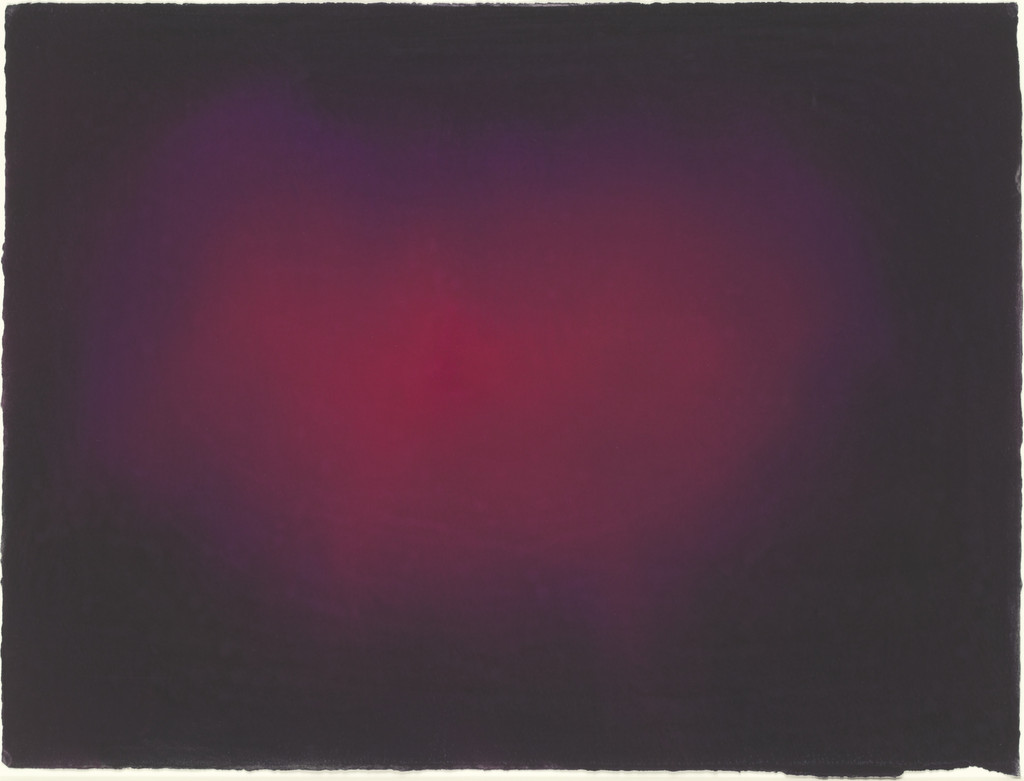
Untitled, Anish Kapoor, (2001)Anish KapoorUntitled(2001)The Museum of Modern Art
Woman with Flowered Hat, Pablo Picasso, 1921Pablo PicassoWoman with Flowered Hat1921The Museum of Modern Art
Reclining Nude [recto], Paul Gauguin, 1894/1895Paul GauguinReclining Nude [recto]1894/1895National Gallery of Art
Untitled, Jackson Pollock, 1945Jackson PollockUntitled1945The Museum of Modern Art
Mademoiselle Isabelle Lemonnier (1857–1926), Edouard Manet, 1879–82Édouard ManetMademoiselle Isabelle Lemonnier (1857–1926)1879–82Gallery 817The Metropolitan Museum of Art
George Moore (1852–1933), Edouard Manet, 1879Édouard ManetGeorge Moore (1852–1933)1879Gallery 817The Metropolitan Museum of Art
Emilie-Louise Delabigne (1848–1910), Called Valtesse de la Bigne, Edouard Manet, 1879Édouard ManetEmilie-Louise Delabigne (1848–1910), Called Valtesse de la Bigne1879Gallery 817The Metropolitan Museum of Art
Arch of Morning Glories, Study for "A Basket of Flowers", Eugène Delacroix, 1848–49Eugène DelacroixArch of Morning Glories, Study for "A Basket of Flowers"1848–49The Metropolitan Museum of Art
A Hunter Stalking a Lion in the Mountains of North Africa, Eugène Delacroix, 1849Eugène DelacroixA Hunter Stalking a Lion in the Mountains of North Africa1849The Metropolitan Museum of Art
The Charge, Roy Lichtenstein, 1948/1949Roy LichtensteinThe Charge1948/1949National Gallery of Art
Paysage avec groupe d'arbres à gauche, Pissarro, CamilleCamille Jacob PissarroPaysage avec groupe d'arbres à gaucheMusée du Louvre
Untitled, Anish Kapoor, (2003)Anish KapoorUntitled(2003)The Museum of Modern Art
Study for "In the Street" (Dans la rue), Pierre Bonnard, c. 1900Pierre BonnardStudy for "In the Street" (Dans la rue)c. 1900National Gallery of Art
Sunset, Eugène Delacroix, ca. 1850Eugène DelacroixSunsetca. 1850Gallery 852The Metropolitan Museum of Art
On the Sleigh, Marc Chagall, 1958Marc ChagallOn the Sleigh1958National Gallery of Art
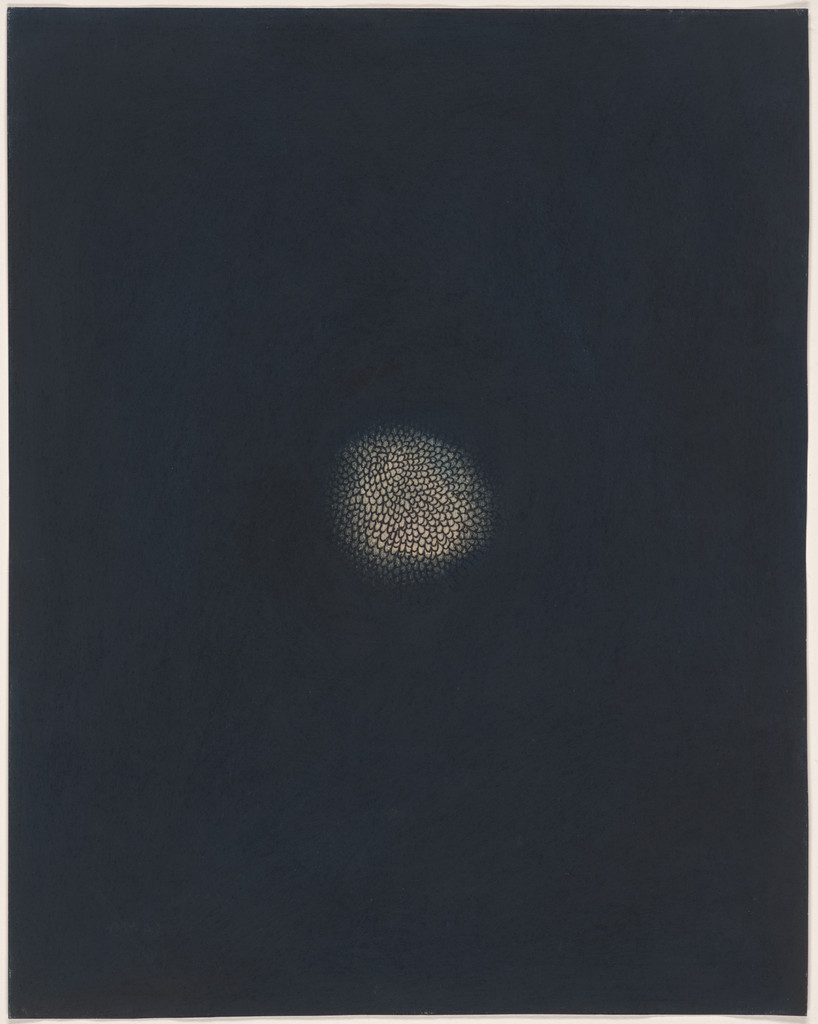
Untitled, Yayoi Kusama, 1952Yayoi KusamaUntitled1952The Museum of Modern Art
Caroline Rémy ("Séverine"), Auguste Renoir, c. 1885Pierre-Auguste RenoirCaroline Rémy ("Séverine")c. 1885National Gallery of Art
Lady with Green Hat (Mlle. Dieterle?), Auguste Renoir, c. 1895-1905Pierre-Auguste RenoirLady with Green Hat (Mlle. Dieterle?)c. 1895-1905National Gallery of Art
Portrait de Théodore de Banville, Renoir, Pierre Auguste, Vers 1882/1883Pierre-Auguste RenoirPortrait de Théodore de Banvillec. 1882–1883Musée du Louvre
The Milliner, Auguste Renoir, ca. 1879Pierre-Auguste RenoirThe Millinerca. 1879The Metropolitan Museum of Art
Young Woman Dressing Herself, Edgar Degas, 1885Edgar DegasYoung Woman Dressing Herself1885National Gallery of Art
Hortense Valpinçon, Edgar Degas, 1883Edgar DegasHortense Valpinçon1883National Gallery of Art
The Curtain, Edgar Degas, c. 1880Edgar DegasThe Curtainc. 1880National Gallery of Art
Jockey, Edgar Degas, c. 1898Edgar DegasJockeyc. 1898National Gallery of Art
Two Women, Edgar Degas, c. 1878/1880Edgar DegasTwo Womenc. 1878/1880National Gallery of Art
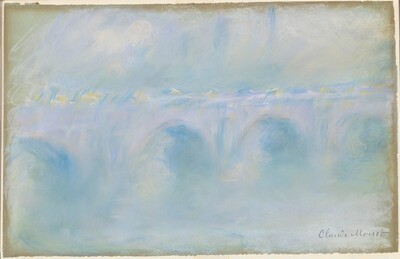
Waterloo Bridge, Claude Monet, 1901Claude MonetWaterloo Bridge1901National Gallery of Art
Elsa and Curt Glaser, Edvard Munch, 1913Edvard MunchElsa and Curt Glaser1913National Gallery of Art
Abstraction, Le Corbusier, c. 1932Le CorbusierAbstractionc. 1932National Gallery of Art
No. 19 H.S.W., Yayoi Kusama, 1956Yayoi KusamaNo. 19 H.S.W.1956The Museum of Modern Art
Woman (Opera Singer), Joan Miró, 1934Joan MiróWoman (Opera Singer)1934The Museum of Modern Art
Madame Dietz-Monnin, Edgar Degas, 1879Edgar DegasMadame Dietz-Monnin1879National Gallery of Art
Ballet Dancers, Edgar Degas, c. 1877Edgar DegasBallet Dancersc. 1877National Gallery of Art
Young Woman with a Muff, Auguste Renoir, 1860–1919Pierre-Auguste RenoirYoung Woman with a Muff1860–1919The Metropolitan Museum of Art
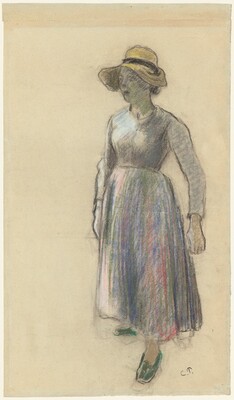
A Peasant Girl in a Straw Hat, Camille Pissarro, c. 1892Camille Jacob PissarroA Peasant Girl in a Straw Hatc. 1892National Gallery of Art
Péniche au bord de l'Oise, Pontoise, Pissarro, Camille, vers 1873/1874Camille Jacob PissarroPéniche au bord de l'Oise, Pontoisec. 1873–1874Musée du Louvre
Untitled, Anish Kapoor, (2003)Anish KapoorUntitled(2003)The Museum of Modern Art
La cueillette des oranges à Cimiez - (Nice) (titre récent) ; La cueillette des oranges (titre ancien), Berthe Morisot, 1889Berthe MorisotLa cueillette des oranges à Cimiez - (Nice) (titre récent) ; La cueillette des oranges (titre ancien)1889Musée d'Art et d'Histoire de Provence

Pastel

Sixteen sheets of paper were joined to make Maurice Quentin de La Tour’s Portrait of Gabriel Bernard de Rieux, a picture about two metres high. A medium easily rubbed away was being asked to carry the authority of a grand portrait. De Rieux had recently inherited his father’s fortune. Around him, possessions advertise his standing; the globe turned towards West Africa points to the family wealth’s connection with the traffic in enslaved people.

Maurice Quentin de La Tour, Portrait of Gabriel Bernard de Rieux, 1739–41. J. Paul Getty Museum, Los Angeles; not on view on our autumn 2026 check.

The scale changes what we expect from pastel. A small stick of colour has produced a public assertion of rank, complete with an extensive interior. Its material fragility does not soften the social claim. The objects deserve as much attention as the face: they have been made visible because visibility is part of the sitter’s power. The portrait’s polished assurance makes the history behind that assurance more, rather than less, necessary to consider.

How does a pastel stick become a painting?

Powdered pigment is combined with just enough binder to make a usable stick. Lighter shades may include white fillers. The balance must allow the material to hold together in the hand and release particles onto the support. A paper with some surface texture helps retain them. Colour is deposited directly, so the tool in the hand is also the material that will remain in the picture.

The side of a stick can spread a broad, broken layer; its tip can make a concentrated stroke. Fingers or a stump can blend the powder, while separate strokes of different colours can remain visible together. These choices give pastel a range from smooth modelling to emphatic hatching. The distinction is not between finished and unfinished work. Leaving marks apart can be exactly the finish that a passage needs.

A princess, seven sheets and a working study

1

Adélaïde Labille-Guiard’s Madame Élisabeth de France was made as a study for a more formal portrait of Louis XVI’s younger sister. Its blue-paper support comprises seven joined sheets. Labille-Guiard entered the French Royal Academy in 1783, when women’s membership was restricted to four, and the royal family supplied important patronage. The study belongs to a professional practice with demanding sitters and larger projects, not merely to an informal alternative to painting.

Adélaïde Labille-Guiard, Madame Élisabeth de France, about 1787. Metropolitan Museum of Art, New York; gallery 642 on our autumn 2026 check.

A preparatory purpose does not prevent a portrait from becoming an absorbing object in its own right. Here the joined support gives the image a physical history before we even consider the sitter. The face appears continuous, while the paper beneath is assembled. That is a useful detail to remember beside La Tour’s larger construction: the boundaries of a manufactured sheet did not have to become the boundaries of a portrait.

Degas keeps the strokes apart

In Woman Having Her Hair Combed, Degas layered strokes in changing directions. Green and turquoise passages interrupt the red of the rug; the surroundings make the skin read differently. The sheet was originally light green and has discoloured to warm grey. There is also an unresolved exhibition story: the pastel seems intended for the 1886 Impressionist exhibition, but may have been unfinished in time or omitted for an unknown reason.

Edgar Degas, Woman Having Her Hair Combed, about 1886–88. Metropolitan Museum of Art; gallery 817 on our autumn 2026 check.

Follow the rug before returning to the body. Its competing colours are not simply background decoration: they change the visual conditions around the figure. Pastel allows the separate touches to remain readable even as they cooperate in describing a larger form. Blending everything would remove part of that activity. The picture’s quiet domestic action sits within a surface that is considerably less quiet.

The powder explains why a pastel can be both substantial and vulnerable. Paper can change colour, and the painted surface remains susceptible to disturbance. At the Getty, eighteen pastels were formally transferred from the paintings collection to the drawings collection in 2016 so that their care matched their materials. A grand portrait did not become less ambitious when its departmental address changed. It simply needed the life of a work on paper.