ART WIKI37,791 on view
MapCollectionArtistsMuseumsExhibitionsJournal
Sign in

ART WIKI

Where to see art and when to visit.

Collections: Art Institute of Chicago, Cooper Hewitt, Smithsonian Design Museum, Getty Villa, Harvard Art Museums, Hirshhorn Museum and Sculpture Garden, J. Paul Getty Museum, Minneapolis Institute of Art, Musée du Louvre, National Gallery of Art, National Museum of Asian Art, National Portrait Gallery (Smithsonian), Pushkin State Museum of Fine Arts, Rijksmuseum, Smithsonian American Art Museum, SMK — National Gallery of Denmark, State Hermitage Museum, State Russian Museum, The Cleveland Museum of Art, The Metropolitan Museum of Art, The Museum of Modern Art, Tretyakov Gallery, Victoria and Albert Museum, Whitney Museum of American Art, Yale Center for British Art, Yale University Art Gallery, State Catalogue of the Museum Fund of Russia (274 museums), Europeana (19 museums), Wikidata (44 museums), Paris Musées (12 museums), Joconde, the French Ministry of Culture's museum database (495 museums), and the Catalogo generale dei Beni Culturali of Italy's Ministry of Culture (74 museums). Images belong to their rights holders.

Sections

  • Map
  • Search
  • Collection
  • Masterpieces
  • Stolen and lost
  • Embed artwork status
  • On view now
  • Artists

More

  • Museums & galleries
  • Exhibitions
  • Journal
  • Where the data comes from
  • Privacy & cookies
  • About
  • Terms of use
HomeMapBrowse

Browse

Silverpoint

Silverpoint is drawing with a silver tip on a specially coated surface. The coating rubs tiny particles from the metal, leaving a fine grey trace that often becomes brown with age. It looks nothing like silver jewellery. Before the familiar wooden pencil, this small, clean tool offered a way to carry a whole drawing kit without an ink bottle.

430 works from 17 museums1 on view nowClear all

/
Technique
  • All
  • Graphite139,727
  • Pen and ink61,432
  • Watercolour59,084
  • Ink52,798
  • Chalk39,879
  • Charcoal9,549
  • Gouache9,482
  • Pastel4,296
  • Oil2,442
  • Silverpoint430
  • Mixed media301
A Bear Walking, Leonardo da Vinci, ca. 1482–85Leonardo da VinciA Bear Walkingca. 1482–85The Metropolitan Museum of Art
Compositional Sketches for the Virgin Adoring the Christ Child, with and without the Infant St. John the Baptist; Diagram of a Perspectival Projection (recto); Slight Doodles (verso), Leonardo da Vinci, 1480–85Leonardo da VinciCompositional Sketches for the Virgin Adoring the Christ Child, with and without the Infant St. John the Baptist; Diagram of a Perspectival Projection (recto); Slight Doodles (verso)1480–85The Metropolitan Museum of Art
Three Virtues (Temperance, Hope, and Fortitude or Justice) and Studies of a Seated Man, Lorenzo Monaco, ca. 1420Lorenzo MonacoThree Virtues (Temperance, Hope, and Fortitude or Justice) and Studies of a Seated Manca. 1420The Metropolitan Museum of Art
Portrait of Prince Maurice on His Deathbed, Jacques de Gheyn, 1625Jacques de GheynPortrait of Prince Maurice on His Deathbed1625Rijksmuseum
Portrait of a Woman [recto], Hans Holbein the Elder, c. 1508Hans Holbein the ElderPortrait of a Woman [recto]c. 1508National Gallery of Art
Study of a Bearded Man [verso], Hans Holbein the Elder, c. 1508/1510Hans Holbein the ElderStudy of a Bearded Man [verso]c. 1508/1510National Gallery of Art
Two Draped Women Standing on Either Side of a Herm, Filippino Lippi, 1488/1493Filippino LippiTwo Draped Women Standing on Either Side of a Herm1488/1493National Gallery of Art
Portret van Jacob Taurinus, anonymous, 1650 - 1700anonymousPortret van Jacob Taurinus1650 - 1700Rijksmuseum
Acanthusblad en schets voor Maria met kind, anonymous, 1470 - 1480anonymousAcanthusblad en schets voor Maria met kind1470 - 1480Rijksmuseum
Schets van een ruïne en hoofd van kind, anonymous, 1585 - 1587anonymousSchets van een ruïne en hoofd van kind1585 - 1587Rijksmuseum
Twee honden, anonymous, 1586anonymousTwee honden1586Rijksmuseum
Twee vechtende romeinse soldaten, anonymous, 1586anonymousTwee vechtende romeinse soldaten1586Rijksmuseum
Five Nude Infants in Various Poses, Raphael, ca. 1500RaphaelFive Nude Infants in Various Posesca. 1500The Metropolitan Museum of Art
Portrait of Alain de Coëtivy (1407–1474), Jean Fouquet, ca. 1451–55Jean FouquetPortrait of Alain de Coëtivy (1407–1474)ca. 1451–55The Metropolitan Museum of Art
Old Woman ( Alte Dame ), Otto Dix, 1932Otto DixOld Woman ( Alte Dame )1932The Museum of Modern Art
Head of a Man Wearing a Cap, Domenico Ghirlandaio, ca. 1495–1505Domenico GhirlandaioHead of a Man Wearing a Capca. 1495–1505The Metropolitan Museum of Art
Head of a Youth Looking Up, Pinturicchio, c. 1485PinturicchioHead of a Youth Looking Upc. 1485National Gallery of Art
A Kneeling Man in Fifteenth-Century Costume (recto); a small, fragmentary sketch of a recumbant boy, probably by a later hand (verso), Pinturicchio, ca. 1509PinturicchioA Kneeling Man in Fifteenth-Century Costume (recto); a small, fragmentary sketch of a recumbant boy, probably by a later hand (verso)ca. 1509The Metropolitan Museum of Art
Bedelaar, op de rug gezien, anonymous, 1586anonymousBedelaar, op de rug gezien1586Rijksmuseum
gevleugelde Putto, anonymous, 1587anonymousgevleugelde Putto1587Rijksmuseum
Standing Woman with Her Hands Clasped in Prayer, Filippino Lippi, c. 1488Filippino LippiStanding Woman with Her Hands Clasped in Prayerc. 1488National Gallery of Art
Menigte op een heuvel of rots, anonymous, 1675 - 1699anonymousMenigte op een heuvel of rots1675 - 1699Rijksmuseum
Hoofd van een man met helm, anonymous, 1530 - 1540anonymousHoofd van een man met helm1530 - 1540Rijksmuseum
Borstbeeld van Arnoldus Geesteranus, anonymous, 1650 - 1700anonymousBorstbeeld van Arnoldus Geesteranus1650 - 1700Rijksmuseum
Head of a Youth Wearing a Cap; a Right Forearm with the Hand Clutching a Stone; and a Left Hand Holding a Drapery, Sandro Botticelli, 1480/1485Sandro BotticelliHead of a Youth Wearing a Cap; a Right Forearm with the Hand Clutching a Stone; and a Left Hand Holding a Drapery1480/1485National Gallery of Art
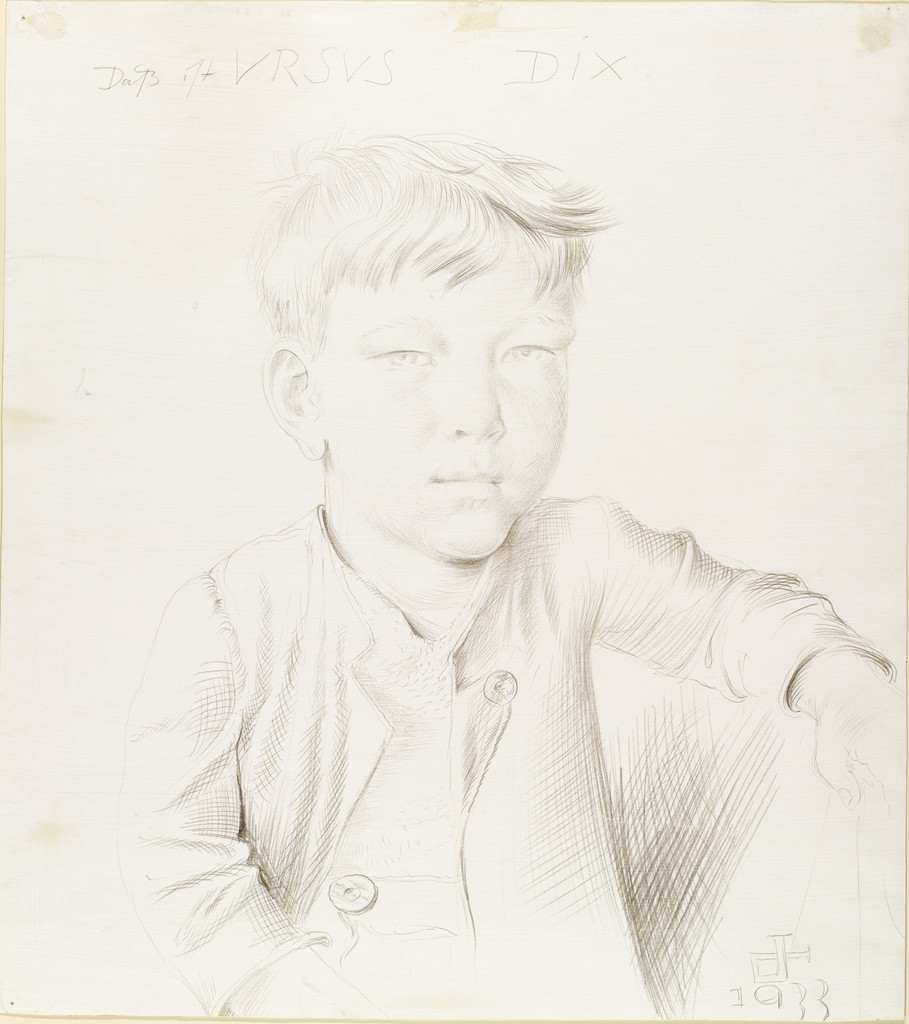
This is Ursus Dix (Das ist Ursus Dix), Otto Dix, 1933Otto DixThis is Ursus Dix (Das ist Ursus Dix)1933The Museum of Modern Art
Saint Catherine, Lucas Cranach the Elder, late 15th–mid-16th centuryLucas CranachSaint Catherinelate 15th–mid-16th centuryThe Metropolitan Museum of Art
Studie van een been, Parmigianino, c. 1524 - c. 1526ParmigianinoStudie van een beenc. 1524 - c. 1526Rijksmuseum
Man with a Stick, Filippino Lippi, c. 1500Filippino LippiMan with a Stickc. 1500National Gallery of Art
Johannes de Evangelist onder het kruis, anonymous, 1586anonymousJohannes de Evangelist onder het kruis1586Rijksmuseum
Wild zwijn, anonymous, 1587anonymousWild zwijn1587Rijksmuseum
Ruiter en wandelaar, anonymous, 1585anonymousRuiter en wandelaar1585Rijksmuseum
De kerk te Erp, anonymous, 1700 - 1800anonymousDe kerk te Erp1700 - 1800Rijksmuseum
Standing Youth with Hands Behind His Back, and a Seated Youth Reading (recto); Two Studies of Hands (verso), Filippino Lippi, 1457/58–1504Filippino LippiStanding Youth with Hands Behind His Back, and a Seated Youth Reading (recto); Two Studies of Hands (verso)1457/58–1504The Metropolitan Museum of Art
Standing Male Figure, Filippino Lippi, ca. 1480Filippino LippiStanding Male Figureca. 1480The Metropolitan Museum of Art
Portret van Cornelis Kruseman, anonymous, c. 1800 - c. 1900anonymousPortret van Cornelis Krusemanc. 1800 - c. 1900Rijksmuseum
Portrait of a Man, Albrecht Dürer, probably 1510Albrecht DürerPortrait of a Manprobably 1510National Gallery of Art
Portret van een theoloog, Hendrick Goltzius, 1585 - 1590Hendrick GoltziusPortret van een theoloog1585 - 1590Rijksmuseum
Heads of Two Saints, Perugino, 1495–1510Pietro PeruginoHeads of Two Saints1495–1510The Metropolitan Museum of Art
Two Studies of a Standing Youth in Quattrocento Clothing (recto); a cardinal's hat on a fragmentary coat of arms with a griffin (the arms of the city of Perugia) (verso), Perugino, ca. 1504Pietro PeruginoTwo Studies of a Standing Youth in Quattrocento Clothing (recto); a cardinal's hat on a fragmentary coat of arms with a griffin (the arms of the city of Perugia) (verso)ca. 1504The Metropolitan Museum of Art
Study of a Kneeling Youth and of the Head of Another, Perugino, 1500Pietro PeruginoStudy of a Kneeling Youth and of the Head of Another1500The Metropolitan Museum of Art
Standing Nude Youth, Filippino Lippi, c. 1496Filippino LippiStanding Nude Youthc. 1496National Gallery of Art
Fantasiewapen, anonymous, 1587anonymousFantasiewapen1587Rijksmuseum
Various Figure Studies, Filippino Lippi, c. 1493/1495Filippino LippiVarious Figure Studiesc. 1493/1495National Gallery of Art
Draak, anonymous, 1587anonymousDraak1587Rijksmuseum
Drie figuren uit Michelangelo's Laatste Oordeel, anonymous, 1586anonymousDrie figuren uit Michelangelo's Laatste Oordeel1586Rijksmuseum
Herhaling van een van de romeinse soldaten op verso van blad 11, anonymous, 1585 - 1587anonymousHerhaling van een van de romeinse soldaten op verso van blad 111585 - 1587Rijksmuseum
Kerktoren met Fortuna op de spits, anonymous, 1586anonymousKerktoren met Fortuna op de spits1586Rijksmuseum

Silverpoint

At thirteen, Albrecht Dürer faced a mirror and drew himself with silverpoint. The year was 1484. He later added a note explaining how he had made the portrait, preserving the memory of a boy studying his own face. The choice of tool matters. Silverpoint allows little room for casual correction: the hand has to commit before it can know whether the eye has judged correctly.

How does silverpoint leave a mark?

Silver alone does not make an ordinary sheet behave like drawing paper. The surface needs a fine abrasive coating. A traditional preparation combines a mineral powder, such as calcium carbonate, with glue; colour can be added too. Brushed or rolled onto paper and left to dry, this ground takes minute particles from a metal rod held in a handle. The drawing is a deposit of metal, rather than a cut engraved into the sheet.

The preparation is therefore part of the picture. A brown, pink or blue ground gives the lines a different setting before the first stroke is made. White touches can bring light forward, while the metal supplies the darker passages. The middle tone is already there. This helps explain why some Renaissance drawings seem lit from within despite their small range of dark values: three distinct contributions share the work.

Why is the line so pale?

Pressing harder does not give silverpoint the dramatic changes available from a pen or soft chalk. Shadows develop through neighbouring strokes and layers of hatching. A cheek can turn through a gradual tightening of the mesh. That limitation makes intervals important. The untouched sliver between two marks participates in the form; close those gaps too quickly, and the delicacy is lost. Silverpoint asks for an economical distribution of small differences.

Fresh marks are grey. Silver commonly tarnishes towards brown, while goldpoint can remain grey. So the word silver should not send one hunting for bright metallic flashes. Nor can colour alone reliably identify the metal: technical examination may be needed. Metalpoint is the broader term, covering silver and other metals. A cautious museum description is often evidence of a real identification problem, rather than an incomplete label.

A Dürer with a misleading date

The Washington Portrait of a Man, probably made in 1510, sets silverpoint and white against brown prepared paper. Hair descends around a face whose brow and cheekbones do much of the expressive work. Follow the small changes across those planes. This is a portrait constructed through graduated attention, without the help of a deep pool of black ink.

1
Albrecht Dürer, Portrait of a Man, probably 1510. National Gallery of Art, Washington; not on view on our autumn 2026 check.

There is another reason to look carefully. The sheet carries a false Dürer monogram and the false date 1503, although the drawing itself remains catalogued as his. A partly illegible inscription includes the name Hanns Durer. These are different layers of evidence. The hand that made a portrait, the person represented and the person who later supplied a convincing-looking date need not be the same. An inscription is something to investigate, not automatically to trust.

Why return to an unforgiving tool?

Silverpoint's reputation for difficulty can hide its convenience. It needs no dipping, makes no wet ink blot and resists smearing. Those qualities suited a travelling sketchbook. Erasing is difficult, sometimes practically impossible, depending on the ground; that is a constraint, but it also preserves the movement of an initial decision. The same persistent trace that troubles a beginner can appeal to an experienced draughtsman.

Otto Dix used it for This is Ursus Dix in 1933. Ursus was his son, one of the children he repeatedly portrayed. The half-metre sheet makes a useful jump across centuries: this was no technique confined to Renaissance training. A modern father could choose its slow, fine marks to attend to a child's face. The blunt title feels almost like an introduction spoken across the table.

Otto Dix, This is Ursus Dix, 1933. Museum of Modern Art, New York; not on view on our autumn 2026 check.