 Andy WarholMuhammad Ali
Browse
Screenprint
Screenprinting pushes ink through open areas of a mesh onto paper, canvas or another surface. A stencil blocks the places that should remain unprinted. The mesh was once commonly silk, which explains the name silkscreen. A rubber-edged squeegee does the pushing. Separate colour layers can meet exactly, or slip apart and give a familiar face a new, disconcerting outline.
9,592 works from 23 museums37 on view nowClear all
Andy WarholMuhammad Ali Andy WarholFlowers
 Andy WarholFlash—November 22, 1963
 Andy WarholMao
 Andy WarholFlowers
 Andy WarholMarilyn Monroe
 Andy WarholFlowers
 Andy WarholLadies and Gentlemen
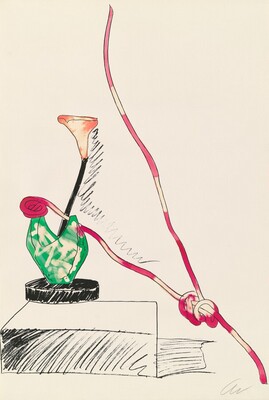 Andy WarholFlowers
 Andy WarholFlowers
 Andy WarholFlowers
 Andy WarholFlowers
 Andy WarholFlowers
 Andy WarholMarilyn Monroe
 Andy WarholFlowers
 Andy WarholFlowers
 Andy WarholFlash—November 22, 1963
 Andy WarholJacqueline Kennedy I
 Andy WarholMao
 Andy WarholFlowers
 Andy WarholFlowers
 Andy WarholFlowers
 Andy WarholFlowers
 Andy WarholFlowers
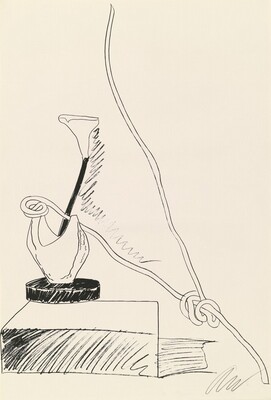 Andy WarholFlowers
 Andy WarholFlash—November 22, 1963
 Andy WarholKaren Kain
 Andy WarholPortraits of the Artists
 Andy WarholFlash—November 22, 1963
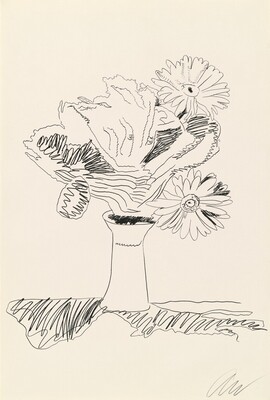 Andy WarholFlowers
 Andy WarholFlowers
 Andy WarholEdward Kennedy
 Andy WarholBirmingham Race Riot
 Andy WarholFlash—November 22, 1963
 Andy WarholFlash—November 22, 1963
 Andy WarholFlash—November 22, 1963


Screenprinting
Five screens went into each image in Andy Warhol's 1967 Marilyn Monroe portfolio. One carried the photographic face; four supplied areas of colour. A portrait that appears instant and mechanically familiar was built in separate passes. The lips, hair and shadows did not arrive together. That small technical fact helps explain why a slight displacement can make Marilyn seem at once recognisable and strangely detached from herself.
How is a screenprint made?
Fine mesh is stretched tightly over a frame. Parts of it are blocked with a stencil, leaving the image areas open. Paper sits underneath while a squeegee forces ink through the openings. Unlike an etching, the design is not held in grooves below a metal surface. Unlike a woodcut, it is not carried on the raised parts of a carved block. The ink passes through its matrix.
No heavy printing press is essential to this transfer. That practical difference helped screenprinting serve commercial signs and other everyday purposes. American artists adopted it during the 1930s; the name serigraph was introduced to distinguish their prints from commercial production. The terminology changed the social framing of the object, not the basic passage of ink through a stencil. Silkscreen, screenprint and serigraph belong to the same technical family.
How does a photograph get onto mesh?
A photographic screen starts with a light-sensitive coating. An opaque design on transparent film protects selected areas during exposure; light hardens the surrounding emulsion. The sheltered, unhardened portions wash away, opening a path for ink. The photograph has become a stencil. To add colours, the printer prepares further stencils and aligns each pass with the others. This alignment is called registration.
Registration sounds like a purely corrective business, but a mismatch can become a choice. A coloured shape may sit just beyond the photographic boundary. Repetition then gives the eye time to notice the gap. The same face keeps returning, while the meeting between colour and image changes. What might be rejected as faulty commercial printing becomes one of the things a viewer remembers about a Warhol.

