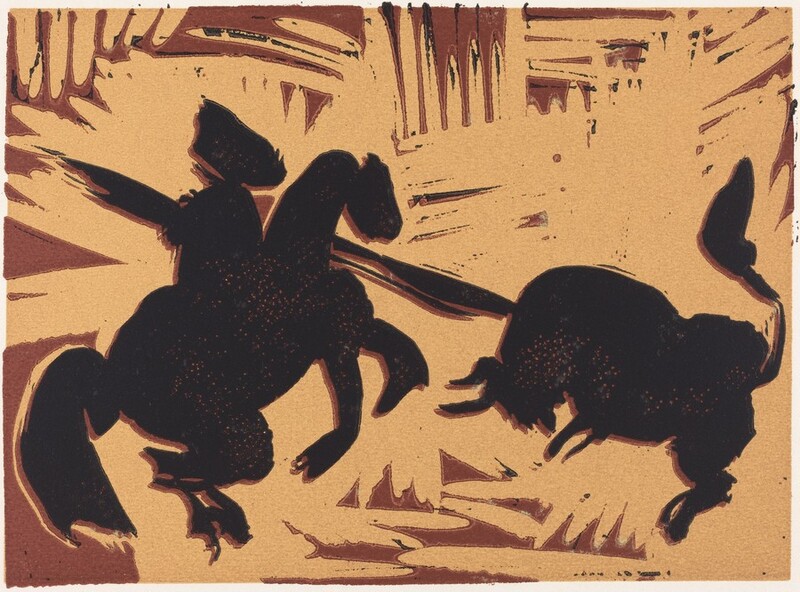
Pablo PicassoPique I
Browse
Linocut
A linocut is a print taken from a carved sheet of linoleum. Ink catches the raised surface; the hollows stay clear. Originally a floor covering, this soft material lets a gouge turn freely without fighting wood grain. Picasso sometimes printed several colours from one block, cutting more away between printings until its earlier image no longer existed.
2,659 works from 17 museums1 on view nowClear all
Pablo PicassoPique I Pablo PicassoTête de garçon II (Head of a Boy II)
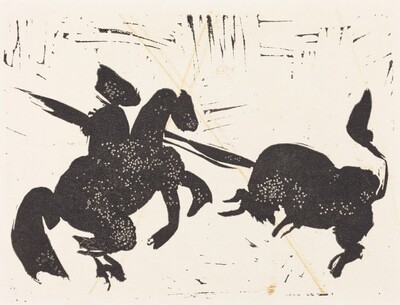 Pablo PicassoPique I
 Pablo PicassoPique I
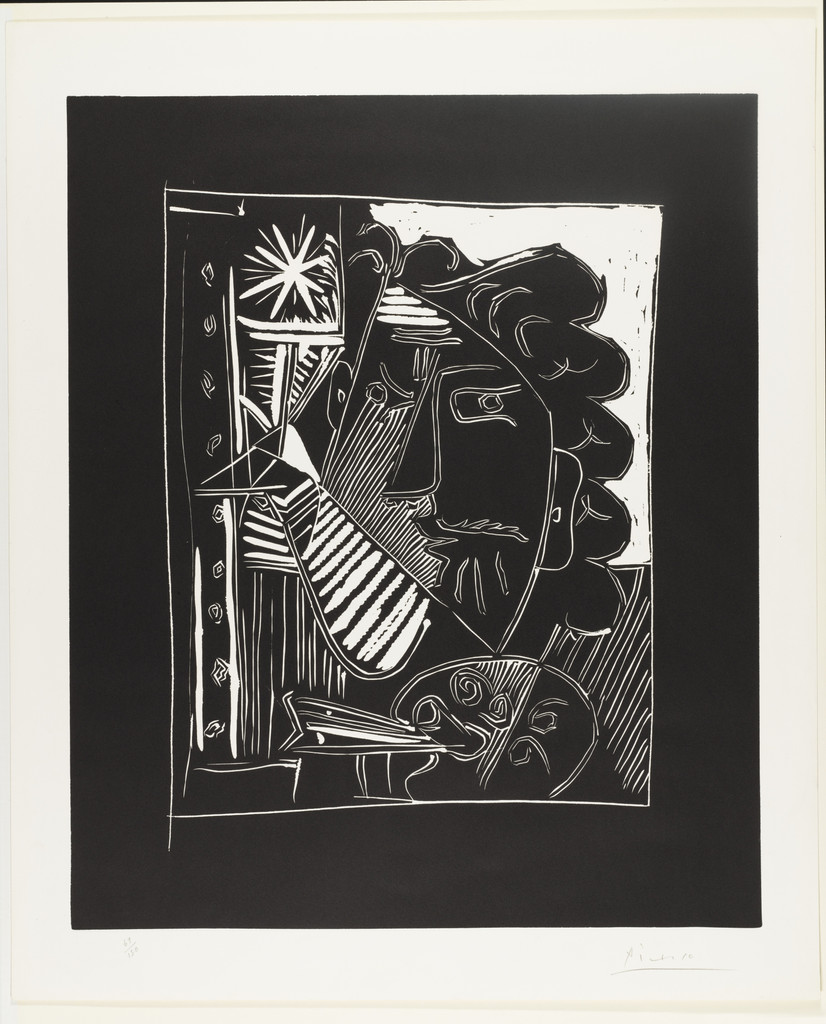 Pablo PicassoArtist in the Studio
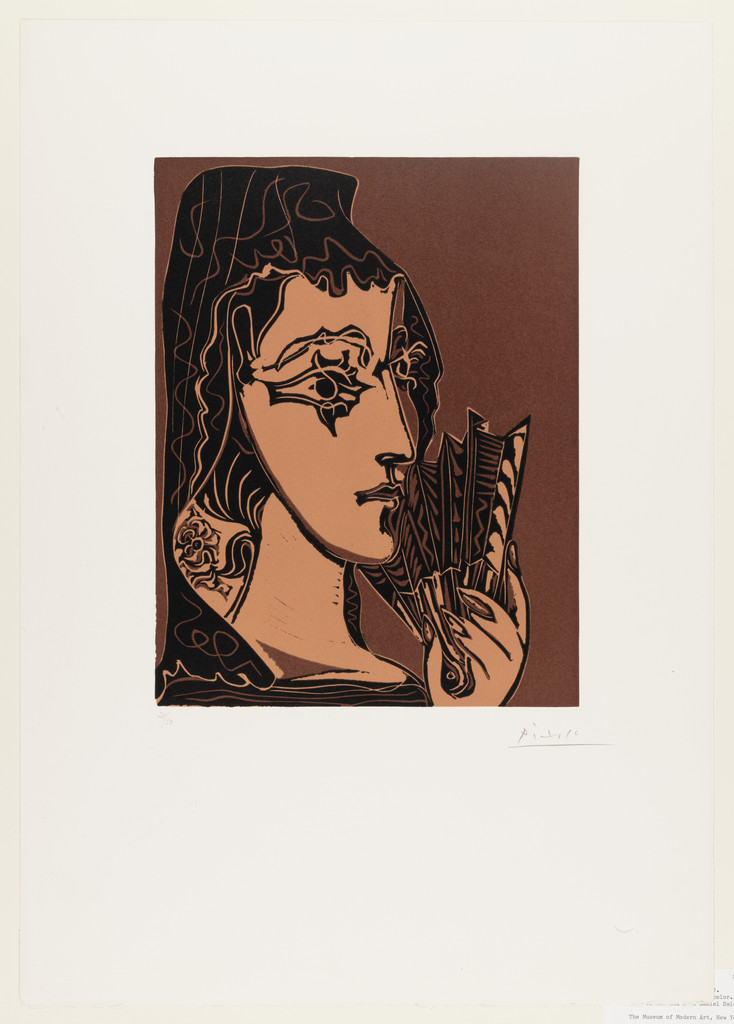 Pablo PicassoPortrait of Jacqueline as Carmen (Portrait de Jacqueline en Carmen), state four
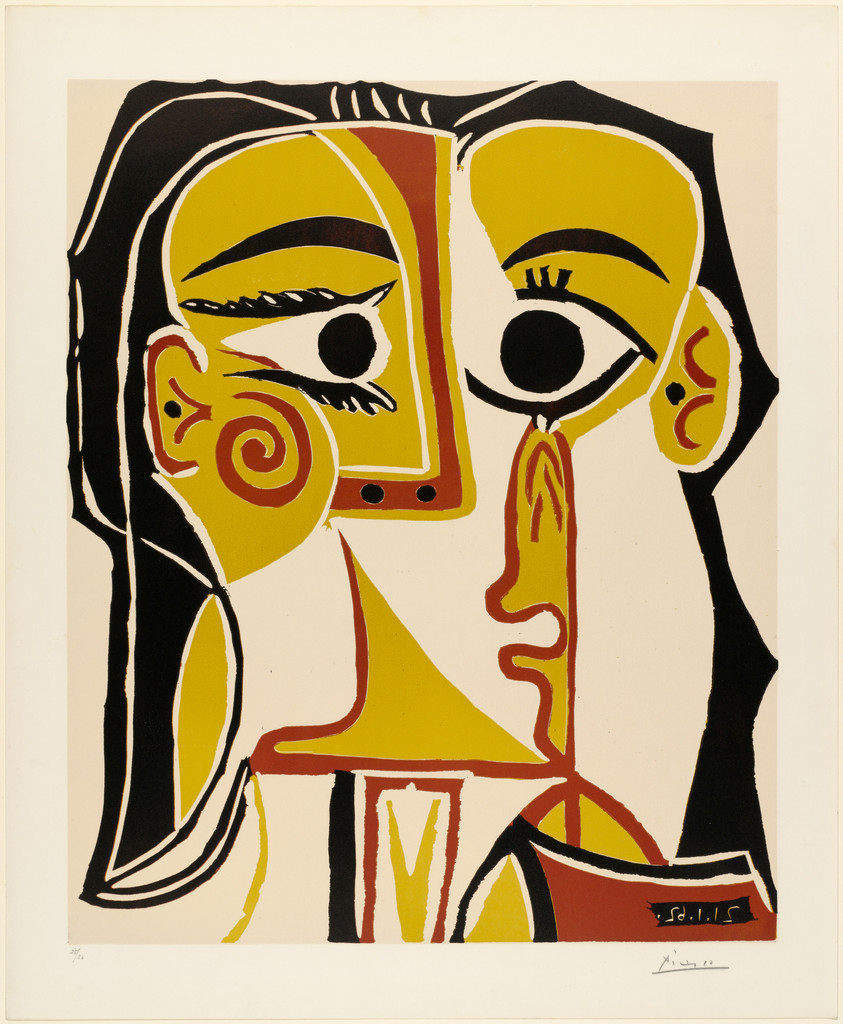 Pablo PicassoStylized Portrait of Jacqueline (Portrait stylisé de Jacqueline)
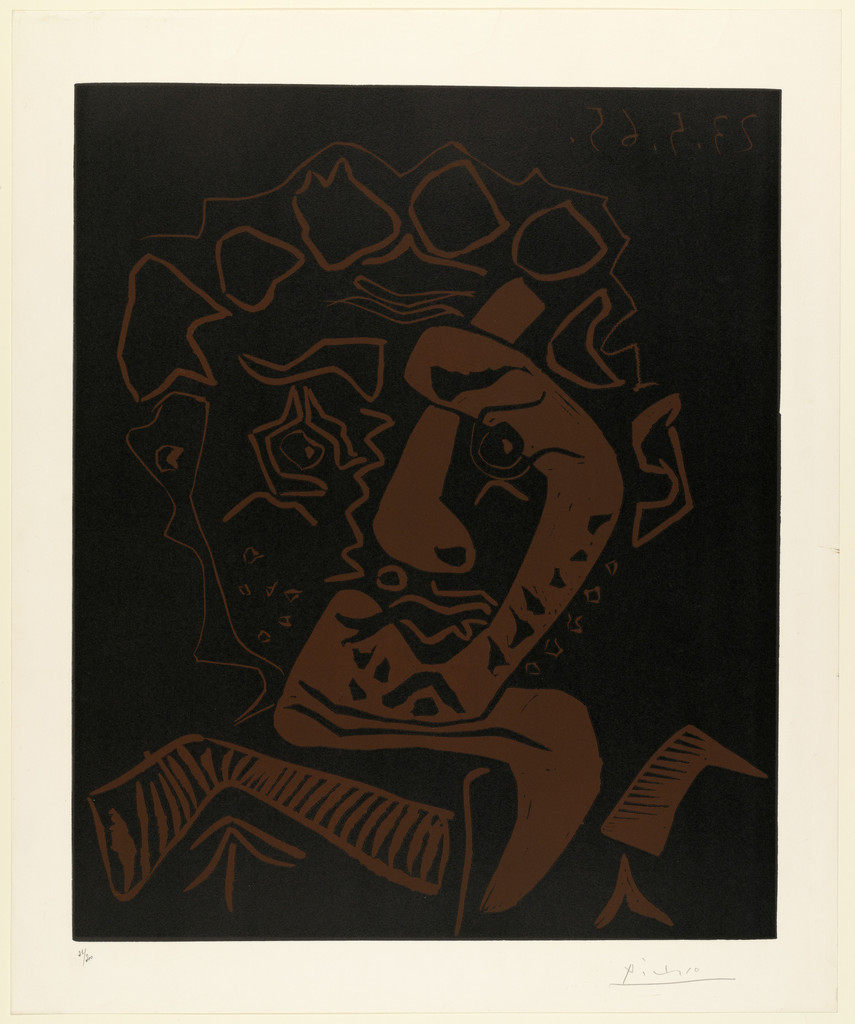 Pablo PicassoPicasso and the Theatre, poster
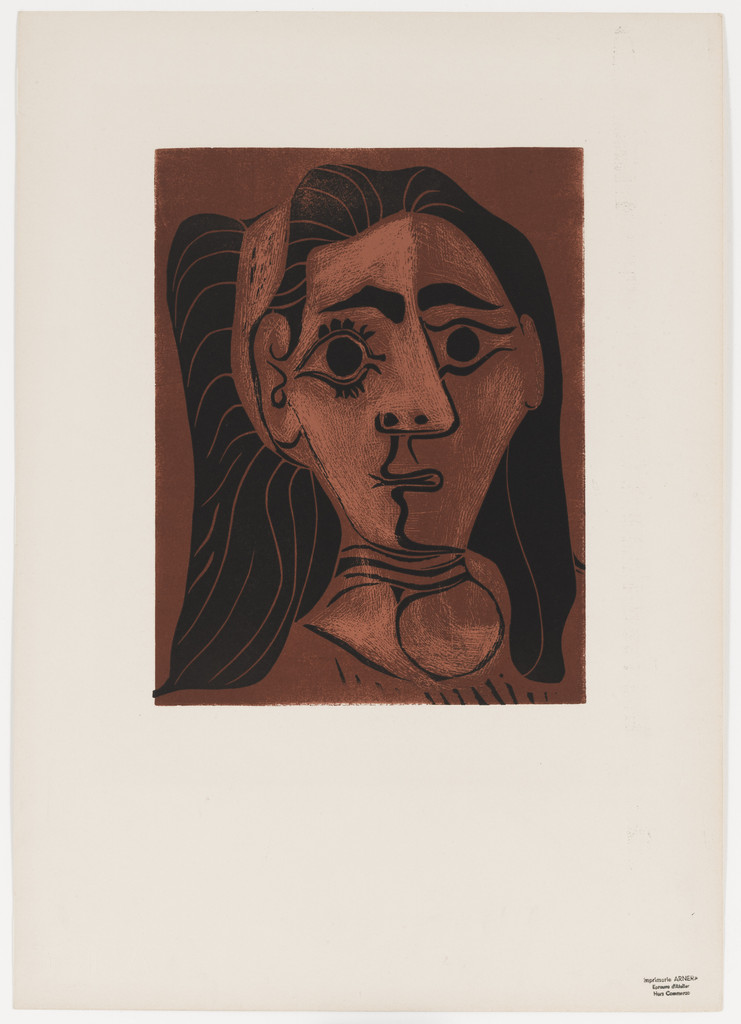 Pablo PicassoJacqueline with Headband II (Jacqueline au bandeau II)
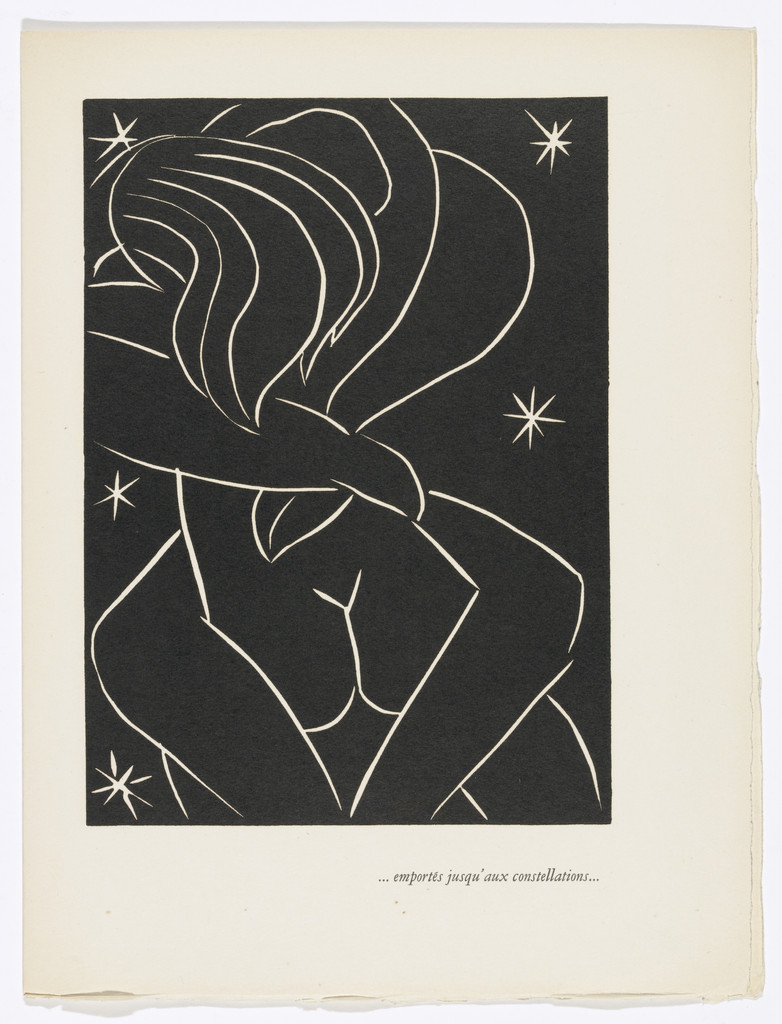 Henri Matisse...Carried Away to the Constellations... (...Emportés jusqu'aux constellations...) (plate, page 31) from Pasiphaé: Chant de Minos (Les Crétois)
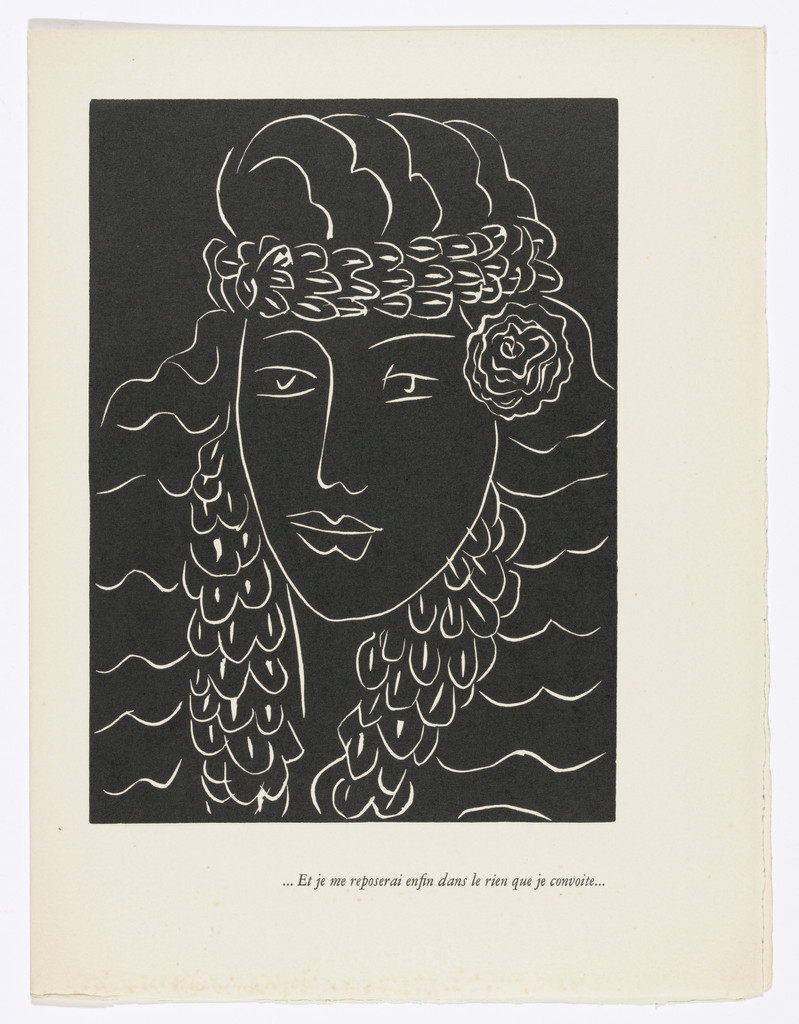 Henri Matisse...And I Will Finally Rest in the Nothingness That I Covet... (...Et je me reposerai enfin dans le rien que je convoite) (plate, page 47) from Pasiphaé: Chant de Minos (Les Crétois)
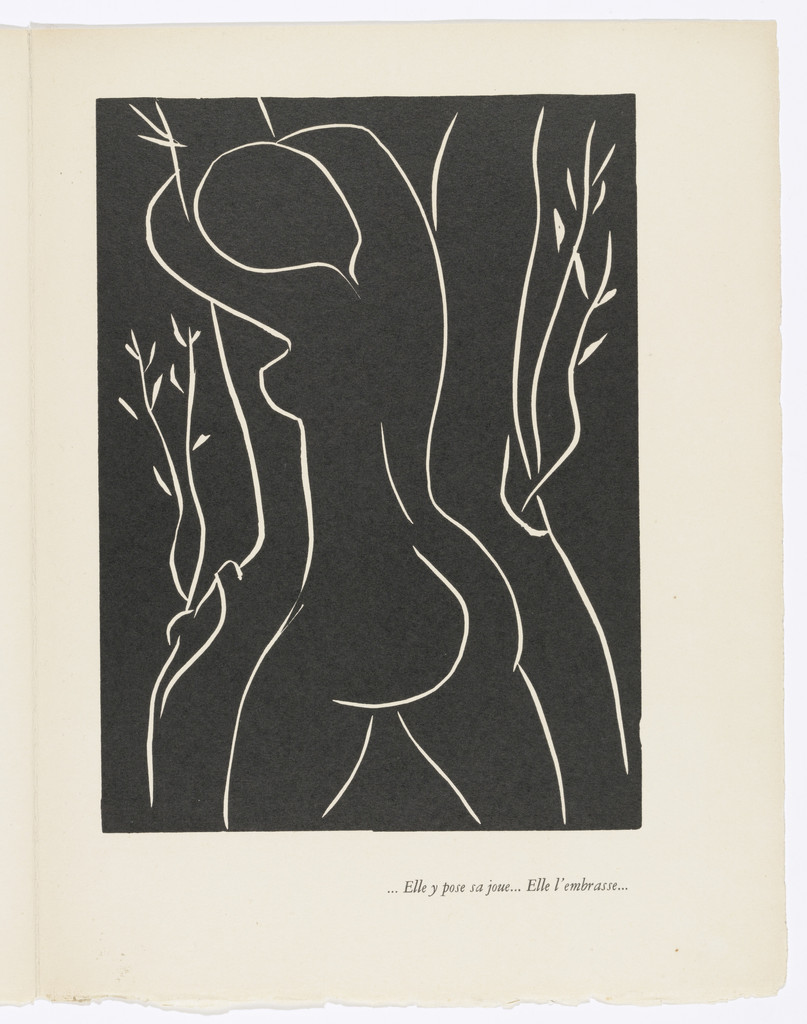 Henri Matisse...She Places Her Cheek There... She Embraces It... (Elle y pose sa joue... Elle l'embrasse...) (plate, page 59) from Pasiphaé: Chant de Minos (Les Crétois)
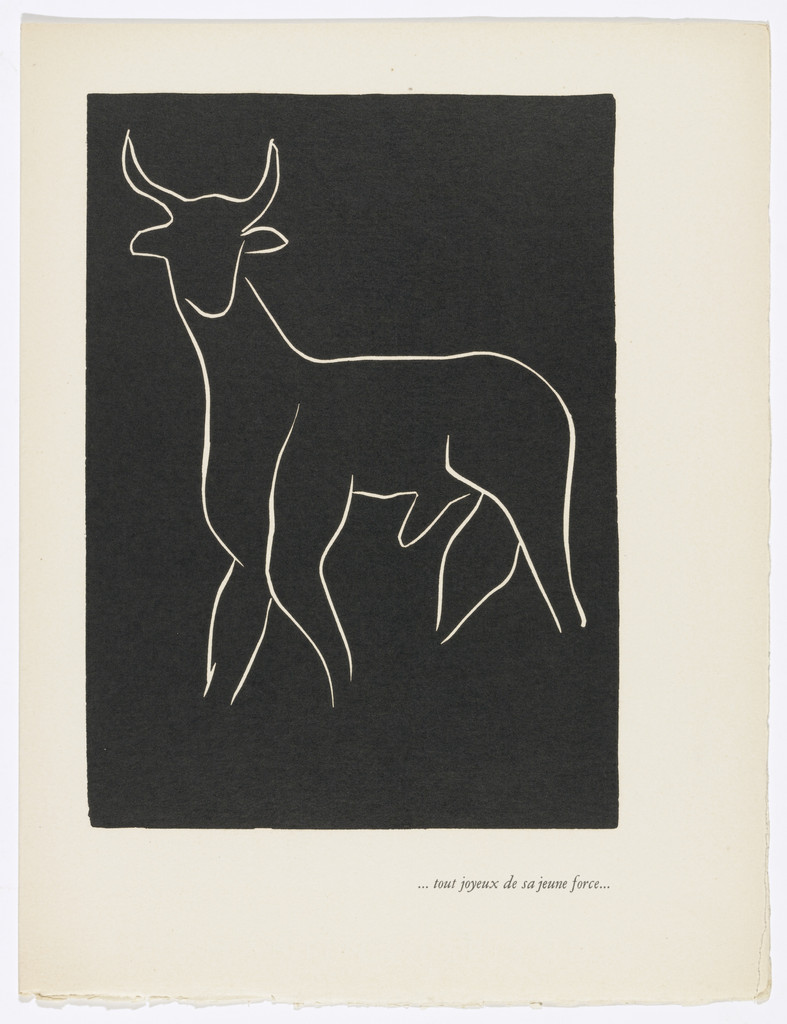 Henri Matisse...Totally Joyous of Its Young Strength... (...Tout joyeux de sa jeune force...) (plate, page 63) from Pasiphaé: Chant de Minos (Les Crétois)
 Pablo PicassoPique I
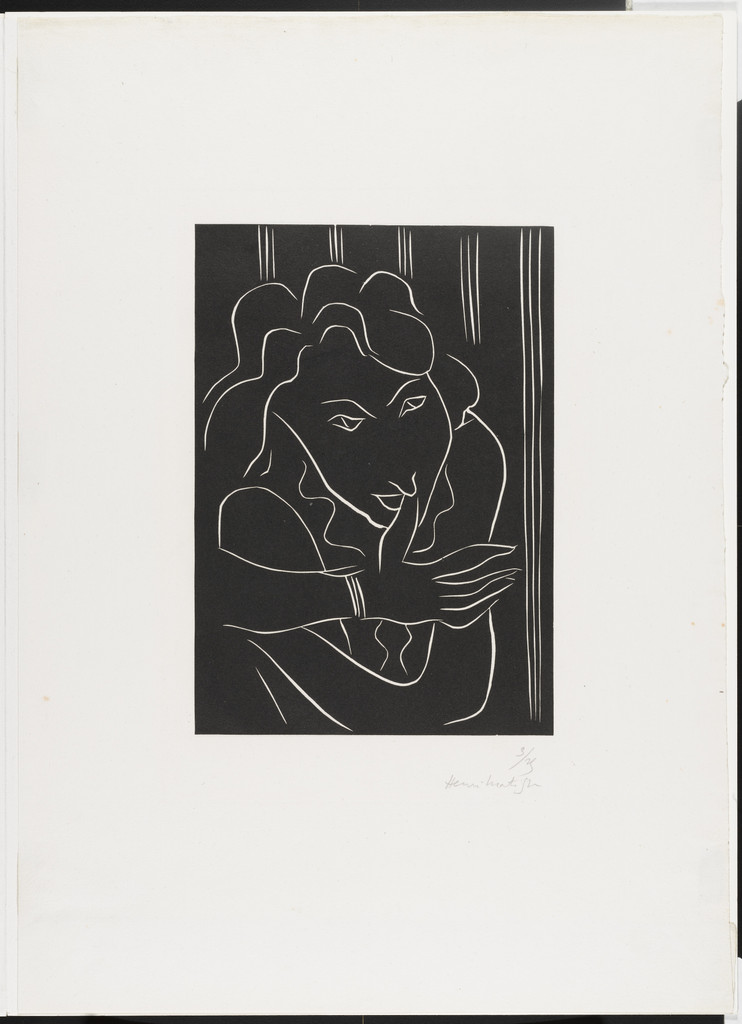 Henri MatisseWoman, Thumb on Lips (Femme le pouce sur les lèvres)
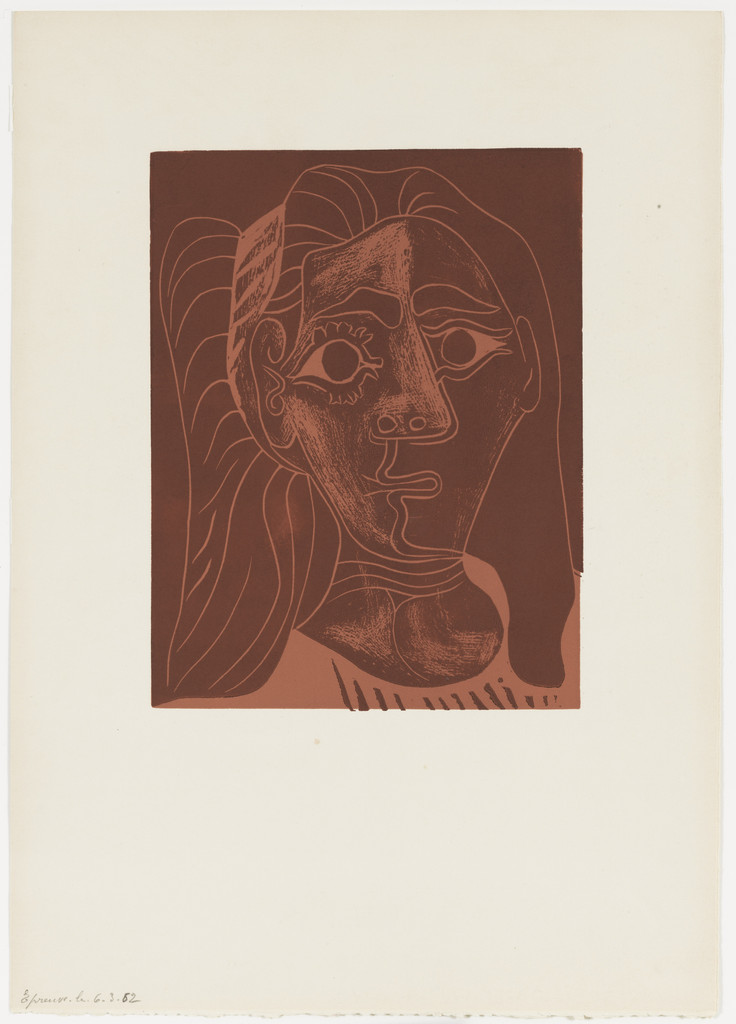 Pablo PicassoJacqueline with Headband I (Jacqueline au bandeau I)
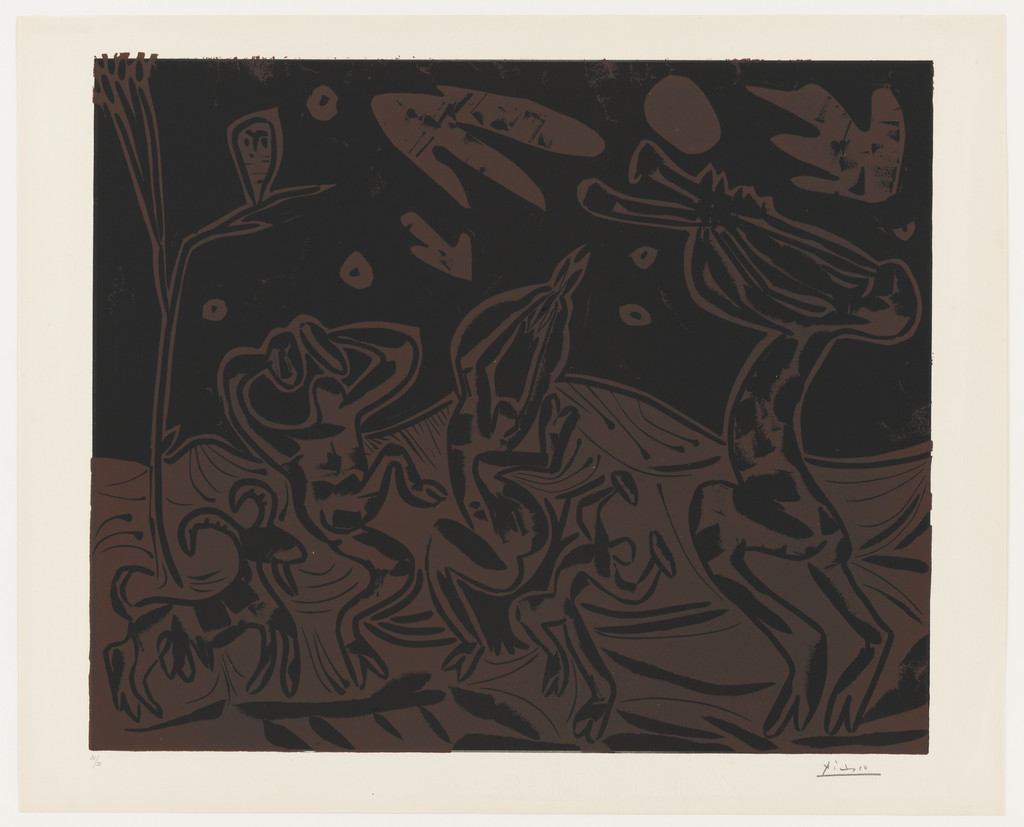 Pablo PicassoNocturnal Dance with an Owl (Danse nocturne avec un hibou)
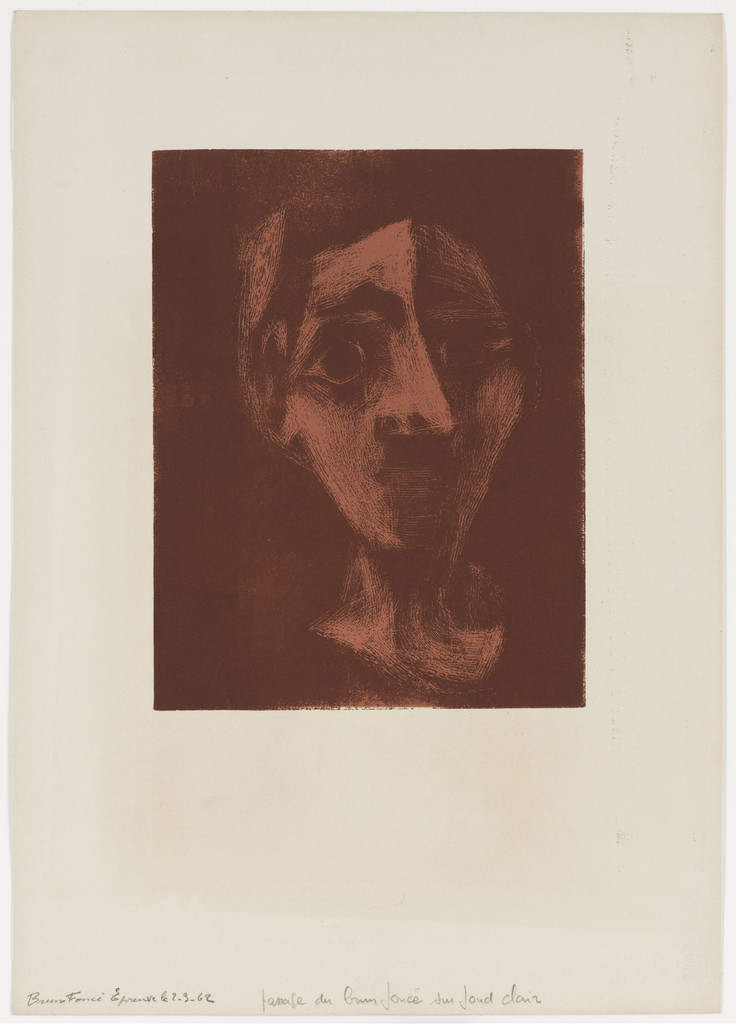 Pablo PicassoJacqueline with Headband I (Jacqueline au bandeau I)
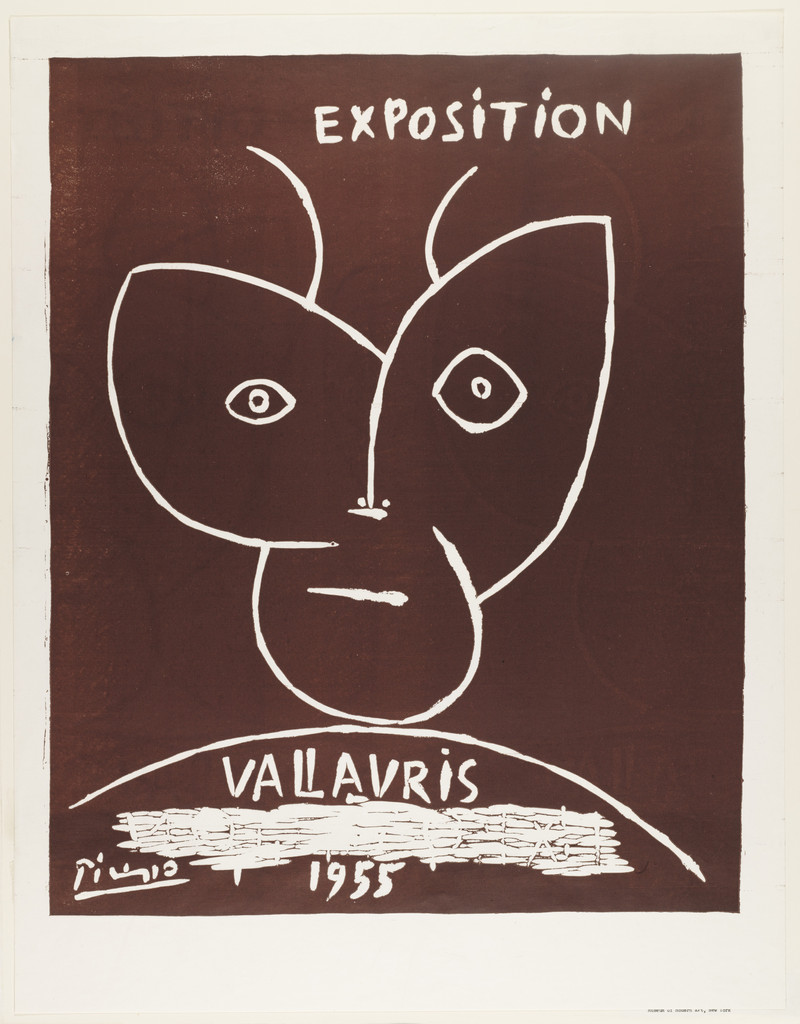 Pablo PicassoPoster for Vallauris Fair
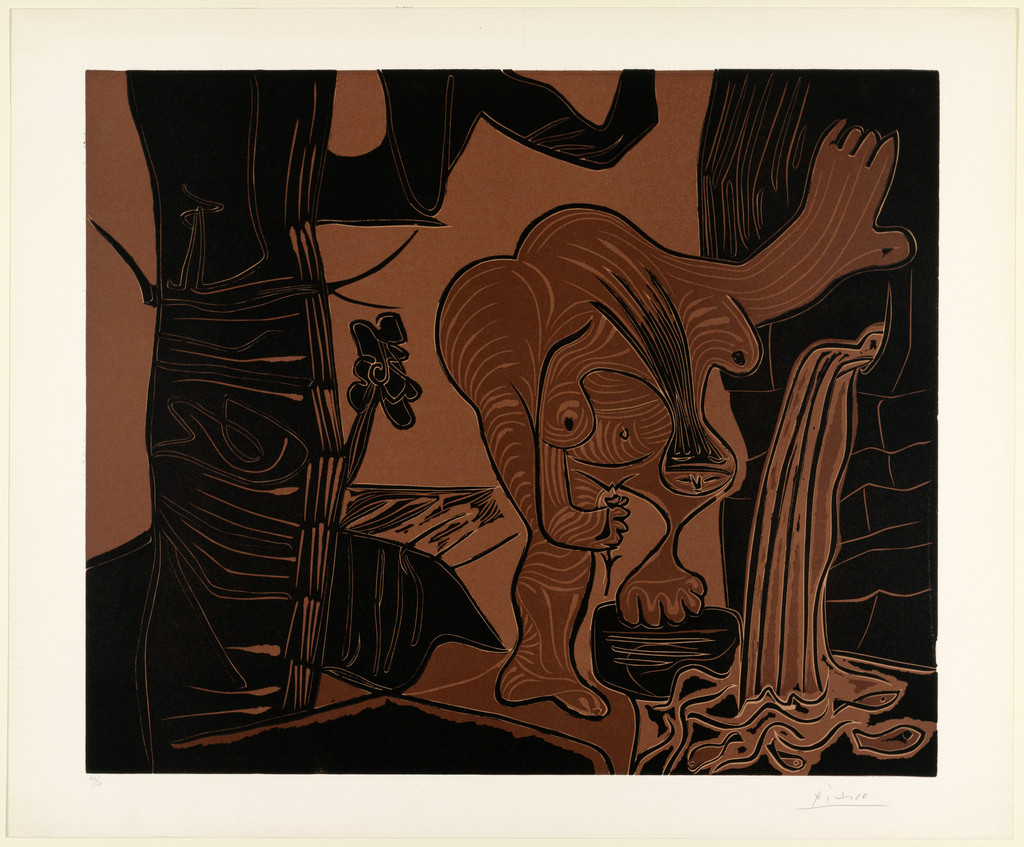 Pablo PicassoWoman at the Spring (Femme à la source), state three
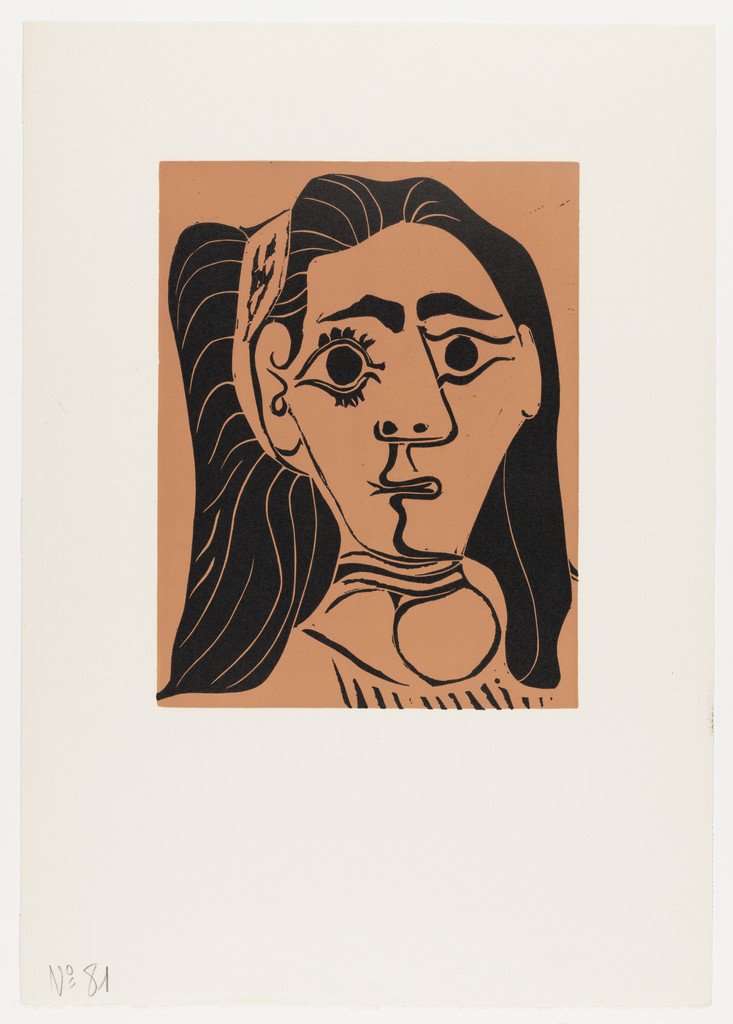 Pablo PicassoJacqueline with Headband III (Jacqueline au bandeau III)
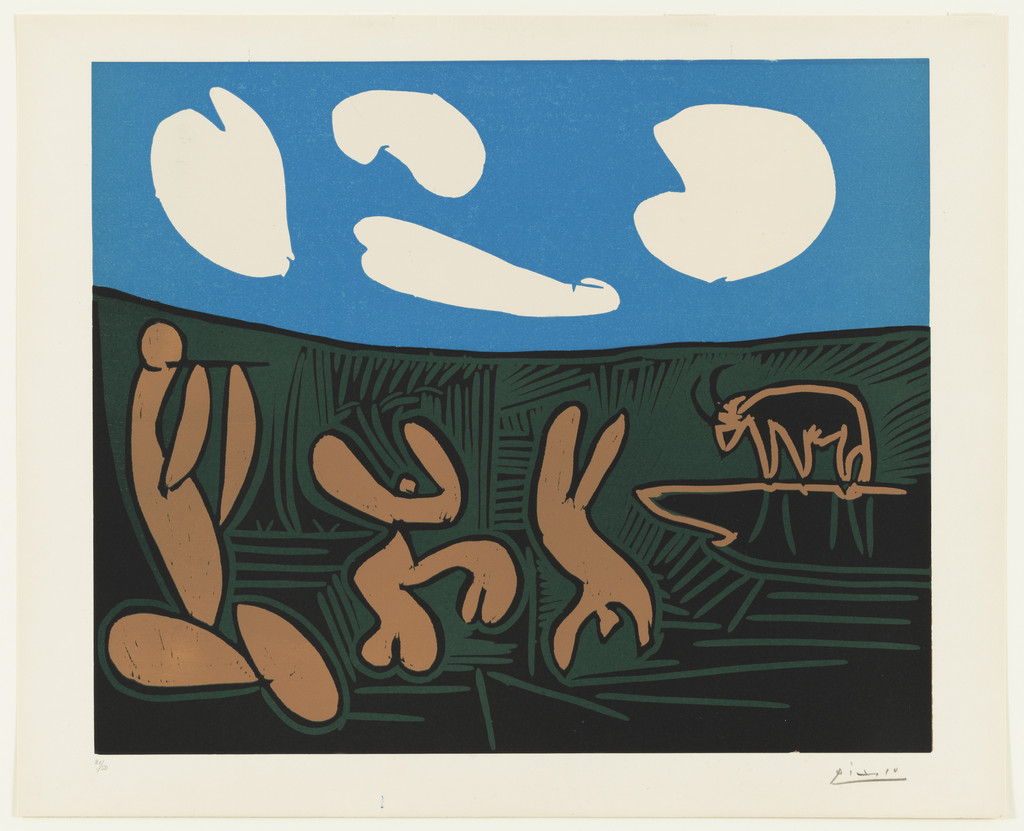 Pablo PicassoBacchanal with Acrobat (Bacchanale à l'acrobate)
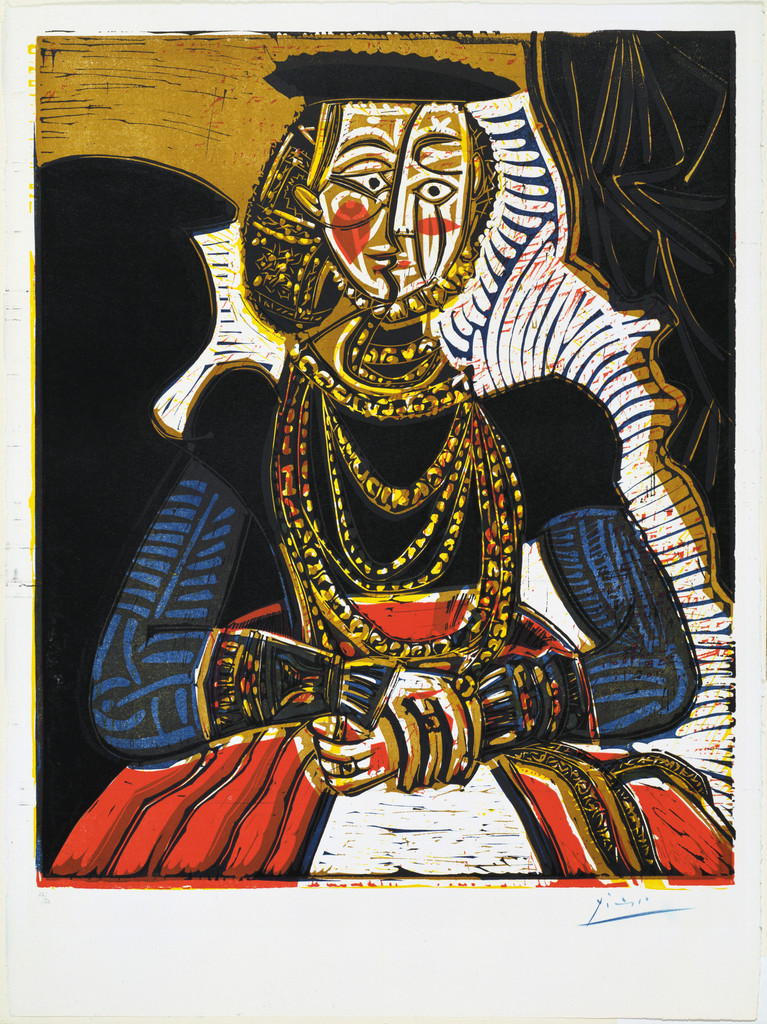 Pablo PicassoPortrait of a Young Lady, after Cranach the Younger, II (Portrait de jeune fille, d'après Cranach le Jeune, II)
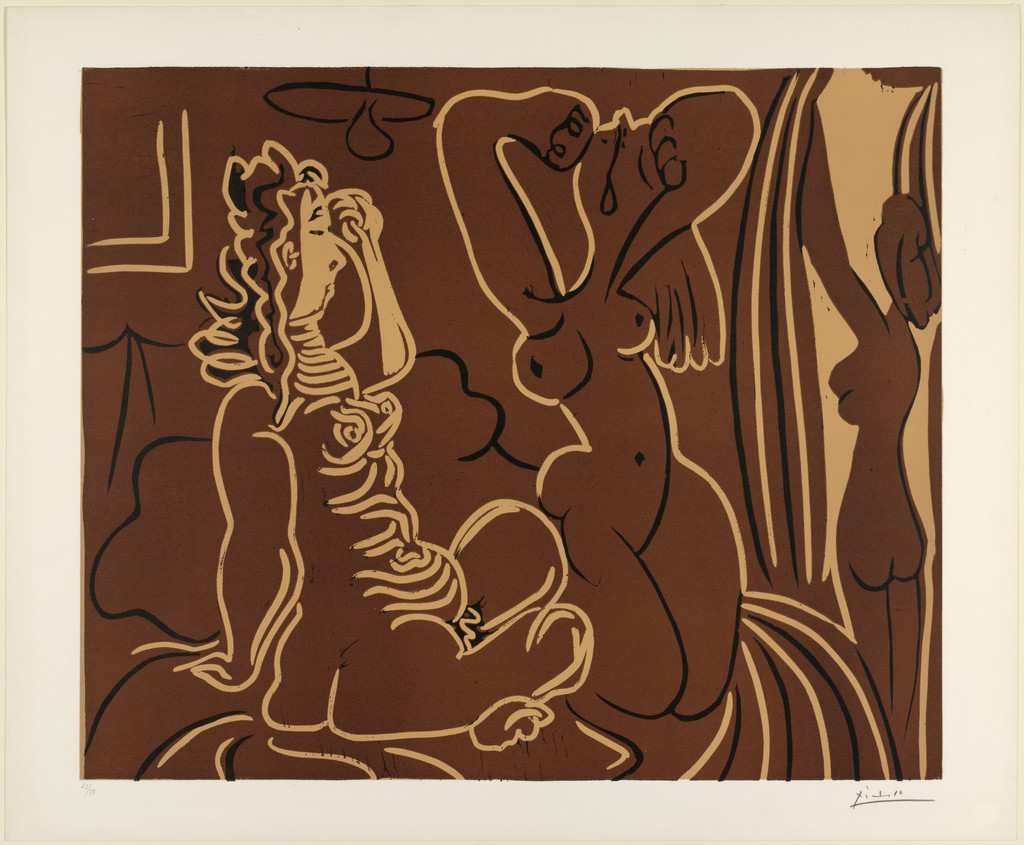 Pablo PicassoThree Women Waking (Trois femmes au Réveil), state III
 Pablo PicassoTwo Women Waking Up (Deux Femmes au Réveil)
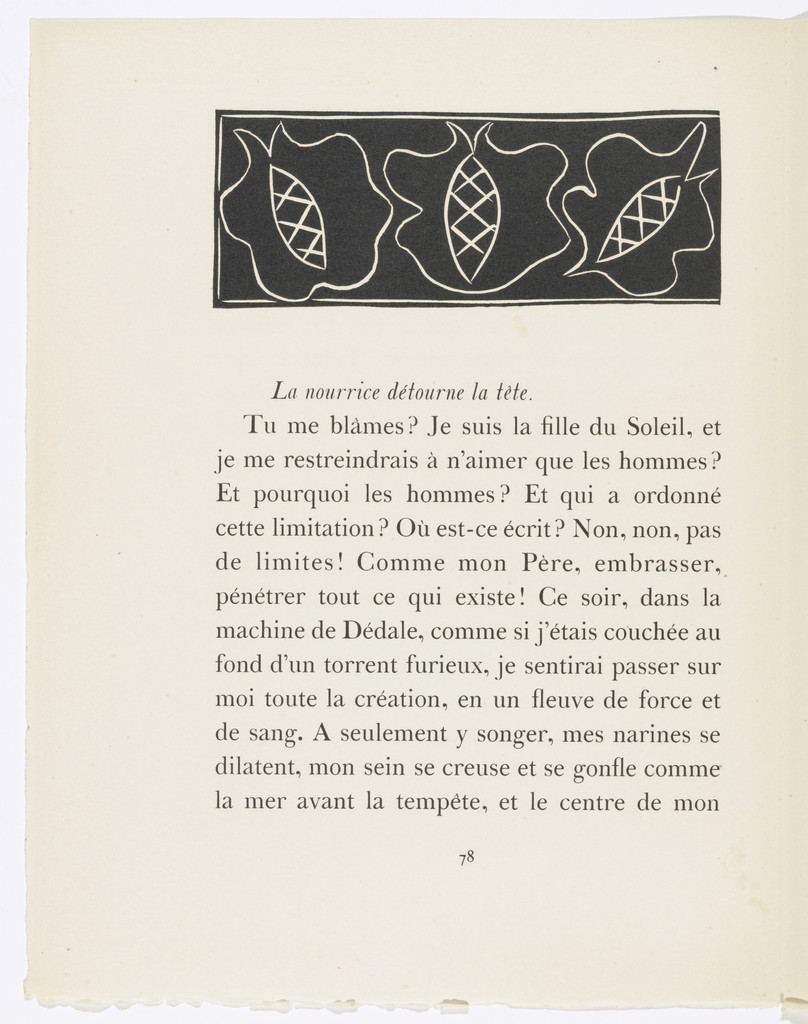 Henri MatisseIn-text plate (page 78) from Pasiphaé: Chant de Minos (Les Crétois)
 Pablo PicassoPique I
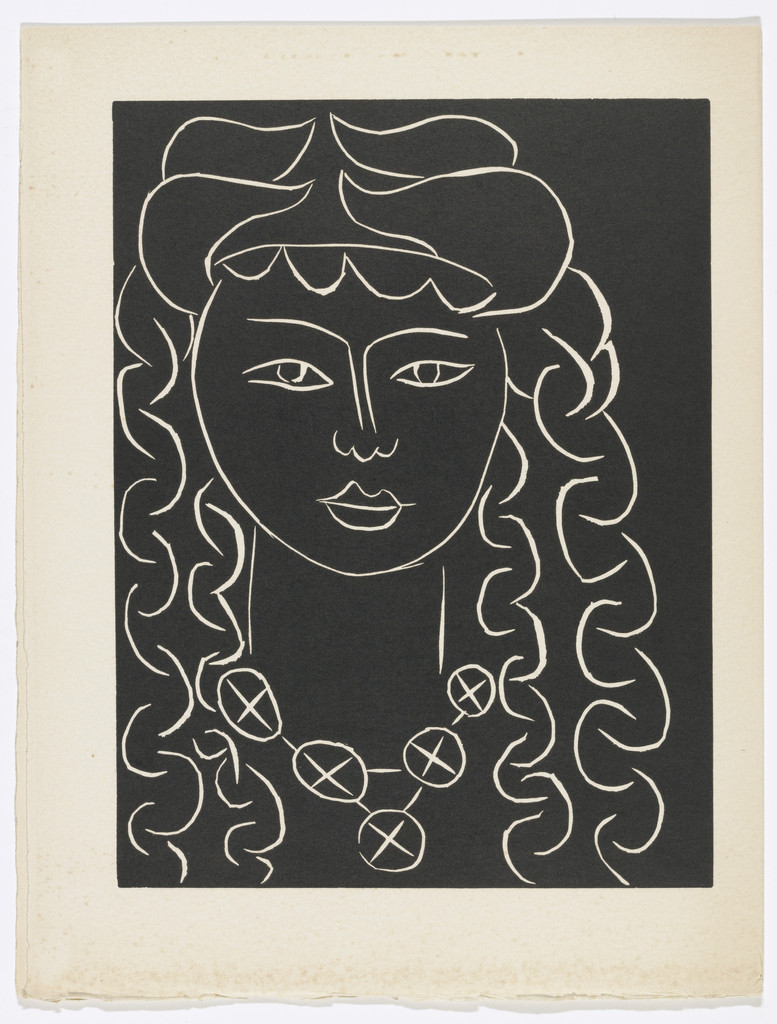 Henri MatisseFrontispiece from Pasiphaé: Chant de Minos (Les Crétois)
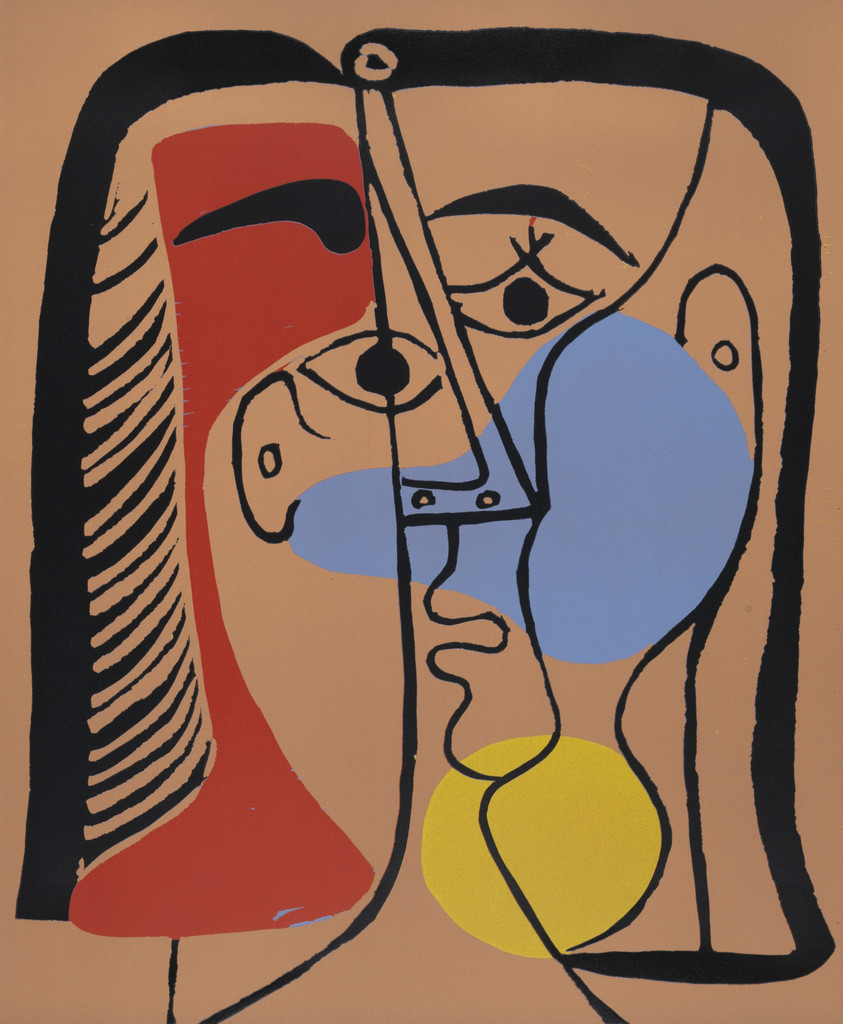 Pablo PicassoPortrait of Jacqueline with Glossy Hair (Portrait de Jacqueline aux cheveux lisses)
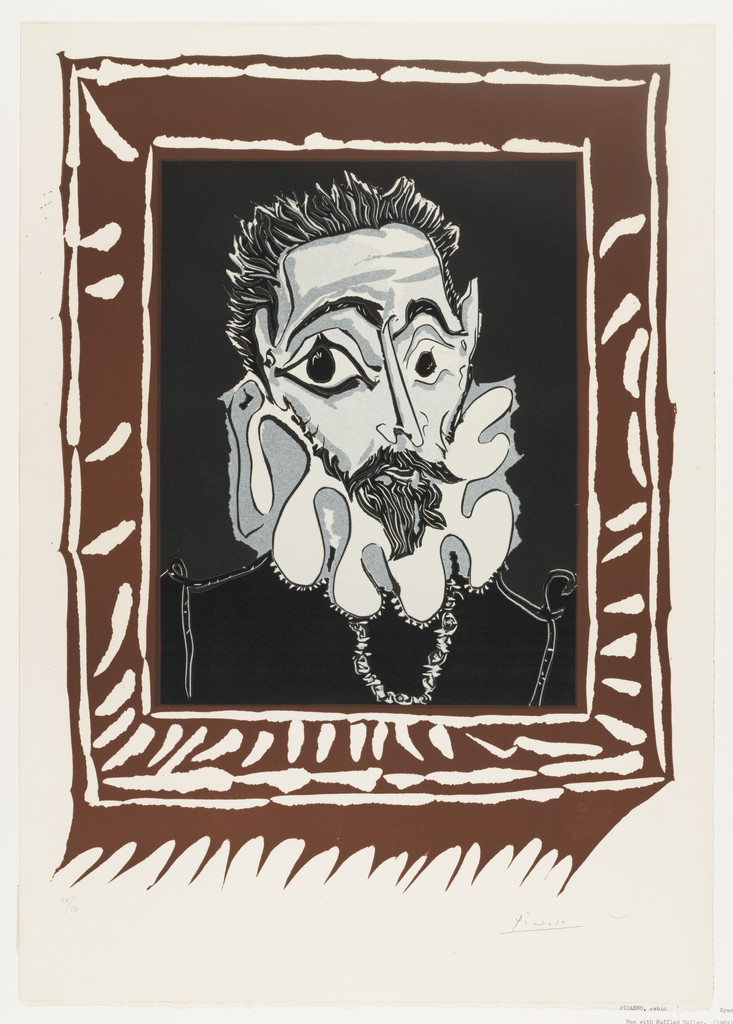 Pablo PicassoMan with Ruffled Collar (L'Homme à la fraise)
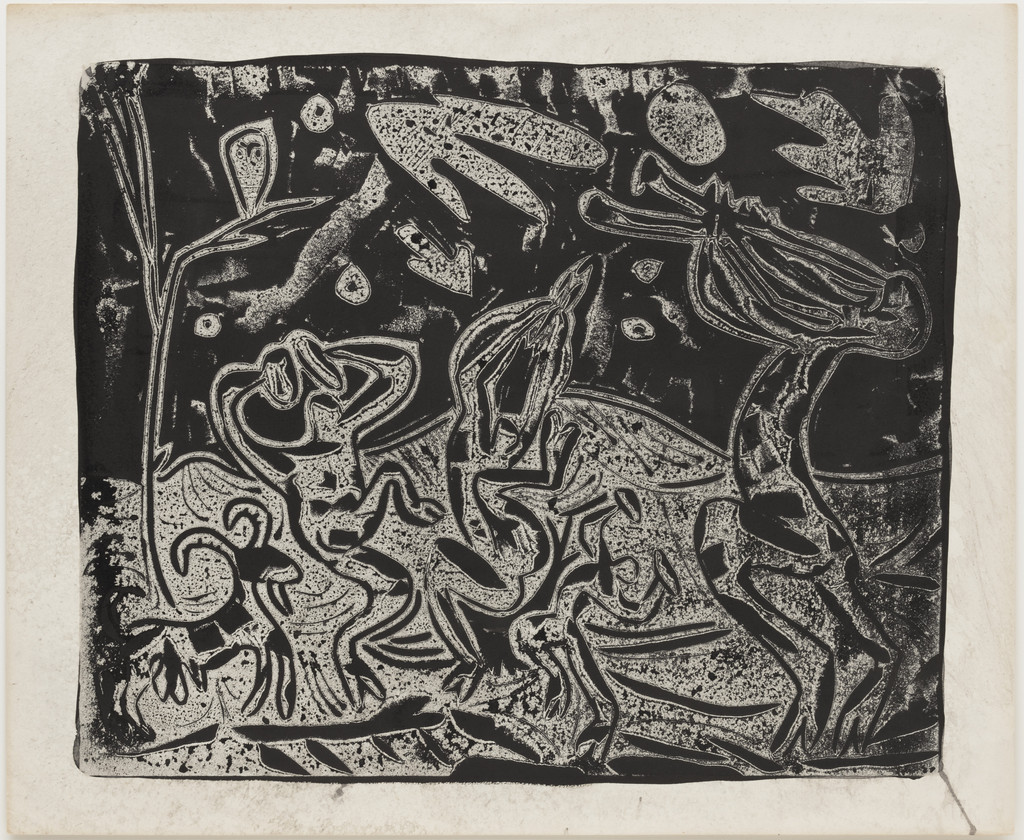 Pablo PicassoNocturnal Dance with an Owl (Danse nocturne avec un hibou)
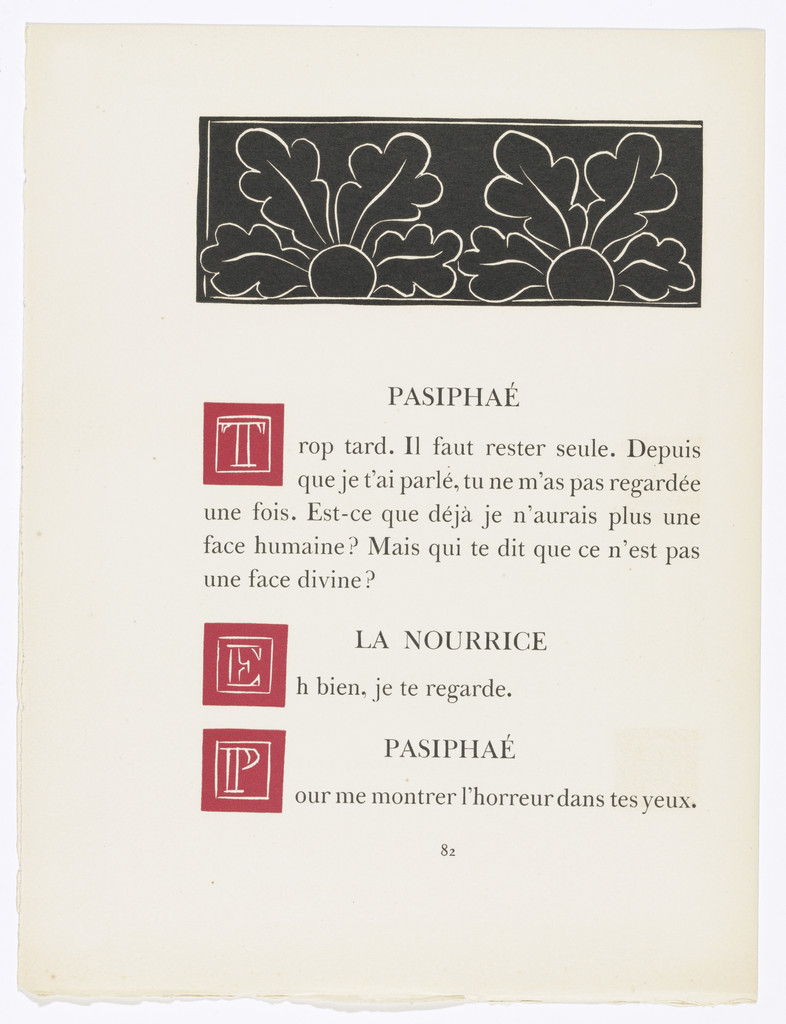 Henri MatisseIn-text plate (page 82) from Pasiphaé: Chant de Minos (Les Crétois)
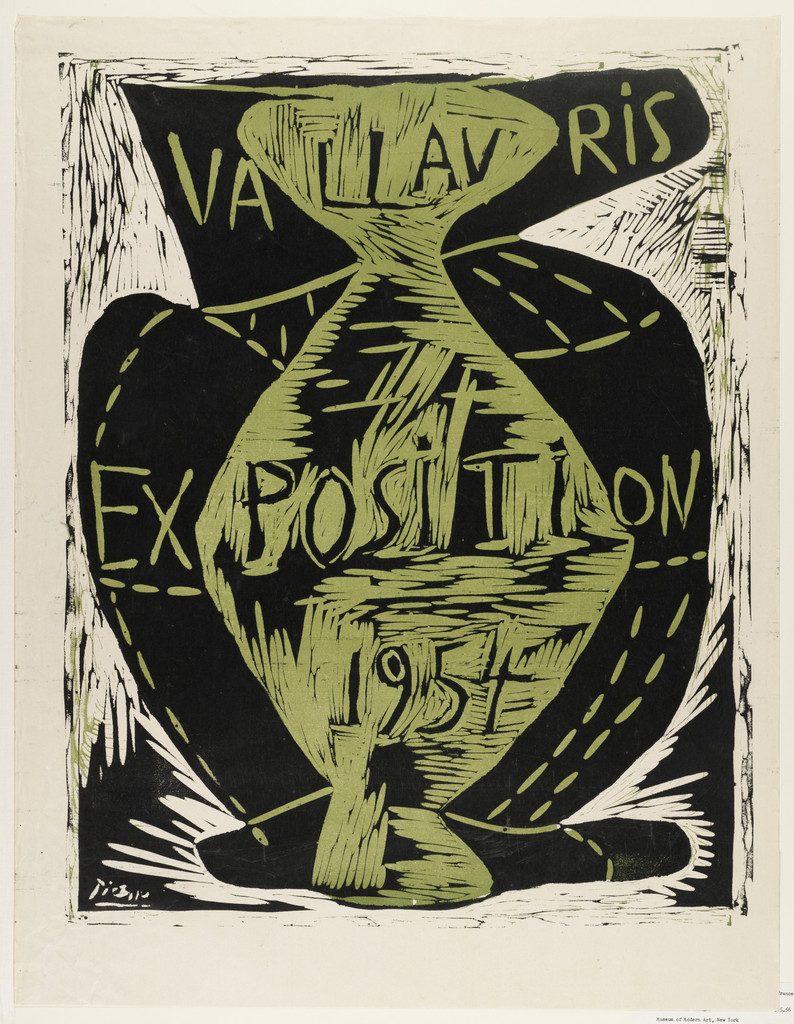 Pablo PicassoExposition Vallauris 1954
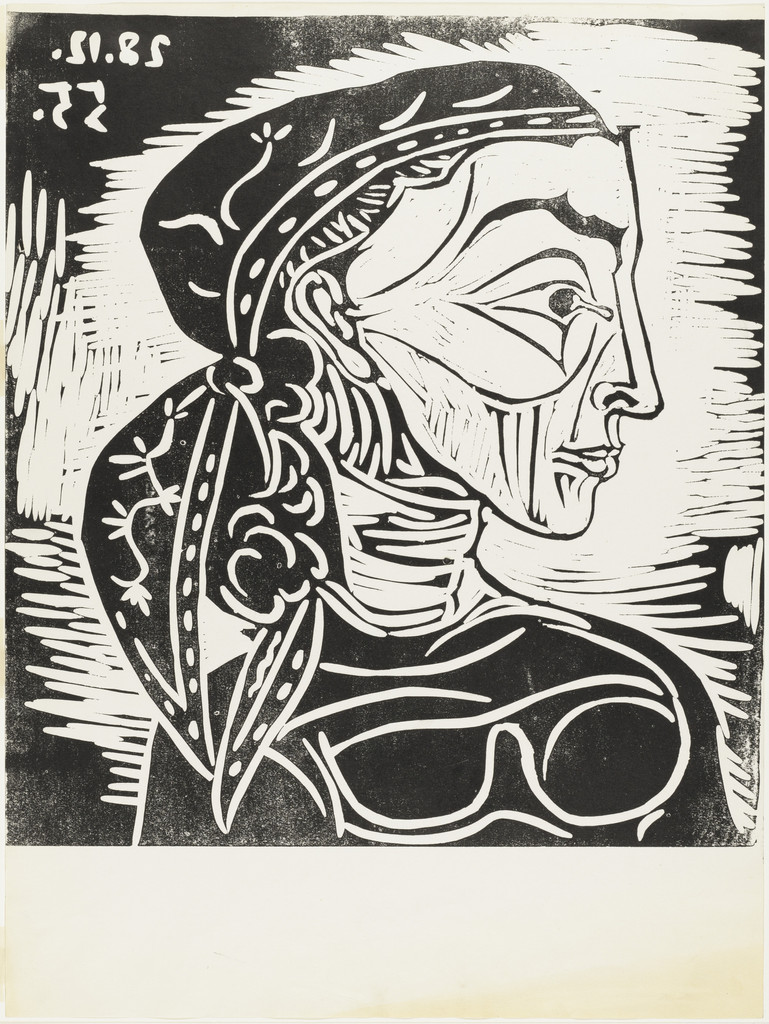 Pablo PicassoProfile of Jacqueline with a Scarf (Profil de Jacqueline au foulard)
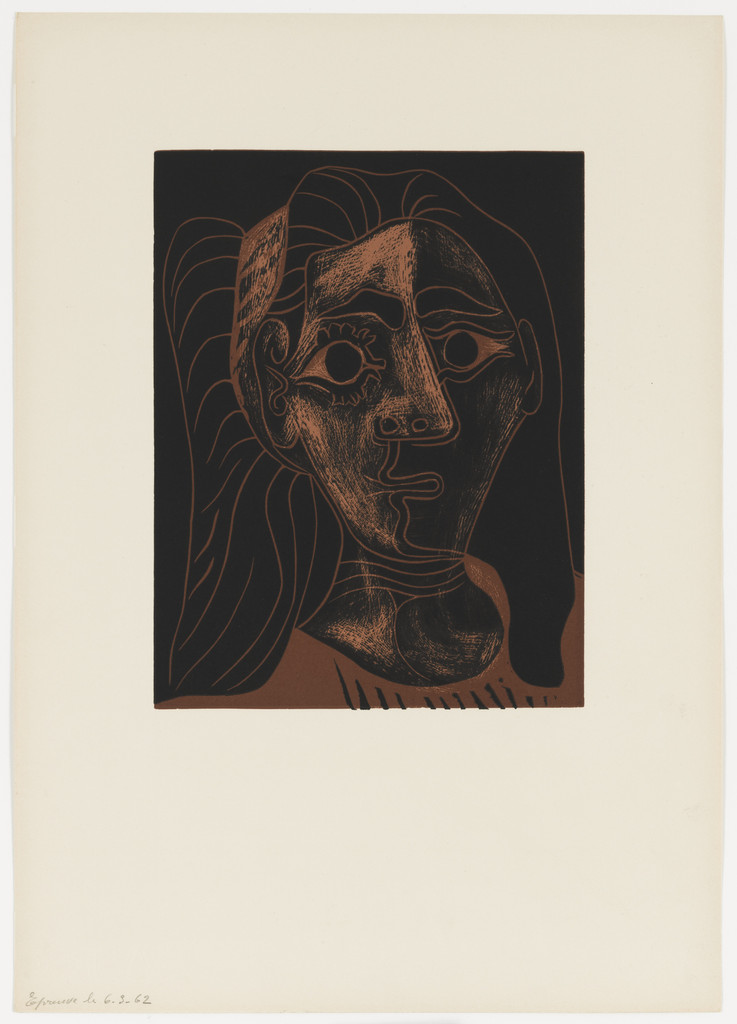 Pablo PicassoJacqueline with Headband I (Jacqueline au bandeau I)
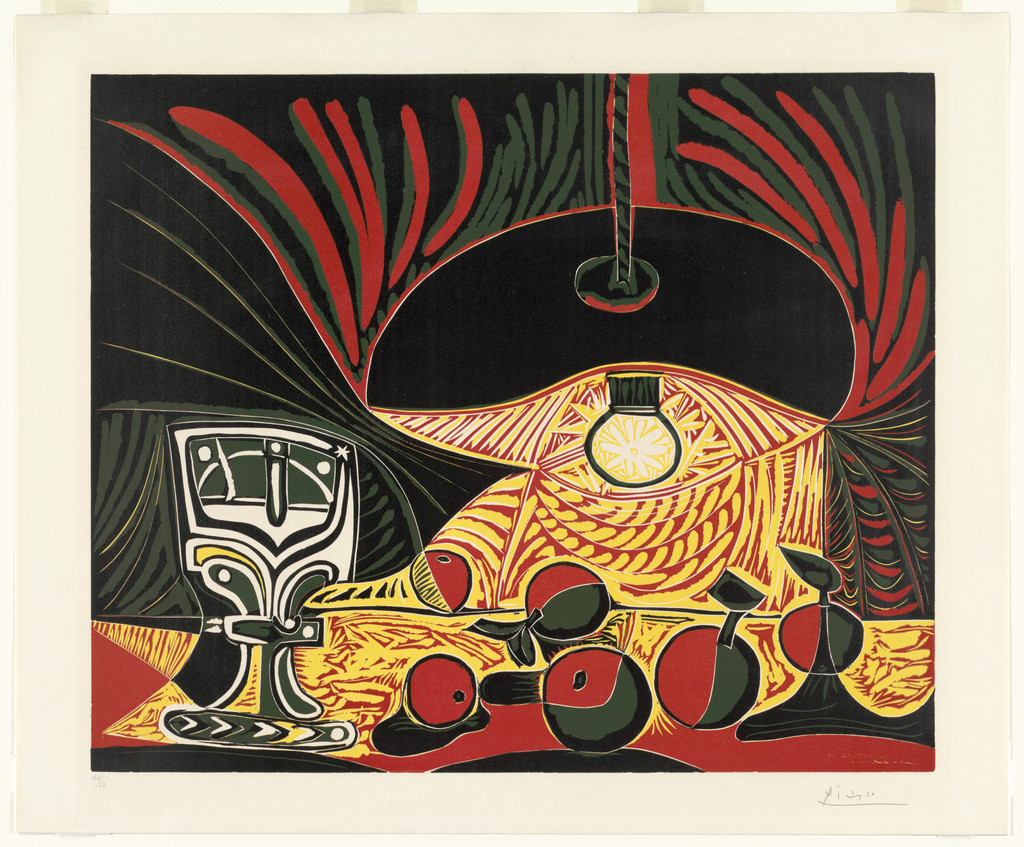 Pablo PicassoStill Life with Glass Under the Lamp (Nature morte au verre sous la lampe)
 Pablo PicassoPike (Pique)
 Pablo PicassoWoman with Hat (Femme au chapeau)
 Pablo PicassoTwo Women Waking Up
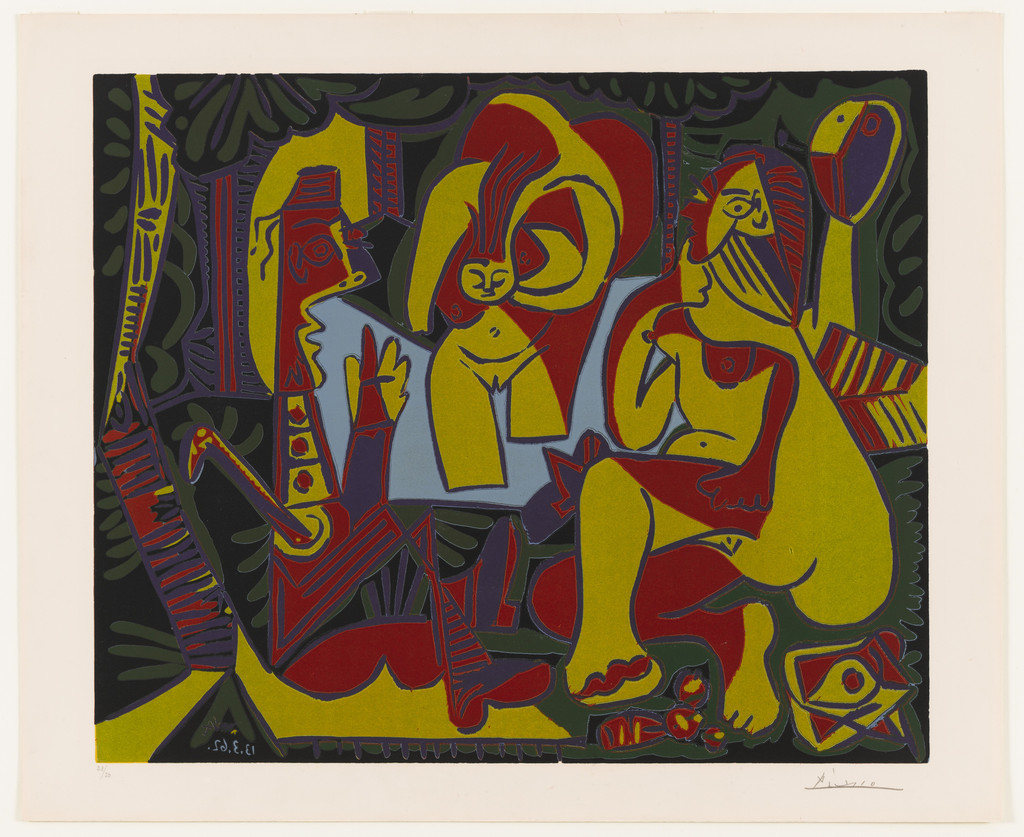 Pablo PicassoLuncheon on the Grass, after Manet, I (Le Déjeuner sur l'herbe, d'après Manet, I)
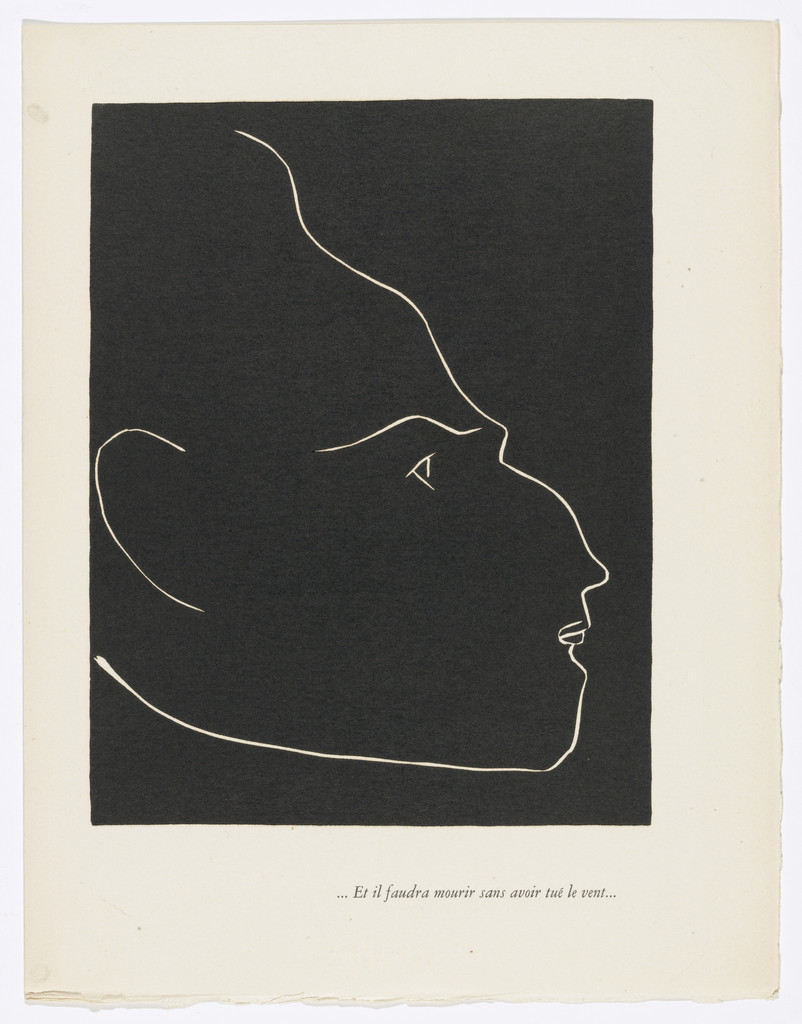 Henri Matisse...And One Must Die without Killing the Wind... (...Et il faudra mourir sans avoir tué le vent...) from Pasiphaé: Chant de Minos (Les Crétois)
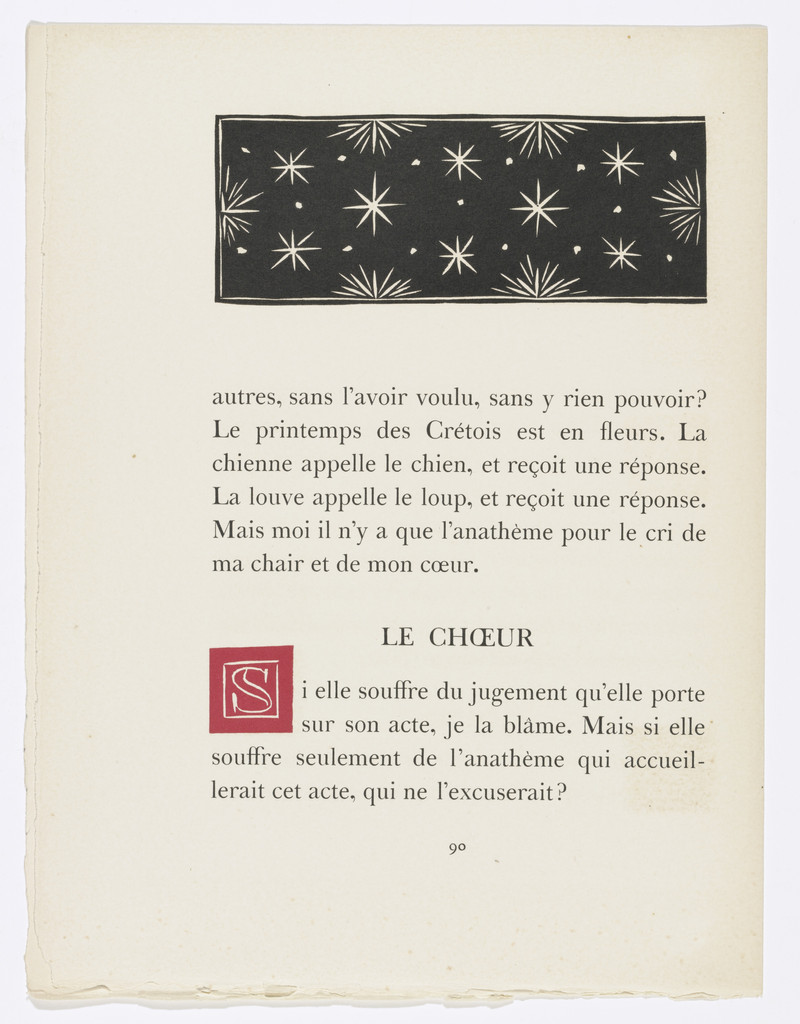 Henri MatisseIn-text plate (page 90) from Pasiphaé: Chant de Minos (Les Crétois)
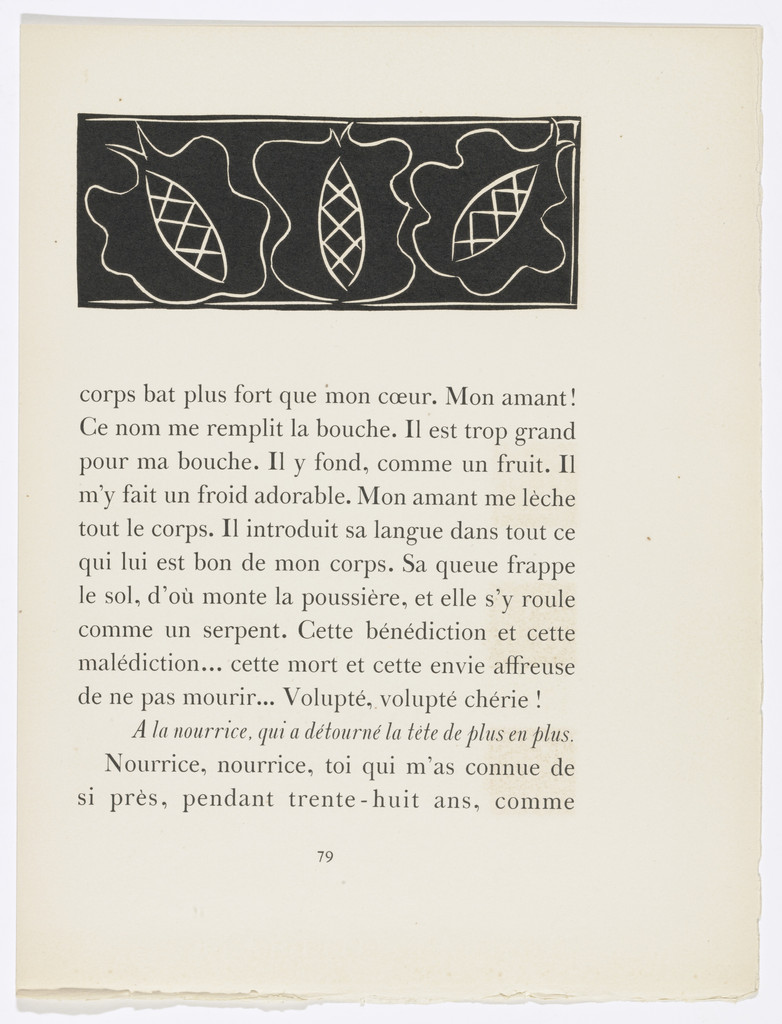 Henri MatisseIn-text plate (page 79) from Pasiphaé: Chant de Minos (Les Crétois)
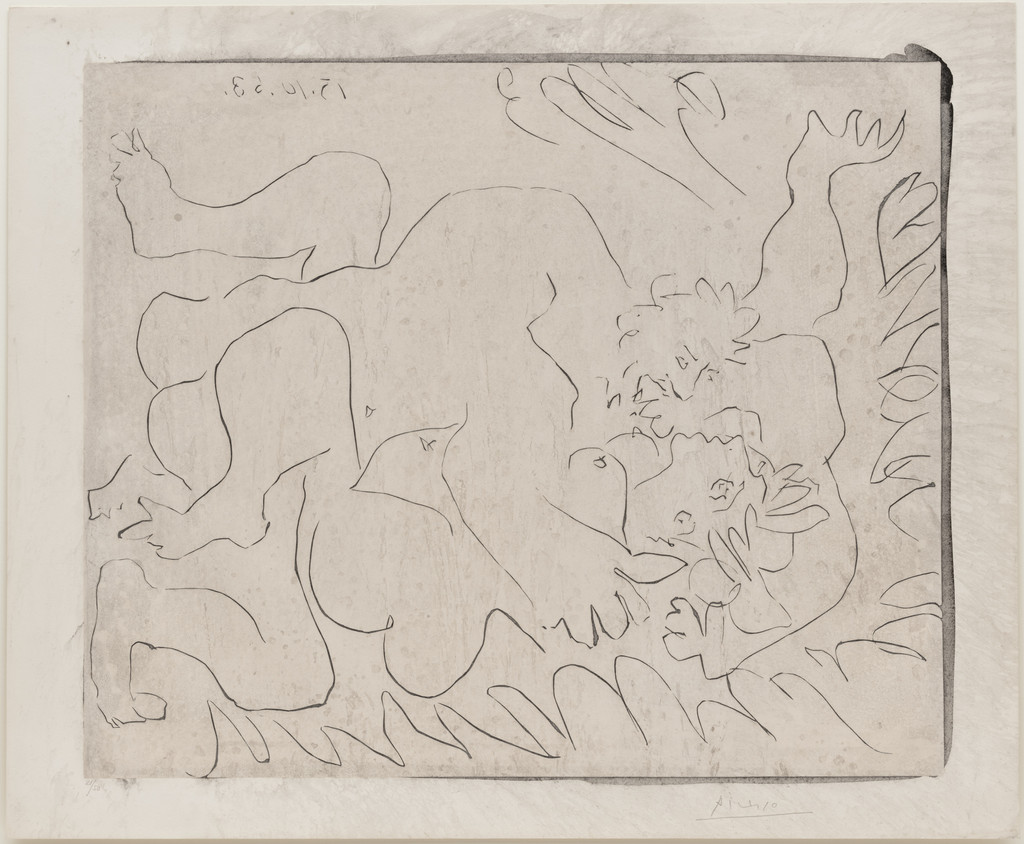 Pablo PicassoThe Embrace. I
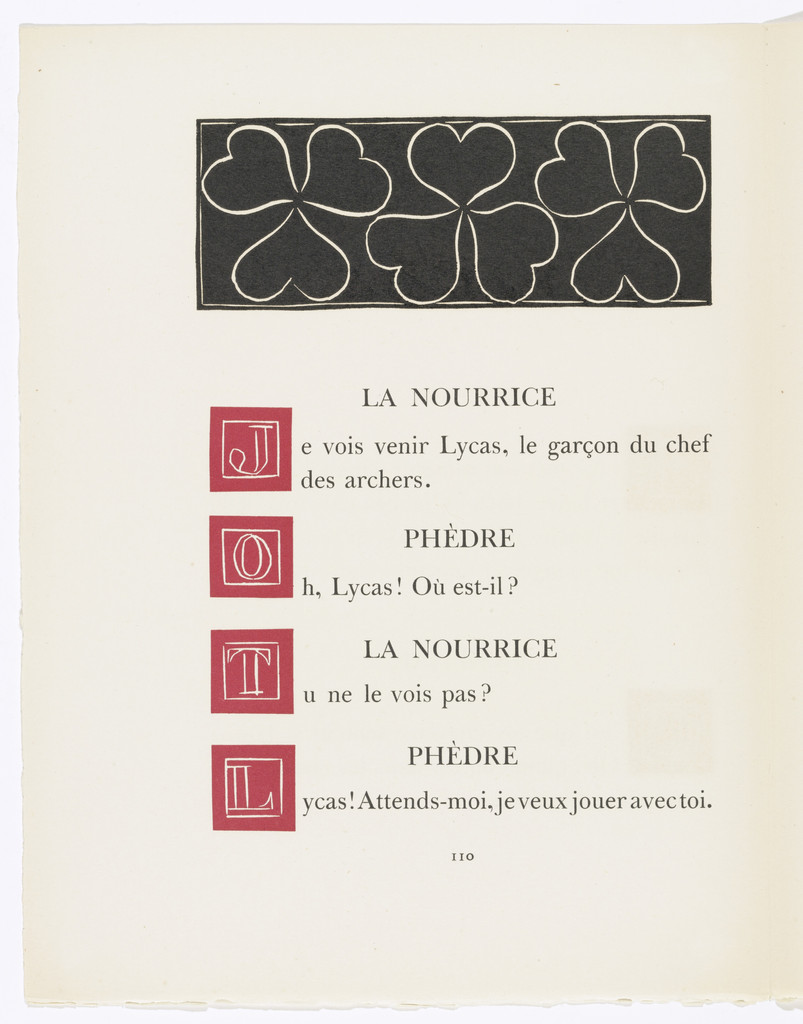 Henri MatisseIn-text plate (page 110) from Pasiphaé: Chant de Minos (Les Crétois)
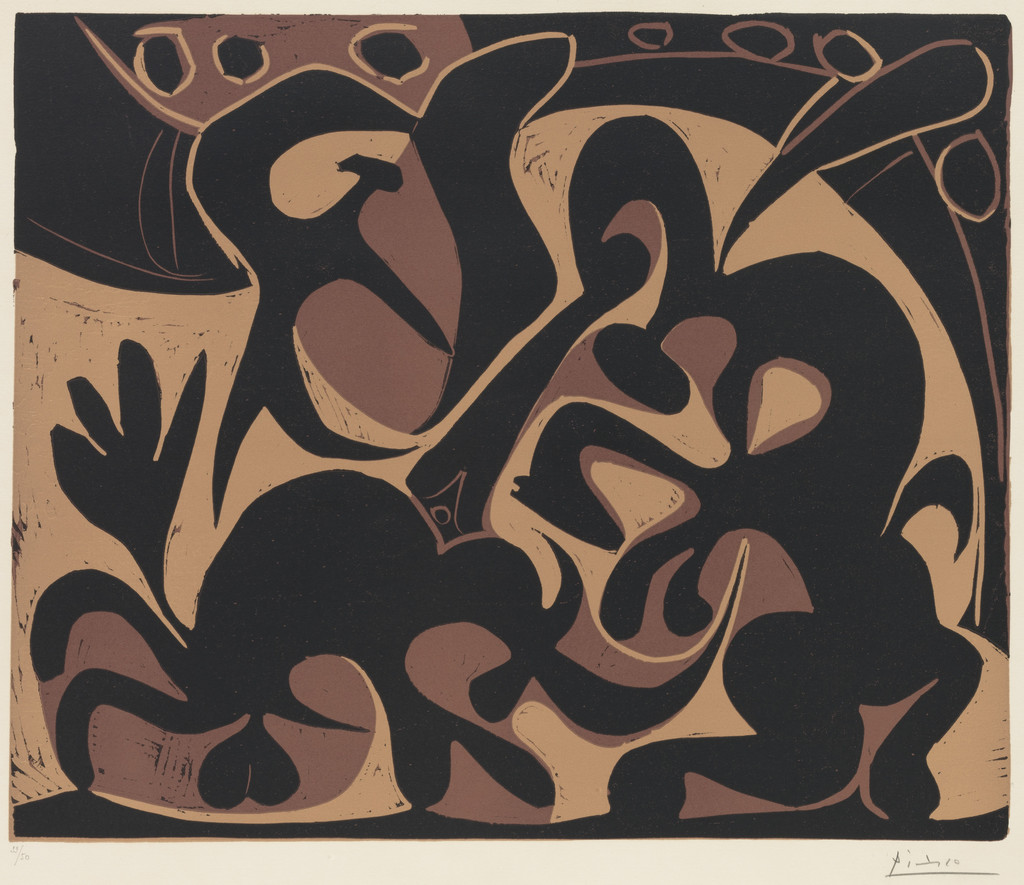 Pablo PicassoPicador
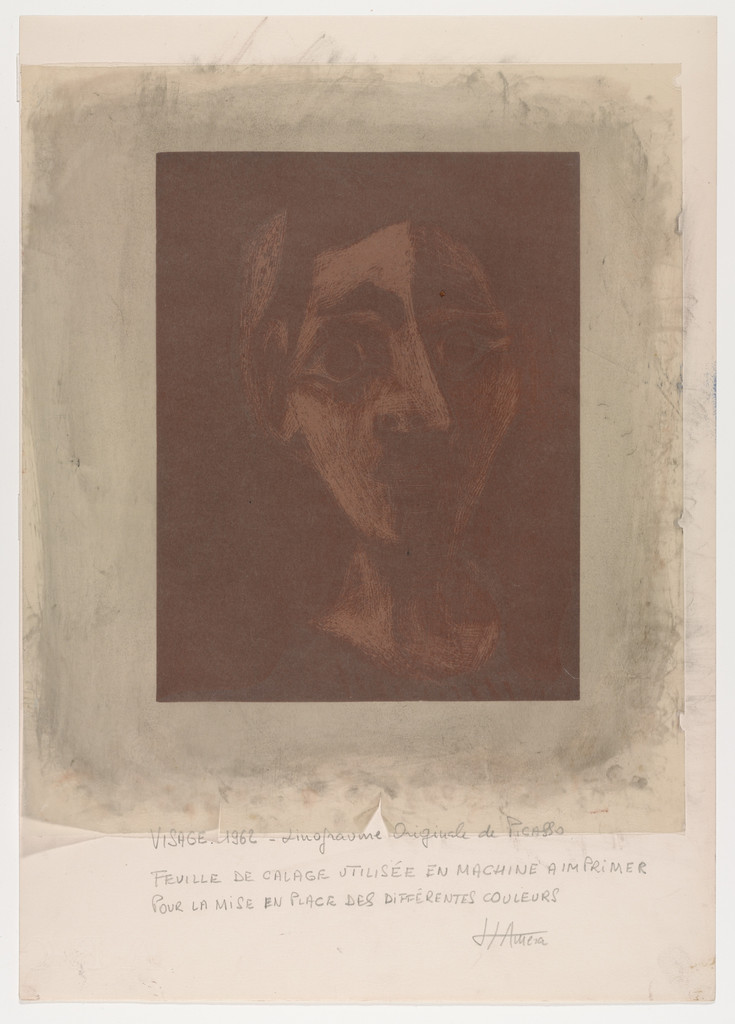 Pablo PicassoJacqueline with Headband I (Jacqueline au bandeau I)
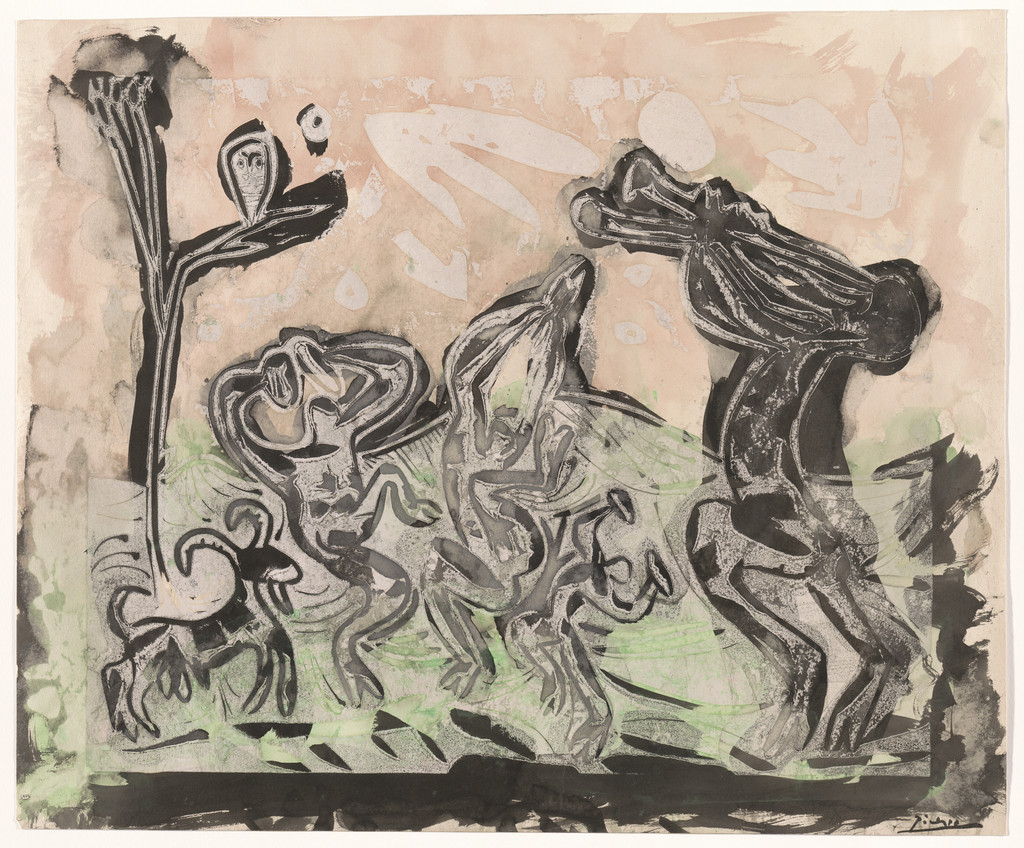 Pablo PicassoNocturnal Dance with an Owl (Danse nocturne avec un hibou)
Linocut
Five blocks for a single portrait: that was the task Picasso and his printer faced with a colour linocut after Lucas Cranach. Each colour required its own carved surface, and every impression had to fit the others. Picasso subsequently concentrated on a method that exchanged this multiplication of blocks for a different difficulty. He would keep cutting the same block, printing it at successive stages. The finished picture depended on surfaces he had already destroyed.
How is a linocut made?
Linoleum entered the workshop from the floor. Developed as a covering in the nineteenth century, it contains powdered cork and linseed oil. Unlike a plank, it has no grain to steer or resist a blade. A turn can therefore continue into another turn without meeting a change of fibre. This helps explain the broad curves and flat patches that make many linocuts readable from across a room.
The cutter removes whatever should remain unprinted. A roller supplies ink to the surviving surface; paper receives it under pressure. A press can do the work, but so can rubbing the back of the sheet with a spoon. Think of a white line crossing a black face: the line records a channel emptied of material, while the surrounding darkness records what was left standing. The print reverses the image on the block.
That modest equipment mattered to the Grosvenor School in London during the 1920s and 1930s. Sybil Andrews, Cyril Power and Claude Flight used linoleum to picture sports and industrial labour. Their repeating bodies and curves offered a language for movement. A medium made from inexpensive flooring could address the speed of contemporary life without borrowing the textures of an old wooden block.
Why cut away a block you still need?
With separate colour blocks, each matrix retains its own part of the image. Reduction printing changes the bargain. An early pass establishes one colour; further cutting protects selected parts of that colour from later ink. The block returns to the paper with less surface available to print. Each round must be made across the intended edition before the next irreversible cut. A missing early impression cannot simply be supplied at the end.
Picasso developed this approach with Hidalgo Arnéra in Vallauris, where local exhibitions and festivities had given him occasions to design posters. Arnéra was a working printer, not an invisible assistant. The problem was practical: how could cutting, colour and repeated impressions cooperate? In , the bullfight also offers a useful test of the method. Look for the way broad coloured areas hold together while dark accents make the figures legible.