ART WIKI37,791 on view
MapCollectionArtistsMuseumsExhibitionsJournal
Sign in

ART WIKI

Where to see art and when to visit.

Collections: Art Institute of Chicago, Cooper Hewitt, Smithsonian Design Museum, Getty Villa, Harvard Art Museums, Hirshhorn Museum and Sculpture Garden, J. Paul Getty Museum, Minneapolis Institute of Art, Musée du Louvre, National Gallery of Art, National Museum of Asian Art, National Portrait Gallery (Smithsonian), Pushkin State Museum of Fine Arts, Rijksmuseum, Smithsonian American Art Museum, SMK — National Gallery of Denmark, State Hermitage Museum, State Russian Museum, The Cleveland Museum of Art, The Metropolitan Museum of Art, The Museum of Modern Art, Tretyakov Gallery, Victoria and Albert Museum, Whitney Museum of American Art, Yale Center for British Art, Yale University Art Gallery, State Catalogue of the Museum Fund of Russia (274 museums), Europeana (19 museums), Wikidata (44 museums), Paris Musées (12 museums), Joconde, the French Ministry of Culture's museum database (495 museums), and the Catalogo generale dei Beni Culturali of Italy's Ministry of Culture (74 museums). Images belong to their rights holders.

Sections

  • Map
  • Search
  • Collection
  • Masterpieces
  • Stolen and lost
  • Embed artwork status
  • On view now
  • Artists

More

  • Museums & galleries
  • Exhibitions
  • Journal
  • Where the data comes from
  • Privacy & cookies
  • About
  • Terms of use
HomeMapBrowse

Browse

Ink

Ink is a colouring medium that can flow from a pen, spread beneath a brush or be transferred through a printing process. It is a family of recipes, not a single black substance. Soot, plant extracts and chemical reactions have all supplied its colour. The same broad category connects handwritten prayers, a landscape built from short marks and a movie star’s printed face.

16,695 works from 141 museums972 on view nowClear all

/
Technique
  • All
  • Oil289,482
  • Tempera41,842
  • Ink16,695
  • Watercolour13,170
  • Gouache8,556
  • Acrylic3,943
  • Fresco2,628
  • Pastel1,693
  • Mixed media1,522
  • Encaustic98
Weaver Facing Right, Vincent van Gogh, 1884Vincent van GoghLe Tisserand1884Musée d'Orsay
Lang leven, Cixi, 1875 - 1924CixiLang leven1875 - 1924Rijksmuseum
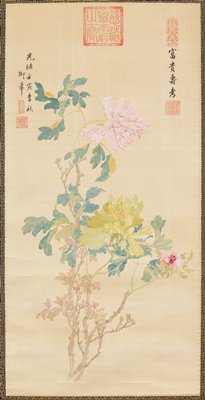
Good Fortune and Longevity, Empress Dowager Cixi, 1902CixiGood Fortune and Longevity1902Minneapolis Institute of Art
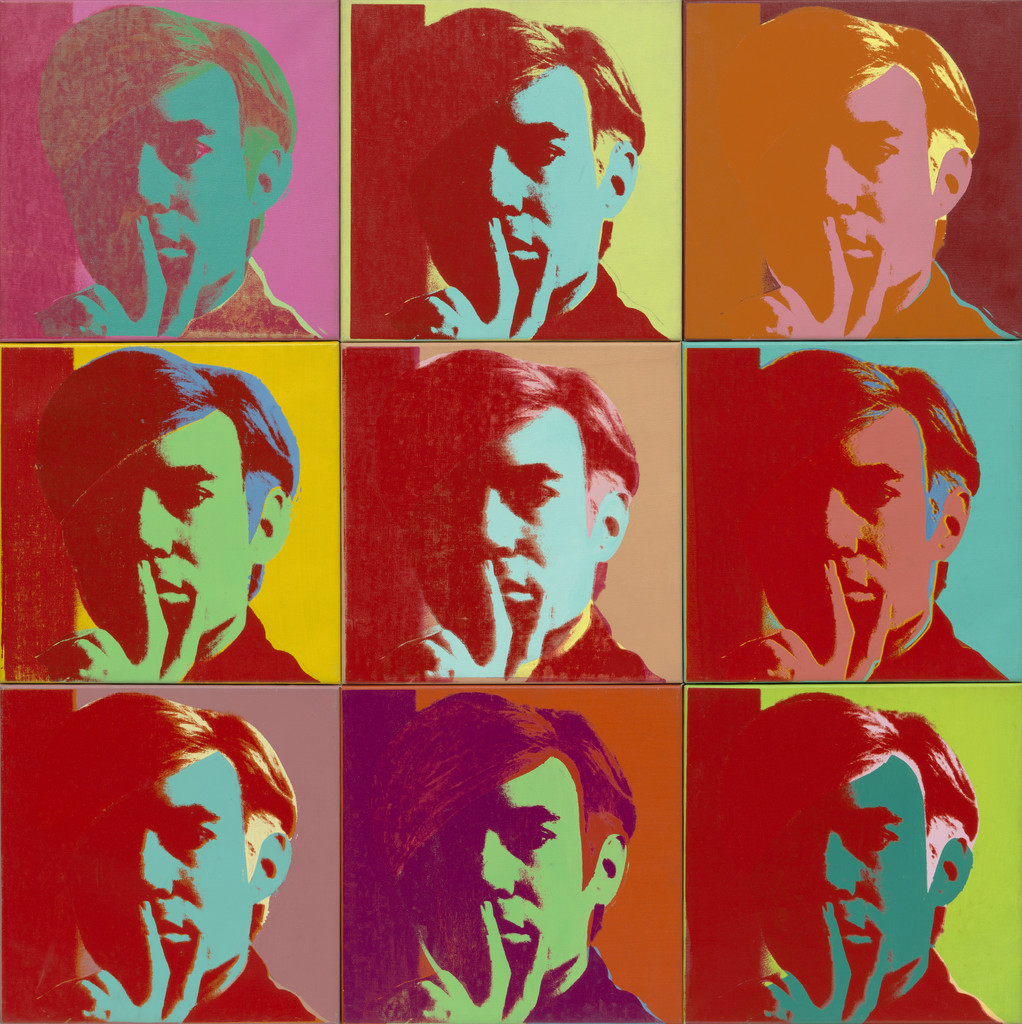
Self-Portrait, Andy Warhol, 1966Andy WarholSelf-Portrait1966The Museum of Modern Art
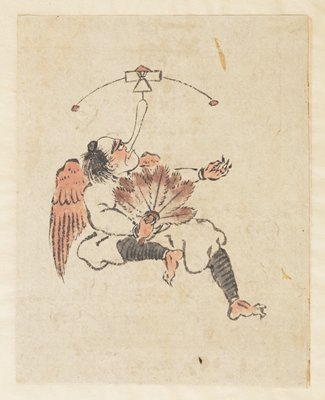
Tengu, Katsushika Hokusai, 19th centuryKatsushika HokusaiTengu19th centuryMinneapolis Institute of Art
Bodhisattva Jizo, anonymous, c. 1300 - c. 1350anonymousBodhisattva Jizoc. 1300 - c. 1350Rijksmuseum
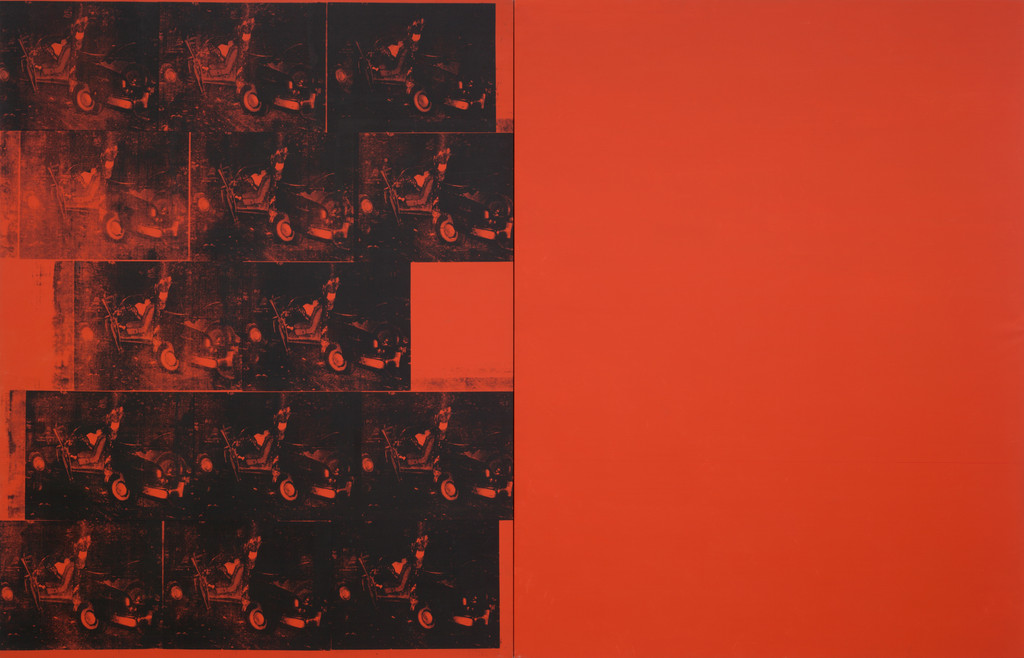
Orange Car Crash Fourteen Times, Andy Warhol, 1963Andy WarholOrange Car Crash Fourteen Times1963MoMA, Floor 4, 413The Museum of Modern Art
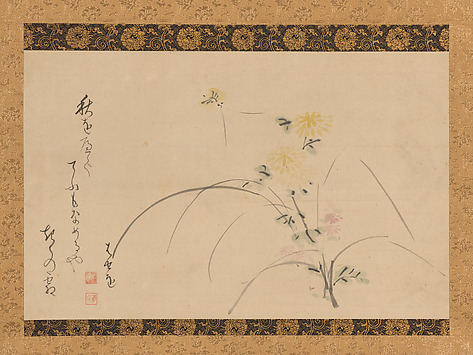
Chrysanthemums and Hokku Poem “With the Passing of Autumn”, Matsuo Bashō, 1688–94Matsuo BashōChrysanthemums and Hokku Poem “With the Passing of Autumn”1688–94The Metropolitan Museum of Art
A Wealthy Merchant, Utagawa Hiroshige, mid 19th centuryUtagawa HiroshigeA Wealthy Merchantmid 19th centuryMinneapolis Institute of Art
Daikoku (God of Luck) with Radish, Katsushika Hokusai, 18th–19th centuryKatsushika HokusaiDaikoku (God of Luck) with Radish18th–19th centuryThe Metropolitan Museum of Art
Snails and Tawashi Scrubber, Katsushika Hokusai, 18th–19th centuryKatsushika HokusaiSnails and Tawashi Scrubber18th–19th centuryThe Metropolitan Museum of Art
Sakata Kintoki Drinking Sake Wine, Katsushika Hokusai, 18th–19th centuryKatsushika HokusaiSakata Kintoki Drinking Sake Wine18th–19th centuryThe Metropolitan Museum of Art
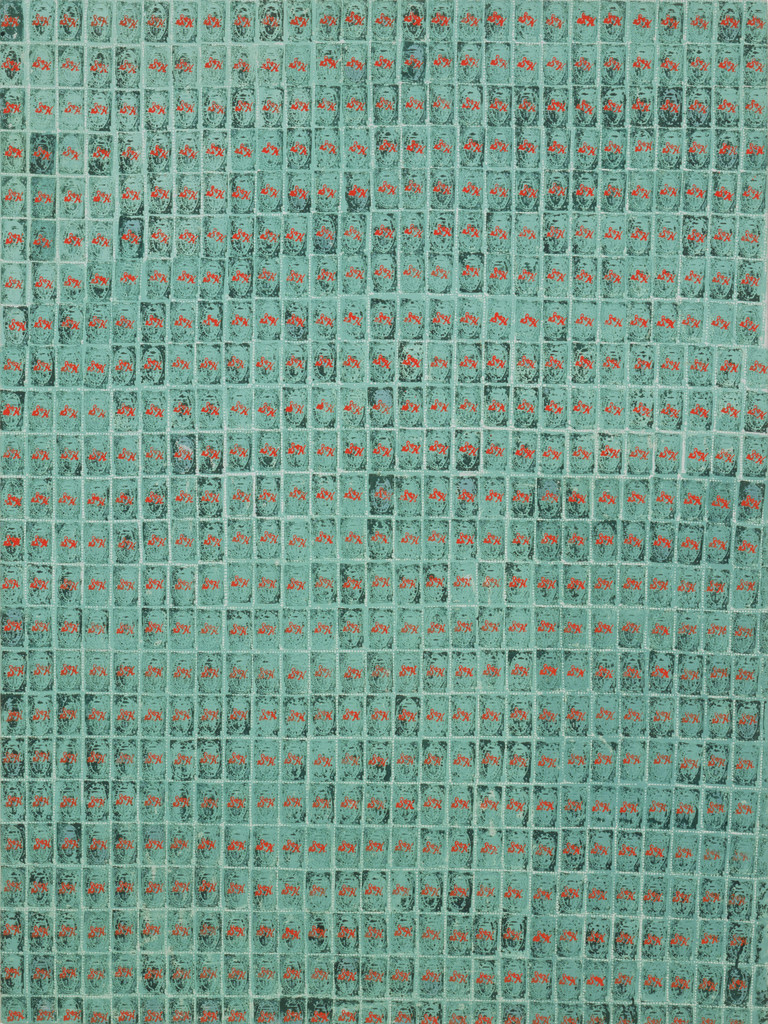
S&H Green Stamps, Andy Warhol, 1962Andy WarholS&H Green Stamps1962The Museum of Modern Art
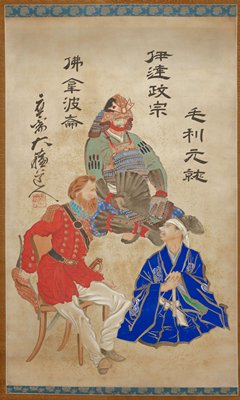
Great Generals of the East and West, Tsukioka Yoshitoshi, c. 1874Tsukioka YoshitoshiGreat Generals of the East and Westc. 1874Minneapolis Institute of Art
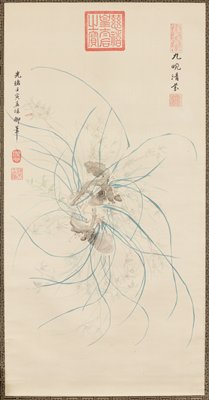
Fragrance of the Orchids, Empress Dowager Cixi, 1902CixiFragrance of the Orchids1902Minneapolis Institute of Art
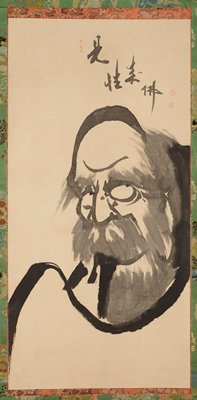
Half-length Portrait of Bodhidharma, Hakuin Ekaku, mid 18th centuryHakuinHalf-length Portrait of Bodhidharmamid 18th centuryG220Minneapolis Institute of Art
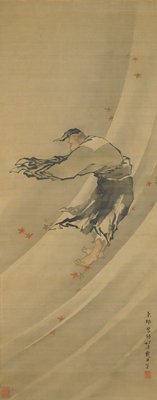
Liezi in the Wind, Katsushika Hokusai, c. 1810–1813Katsushika HokusaiLiezi in the Windc. 1810–1813Minneapolis Institute of Art
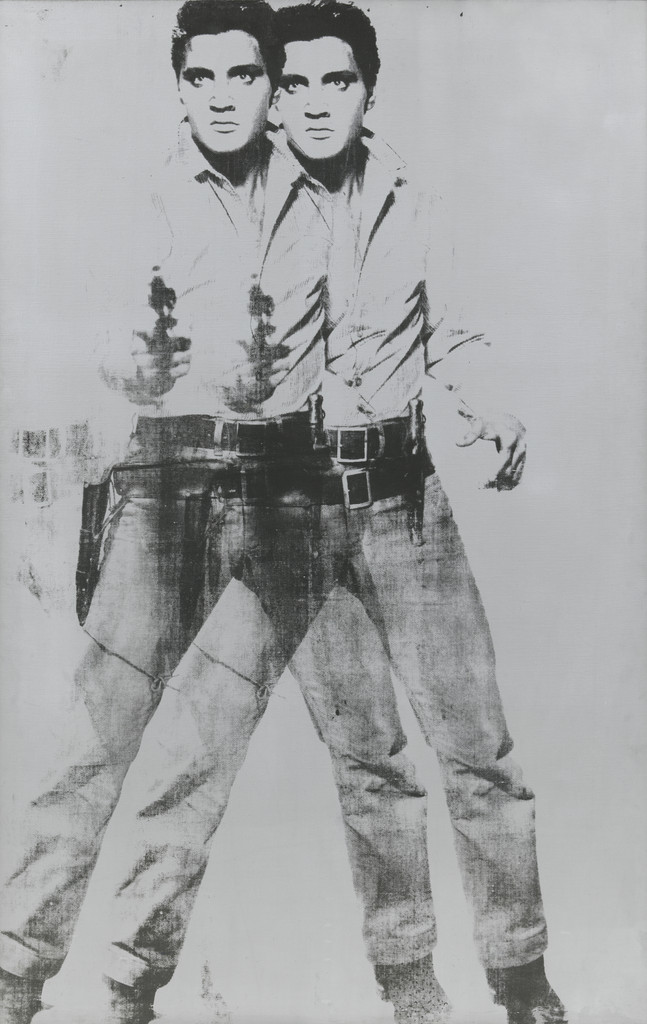
Double Elvis, Andy Warhol, 1963Andy WarholDouble Elvis1963The Museum of Modern Art
Red Zhong Kui, the Demon Queller, Katsushika Hokusai, 1846Katsushika HokusaiRed Zhong Kui, the Demon Queller1846The Metropolitan Museum of Art
Guan Yu Seated (Chinese God of War), Katsushika Hokusai, 18th–19th centuryKatsushika HokusaiGuan Yu Seated (Chinese God of War)18th–19th centuryThe Metropolitan Museum of Art
Mount Fuji, Hiroshige Andō, 1615–1868Utagawa HiroshigeMount Fuji1615–1868Yale University Art Gallery
Mount Nokogiri Seen from a Distance, Utagawa Hiroshige, 19th centuryUtagawa HiroshigeMount Nokogiri Seen from a Distance19th centuryThe Metropolitan Museum of Art
Four sketches of birds and one design for a grotesque mask, mounted together, Katsushika Hokusai, 18th–19th centuryKatsushika HokusaiFour sketches of birds and one design for a grotesque mask, mounted together18th–19th centuryThe Metropolitan Museum of Art
Finches and bamboo, Emperor Huizong, early 12th centuryEmperor Huizong of SongFinches and bambooearly 12th centuryThe Metropolitan Museum of Art
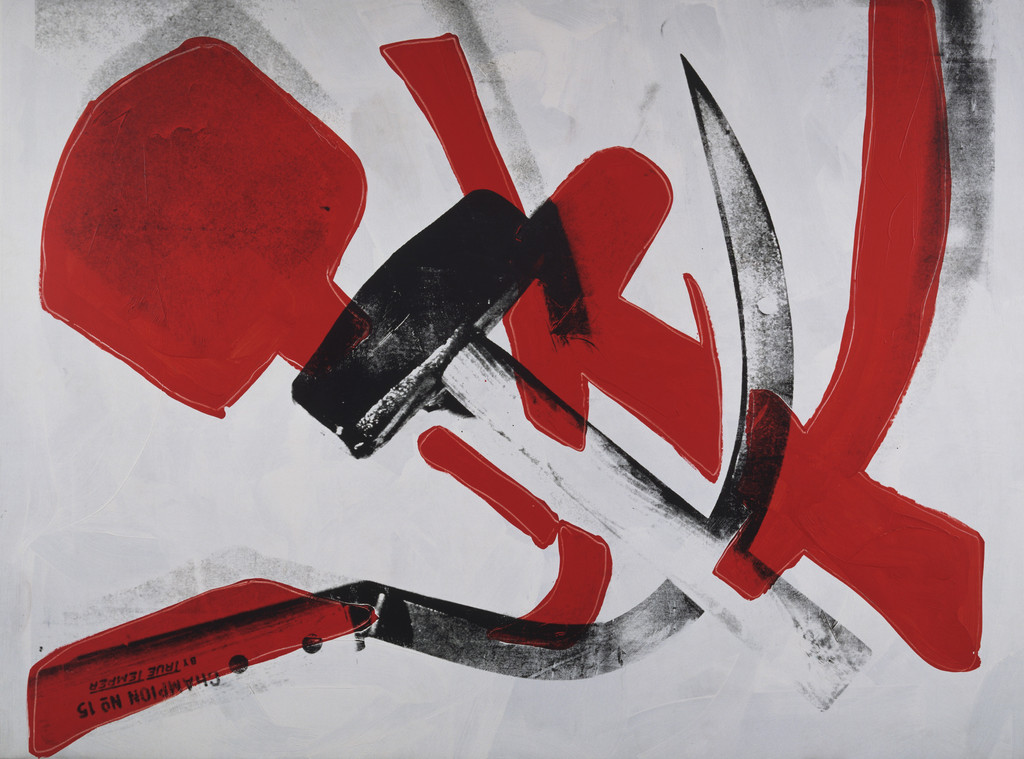
Hammer and Sickle, Andy Warhol, 1976Andy WarholHammer and Sickle1976The Museum of Modern Art
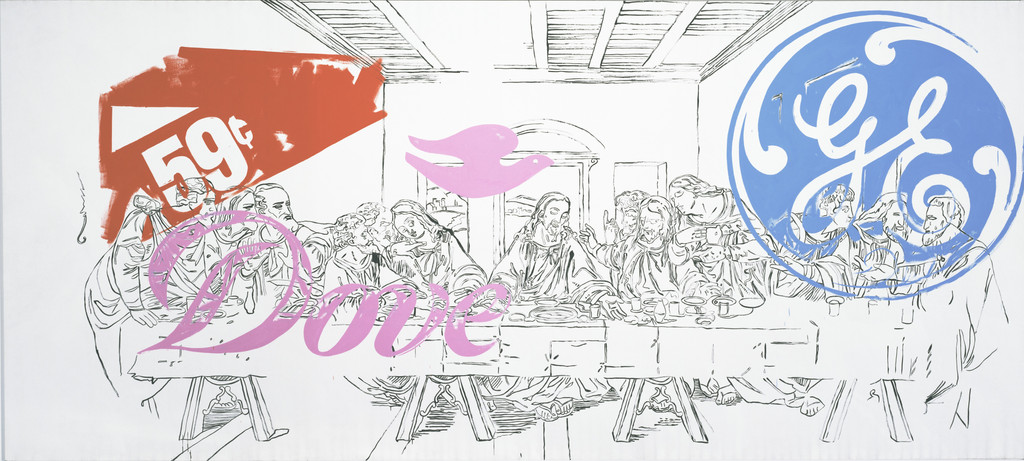
The Last Supper, Andy Warhol, 1986Andy WarholThe Last Supper1986MoMA, Floor 2, 204The Museum of Modern Art
Great Generals of the East and West, Tsukioka Yoshitoshi, c. 1874Tsukioka YoshitoshiGreat Generals of the East and Westc. 1874Minneapolis Institute of Art
Irises at Yatsuhashi (Eight Bridges), Ogata Kōrin, after 1709Ogata KōrinIrises at Yatsuhashi (Eight Bridges)after 1709The Metropolitan Museum of Art
Rough Waves, Ogata Kōrin, ca. 1704–9Ogata KōrinRough Wavesca. 1704–9The Metropolitan Museum of Art
De handelsvestiging Deshima, anonymous, c. 1840anonymousDe handelsvestiging Deshimac. 1840Rijksmuseum
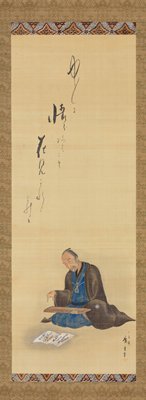
Portrait of the Poet Matsuo Bashō (?), Katsushika Hokusai, 18th–19th centuryKatsushika HokusaiPortrait of the Poet Matsuo Bashō (?)18th–19th centuryThe Metropolitan Museum of Art
Shōki, the Demon Queller, Katsushika Hokusai, dated 1790Katsushika HokusaiShōki, the Demon Quellerdated 1790The Metropolitan Museum of Art
The Legendary Empress Jingū, Katsushika Hokusai 葛飾北斎, dated 1847Katsushika HokusaiThe Legendary Empress Jingūdated 1847The Metropolitan Museum of Art
Nine-Tailed Golden Fox, Katsushika Hokusai, 18th–19th centuryKatsushika HokusaiNine-Tailed Golden Fox18th–19th centuryThe Metropolitan Museum of Art
Sea Turtle (Emblem of Longevity), Katsushika Hokusai, 18th–19th centuryKatsushika HokusaiSea Turtle (Emblem of Longevity)18th–19th centuryThe Metropolitan Museum of Art
Sakata Kintoki, Katsushika Hokusai, 18th–19th centuryKatsushika HokusaiSakata Kintoki18th–19th centuryThe Metropolitan Museum of Art
Two Paintings of Deer Antlers, Qianlong Emperor, dated 1762 and 1767Qianlong EmperorTwo Paintings of Deer Antlersdated 1762 and 1767The Metropolitan Museum of Art
The Angel Appearing to Zacharias, William Blake, 1799–1800William BlakeThe Angel Appearing to Zacharias1799–1800The Metropolitan Museum of Art
Manzai Performers, Katsushika Hokusai, c. 1816Katsushika HokusaiManzai Performersc. 1816Minneapolis Institute of Art
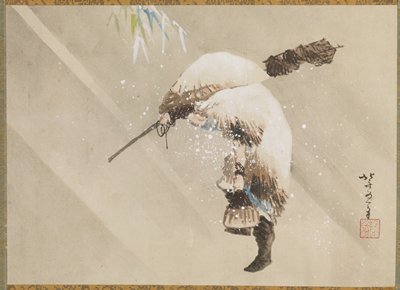
Fisherman Carrying His Net in the Snow, Katsushika Hokusai, c. 1821Katsushika HokusaiFisherman Carrying His Net in the Snowc. 1821Minneapolis Institute of Art
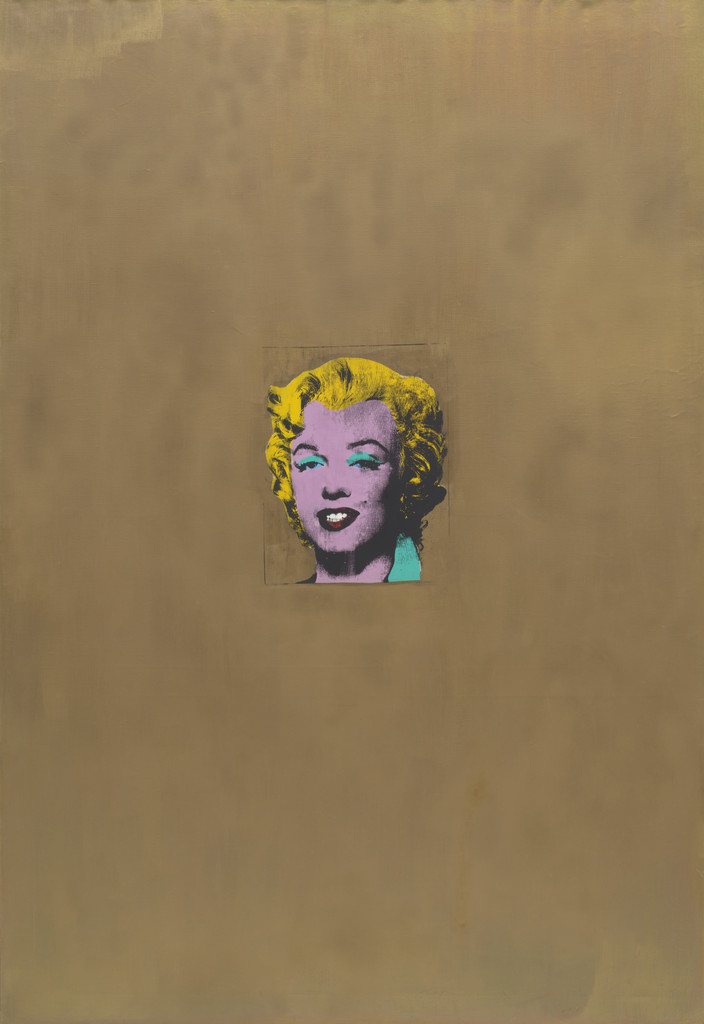
Gold Marilyn Monroe, Andy Warhol, 1962Andy WarholGold Marilyn Monroe1962MoMA, Floor 4, 420The Museum of Modern Art
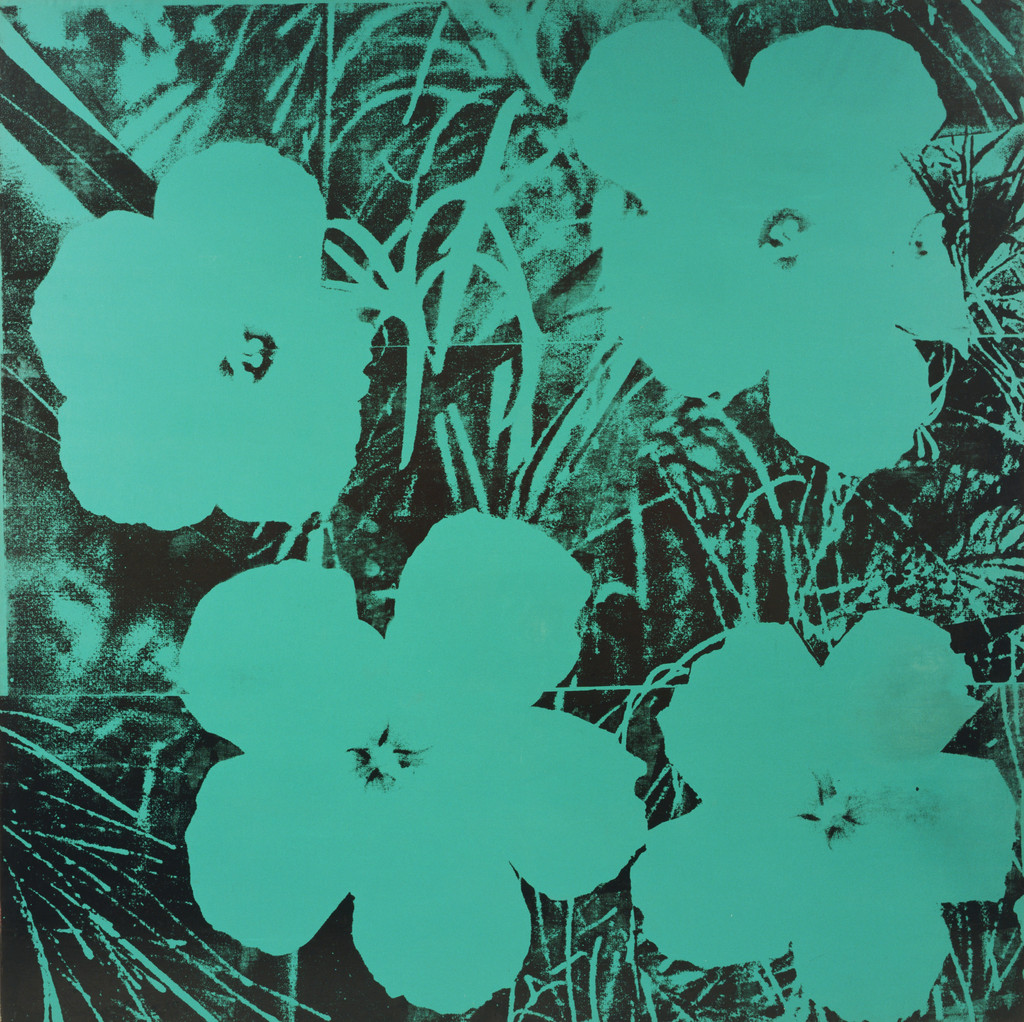
Ten-Foot Flowers, Andy Warhol, 1967Andy WarholTen-Foot Flowers1967The Museum of Modern Art
Tsuki to Ume (Moon and Plum Blossoms), with haiku poem, Matsuo Bashō, first month of 1693Matsuo BashōTsuki to Ume (Moon and Plum Blossoms), with haiku poemfirst month of 1693Yale University Art Gallery
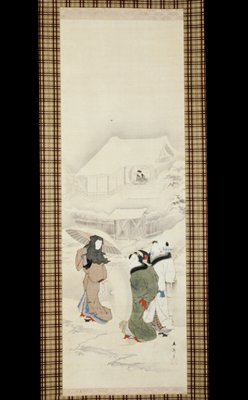
Three Beauties in Snow, Utagawa Hiroshige, 19th centuryUtagawa HiroshigeThree Beauties in Snow19th centuryMinneapolis Institute of Art
Poetry Painting, Matsuo Bashō, 17th centuryMatsuo BashōPoetry Painting17th centuryThe Metropolitan Museum of Art
Landscape, Utagawa Hiroshige, 19th centuryUtagawa HiroshigeLandscape19th centuryMinneapolis Institute of Art
Mask of Fudō Myōō, Katsushika Hokusai, 18th–19th centuryKatsushika HokusaiMask of Fudō Myōō18th–19th centuryThe Metropolitan Museum of Art
Fuji Musume, the Wisteria Maid, Katsushika Hokusai, 18th–19th centuryKatsushika HokusaiFuji Musume, the Wisteria Maid18th–19th centuryThe Metropolitan Museum of Art

Ink

Charles the Noble had his arms painted on at least twenty leaves of his Book of Hours. Yet this royal possession may have been bought ready-made during a visit to Paris in 1404–05 rather than commissioned from the outset. Six painting styles have been identified within it. The finished volume brings several hands together, while the repeated heraldry insists on one owner. Before looking at the gold, notice the writing that makes the object a usable book.

Master of the Brussels Initials and associates, Hours of Charles the Noble, about 1404. Cleveland Museum of Art; gallery 109 on our autumn 2026 check.

Its materials include ink, tempera and gold on vellum. These are not interchangeable decorative effects. Text must remain legible through repetition; painted figures and ornament can interrupt that rhythm, while metal catches light differently from the surrounding page. Ink gives the book much of its daily work. A reader could admire the illumination and still need the smaller, quieter marks to find a prayer and follow its words.

What was old drawing ink made from?

Carbon ink could be made from soot produced by burning oil or resin. Dilution changes a dense black into lighter washes, so one preparation can supply both a line and a field of tone. Drawing inks may contain pigments or soluble dyes; their colour depends on the ingredients as well as their concentration. A brown sheet is not evidence that every pen was dipped into the same brown liquid.

Iron-gall ink follows a different recipe. Extracts from galls are combined with an iron compound and gum in water; oxidation develops a dark colour. Some old iron-gall inks have changed hue or damaged the paper carrying them. A line may survive as a weakened or broken part of the sheet. The mark is therefore both an image and a chemical event with a history extending far beyond the moment of writing.

None of this permits a reliable recipe to be read from colour alone. The catalogue’s broad description may be deliberately cautious, and identifying an ingredient can require analysis. For looking, a more immediate distinction is between contour and wash. One draws a boundary; the other distributes tone. A pen and a brush can work together without hiding the difference between their actions, allowing a drawing to explain itself in two registers.

1

How Van Gogh fills a landscape without painting it

In Hill with the Ruins of Montmajour, Van Gogh used reed and quill pens with ink, alongside pencil and black chalk. That list matters because the sheet is not the result of one unvarying point. Look at how marks gather into masses while leaving paper between them. Density can do the work of shading; direction can separate one patch of ground from another. A landscape can be built from intervals as much as from continuous outlines.

Vincent van Gogh, Hill with the Ruins of Montmajour, 1888. Rijksmuseum, Amsterdam.

The drawing asks for two speeds of attention. From farther away, the hill and its ruins establish a place. Closer up, the individual marks recover their independence. There is no need to translate every stroke into a leaf or stone. Some work by joining their neighbours into a larger texture. The material economy is demanding: without a full palette, differences of touch must carry much more of the description.

Why is Marilyn in a section about ink?

Andy Warhol’s Gold Marilyn Monroe combines silkscreen ink and synthetic polymer paint. He used a publicity photograph from the 1953 film Niagara, making the work in 1962, the year Monroe died. The face belongs to the world of circulated photographs, yet it sits alone in a broad gold field. Ink here transfers an existing image rather than tracing each feature with a pen. Its presence does not make the object a conventional drawing.

Andy Warhol, Gold Marilyn Monroe, 1962. MoMA, New York; fourth floor, gallery 420, on our autumn 2026 check.

The gold around Marilyn gives the printed face more room than it needs for a conventional portrait. Compare the small area occupied by the photograph with the expanse around it. Recognition happens quickly, but much of the canvas offers no further biographical information. The publicity image has been removed from its original setting and placed in a field that continues far beyond the head.