ART WIKI37,160 on view
MapCollectionArtistsMuseumsExhibitionsJournal
Sign in

ART WIKI

Where to see art and when to visit.

Collections: Art Institute of Chicago, Cooper Hewitt, Smithsonian Design Museum, Getty Villa, Harvard Art Museums, Hirshhorn Museum and Sculpture Garden, J. Paul Getty Museum, Minneapolis Institute of Art, Musée du Louvre, National Gallery of Art, National Museum of Asian Art, National Portrait Gallery (Smithsonian), Pushkin State Museum of Fine Arts, Rijksmuseum, Smithsonian American Art Museum, SMK — National Gallery of Denmark, State Hermitage Museum, State Russian Museum, The Cleveland Museum of Art, The Metropolitan Museum of Art, The Museum of Modern Art, Tretyakov Gallery, Victoria and Albert Museum, Whitney Museum of American Art, Yale Center for British Art, Yale University Art Gallery, State Catalogue of the Museum Fund of Russia (274 museums), Europeana (20 museums), Wikidata (490 museums), Paris Musées (12 museums), Joconde, the French Ministry of Culture's museum database (495 museums), and the Catalogo generale dei Beni Culturali of Italy's Ministry of Culture (74 museums). Images belong to their rights holders.

Sections

  • Map
  • Search
  • Collection
  • Masterpieces
  • Stolen and lost
  • Embed artwork status
  • On view now
  • Artists

More

  • Museums & galleries
  • Exhibitions
  • Journal
  • Where the data comes from
  • Privacy & cookies
  • About
  • Terms of use
HomeMapBrowse

Browse

Fresco

Fresco is painting made with the wall itself as part of the binding process. In true fresco, pigments mixed with water are brushed onto fresh lime plaster; as the plaster sets, it fixes the colour. The method imposes a deadline on every working session. Even a vast scene is assembled from smaller patches that someone could finish while wet.

2,628 works from 89 museums122 on view nowClear all

/
Technique
  • All
  • Oil289,545
  • Tempera41,813
  • Ink16,695
  • Watercolour13,170
  • Gouache8,537
  • Acrylic3,943
  • Fresco2,628
  • Pastel1,693
  • Mixed media1,522
  • Encaustic98
Rape of Helen, Raphael, 1523–1524RaphaelRape of Helen1523–1524State Hermitage Museum
Un jeune homme présenté par Vénus (?) aux sept Arts Libéraux, Botticelli, Sandro, 4e quart du XVe siècle (1475 - 1500)Sandro BotticelliUn jeune homme présenté par Vénus (?) aux sept Arts Libérauxlast quarter of the 15th century (1475–1500)Salle 706, Aile Denon, Niveau 1Musée du Louvre
Les Sept Divinités planétaires : Vénus, Saturne et Mercure, Paolo Caliari, dit Veronese, 3e quart du XVIe siècle (1550 - 1575)Paolo VeroneseLes Sept Divinités planétaires : Vénus, Saturne et Mercurethird quarter of the 16th century (1550–1575)Musée du Louvre
Allegorical Figure Representing Metaphysics, Giovanni Battista Tiepolo, 1760Giovanni Battista TiepoloAllegorical Figure Representing Metaphysics1760Gallery 642The Metropolitan Museum of Art
The Chariot of Ceres, Pinturicchio, ca. 1509PinturicchioThe Chariot of Ceresca. 1509The Metropolitan Museum of Art
Triumph of a Warrior, Pinturicchio, ca. 1509PinturicchioTriumph of a Warriorca. 1509The Metropolitan Museum of Art
Putto with garlands, Pinturicchio, ca. 1509PinturicchioPutto with garlandsca. 1509The Metropolitan Museum of Art
Allegorical Figures Representing Virtue and Abundance, Giovanni Battista Tiepolo, 1760Giovanni Battista TiepoloAllegorical Figures Representing Virtue and Abundance1760The Metropolitan Museum of Art
Allegorical Figure Representing Fortitude, Giovanni Battista Tiepolo, 1760Giovanni Battista TiepoloAllegorical Figure Representing Fortitude1760The Metropolitan Museum of Art
Allegorical Figure Representing Temperance, Giovanni Battista Tiepolo, 1760Giovanni Battista TiepoloAllegorical Figure Representing Temperance1760The Metropolitan Museum of Art
Allegorical Figure Representing a Virtue, Possibly Patriotism, Giovanni Battista Tiepolo, 1760Giovanni Battista TiepoloAllegorical Figure Representing a Virtue, Possibly Patriotism1760The Metropolitan Museum of Art
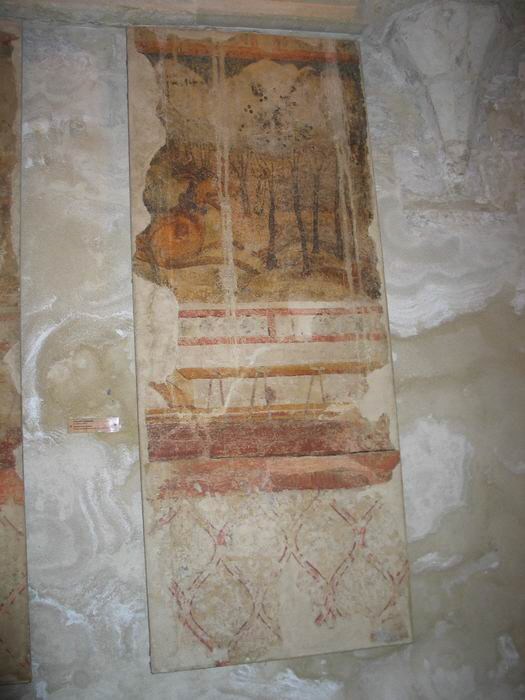
Scène dans la forêt ou Animal dans la forêt, Anonyme, XIVe siècle (1350 - 1399)anonymousScène dans la forêt ou Animal dans la forêt14th century (1350–1399)Musée du Louvre
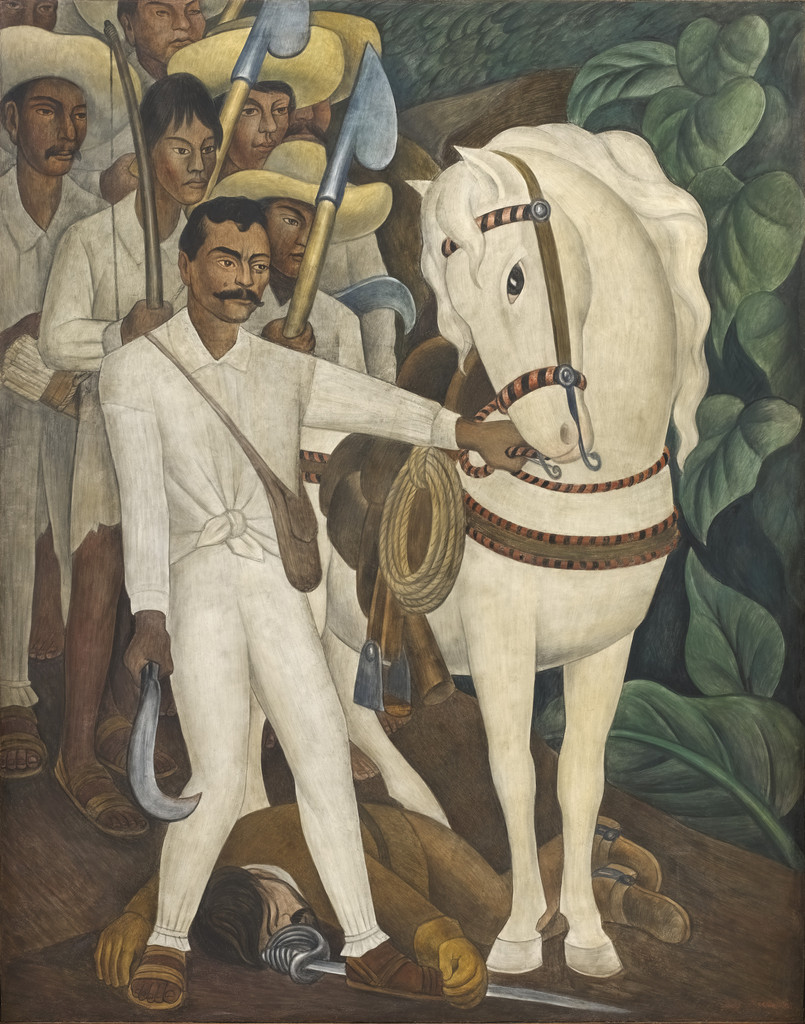
Agrarian Leader Zapata, Diego Rivera, 1931Diego RiveraAgrarian Leader Zapata1931MoMA, Floor 5, 513The Museum of Modern Art
Bacchus et un tigre, Delacroix, Eugène, 1834Eugène DelacroixBacchus et un tigre1834Musée du Louvre
Léda et le cygne, Delacroix, Eugène, 1834Eugène DelacroixLéda et le cygne1834Musée du Louvre
Les Sept Divinités planétaires : Jupiter, Apollon, Diane et Mars, Paolo Caliari, dit Veronese, 3e quart du XVIe siècle (1550 - 1575)Paolo VeroneseLes Sept Divinités planétaires : Jupiter, Apollon, Diane et Marsthird quarter of the 16th century (1550–1575)Musée du Louvre
Madonna col Bambino e san Giovannino, Annibale Carracci, sec. XVIAnnibale CarracciMadonna col Bambino e san Giovanninosec. XVIGalleria nazionale di Parma
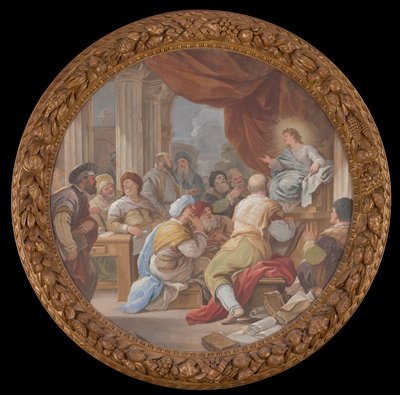
Christ  Among the Doctors, Luca Giordano, c. 1685Luca GiordanoChrist Among the Doctorsc. 1685G310Minneapolis Institute of Art
Allegorical Figure Representing Geometry, Giovanni Battista Tiepolo, 1760Giovanni Battista TiepoloAllegorical Figure Representing Geometry1760Gallery 642The Metropolitan Museum of Art
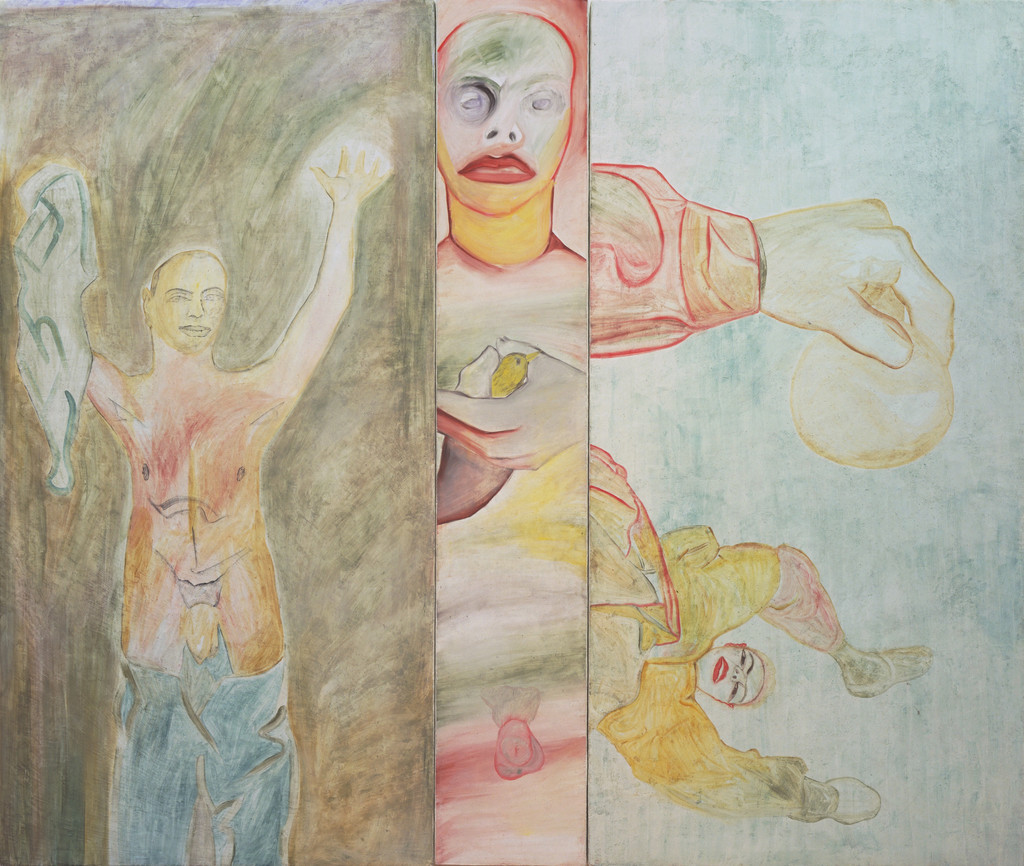
Conversion to Her, Francesco Clemente, 1983Francesco ClementeConversion to Her1983The Museum of Modern Art
Pazzia di Nabucodonosor, Luca Giordano, 1704Luca GiordanoPazzia di Nabucodonosor1704Museo Nazionale di San Martino
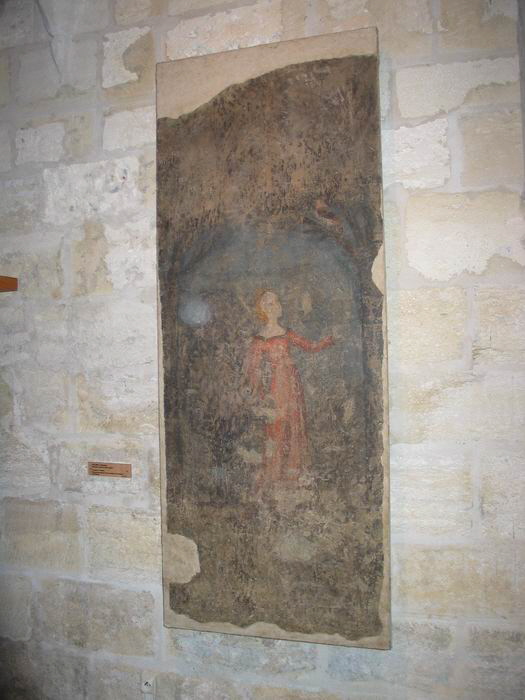
La Dame à l'oiseau, Anonyme, XIVe siècle (1350 - 1399)anonymousLa Dame à l'oiseau14th century (1350–1399)Musée du Louvre
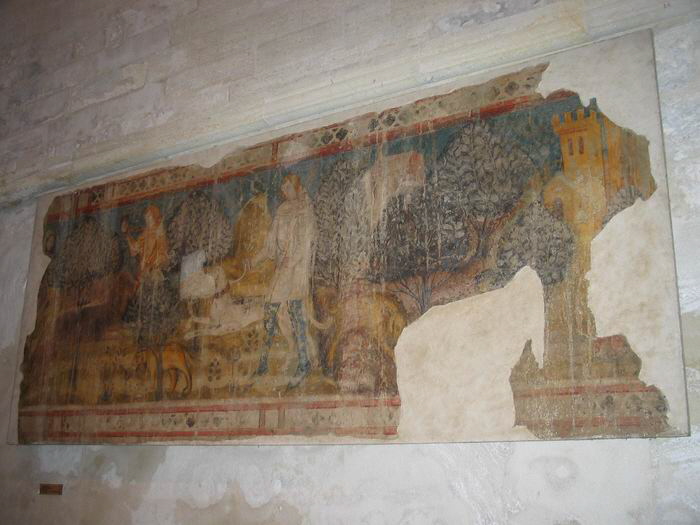
Scène de chasse, Anonyme, XIVe siècle (1350 - 1399)anonymousScène de chasse14th century (1350–1399)Musée du Louvre
Giuditta con la sua ancella si reca al campo di Oloferne, Luca Giordano, 1704Luca GiordanoGiuditta con la sua ancella si reca al campo di Oloferne1704Museo Nazionale di San Martino
Vénus et les trois Grâces offrant des présents à une jeune fille, Botticelli, Sandro, 4e quart du XVe siècle (1475 - 1500)Sandro BotticelliVénus et les trois Grâces offrant des présents à une jeune fillelast quarter of the 15th century (1475–1500)Salle 706, Aile Denon, Niveau 1Musée du Louvre
Cubiculum (bedroom) from the Villa of P. Fannius Synistor at Boscoreale, ca. 50–40 BCECubiculum (bedroom) from the Villa of P. Fannius Synistor at Boscorealeca. 50–40 BCEGallery 165The Metropolitan Museum of Art
Allegorical Figure Representing Grammar, Giovanni Battista Tiepolo, 1760Giovanni Battista TiepoloAllegorical Figure Representing Grammar1760Gallery 642The Metropolitan Museum of Art
Saint Christopher and the Infant Christ, Domenico GhirlandaioDomenico GhirlandaioSaint Christopher and the Infant Christ1473 GregorianGallery 961The Metropolitan Museum of Art
Adorazione di Gesù nell'orto, Sodoma, sec. XVIIl SodomaAdorazione di Gesù nell'ortosec. XVIPinacoteca Nazionale, Siena
Dio appare ad Aronne, Luca Giordano, 1704Luca GiordanoDio appare ad Aronne1704Museo Nazionale di San Martino
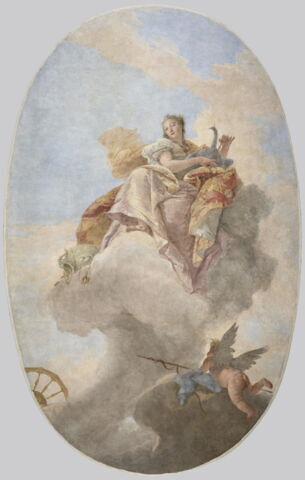
Junon au milieu des nuées, Tiepolo, Giambattista, 2e quart du XVIIIe siècle (vers 1735)Giovanni Battista TiepoloJunon au milieu des nuéessecond quarter of the 18th century (c. 1735)Salle 718, Aile Denon, Niveau 1Musée du Louvre
Putto with garlands, Pinturicchio, ca. 1509PinturicchioPutto with garlandsca. 1509The Metropolitan Museum of Art
Hercules and Omphale, Pinturicchio, ca. 1509PinturicchioHercules and Omphaleca. 1509The Metropolitan Museum of Art
Chariot of Apollo, Pinturicchio, ca. 1509PinturicchioChariot of Apolloca. 1509The Metropolitan Museum of Art
The Three Graces, Pinturicchio, ca. 1509PinturicchioThe Three Gracesca. 1509The Metropolitan Museum of Art
Allegorical Figure Representing Prudence, Giovanni Battista Tiepolo, 1760Giovanni Battista TiepoloAllegorical Figure Representing Prudence1760The Metropolitan Museum of Art
Anacréon et une jeune fille, Delacroix, Eugène, 1834Eugène DelacroixAnacréon et une jeune fille1834Musée du Louvre
Dieu le Père bénissant parmi les anges, Santi, Raffaello, dit Raphaël, 1e quart du XVIe siècle (1500 - 1525)RaphaelDieu le Père bénissant parmi les angesfirst quarter of the 16th century (1500–1525)Musée du Louvre
Madonna and Child, Fra Angelico, 1435Fra AngelicoMadonna and Child1435Room 209State Hermitage Museum
Le Calvaire avec saint Dominique en prière, Fra Angelico, 2e quart du XVe siècle (1425 - 1450)Fra AngelicoLe Calvaire avec saint Dominique en prièresecond quarter of the 15th century (1425–1450)Salle 707, Aile Denon, Niveau 1Musée du Louvre
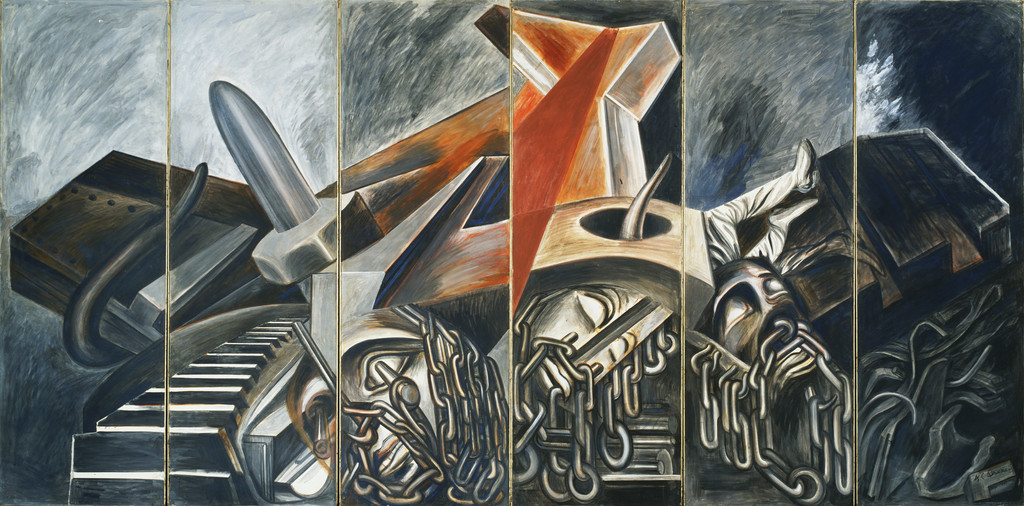
Dive Bomber and Tank, José Clemente Orozco, 1940José Clemente OrozcoDive Bomber and Tank1940MoMA, Floor 5, 513The Museum of Modern Art
Allegorical Figure Representing Arithmetic, Giovanni Battista Tiepolo, 1760Giovanni Battista TiepoloAllegorical Figure Representing Arithmetic1760Gallery 642The Metropolitan Museum of Art
Discesa di Cristo al limbo, Sodoma, sec. XVIIl SodomaDiscesa di Cristo al limbosec. XVIPinacoteca Nazionale, Siena
Mosè e la raccolta della manna, Luca Giordano, 1704Luca GiordanoMosè e la raccolta della manna1704Museo Nazionale di San Martino
Torneo di cavalieri, Pisanello, 1432–1433PisanelloTorneo di cavalieri1432–1433Palazzo Ducale Mantua
Mosè e il serpente di bronzo, Luca Giordano, 1704Luca GiordanoMosè e il serpente di bronzo1704Museo Nazionale di San Martino
Mosè fa scaturire l'acqua dalla roccia, Luca Giordano, 1704Luca GiordanoMosè fa scaturire l'acqua dalla roccia1704Museo Nazionale di San Martino
Rape of Europa, Pinturicchio, ca. 1509PinturicchioRape of Europaca. 1509The Metropolitan Museum of Art

Fresco

Whitewash concealed Botticelli’s figures until renovations at a villa near Florence brought them to light in 1873. Venus and the Three Graces Presenting Gifts to a Young Woman had belonged to a domestic setting, perhaps connected with an engagement. That interpretation remains uncertain. What is certain is the change in our encounter: a scene once embedded in a room is now a detached work. Before admiring its graceful figures, imagine how much of their original surroundings has disappeared.
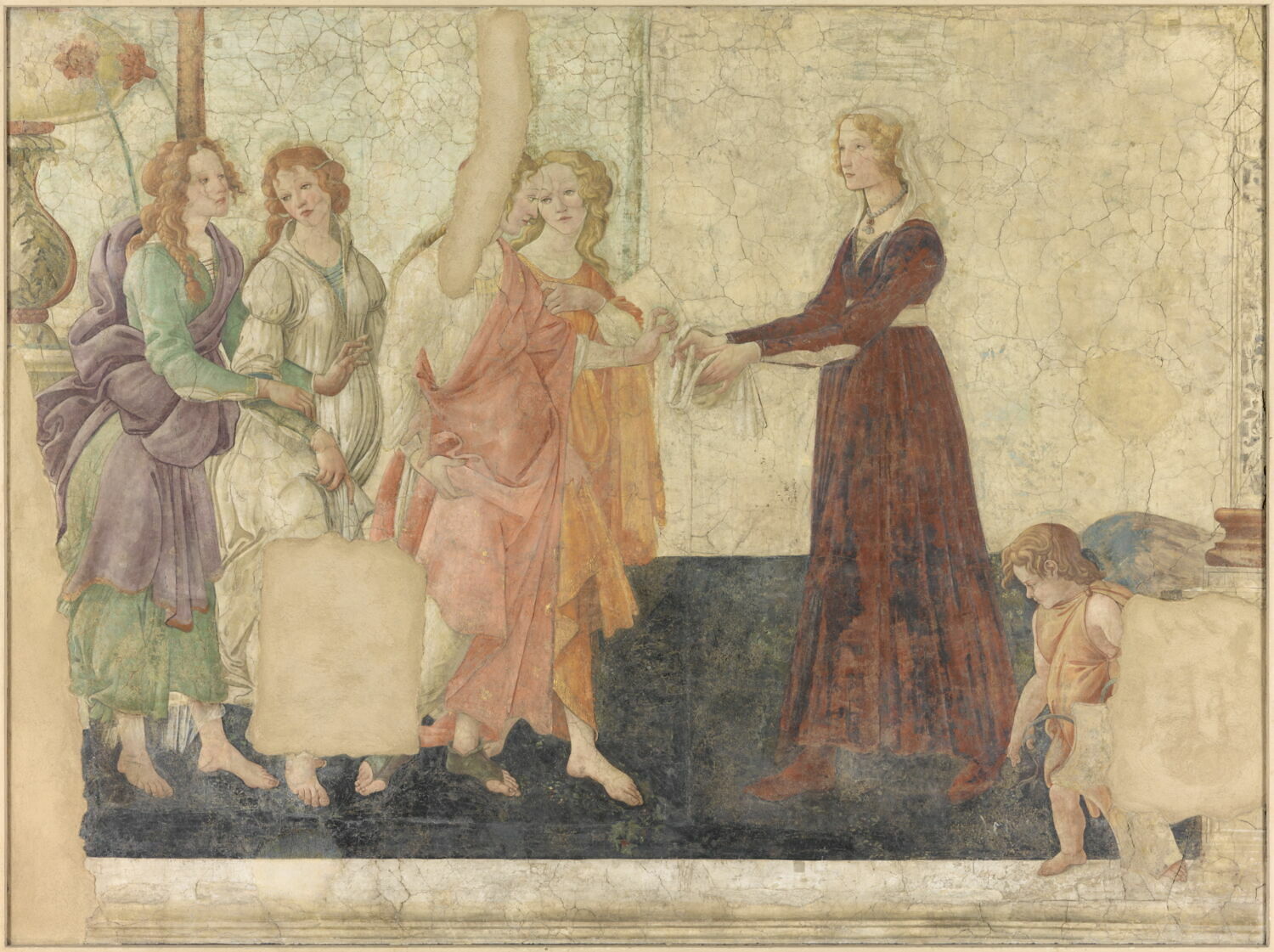
Sandro Botticelli, Venus and the Three Graces Presenting Gifts to a Young Woman, late fifteenth century. Louvre, Paris; Denon wing, level 1, room 706, on our autumn 2026 check.

How a fresco becomes part of a wall

Preparation begins before the colour. Plaster is laid in successive coats, with a final smooth layer called the intonaco. For true fresco, only the portion that can be painted during a working day is prepared at once. This patch is a giornata. Its size depends on the task: a complicated face and an open stretch of background do not demand the same amount of attention per square inch.

The painter brushes water-borne pigment onto the damp surface. Lime reacts with carbon dioxide in the air, forming calcium carbonate and fixing the colour into the surface. The plaster therefore does work that a separate binder performs in many other paints. A fresco is not simply a picture glued to masonry. The building material participates in making the image, which helps explain both the method’s possibilities and its restrictions.

Wall painting is a broader category. Painting on dry plaster, often called a secco, needs another means of attaching colour, and dry additions may accompany work done on wet plaster. Calling every mural a true fresco conceals these differences. Nor does a pale, powdery appearance prove the technique. The history of a surface, including damage and later treatment, can interfere with what the eye thinks it recognises.
1

The bedroom that pretends to open out

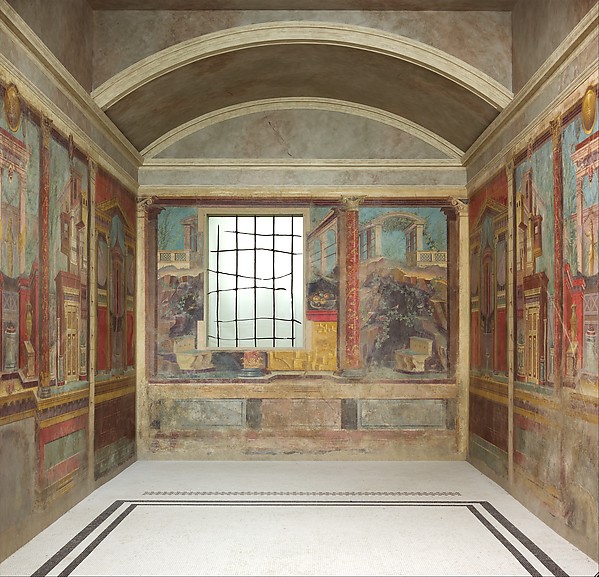
The bedroom from the villa at Boscoreale offers an older game with walls. Painted architecture makes solid boundaries seem to recede. The villa was buried in the eruption of Vesuvius in AD 79; its decoration had already been there for more than a century. The survival of those earlier paintings suggests that their owners valued them enough to keep them rather than replace them with a newer fashion.

Bedroom from the Villa of P. Fannius Synistor at Boscoreale, about 50–40 BCE. Metropolitan Museum of Art, New York; gallery 165 on our autumn 2026 check.

Try following a painted column to its edge. The wall remains physically close, yet the represented architecture asks the eye to accept a space beyond it. This is a useful reversal of how we usually inspect a museum picture. Instead of a framed view hanging within a room, the painting helps invent the room around us. Its scale and the relationship between adjoining surfaces matter as much as any isolated detail.

Could a fresco travel?

Diego Rivera confronted that problem for his 1931 MoMA exhibition. The museum brought him to New York and supplied a studio so he could make portable murals. Agrarian Leader Zapata reworked part of an earlier Mexican fresco. Here a revolutionary leader carries a cane-cutter’s machete. The political subject travelled through a newly made object, rather than through the removal of the original wall.

Its support combined metal reinforcement with cement, beneath finer layers of fresco mortar. Examination later identified three giornate, their joins carefully placed along the figures’ edges. An apparently continuous scene thus contains a record of separate painting sessions. Rivera’s portable wall was not a contradiction in terms so much as an engineering solution: preserve the wet-plaster process while giving the plaster a structure that could move.

Diego Rivera, Agrarian Leader Zapata, 1931. MoMA, New York; not on view on our autumn 2026 check.

A seam is therefore worth a second look. It may record an interruption made necessary by the material, rather than a break caused by later damage. In fresco, the grand scene and the daily task occupy the same surface. One tells the story; the other tells us how much of that story could be painted before the wall stopped waiting.