ART WIKI37,791 on view
MapCollectionArtistsMuseumsExhibitionsJournal
Sign in

ART WIKI

Where to see art and when to visit.

Collections: Art Institute of Chicago, Cooper Hewitt, Smithsonian Design Museum, Getty Villa, Harvard Art Museums, Hirshhorn Museum and Sculpture Garden, J. Paul Getty Museum, Minneapolis Institute of Art, Musée du Louvre, National Gallery of Art, National Museum of Asian Art, National Portrait Gallery (Smithsonian), Pushkin State Museum of Fine Arts, Rijksmuseum, Smithsonian American Art Museum, SMK — National Gallery of Denmark, State Hermitage Museum, State Russian Museum, The Cleveland Museum of Art, The Metropolitan Museum of Art, The Museum of Modern Art, Tretyakov Gallery, Victoria and Albert Museum, Whitney Museum of American Art, Yale Center for British Art, Yale University Art Gallery, State Catalogue of the Museum Fund of Russia (274 museums), Europeana (19 museums), Wikidata (44 museums), Paris Musées (12 museums), Joconde, the French Ministry of Culture's museum database (495 museums), and the Catalogo generale dei Beni Culturali of Italy's Ministry of Culture (74 museums). Images belong to their rights holders.

Sections

  • Map
  • Search
  • Collection
  • Masterpieces
  • Stolen and lost
  • Embed artwork status
  • On view now
  • Artists

More

  • Museums & galleries
  • Exhibitions
  • Journal
  • Where the data comes from
  • Privacy & cookies
  • About
  • Terms of use
HomeMapBrowse

Browse

Encaustic

Encaustic is painting with wax as the main binder, usually heated so that pigment and molten wax can be worked together. Cooling preserves the mark; reheating allows further changes. A painted face from Roman Egypt and a twentieth-century American flag can therefore share an unexpectedly physical surface. Colour has a body here, capable of holding ridges, scratches and buried scraps.

98 works from 31 museums19 on view nowClear all

/
Technique
  • All
  • Oil289,482
  • Tempera41,842
  • Ink16,695
  • Watercolour13,170
  • Gouache8,556
  • Acrylic3,943
  • Fresco2,628
  • Pastel1,693
  • Mixed media1,522
  • Encaustic98
Flower Festival: Feast of Santa Anita, Diego Rivera, October 13, 1931Diego RiveraFlower Festival: Feast of Santa AnitaOctober 13, 1931The Museum of Modern Art
Study for The Last Clown, Déjà-vu, Francis Alÿs, 1995Francis AlÿsStudy for The Last Clown, Déjà-vu1995The Museum of Modern Art
Head of a Woman, Nathan Oliveira, 1958Nathan OliveiraHead of a Woman1958Yale University Art Gallery
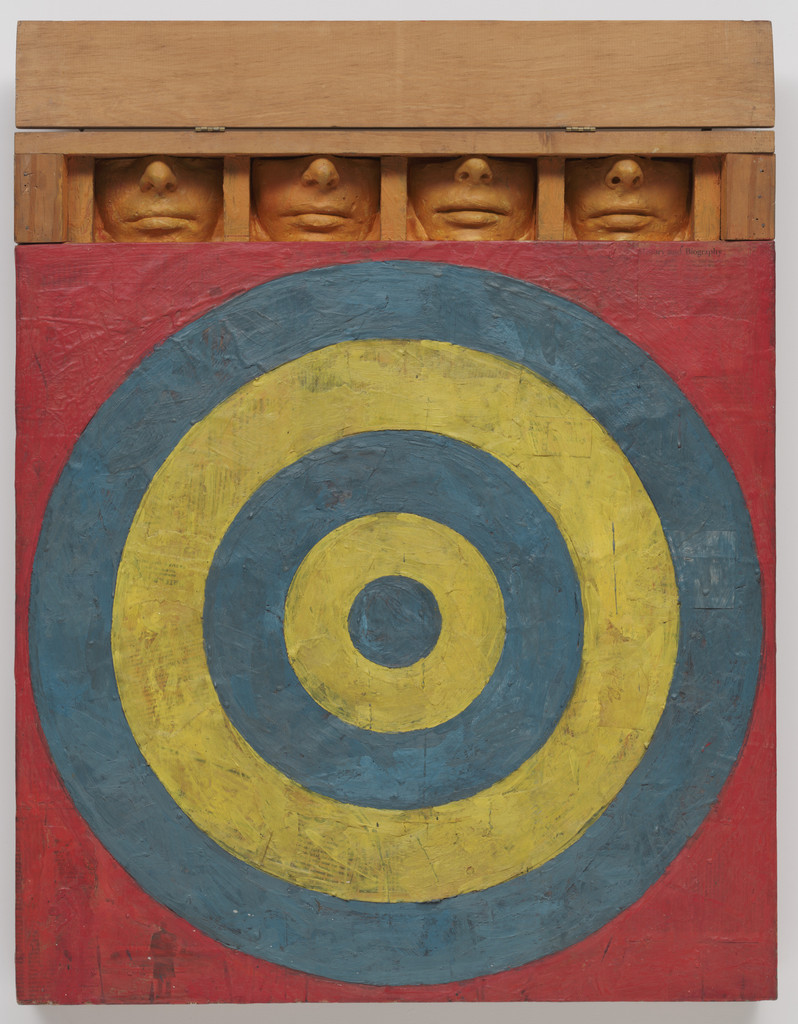
Target with Four Faces, Jasper Johns, 1955Jasper JohnsTarget with Four Faces1955The Museum of Modern Art
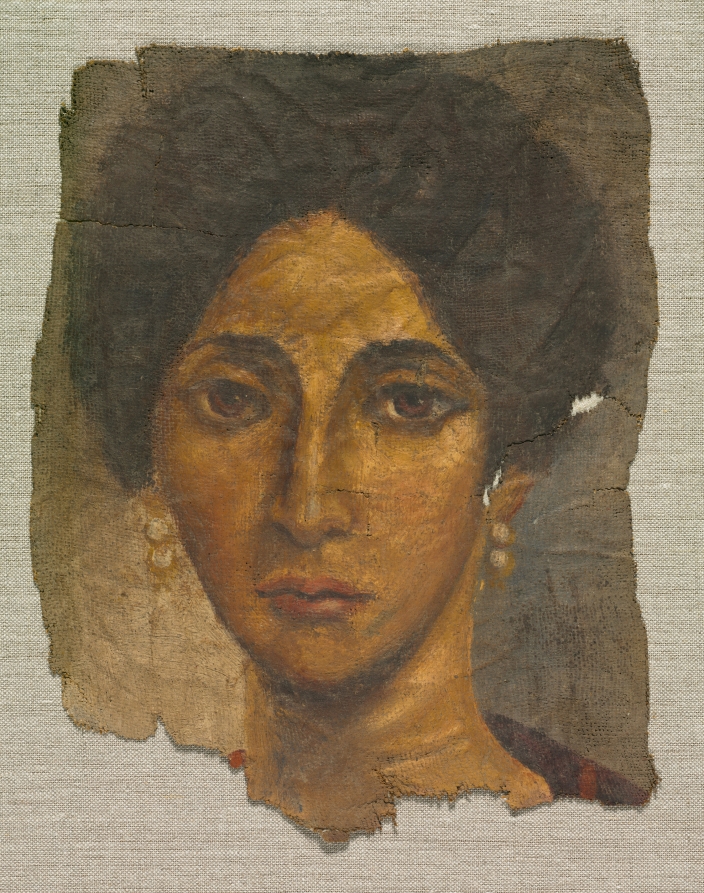
Funerary Portrait of a Woman, c. 138–92 CEFunerary Portrait of a Womanc. 138–92 CE107 EgyptianThe Cleveland Museum of Art
The First Moment, Sasson Soffer, 1961Sasson SofferThe First Moment1961Whitney Museum of American Art
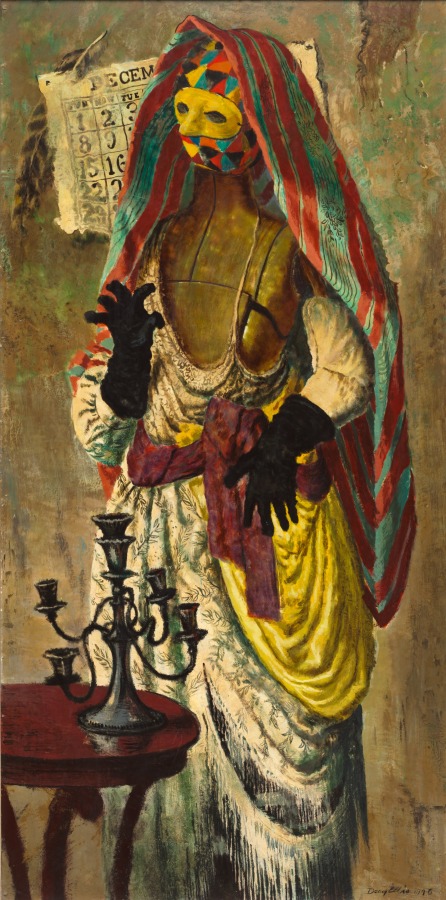
The Dummy, Dean Ellis, 1946Dean EllisThe Dummy1946The Cleveland Museum of Art
Portrait of a Woman, Egyptian 2nd Century, 2nd centuryEgyptian 2nd CenturyPortrait of a Woman2nd centuryNational Gallery of Art
Portrait of a man, Mid-3rd century CEPortrait of a manMid-3rd century CEGallery 3610, floor 3, University Teaching GalleryHarvard Art Museums
Портрет мужчины в синем плаще, second half of the 1st centuryПортрет мужчины в синем плащеsecond half of the 1st centuryPushkin State Museum of Fine Arts
Near the Lagoon, Jasper Johns, 2002Jasper JohnsNear the Lagoon2002Gallery 296Art Institute of Chicago
Perilous Night, Jasper Johns, 1982Jasper JohnsPerilous Night1982Gallery 403B · East Building, Upper LevelNational Gallery of Art
The Red Table: The Skull of Boldini, Marseilles, Joel-Peter Witkin, 2006Joel-Peter WitkinThe Red Table: The Skull of Boldini, Marseilles2006National Gallery of Art
In the Beginning, Lynda Benglis, 1966Lynda BenglisIn the Beginning1966National Gallery of Art
Wax Painting, Lynda Benglis, 1966Lynda BenglisWax Painting1966National Gallery of Art
Early in May, Sasson Soffer, 1959–60Sasson SofferEarly in May1959–60Yale University Art Gallery
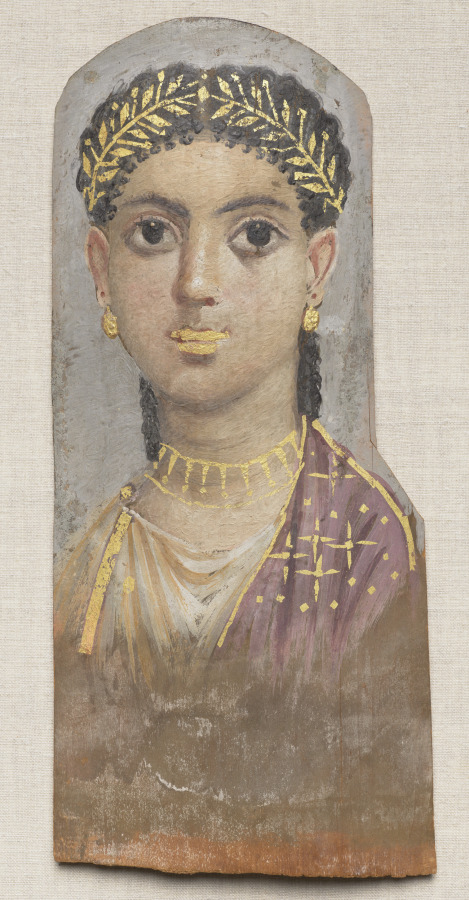
Funerary Portrait of a Young Girl, c. 25–37 CEFunerary Portrait of a Young Girlc. 25–37 CE107 EgyptianThe Cleveland Museum of Art
Funerary Panel of a Man, about 138–92 CEFunerary Panel of a Manabout 138–92 CE107 EgyptianThe Cleveland Museum of Art
A Reasonable Facsimile, Arthur Dove, 1942Arthur DoveA Reasonable Facsimile1942Art Institute of Chicago
Carnival Time, Joan Kempsmith, 1950Joan KempsmithCarnival Time1950The Cleveland Museum of Art
Cardinal Manning, Gerald Edward Moira, 1906Gerald MoiraCardinal Manning1906Victoria and Albert Museum
Портрет женщины в белом хитоне, 2nd centuryПортрет женщины в белом хитоне2nd centuryPushkin State Museum of Fine Arts
Портрет молодого человека в золотом венке, 1 пол. II векаПортрет молодого человека в золотом венке1 пол. II векаPushkin State Museum of Fine Arts
Portrait of the Boy Eutyches, 100–150 CEPortrait of the Boy Eutyches100–150 CEGallery 111The Metropolitan Museum of Art
Abstract Forms, Antoine Pevsner, 1913? (1923?)Antoine PevsnerAbstract Forms1913? (1923?)The Museum of Modern Art
Belly Painting: Prussian Blue, Byron Kim, 1993Byron KimBelly Painting: Prussian Blue1993National Gallery of Art
Painting Bitten by a Man, Jasper Johns, 1961Jasper JohnsPainting Bitten by a Man1961The Museum of Modern Art
Flag, Jasper Johns, 1954-55  (dated on reverse 1954)Jasper JohnsFlag1954-55 (dated on reverse 1954)MoMA, Floor 4, 408The Museum of Modern Art
Green Target, Jasper Johns, 1955Jasper JohnsGreen Target1955The Museum of Modern Art
Metasigne, Victor Brauner, 1958Victor BraunerMetasigne1958Art Institute of Chicago
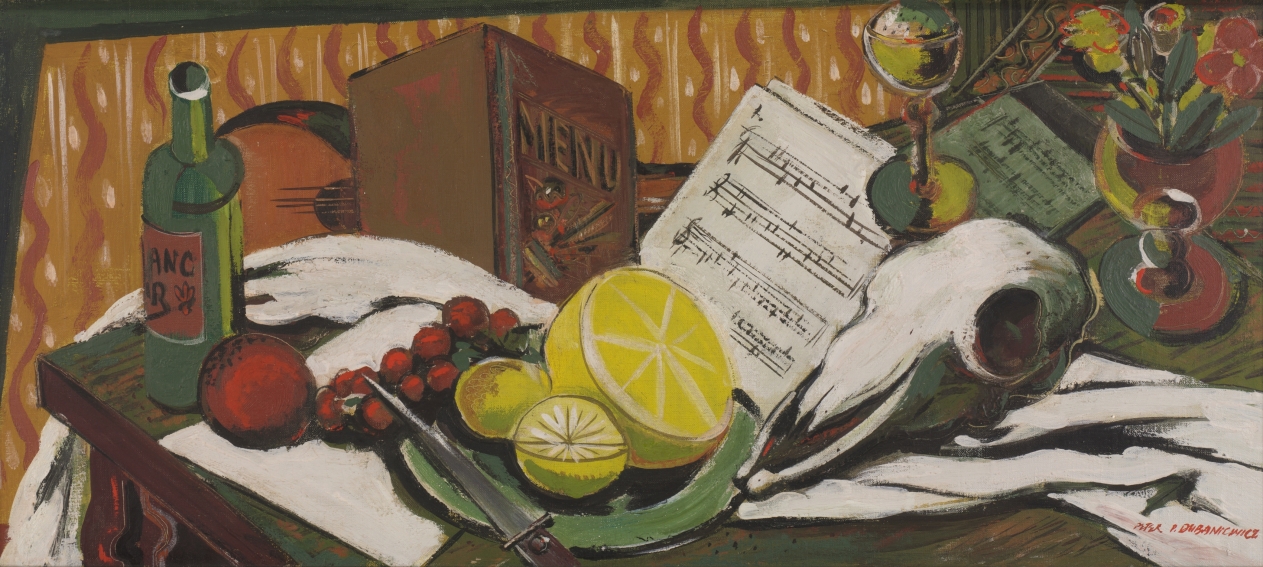
Still Life, Peter Paul Dubaniewicz, 1947Peter DubaniewiczStill Life1947The Cleveland Museum of Art
Self-Portrait, H. Lyman Saÿen, 1910-1913H. Lyman SaÿenSelf-Portrait1910-1913Smithsonian American Art Museum
Melancholia (triptych), Karl Zerbe, 1946Karl ZerbeMelancholia (triptych)1946Harvard Art Museums
Портрет мужчины, mid-2nd centuryПортрет мужчиныmid-2nd centuryPushkin State Museum of Fine Arts
Воскресенск. Канатная дорога, Khvostenko G. V., mid-20th centuryKhvostenko G. V.Воскресенск. Канатная дорогаmid-20th centuryNovosibirsk State Art Museum
The Snake Charmer, Victor Brauner, November 4, 1943Victor BraunerThe Snake CharmerNovember 4, 1943The Museum of Modern Art
Between the Clock and the Bed, Jasper Johns, 1981Jasper JohnsBetween the Clock and the Bed1981The Museum of Modern Art
Summer, Jasper Johns, 1985Jasper JohnsSummer1985The Museum of Modern Art
Pek for Herb—Happy Birthday, Cheryl Laemmle, 1997Cheryl LaemmlePek for Herb—Happy Birthday1997Yale University Art Gallery
Birth in May, Sasson Soffer, 1961Sasson SofferBirth in May1961Yale University Art Gallery
Harlequin, Karl Zerbe, 1943Karl ZerbeHarlequin1943Whitney Museum of American Art
Acolo, Victor Brauner, November 1949Victor BraunerAcoloNovember 1949Gallery 397Art Institute of Chicago
White Numbers, Jasper Johns, July 29, 1957Jasper JohnsWhite NumbersJuly 29, 1957The Museum of Modern Art
Pyre, Jasper Johns, 2003Jasper JohnsPyre2003The Museum of Modern Art
Untitled, Jasper Johns, 1984Jasper JohnsUntitled1984Yale University Art Gallery
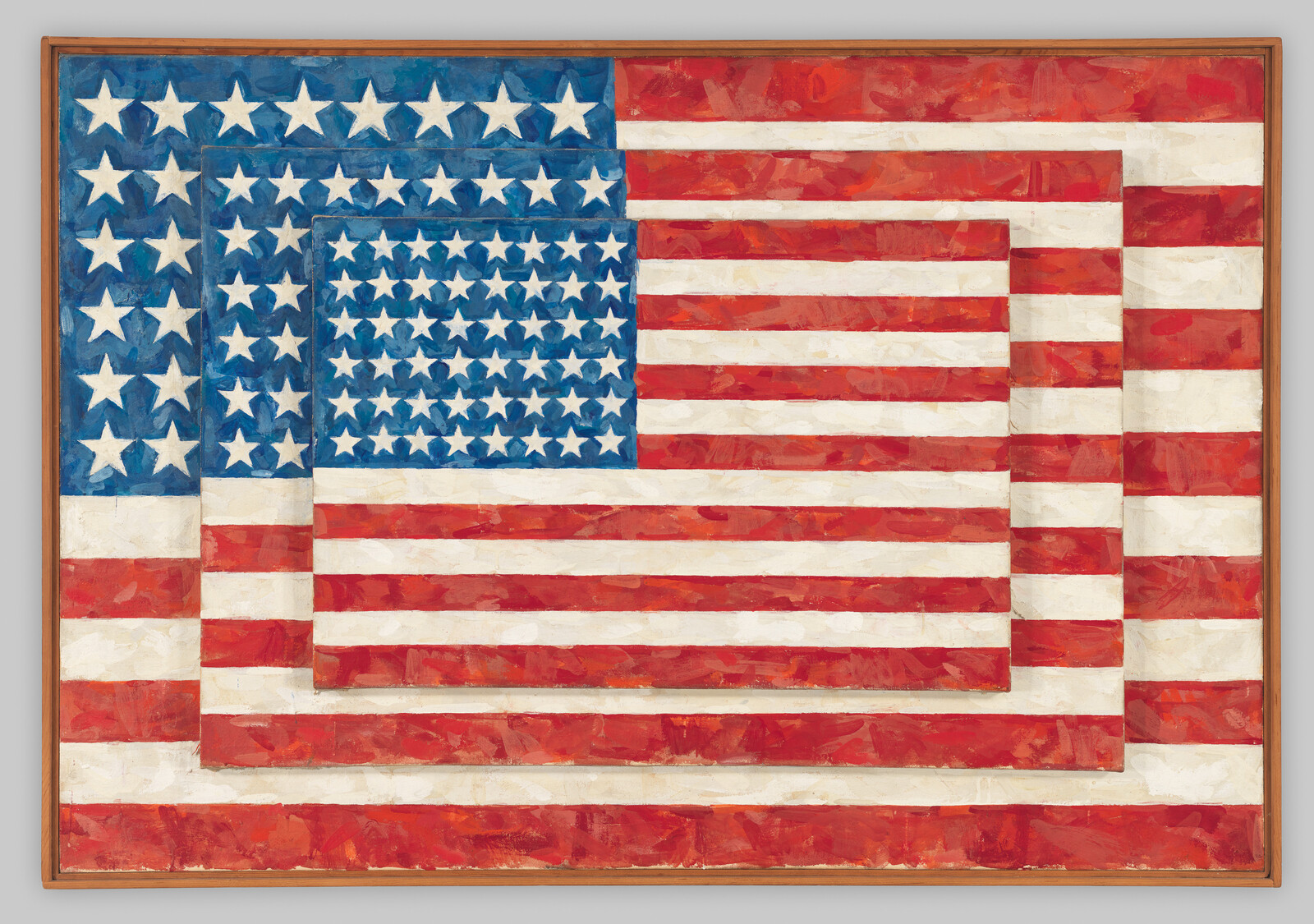
Three Flags, Jasper Johns, 1958Jasper JohnsThree Flags1958On viewWhitney Museum of American Art
Картина. Мураново. Вид усадебного дома, Leonid Mikhaylovich Korsakov, 1987Leonid Mikhaylovich KorsakovКартина. Мураново. Вид усадебного дома1987Музей-заповедник «Усадьба „Мураново“» имени Ф. И. Тютчева
Отражение, Dmitriy Anatolyevich Belomytsev, 1992Dmitriy Anatolyevich BelomytsevОтражение1992Kovalenko Krasnodar Regional Art Museum

Encaustic

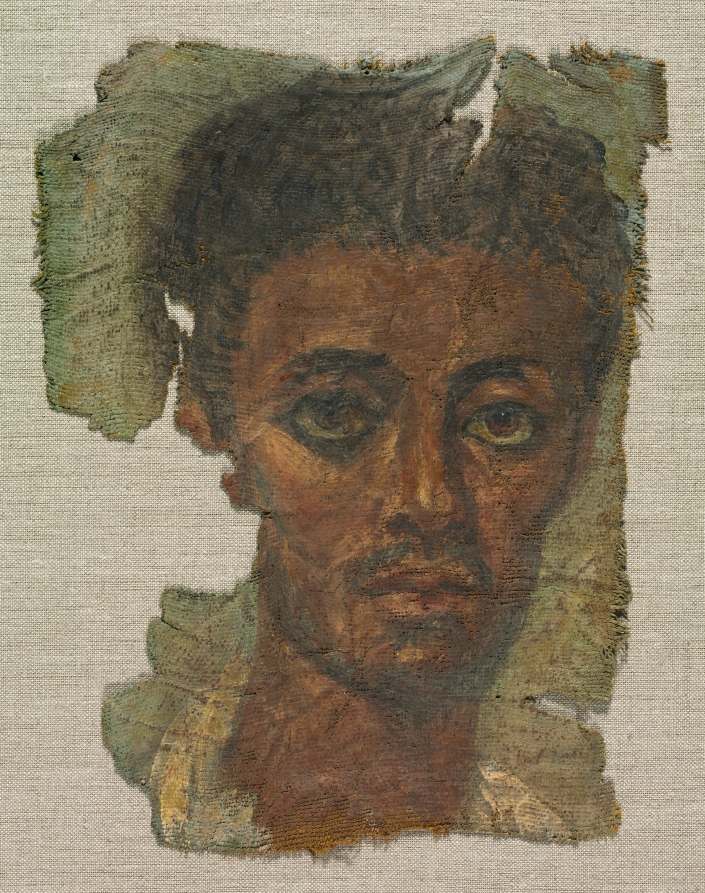
Greek letters on the tunic identify the boy as Eutyches, a freed slave. Beyond that, the inscription on the Portrait of the Boy Eutyches becomes less certain: scholars disagree about the names that follow and if its ending gives a painter’s signature or a record of manumission. The face seems immediately accessible; the writing refuses to become a complete biography. Wax has preserved a person’s appearance more clearly than history has preserved his story.
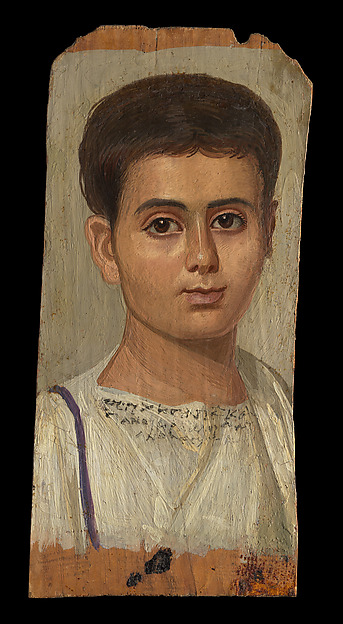
Portrait of the Boy Eutyches, AD 100–150. Metropolitan Museum of Art, New York; gallery 111 on our autumn 2026 check.

The panel belonged over the face of a mummy, held by its wrappings. That purpose changes the encounter. This was an image made to accompany a dead person, yet the eyes and the turns of the face keep insisting on life. We need not invent a meeting with the boy to feel the tension. His painted presence and the funerary use of the object are both there, demanding to be considered together.

How do you paint with wax?

In hot encaustic, pigment is combined with melted beeswax. It can be applied while warm and worked again with heated implements after it has set. Historical tools included a metal spatula, the cauterium, for blending, and a pointed tool, the cestrum, for incised details. The term encaustic is also used more broadly for wax-based painting, so a museum label need not imply one identical formula or temperature for every object.

Heat changes the range of possible movements. A brush can deposit colour; a tool can spread it or draw into it. Wax is therefore more than a vehicle that disappears once the subject is recognised. Its surface may record pressure and direction as well as colour. A groove and a raised stroke are different kinds of evidence, and a photograph that flattens both can hide much of the work’s material character.

Why use an ancient medium for an American flag?

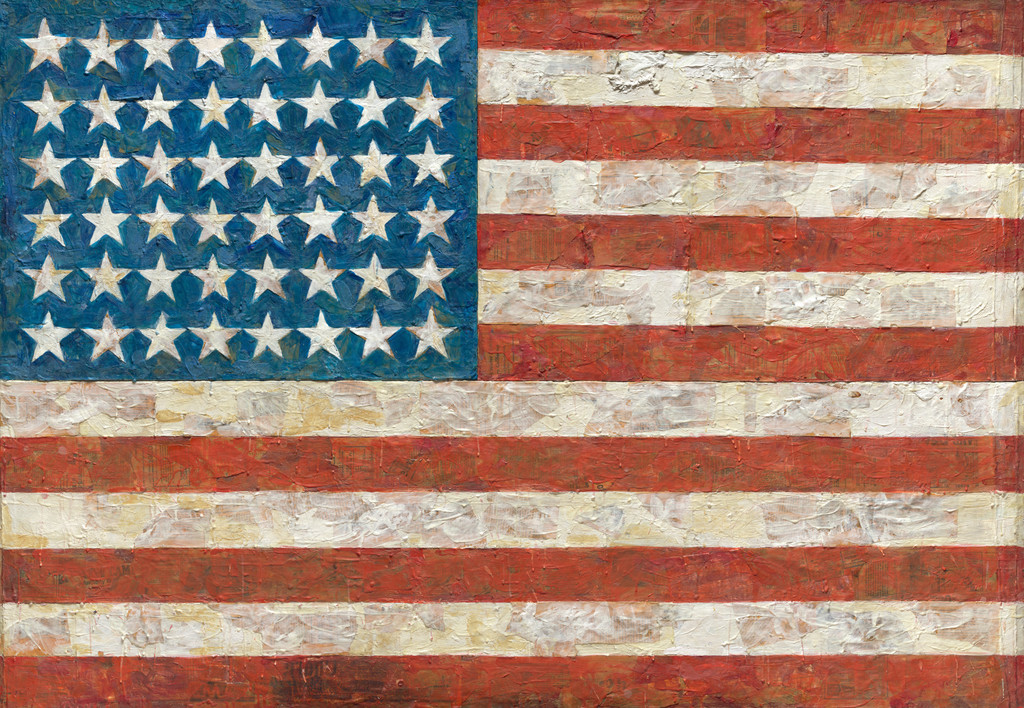
Jasper Johns began Flag on a cut bedsheet, combining oil paint with encaustic. He dipped pieces of cloth and newspaper into hot wax and attached them within a pencilled flag design. The emblem was already familiar; its construction was anything but automatic. Under the painted pattern, scraps of print remain available to the eye. A symbol usually recognised at a glance becomes an object with interruptions, joins and bits of ordinary reading trapped inside it.

1
Jasper Johns, Flag, 1954–55. MoMA, New York; fourth floor, gallery 408, on our autumn 2026 check.

The wax sets quickly enough to keep separate applications legible. This mattered to Johns because the making remained visible in the result. Consider how recognition works here. At a distance, stars and stripes settle the identity of the image almost instantly. Closer inspection unsettles that ease: the surface is uneven and particular, made from things that have their own edges. You can know the subject before you have really examined the painting.

Three flags, and the smallest comes closest

In Three Flags, painted in 1958, the canvases diminish in size as they project towards us. The smallest flag is physically nearest, reversing the ordinary expectation that smaller things recede into pictorial distance. Encaustic adds another scale of relief to the larger construction: individual marks sit on the surface of these projecting planes. The familiar flag design does not prevent the object from behaving in a thoroughly unfamiliar way.

Jasper Johns, Three Flags, 1958. Whitney Museum of American Art, New York; on view on our autumn 2026 check.

From the side, Three Flags becomes a different sort of object. The edges of the canvases reveal the construction that a frontal photograph compresses. Compare those projecting steps with the much smaller relief of the wax marks. Thickness alone cannot identify encaustic, since other paints can form raised surfaces too. Here there are two separate kinds of projection: the built supports and the paint upon them.