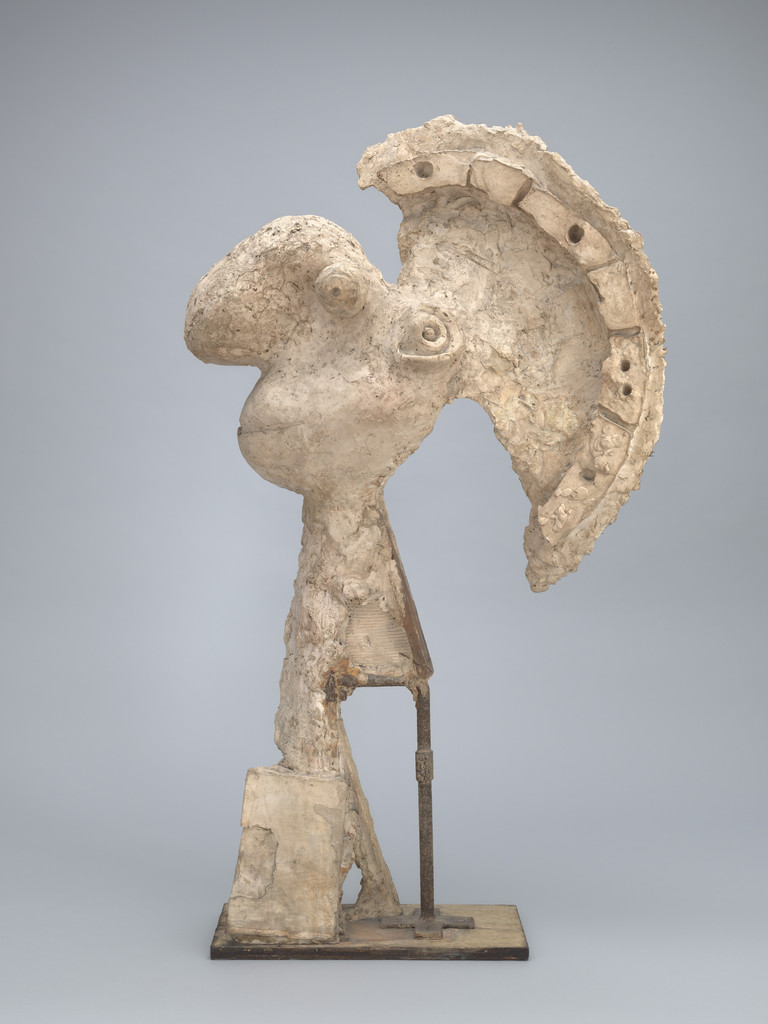
 Pablo PicassoHead of a Warrior
Browse
Plaster
Plaster is a powder mixed with water that sets into a solid, allowing sculptors to take impressions, make casts and build forms directly. It can preserve a clay model that no longer exists, or become the finished sculpture itself. A seam across a white figure may mark the meeting of mould sections. In Picasso's studio, plaster also held together eyes made from tennis balls.
15,671 works from 450 museums361 on view nowClear all
Pablo PicassoHead of a Warrior DonatelloVirgin and Child with Four Angels
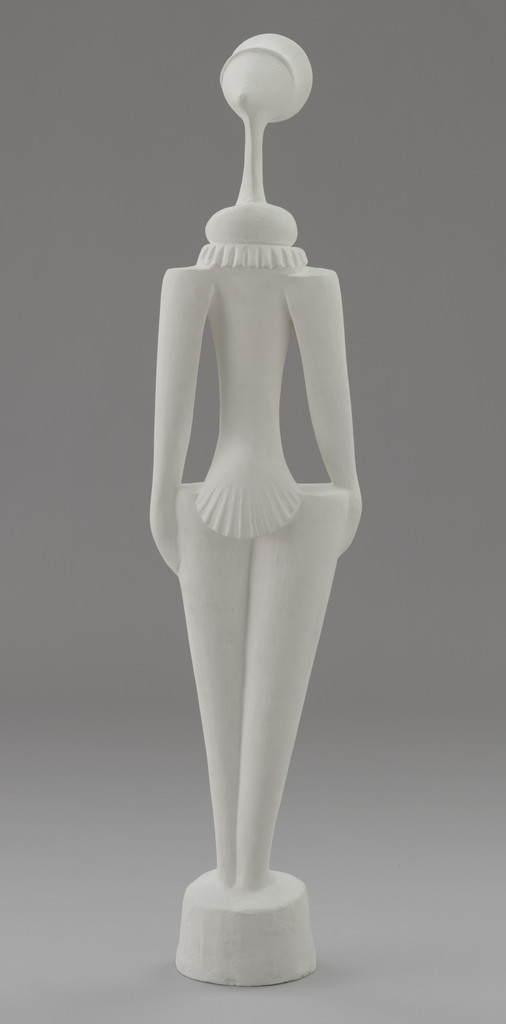 Max ErnstThe Parisian
 Gian Lorenzo BerniniNettuno
 Gian Lorenzo BerniniGalatea
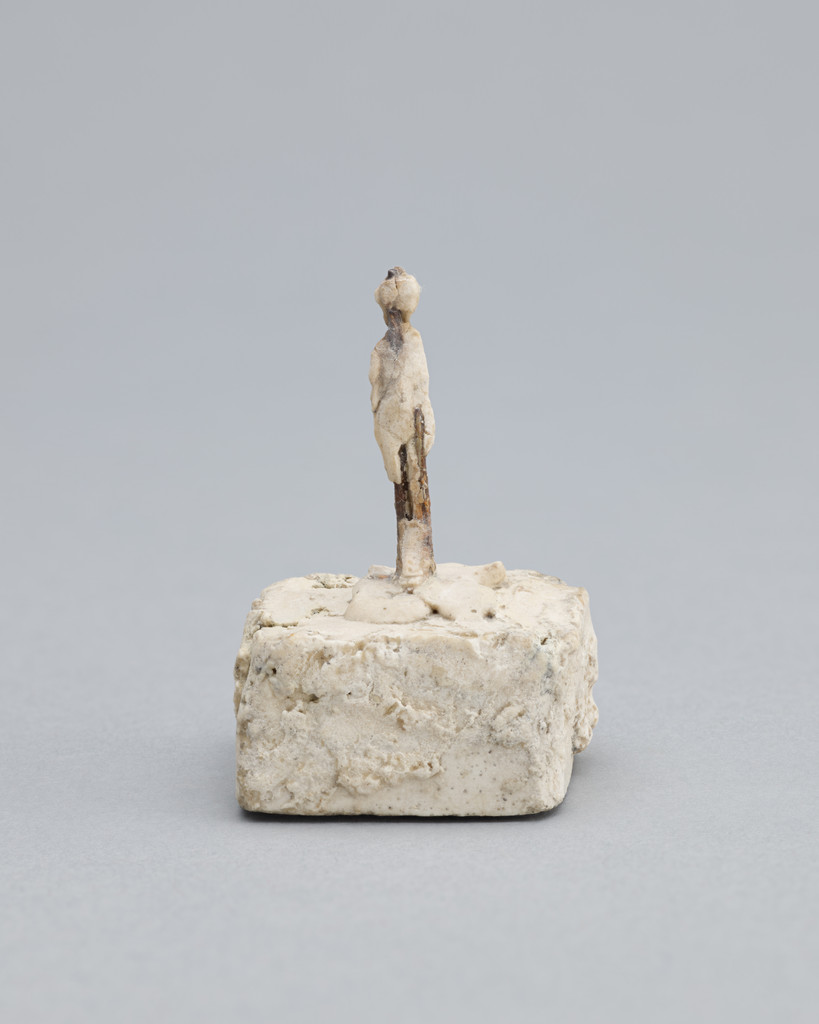 Alberto GiacomettiFigure, V
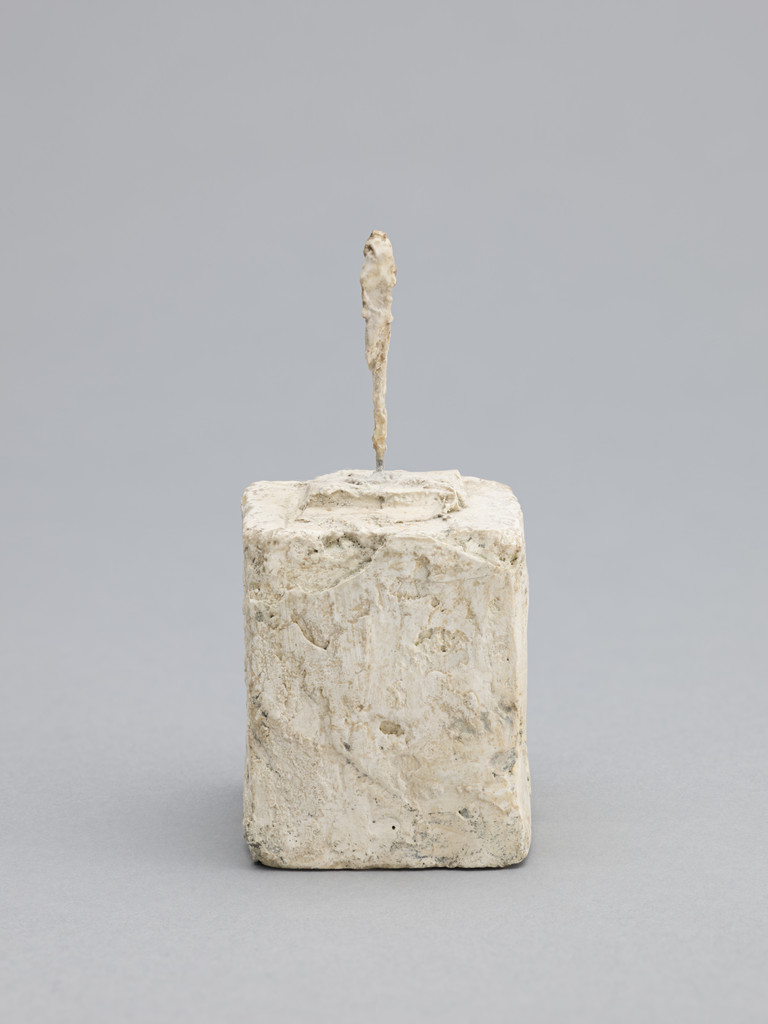 Alberto GiacomettiFigure, II
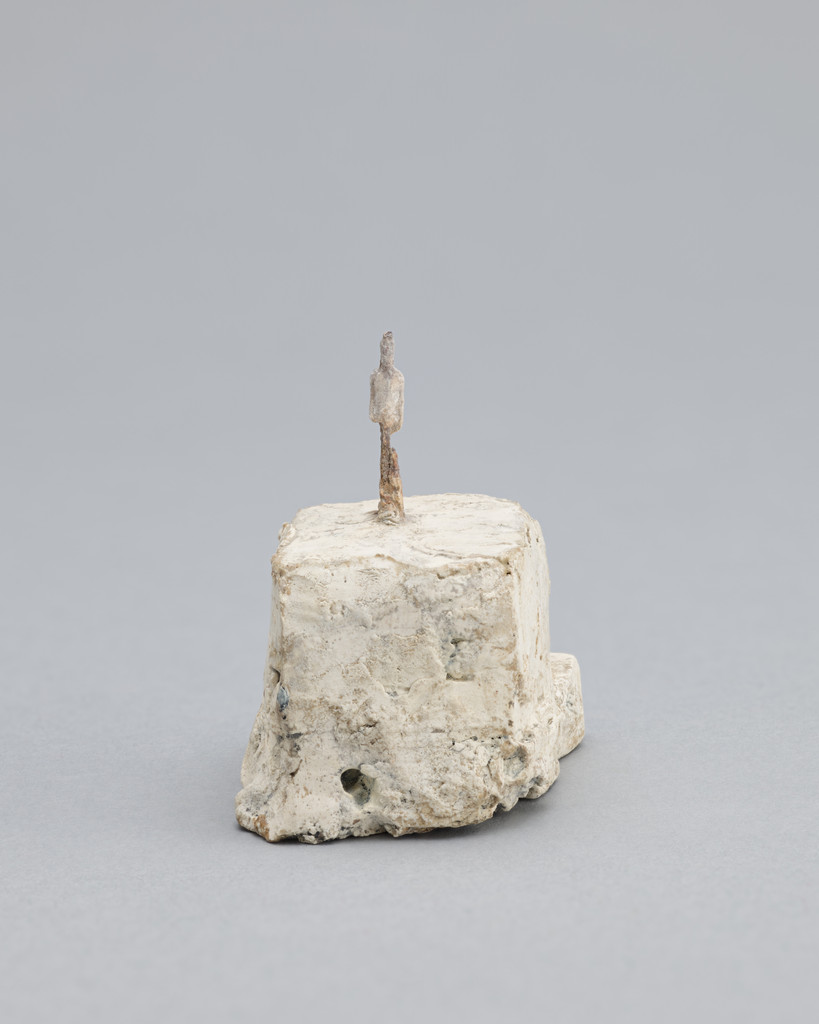 Alberto GiacomettiFigure, III
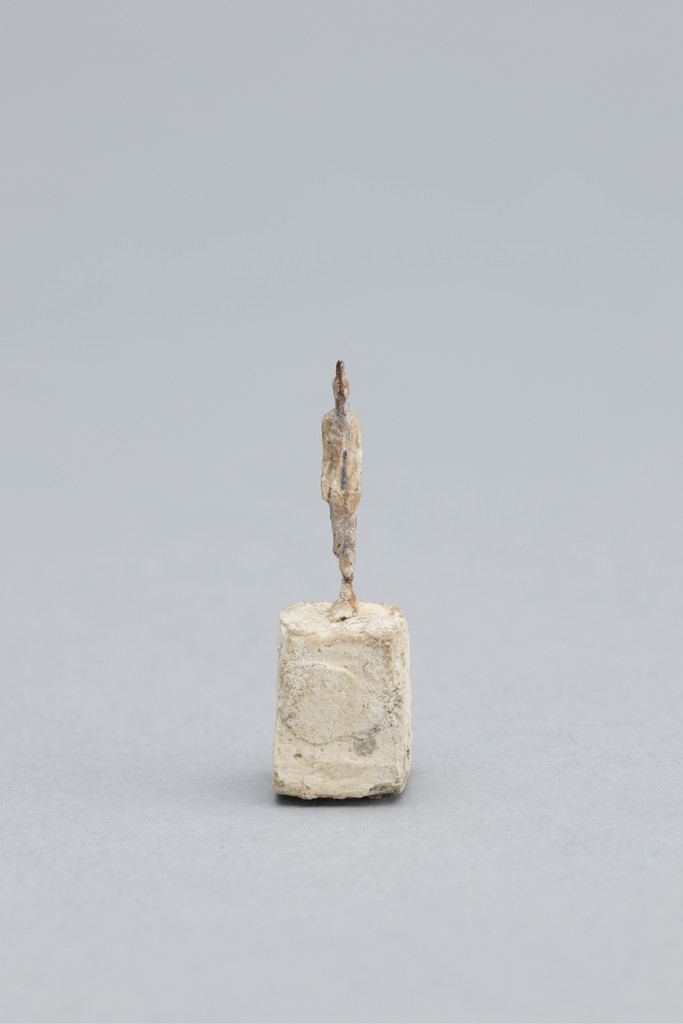 Alberto GiacomettiFigure, VI
 Théodore GéricaultCheval écorché
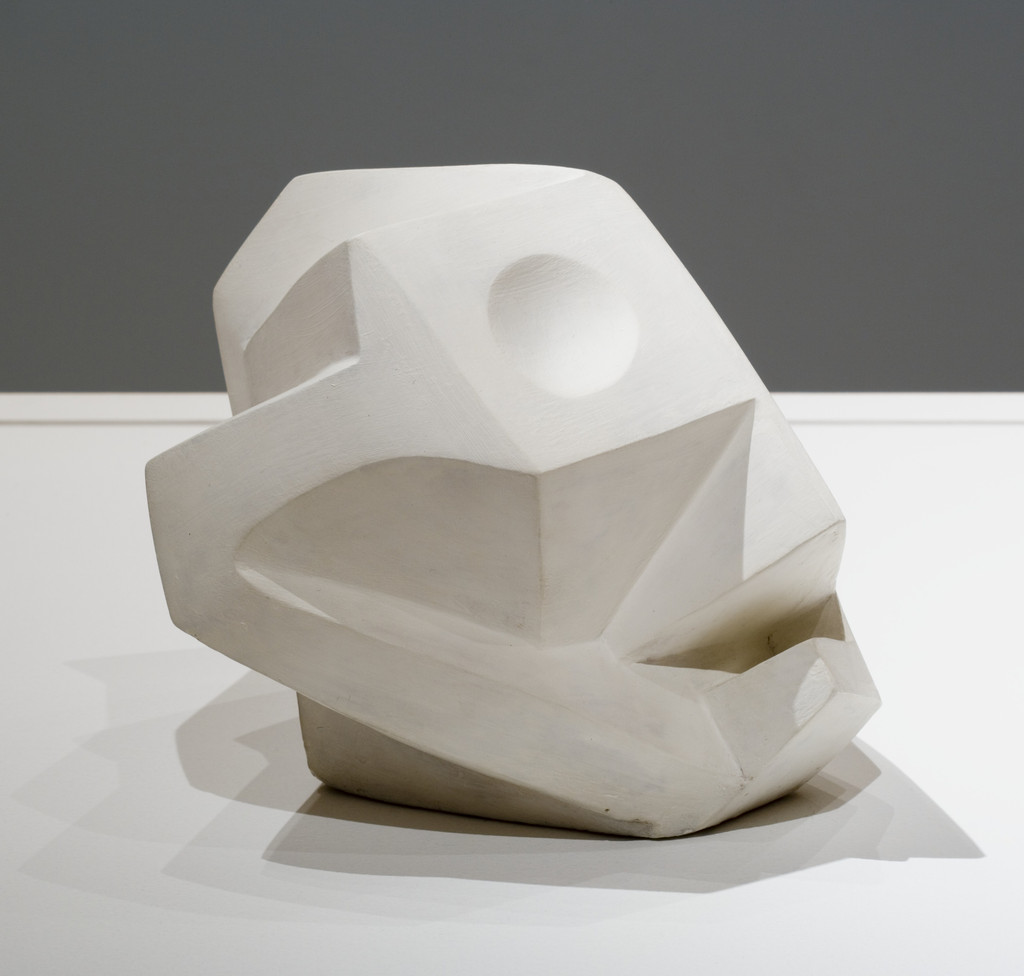 Alberto GiacomettiHead-Skull
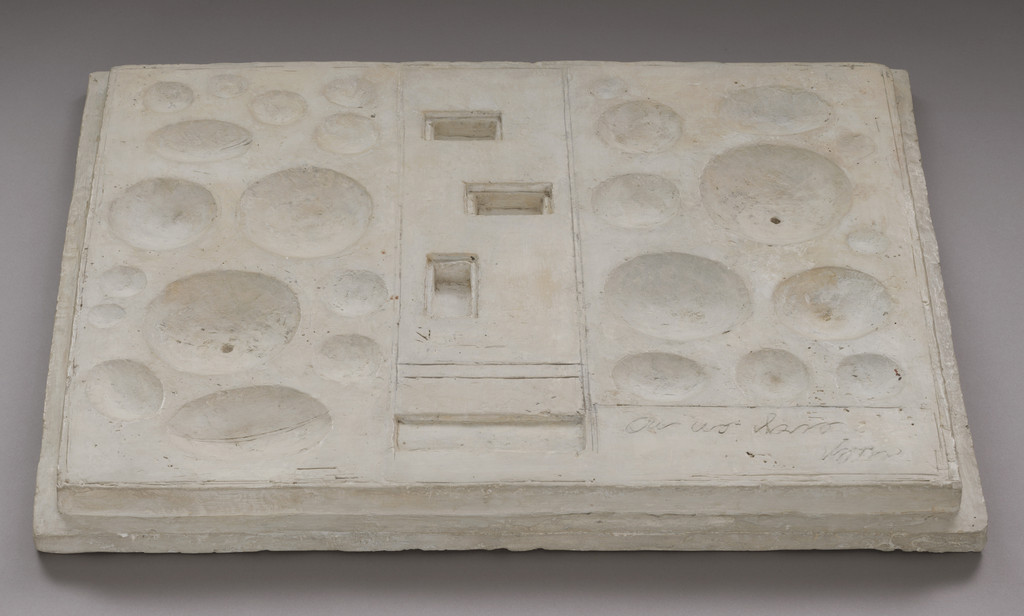 Alberto GiacomettiNo More Play
 MichelangeloRebellious Captive
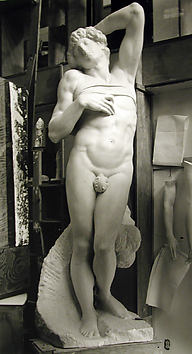 MichelangeloDying Slave
 Henri DingEcce Homo ; Jésus le Nazaréen (Ancien titre donné par l'artiste)
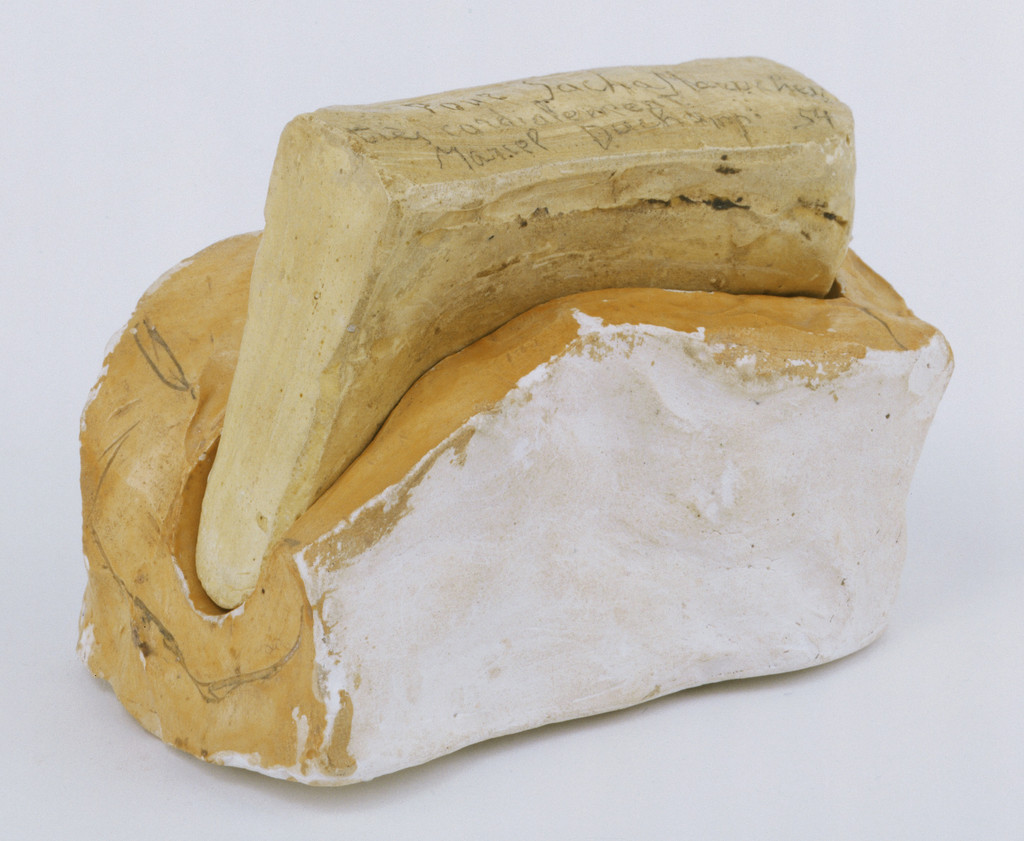 Marcel DuchampWedge of Chastity
 Samuel F. B. MorseDying Hercules
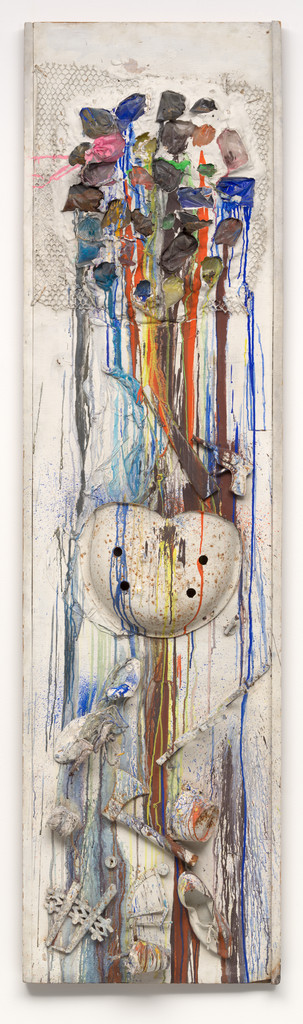 Niki de Saint PhalleShooting Painting American Embassy
 Edgar DegasDancer at Rest, Hands on Her Hips, Left Leg Forward
 Edgar DegasThe Schoolgirl (Woman Walking in the Street)
 Edgar DegasCavallo che caracolla
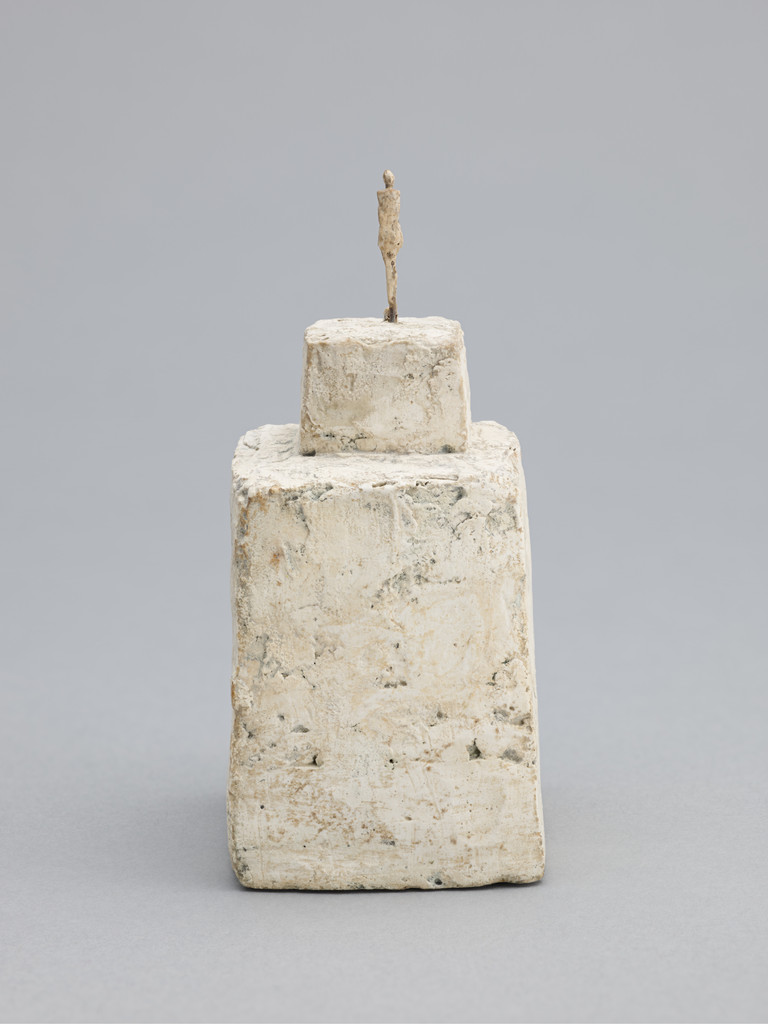 Alberto GiacomettiFigure, I
 Benvenuto CelliniPerseus with the Head of Medusa
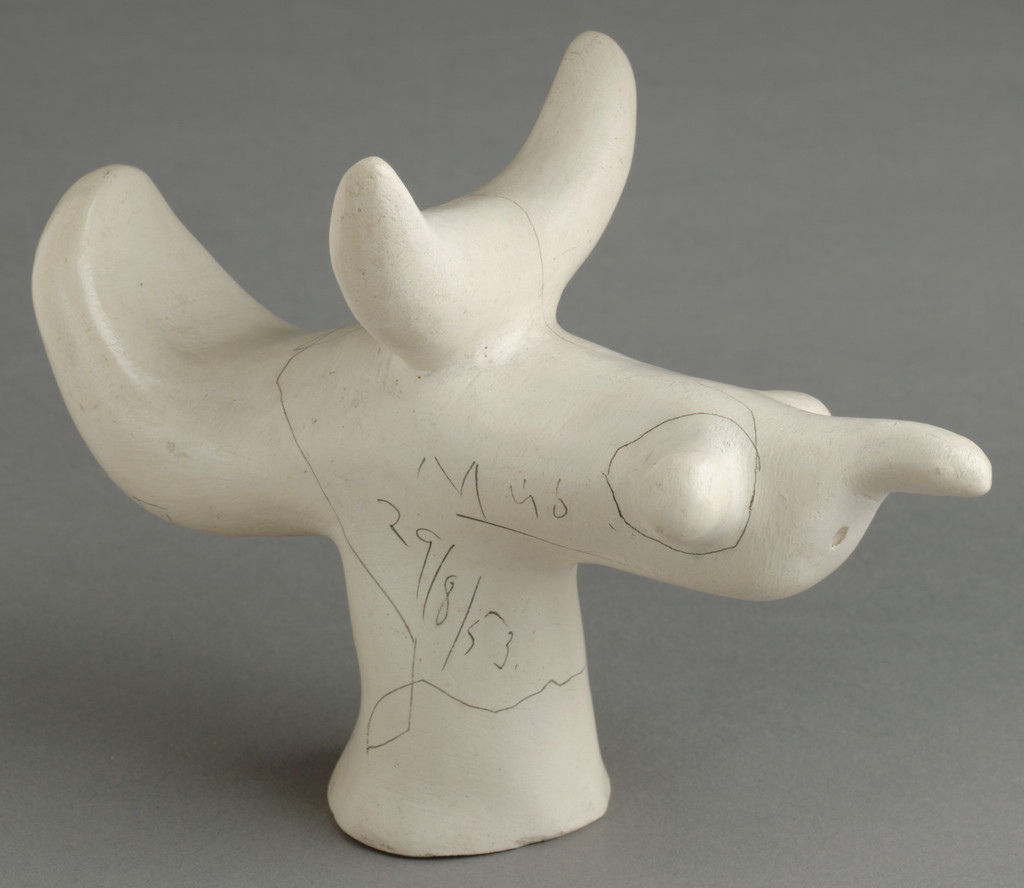 Joan MiróSolar Bird
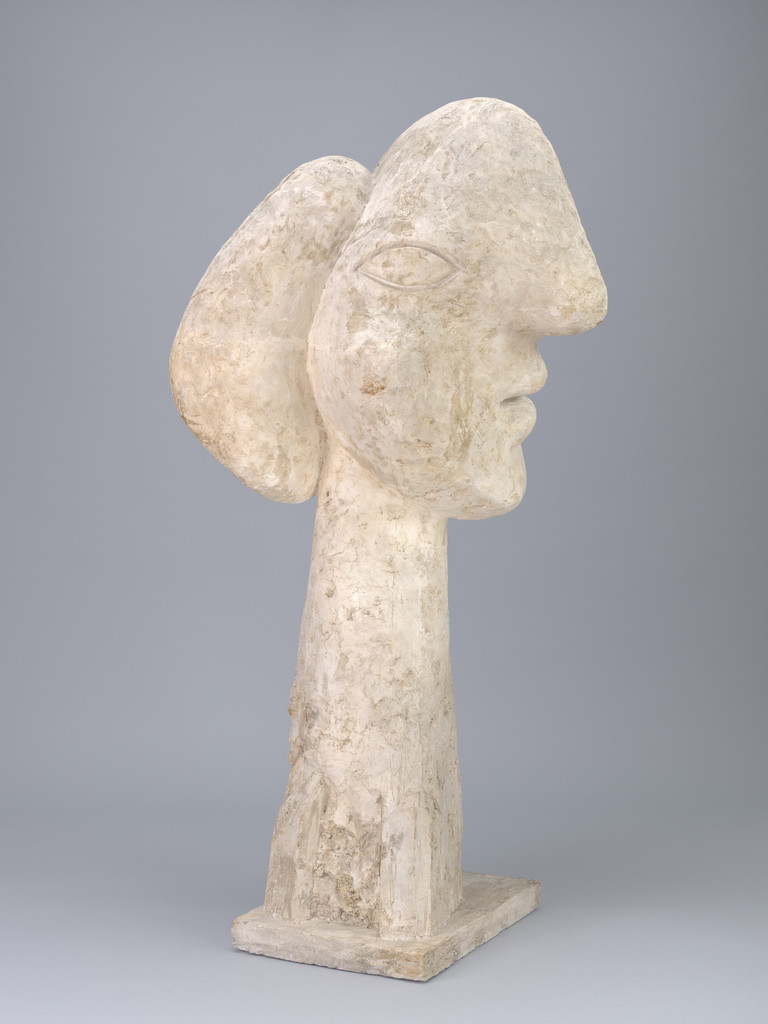 Pablo PicassoHead of a Woman
 Auguste RodinVictoria Sackville-West, Lady Sackville
 DonatelloVirgin and Child
 Edgar DegasStudy in the Nude of Little Dancer Aged Fourteen (Nude Little Dancer)
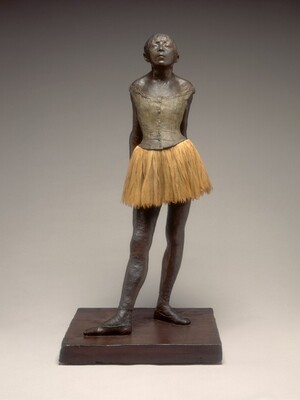 Edgar DegasLittle Dancer Aged Fourteen
 Edgar DegasThe Tub
 Auguste RodinHead of Saint John the Baptist
 Auguste RodinLost-Wax Casting Display: plaster model [first of ten steps]
 Auguste RodinLost-Wax Casting Display: clay model [third of ten steps]
 Auguste RodinLost-Wax Casting Display: investment mold [seventh of ten steps]
 Auguste RodinAurora and Tithonus
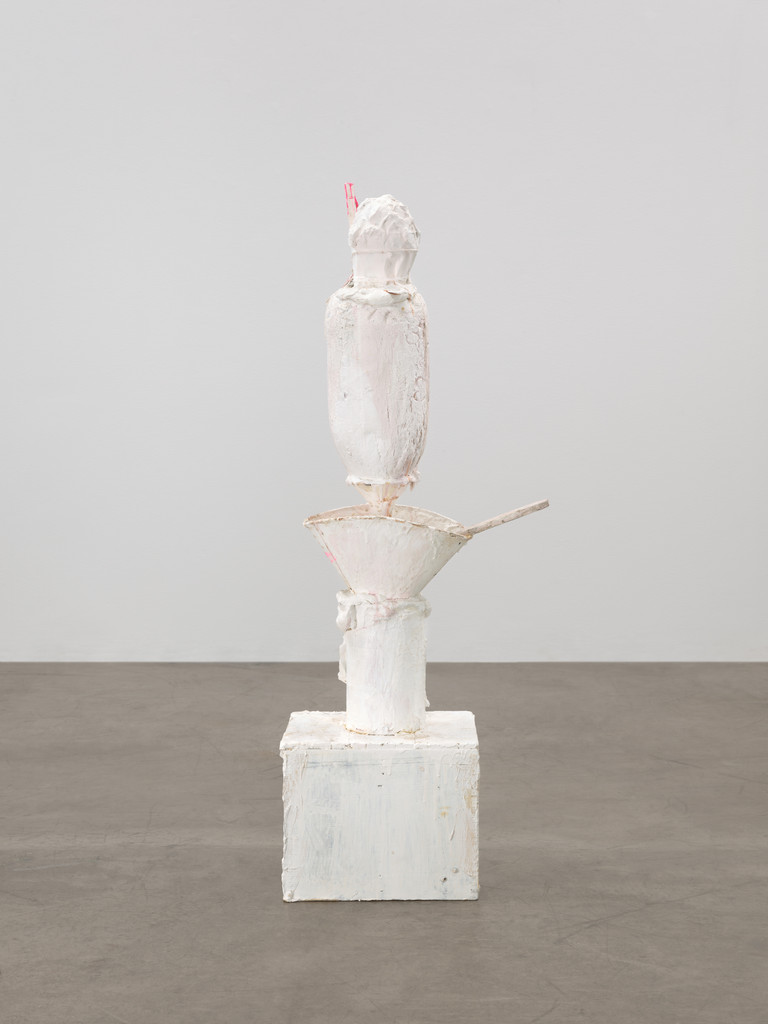 Cy TwomblyUntitled
 DonatelloMaria met kind, type 'Madonna dei pazzi', tondo
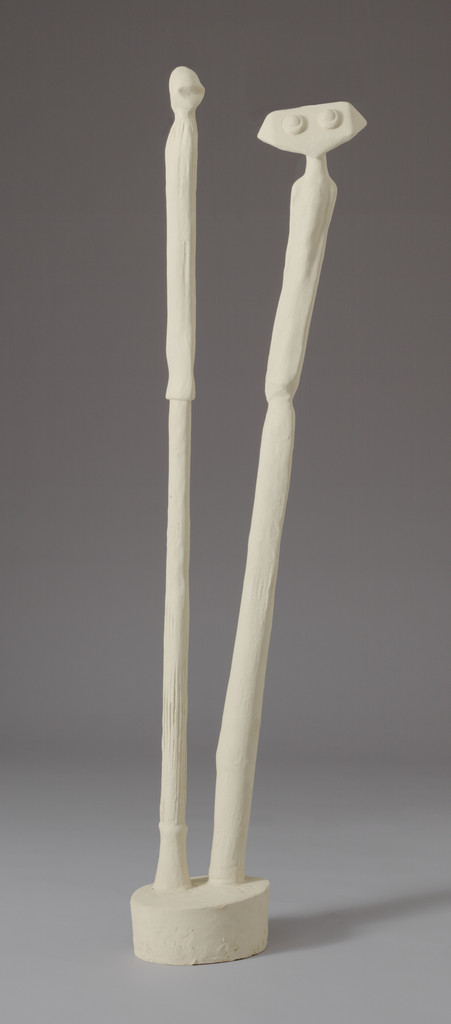 Max ErnstLunar Asparagus
 Auguste RodinLost-Wax Casting Display: wax model [fifth of ten steps]
 Auguste RodinLost-Wax Casting Display: mold, back half [second of ten steps]
 Auguste RodinLost-Wax Casting Display: investment mold with coating [eighth of ten steps]
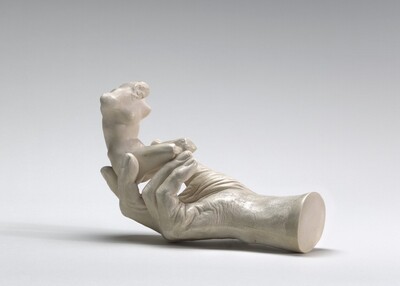 Auguste RodinHand of Rodin with a Female Figure
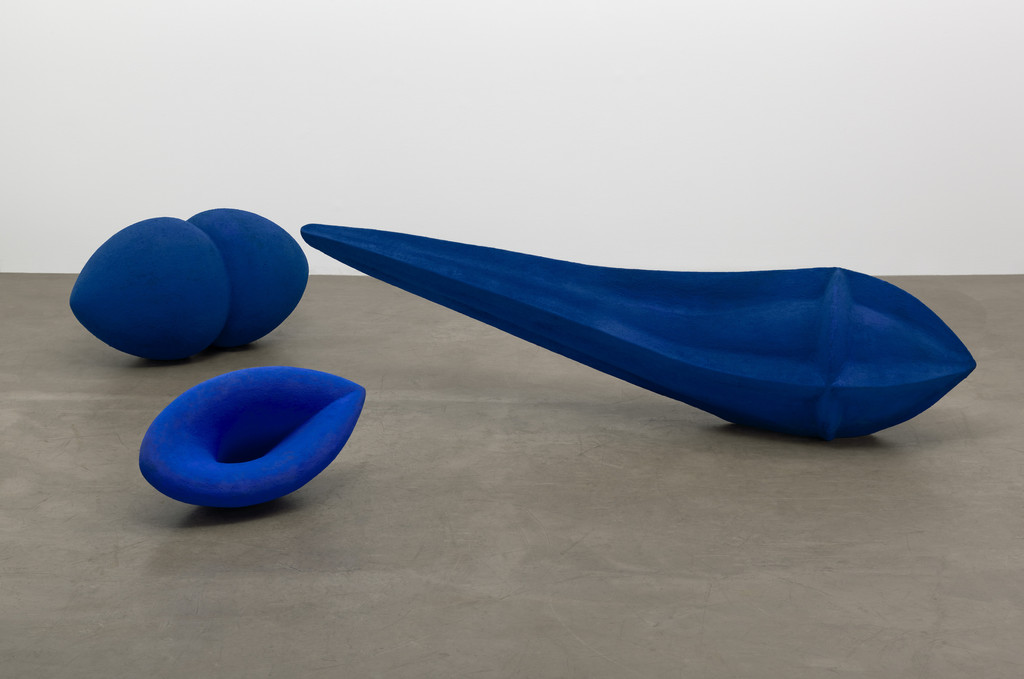 Anish KapoorA Flower, A Drama Like Death
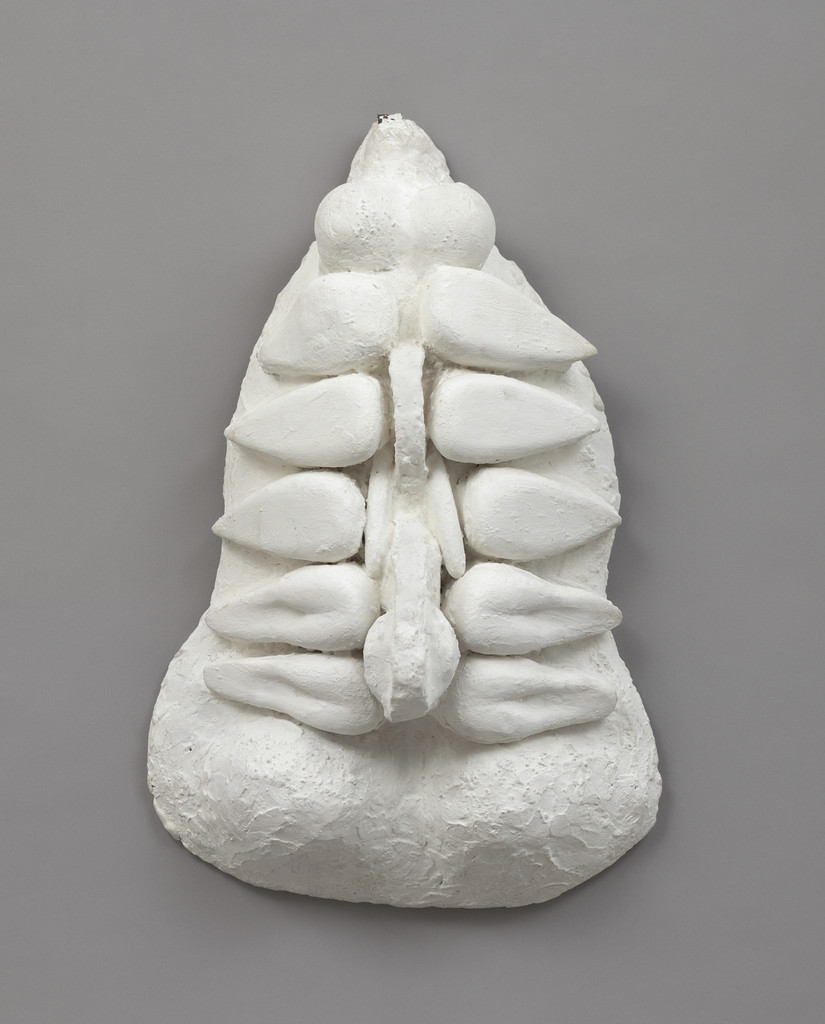 Louise BourgeoisTorso, Self-Portrait
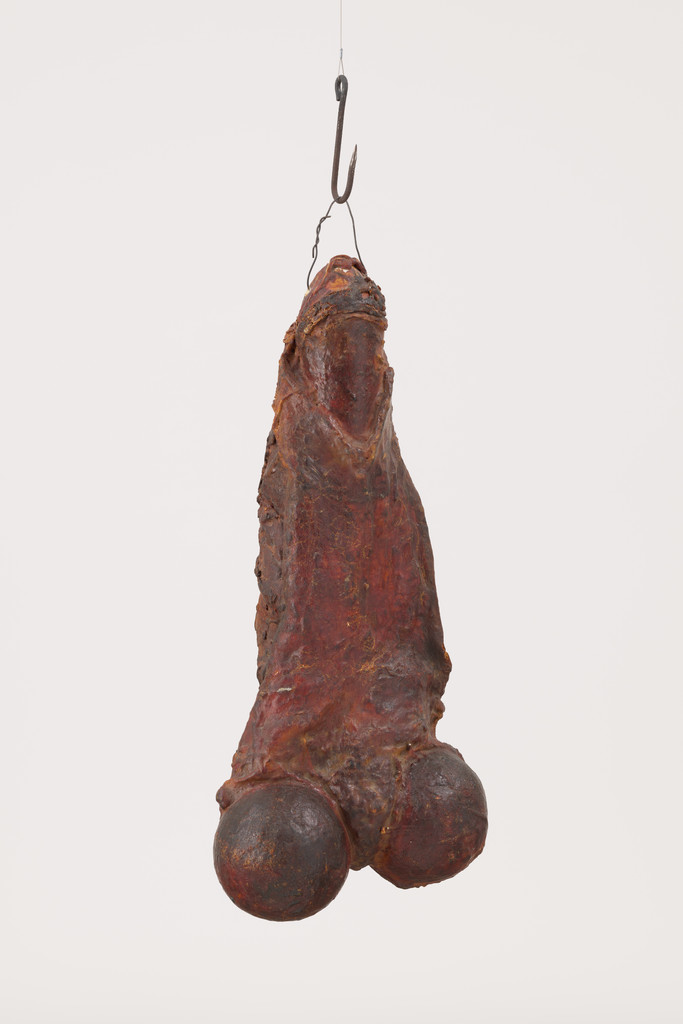 Louise BourgeoisFillette
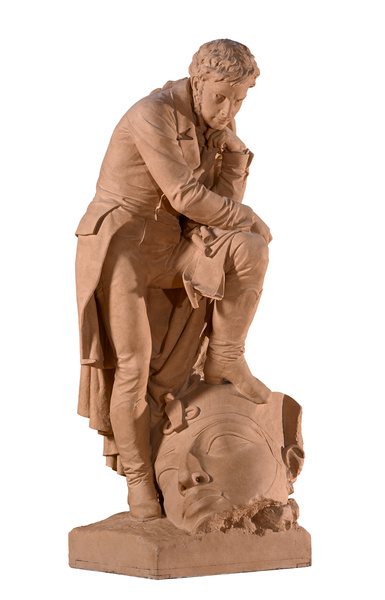 Frédéric Auguste BartholdiChampollion
 Antonio CanovaCupid and Psyche
 Antonio CanovaEbe
Plaster
Two tennis balls stare out of Picasso's Head of a Warrior. An X-ray found a crowbar and chicken wire among the materials inside it. The sculpture looks like a single white invention, but plaster has brought together things that started with very different jobs. Made at Boisgeloup in 1933, it unsettles the assumption that every museum plaster must copy an object made in a costlier material.
What happens when plaster sets?
A sculptor mixes plaster powder with water, producing a fluid material that soon hardens. It can be poured into a mould, applied over a supporting structure or worked into a surface. Hollow casts need not be filled right through: liquid plaster can coat the inside of a mould as it is turned. Reinforcement may be concealed within the walls. The white exterior alone tells you little about the weight or construction beneath it.
Casting a clay model involves two shapes. The mould holds the negative impression, with hollows where the model projected; the cast restores the positive figure. In a waste-mould process, the clay is removed and the mould is eventually broken away to release the plaster. A coloured inner layer can warn the worker that the new cast is close. The procedure preserves the image while sacrificing the clay and the mould that made it possible.
A reusable mould instead separates into fitted pieces. Their boundaries can leave narrow raised lines on the cast. Rodin sometimes allowed these seams to remain. They need not be damage, nor are they necessarily careless finishing. Follow a line across an arm or around a shoulder and you may be following the division chosen by the mould maker, rather than a contour that belonged to the modelled body.
The plaster that was too convincing
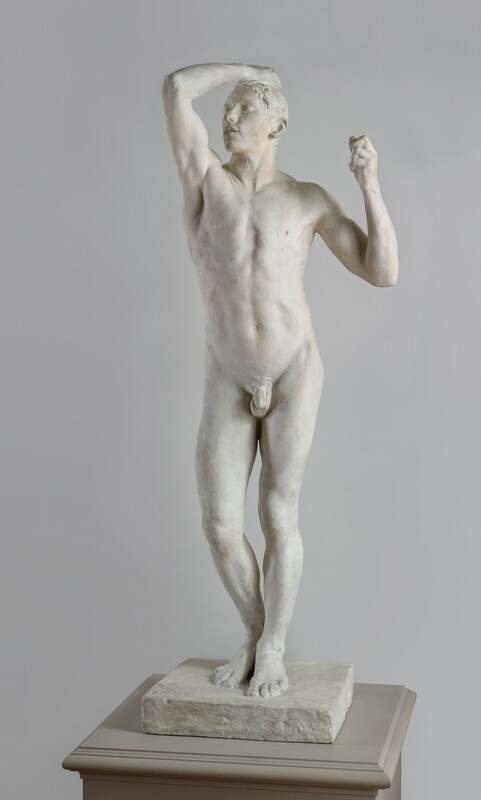
When Rodin exhibited The Age of Bronze in 1877, its anatomy seemed so plausible that critics accused him of taking a mould directly from a man. He had modelled it from a Belgian soldier, Auguste Neyt. To defend himself, he commissioned photographs of the sitter and the sculpture. What looked like praise for lifelike modelling became an accusation that no modelling had been needed. The distinction was about authorship, not the presence or absence of a mould.