
 Энди УорхолСША, 1928–1987
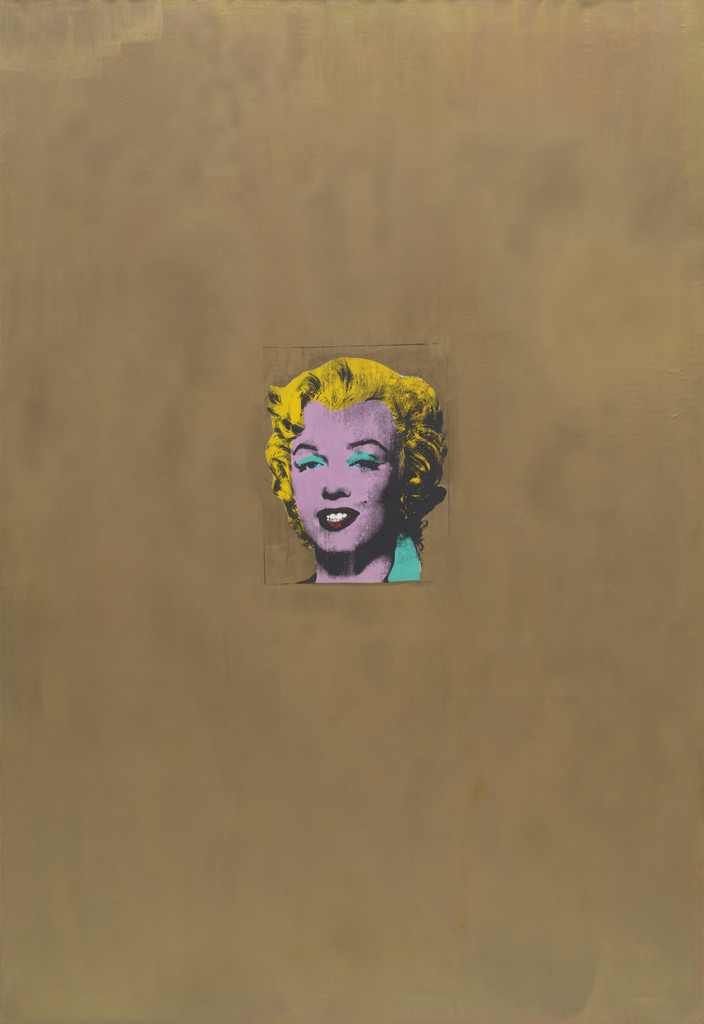
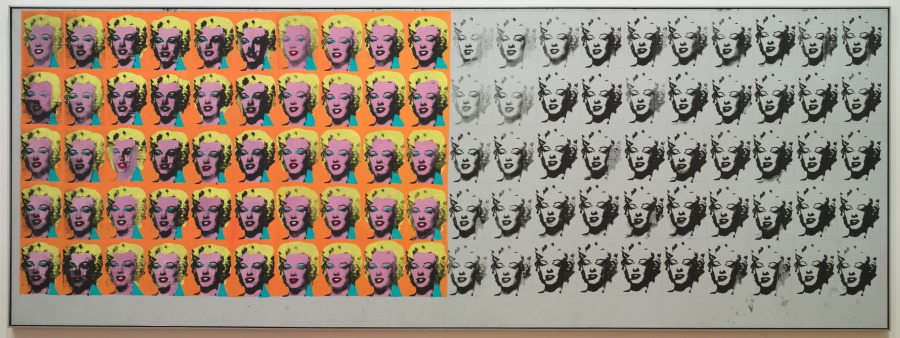
Marilyn Monroe (Marilyn)
Можно ли лицезреть?
Сейчас не принимает

Чикагский институт искусств
Чикаго, США
Числится в собрании, но в залах её сейчас нет.
- Проверено
- В этом положении с
- Источник
- Музей
О работе
Словами музея — на английском
Due in part to his experience as a highly successful commercial illustrator in the 1950s, Andy Warhol was as much businessman as artist and understood the value of mass production and distribution. By the early 1960s, screenprinting had become the favored medium for commercial printing jobs, such as labels and signage. It was used to quickly reproduce photographic images on almost any flat surface. By 1962 Warhol had begun using it to put repeated images on his canvases—images that he had previously painted painstakingly by hand. Because Warhol had not finessed the process, his printing “mistakes” became a signature. In 1967 he began publishing limited-edition print portfolios in his studio under the aegis of Factory Editions.
Читать дальше
Marilyn was the first such portfolio, consisting of ten images made from the same 1953 publicity photograph of Marilyn Monroe in the film Niagara, which Warhol transformed with intentionally off-register printing and garish combinations of psychedelic colors. Daylight fluorescent colors, better known as Day-Glo colors, were invented in the 1930s, and by the 1960s had become integral to the graphic vocabulary of Pop art. While a conventional bright color reflects 80 to 90 percent of its color, a Day-Glo color appears to reflect more than 300 percent of its color. It is no wonder then that art historian Robert Rosenblum observed that Marilyn’s face “seems perpetually illuminated by the afterimage of a flashbulb.” With this method and presentation, Warhol and his work became synonymous with Pop Art.
Чикагский институт искусствCC BY 4.0
Сведения
- Инвентарный номер
- 1998.442.10
В каталоге
Источники
- Чикагский институт искусств
- Изображение: Чикагский институт искусств — © автор или правообладатель
А тем временем в жизни художника
Вся жизнь целиком1963–1968
Уорхол-кинематографист: сотни лент
С 1963 по 1968 год Уорхол снял несколько сотен лент: 472 четырёхминутные портретные кинопробы (Screen Tests), десятки короткометражек и более 150 фильмов с сюжетами, из которых только 60 вышли на экран.
май 1965
Париж: объявление об уходе из живописи
Вторую серию «Цветов» показали в парижской Galerie Ileana Sonnabend; во время поездки Уорхол объявил, что оставляет живопись ради кино, сказав, что больше не верит в неё.
октябрь 1965
Первая персональная музейная выставка
Первая персональная музейная выставка Уорхола прошла в октябре 1965 года в Институте современного искусства в Филадельфии.
1966
Менеджер The Velvet Underground
В 1966 году Уорхол начал управлять экспериментальной рок-группой The Velvet Underground и позволил ей репетировать на «Фабрике»; он же оплатил её дебютный альбом «The Velvet Underground & Nico» (1967).
1968
Выставка в Moderna Museet и «Электрические стулья»
К тому времени Уорхол почти не писал картин, но вскоре вернулся к живописи и создал картины «Big Electric Chair» для выставки в стокгольмском Moderna Museet в 1968 году.
3 июня 1968
Покушение на «Фабрике»
Писательница Валери Соланас, автор «Манифеста SCUM», снимавшаяся в его фильме «I, a Man», выстрелила в Уорхола и критика Марио Амайю; Амайя получил лёгкие ранения, Уорхол — тяжёлые, и почти два месяца провёл в больнице. Соланас через несколько часов сдалась полиции, сказав, что Уорхол слишком контролировал её жизнь.

![Liz #3 [Early Colored Liz], Энди Уорхол, 1963](/api/img?u=https%3A%2F%2Fwww.artic.edu%2Fiiif%2F2%2F362c0c2a-4576-2207-4ba9-2b87e6d0bad0%2Ffull%2F1686%2C%2F0%2Fdefault.jpg)







