ART WIKI32 979 em exposição
MapaColeçãoArtistasMuseusExposiçõesRevista
Entrar

ART WIKI

Onde está a obra-prima, e a que horas se abre a porta.

Coleções: Art Institute of Chicago, Galeria Nacional de Arte, Galeria Tretiakov, Getty Villa, Harvard Art Museums, Hermitage, Hirshhorn Museum and Sculpture Garden, Instituto de Artes de Minneapolis, Museu de Arte de Cleveland, Museu de Arte Moderna, Museu do Louvre, Museu Estatal de Amesterdão, Museu J. Paul Getty, Museu Metropolitano de Arte, Museu Nacional de Arte da Dinamarca, Museu Pushkin, Museu Russo, Museu Smithsoniano de Arte Americana, Museu Vitória e Alberto, Museu Whitney de Arte Americana, National Museum of Asian Art, National Portrait Gallery, Catálogo Estatal do Fundo Museológico da Rússia (274 museus), Europeana (19 museus), Wikidata (6 museus), Paris Musées (12 museus) e Joconde, a base de museus do Ministério da Cultura de França (495 museus). As imagens pertencem aos titulares dos direitos.

Secções

  • Mapa
  • Pesquisa
  • Coleção
  • Obras-primas
  • Em exposição agora
  • Artistas

Mais

  • Museus e galerias
  • Exposições
  • Revista
  • De onde vêm os dados
  • Privacidade e cookies
InícioMapaCatálogo
  1. Coleção/
  2. Instituto de Artes de Minneapolis/
  3. Funerary Relief
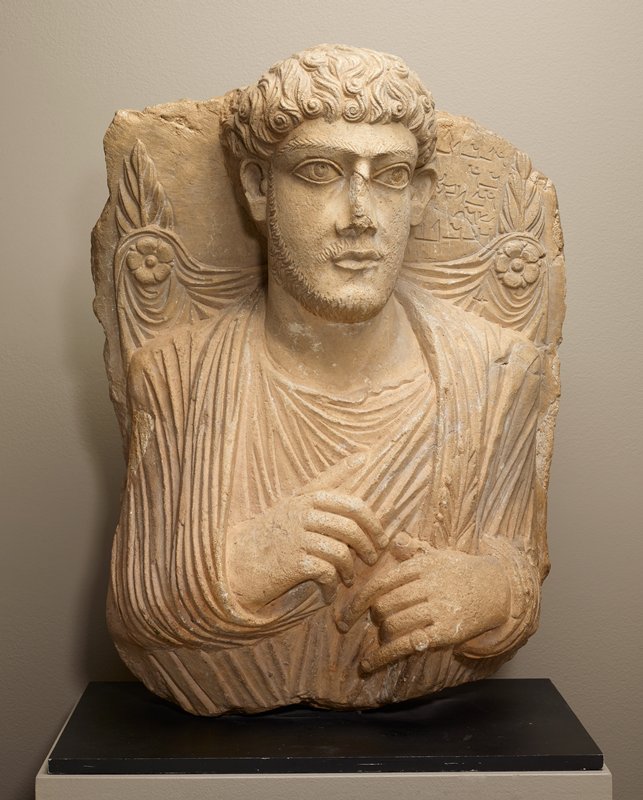
Funerary Relief, Roman Empire, late 2nd century–first half of the 3rd century
RRoman EmpireSíria

Funerary Relief

late 2nd century–first half of the 3rd century · Sculpture · 58.42 × 38.1 cm

Será possível contemplá-la?

De momento, não recebe

Instituto de Artes de Minneapolis

Minneapolis, Estados Unidos

Pertence à coleção, mas de momento não está exposta.

Verificado
há 3 dias
Neste estado desde
25 de set. de 2026
Fonte
O museu
No mapaPágina do museu

Sobre a escultura

Palmyra, an oasis city in the Syrian Desert, was located on a section of the Silk Route, one of the great trade routes connecting Europe and Asia. In about 30 CE, Palmyra came under Roman control as part of the province of Syria and became a wealthy and significant city.

Many of the surviving sculptures from ancient Palmyra are funerary reliefs. Collective underground tombs were laid out in deep burial niches, called loculi, dug deep into the high sidewalls. Each niche was sealed with a stone carved in high relief with a bust of the deceased, sometimes carved against a curtained background. The figure's eyes are prominent, and the features are strictly regular.

Continuar a ler

Reliefs like this one, with a background curtain and palm fronds, are found in examples dating from at least the late 2nd century. The rigidly frontal presentation also has a religious meaning, alluding to the experience of ecstatic vision or the participation in the afterlife.

Instituto de Artes de Minneapolis

Pormenores

Número de inventário
2008.28.2

No catálogo

EsculturaPedraRoma Antiga

Fontes

  • Instituto de Artes de Minneapolis
  • Imagem: Instituto de Artes de Minneapolis — public domain
Mais obras de Roman Empire

Todas as obras
The Tiber Muse, Roman Empire, 2nd–1st century BCE

The Tiber Muse

2nd–1st century BCE · Instituto de Artes de Minneapolis

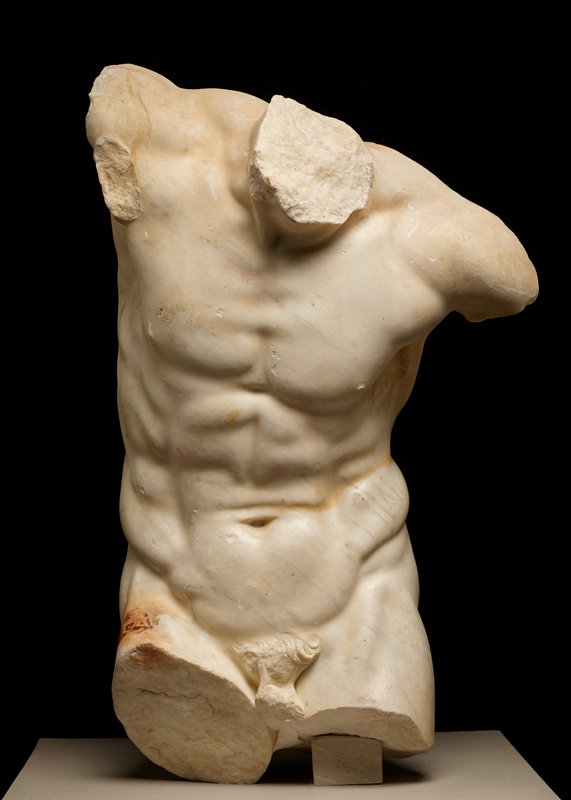
Torso of a Dancing Faun, Roman Empire, 1st century CE

Torso of a Dancing Faun

1st century CE · Instituto de Artes de Minneapolis

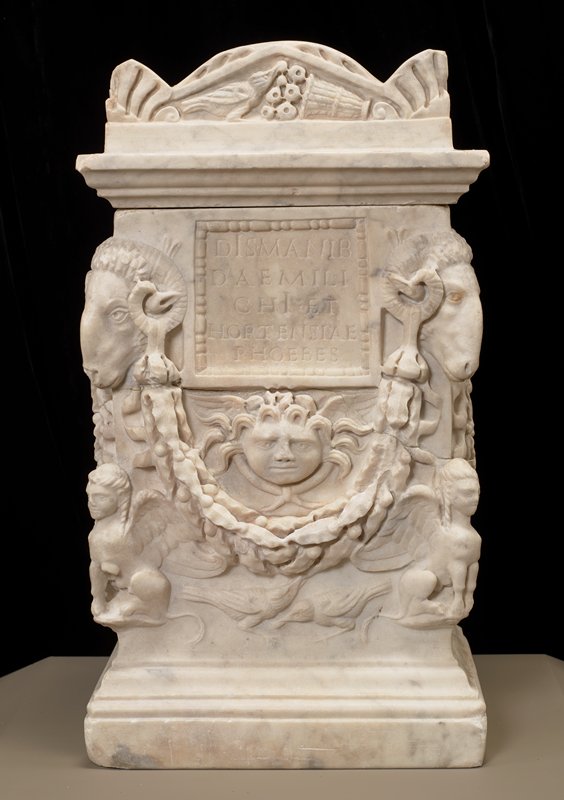
Cinerary Box with Cover, Roman Empire, 50–100 CE

Cinerary Box with Cover

50–100 CE · Instituto de Artes de Minneapolis

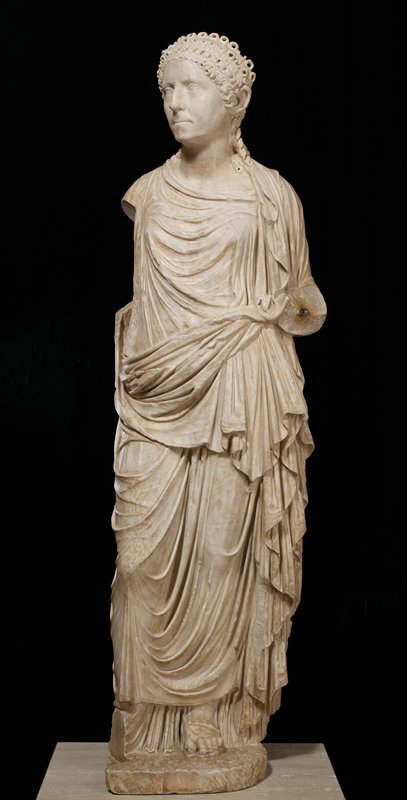
Roman Matron, Roman Empire, 50–60 CE

Roman Matron

50–60 CE · Instituto de Artes de Minneapolis

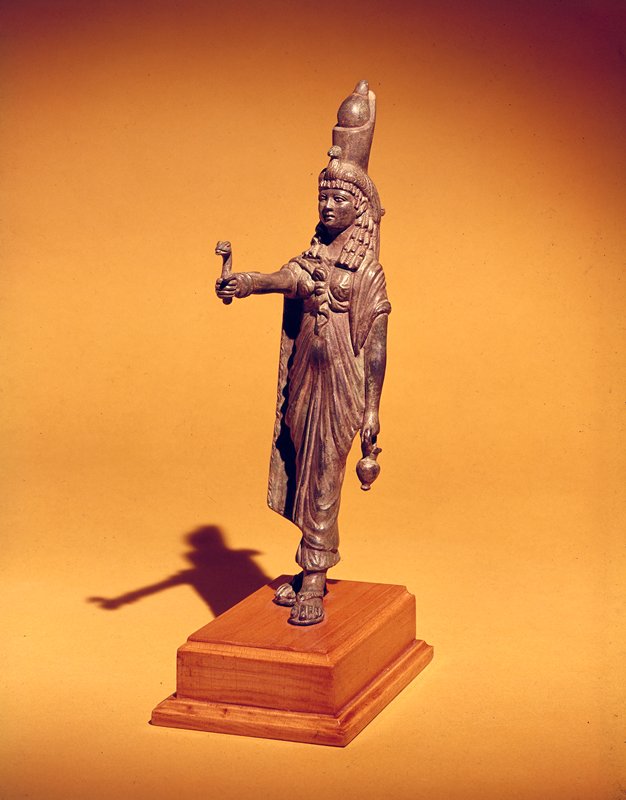
Goddess Isis, Roman Empire, 1st century CE

Goddess Isis

1st century CE · Instituto de Artes de Minneapolis

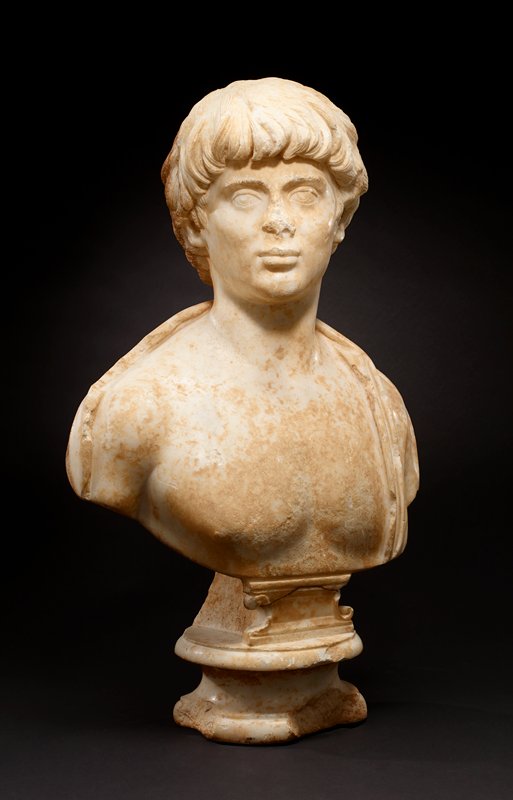
Bust of a Young Man, Probably Polydeukion, Roman Empire, 2nd century

Bust of a Young Man, Probably Polydeukion

2nd century · Instituto de Artes de Minneapolis

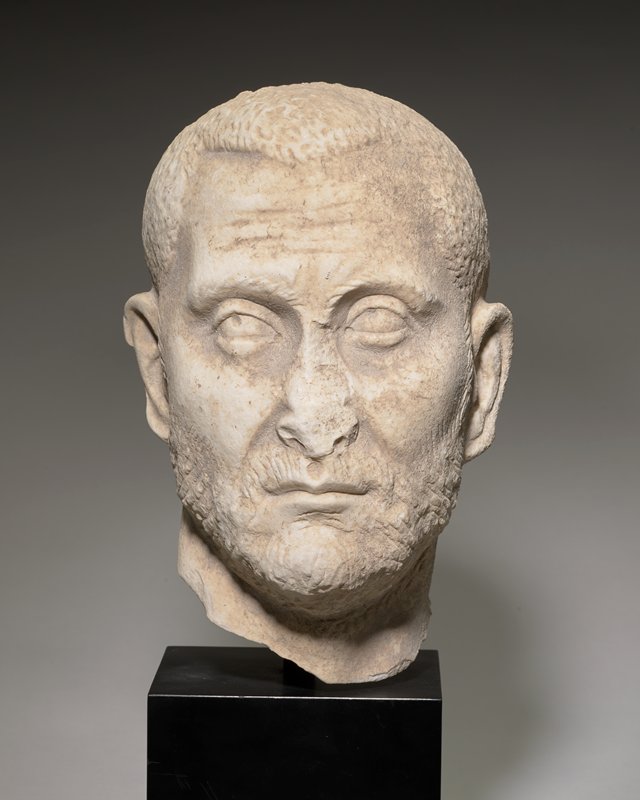
Portrait of a Man, Roman Empire, 252–268

Portrait of a Man

252–268 · Não exposta · Instituto de Artes de Minneapolis

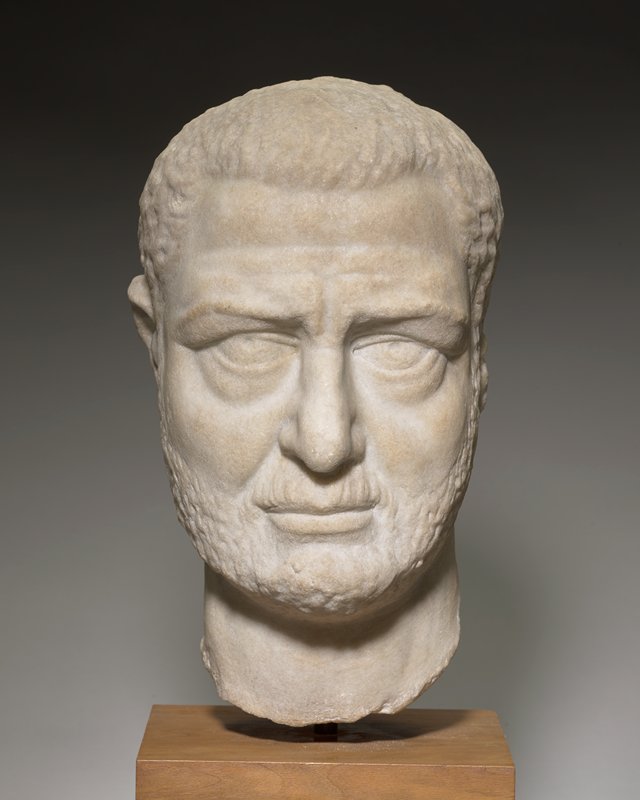
Head of a Man, Roman Empire, c. 250–275

Head of a Man

c. 250–275 · Não exposta · Instituto de Artes de Minneapolis

Vizinhas de sala: Instituto de Artes de Minneapolis

Página do museu
Olive Trees, Vincent van Gogh, 1889

Vincent van Gogh

Olive Trees, 1889

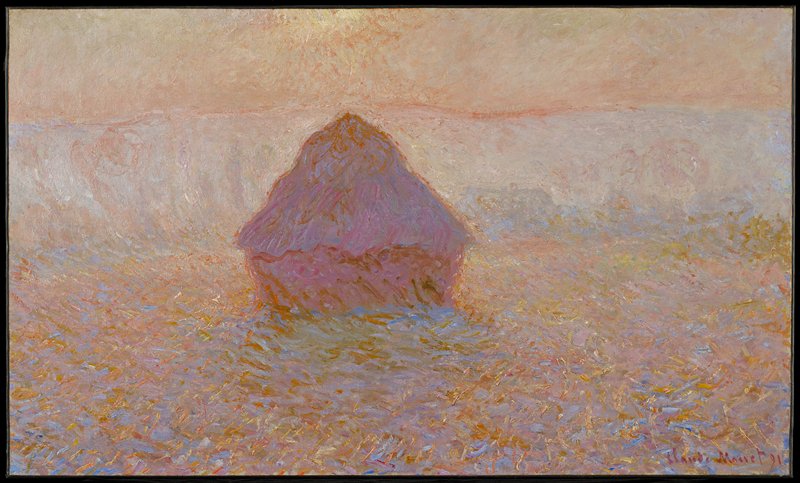
Grainstack, Sun in the Mist, Claude Monet, 1891

Claude Monet

Grainstack, Sun in the Mist, 1891

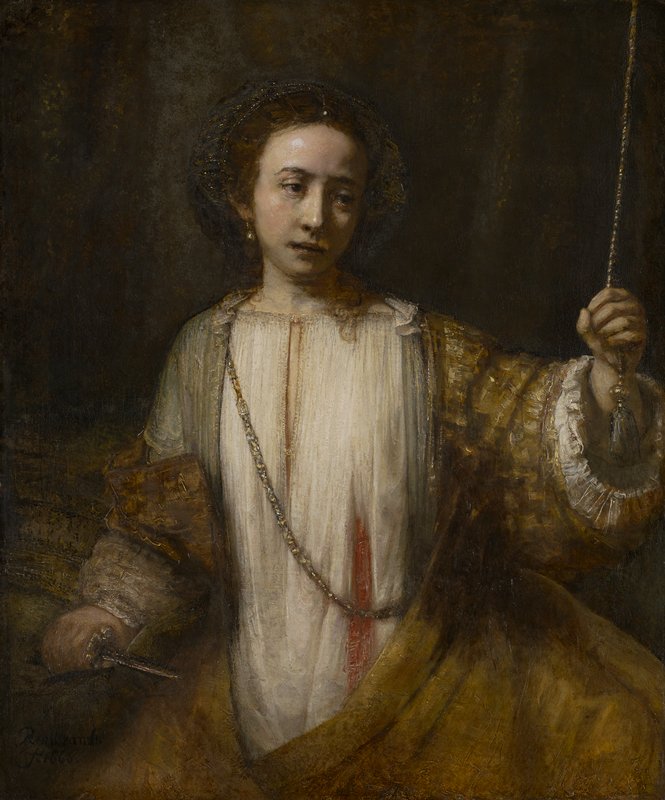
Lucretia, Rembrandt van Rijn, 1666

Rembrandt van Rijn

Lucretia, 1666

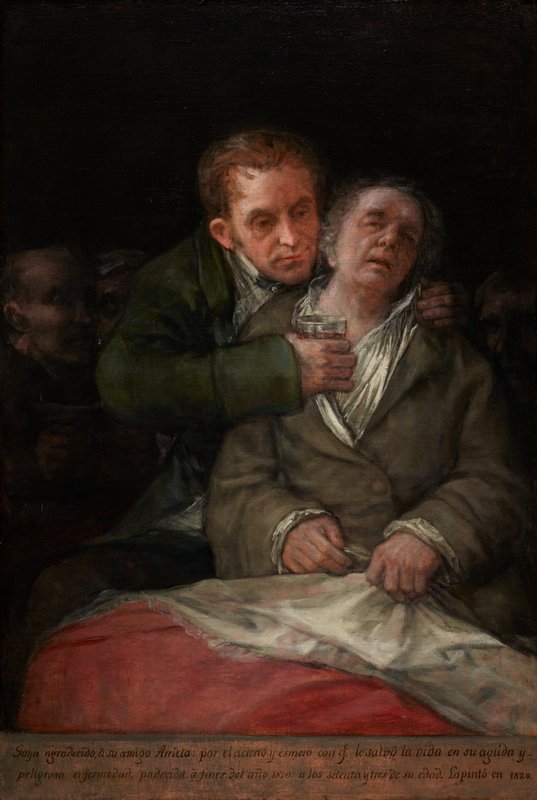
Self-Portrait with Dr. Arrieta, Francisco José de Goya y Lucientes, 1820

Francisco de Goya

Self-Portrait with Dr. Arrieta, 1820

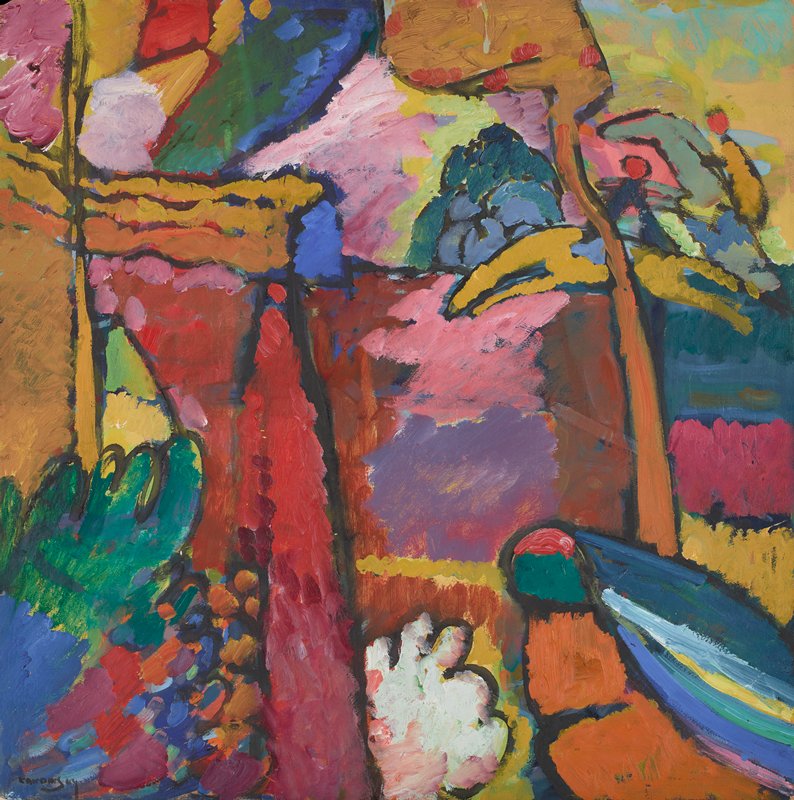
Study for Improvisation V, Vassily Kandinsky, 1910

Vasily Kandinsky

Study for Improvisation V, 1910

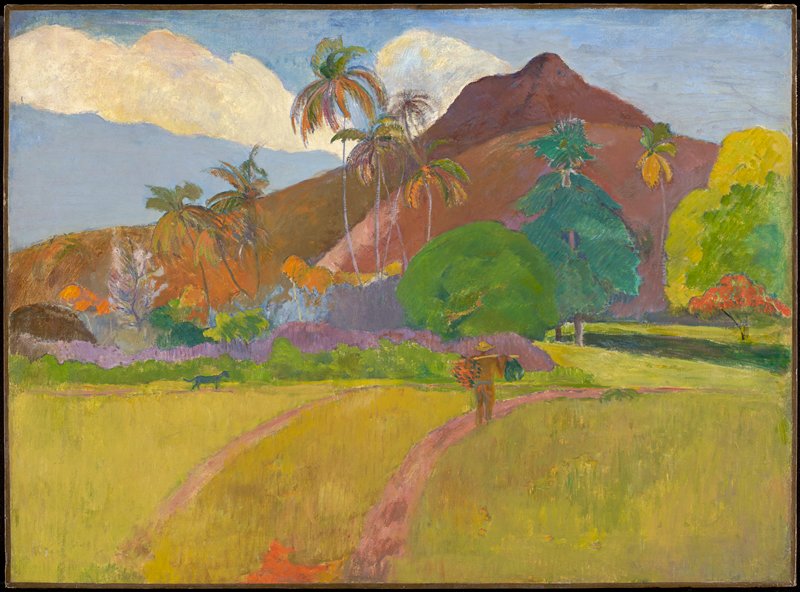
Tahitian Landscape, Paul Gauguin, 1891

Paul Gauguin

Tahitian Landscape, 1891

Chestnut Trees at Jas de Bouffan, Paul Cézanne, c. 1885–86

Paul Cézanne

Chestnut Trees at Jas de Bouffan, c. 1885–86

The Union of England and Scotland (Charles I as the Prince of Wales), Peter Paul Rubens, 1633–34

Peter Paul Rubens

The Union of England and Scotland (Charles I as the Prince of Wales), 1633–34