ART WIKI33 040 em exposição
MapaColeçãoArtistasMuseusExposiçõesRevista
Entrar

ART WIKI

Onde está a obra-prima, e a que horas se abre a porta.

Coleções: Art Institute of Chicago, Galeria Nacional de Arte, Galeria Tretiakov, Getty Villa, Harvard Art Museums, Hermitage, Hirshhorn Museum and Sculpture Garden, Instituto de Artes de Minneapolis, Museu de Arte de Cleveland, Museu de Arte Moderna, Museu do Louvre, Museu Estatal de Amesterdão, Museu J. Paul Getty, Museu Metropolitano de Arte, Museu Nacional de Arte da Dinamarca, Museu Pushkin, Museu Russo, Museu Smithsoniano de Arte Americana, Museu Vitória e Alberto, Museu Whitney de Arte Americana, National Museum of Asian Art, National Portrait Gallery, Catálogo Estatal do Fundo Museológico da Rússia (274 museus), Europeana (19 museus), Wikidata (6 museus), Paris Musées (12 museus) e Joconde, a base de museus do Ministério da Cultura de França (495 museus). As imagens pertencem aos titulares dos direitos.

Secções

  • Mapa
  • Pesquisa
  • Coleção
  • Obras-primas
  • Em exposição agora
  • Artistas

Mais

  • Museus e galerias
  • Exposições
  • Revista
  • De onde vêm os dados
  • Privacidade e cookies
InícioMapaCatálogo
  1. Coleção/
  2. Instituto de Artes de Minneapolis/
  3. The Tiber Muse
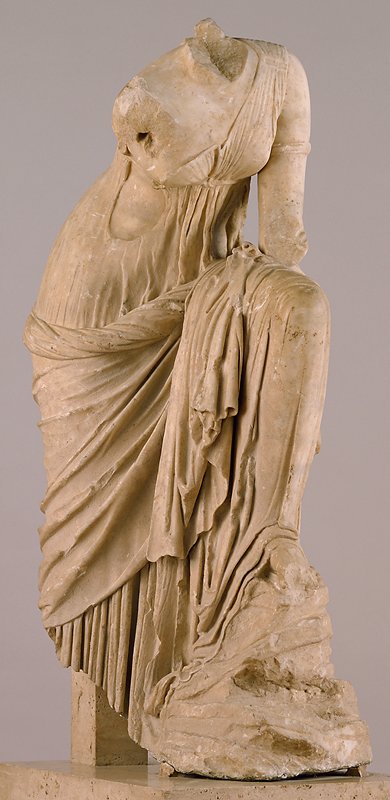
The Tiber Muse, Roman Empire, 2nd–1st century BCE

The Tiber Muse

2nd–1st century BCE · Sculpture · 119.38 × 33.02 cm

Sobre a escultura

Although discovered in the vicinity of the Tiber river in Rome in 1885, the style of this statue's drapery suggests that it originated in a workshop in Greece or Asia Minor. The Roman importation and copying of Greek sculpture are well documented, from the time of the Roman conquests of Greeks territories in the third century B.C. and throughout the imperial era (27 B.C.-about 395 A.D.). The public exhibition of Greek spoils encouraged Romans to collect Greek art and commission new works in similar styles. Displaying statuary of Greek origin or appearance eventually became a mark of one's social status and education.

Instituto de Artes de Minneapolis

Pormenores

Número de inventário
56.12

Mais obras de Roman Empire

Todas as obras

Na mesma sala · G241, Instituto de Artes de Minneapolis

Página do museu
RRoman EmpireSíria

Será possível contemplá-la?

Sim, recebe visitas

Instituto de Artes de Minneapolis

Minneapolis, Estados Unidos

SalaG241

Exposta ao público. Quem o garante vem indicado abaixo.

Verificado
há 9 dias
Neste estado desde
25 de set. de 2026
Fonte
O museu
No mapaPágina do museu

No catálogo

EsculturaMármoreAntes de 1400Graeco-Roman

Fontes

  • Instituto de Artes de Minneapolis
  • Imagem: Instituto de Artes de Minneapolis — public domain
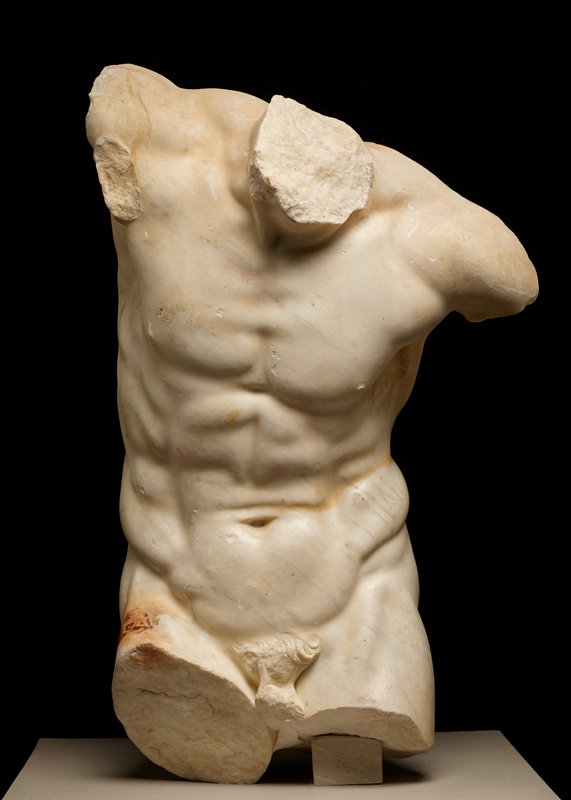
Torso of a Dancing Faun, Roman Empire, 1st century CE

Torso of a Dancing Faun

1st century CE · Instituto de Artes de Minneapolis

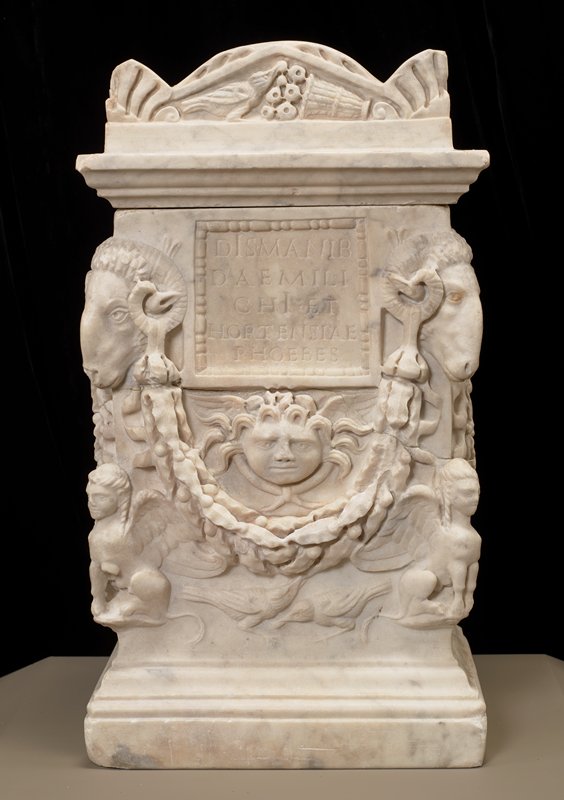
Cinerary Box with Cover, Roman Empire, 50–100 CE

Cinerary Box with Cover

50–100 CE · Instituto de Artes de Minneapolis

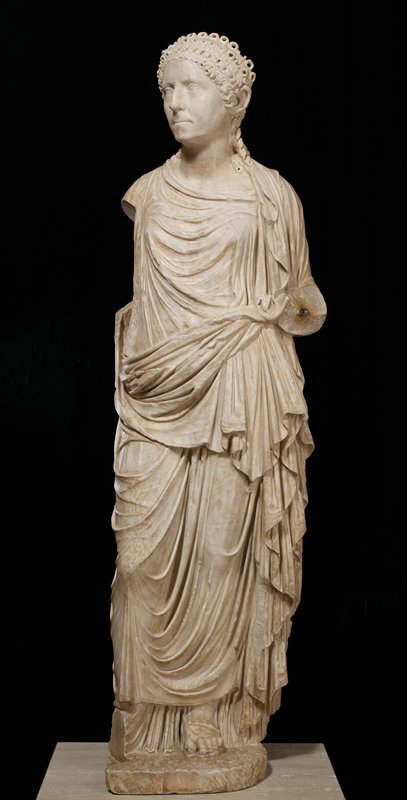
Roman Matron, Roman Empire, 50–60 CE

Roman Matron

50–60 CE · Instituto de Artes de Minneapolis

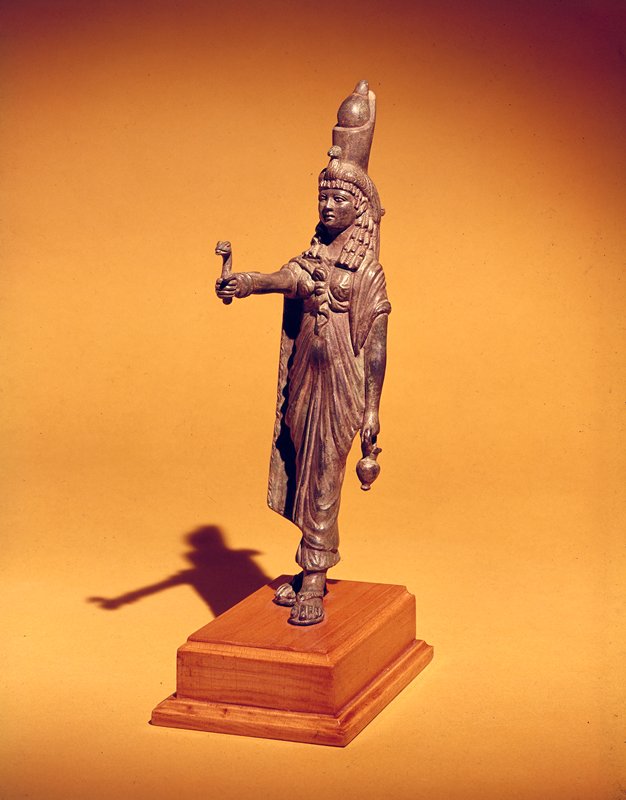
Goddess Isis, Roman Empire, 1st century CE

Goddess Isis

1st century CE · Instituto de Artes de Minneapolis

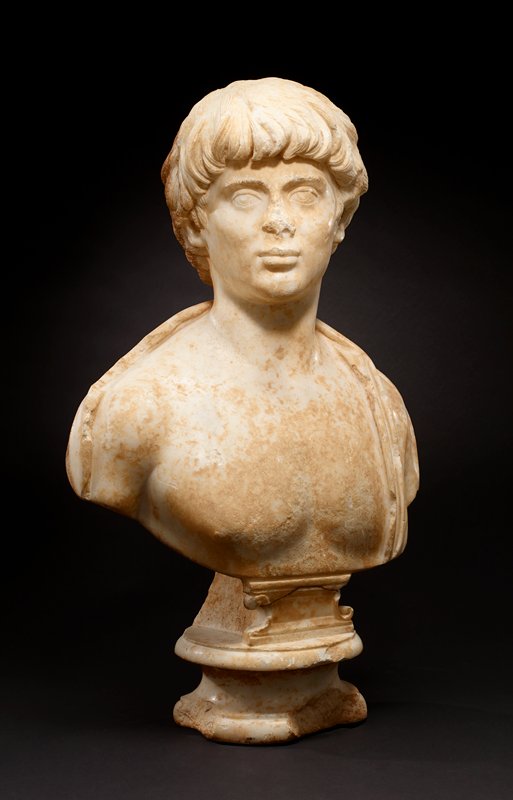
Bust of a Young Man, Probably Polydeukion, Roman Empire, 2nd century

Bust of a Young Man, Probably Polydeukion

2nd century · Instituto de Artes de Minneapolis

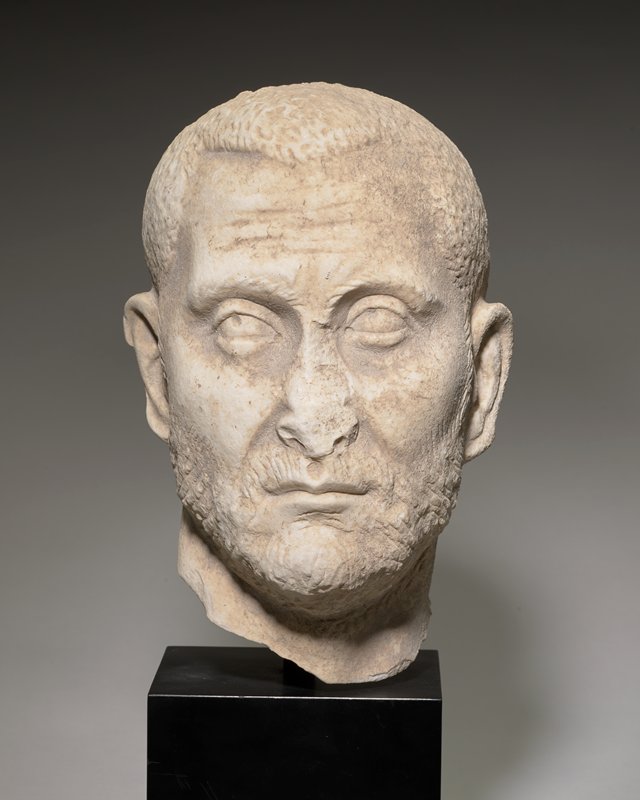
Portrait of a Man, Roman Empire, 252–268

Portrait of a Man

252–268 · Não exposta · Instituto de Artes de Minneapolis

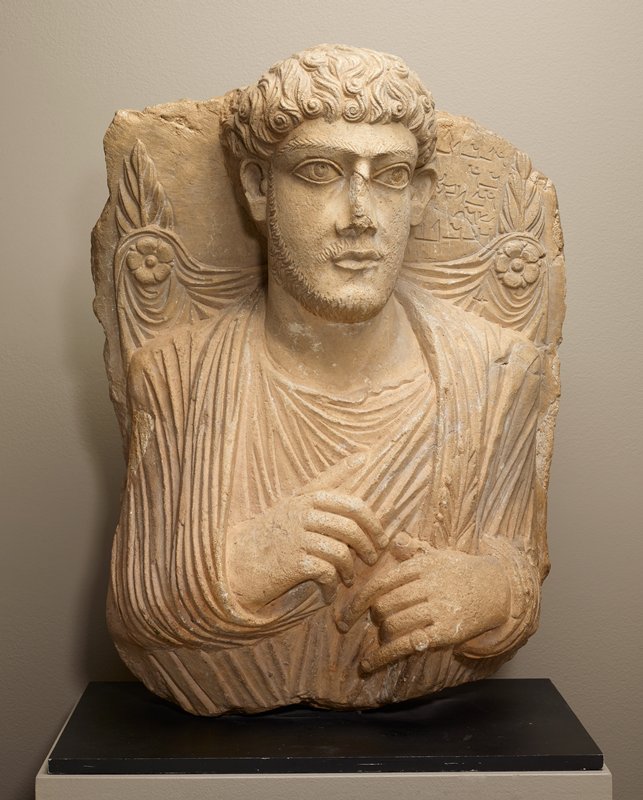
Funerary Relief, Roman Empire, late 2nd century–first half of the 3rd century

Funerary Relief

late 2nd century–first half of the 3rd century · Não exposta · Instituto de Artes de Minneapolis

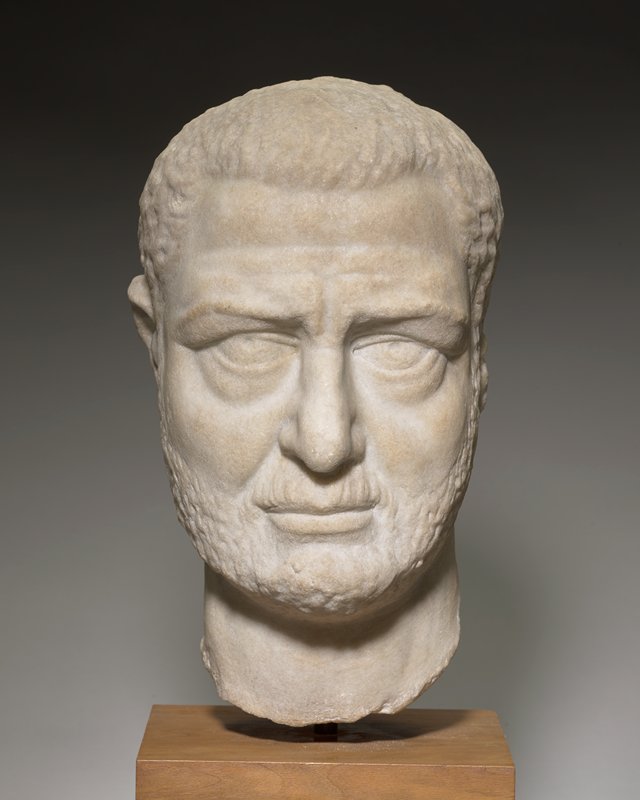
Head of a Man, Roman Empire, c. 250–275

Head of a Man

c. 250–275 · Não exposta · Instituto de Artes de Minneapolis

Torso of a Dancing Faun, Roman Empire, 1st century CE

Roman Empire

Torso of a Dancing Faun, 1st century CE

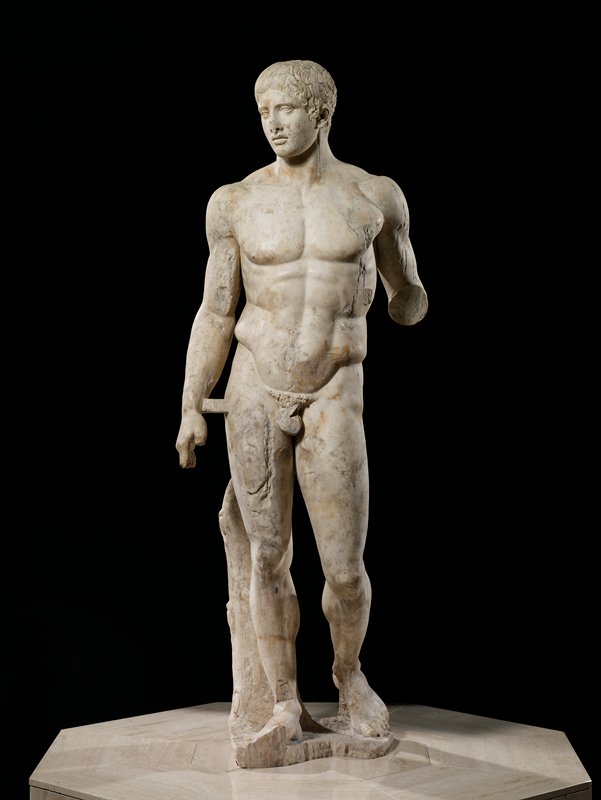
The Doryphoros (after Polykleitos), Copy of work attributed to Polykleitos, 27 BCE–68 CE

Copy of work attributed to Polykleitos

The Doryphoros (after Polykleitos), 27 BCE–68 CE

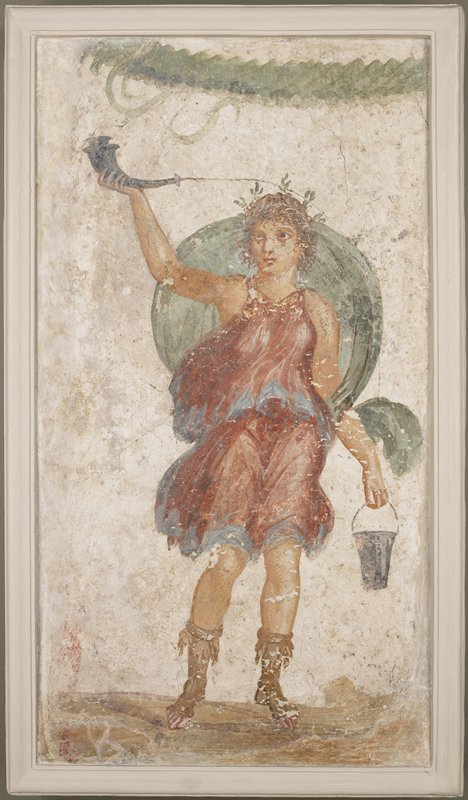
Figure of a Lar, 1st century CE

Figure of a Lar, 1st century CE

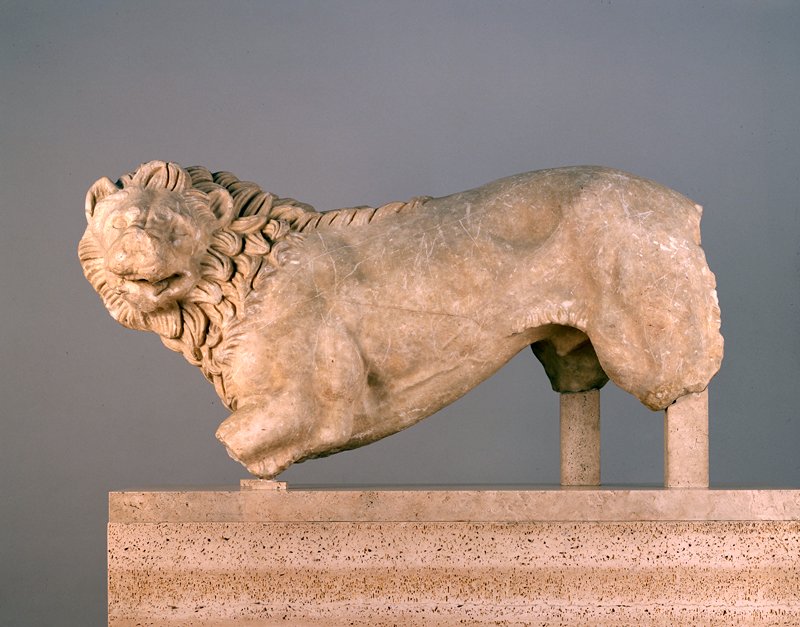
Crouching Lion, 330–317 BCE

Crouching Lion, 330–317 BCE

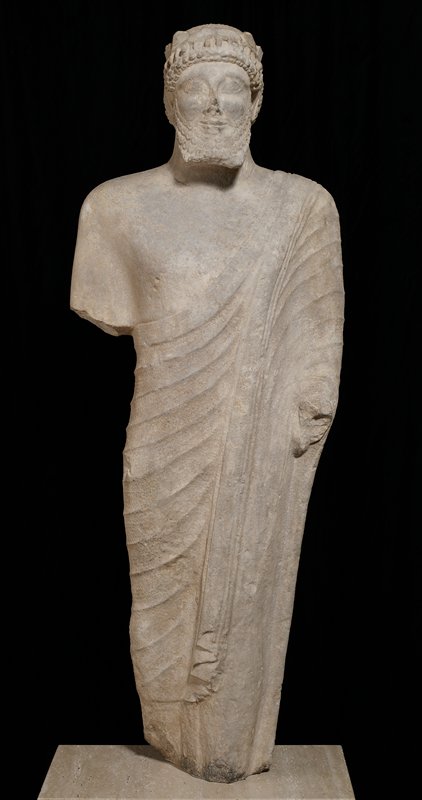
Votary Figure, c. 470 BCE

Votary Figure, c. 470 BCE

Female Figure, c. 2500–2400 BCE

Female Figure, c. 2500–2400 BCE

Cinerary Box with Cover, Roman Empire, 50–100 CE

Roman Empire

Cinerary Box with Cover, 50–100 CE

Roman Matron, Roman Empire, 50–60 CE

Roman Empire

Roman Matron, 50–60 CE