ART WIKI32 963 em exposição
MapaColeçãoArtistasMuseusExposiçõesRevista
Entrar

ART WIKI

Onde está a obra-prima, e a que horas se abre a porta.

Coleções: Art Institute of Chicago, Galeria Nacional de Arte, Galeria Tretiakov, Getty Villa, Harvard Art Museums, Hermitage, Hirshhorn Museum and Sculpture Garden, Instituto de Artes de Minneapolis, Museu de Arte de Cleveland, Museu de Arte Moderna, Museu do Louvre, Museu Estatal de Amesterdão, Museu J. Paul Getty, Museu Metropolitano de Arte, Museu Nacional de Arte da Dinamarca, Museu Pushkin, Museu Russo, Museu Smithsoniano de Arte Americana, Museu Vitória e Alberto, Museu Whitney de Arte Americana, National Museum of Asian Art, National Portrait Gallery, Catálogo Estatal do Fundo Museológico da Rússia (274 museus), Europeana (19 museus), Wikidata (6 museus), Paris Musées (12 museus) e Joconde, a base de museus do Ministério da Cultura de França (495 museus). As imagens pertencem aos titulares dos direitos.

Secções

  • Mapa
  • Pesquisa
  • Coleção
  • Obras-primas
  • Em exposição agora
  • Artistas

Mais

  • Museus e galerias
  • Exposições
  • Revista
  • De onde vêm os dados
  • Privacidade e cookies
InícioMapaCatálogo
  1. Coleção/
  2. Instituto de Artes de Minneapolis/
  3. Roman Matron
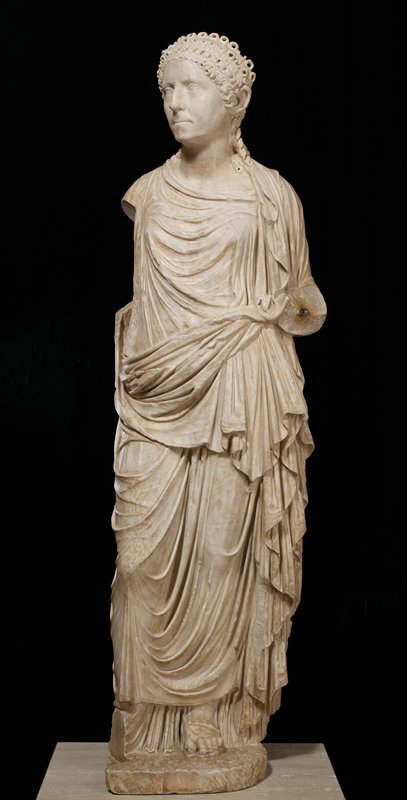
Roman Matron, Roman Empire, 50–60 CE

Roman Matron

50–60 CE · Sculpture · 128.27 × 33.02 cm

Sobre a escultura

Once identified as Agrippina the younger, mother of the emperor Nero, this statue is now thought to represent an unidentified Roman matron. The hairstyle, a feature often used to date ancient Roman female portraits, corresponds to a fashion during Nero's reign (54-68 A.D.) The stark, realistic depiction of the woman's bony and lined face contrasts with the gracefully flowing, deeply carved folds of the clothing, characteristics of late Greek (Hellenistic) sculpture. This subtle combination of realism and idealism was common in portraiture of the Roman Republic and Empire, particularly during the reigns of the Julio-Claudian emperors (27 B.C.-68 A.D.) and of Hadrian (117-138 A.D.).

Instituto de Artes de Minneapolis

Pormenores

Número de inventário
32.16

Mais obras de Roman Empire

Todas as obras

Na mesma sala · G241, Instituto de Artes de Minneapolis

Página do museu
RRoman EmpireSíria

Será possível contemplá-la?

Sim, recebe visitas

Instituto de Artes de Minneapolis

Minneapolis, Estados Unidos

SalaG241

Exposta ao público. Quem o garante vem indicado abaixo.

Verificado
há 3 dias
Neste estado desde
25 de set. de 2026
Fonte
O museu
No mapaPágina do museu

No catálogo

EsculturaMármoreRoma Antiga

Fontes

  • Instituto de Artes de Minneapolis
  • Imagem: Instituto de Artes de Minneapolis — public domain
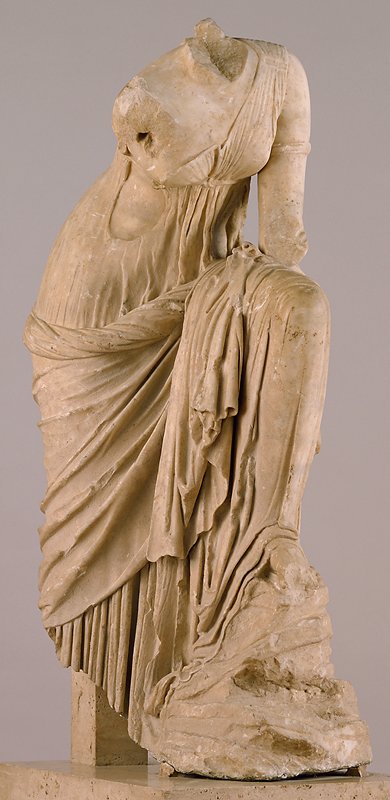
The Tiber Muse, Roman Empire, 2nd–1st century BCE

The Tiber Muse

2nd–1st century BCE · Instituto de Artes de Minneapolis

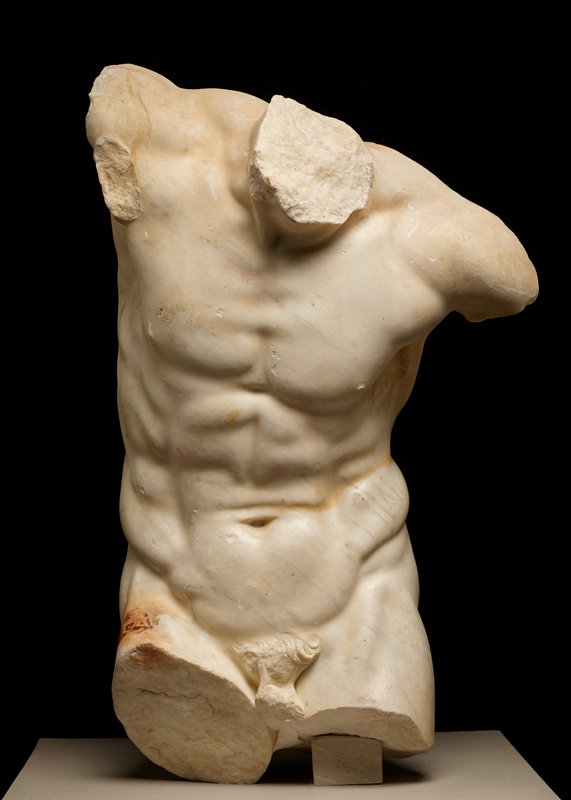
Torso of a Dancing Faun, Roman Empire, 1st century CE

Torso of a Dancing Faun

1st century CE · Instituto de Artes de Minneapolis

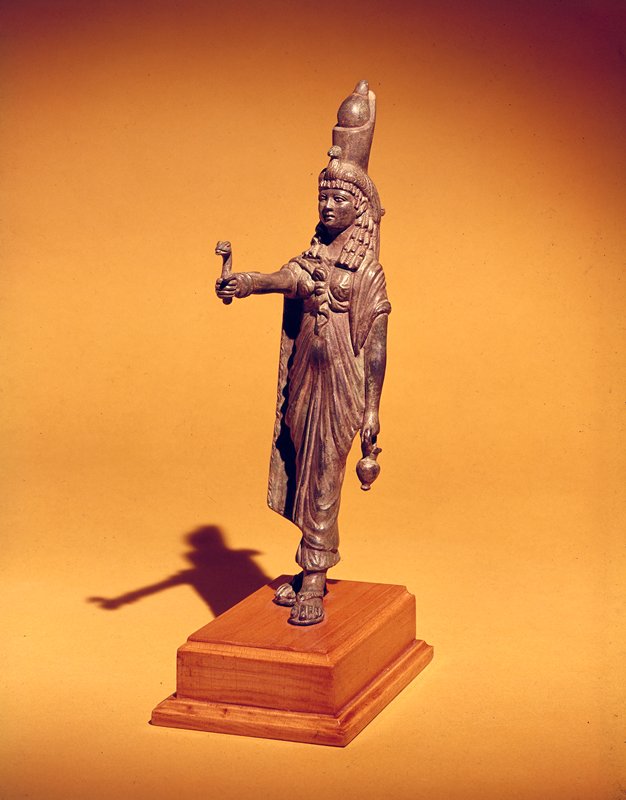
Goddess Isis, Roman Empire, 1st century CE

Goddess Isis

1st century CE · Instituto de Artes de Minneapolis

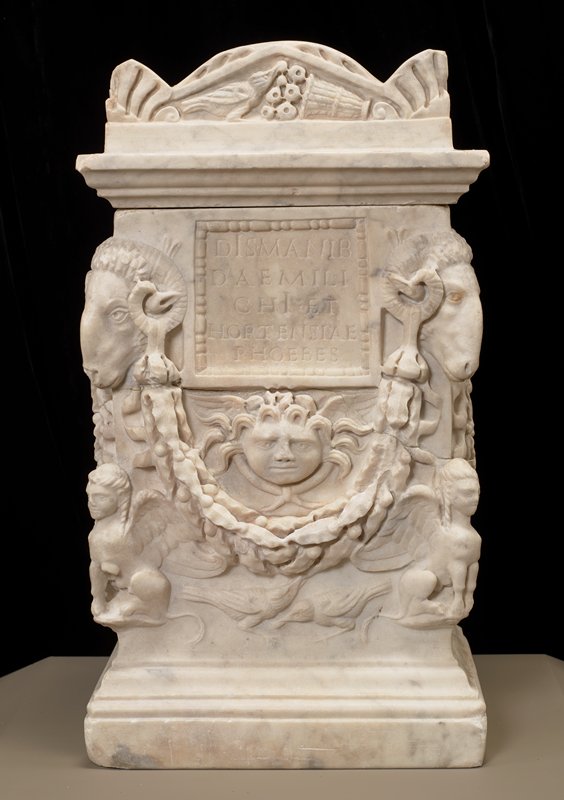
Cinerary Box with Cover, Roman Empire, 50–100 CE

Cinerary Box with Cover

50–100 CE · Instituto de Artes de Minneapolis

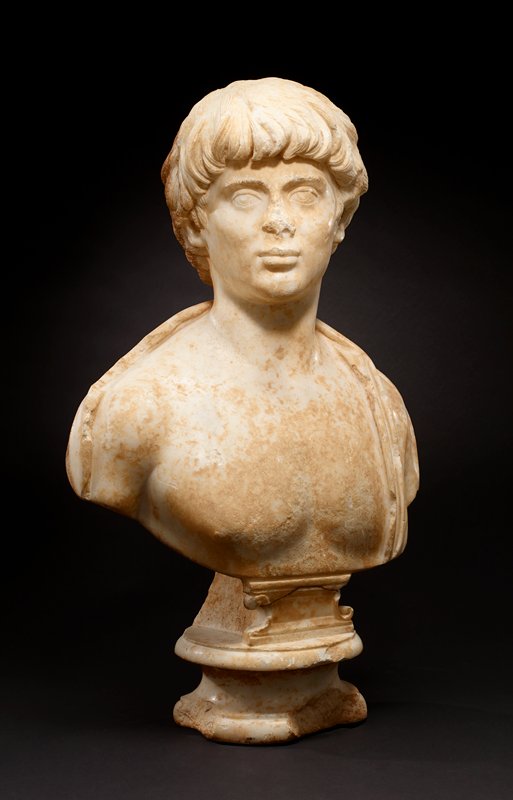
Bust of a Young Man, Probably Polydeukion, Roman Empire, 2nd century

Bust of a Young Man, Probably Polydeukion

2nd century · Instituto de Artes de Minneapolis

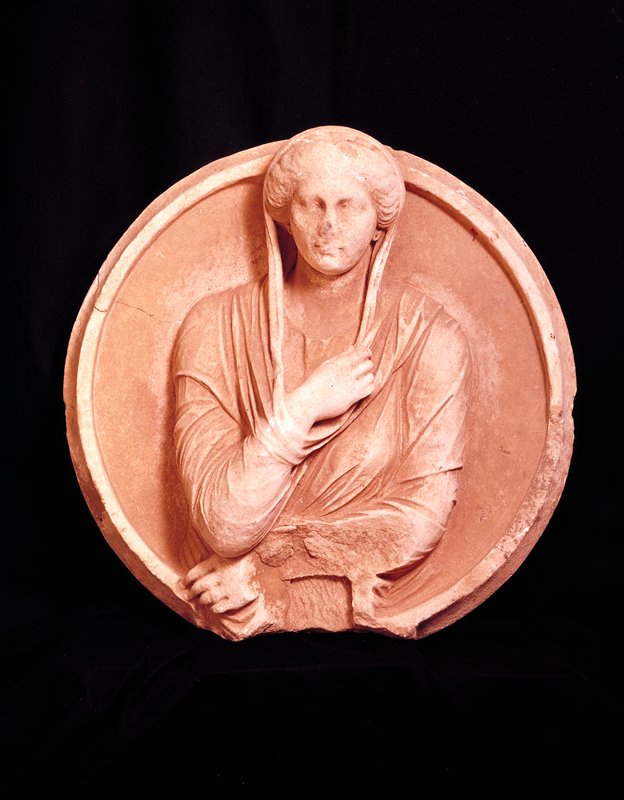
Tondo: Portrait of a Young Noblewoman, Roman Empire, 2nd century

Tondo: Portrait of a Young Noblewoman

2nd century · Não exposta · Instituto de Artes de Minneapolis

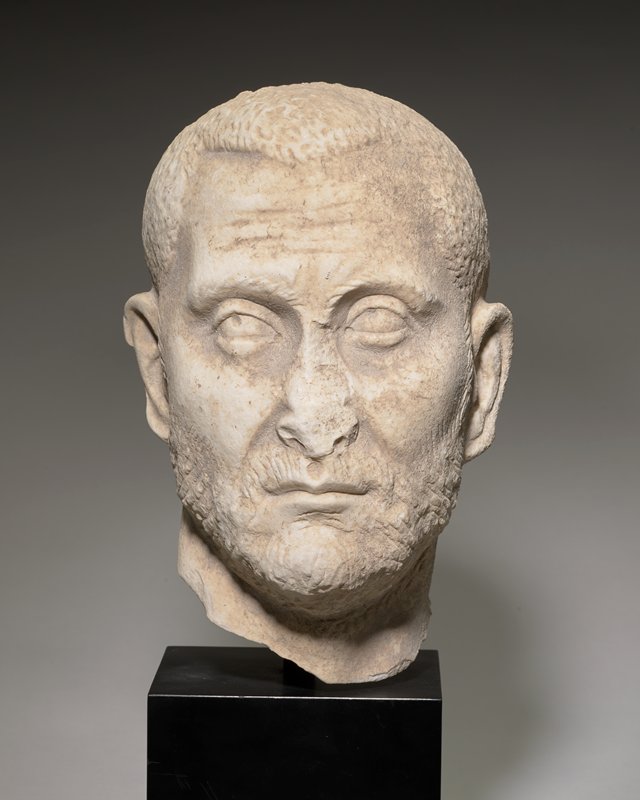
Portrait of a Man, Roman Empire, 252–268

Portrait of a Man

252–268 · Não exposta · Instituto de Artes de Minneapolis

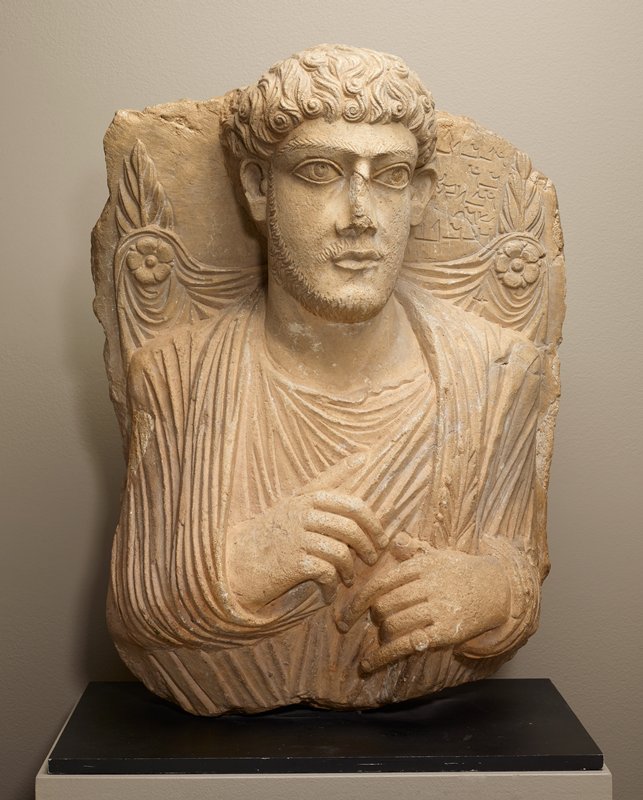
Funerary Relief, Roman Empire, late 2nd century–first half of the 3rd century

Funerary Relief

late 2nd century–first half of the 3rd century · Não exposta · Instituto de Artes de Minneapolis

Torso of a Dancing Faun, Roman Empire, 1st century CE

Roman Empire

Torso of a Dancing Faun, 1st century CE

The Tiber Muse, Roman Empire, 2nd–1st century BCE

Roman Empire

The Tiber Muse, 2nd–1st century BCE

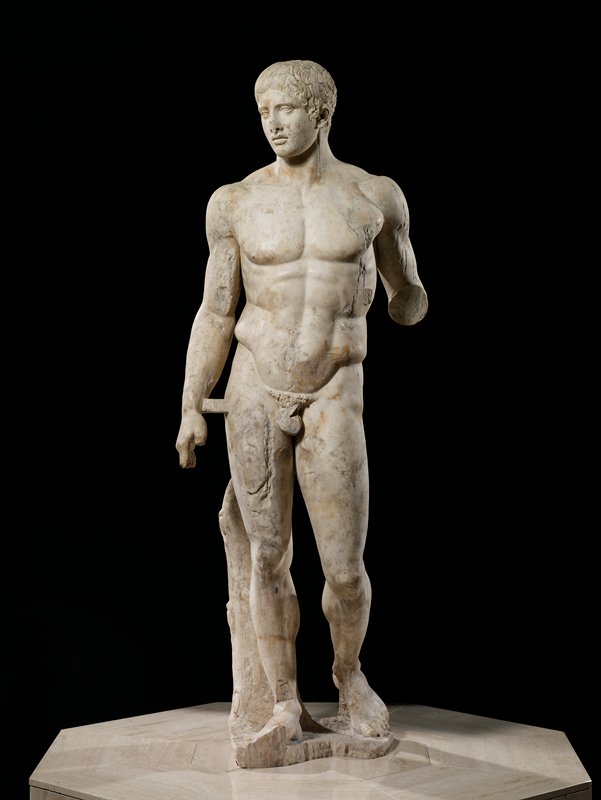
The Doryphoros (after Polykleitos), Copy of work attributed to Polykleitos, 27 BCE–68 CE

Copy of work attributed to Polykleitos

The Doryphoros (after Polykleitos), 27 BCE–68 CE

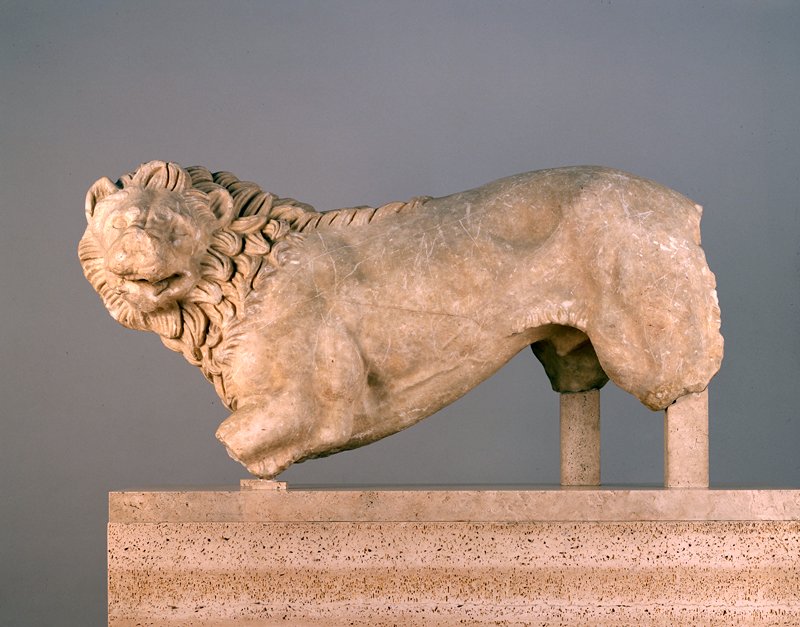
Crouching Lion, 330–317 BCE

Crouching Lion, 330–317 BCE

Cinerary Box with Cover, Roman Empire, 50–100 CE

Roman Empire

Cinerary Box with Cover, 50–100 CE

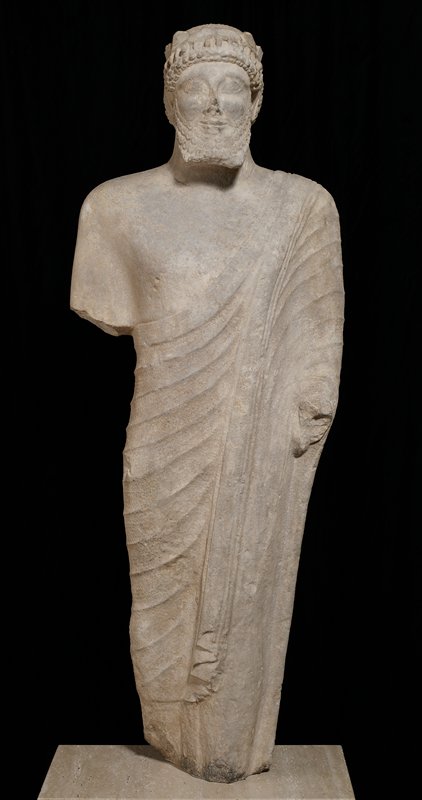
Votary Figure, c. 470 BCE

Votary Figure, c. 470 BCE

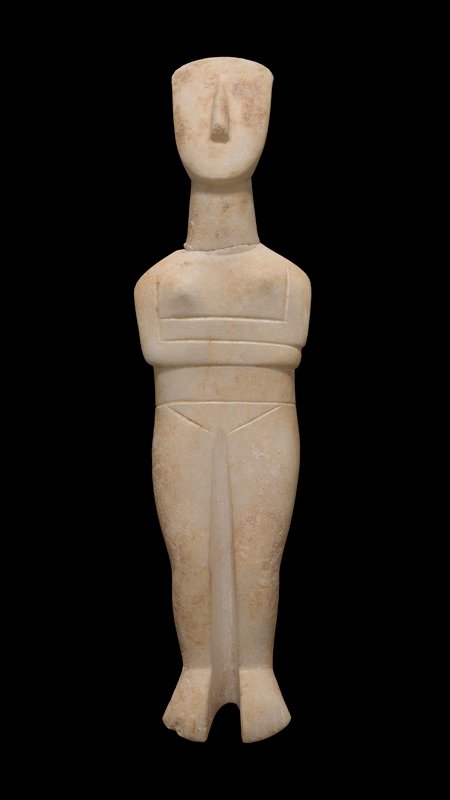
Female Figure, c. 2500–2400 BCE

Female Figure, c. 2500–2400 BCE

Figure of a Lar, 1st century CE

Figure of a Lar, 1st century CE