ART WIKI32.963 in sala
MappaCollezioneArtistiMuseiMostreRivista
Accedi

ART WIKI

Dove è appeso il capolavoro, e quando si può entrare.

Collezioni: Art Institute of Chicago, Cleveland Museum of Art, Ermitage, Galleria Tret'jakov, Getty Museum, Harvard Art Museums, Hirshhorn Museum and Sculpture Garden, Metropolitan Museum of Art, Minneapolis Institute of Art, Museo del Louvre, Museo Puškin delle belle arti, Museo russo, Museum of Modern Art, National Gallery of Art, National Museum of Asian Art, National Portrait Gallery, Rijksmuseum, Smithsonian American Art Museum, Statens Museum for Kunst, Victoria and Albert Museum, Villa Getty, Whitney Museum of American Art, Catalogo statale del fondo museale russo (274 musei), Europeana (19 musei), Wikidata (6 musei), Paris Musées (12 musei) e Joconde, la banca dati dei musei del Ministero della Cultura francese (495 musei). Le immagini appartengono ai titolari dei diritti.

Sezioni

  • Mappa
  • Ricerca
  • Collezione
  • Capolavori
  • Esposte ora
  • Artisti

Altro

  • Musei e gallerie
  • Mostre
  • Rivista
  • Da dove vengono i dati
  • Privacy e cookie
HomeMappaCatalogo
  1. Collezione/
  2. National Gallery of Art/
  3. Illustration for Canto IV
Illustration for Canto IV, William Sharp after Thomas Stothard, published 1788
William Blake, ritrattoWilliam BlakeRegno Unito, 1757–1827

Illustration for Canto IV

published 1788 · Print

Si può ammirare?

Al momento non riceve

National Gallery of Art

Washington, Stati Uniti

Appartiene alla collezione, ma al momento non è esposta.

Verificato
3 giorni fa
Ultimo cambio di stato
19 ago 2026
Fonte
Il museo
Sulla mappaPagina del museo

Scheda

published 1788 · a 31 anni
17571827
Numero di inventario
1983.103.2.d

Che cosa raffigura

Literary and theatrical themesHayley, William

In catalogo

StampeAcquaforteNeoclassicismoXVIII secoloBritish

Fonti

  • National Gallery of Art
  • Immagine: National Gallery of Art — Museum open access

Nel frattempo, nella vita di William Blake

Tutta la vita
  1. 1780–1808

    Exhibits six times at the Royal Academy

    Despite his antagonism towards Reynolds, Blake submitted works to the Royal Academy on six occasions between 1780 and 1808.

  2. 1785–1791 · Residenza

    Poland Street

  3. 1788

    Invents relief etching

    In 1788, aged 31, Blake invented relief etching, or “illuminated printing”: text and designs are drawn on a copper plate in acid-resistant ink and etched so that the protected areas stand in relief, and the printed pages are coloured by hand in watercolours. He used it for most of his well-known works, including “Songs of Innocence and of Experience”, “The Book of Thel”, “The Marriage of Heaven and Hell” and “Jerusalem”.
Altre opere di William Blake

Tutte le opere
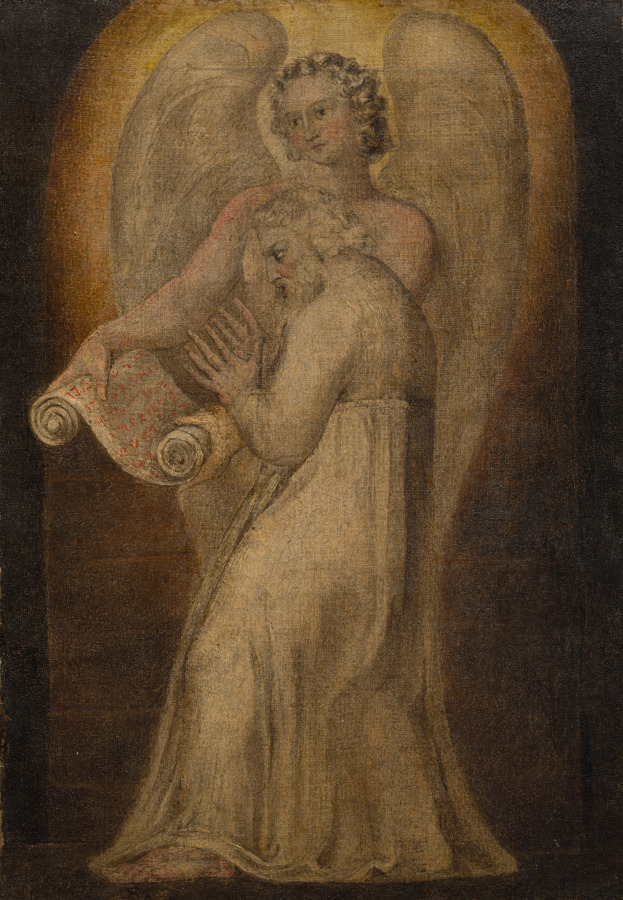
St. Matthew, William Blake, 1799

St. Matthew

1799 · Cleveland Museum of Art

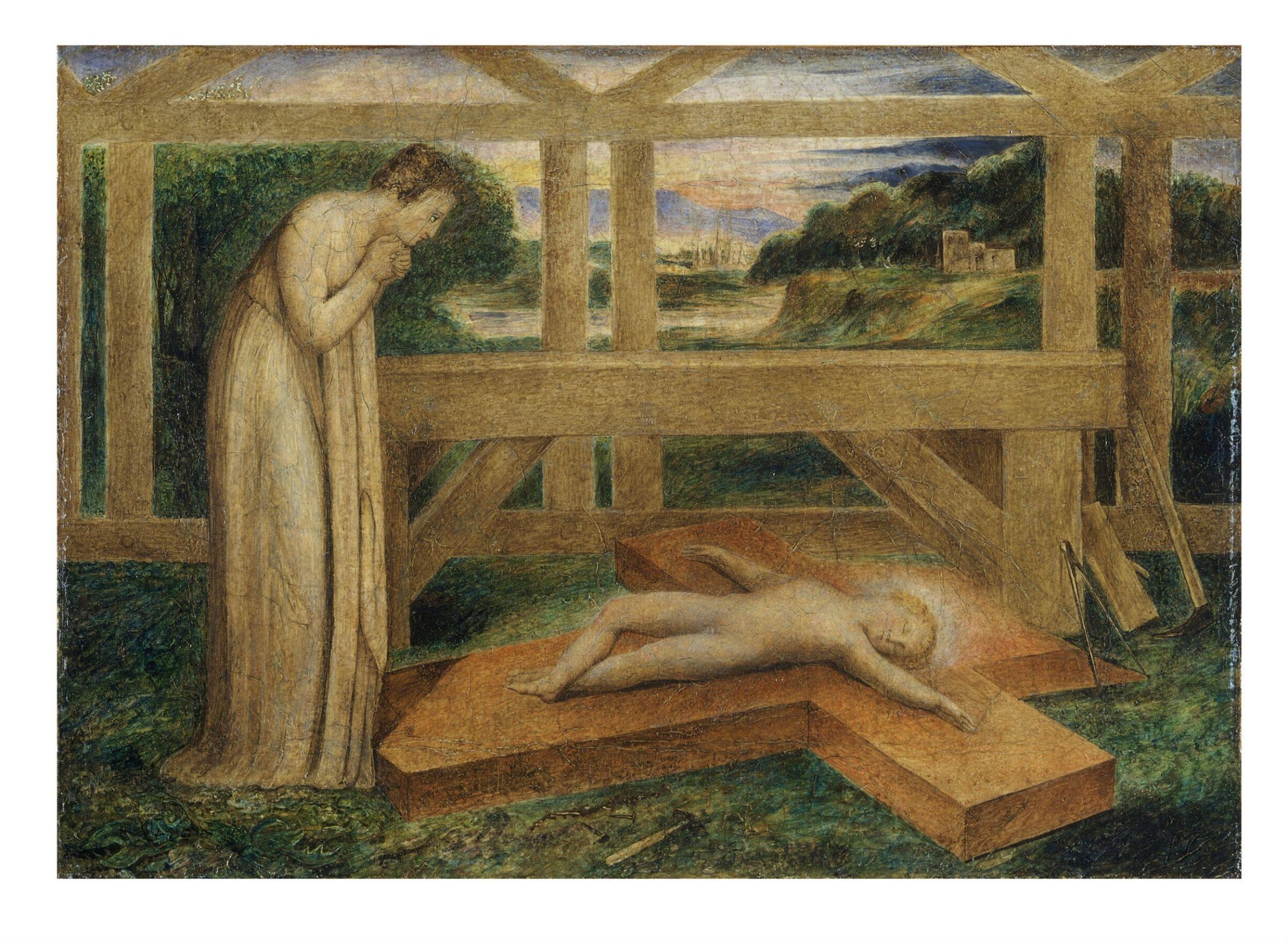
The Christ Child Asleep on the Cross, William Blake, 1799-1800

The Christ Child Asleep on the Cross

1799-1800 · Victoria and Albert Museum

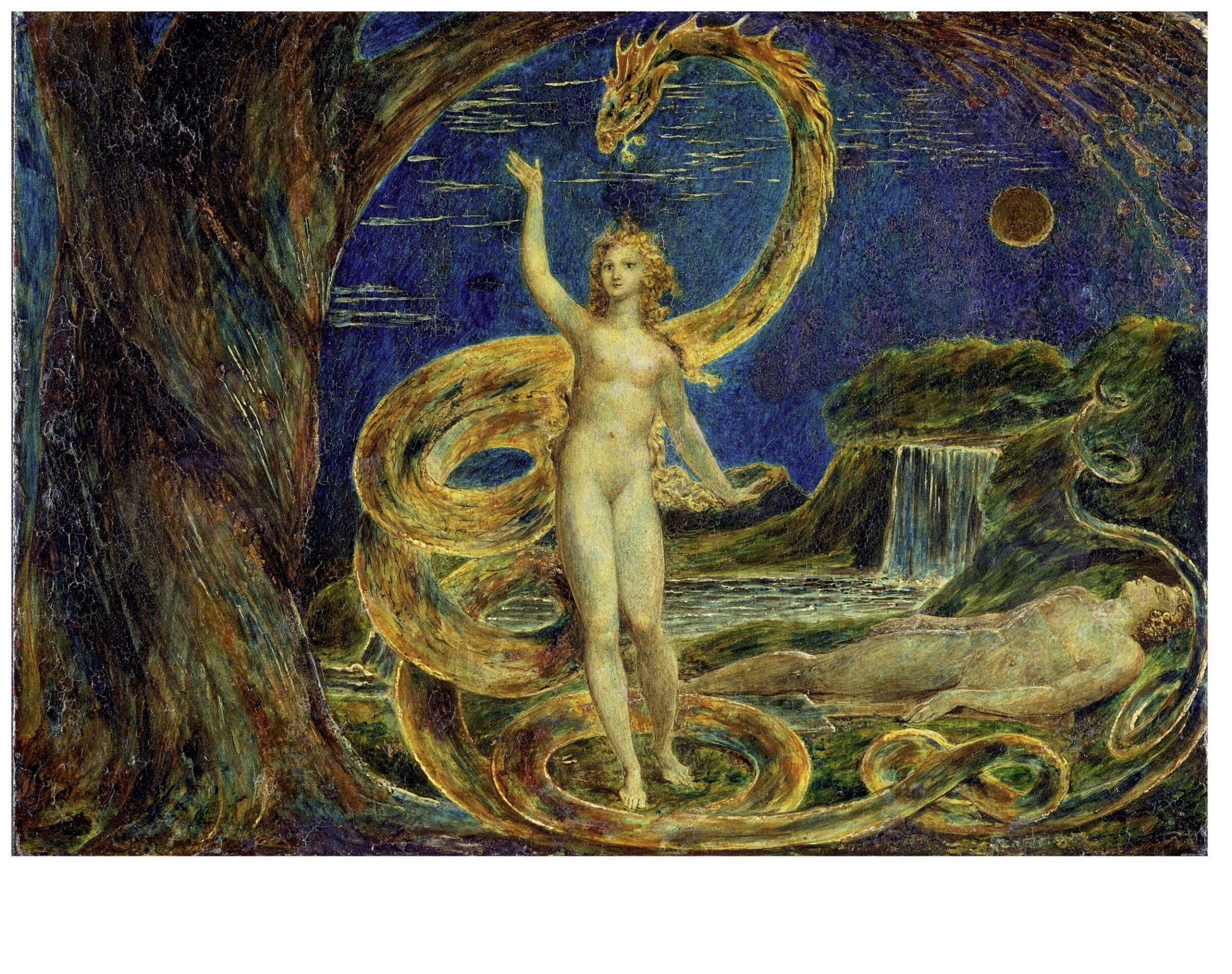
Eve Tempted by the Serpent, William Blake, 1799-1800

Eve Tempted by the Serpent

1799-1800 · Victoria and Albert Museum

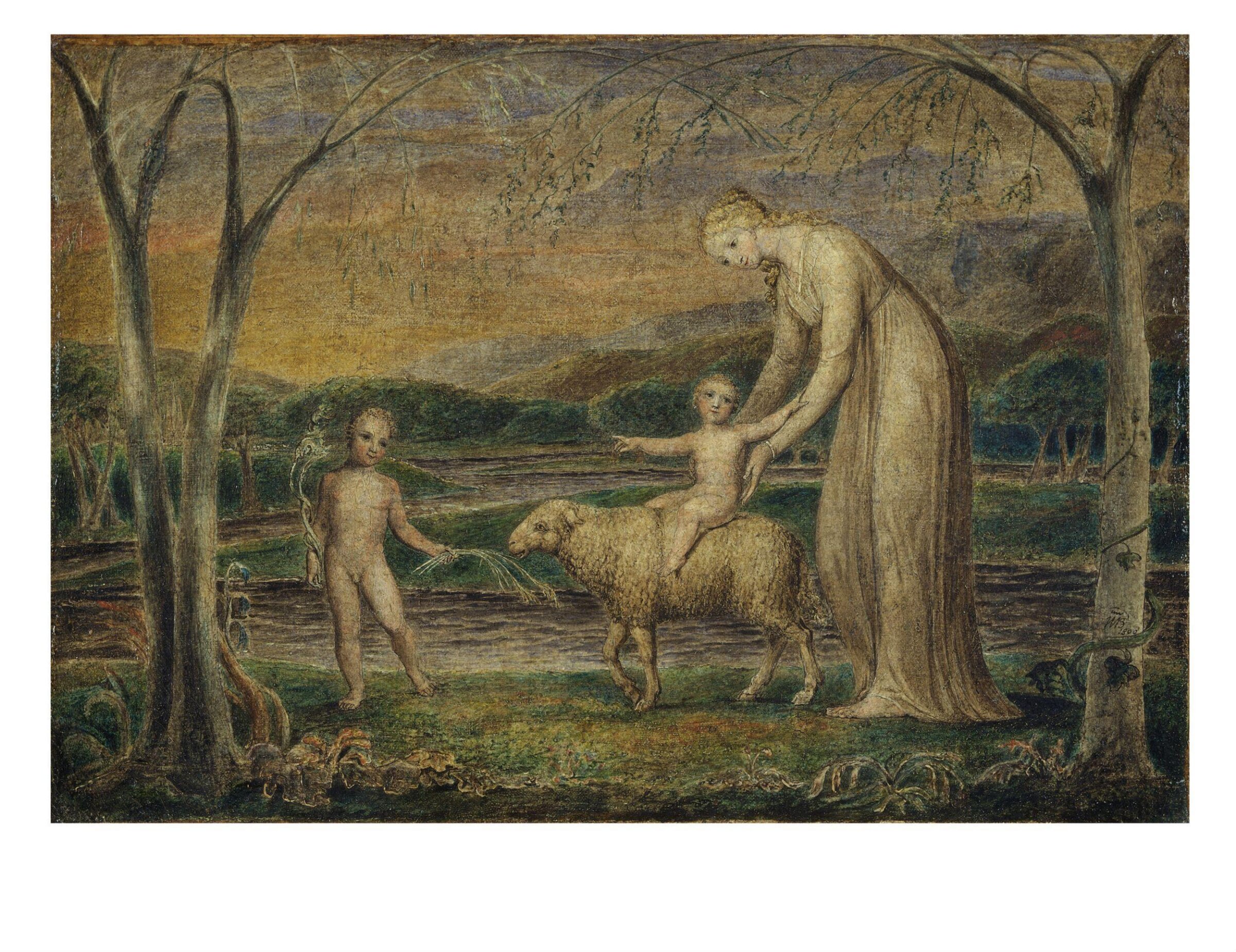
Our Lady with the Infant Jesus Riding on a Lamb with St John, William Blake, 1800

Our Lady with the Infant Jesus Riding on a Lamb with St John

1800 · Victoria and Albert Museum

War, William Blake, 1805

War

1805 · Harvard Art Museums

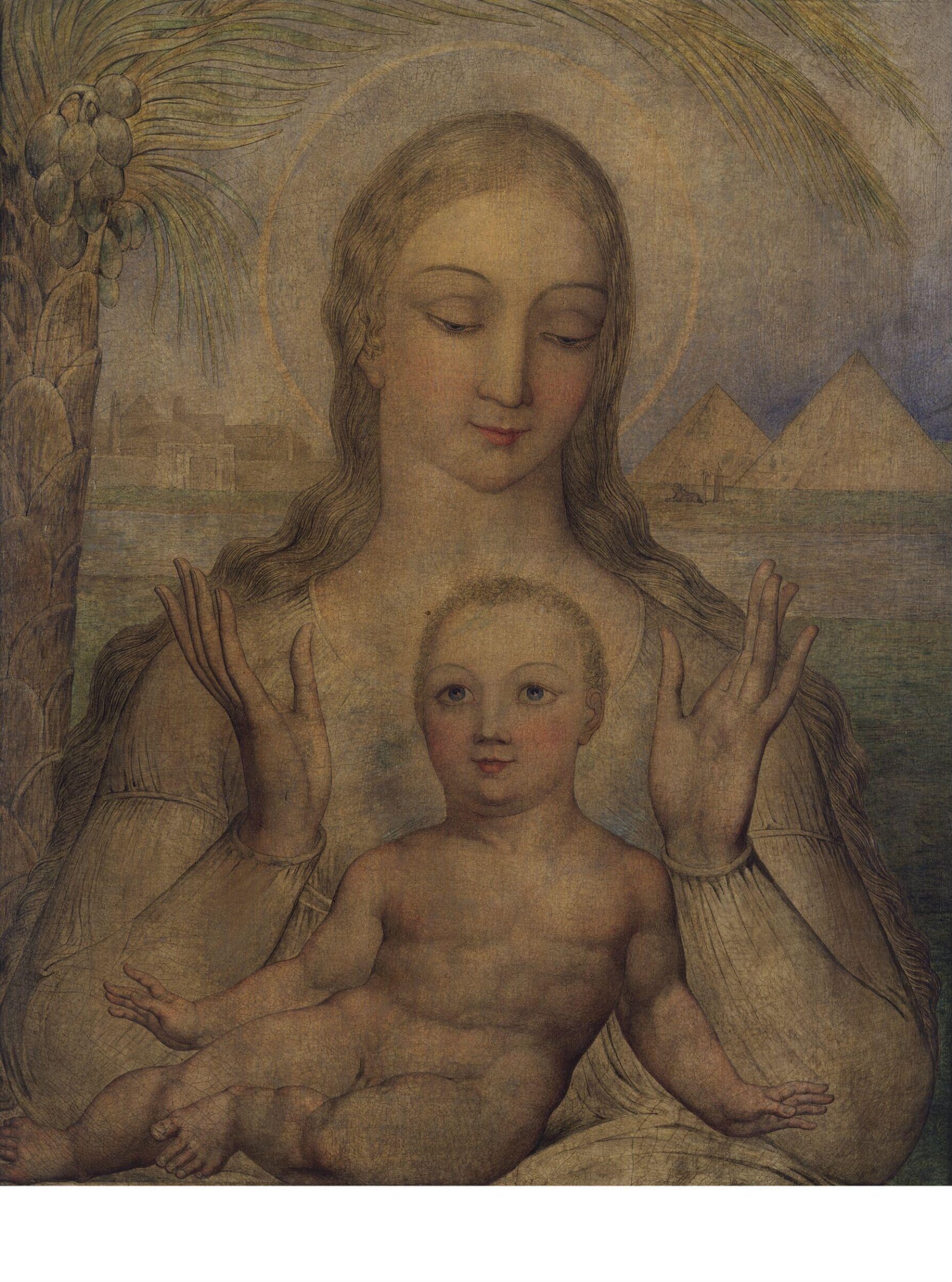
The Virgin and Child in Egypt, William Blake, 1810

The Virgin and Child in Egypt

1810 · Victoria and Albert Museum

Christ Blessing, William Blake, c. 1810

Christ Blessing

c. 1810 · Harvard Art Museums

The Circle of the Corrupt Officials; the Devils Tormenting Ciampolo, William Blake, 1827, printed 1968

The Circle of the Corrupt Officials; the Devils Tormenting Ciampolo

1827, printed 1968 · Non esposta · National Gallery of Art

Sotto lo stesso tetto: National Gallery of Art

Pagina del museo
Ginevra de' Benci [obverse], Leonardo da Vinci, c. 1474/1478

Leonardo da Vinci

Ritratto di Ginevra de' Benci, c. 1474/1478

Wreath of Laurel, Palm, and Juniper with a Scroll inscribed Virtutem Forma Decorat [reverse], Leonardo da Vinci, c. 1474/1478

Leonardo da Vinci

Wreath of Laurel, Palm, and Juniper with a Scroll inscribed Virtutem Forma Decorat [reverse], c. 1474/1478

Green Wheat Fields, Auvers, Vincent van Gogh, 1890

Vincent van Gogh

Green Wheat Fields, Auvers, 1890

Girl in White, Vincent van Gogh, 1890

Vincent van Gogh

Girl in White, 1890

Roses, Vincent van Gogh, 1890

Vincent van Gogh

Roses, 1890

Self-Portrait, Vincent van Gogh, 1889

Vincent van Gogh

Self-Portrait, 1889

Farmhouse in Provence, Vincent van Gogh, 1888

Vincent van Gogh

Farmhouse in Provence, 1888

La Mousmé, Vincent van Gogh, 1888

Vincent van Gogh

La Mousmé seduta, 1888

Sullo stesso tema · Literary and theatrical themes

Tutte le opere sul tema
Pierrot and Harlequin, After Pablo Picasso, 1920

Pablo Picasso

Pierrot and Harlequin, 1920

Non esposta · National Gallery of Art

Canto III, Verse 201, William Blake after Mary Ann Flaxman, 1803

William Blake

Canto III, Verse 201, 1803

Non esposta · National Gallery of Art

Time's Triple Bow [recto], William Blake, c. 1804/1807

William Blake

Time's Triple Bow [recto], c. 1804/1807

Non esposta · National Gallery of Art

Illustration for Canto V, James Neagle after Thomas Stothard, published 1788

William Blake

Illustration for Canto V, published 1788

Non esposta · National Gallery of Art

Christian with the Shield of Faith, Taking Leave of His Companions, William Blake, 1824-1827

William Blake

Christian with the Shield of Faith, Taking Leave of His Companions, 1824-1827

Non esposta · National Gallery of Art

A Man Seen from Behind, Rising on Clouds, William Blake, probably c. 1794

William Blake

A Man Seen from Behind, Rising on Clouds, probably c. 1794

Non esposta · National Gallery of Art

An Ascending Spiral of Figures [recto], William Blake, probably c. 1820

William Blake

An Ascending Spiral of Figures [recto], probably c. 1820

Non esposta · National Gallery of Art

Canto I, William Sharp after Thomas Stothard, 1787-1788

William Blake

Canto I, 1787-1788

Non esposta · National Gallery of Art