 William BlakeRegno Unito, 1757–1827
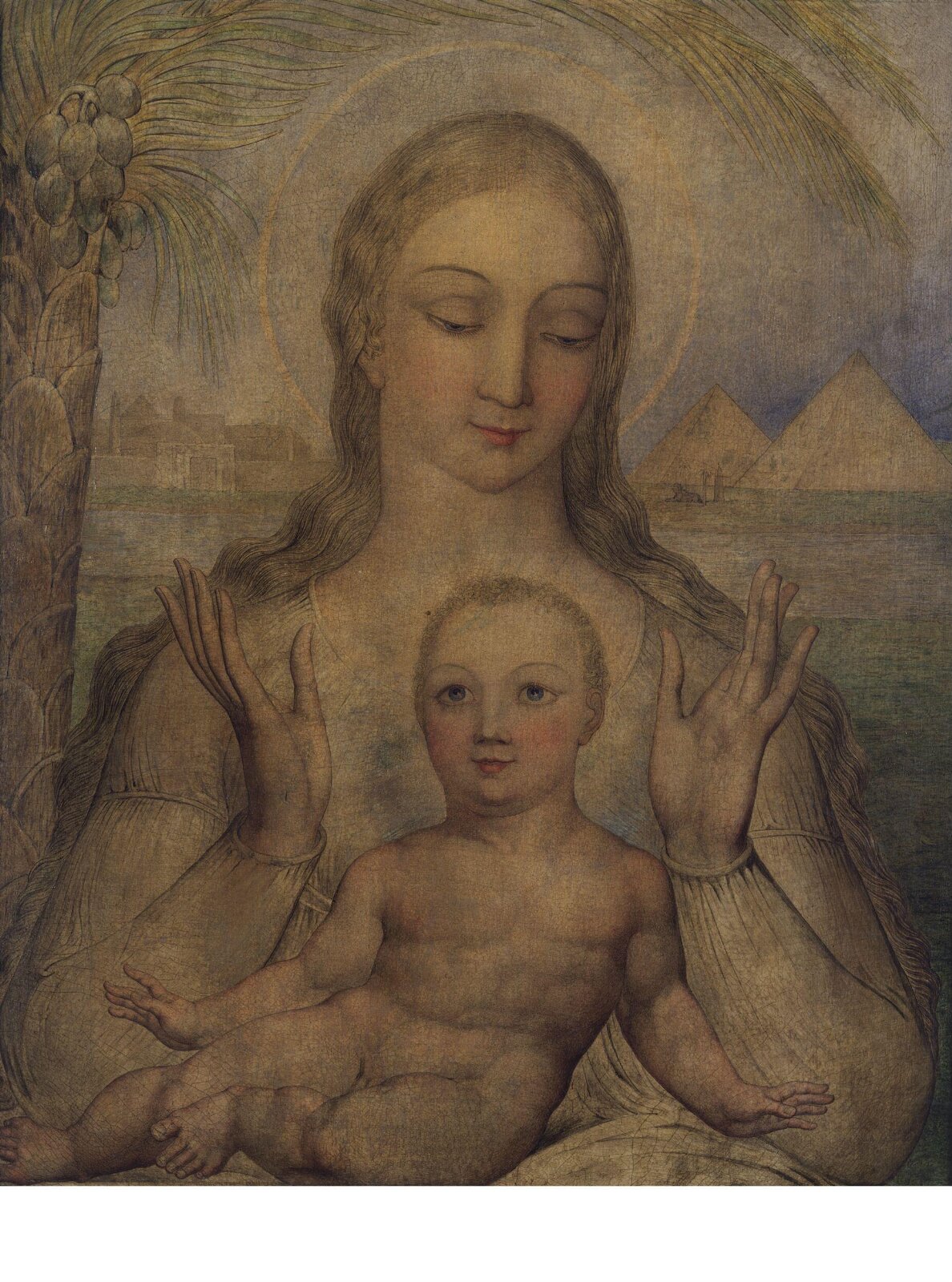
The Virgin and Child in Egypt
Si può vedere?
Sì, esposta ora
Dove si trova «The Virgin and Child in Egypt» oggi? Victoria and Albert Museum, Paintings, Room 82, The Edwin and Susan Davies Galleries, Londra. Sì, esposta ora. Verificato 25 settembre 2026.

Londra, Regno Unito
SalaPaintings, Room 82, The Edwin and Susan Davies Galleries
Esposta al pubblico.
- Verificato
- Ultimo cambio di stato
- Fonte
- Il museo
Sul dipinto
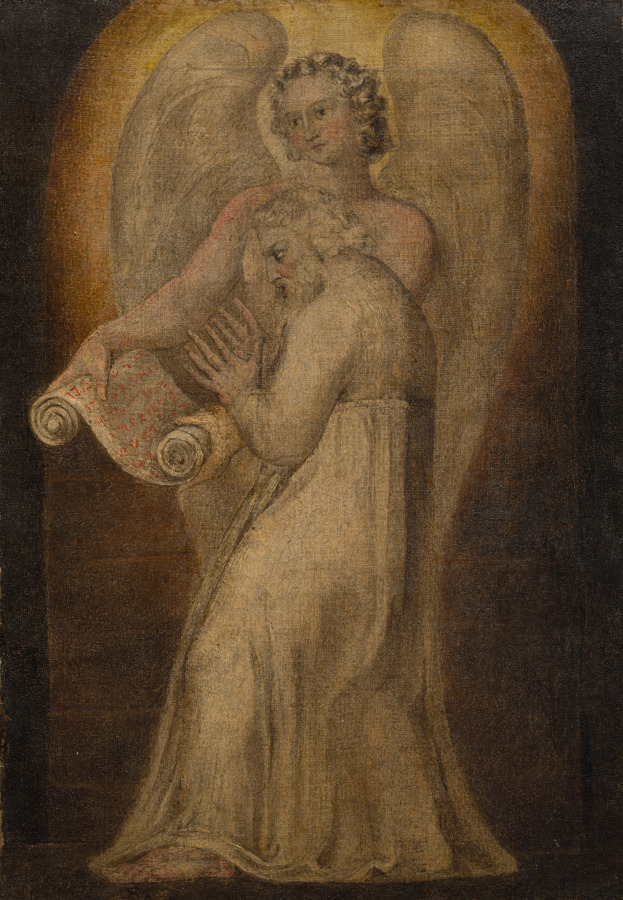
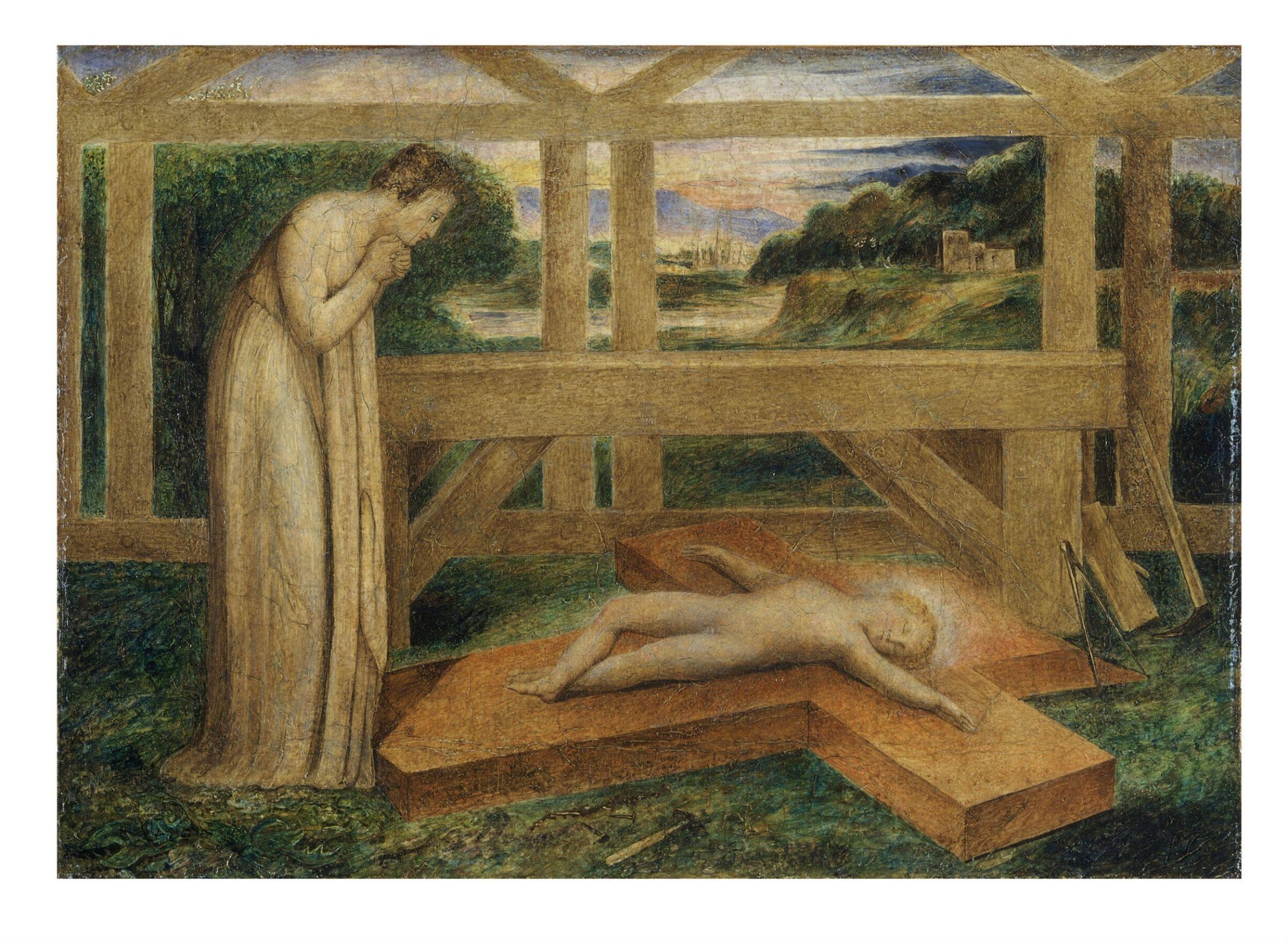
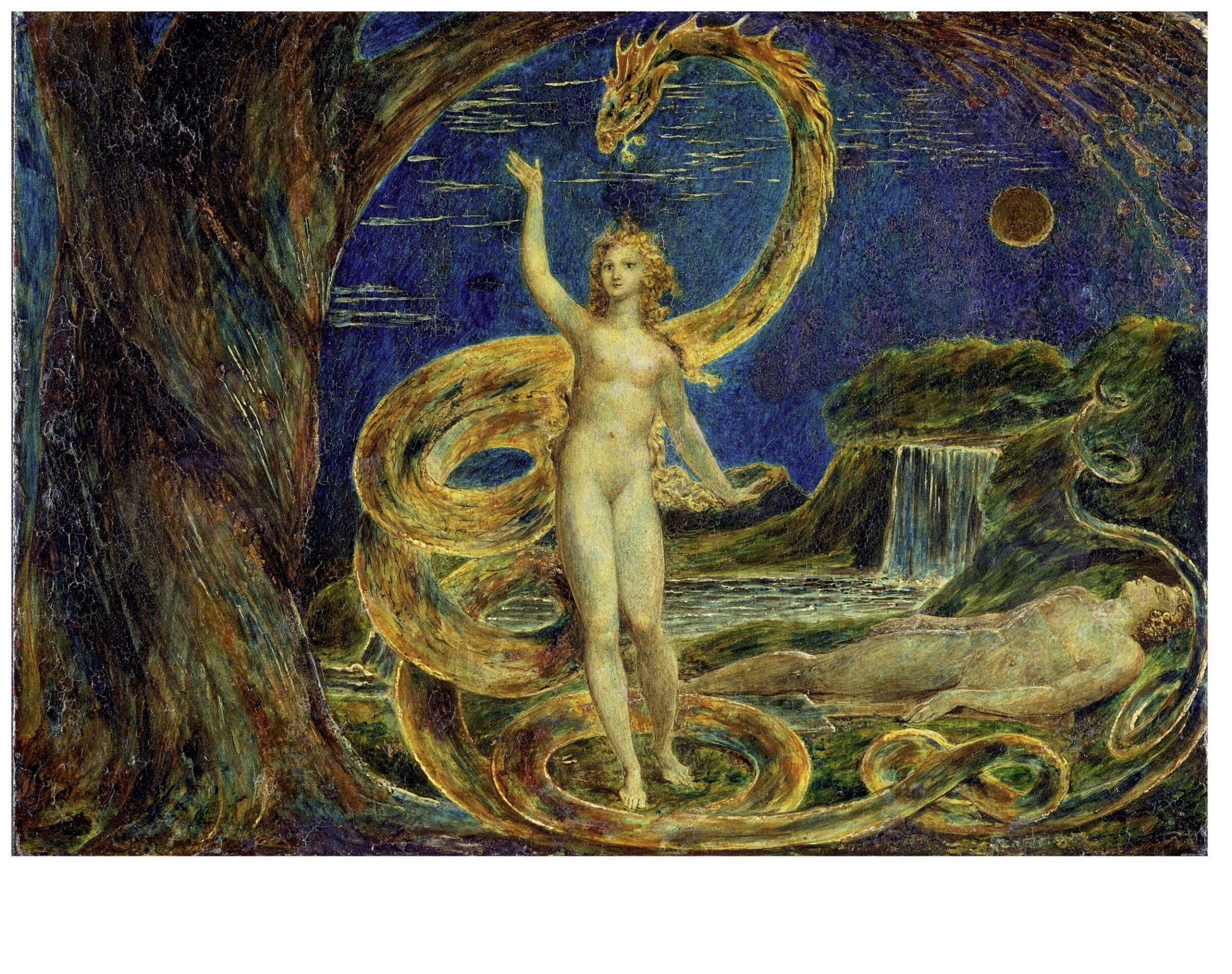
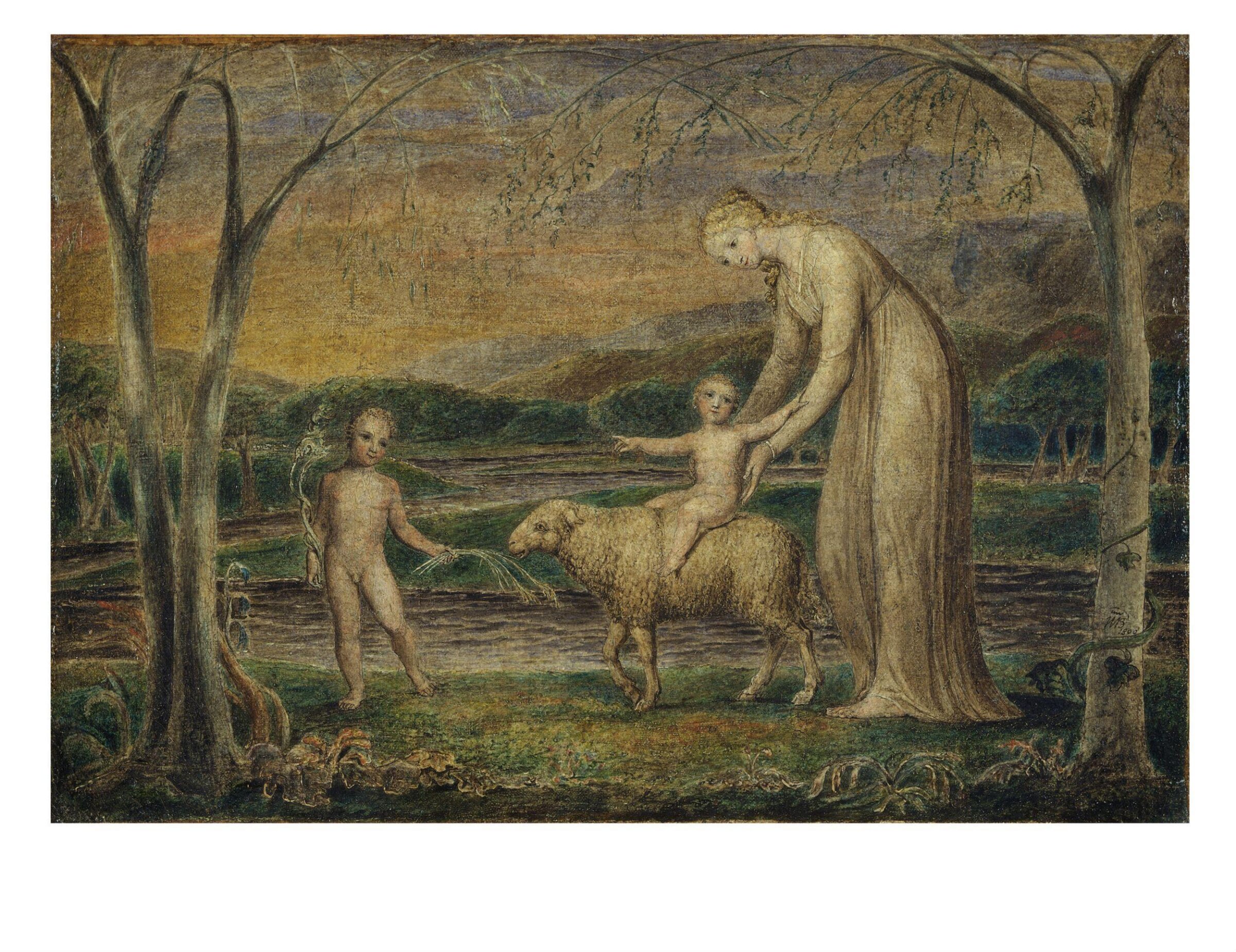
This is one of four similar paintings that Blake made for his faithful patron Thomas Butts. The others depict Adam, Eve and Christ. As a group, they show the fall and redemption of mankind. Here Blake depicted the Virgin Mary and Jesus in an Egypt of the artist's imagination, under the palm tree where they are said to have sheltered. The Pyramids are in the distance, and the Nile and walls of Cairo in the background.
Victoria and Albert Museum
Scheda
- Numero di inventario
- P.25-1953
Che cosa raffigura
In catalogo
Fonti
- Victoria and Albert Museum
- Immagine: Victoria and Albert Museum — © Victoria and Albert Museum, London
Nella vita di William Blake
Tutta la vita1780–1808
Exhibits six times at the Royal Academy
Despite his antagonism towards Reynolds, Blake submitted works to the Royal Academy on six occasions between 1780 and 1808.
ottobre 1803 – 1820 · Residenza
South Molton Street
c. 1808
Polemical annotations to Reynolds's “Discourses”
Around 1808 Blake gave vigorous expression to his views on art in an extensive series of polemical annotations to Sir Joshua Reynolds's “Discourses”, denouncing the Royal Academy as a fraud and proclaiming that to generalise is to be an idiot.
1809
An exhibition in his brother's shop: nothing sold
Blake set up an independent exhibition in his brother's haberdashery shop at 27 Broad Street in Soho to market his version of “The Canterbury Pilgrims” along with other works. It was very poorly attended, sold none of the temperas or watercolours, and its only review, in The Examiner, was hostile.
1809
The “Descriptive Catalogue”: an analysis of Chaucer
For the exhibition Blake wrote his “Descriptive Catalogue” (1809), which contains what Anthony Blunt called a “brilliant analysis” of Chaucer and is regularly anthologised as a classic of Chaucer criticism; it also contains detailed explanations of his other paintings.