ART WIKI32.963 in sala
MappaCollezioneArtistiMuseiMostreRivista
Accedi

ART WIKI

Dove è appeso il capolavoro, e quando si può entrare.

Collezioni: Art Institute of Chicago, Cleveland Museum of Art, Ermitage, Galleria Tret'jakov, Getty Museum, Harvard Art Museums, Hirshhorn Museum and Sculpture Garden, Metropolitan Museum of Art, Minneapolis Institute of Art, Museo del Louvre, Museo Puškin delle belle arti, Museo russo, Museum of Modern Art, National Gallery of Art, National Museum of Asian Art, National Portrait Gallery, Rijksmuseum, Smithsonian American Art Museum, Statens Museum for Kunst, Victoria and Albert Museum, Villa Getty, Whitney Museum of American Art, Catalogo statale del fondo museale russo (274 musei), Europeana (19 musei), Wikidata (6 musei), Paris Musées (12 musei) e Joconde, la banca dati dei musei del Ministero della Cultura francese (495 musei). Le immagini appartengono ai titolari dei diritti.

Sezioni

  • Mappa
  • Ricerca
  • Collezione
  • Capolavori
  • Esposte ora
  • Artisti

Altro

  • Musei e gallerie
  • Mostre
  • Rivista
  • Da dove vengono i dati
  • Privacy e cookie
HomeMappaCatalogo
  1. Collezione/
  2. Minneapolis Institute of Art/
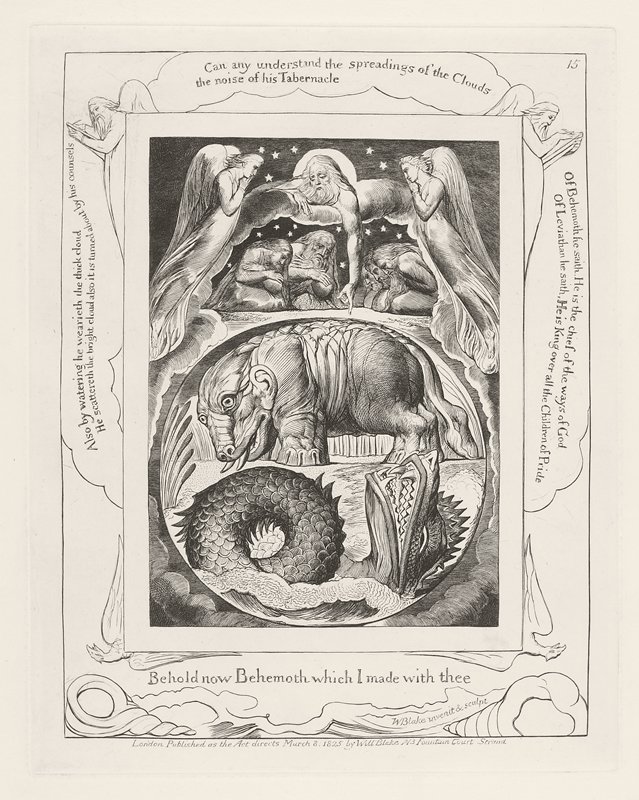
  3. Behold now Behemoth which I made with thee
Behold now Behemoth which I made with thee, William Blake, 1825
William Blake, ritrattoWilliam BlakeRegno Unito, 1757–1827

Behold now Behemoth which I made with thee

1825 · Print · 21.59 × 16.83 cm

Si può ammirare?

Al momento non riceve

Minneapolis Institute of Art

Minneapolis, Stati Uniti

Appartiene alla collezione, ma al momento non è esposta.

Verificato
3 giorni fa
Ultimo cambio di stato
25 set 2026
Fonte
Il museo
Sulla mappaPagina del museo

Sull’opera

Here, God explains the mystery of the incessant warfare in the human world. He reaches down through the cloud-barrier with his left hand to indicate Behemoth and Leviathan. These two creatures exist in man himself; God proclaims to Job Behold now Behemoth which I made with thee. (Job xl: 15-24; lxi: 1-34). The cloud-barrier of Job's world includes the sphere in which they exist; it is a picture of the subconscious, the unredeemed portion of psyche, which the bulrushes identify as Egypt-the unredeemed portion of mankind. These are the terrible forces within man, against which he seems helpless: the War by Sea enormous and the War by Land astounding, erecting pillars in the deepest Hell to reach the heavenly arches (Blake, Jerusalem, 91: 39-42). They also function as a means of God's providence.

Continua a leggere

Behemoth is the chief ways of God: warfare of the spirit is one of the chief joys of Eternity, though when materialized on earth it is rendered deadly (Milton 34: 50-52; 35: 2-3). Leviathan is King over all the Children of Pride-that is, over all unredeemed mankind. His name means coiled, and therefore he is depicted as having a huge spiral, representing the everlasting repetitions in the round of nature.

At the upper corners, angels write the laws of the universe; at the lower corners are the eagles which Urizen sends forth in his work of creation (The Four Zoas ii: 150). Below are the emptied shells of the mortal bodies which are grown by man's spirit and then abandoned on the margin of the Sea of Time and Space.

Minneapolis Institute of Art

Scheda

1825 · a 68 anni
17571827
Numero di inventario
P.5, 877

In catalogo

StampeBulinoNeoclassicismoRomanticismoXIX secoloInghilterra

Fonti

  • Minneapolis Institute of Art
  • Immagine: Minneapolis Institute of Art — public domain

Nel frattempo, nella vita di William Blake

Tutta la vita
  1. by the time of death (1827)

    Fewer than thirty copies of the “Songs” sold

    At the time of his death Blake had sold fewer than 30 copies of “Songs of Innocence and of Experience”: he was largely unrecognised during his life.

  2. 12 August 1827

    His last day: a portrait of Catherine and hymns

    On 12 August 1827 Blake worked relentlessly on his Dante series until the end; then, it is reported, he asked his weeping wife to stay as she was and drew her portrait (“you have ever been an angel to me”; the portrait is lost), began to sing hymns and verses, and at six that evening, after promising her that he would be with her always, died.

  3. 12 agosto 1827

    Died

Altre opere di William Blake

Tutte le opere
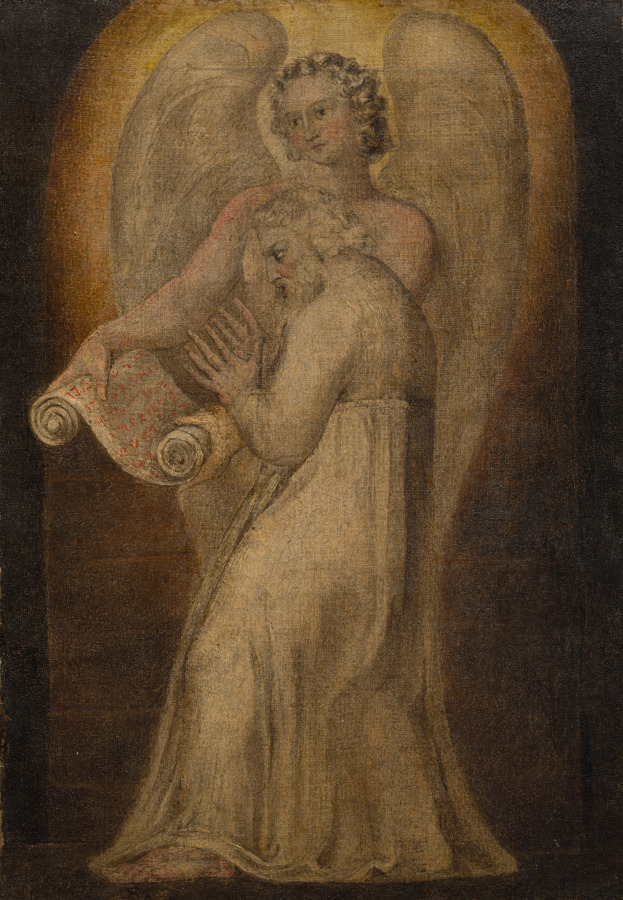
St. Matthew, William Blake, 1799

St. Matthew

1799 · Cleveland Museum of Art

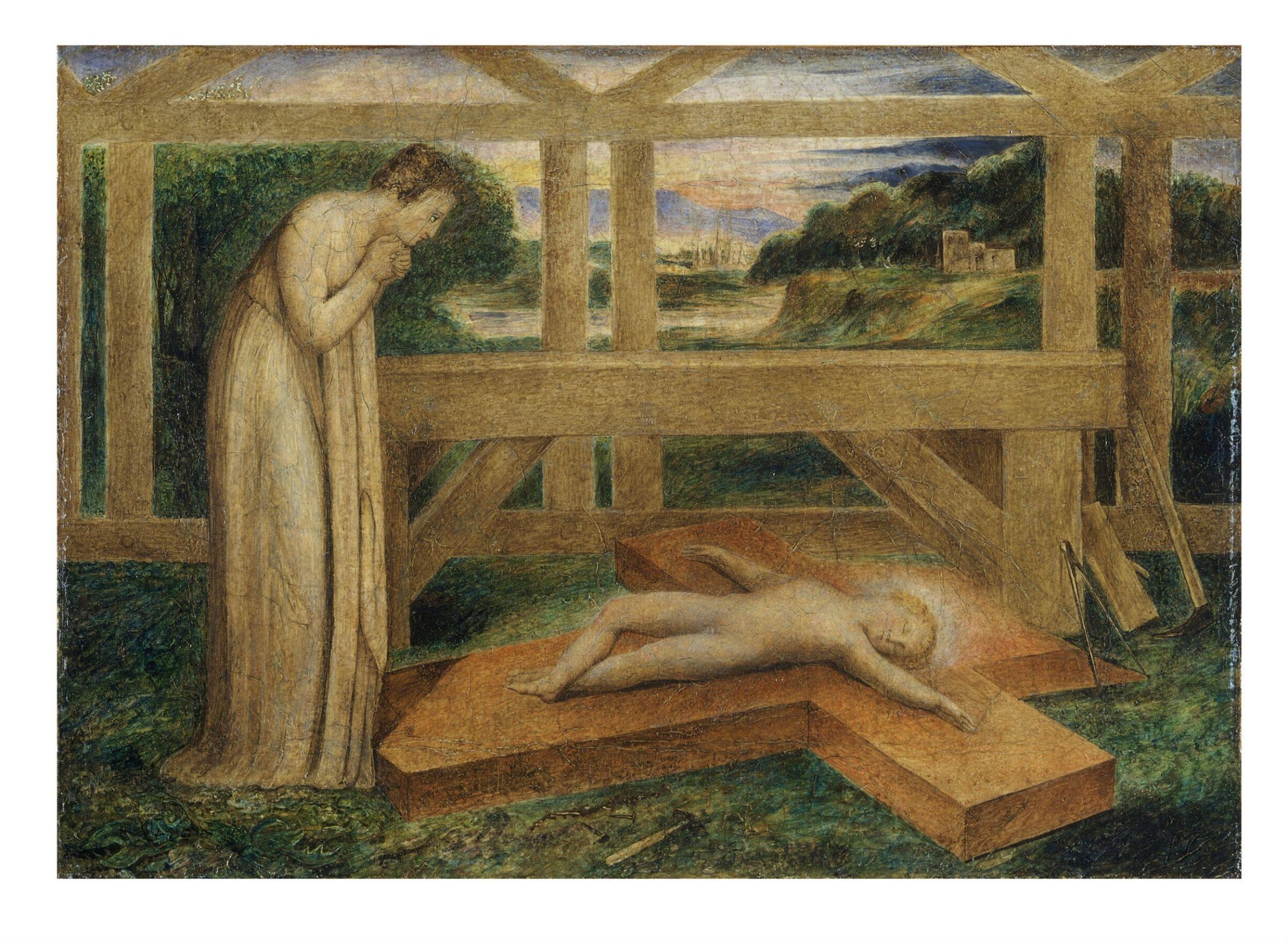
The Christ Child Asleep on the Cross, William Blake, 1799-1800

The Christ Child Asleep on the Cross

1799-1800 · Victoria and Albert Museum

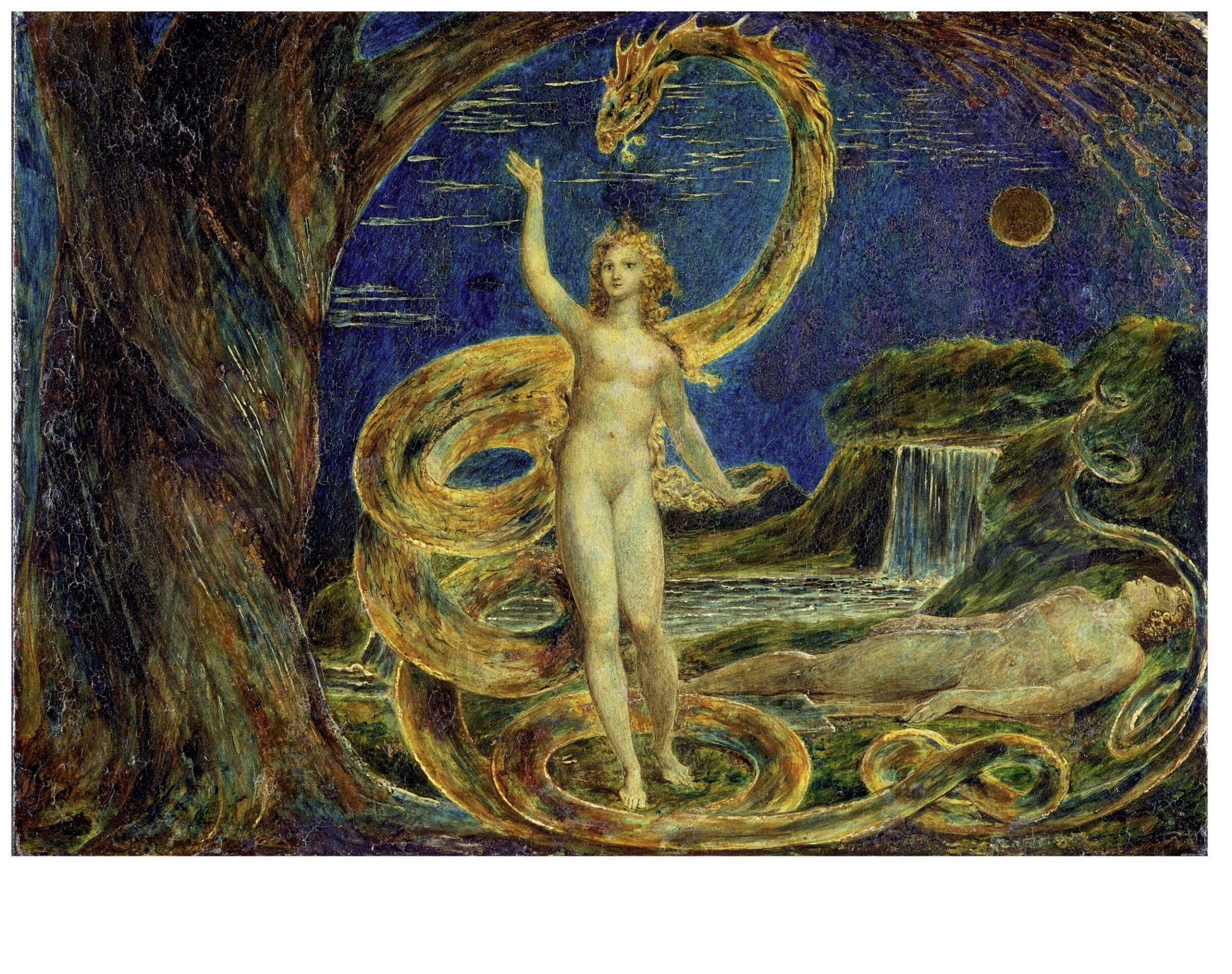
Eve Tempted by the Serpent, William Blake, 1799-1800

Eve Tempted by the Serpent

1799-1800 · Victoria and Albert Museum

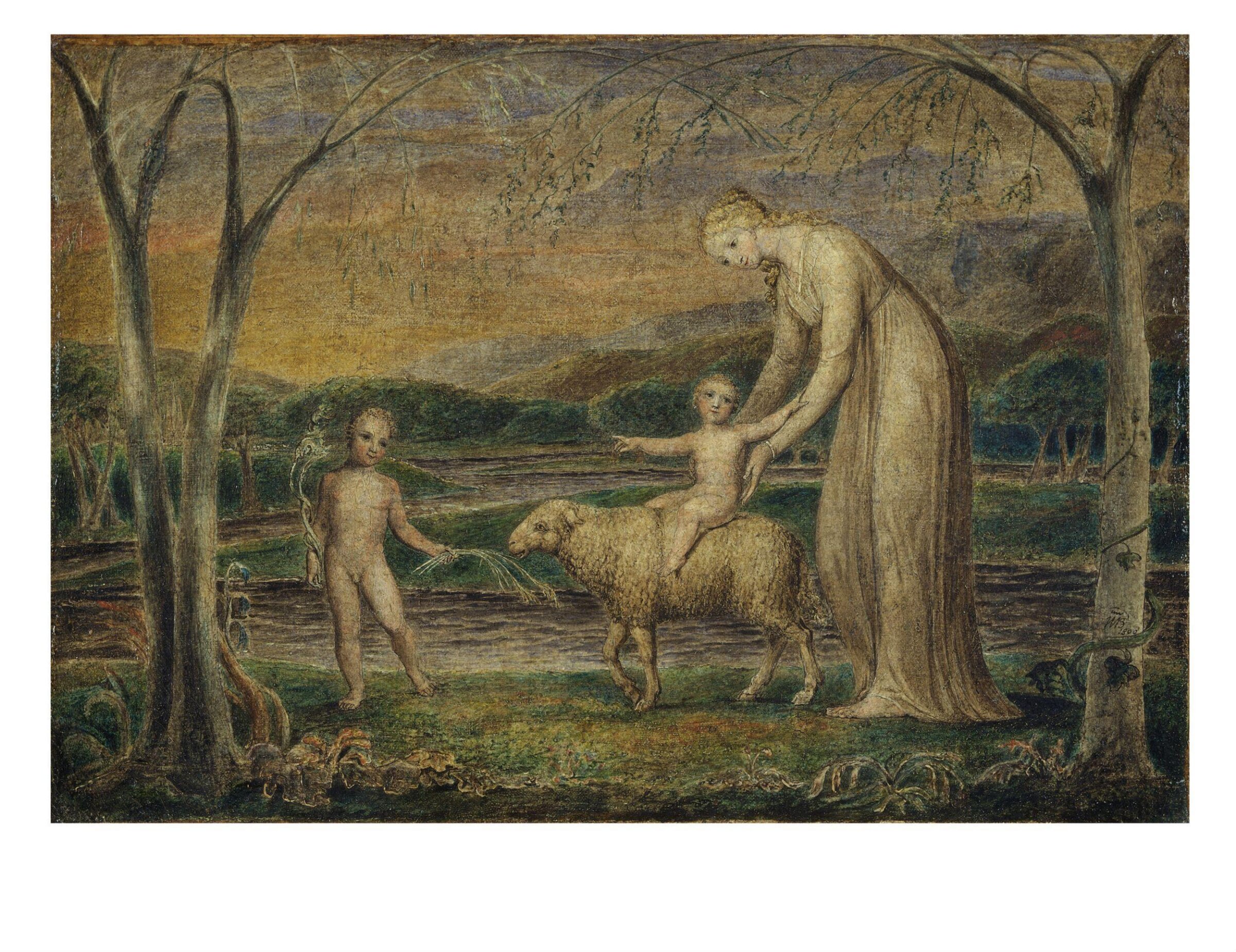
Our Lady with the Infant Jesus Riding on a Lamb with St John, William Blake, 1800

Our Lady with the Infant Jesus Riding on a Lamb with St John

1800 · Victoria and Albert Museum

War, William Blake, 1805

War

1805 · Harvard Art Museums

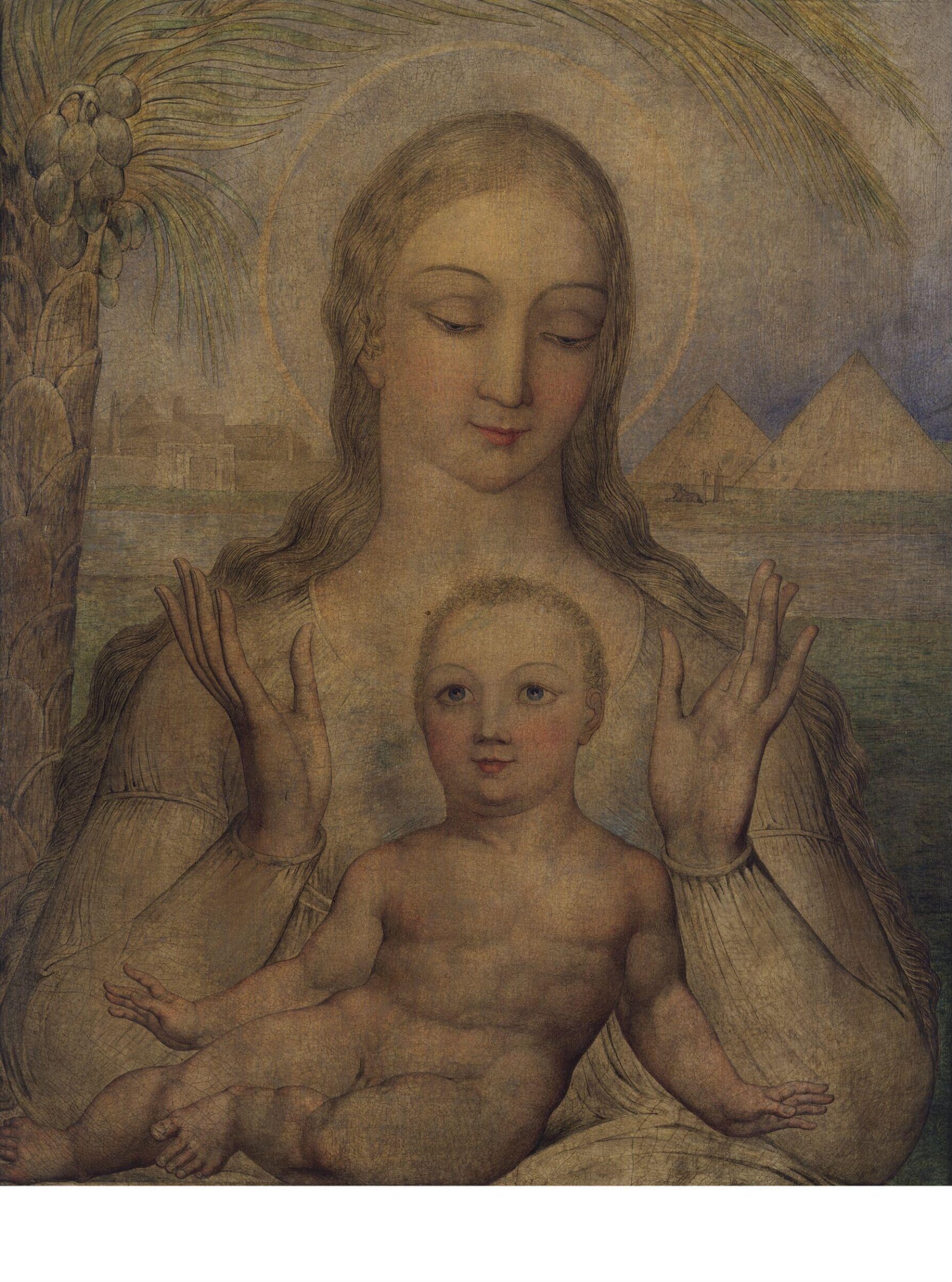
The Virgin and Child in Egypt, William Blake, 1810

The Virgin and Child in Egypt

1810 · Victoria and Albert Museum

Christ Blessing, William Blake, c. 1810

Christ Blessing

c. 1810 · Harvard Art Museums

The Circle of the Corrupt Officials; the Devils Tormenting Ciampolo, William Blake, 1827, printed 1968

The Circle of the Corrupt Officials; the Devils Tormenting Ciampolo

1827, printed 1968 · Non esposta · National Gallery of Art

Sotto lo stesso tetto: Minneapolis Institute of Art

Pagina del museo
Olive Trees, Vincent van Gogh, 1889

Vincent van Gogh

Olive Trees, 1889

Grainstack, Sun in the Mist, Claude Monet, 1891

Claude Monet

Grainstack, Sun in the Mist, 1891

Lucretia, Rembrandt van Rijn, 1666

Rembrandt van Rijn

Lucretia, 1666

Self-Portrait with Dr. Arrieta, Francisco José de Goya y Lucientes, 1820

Francisco de Goya

Goya curato dal dottor Arrieta, 1820

Study for Improvisation V, Vassily Kandinsky, 1910

Vasily Kandinsky

Study for Improvisation V, 1910

Tahitian Landscape, Paul Gauguin, 1891

Paul Gauguin

Tahitian Landscape, 1891

Chestnut Trees at Jas de Bouffan, Paul Cézanne, c. 1885–86

Paul Cézanne

Chestnut Trees at Jas de Bouffan, c. 1885–86

The Union of England and Scotland (Charles I as the Prince of Wales), Peter Paul Rubens, 1633–34

Peter Paul Rubens

The Union of England and Scotland (Charles I as the Prince of Wales), 1633–34