ART WIKI33 040 en salle
CarteCollectionArtistesMuséesExpositionsJournal
Connexion

ART WIKI

Où est accroché le chef-d’œuvre, et quand on vous laisse entrer.

Collections : Art Institute of Chicago, Cleveland Museum of Art, Galerie Tretiakov, Hirshhorn Museum and Sculpture Garden, J. Paul Getty Museum, Metropolitan Museum of Art, Minneapolis Institute of Art, Musée de l'Ermitage, Musée des Beaux-Arts Pouchkine, Musée du Louvre, musée national d'art asiatique, Musée russe, Musées d'Art de Harvard, Museum of Modern Art, National Gallery of Art, National Portrait Gallery, Rijksmuseum Amsterdam, Smithsonian American Art Museum, Statens Museum for Kunst, Victoria and Albert Museum, Villa Getty, Whitney Museum of American Art, Catalogue d’État du fonds muséal de Russie (274 musées), Europeana (19 musées), Wikidata (6 musées), Paris Musées (12 musées) et Joconde, la base des musées du ministère de la Culture (495 musées). Les images appartiennent à leurs ayants droit.

Rubriques

  • Carte
  • Recherche
  • Collection
  • Chefs-d’œuvre
  • Exposées en ce moment
  • Artistes

Et aussi

  • Musées et galeries
  • Expositions
  • Journal
  • D’où viennent les données
  • Confidentialité et cookies
AccueilCarteCatalogue
  1. Collection/
  2. Cleveland Museum of Art/
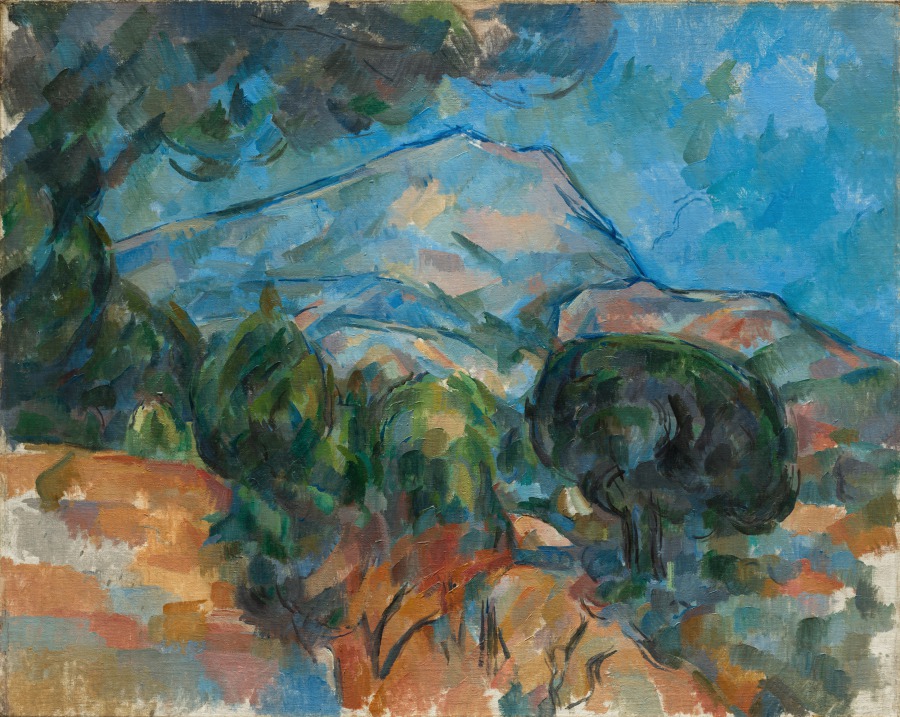
  3. Mount Sainte-Victoire
Mount Sainte-Victoire, Paul Cezanne, c. 1904
Paul Cézanne, portraitPaul CézanneFrance, 1839–1906

Mount Sainte-Victoire

c. 1904 · Painting

Peut-on la contempler ?

Elle ne reçoit pas en ce moment

Cleveland Museum of Art

Cleveland, États-Unis

Elle appartient à la collection, mais n’est pas présentée en ce moment.

Vérifié
il y a 9 jours
Dans cet état depuis
28 sept. 2026
Source
Le musée
Sur la cartePage du musée

À propos du tableau

During the last 20 years of his life, Cezanne repeatedly painted Mount Sainte-Victoire near his home in Aix-en-Provence in southern France. Cezanne painted this view from life at one of his favorite sites, a small road that led from Aix eastward toward Mount Sainte-Victoire. He set up his easel at the edge of the road where he could see two umbrella pines and the mountain towering over the scene. A branch of one of the pines extends from the left of the canvas across the sky, echoing the slope of the mountain, linking the near and the far.

Cleveland Museum of Art

Notice

c. 1904
18391906
Numéro d’inventaire
1958.21

Au catalogue

PeinturesHuilePeinture françaiseImpressionnismeModernismeXXe siècleFrance, late 19th-early 20th Century

Sources

  • Cleveland Museum of Art
  • Image : Cleveland Museum of Art — Museum open access

Pendant ce temps, chez Paul Cézanne

La vie entière
  1. 1901–1903

    The Studio on the Chemin des Lauves

    In 1901 he bought a plot of land north of Aix, in 1902 built a studio there to his own specifications (now the Atelier de Cézanne), and moved in in 1903; a long narrow slot was cut into the wall to admit natural light for the large "Bathers."

  2. 29 September 1902

    Death of Émile Zola

    Zola's death plunged Cézanne into mourning, despite their long estrangement.

  3. 1903

    Debut at the Salon d'Automne

    He exhibited for the first time at the newly founded Salon d'Automne in Paris.

  4. 15 October – 15 November 1904

    A Cézanne Room at the Salon d'Automne: First Triumph

    An entire room of the Salon d'Automne in Paris was devoted to Cézanne's works; this retrospective became the artist's first real success — indeed, a triumph.

  5. 15 October 1906

    Caught in a Storm and Fatal Pneumonia

    While painting in the fields he was caught in a thunderstorm and lost consciousness on the way home; the exposure led to severe pneumonia. The next day he still worked in the garden on the "Portrait of the Gardener Vallier," then took to his bed and never rose again.

  6. 22 octobre 1906

    Died

Autres œuvres : Paul Cézanne

Toutes les œuvres
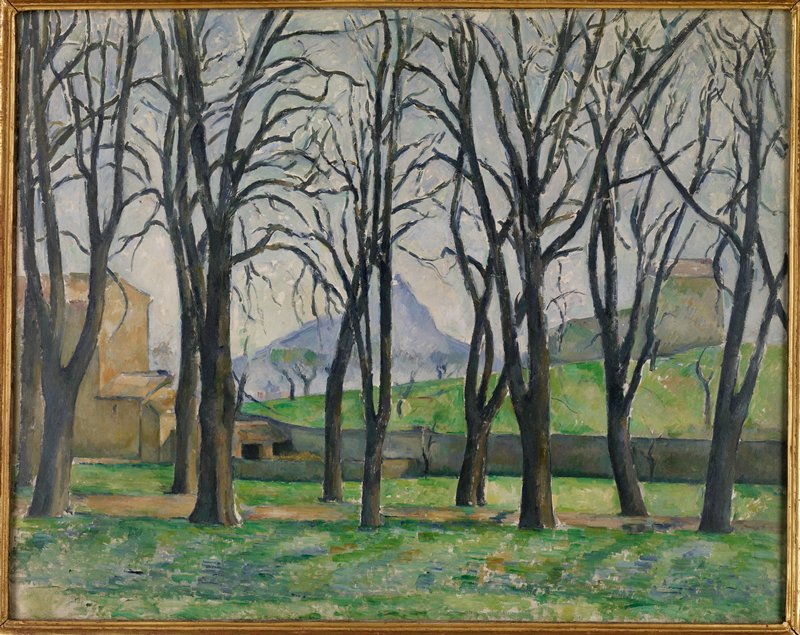
Chestnut Trees at Jas de Bouffan, Paul Cézanne, c. 1885–86

Chestnut Trees at Jas de Bouffan

c. 1885–86 · Minneapolis Institute of Art

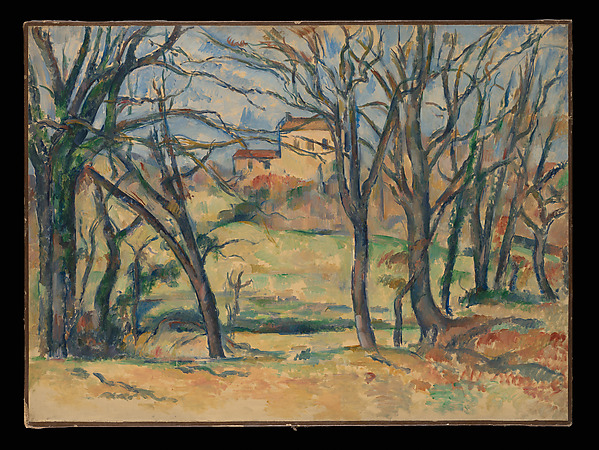
Trees and Houses Near the Jas de Bouffan, Paul Cézanne, 1885–86

Trees and Houses Near the Jas de Bouffan

1885–86 · Metropolitan Museum of Art

Apples, Peaches, Pears and Grapes, Paul Cézanne, 19th century

Apples, Peaches, Pears and Grapes

19th century · Musée de l'Ermitage

The Artist's Father, Reading "L'Événement", Paul Cezanne, 1866

The Artist's Father, Reading "L'Événement"

1866 · National Gallery of Art

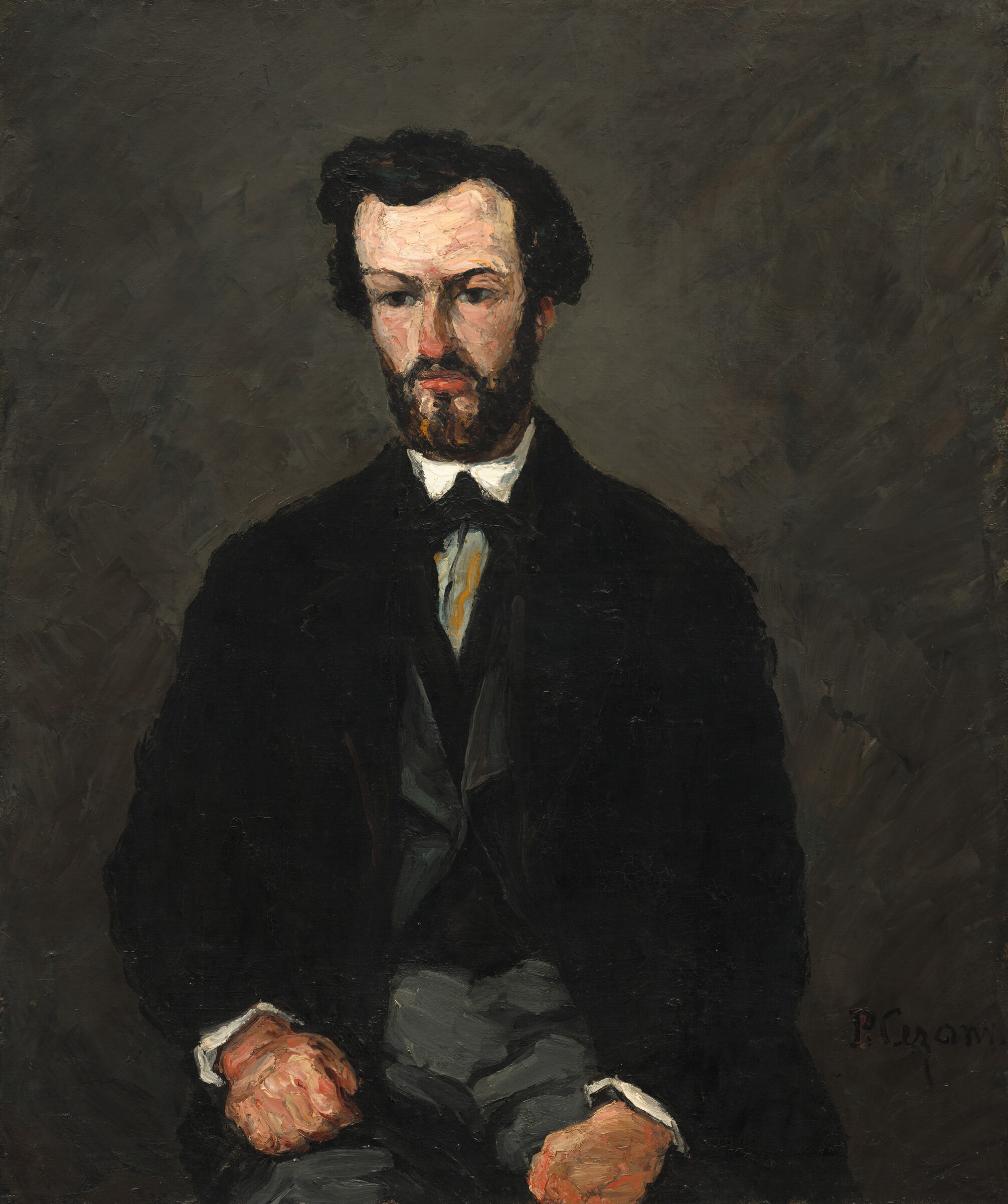
Antony Valabrègue, Paul Cezanne, 1866

Antony Valabrègue

1866 · National Gallery of Art

Jeune Fille au piano, Paul Cézanne, 1869

Jeune Fille au piano

1869 · Musée de l'Ermitage

Portrait of Anthony Valabrègue, Paul Cézanne, 1869–1871

Portrait of Anthony Valabrègue

1869–1871 · J. Paul Getty Museum

Flowers in a blue vase, Paul Cézanne, 1870s

Flowers in a blue vase

1870s · Musée de l'Ermitage

Sous le même toit : Cleveland Museum of Art

Page du musée
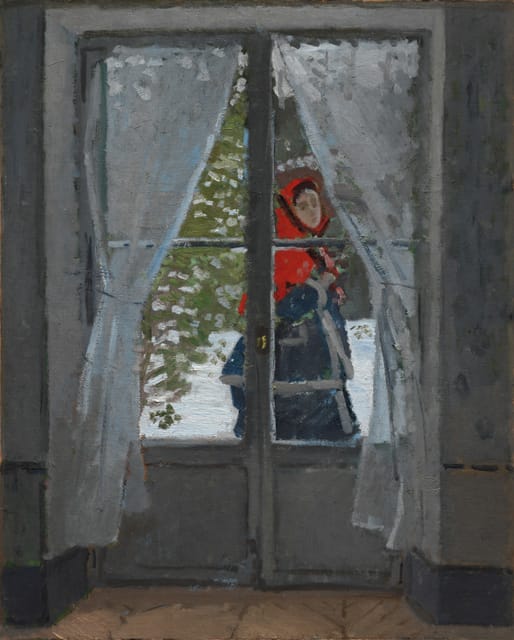
The Red Kerchief, Claude Monet, c. 1868–73

Claude Monet

The Red Kerchief, c. 1868–73

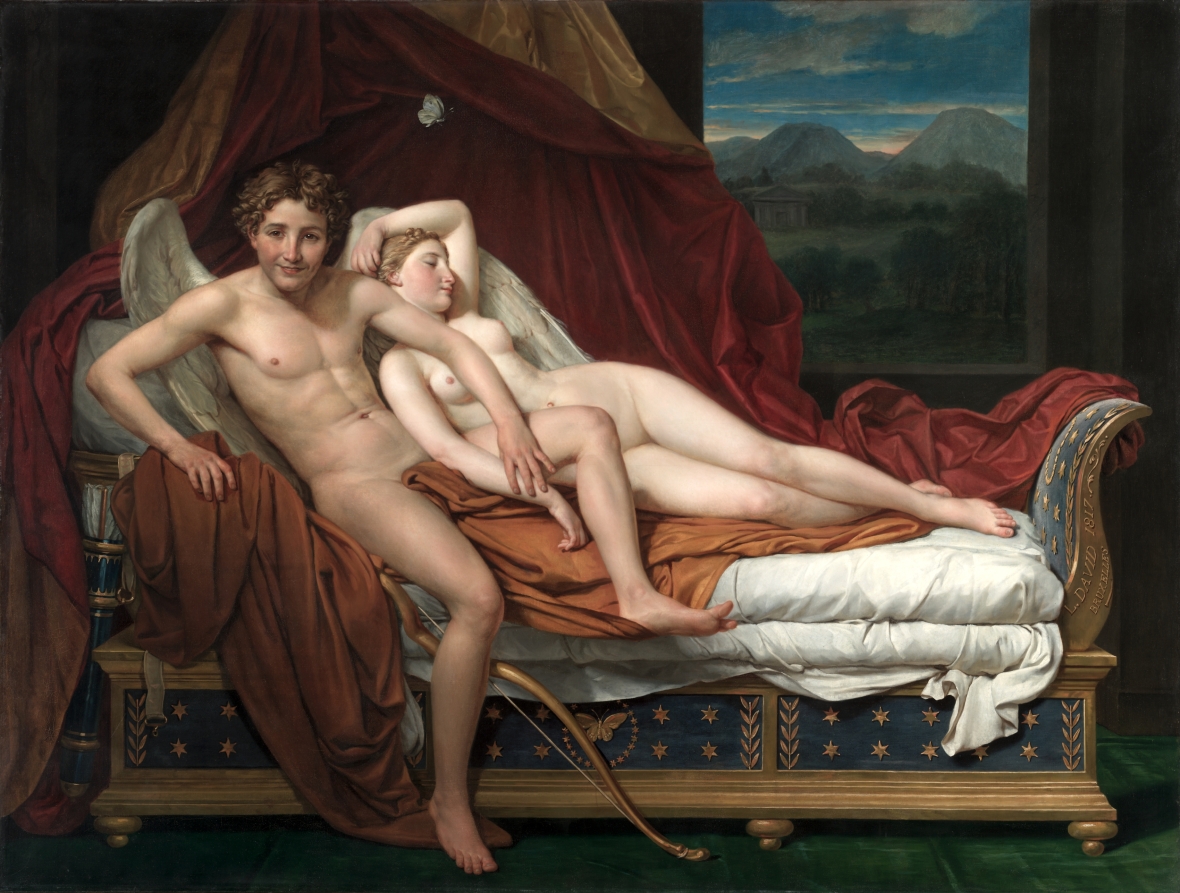
Cupid and Psyche, Jacques-Louis David, 1817

Jacques-Louis David

L'Amour et Psyché, 1817

Mars, Venus, and Eros, Marcantonio Raimondi possibly after Andrea Mantegna, 1508

Andrea Mantegna

Mars, Venus, and Eros, 1508

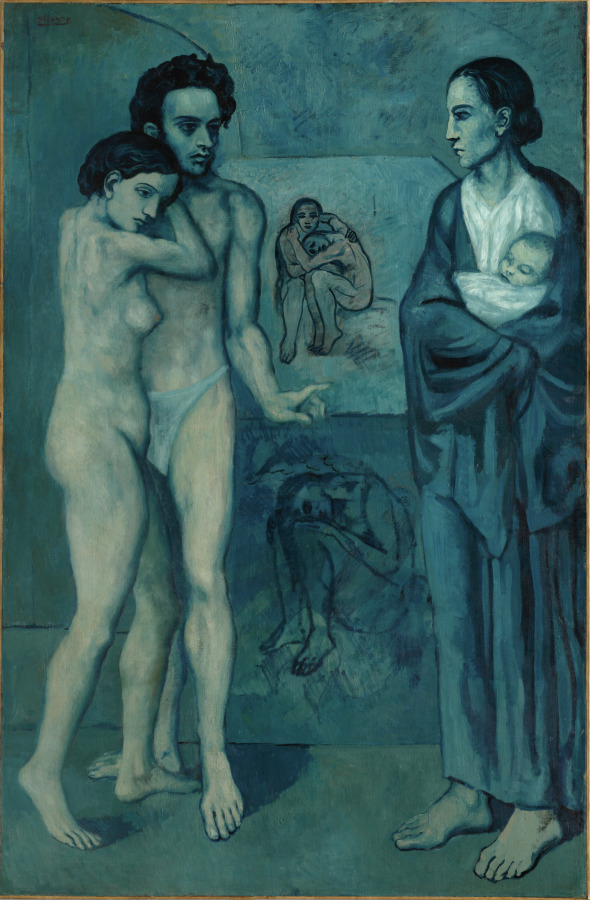
La Vie, Pablo Picasso, 1903

Pablo Picasso

La Vie, 1903

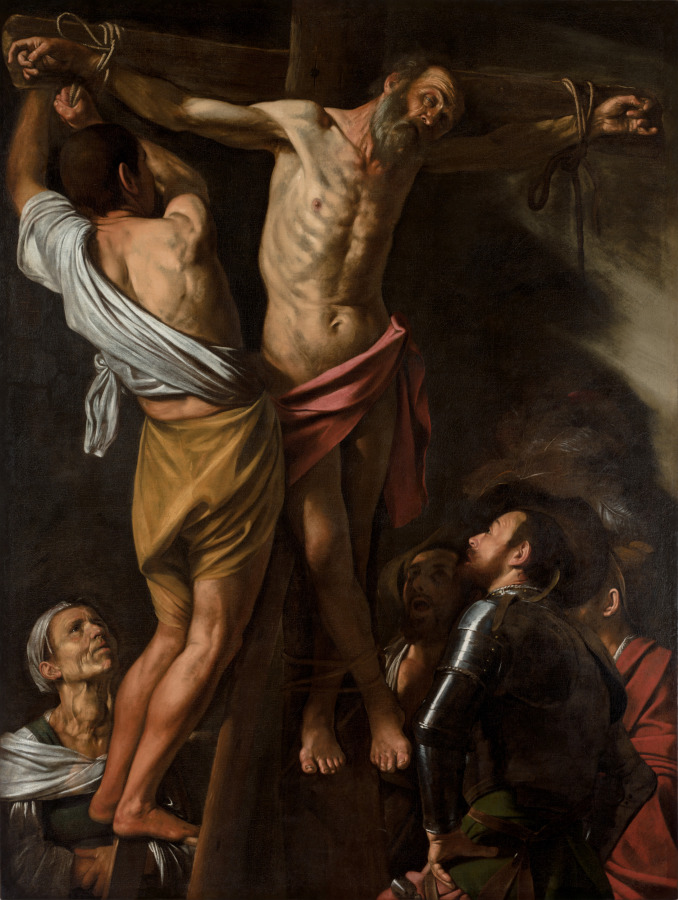
The Crucifixion of Saint Andrew, Caravaggio, 1606–7

Caravaggio

The Crucifixion of Saint Andrew, 1606–7

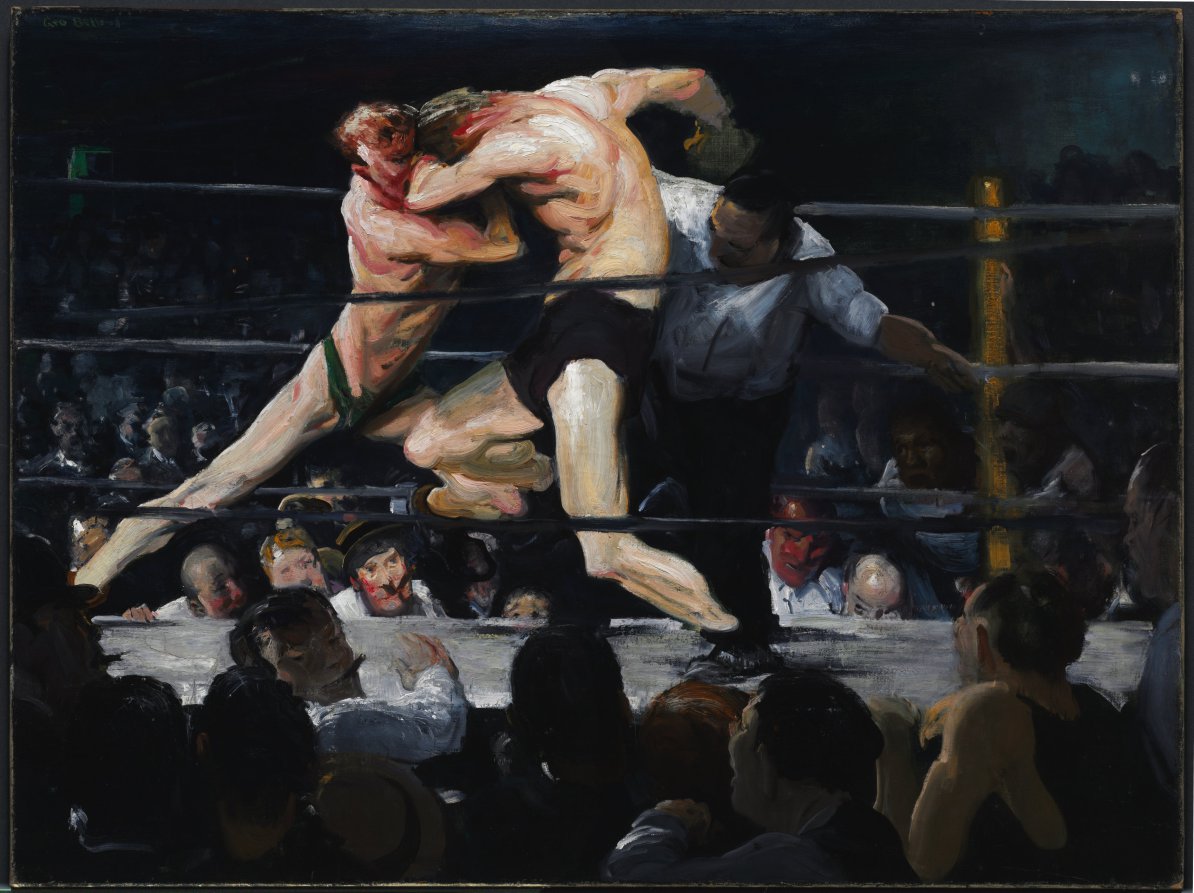
Stag at Sharkey's, George Bellows, 1909

George Bellows

Stag at Sharkey's, 1909

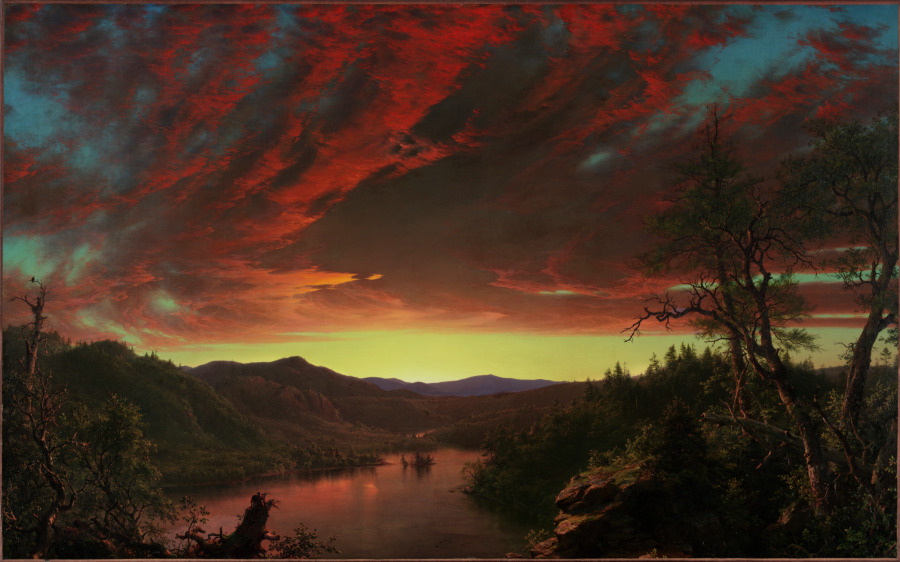
Twilight in the Wilderness, Frederic Edwin Church, 1860

Frederic Edwin Church

Twilight in the Wilderness, 1860

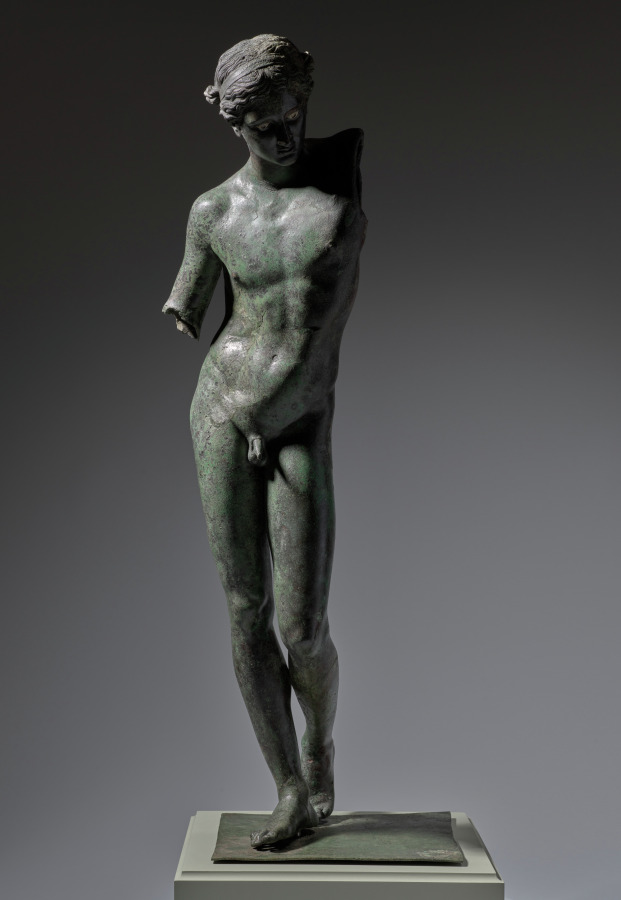
The Cleveland Apollo: Apollo Sauroktonos (Lizard-Slayer) or Apollo the Python-Slayer, Praxiteles, c. 350–200 BCE

Praxiteles

The Cleveland Apollo: Apollo Sauroktonos (Lizard-Slayer) or Apollo the Python-Slayer, c. 350–200 BCE