ART WIKI32.963 en sala
MapaColecciónArtistasMuseosExposicionesRevista
Acceder

ART WIKI

Dónde cuelga la obra maestra y cuándo le dejan pasar.

Colecciones: Galería Nacional de Arte, Galería Nacional de Dinamarca, Galería Nacional de Retratos, Galería Tretiakov, Harvard Art Museums, Instituto de Arte de Chicago, Instituto de Artes de Mineápolis, MoMA, Museo de Arte de Cleveland, Museo de Victoria y Alberto, Museo del Hermitage, Museo del Louvre, Museo Estatal Ruso, Museo Hirshhorn y Jardín de Esculturas, Museo J. Paul Getty, Museo Metropolitano de Arte, Museo Pushkin, Museo Smithsoniano de Arte Americano, Museo Whitney de Arte Estadounidense, National Museum of Asian Art, Rijksmuseum, Villa Getty, Catálogo Estatal del Fondo Museístico de Rusia (274 museos), Europeana (19 museos), Wikidata (6 museos), Paris Musées (12 museos) y Joconde, la base de museos del Ministerio de Cultura de Francia (495 museos). Las imágenes pertenecen a sus titulares de derechos.

Secciones

  • Mapa
  • Búsqueda
  • Colección
  • Obras maestras
  • Expuestas ahora
  • Artistas

Más

  • Museos y galerías
  • Exposiciones
  • Revista
  • De dónde salen los datos
  • Privacidad y cookies
InicioMapaCatálogo
  1. Colección/
  2. MoMA/
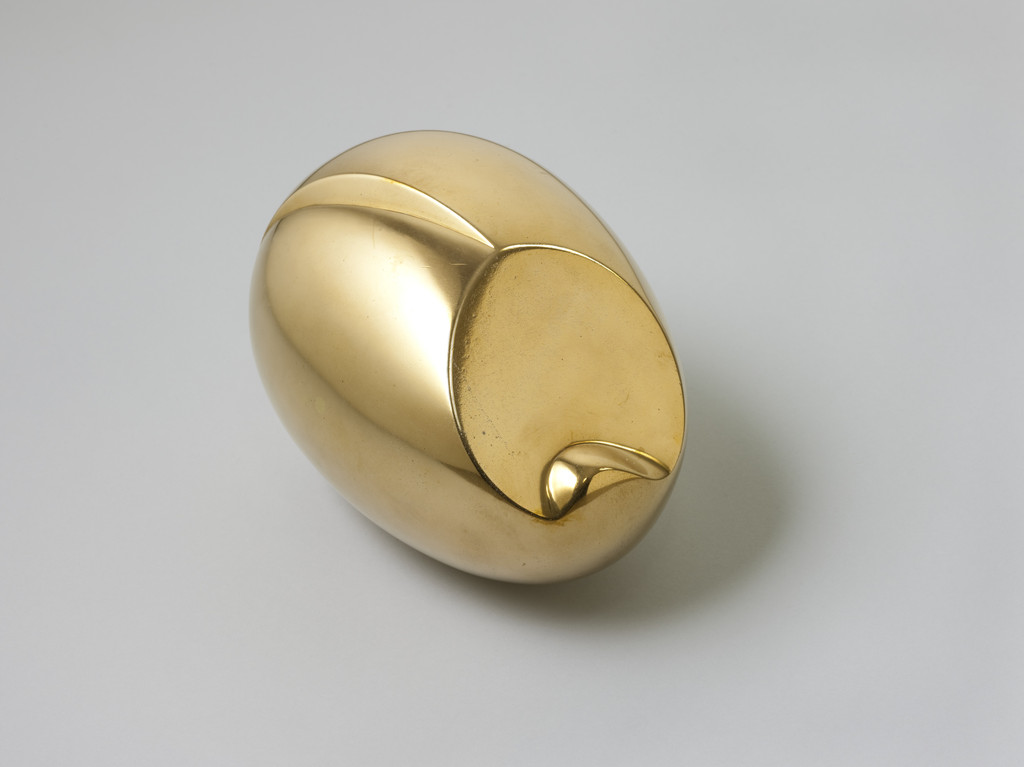
  3. The Newborn
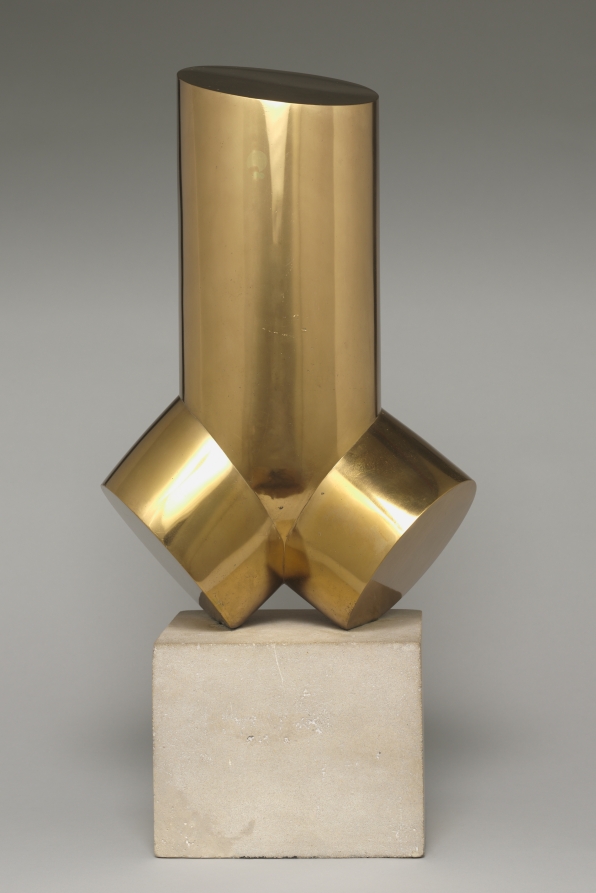
The Newborn, Constantin Brancusi, version I, 1920
Constantin Brancusi, retratoConstantin BrancusiRumania, 1876–1957

The Newborn

version I, 1920 · Sculpture

¿Se puede contemplar?

Por ahora no recibe

MoMA

Nueva York, Estados Unidos

Pertenece a la colección, pero ahora mismo no está expuesta.

Comprobado
hace 9 días
En este estado desde
5 oct 2026
Fuente
El museo
En el mapaPágina del museo

Ficha

version I, 1920 · a los 44 años
18761957
Número de inventario
605.1943

En el catálogo

EsculturaBronceModernismoSiglo XX

Idas y venidas

  1. Ahora no está expuesta

    MoMA · 5 oct 2026 — hoy · Verificado

  2. Expuesta · MoMA, Floor 5, 508

    MoMA · Verificado

Fuentes

  • MoMA
  • Imagen: MoMA — © the artist or rights holder

Mientras tanto, en la vida de Constantin Brancusi

La vida entera
  1. 1910s

    “Mobile groups”: rearranging the sculptures

    During the 1910s Brâncuși arranges sculptures and pedestals in changing compositions that he calls “mobile groups”: he moves the works and watches how each change alters the space around them. When he sells a sculpture he often puts a plaster version in the same position, and by the 1920s the studio is also an exhibition space whose arrangement forms part of the work.

  2. November 1919

    Meeting Erik Satie

    The writer Henri-Pierre Roché brings the composer Erik Satie, exactly ten years older than Brâncuși, to his studio together with Marcel Duchamp, beginning a friendship that lasts from 1919 to 1925. After dinner Brâncuși plays the violin for his guest, and Satie, in Roché’s words, teaches him verbal fencing, self-belief and clarity of thought.

  3. January 1920

    “Princess X” excluded from the Salon des Indépendants

    In January 1920 the organizers of the Salon des Indépendants exclude “Princess X” (1915–1916) because they regard its shape as phallic. Fernand Léger and other friends of Brâncuși protest, the sculpture is returned to the exhibition, and the dispute leads to the manifesto “Pour l’indépendance de l’art”, signed by more than seventy artists and writers; Erik Satie signed the protest petition on 25 February 1920.

  4. 26 May 1920

    The Dada festival: a manifesto with Léger

    Brâncuși is friends with Tristan Tzara, Francis Picabia and Duchamp but does not join the Dada movement, merely attending its readings and performances; on 26 May 1920 he takes part in the Dada festival in Paris and signs the manifesto “Contre cubisme, contre dadaïsme” with Léger.

  5. 1921

    Man Ray and the darkroom

    Brâncuși, who has photographed his work since the 1910s, meets Man Ray in 1921, who helps him buy equipment, set up a darkroom and improve his developing methods. He photographs the sculptures under changing light, alters his framing and documents the relationships between the works and the surrounding space; he also films his studio and sculptures mounted on rotating bases.

  6. September 1921

    A Brâncuși issue of “The Little Review”

    In September 1921 the American magazine “The Little Review” publishes an issue devoted to Brâncuși, with an essay by Ezra Pound and 24 photographic plates showing sculptures and views of the studio.

Más obras de Constantin Brancusi

Todas las obras
Maiastra, Constantin Brâncuși, c. 1911

Maiastra

c. 1911 · Galería Nacional de Arte

Bird in Space, Constantin Brâncuși, 1925

Bird in Space

1925 · Galería Nacional de Arte

Bird in Space, Constantin Brâncuși, 1927

Bird in Space

1927 · Galería Nacional de Arte

Agnes E. Meyer, Constantin Brâncuși, 1929

Agnes E. Meyer

1929 · Galería Nacional de Arte

Male Torso, Constantin Brancusi, 1917

Male Torso

1917 · Museo de Arte de Cleveland

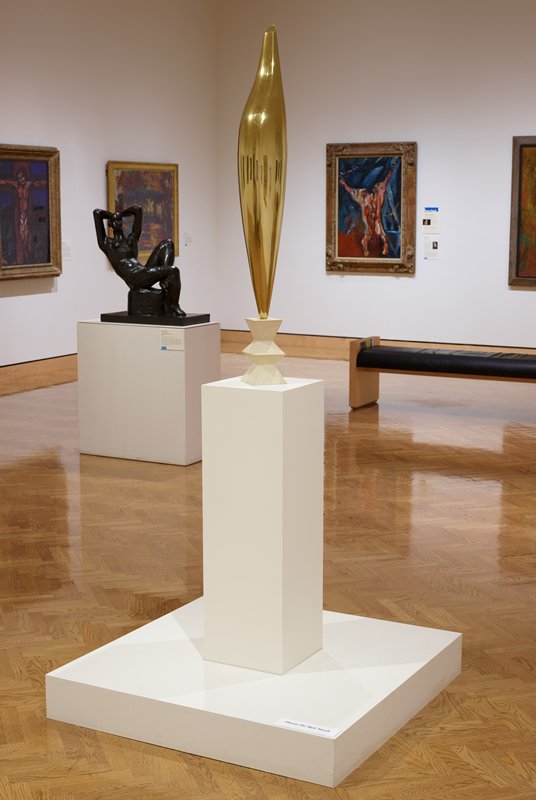
Golden Bird, Constantin Brancusi, 1919/20 (base c. 1922)

Golden Bird

1919/20 (base c. 1922) · Instituto de Arte de Chicago

Golden Bird, Constantin Brancusi, c. 1919

Golden Bird

c. 1919 · Instituto de Artes de Mineápolis

Wisdom, Constantin Brancusi, c. 1908

Wisdom

c. 1908 · Instituto de Arte de Chicago

Bajo el mismo techo: MoMA

Página del museo
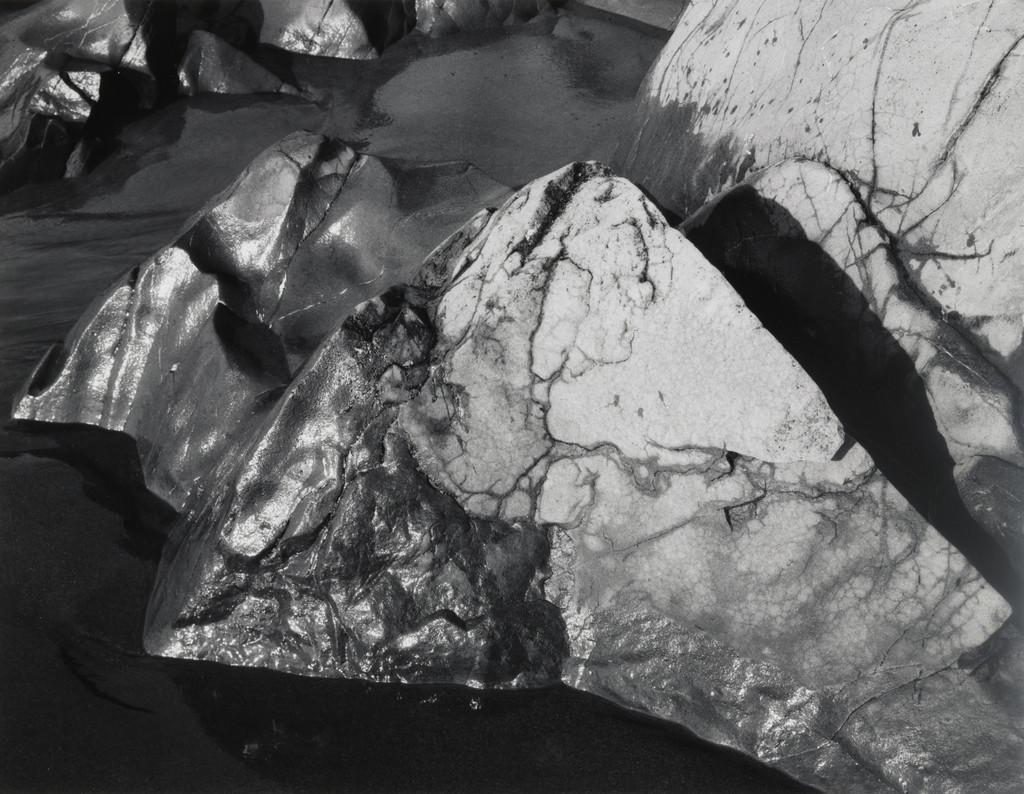
Rock, Bakers Beach, San Francisco, California, Ansel Adams, c. 1931

Ansel Adams

Rock, Bakers Beach, San Francisco, California, c. 1931

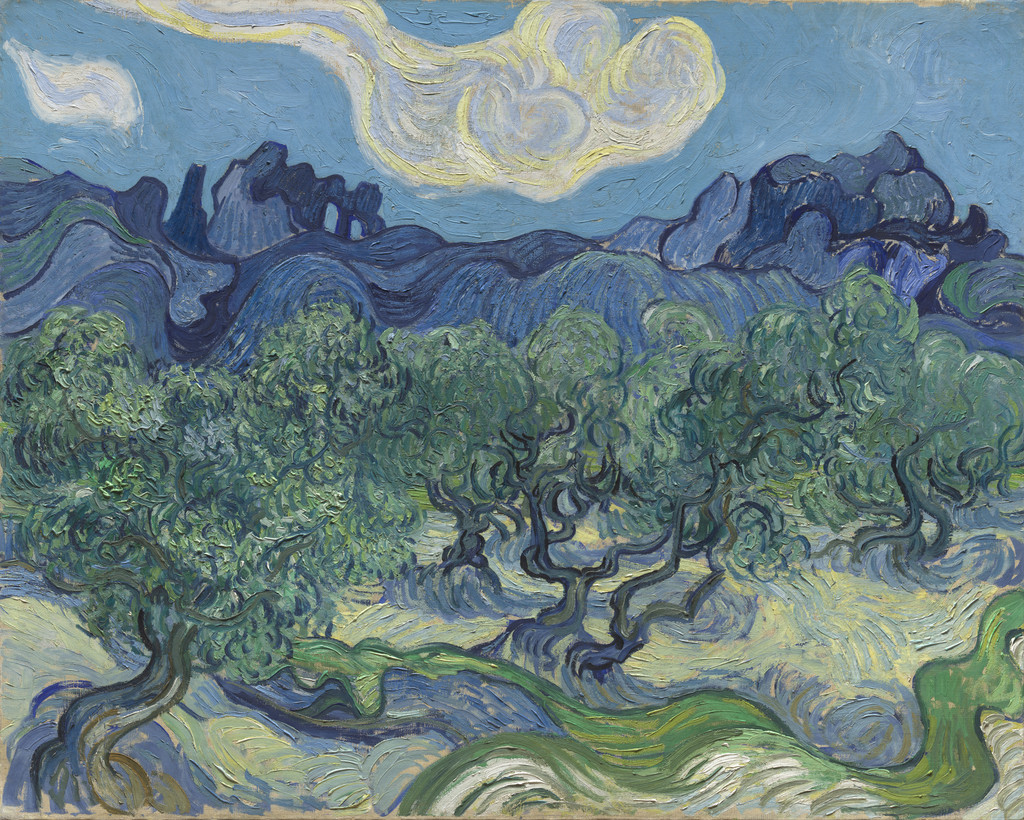
The Olive Trees, Vincent van Gogh, Saint Rémy, June-July 1889

Vincent van Gogh

The Olive Trees, Saint Rémy, June-July 1889

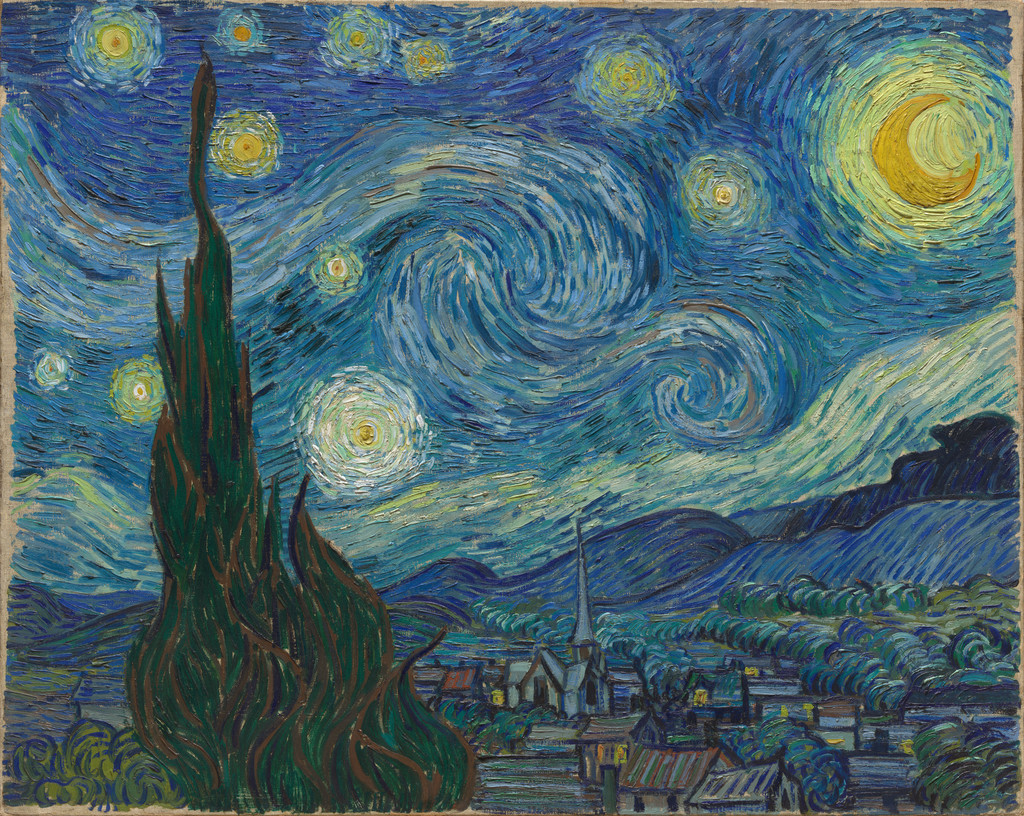
The Starry Night, Vincent van Gogh, Saint Rémy, June 1889

Vincent van Gogh

La noche estrellada, Saint Rémy, June 1889

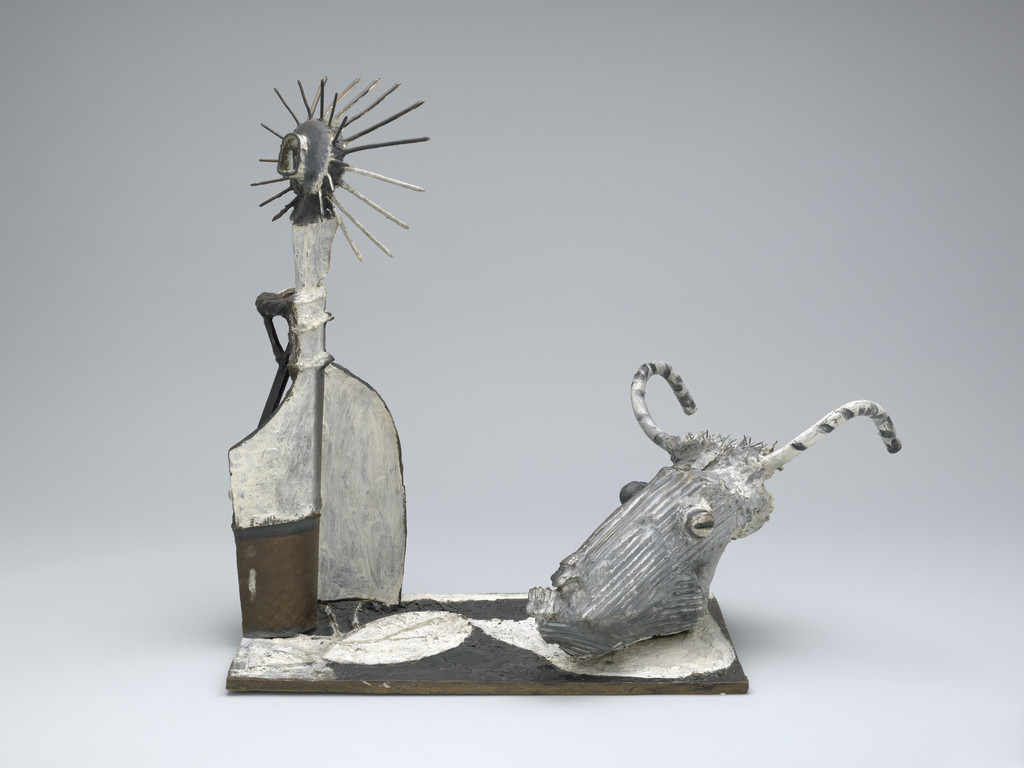
Goat Skull and Bottle, Pablo Picasso, Vallauris, 1951 (cast 1954)

Pablo Picasso

Goat Skull and Bottle, Vallauris, 1951 (cast 1954)

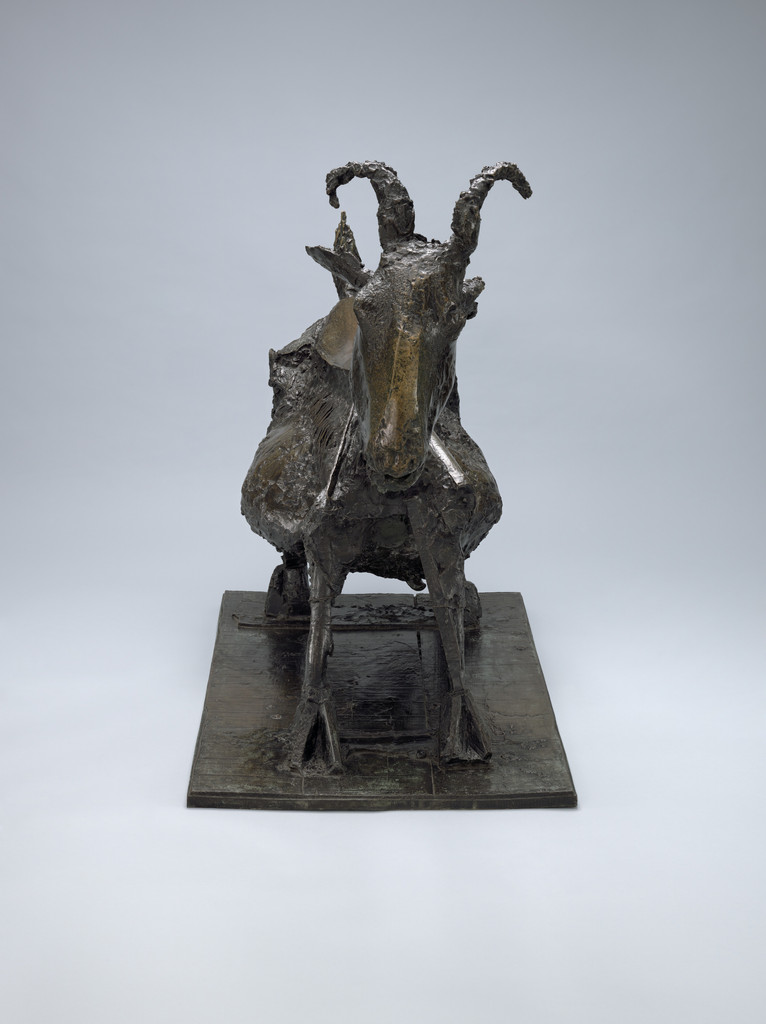
She-Goat, Pablo Picasso, Vallauris, 1950 (cast 1952)

Pablo Picasso

She-Goat, Vallauris, 1950 (cast 1952)

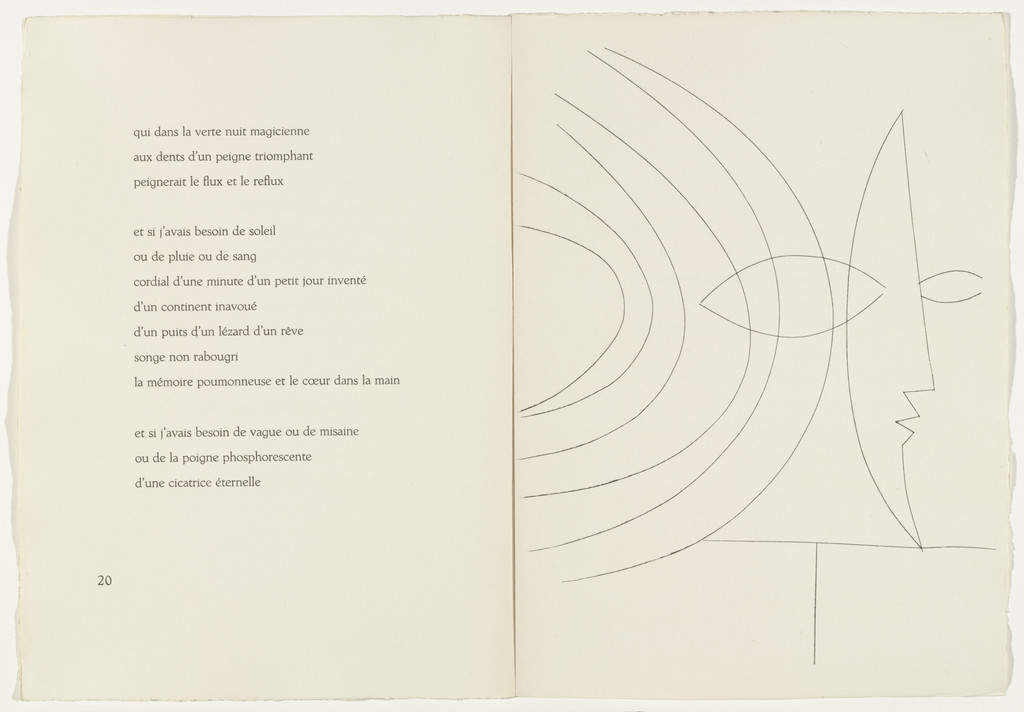
Face in Profile (plate, page 21) from Corps perdu, Pablo Picasso, 1949, published 1950

Pablo Picasso

Face in Profile (plate, page 21) from Corps perdu, 1949, published 1950

Coupling (plate, page 17) from Corps perdu, Pablo Picasso, 1949, published 1950

Pablo Picasso

Coupling (plate, page 17) from Corps perdu, 1949, published 1950

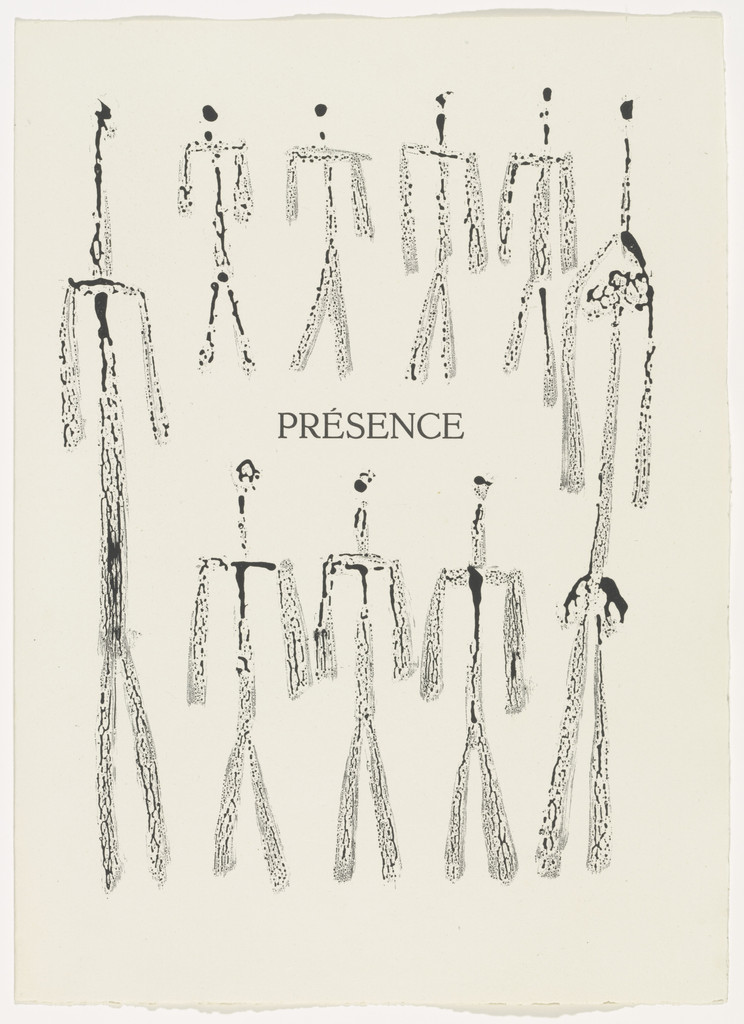
"Présence" (chapter title, page 13) from Corps perdu, Pablo Picasso, 1949, published 1950

Pablo Picasso

"Présence" (chapter title, page 13) from Corps perdu, 1949, published 1950