ART WIKI32.963 en sala
MapaColecciónArtistasMuseosExposicionesRevista
Acceder

ART WIKI

Dónde cuelga la obra maestra y cuándo le dejan pasar.

Colecciones: Galería Nacional de Arte, Galería Nacional de Dinamarca, Galería Nacional de Retratos, Galería Tretiakov, Harvard Art Museums, Instituto de Arte de Chicago, Instituto de Artes de Mineápolis, MoMA, Museo de Arte de Cleveland, Museo de Victoria y Alberto, Museo del Hermitage, Museo del Louvre, Museo Estatal Ruso, Museo Hirshhorn y Jardín de Esculturas, Museo J. Paul Getty, Museo Metropolitano de Arte, Museo Pushkin, Museo Smithsoniano de Arte Americano, Museo Whitney de Arte Estadounidense, National Museum of Asian Art, Rijksmuseum, Villa Getty, Catálogo Estatal del Fondo Museístico de Rusia (274 museos), Europeana (19 museos), Wikidata (6 museos), Paris Musées (12 museos) y Joconde, la base de museos del Ministerio de Cultura de Francia (495 museos). Las imágenes pertenecen a sus titulares de derechos.

Secciones

  • Mapa
  • Búsqueda
  • Colección
  • Obras maestras
  • Expuestas ahora
  • Artistas

Más

  • Museos y galerías
  • Exposiciones
  • Revista
  • De dónde salen los datos
  • Privacidad y cookies
InicioMapaCatálogo
  1. Colección/
  2. Galería Belvedere/
  3. Johanna Staude
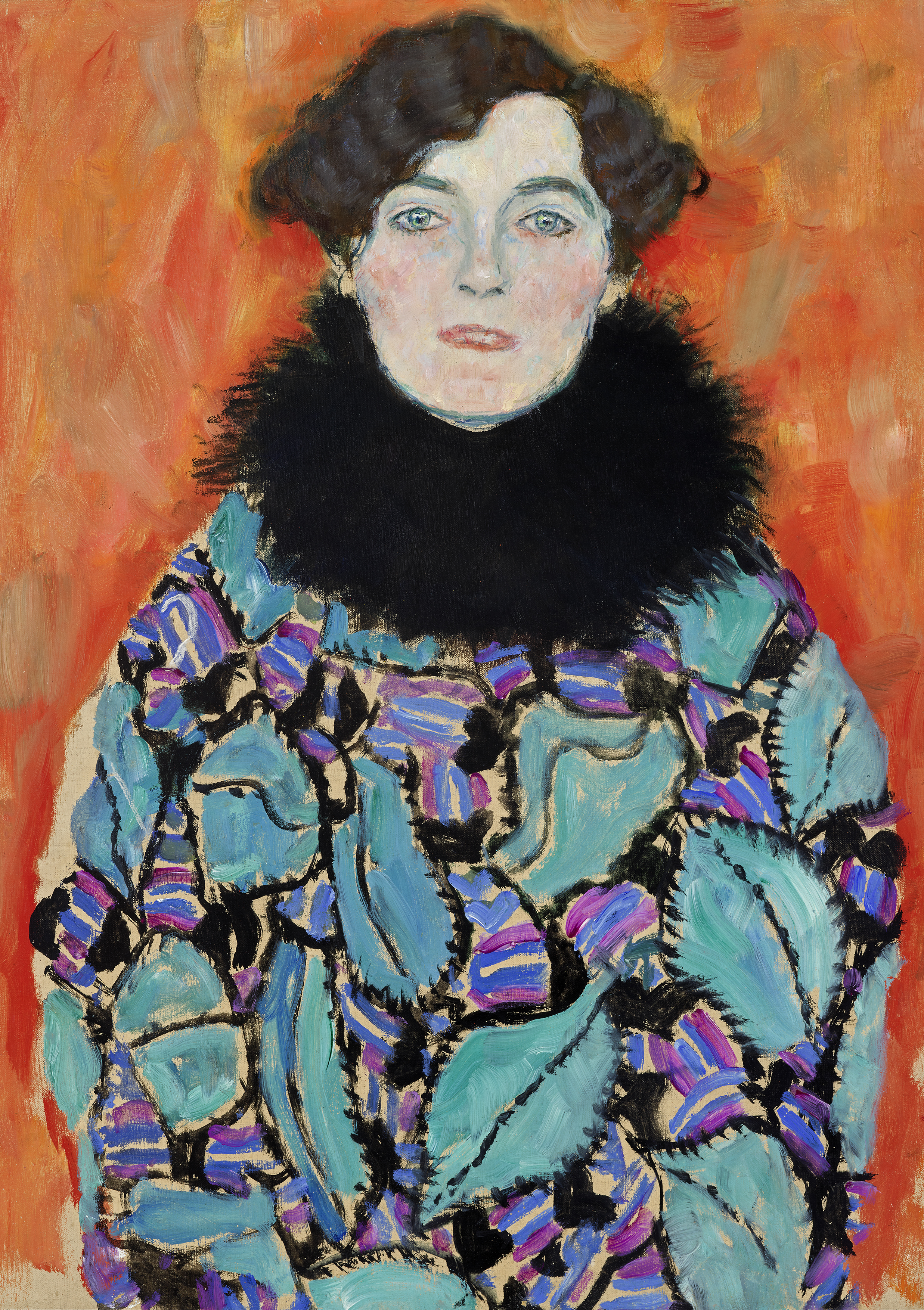
Johanna Staude, Gustav Klimt, 1917–1918
Gustav Klimt, retratoGustav KlimtAustria, 1862–1918

Johanna Staude

1917–1918 · Painting

¿Se puede contemplar?

Se desconoce

Galería Belvedere

Viena, Austria

Se conoce el propietario; no se sabe si hoy está expuesta.

En este estado desde
27 sept 2026
Fuente
El museo
En el mapaPágina del museo

Sobre el cuadro

En palabras del museo — en alemán

Aus leuchtend blauen Augen blickt uns Johanna Staude entgegen. Gustav Klimt zeigt die junge Frau vor einem orange-roten Hintergrund mit modischer Frisur und in einem auffällig gemusterten Kleid. Es ist aus einem Stoff der Wiener Werkstätte mit dem Namen „Blätter“ gefertigt, den Martha Albers, Absolventin der Wiener Kunstgewerbeschule, entworfen hat. Um den Hals trägt die Dargestellte eine Federboa, die den Blick auf ihr Gesicht lenkt. Bei dieser ruhigen, einfachen Komposition handelt es sich um eines der letzten Damenbildnisse von Klimt. Der Maler war mit Johanna Staude befreundet, sie dürfte ihm wiederholt Modell gestanden haben. Laut Adressverzeichnissen war sie auch als Sprachlehrerin und Kunstmalerin tätig.

Galería Belvedere

Ficha

1917–1918
18621918

En el catálogo

PinturaPintura austriacaModernismoSiglo XX

Fuentes

  • Galería Belvedere
  • Imagen: Galería Belvedere — CC BY-SA 4.0

Mientras tanto, en la vida de Gustav Klimt

La vida entera
  1. 1897–1917

    Society portraits of Viennese ladies

    Over twenty years Klimt painted nearly twenty society portraits of women, which gave him financial independence; Carl Moll introduced him to many of the sitters, most of them from the Jewish upper bourgeoisie. In the portraits the ladies are hidden in sumptuous clothing, their heads and hands seeming to float detached from reality.

  2. 1914–1918

    The war: colourful ladies and a good income

    As if pushing the war out of his world, Klimt again painted the “beautiful Viennese women” — “Lady with a Fan”, “The Bride”, both “Dancers”; “Death and Life” is his only picture on a topical subject. His notebook shows that he earned well in the war years, collectors readily buying his portraits of elegant strangers.

  3. 1915

    Death of his mother

    His mother, Anna Klimt, died; Gustav continued to live on Westbahnstrasse with his two unmarried sisters.

  4. 1917

    Honorary member of the academies of Vienna and Munich

    Klimt was elected an honorary member of the academies of fine arts of Vienna and Munich.

  5. 11 January 1918

    A stroke, the hospital, pneumonia

    A stroke paralysed Klimt's right side; in hospital, where he was put on a water bed for bedsores, he caught influenza and pneumonia. For three weeks the press printed bulletins, and on his deathbed he demanded that his sisters send for Emilie Flöge.

  6. 6 de febrero de 1918

    Died
Más obras de Gustav Klimt

Todas las obras
Mäda Primavesi (1903–2000), Gustav Klimt, 1912–13

Mäda Primavesi (1903–2000)

1912–13 · Museo Metropolitano de Arte

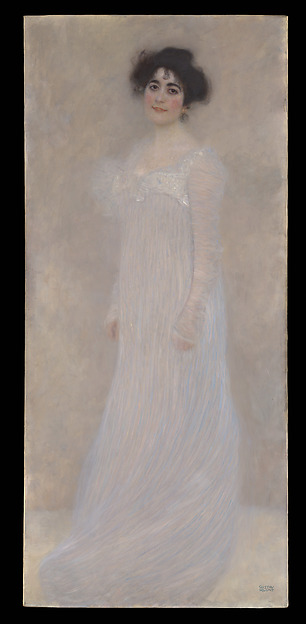
Serena Pulitzer Lederer (1867–1943), Gustav Klimt, 1899

Serena Pulitzer Lederer (1867–1943)

1899 · Museo Metropolitano de Arte

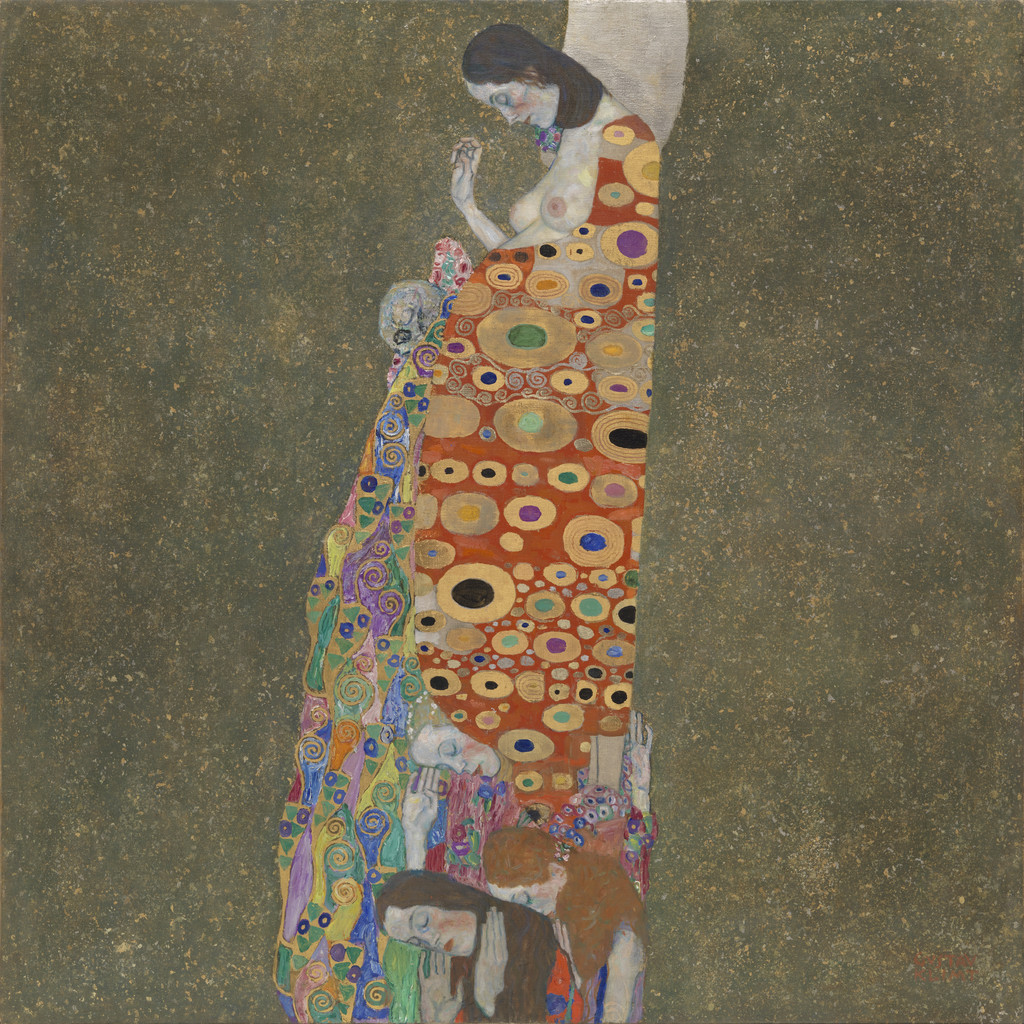
Hope, II, Gustav Klimt, 1907-08

Esperanza II

1907-08 · MoMA

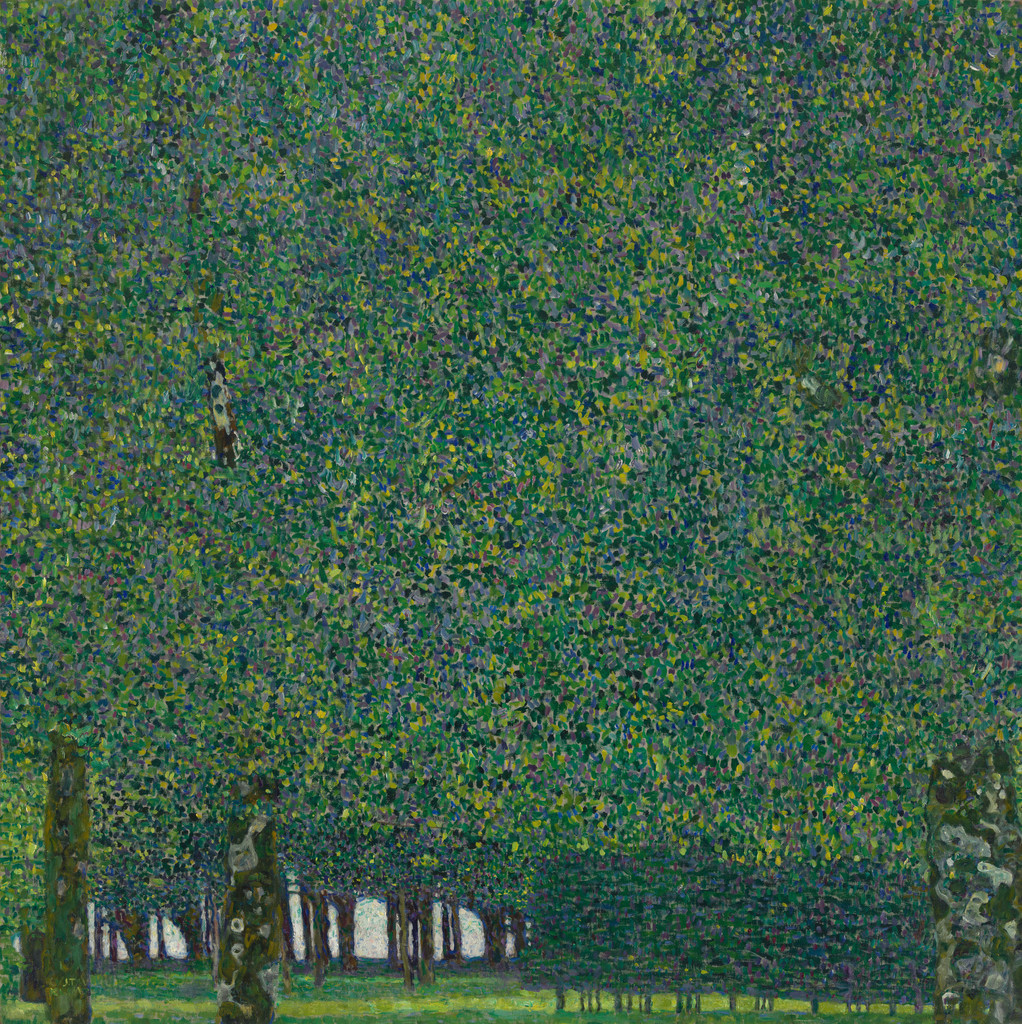
The Park, Gustav Klimt, 1910 or earlier

The Park

1910 or earlier · MoMA

Baby (Cradle), Gustav Klimt, 1917/1918

Baby (Cradle)

1917/1918 · Galería Nacional de Arte

Pear Tree, Gustav Klimt, 1903 (reworked by the artist 1903/1918)

Pear Tree

1903 (reworked by the artist 1903/1918) · Harvard Art Museums

Studie van een in een plaid gewikkelde, rustende vrouw, Gustav Klimt, 1872 - 1918

Studie van een in een plaid gewikkelde, rustende vrouw

1872 - 1918 · Rijksmuseum

Studie für „Bildnis Johanna Staude“, Gustav Klimt

Studie für „Bildnis Johanna Staude“

Albertina

De la colección: Galería Belvedere

Página del museo
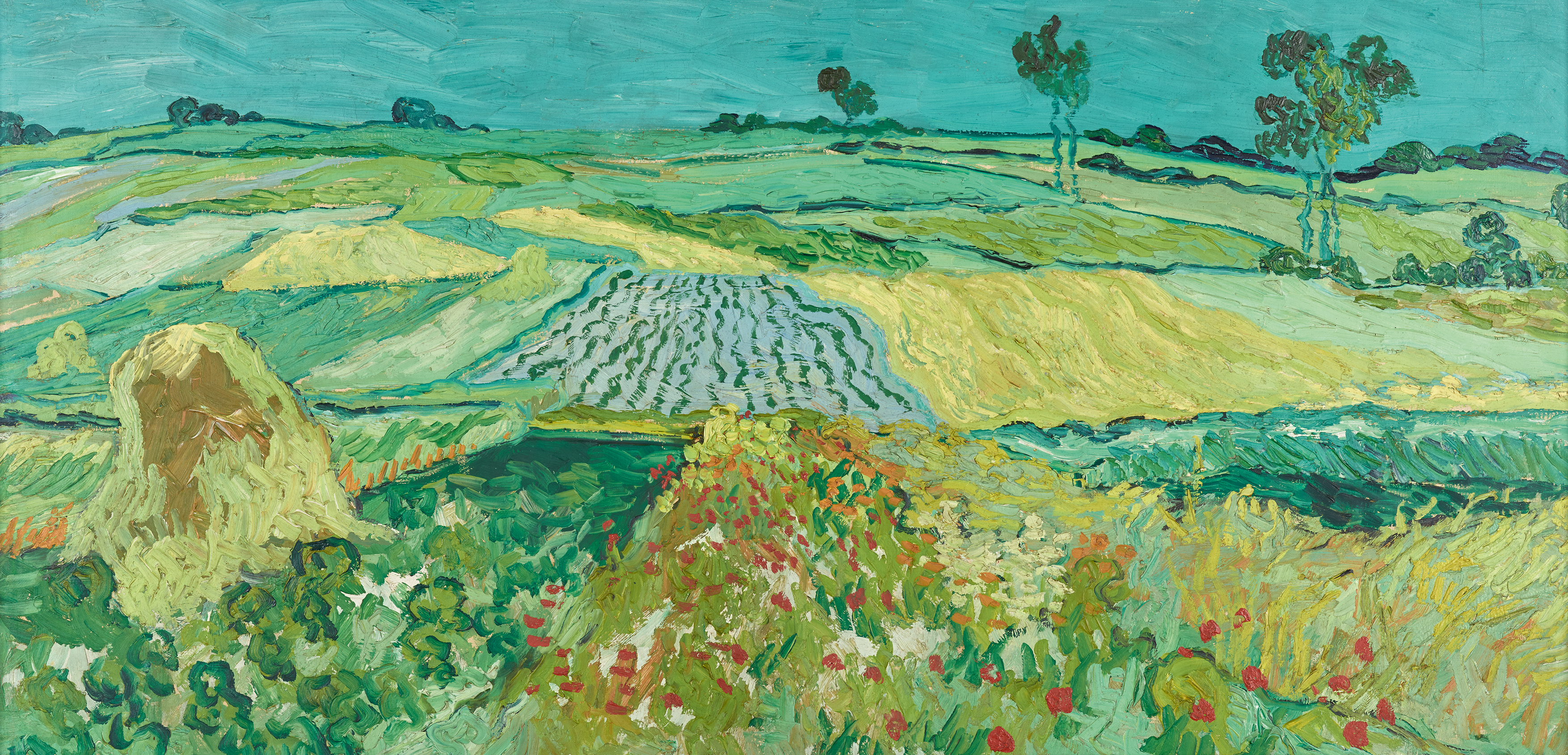
Die Ebene von Auvers, Vincent van Gogh, 1890

Vincent van Gogh

Die Ebene von Auvers, 1890

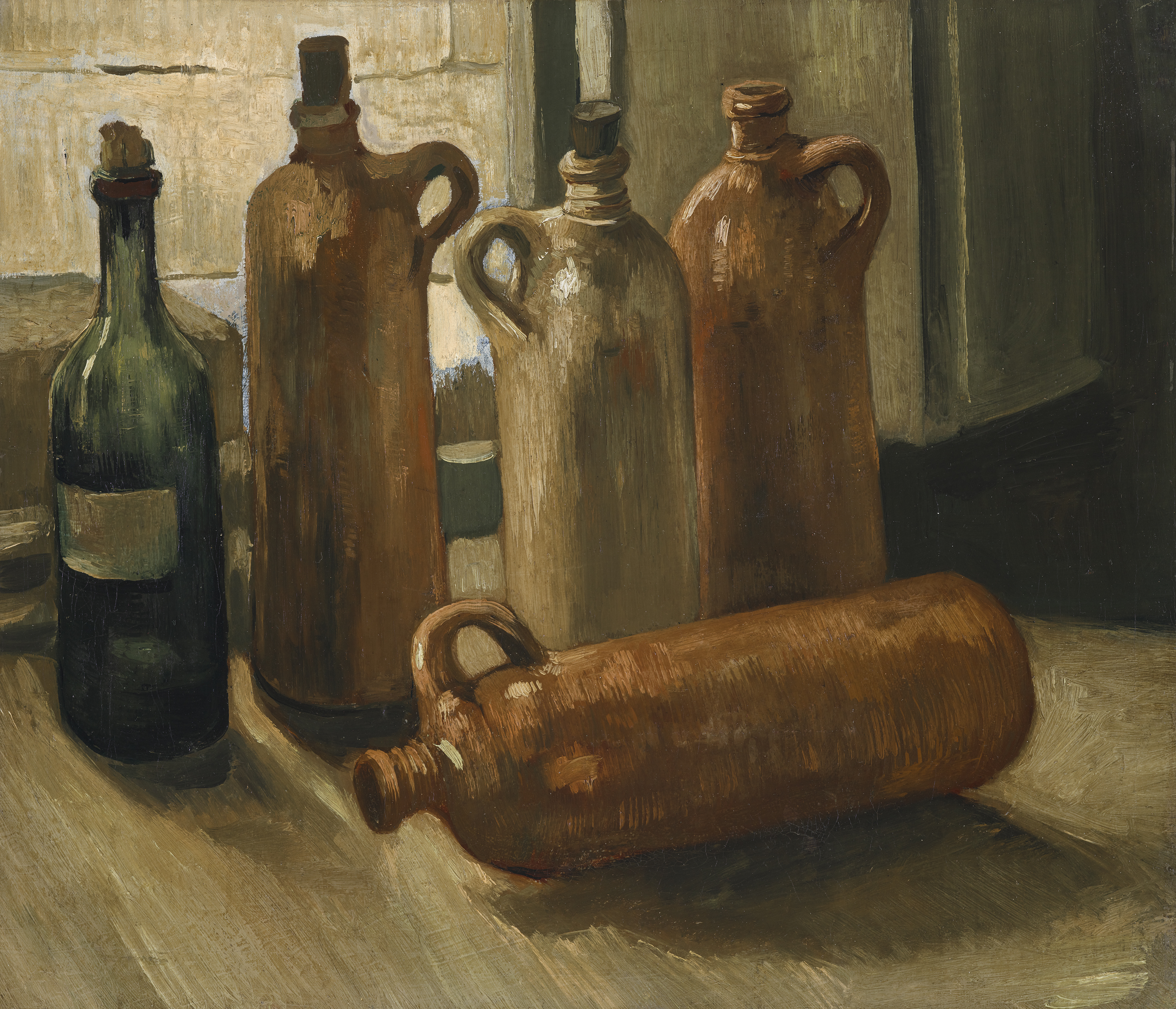
Stillleben mit fünf Flaschen, Vincent van Gogh, 1884

Vincent van Gogh

Stillleben mit fünf Flaschen, 1884

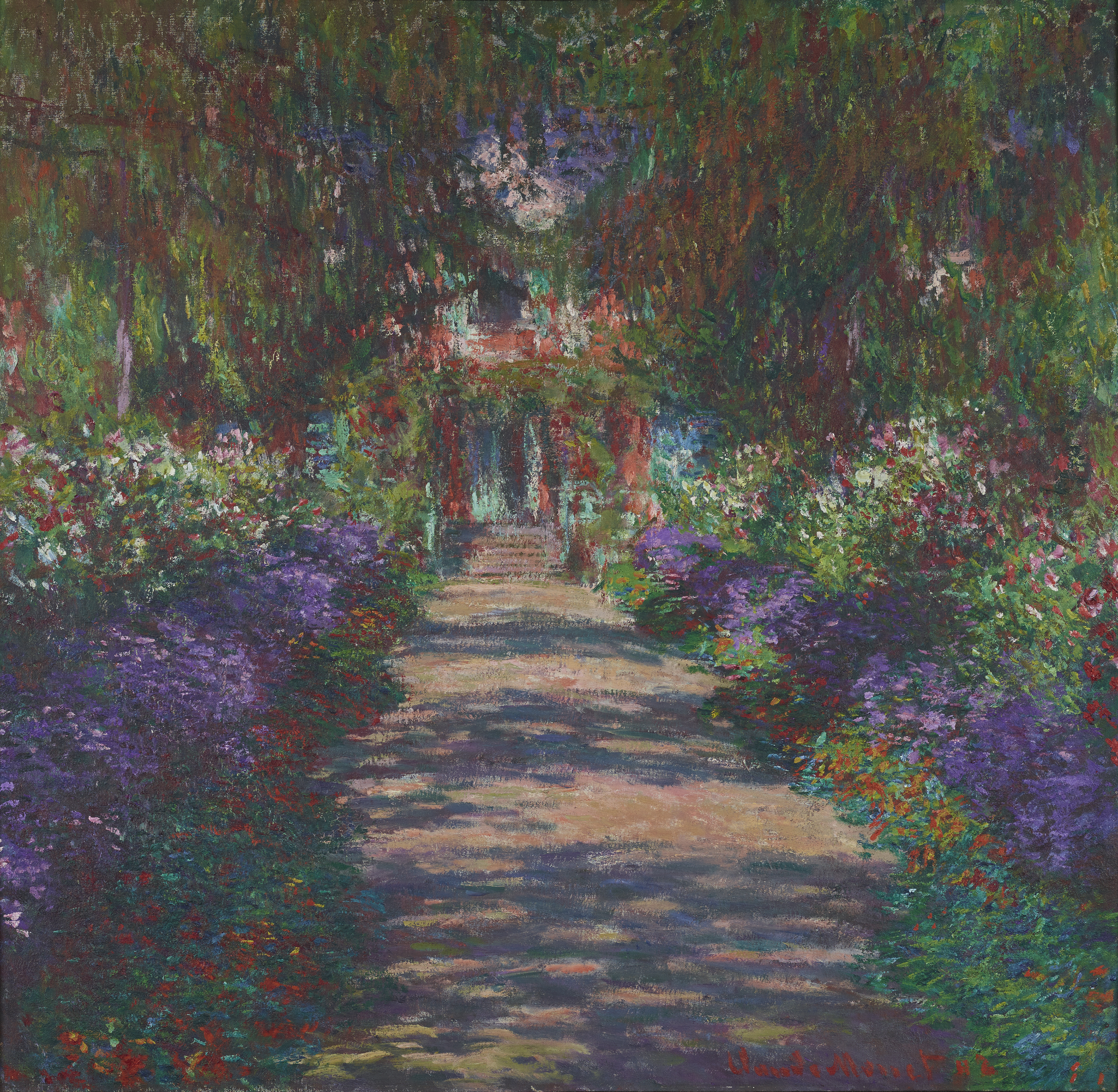
Eine Allee in Monets Garten in Giverny, Claude Monet, 1902

Claude Monet

Eine Allee in Monets Garten in Giverny, 1902

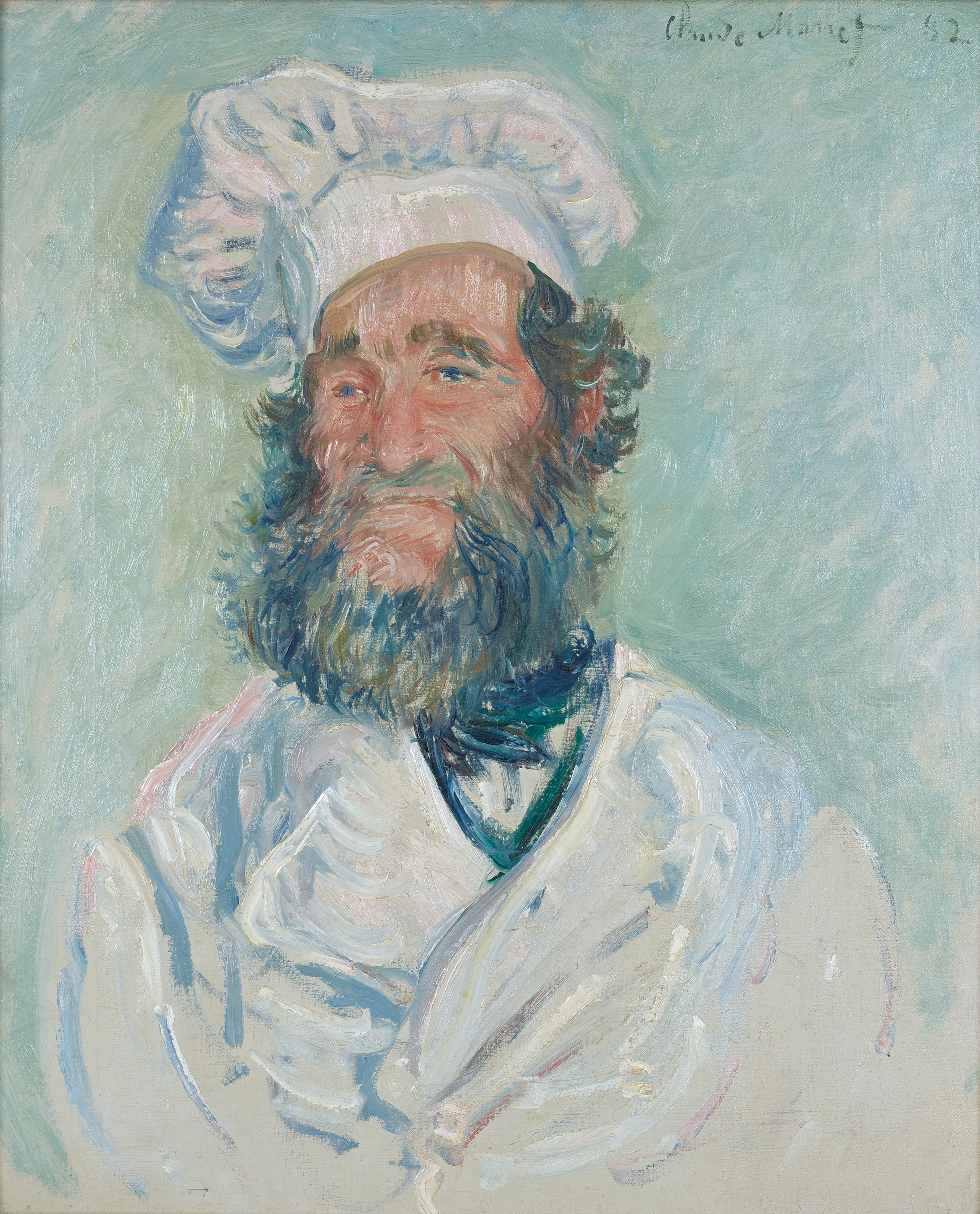
Der Koch (Le Père Paul), Claude Monet, 1882

Claude Monet

Der Koch (Le Père Paul), 1882

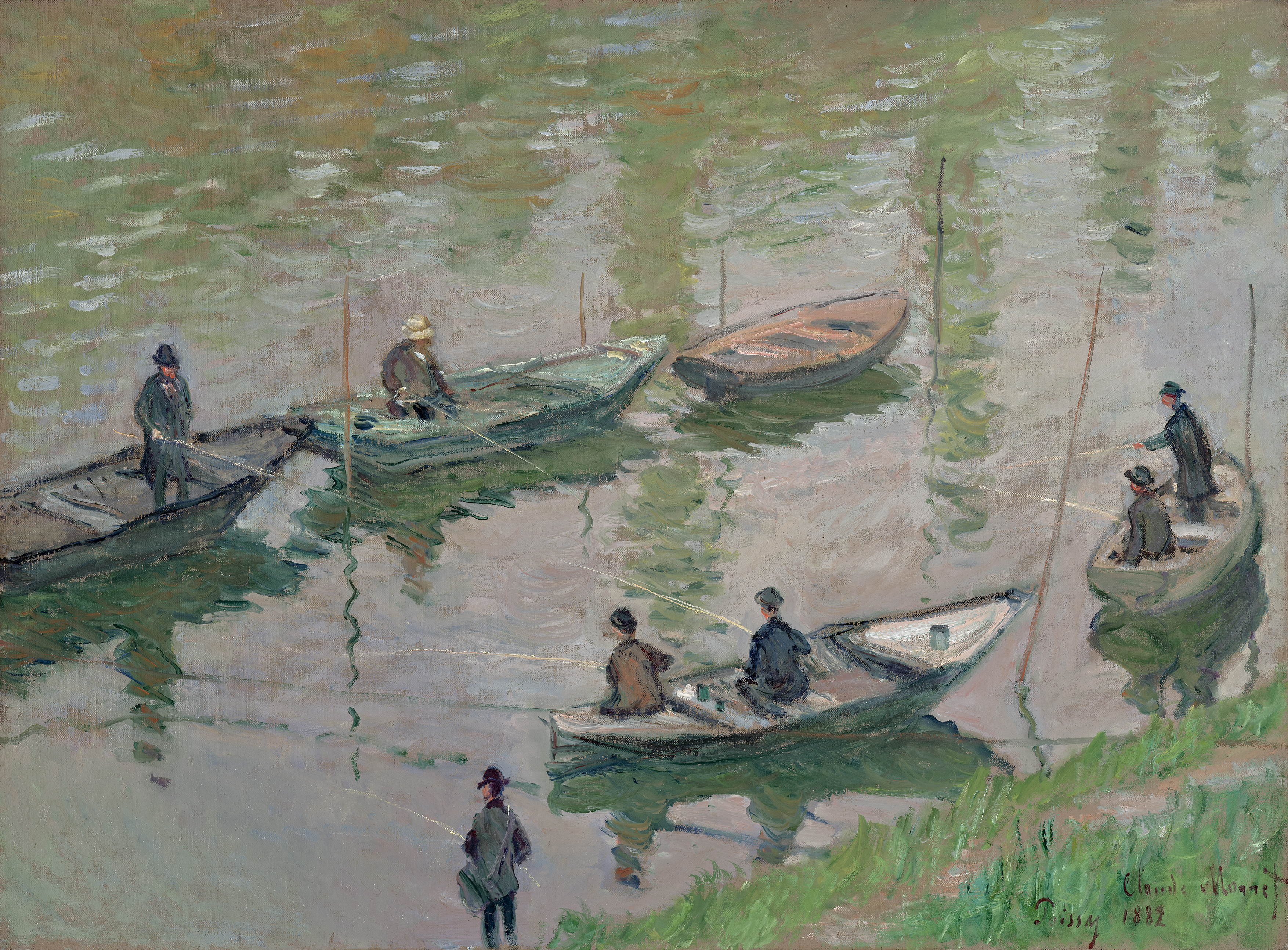
Angler auf der Seine bei Poissy, Claude Monet, 1882

Claude Monet

Angler auf der Seine bei Poissy, 1882

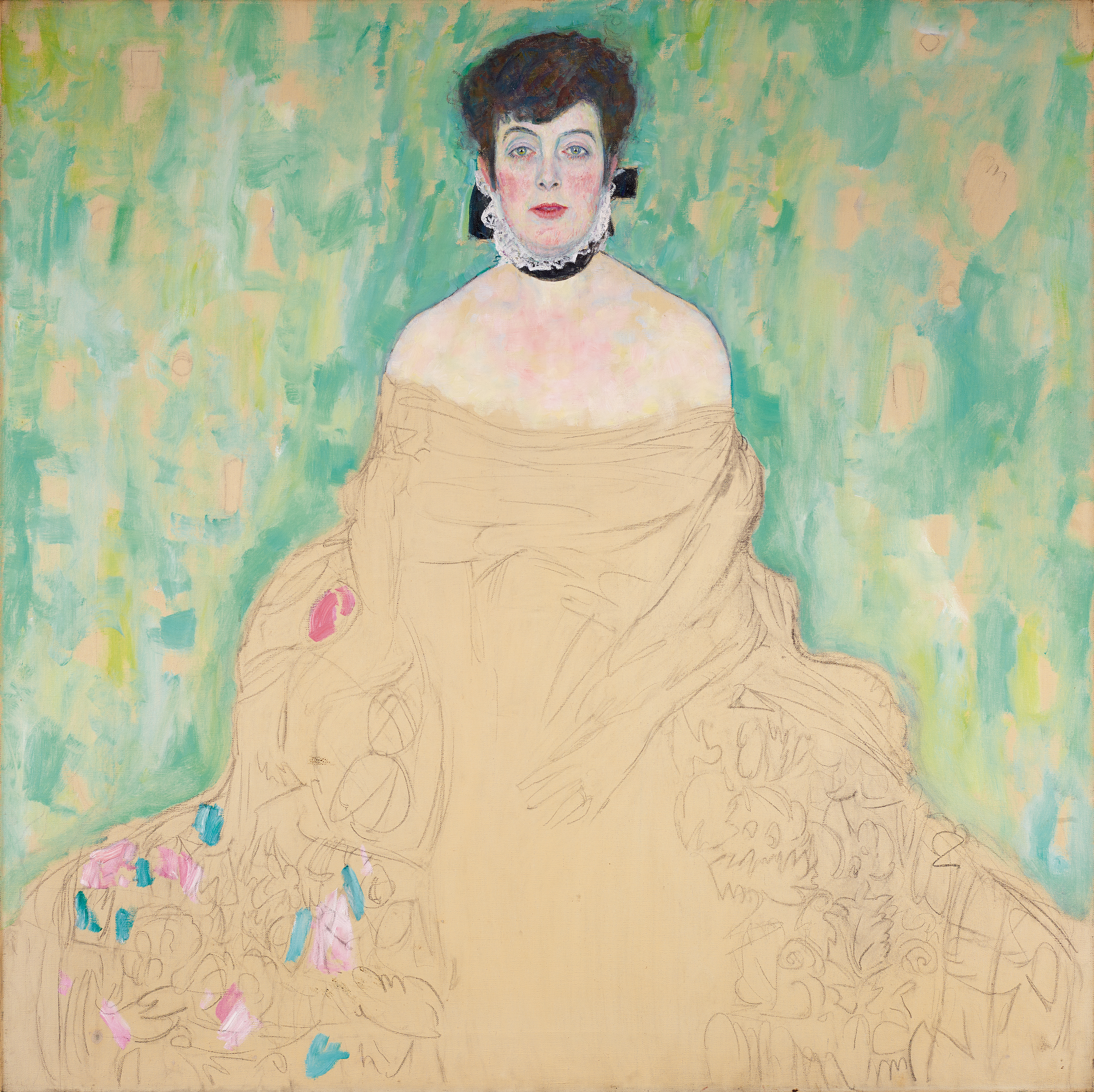
Amalie Zuckerkandl, Gustav Klimt, 1917–1918

Gustav Klimt

Amalie Zuckerkandl, 1917–1918

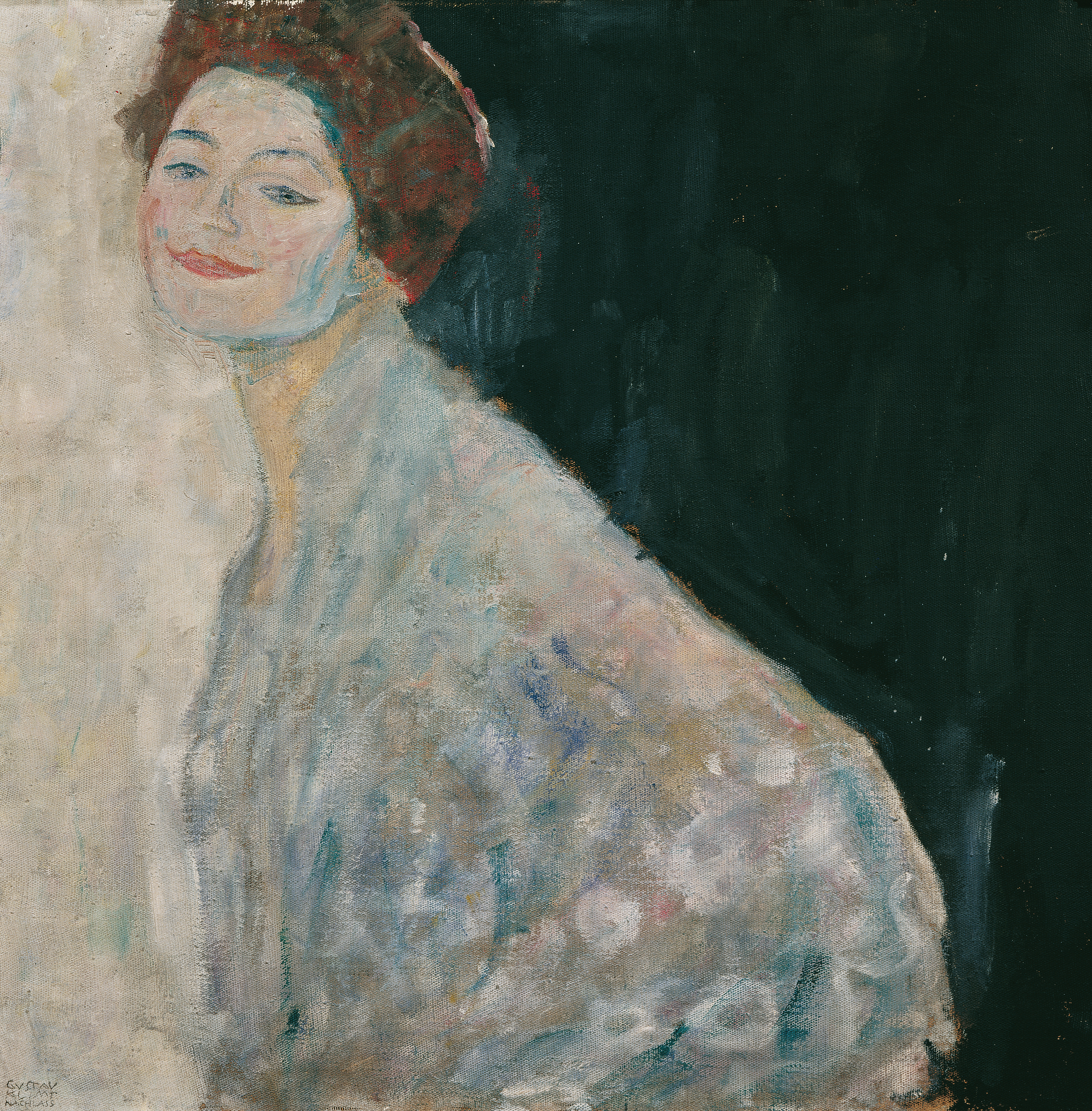
Dame in Weiß, Gustav Klimt, 1917–1918

Gustav Klimt

Dame in Weiß, 1917–1918

Adam und Eva, Gustav Klimt, 1916–1918

Gustav Klimt

Adam und Eva, 1916–1918