 Queen of Great Britain VictoriaPrincess Helena (1846-1923)
Browse
British painting
British painting ranges from public experiments to remembered farmland and Shakespearean tragedy. Its familiar scenes often conceal elaborate preparation: a Suffolk landscape assembled in London, a riverbank painted separately from a model lying in a bath. Looking at how Wright, Constable and Millais built their pictures reveals a culture arguing over knowledge, nature and the responsibilities of a spectator.
43,579 works from 520 museums1,032 on view nowClear all
Queen of Great Britain VictoriaPrincess Helena (1846-1923) Thomas GainsboroughCottage Children (The Wood Gatherers)
 Albert von Sachsen-CoburgThe Marquis of Posa
 Albert von Sachsen-CoburgThe Death of Count Mansfield (1580-1626)
 Albert von Sachsen-CoburgThe Death of the Marquis of Posa
 Albert von Sachsen-CoburgA Scene from Goethe's "Götz von Berlichingen"
 William BlakeJob and His Daughters
 William BlakeThe Ghost of a Flea
 William BlakeNewton
 William BlakeThe Bard, from Gray
 William BlakeAgony in the Garden
 William BlakeSatan Smiting Job with Sore Boils
 William BlakeBeatrice Addressing Dante from the Car
 Joseph Mallord William TurnerWhalers
 Queen of Great Britain VictoriaThe Prince of Wales with a parrot
 Queen of Great Britain VictoriaA Scene from 'Der Hahnenschlag'
 Zaha HadidTectonics of Malevich
 William BlakeThe Last Supper
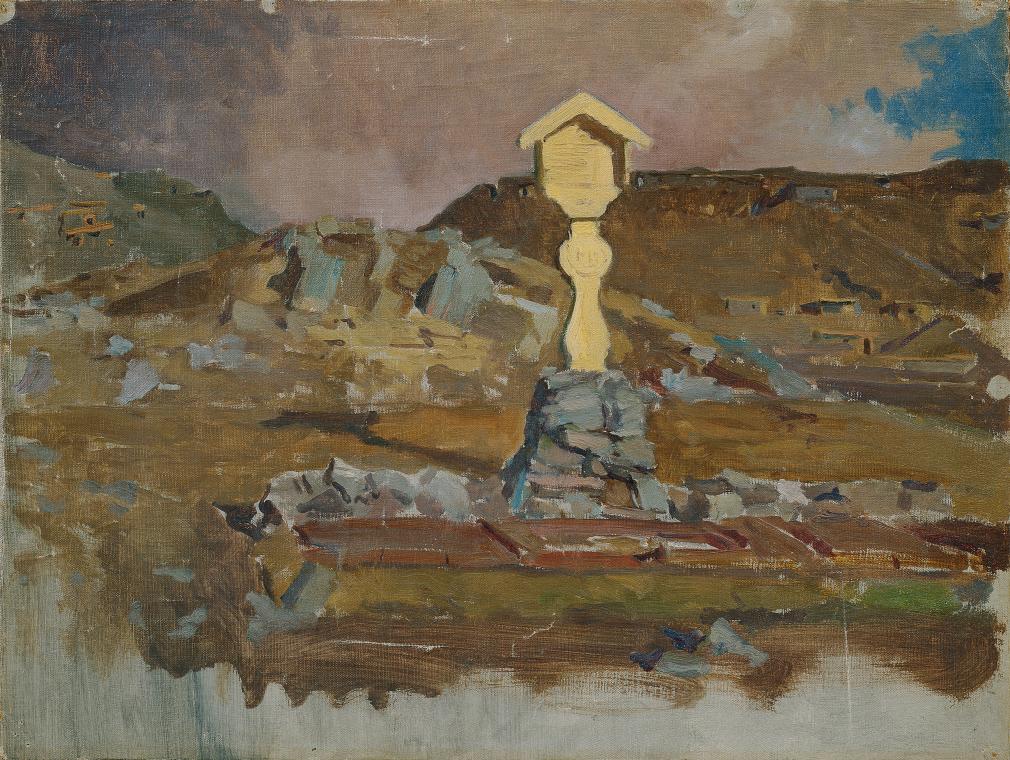 John Quincy AdamsSoldatengrab
 John Quincy AdamsLuise Eisner, spätere Fürstin Odescalchi
 Albert von Sachsen-CoburgFranz Xaver Winterhalter (1805-73)
 Albert von Sachsen-CoburgA Long-Eared Owl
 John Quincy AdamsKaiser Karl I. von Österreich
 John Quincy AdamsKaiser Franz Joseph I. in der Dienstuniform eines österreichischen Feldmarschalls
 William BlakeThe Body of Christ Borne to the Tomb
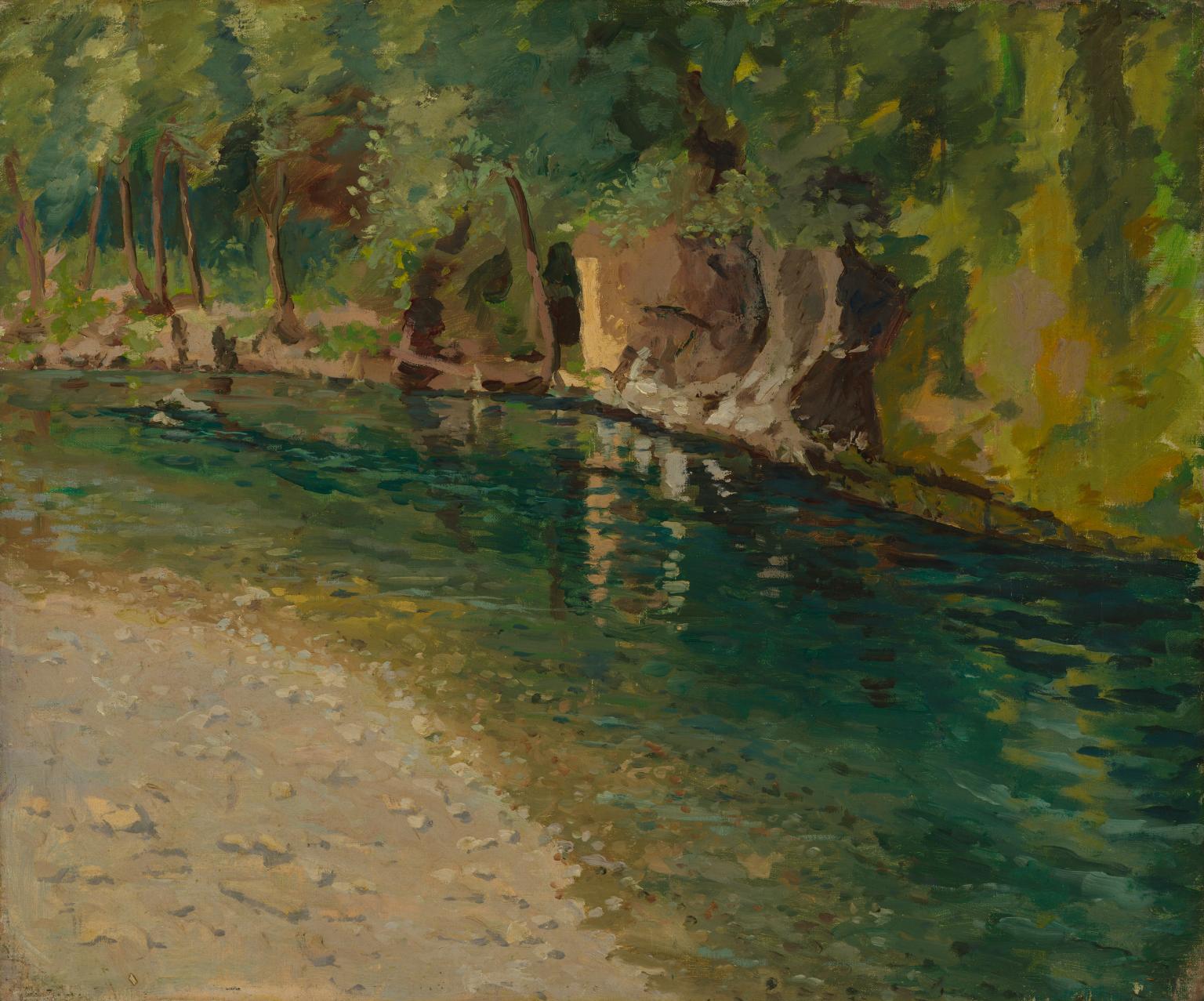 Winston ChurchillThe Loup River, Alpes Maritimes
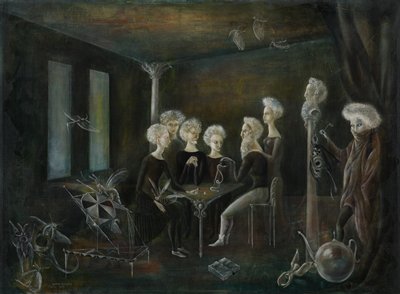 Leonora CarringtonDear Diary—Never Since We Left Prague
 Thomas ColeThe Oxbow
 Lourens Alma TademaDe dood van de eerstgeborene van de farao
 Queen of Great Britain VictoriaAnnie Macdonald (1848-?66)
 Queen of Great Britain VictoriaSimplicity
 Queen of Great Britain VictoriaHead of a Maid
 John Quincy AdamsKitty Baronin Rothschild
 John Quincy AdamsKaiser Franz Joseph I. in der Dienstuniform eines österreichischen Feldmarschalls
 Queen of Great Britain VictoriaArchibald Macdonald (1842-90)
 William BlakeThe Body of Abel Found by Adam and Eve
 William BlakeChrist Blessing the Little Children
 William BlakeThe Spiritual Form of Nelson guiding Leviathan
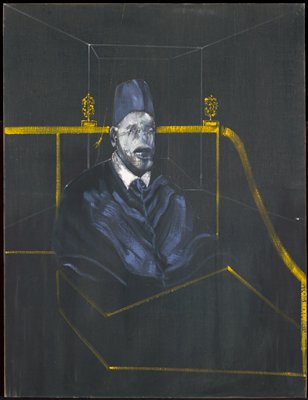 Francis BaconStudy for Portrait VI
 Joshua ReynoldsCaptain George K. H. Coussmaker (1759–1801)
 Queen of Great Britain VictoriaPrincess Amalie of Saxe-Coburg-Gotha (1848-1894)
 William BlakeEvening
 Queen of Great Britain VictoriaTyrolese Woman and Child after Philip Foltz
 Queen of Great Britain VictoriaA Scene from Racine's "Athalie"
 Albert von Sachsen-CoburgRomeo and Tybalt
 John Quincy AdamsRichard Graf Bienerth-Schmerling
 William BlakeThe Spiritual Form of Pitt guiding Behemoth
British painting
The lecturer has his hand at the valve. Inside a glass vessel a white bird struggles for air, while the people around the table respond with curiosity, distress or distraction. Joseph Wright of Derby painted this experiment in 1768, making a scientific demonstration large enough to compete with grand historical subjects. The equipment explains a physical fact, but the faces ask a different question: what does watching another creature suffer do to the people who have gathered for instruction?
Can a scientific experiment become a history painting?
Wright’s air-pump experiment belongs to London’s National Gallery. Such demonstrations were already familiar forms of scientific entertainment; Wright’s novelty lies in the weight he gives their audience. A girl covers her eyes. A man consults his watch. The lecturer looks out towards us, as though our presence completes the gathering. The outcome remains suspended. Knowing how the apparatus works does not tell us whether this particular bird will be allowed to breathe again.

A hidden candle makes the demonstration possible to see and turns it into theatre. Faces emerge from darkness with different degrees of clarity; beneath the table, information disappears. Wright uses the promise of enlightenment without making the scene emotionally simple. Even a viewer interested mainly in the painting’s technique becomes another spectator of the experiment. This tension helps explain why British painting cannot be reduced to portraits of landowners and pleasant countryside. Modern activities could demand the scale and seriousness once reserved for older stories.
Was The Hay Wain painted outdoors?
John Constable knew the landscape of intimately, but painted the finished canvas in London. Its millpond lies at Flatford on the River Stour, where his family operated a mill. The house belonged to the world of tenant farmer Willy Lott. Constable combined earlier observations, small studies and a preparatory sketch as large as the final picture. A scene that appears to offer immediate access to a summer day is the result of remembering, selecting and rearranging.

