ART WIKI32,963 on view
MapCollectionArtistsMuseumsExhibitionsJournal
Sign in

ART WIKI

Where the masterpiece hangs, and when they let you in.

Collections: Art Institute of Chicago, Getty Villa, Harvard Art Museums, Hirshhorn Museum and Sculpture Garden, J. Paul Getty Museum, Minneapolis Institute of Art, Musée du Louvre, National Gallery of Art, National Museum of Asian Art, National Portrait Gallery (Smithsonian), Pushkin State Museum of Fine Arts, Rijksmuseum, Smithsonian American Art Museum, SMK — National Gallery of Denmark, State Hermitage Museum, State Russian Museum, The Cleveland Museum of Art, The Metropolitan Museum of Art, The Museum of Modern Art, Tretyakov Gallery, Victoria and Albert Museum, Whitney Museum of American Art, State Catalogue of the Museum Fund of Russia (274 museums), Europeana (19 museums), Wikidata (6 museums), Paris Musées (12 museums), and Joconde, the French Ministry of Culture's museum database (495 museums). Images belong to their rights holders.

Sections

  • Map
  • Search
  • Collection
  • Masterpieces
  • On view now
  • Artists

More

  • Museums & galleries
  • Exhibitions
  • Journal
  • Where the data comes from
  • Privacy & cookies
HomeMapBrowse
  1. Collection/
  2. The Cleveland Museum of Art/
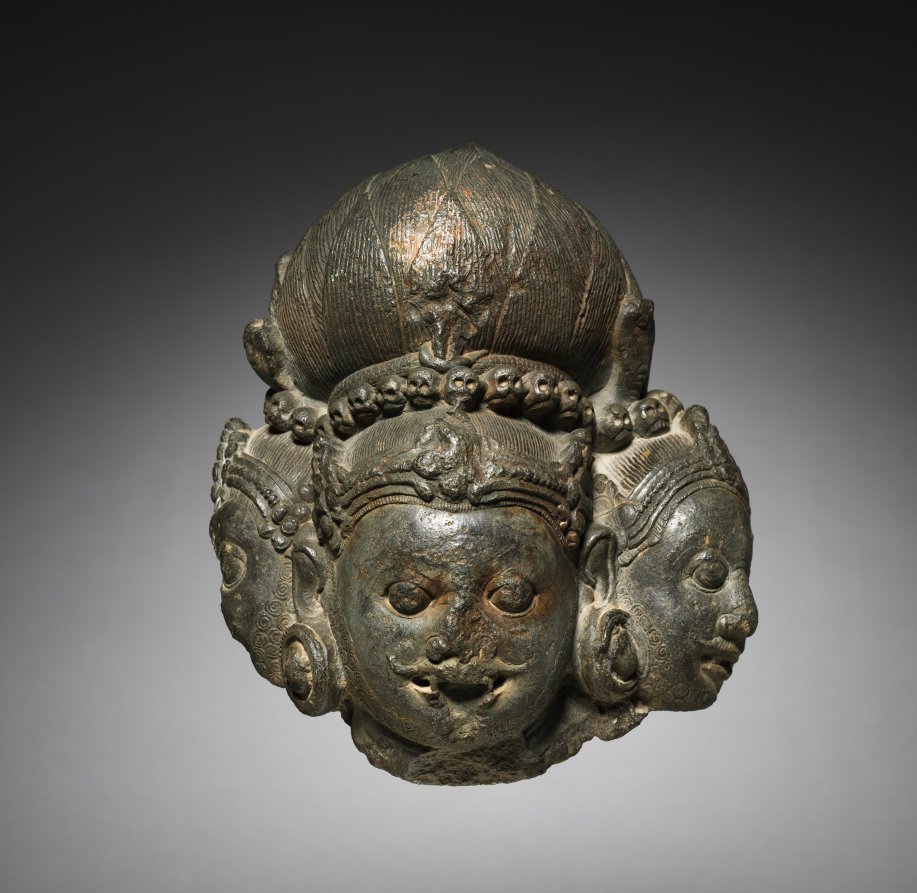
  3. Trikala Bhairava
Trikala Bhairava, 1000s–1100s

Trikala Bhairava

1000s–1100s · Sculpture

May one see it?

Yes, receiving visitors

The Cleveland Museum of Art

Cleveland, United States

Room244 Indian and Southeast Asian

On public display.

Checked
2 days ago
In this state since
Aug 19, 2026
Source
The museum's own collection data
On the mapMuseum page

About the sculpture

Bhairava is the name of the wrathful aspect of the Hindu god Shiva. His ferocity and fearsome attributes include the crown of skulls and cobras, bulging eyes, fangs, and hair that stands on end. His three heads are indicative of the passing of time from past through present to the future, which is the meaning of his epithet Trikala, or "triple time." The ferocity of this figure reminds devotees not to waste a moment in striving to reach liberation from the relentless passage of time that ultimately leads to death and destruction. In the Hindu tradition, liberation can be achieved through devotion to god, which may attract his merciful decision to bring the devotee to eternal blissful union with him.

The Cleveland Museum of Art

Particulars

Accession number
1958.208

In the catalog

SculptureStoneEastern India, Orissa

Sources

  • The Cleveland Museum of Art: the museum's own open data · fetched 8 days ago
  • Image: The Cleveland Museum of Art — Museum open access
Neighbors at The Cleveland Museum of Art

Museum page
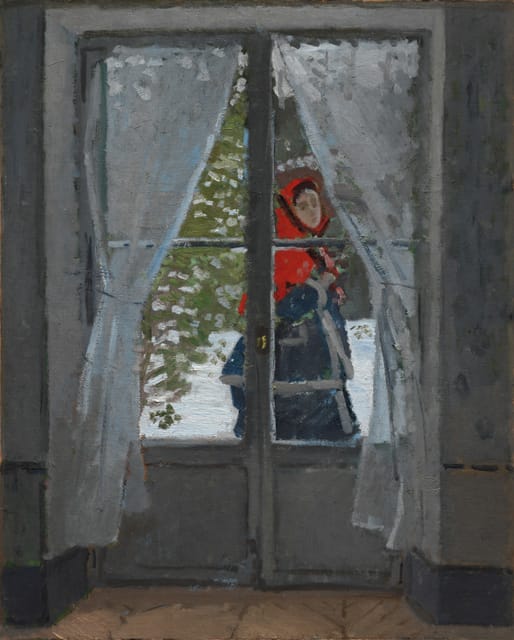
The Red Kerchief, Claude Monet, c. 1868–73

Claude Monet

The Red Kerchief, c. 1868–73

Melencolia I, Albrecht Dürer, 1514

Albrecht Dürer

Melencolia I, 1514

The Virgin and Child with the Pear, Albrecht Dürer, 1511

Albrecht Dürer

The Virgin and Child with the Pear, 1511

The Nativity, Albrecht Dürer, probably c. 1509/1510

Albrecht Dürer

The Nativity, probably c. 1509/1510

The Virgin and Child on a Crescent with a Starry Crown, Albrecht Dürer, 1508

Albrecht Dürer

The Virgin and Child on a Crescent with a Starry Crown, 1508

The Lamentation, Albrecht Dürer, 1507

Albrecht Dürer

The Lamentation, 1507

Large Horse, Albrecht Dürer, 1505

Albrecht Dürer

Large Horse, 1505

Nemesis (The Great Fortune), Albrecht Dürer, c. 1501/1502

Albrecht Dürer

Nemesis (The Great Fortune), c. 1501/1502