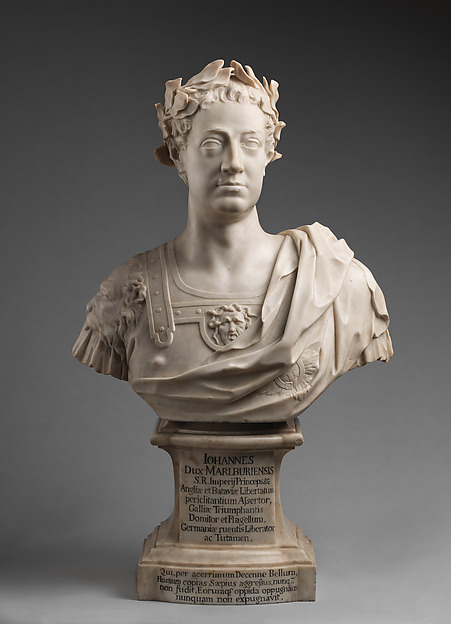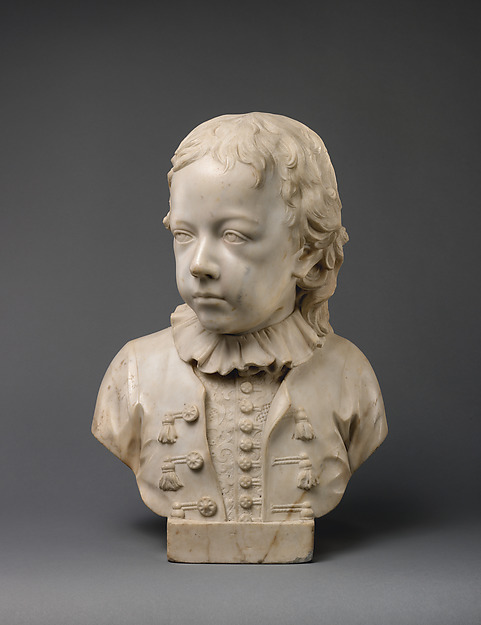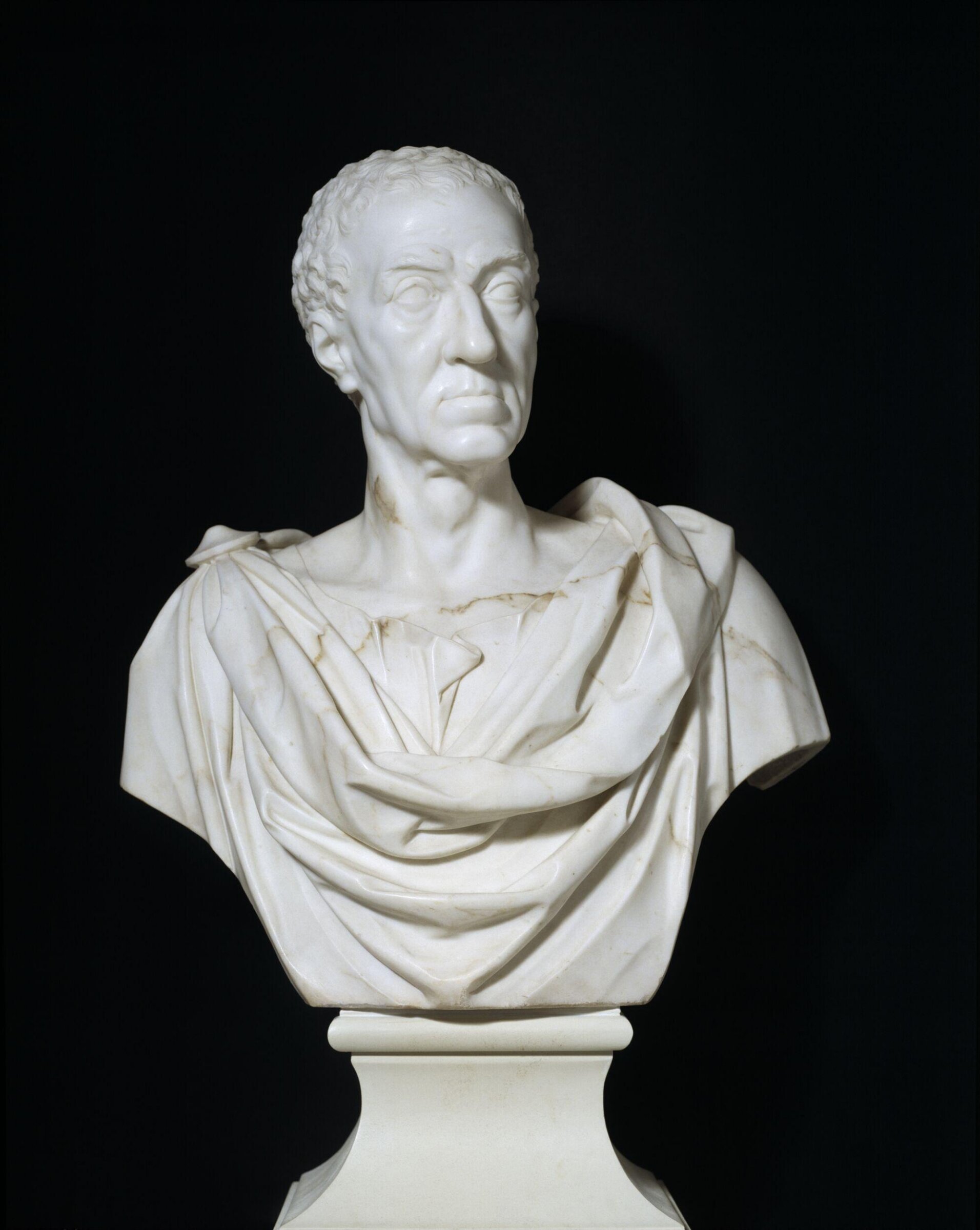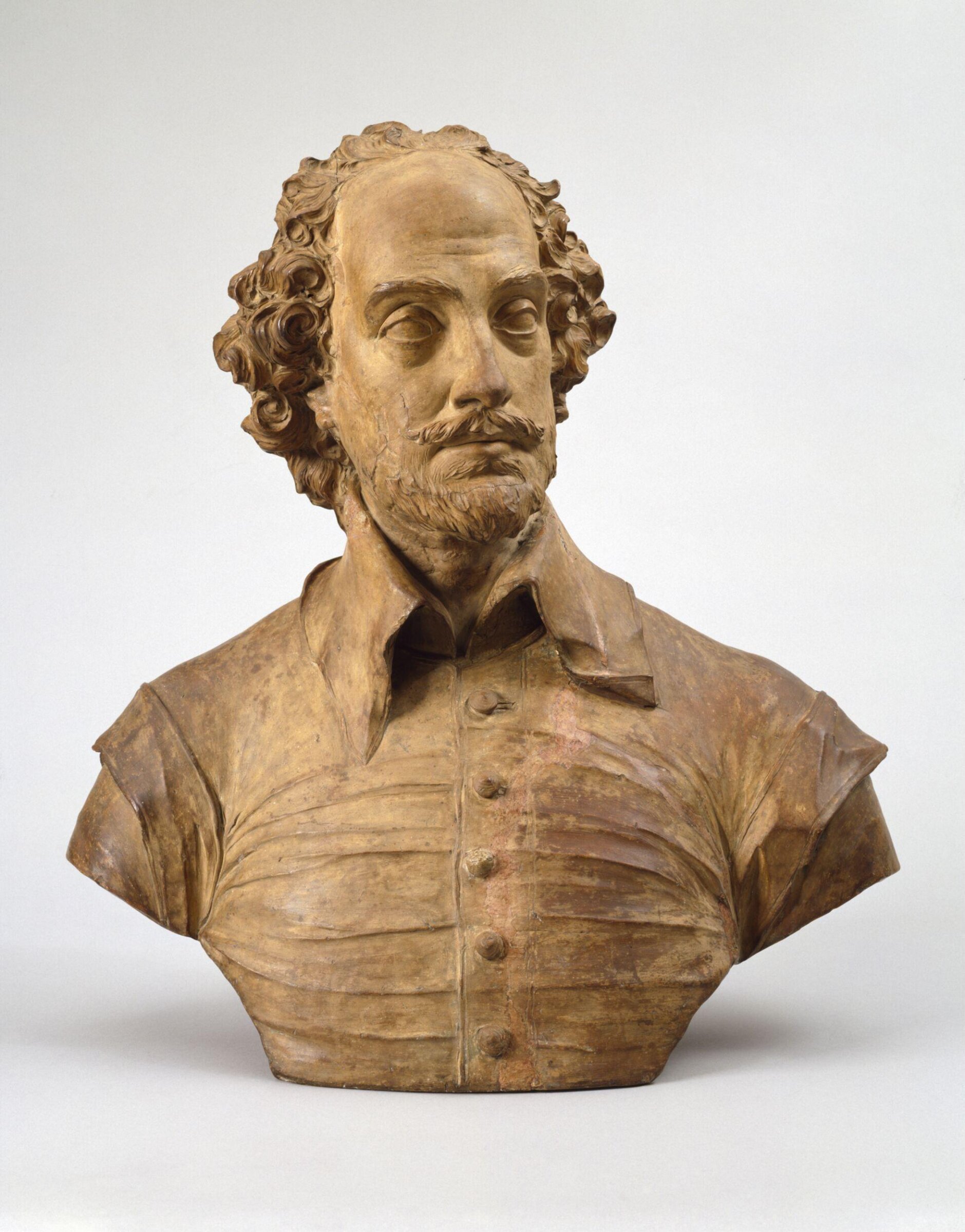
 John Michael RysbrackFlemish, 1694–1770
Thuner
Can I see it?
Yes, on view now
Where is “Thuner” now? Victoria and Albert Museum, Sculpture, Room 23, The Dorothy and Michael Hintze Galleries, London. Yes, on view now. Checked September 25, 2026.

London, United Kingdom
RoomSculpture, Room 23, The Dorothy and Michael Hintze Galleries
Closed· opens at 10:00 AM
On public display.
- Checked
- In this state since
- Source
- The museum
About the sculpture
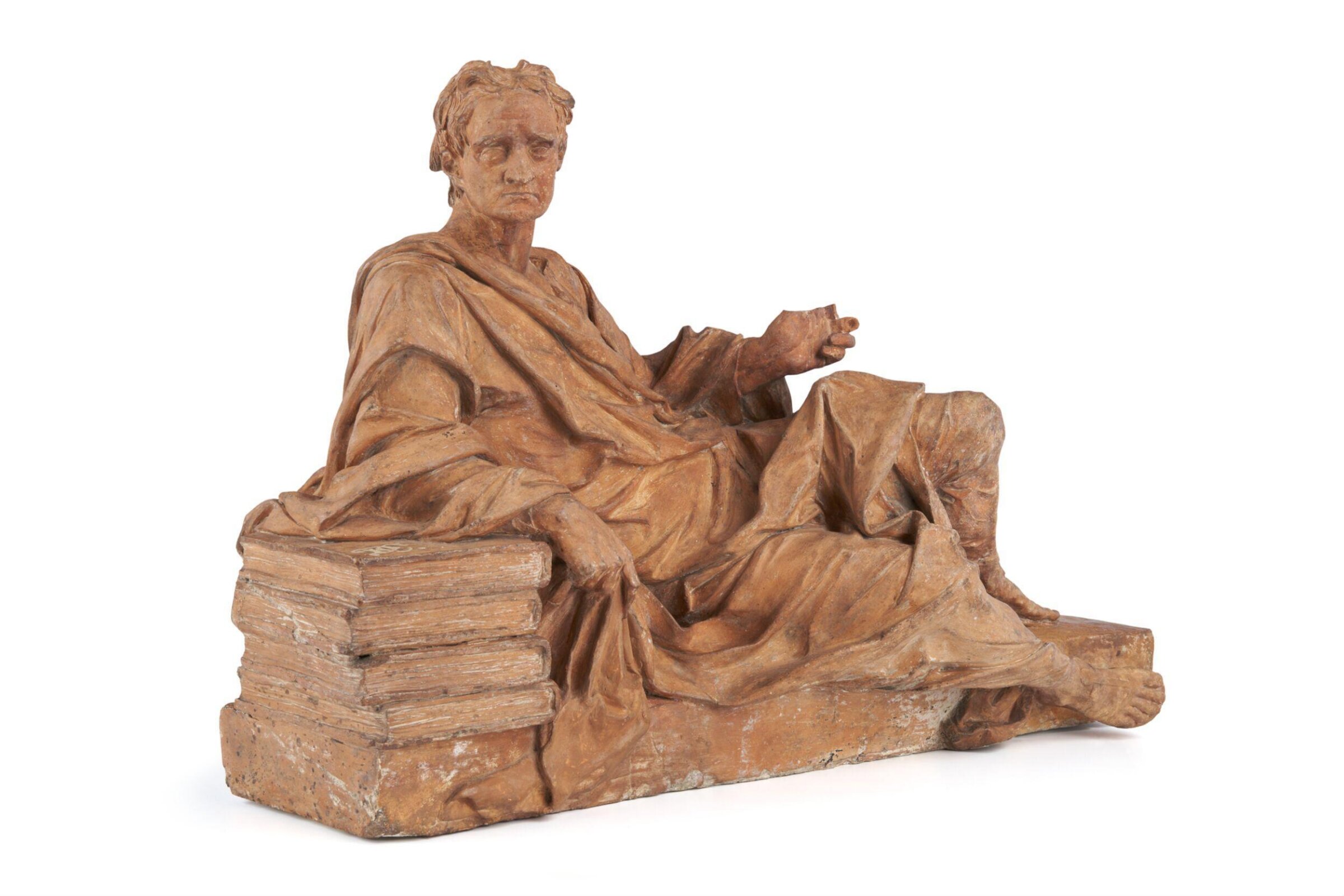
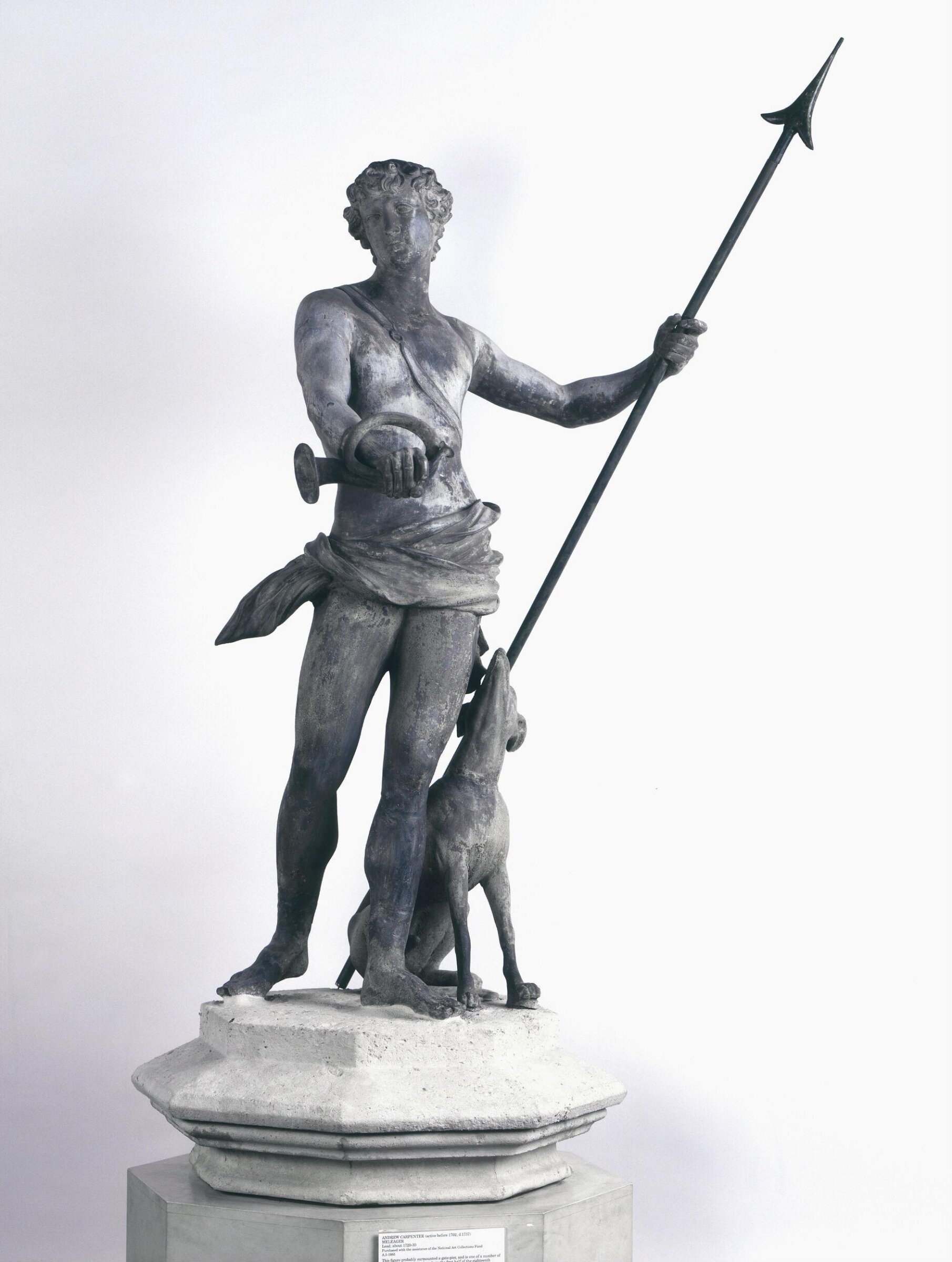
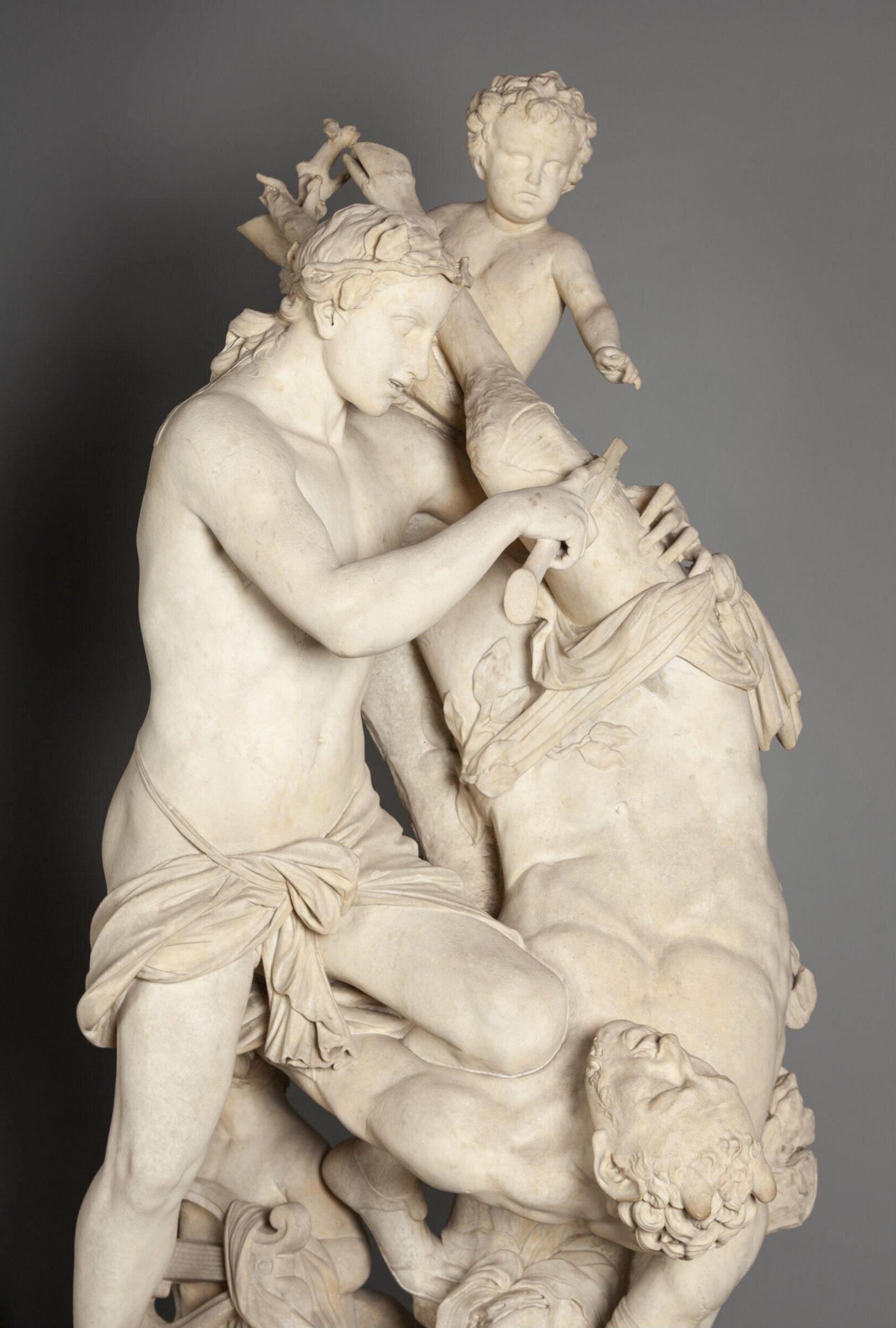
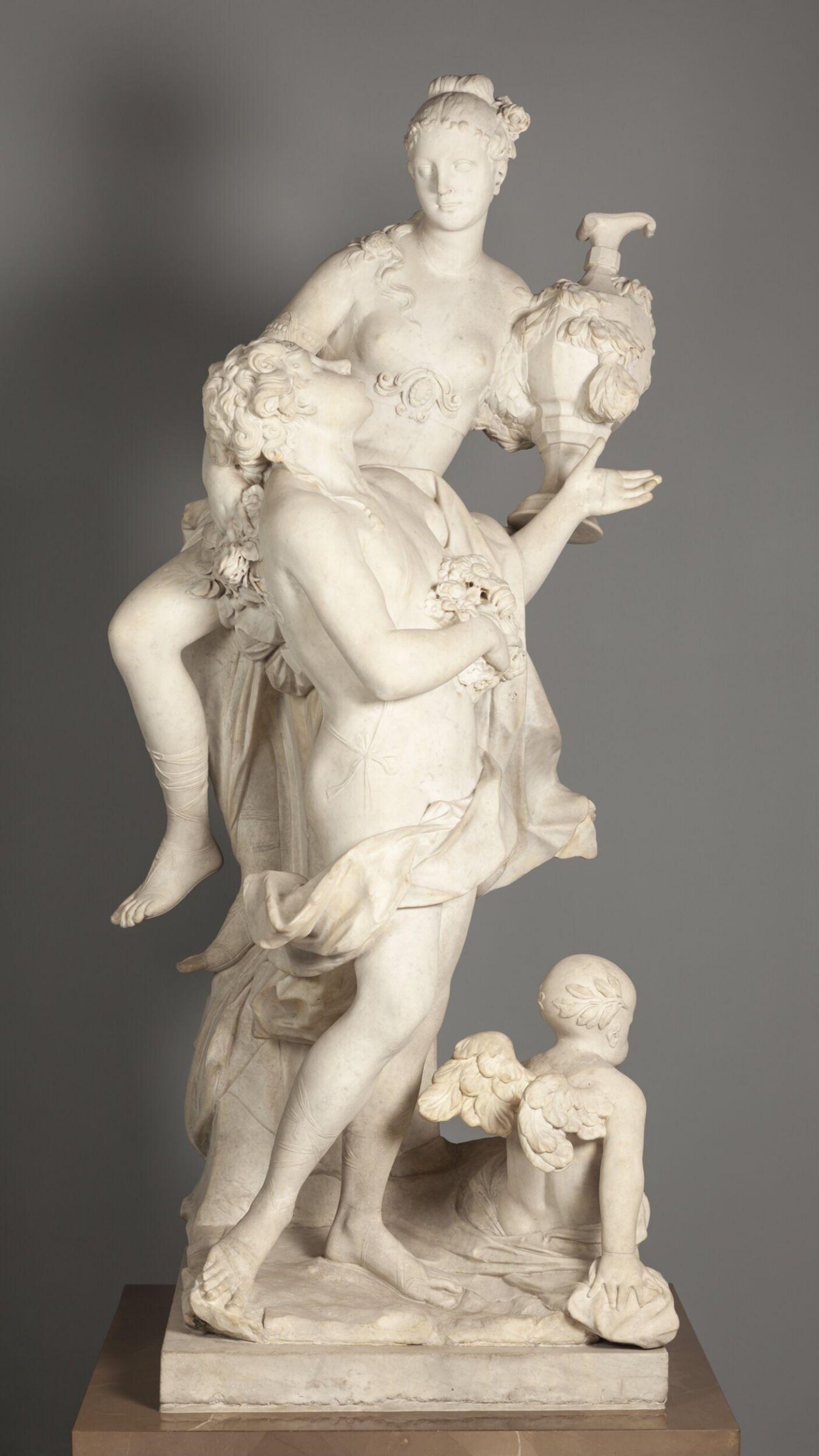
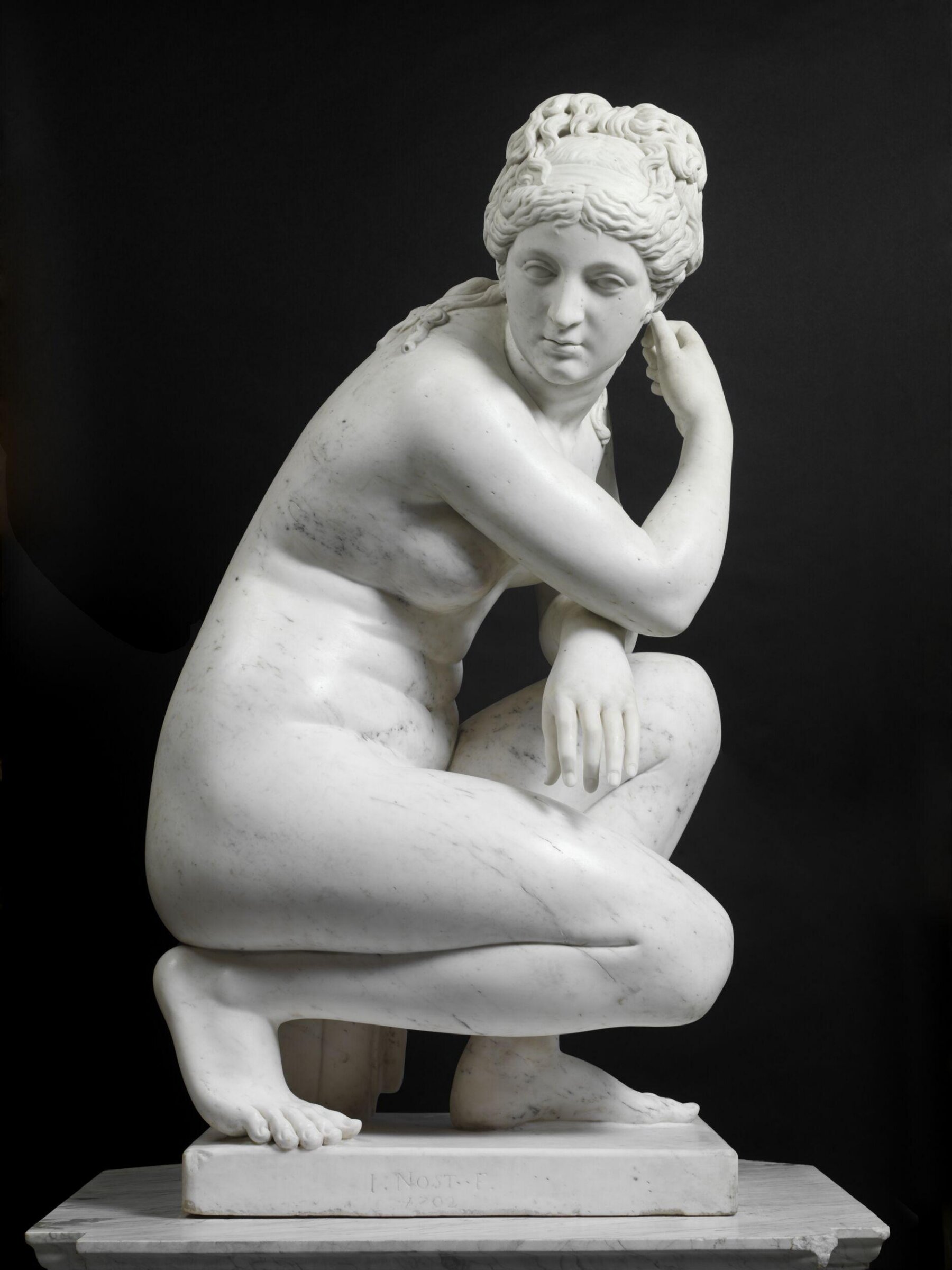
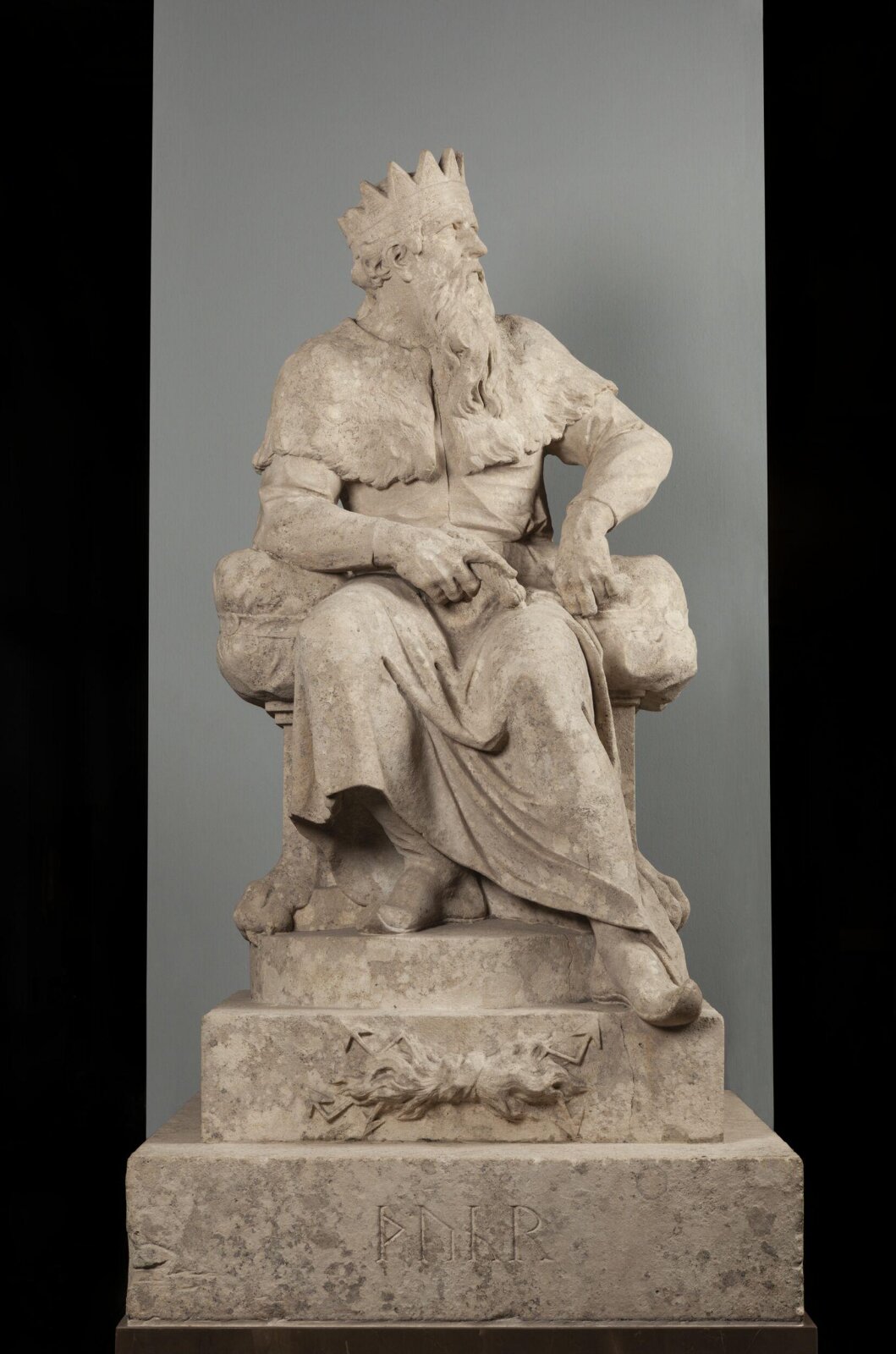
Thuner, the god of thunder, was one of the seven Saxon Deities executed by Rysbrack for Lord Cobham’s garden at Stowe, in Buckinghamshire. Each Saxon god was associated with a day of the week, and Thuner, the most powerful of the gods, was linked to Thursday. Originally placed in an open grove around an altar, by 1744 the statues were repositioned around the Gothic Temple of Liberty, designed by William Kent, and formed an integral part of the underlying political theme of the garden. The Saxon deities were separated after the Stowe sale of 1921, and the figure of Thuner reappeared in 1984 after having been in a Hampshire garden for over 60 years. The Saxon gods are tied in with the political iconography of Stowe, and symbolise Lord Cobham’s allegiance to the ideals of those Whigs who had broken away from Sir Robert Walpole. As such they symbolise an ancient British identity.
Read on
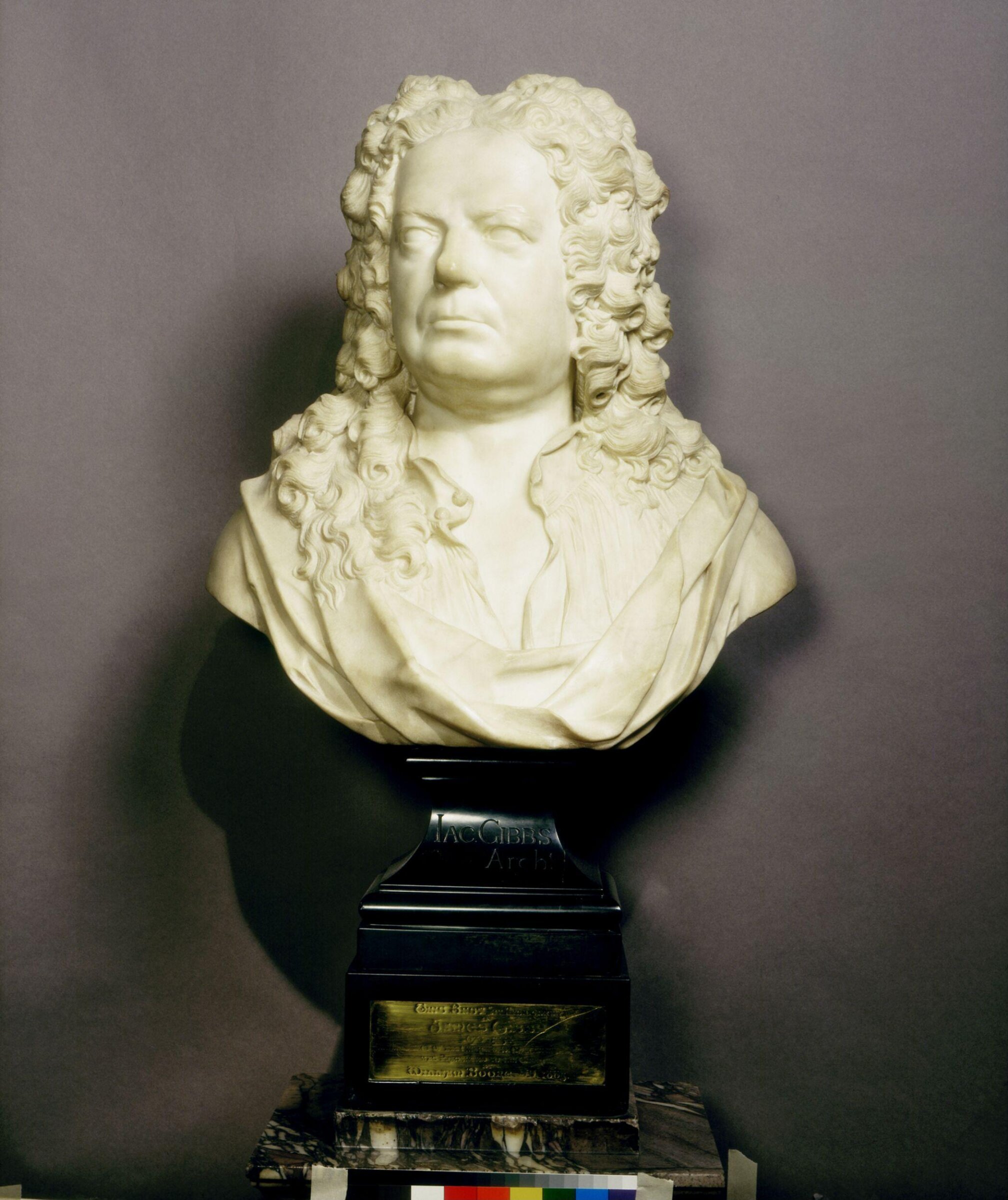
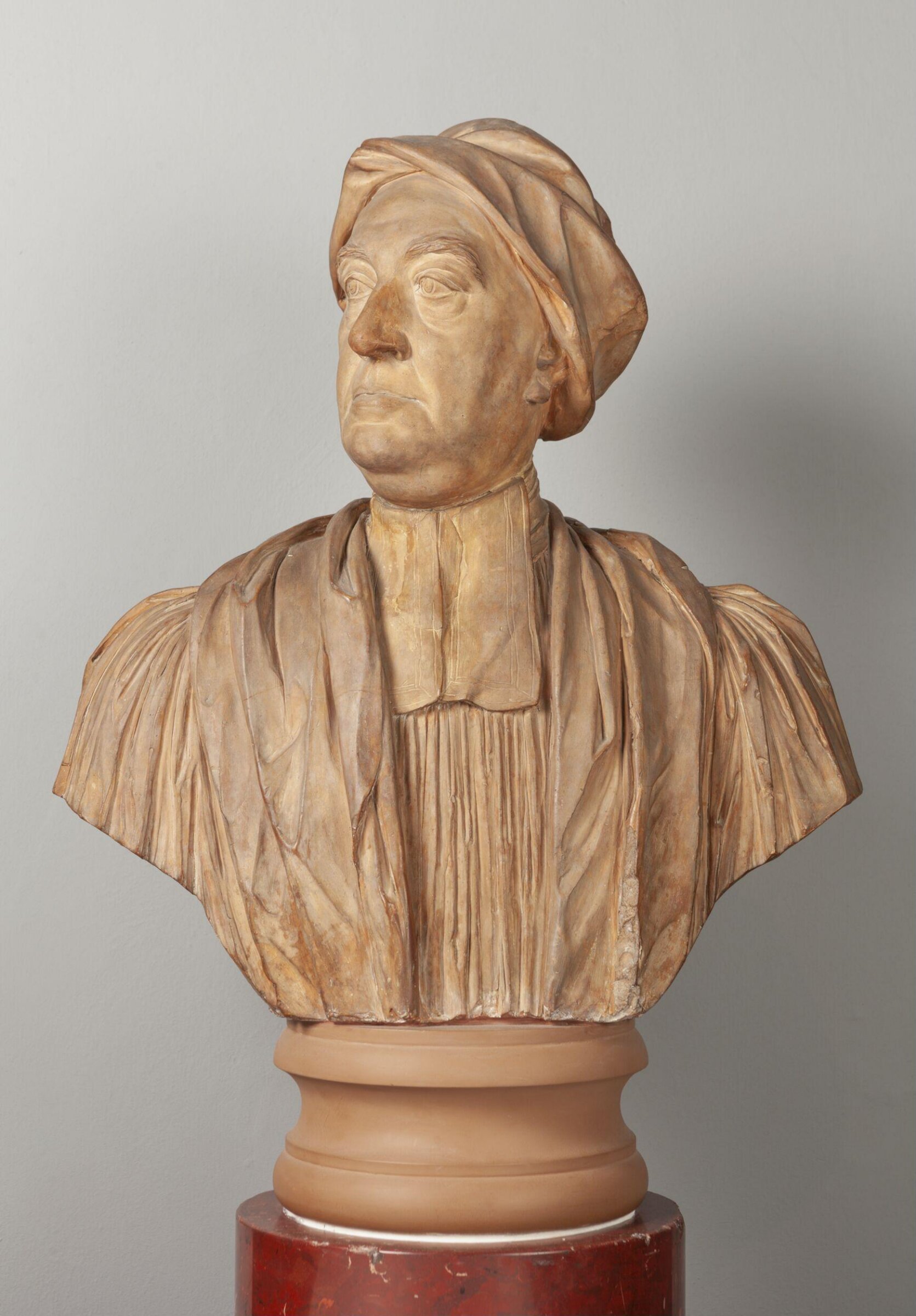
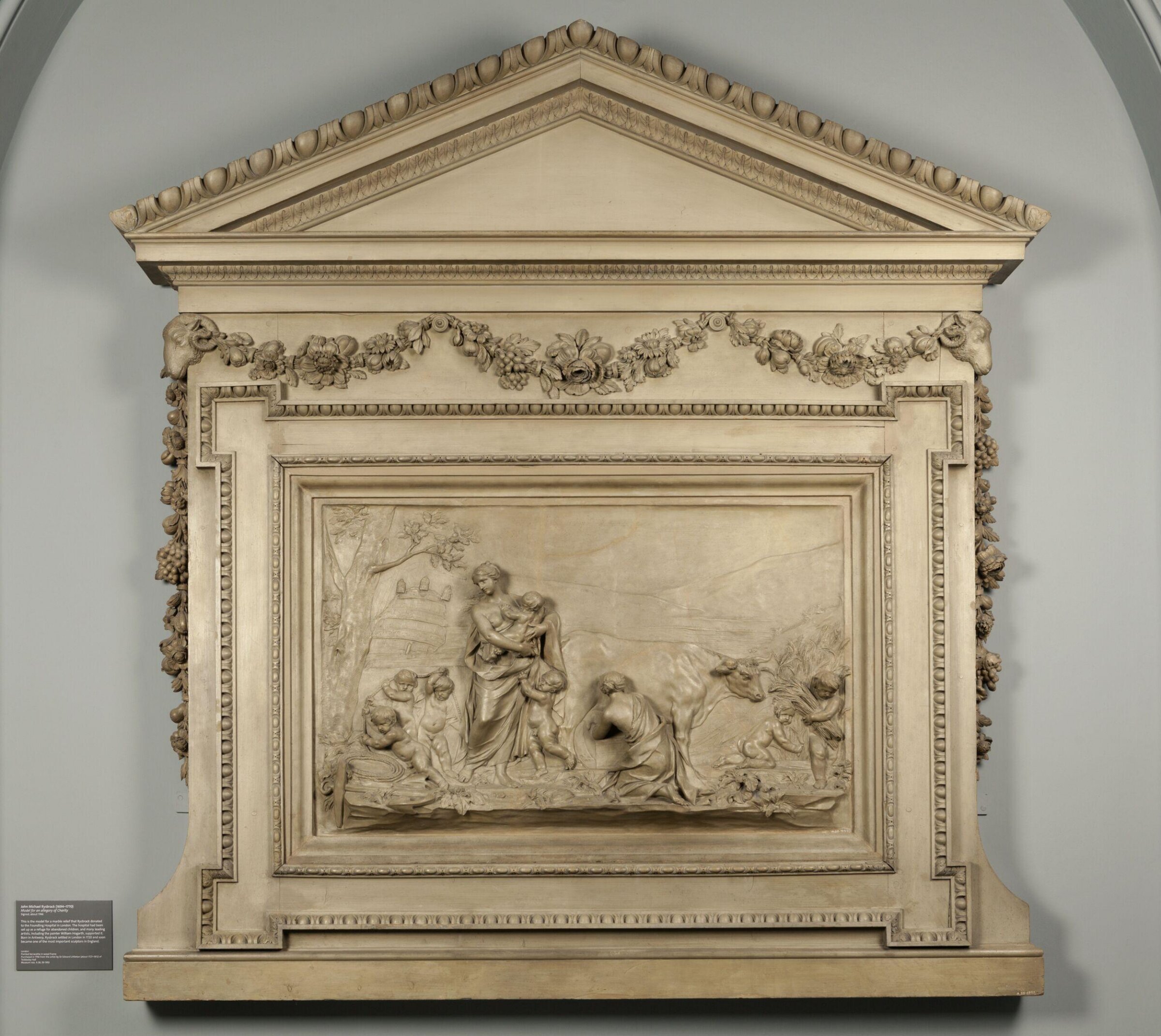
Rysbrack was born in Antwerp, and trained in the Netherlands, but spent his working life in Britain. He was one of the most important sculptors active in this country in the first half of the 18th century, and specialised in portrait busts and funerary monuments. Although he never visited Italy, many of his works are clearly indebted to classical prototypes.
Victoria and Albert Museum
Details
- Accession number
- A.10&:2, 3-1985
In the catalog
Sources
- Victoria and Albert Museum
- Image: Victoria and Albert Museum — © Victoria and Albert Museum, London