ART WIKI33,040 on view
MapCollectionArtistsMuseumsExhibitionsJournal
Sign in

ART WIKI

Where the masterpiece hangs, and when they let you in.

Collections: Art Institute of Chicago, Getty Villa, Harvard Art Museums, Hirshhorn Museum and Sculpture Garden, J. Paul Getty Museum, Minneapolis Institute of Art, Musée du Louvre, National Gallery of Art, National Museum of Asian Art, National Portrait Gallery (Smithsonian), Pushkin State Museum of Fine Arts, Rijksmuseum, Smithsonian American Art Museum, SMK — National Gallery of Denmark, State Hermitage Museum, State Russian Museum, The Cleveland Museum of Art, The Metropolitan Museum of Art, The Museum of Modern Art, Tretyakov Gallery, Victoria and Albert Museum, Whitney Museum of American Art, State Catalogue of the Museum Fund of Russia (274 museums), Europeana (19 museums), Wikidata (6 museums), Paris Musées (12 museums), and Joconde, the French Ministry of Culture's museum database (495 museums). Images belong to their rights holders.

Sections

  • Map
  • Search
  • Collection
  • Masterpieces
  • On view now
  • Artists

More

  • Museums & galleries
  • Exhibitions
  • Journal
  • Where the data comes from
  • Privacy & cookies
HomeMapBrowse
  1. Collection/
  2. Victoria and Albert Museum/
  3. Apollo flaying Marsyas
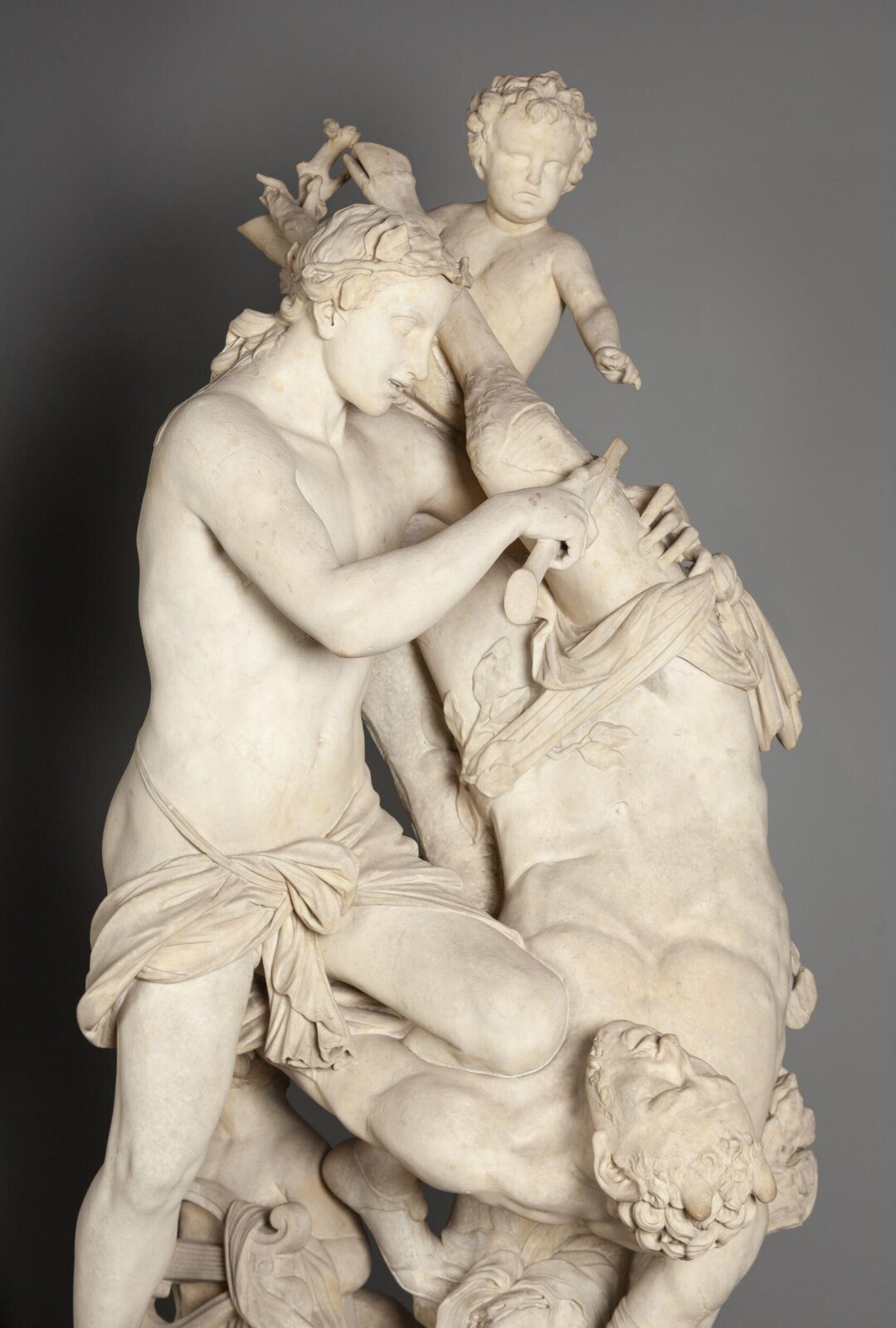
Apollo flaying Marsyas, Antonio Corradini, ca. 1719-23

Apollo flaying Marsyas

ca. 1719-23 · Sculpture · 220 × 100 cm

About the sculpture

The subject of this group is one of the most disturbing in classical mythology. When the god Apollo beat the satyr Marsyas in a musical contest, Apollo chose to skin Marsyas alive as a penalty for losing. This group and its companion, Zephyr and Flora (Museum no. A.5-1967), belonged to a series of garden sculptures supplied by Corradini to Augustus the Strong, King of Poland and Elector of Saxony for his gardens in Dresden. Another group by Corradini fro the series, 'Truth and Sculpture', is now in the Château de Ferrières en Brie (near Paris).

Read on

Corradini was a virtuoso sculptor of marble, and although he was mainly active in the Veneto, also worked in Vienna and Rome. He was particularly renowned for his statues of veiled or partially veiled figures, such as his Modesty of about 1750. This figure and Zephyr and Flora exemplify his elegant style, rooted in a classical language, but also incorporating a rococo lightness and movement. Such a style was well suited to garden sculpture in the 18th century.

Victoria and Albert Museum

Particulars

ca. 1719-23

More by Antonio Corradini

All works

In the same room · Sculpture, Room 23, The Dorothy and Michael Hintze Galleries, Victoria and Albert Museum

Museum page

On the same theme · Apollo

All works on the theme
16681752
Accession number
A.6-1967

Sources

  • Victoria and Albert Museum
  • Image: Victoria and Albert Museum — © Victoria and Albert Museum, London
AAntonio CorradiniItalian, 1668–1752

May one see it?

Yes, receiving visitors

Victoria and Albert Museum

London, United Kingdom

RoomSculpture, Room 23, The Dorothy and Michael Hintze Galleries

On public display.

Checked
13 days ago
In this state since
Sep 25, 2026
Source
The museum
On the mapMuseum page
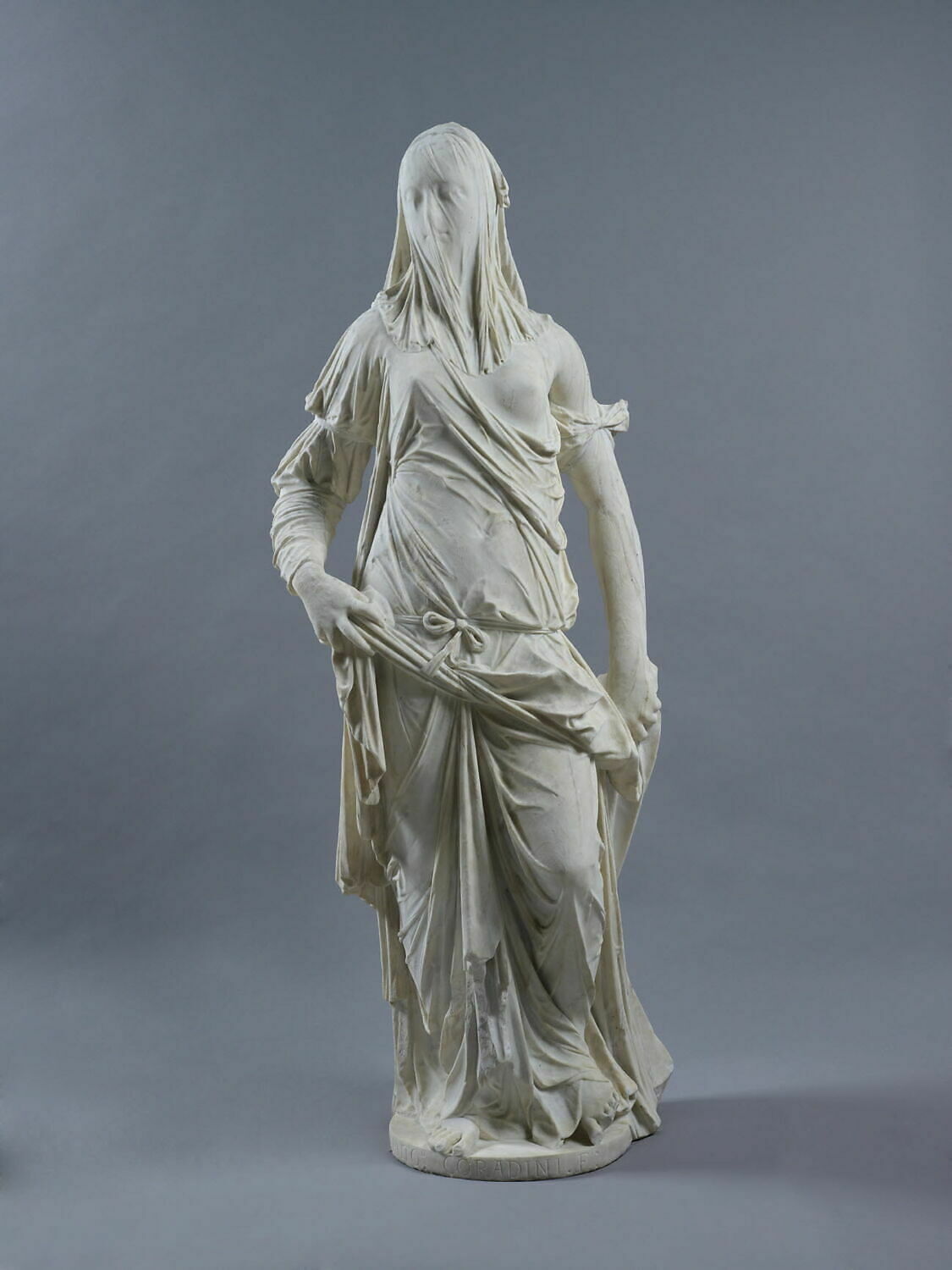
Femme voilée (la Foi ?), Corradini, Antonio, 1700 - 1800

Femme voilée (la Foi ?)

1700 - 1800 · Musée du Louvre

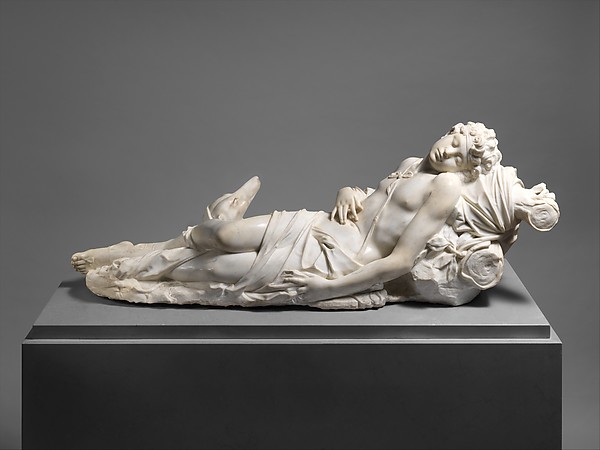
Adonis, Antonio Corradini, ca. 1723–25

Adonis

ca. 1723–25 · The Metropolitan Museum of Art

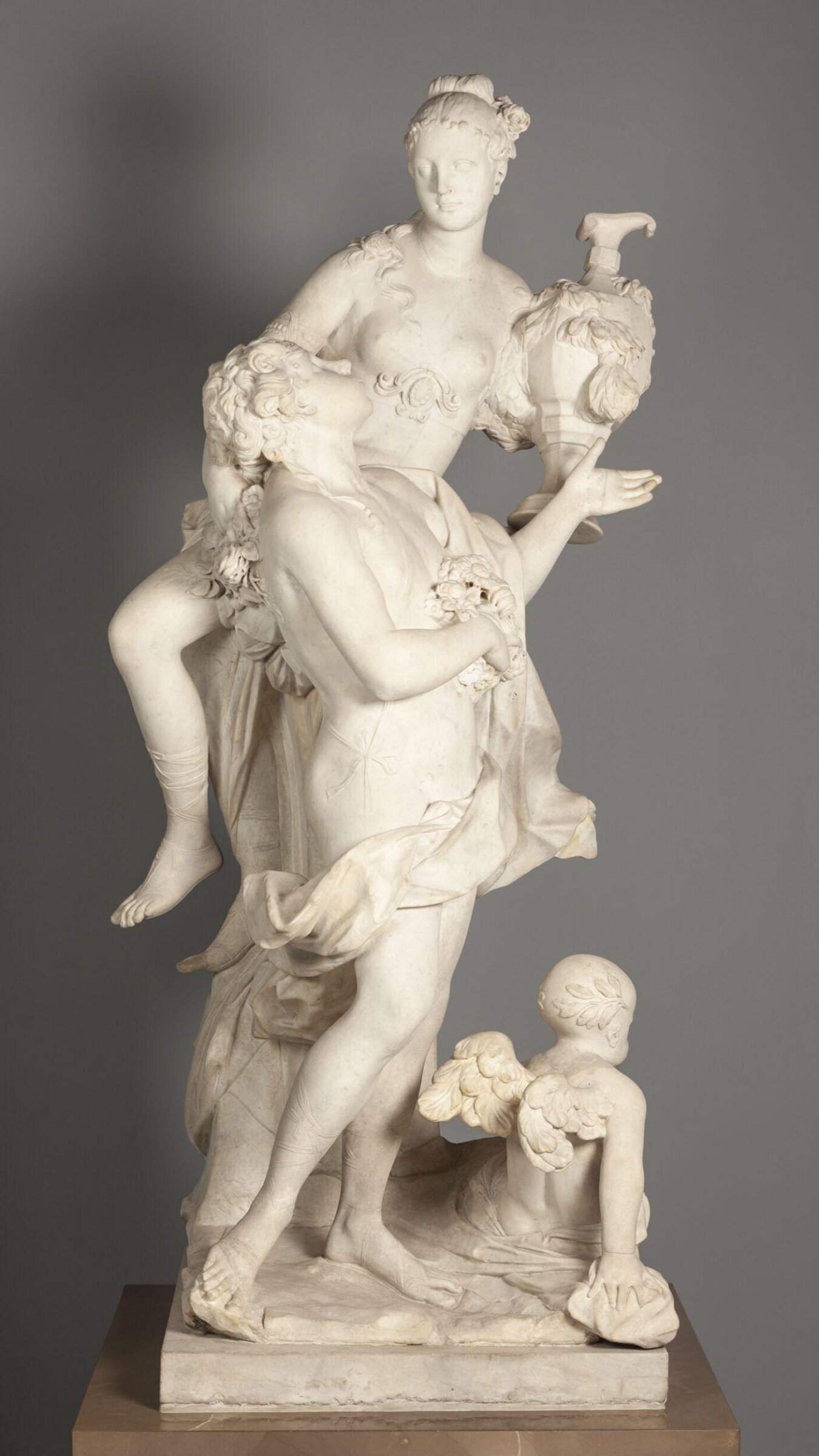
Zephyr and Flora, Antonio Corradini, ca. 1719-23

Zephyr and Flora

ca. 1719-23 · Victoria and Albert Museum

Apollo, Antonio Corradini

Apollo

Skulpturensammlung Dresden

Vestalin, Antonio Corradini, 1724

Vestalin

1724 · Skulpturensammlung Dresden

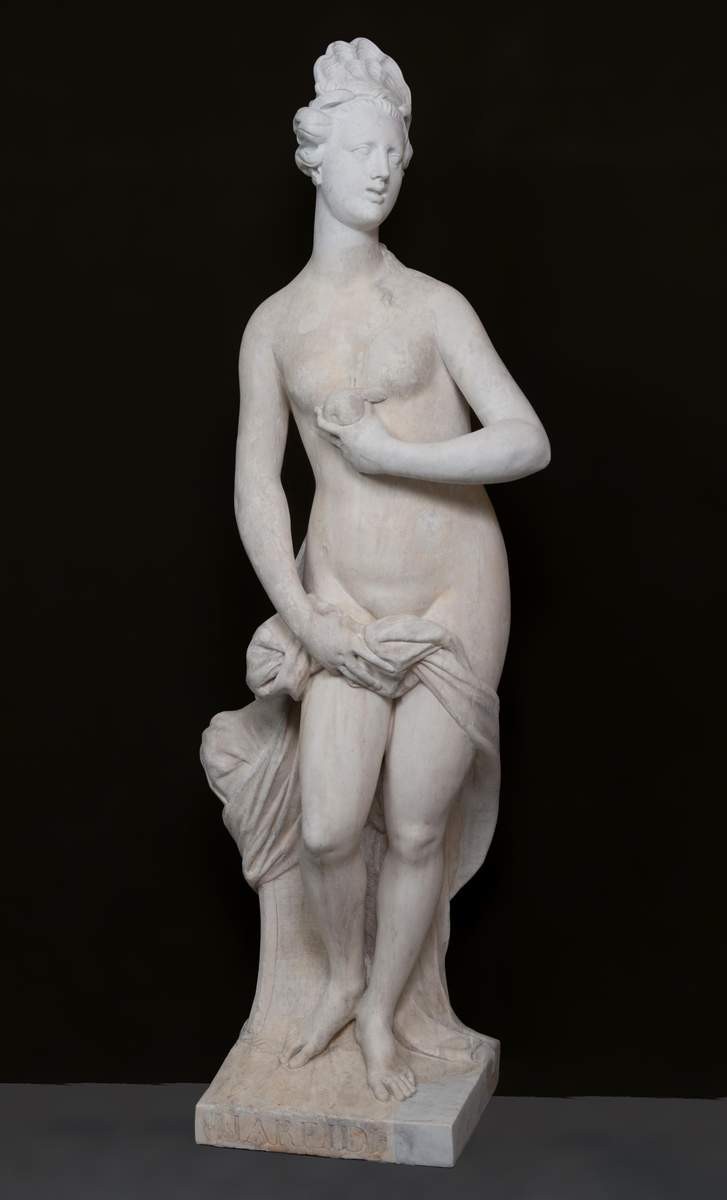
Нереида, Antonio Corradini, early 18th century

Нереида

early 18th century · State Russian Museum

Женщина под вуалью (фрагмент статуи "Вера"), бюст, Antonio Corradini, 1718-1719

Женщина под вуалью (фрагмент статуи "Вера"), бюст

1718-1719 · Peterhof Palaces and complex

Торс от статуи "Религия", Antonio Corradini, 1718-1719

Торс от статуи "Религия"

1718-1719 · Peterhof Palaces and complex

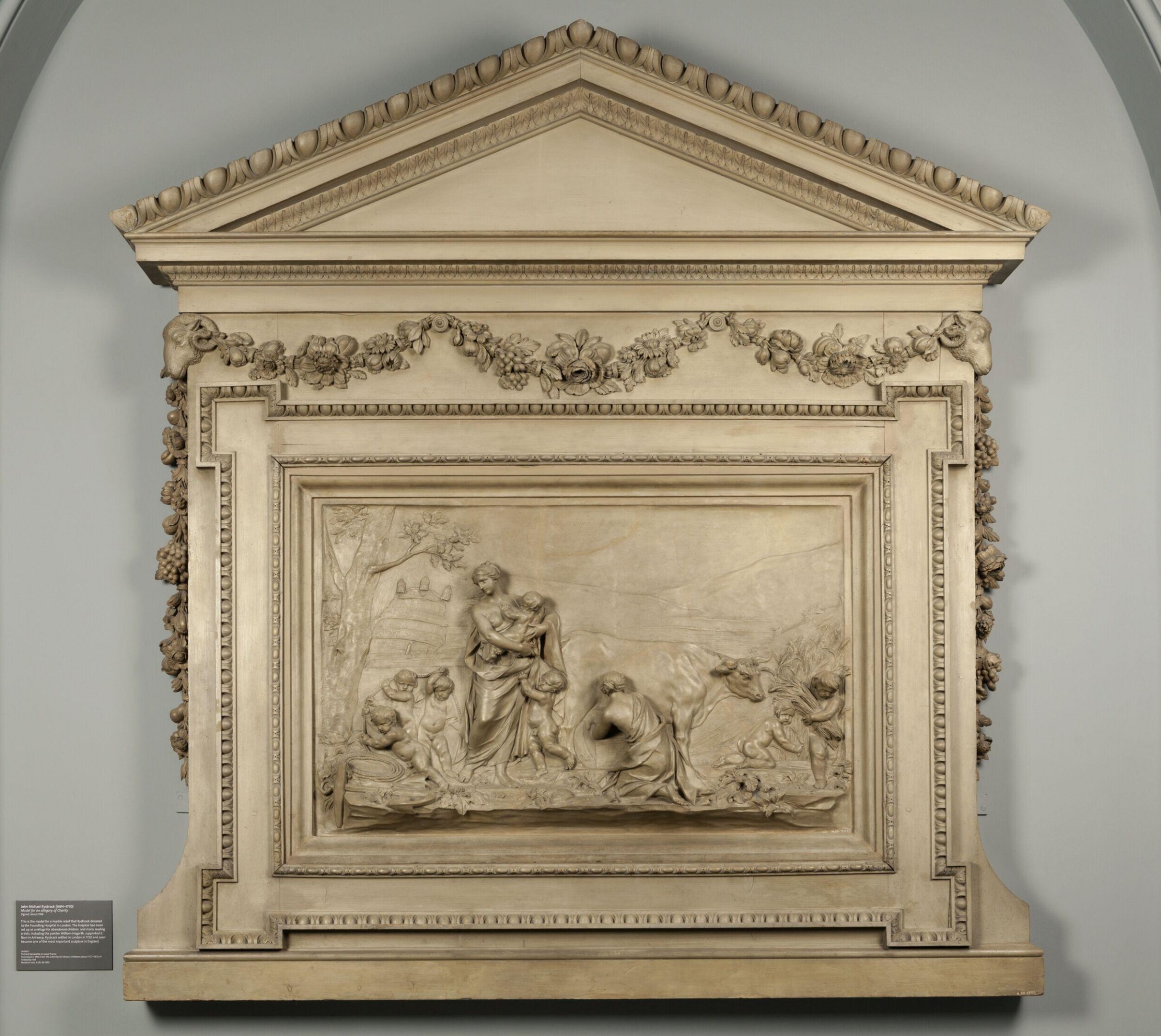
An Allegory of Charity, John Michael Rysbrack, ca. 1746

John Michael Rysbrack

An Allegory of Charity, ca. 1746

Thuner, John Michael Rysbrack, ca. 1728 - ca. 1730

John Michael Rysbrack

Thuner, ca. 1728 - ca. 1730

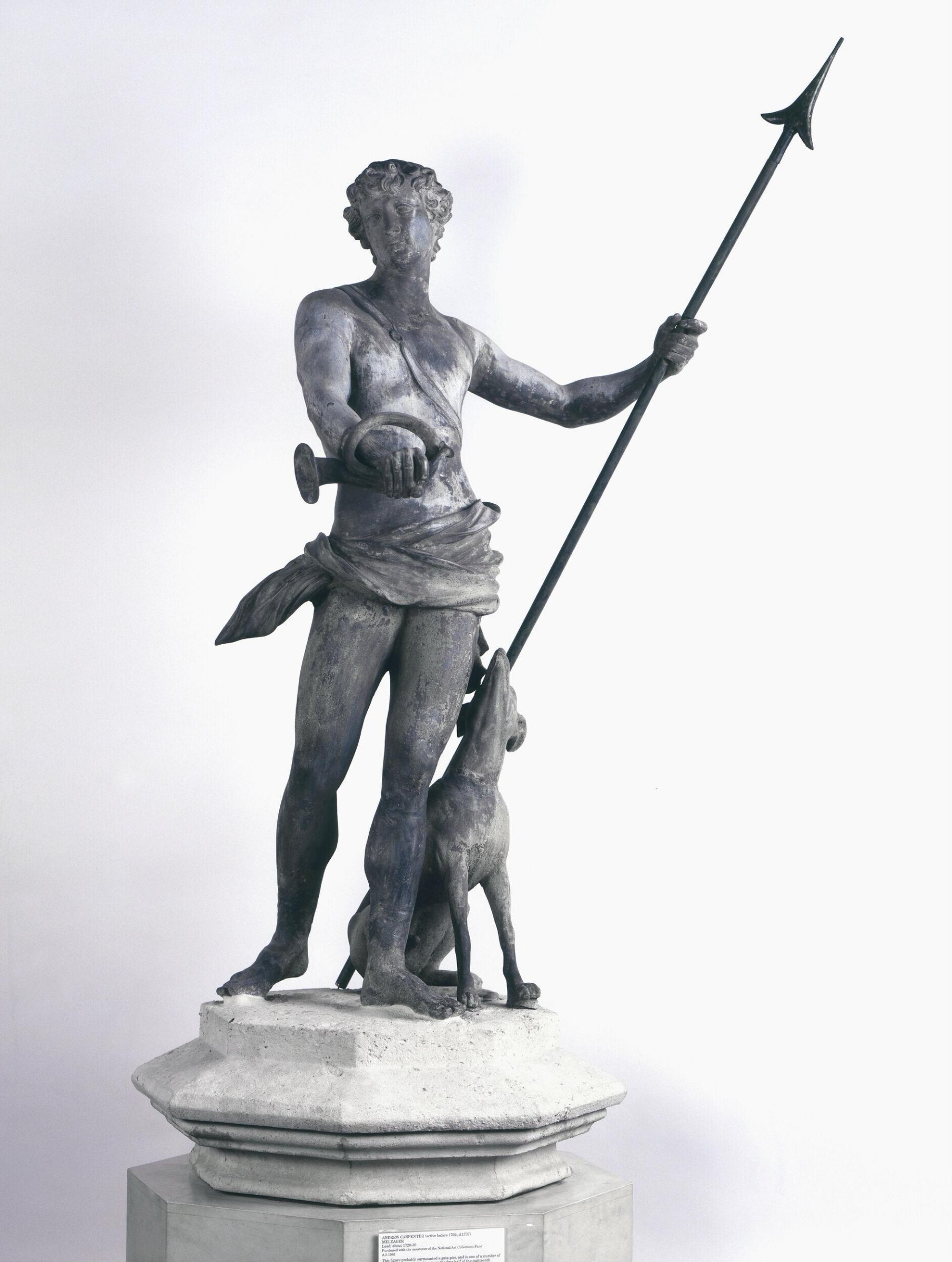
Meleager, Andrew Carpenter, 1720-1730

Andrew Carpenter

Meleager, 1720-1730

Zephyr and Flora, Antonio Corradini, ca. 1719-23

Antonio Corradini

Zephyr and Flora, ca. 1719-23

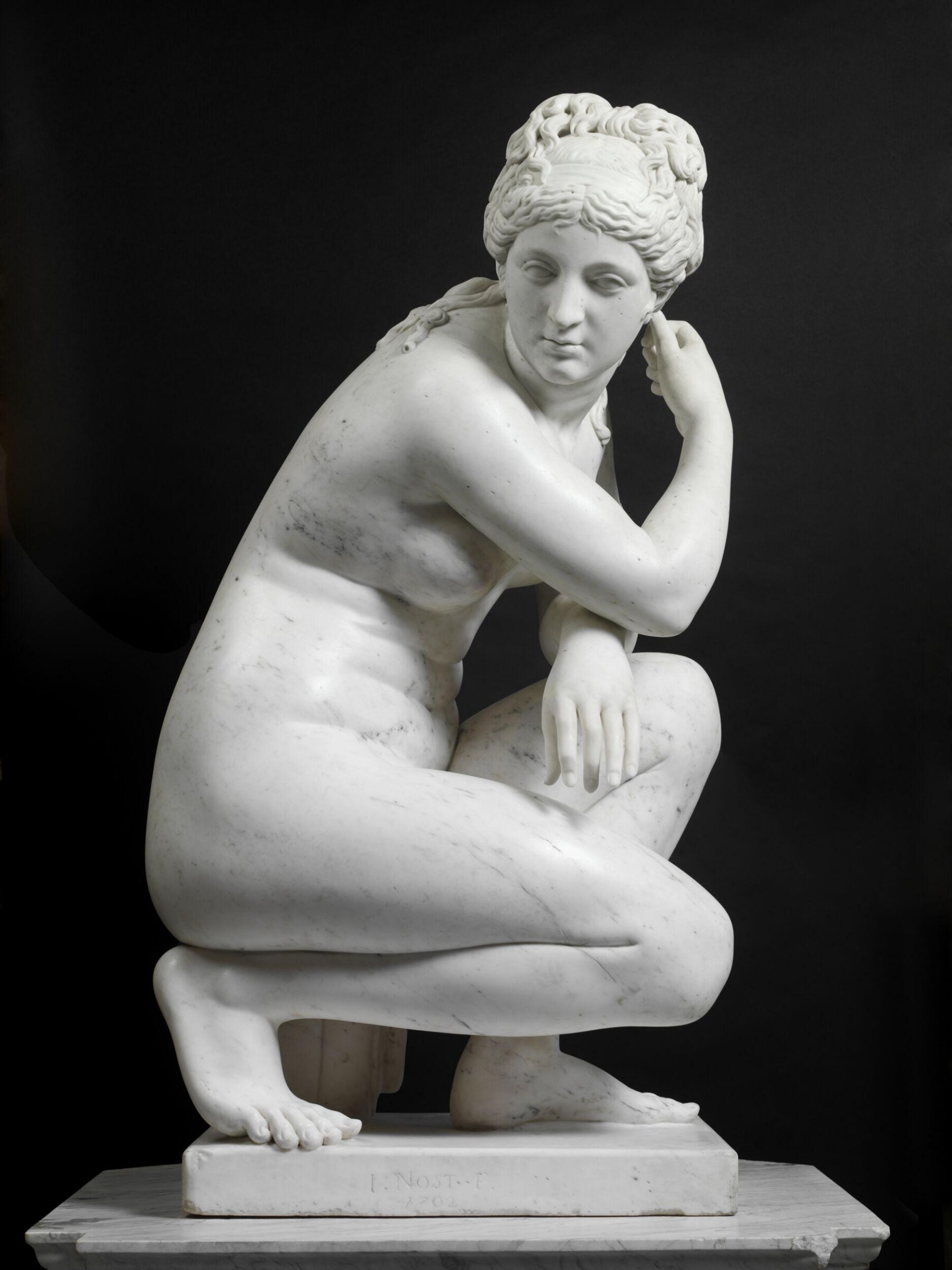
The Crouching Venus, John Nost the Elder, 1702

John Nost the Elder

The Crouching Venus, 1702

Boy Playing the Bagpipes, Caius Gabriel Cibber, ca. 1680-1690

Caius Gabriel Cibber

Boy Playing the Bagpipes, ca. 1680-1690

Study of Apollo for "Apollo and the Muses", John Singer Sargent, c. 1921

John Singer Sargent

Study of Apollo for "Apollo and the Muses", c. 1921

Not on view · National Gallery of Art

Das Reich der Flora, Nicolas Poussin, 1631

Nicolas Poussin

Das Reich der Flora, 1631

Gemäldegalerie Alte Meister

Apollo and Marsyas, Attributed to Veronese, c. 1600

Paolo Veronese

Apollo and Marsyas, c. 1600

Not on view · National Gallery of Art

The Feast of the Gods, Giovanni Bellini and Titian, 1514/1529

Giovanni Bellini

The Feast of the Gods, 1514/1529

National Gallery of Art

Apollo, François Boucher, c. 1752

Francois Boucher

Apollo, c. 1752

Not on view · National Gallery of Art

Apollo Pursuing Daphne, Giovanni Battista Tiepolo, c. 1755/1760

Giovanni Battista Tiepolo

Apollo Pursuing Daphne, c. 1755/1760

National Gallery of Art

The Apotheosis of the Spanish Monarchy, Giovanni Battista Tiepolo, 1760s

Giovanni Battista Tiepolo

The Apotheosis of the Spanish Monarchy, 1760s

The Metropolitan Museum of Art

The Chariot of Aurora, Giovanni Battista Tiepolo, 1760s

Giovanni Battista Tiepolo

The Chariot of Aurora, 1760s

The Metropolitan Museum of Art

What it shows

ApolloMarsyas

In the catalog

SculptureMarbleBaroque18th centuryItaly