ART WIKI32,979 on view
MapCollectionArtistsMuseumsExhibitionsJournal
Sign in

ART WIKI

Where the masterpiece hangs, and when they let you in.

Collections: Art Institute of Chicago, Getty Villa, Harvard Art Museums, Hirshhorn Museum and Sculpture Garden, J. Paul Getty Museum, Minneapolis Institute of Art, Musée du Louvre, National Gallery of Art, National Museum of Asian Art, National Portrait Gallery (Smithsonian), Pushkin State Museum of Fine Arts, Rijksmuseum, Smithsonian American Art Museum, SMK — National Gallery of Denmark, State Hermitage Museum, State Russian Museum, The Cleveland Museum of Art, The Metropolitan Museum of Art, The Museum of Modern Art, Tretyakov Gallery, Victoria and Albert Museum, Whitney Museum of American Art, State Catalogue of the Museum Fund of Russia (274 museums), Europeana (19 museums), Wikidata (6 museums), Paris Musées (12 museums), and Joconde, the French Ministry of Culture's museum database (495 museums). Images belong to their rights holders.

Sections

  • Map
  • Search
  • Collection
  • Masterpieces
  • On view now
  • Artists

More

  • Museums & galleries
  • Exhibitions
  • Journal
  • Where the data comes from
  • Privacy & cookies
HomeMapBrowse
  1. Collection/
  2. Victoria and Albert Museum/
  3. The Virgin and Child
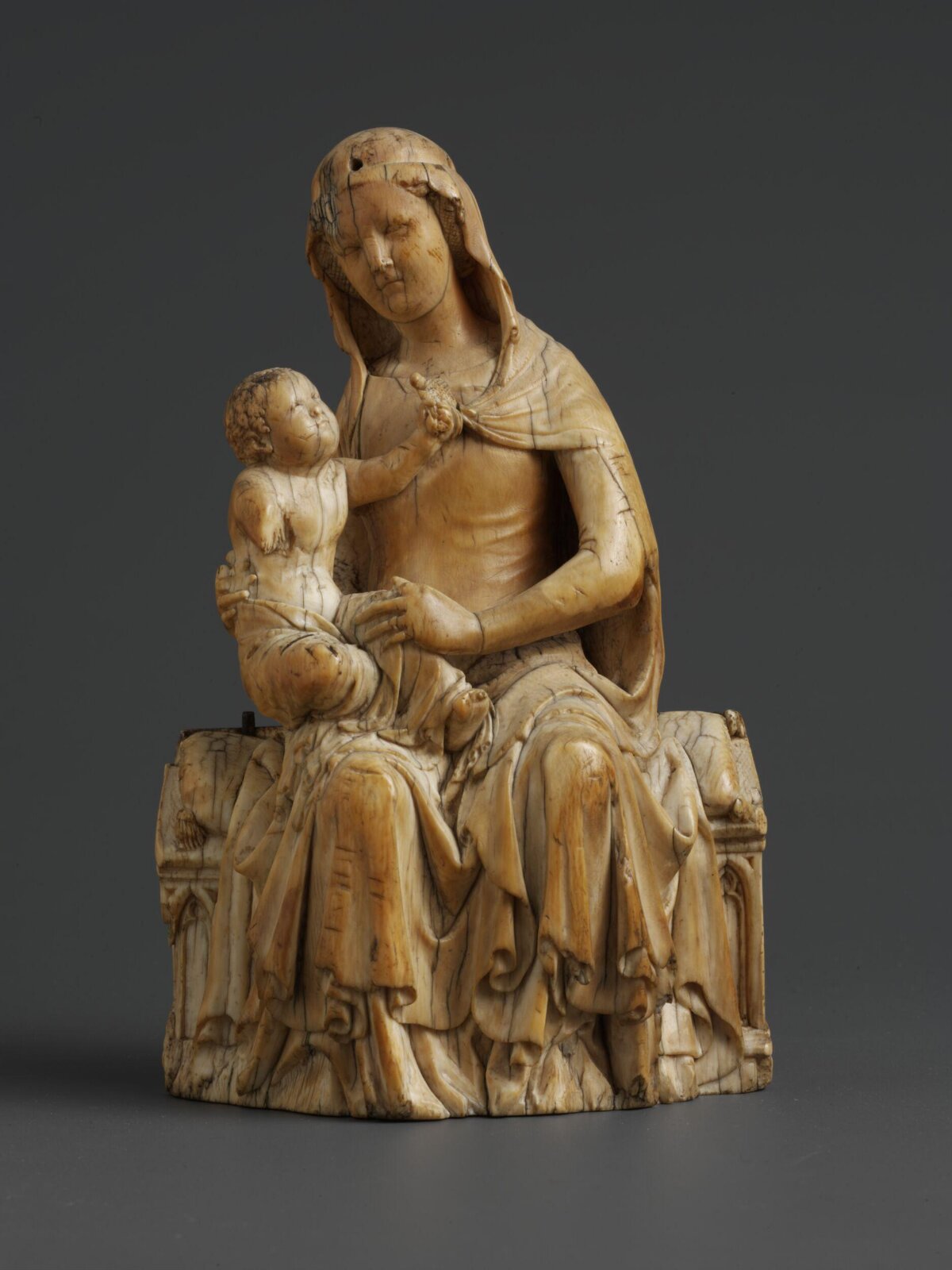
The Virgin and Child, ca. 1360 - ca. 1380

The Virgin and Child

ca. 1360 - ca. 1380 · Statuette

May one see it?

Yes, receiving visitors

Victoria and Albert Museum

London, United Kingdom

RoomSculpture, Room 111, The Gilbert Bayes Gallery

On public display.

Checked
12 days ago
In this state since
Sep 25, 2026
Source
The museum
On the mapMuseum page

About the sculpture

This ivory statuette representing the Virgin and Child is made in France (Paris) or England (probably Westminster), in about 1360-1380. The group has an inherent quality and was apparently set in a silver or gilt-copper tabernacle shrine which suggests that it was an especially revered image, perhaps originally kept in a private oratory or chapel.

Three dimensional images of the Virgin and Child were ubiquitous from the twelfth to the fifteenth centuries, produced in a wide range of materials and sizes and testifying the overwhelming devotion to th Virgin. Together with the Crucifixion, statues and statuettes of the Virgin and Child were the pricipal objects of devotion in the Christian Church, and vast numbers were made for ecclesisastical, monastic and private worship.

Read on

Throughout the ages artists and craftsmen have made virtuoso carvings as a display of their skill and ingenuity. Although ivory, wood and stone are relatively easy to carve, other materials such as gemstones are much more demanding. Most of these carvings were made for wealthy patrons and collectors, who delighted in the rarity of the material and quality of the carving. Parisian workshops made Gothic ivories of the Virgin and Child in large numbers for private devotional use.

Victoria and Albert Museum

Particulars

Accession number
202-1867

In the same room · Sculpture, Room 111, The Gilbert Bayes Gallery, Victoria and Albert Museum

Museum page

On the same theme · Bird

All works on the theme

What it shows

BirdMary (Virgin Mary)Christ Child

In the catalog

SculptureIvoryMiddle AgesBefore 1400France

Sources

  • Victoria and Albert Museum
  • Image: Victoria and Albert Museum — © Victoria and Albert Museum, London
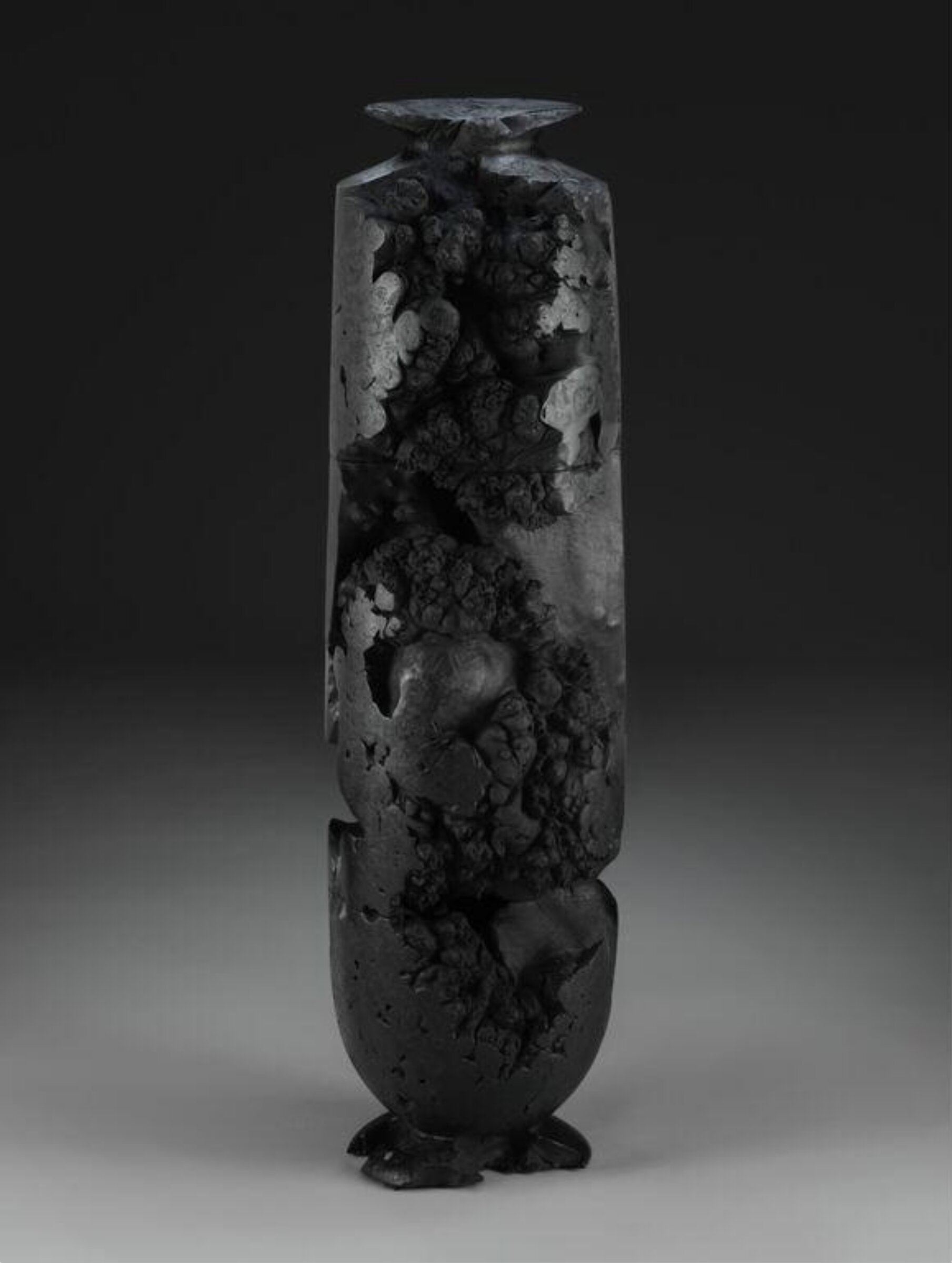
Echoes of Amphora: Column Vessel I/20, Eleanor Lakelin, 2020

Eleanor Lakelin

Echoes of Amphora: Column Vessel I/20, 2020

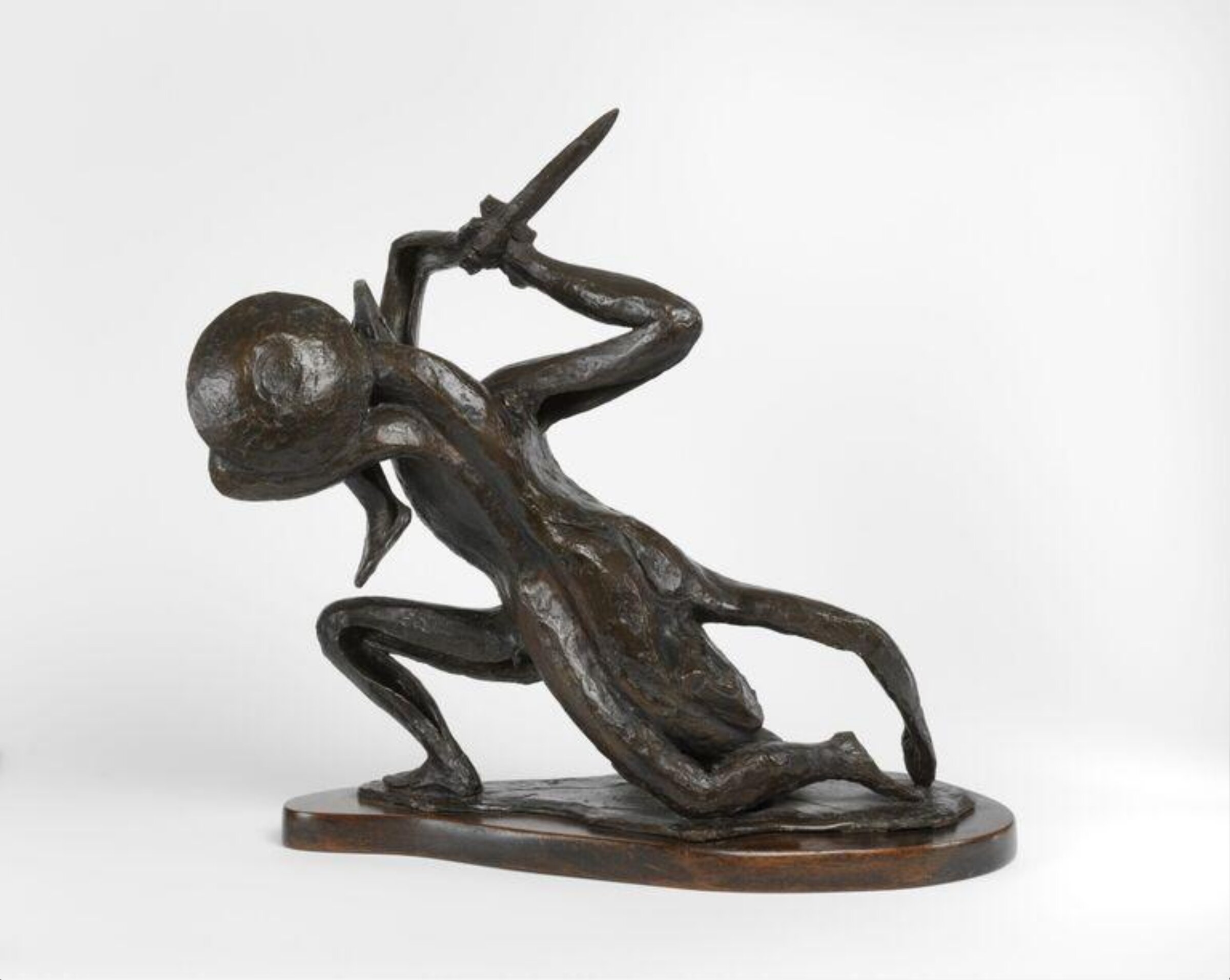
Gladiators: Hector and Ajax (Combat), Leon Underwood, 1963

Leon Underwood

Gladiators: Hector and Ajax (Combat), 1963

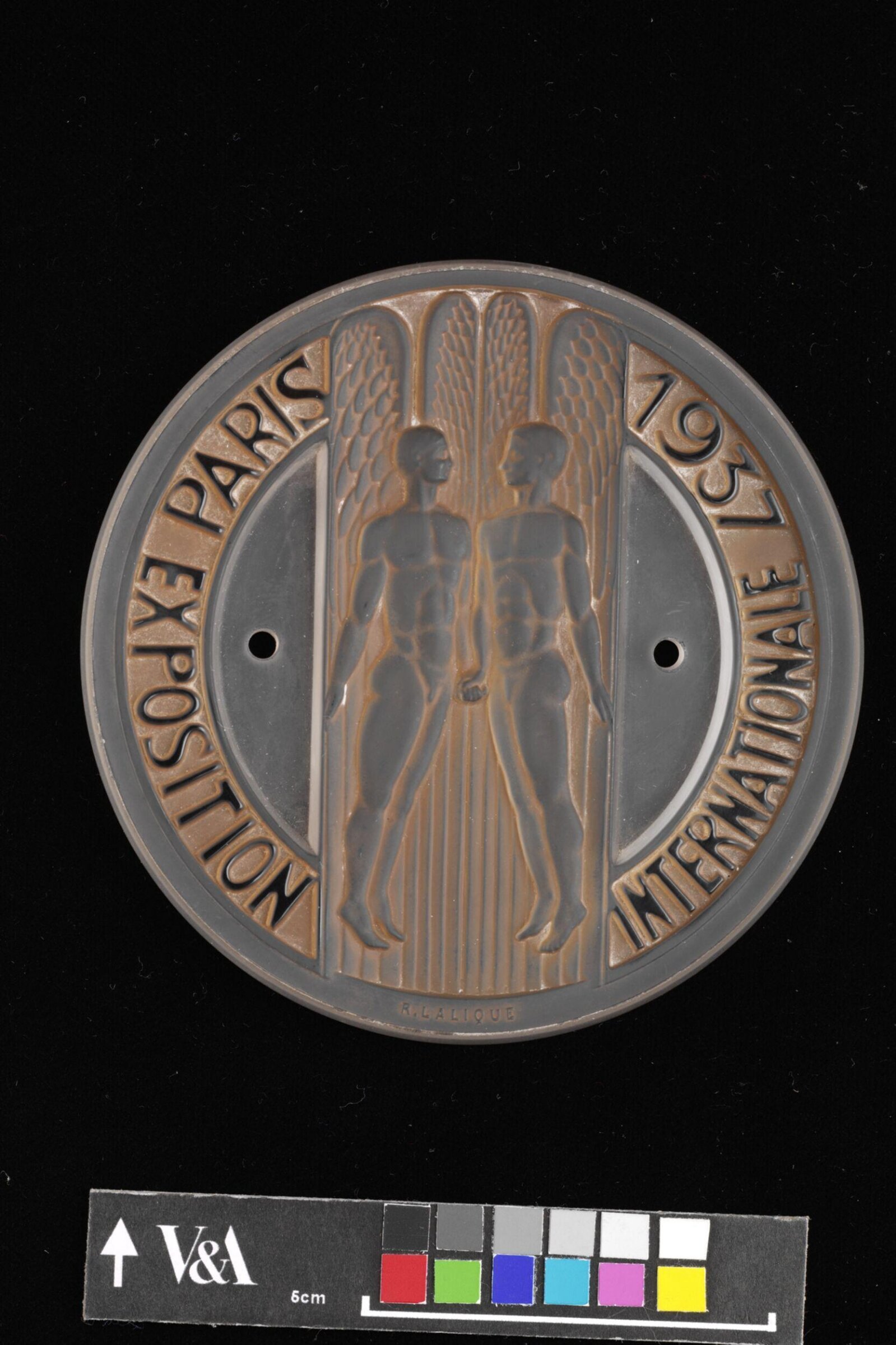
Plaque, René Jules Lalique, 1937

René Lalique

Plaque, 1937

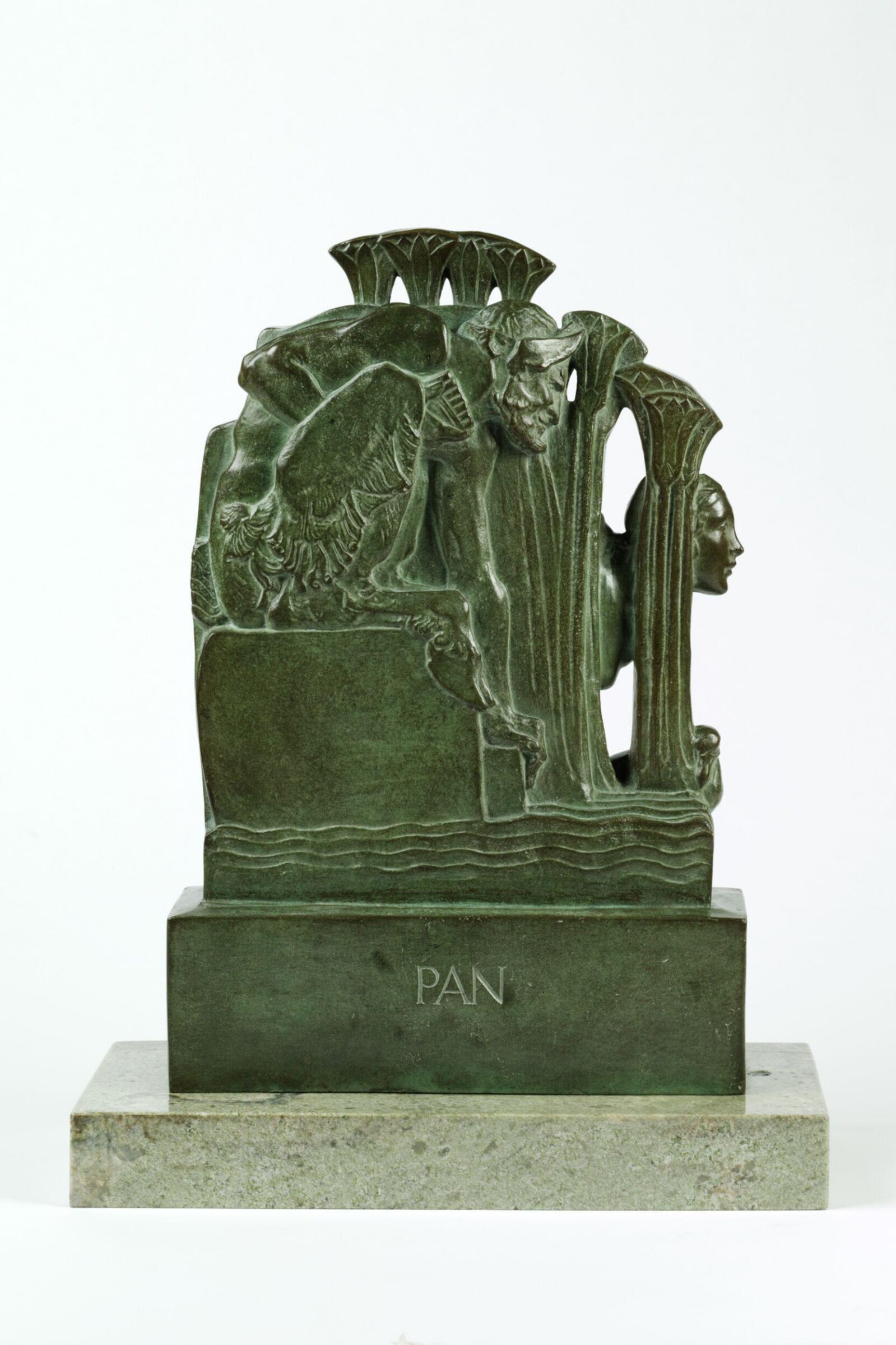
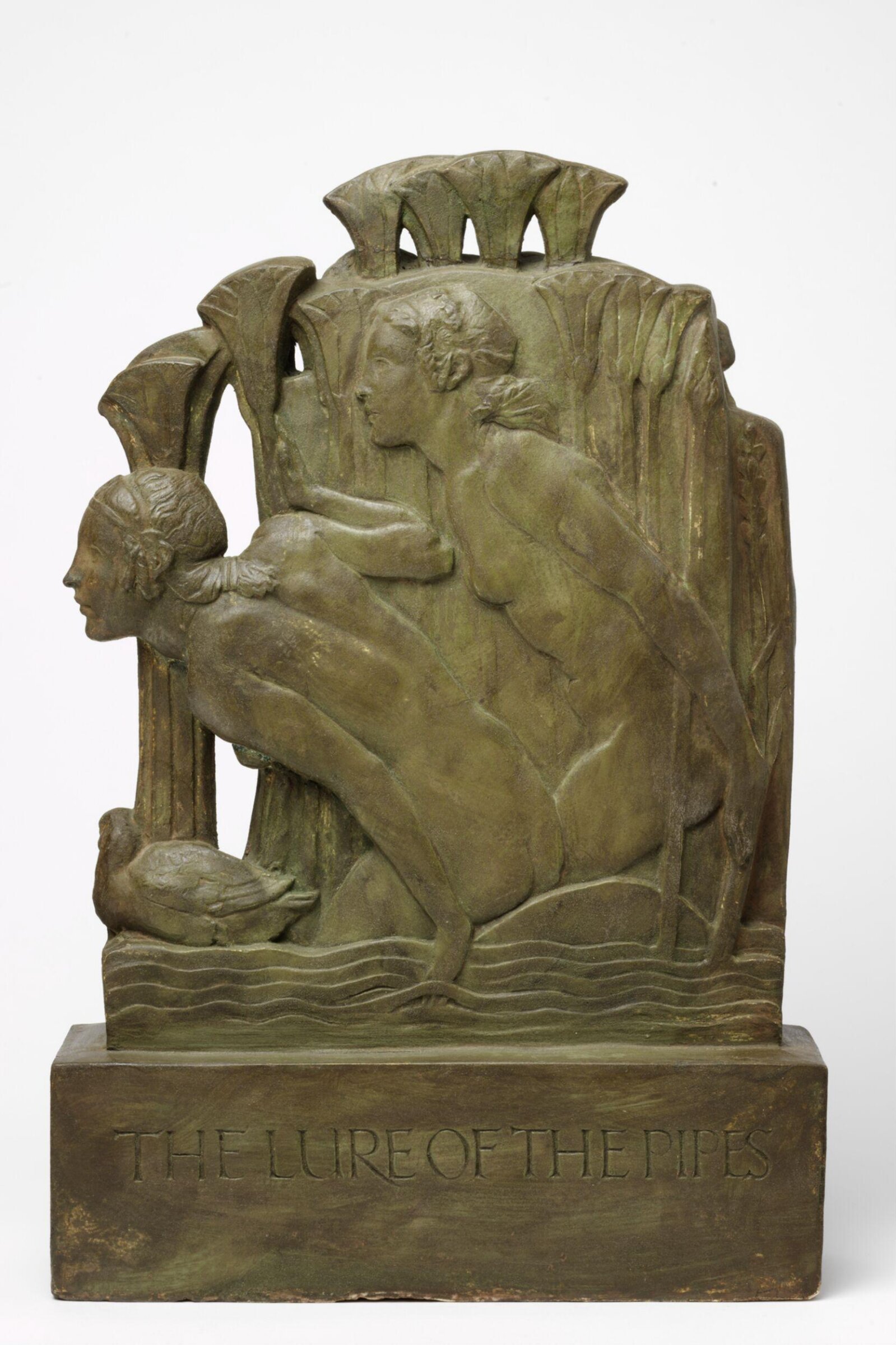
The Lure of the Pan Pipes, Gilbert Bayes, 1932

Gilbert Bayes

The Lure of the Pan Pipes, 1932

The Lure of the Pan Pipes, Gilbert Bayes, 1932

Gilbert Bayes

The Lure of the Pan Pipes, 1932

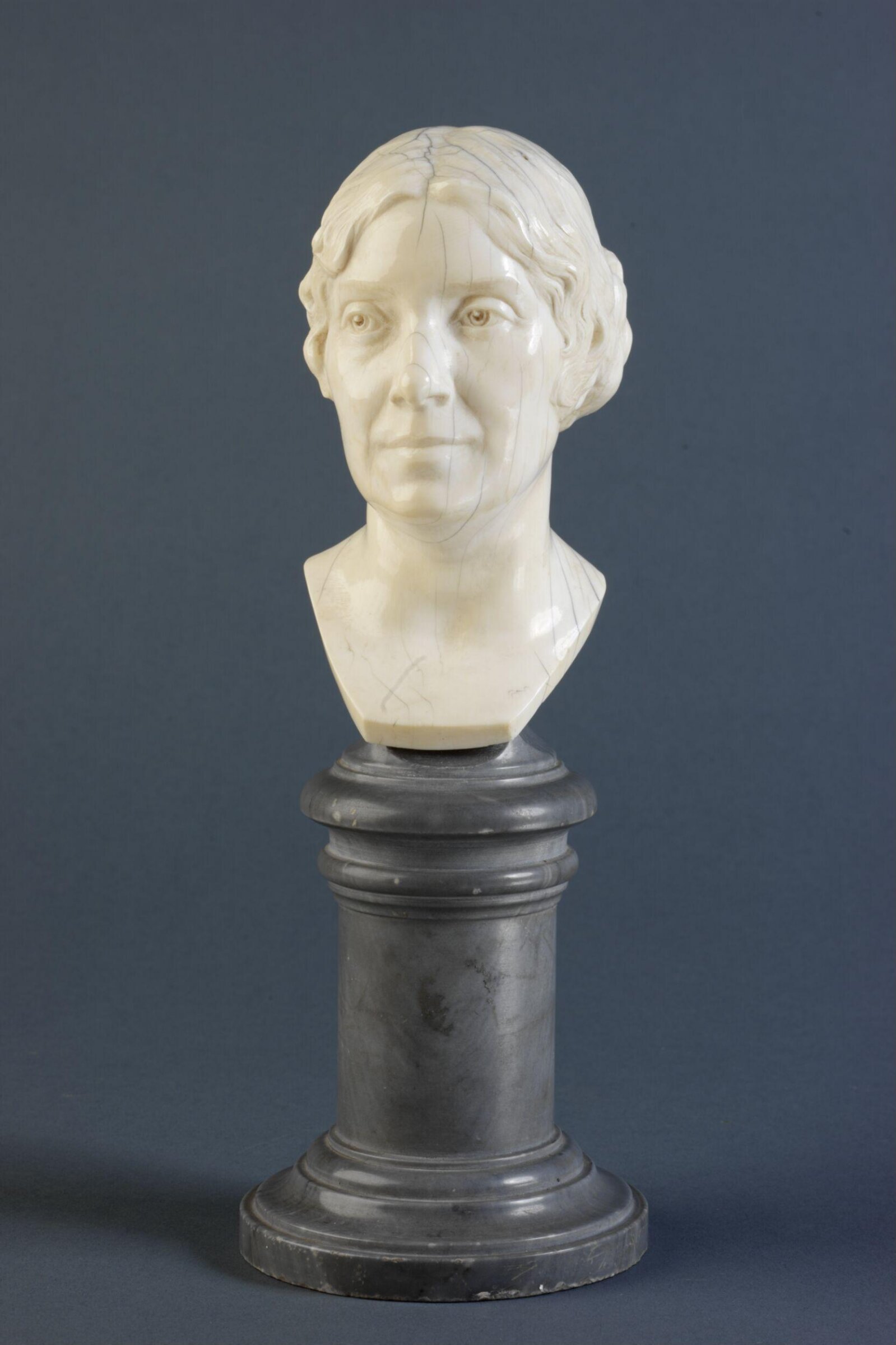
Emmeline Pankhurst, Arthur George Walker, ca. 1929

Arthur George Walker

Emmeline Pankhurst, ca. 1929

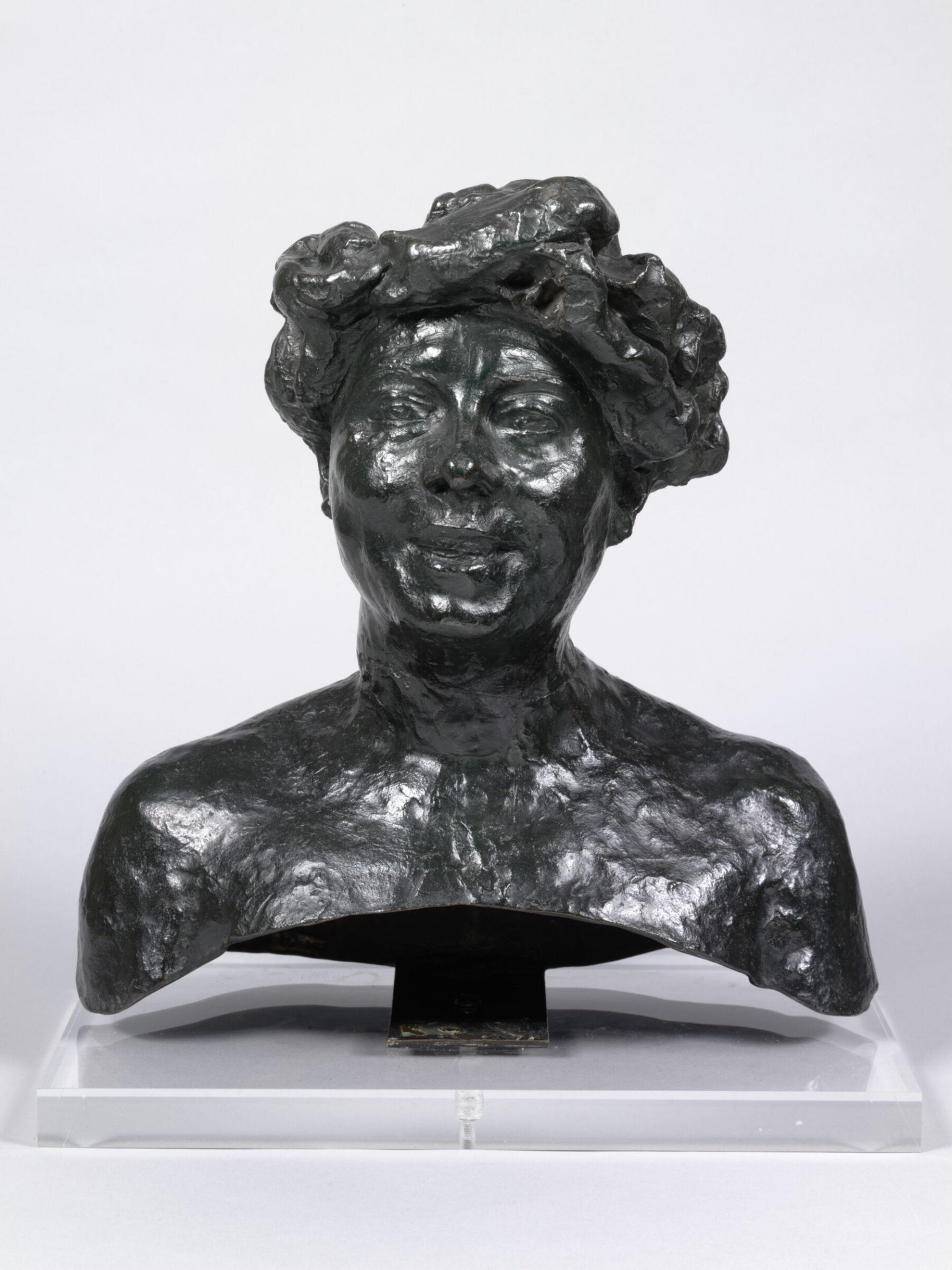
The Duchesse de Choiseul, Auguste Rodin, 1908

Auguste Rodin

The Duchesse de Choiseul, 1908

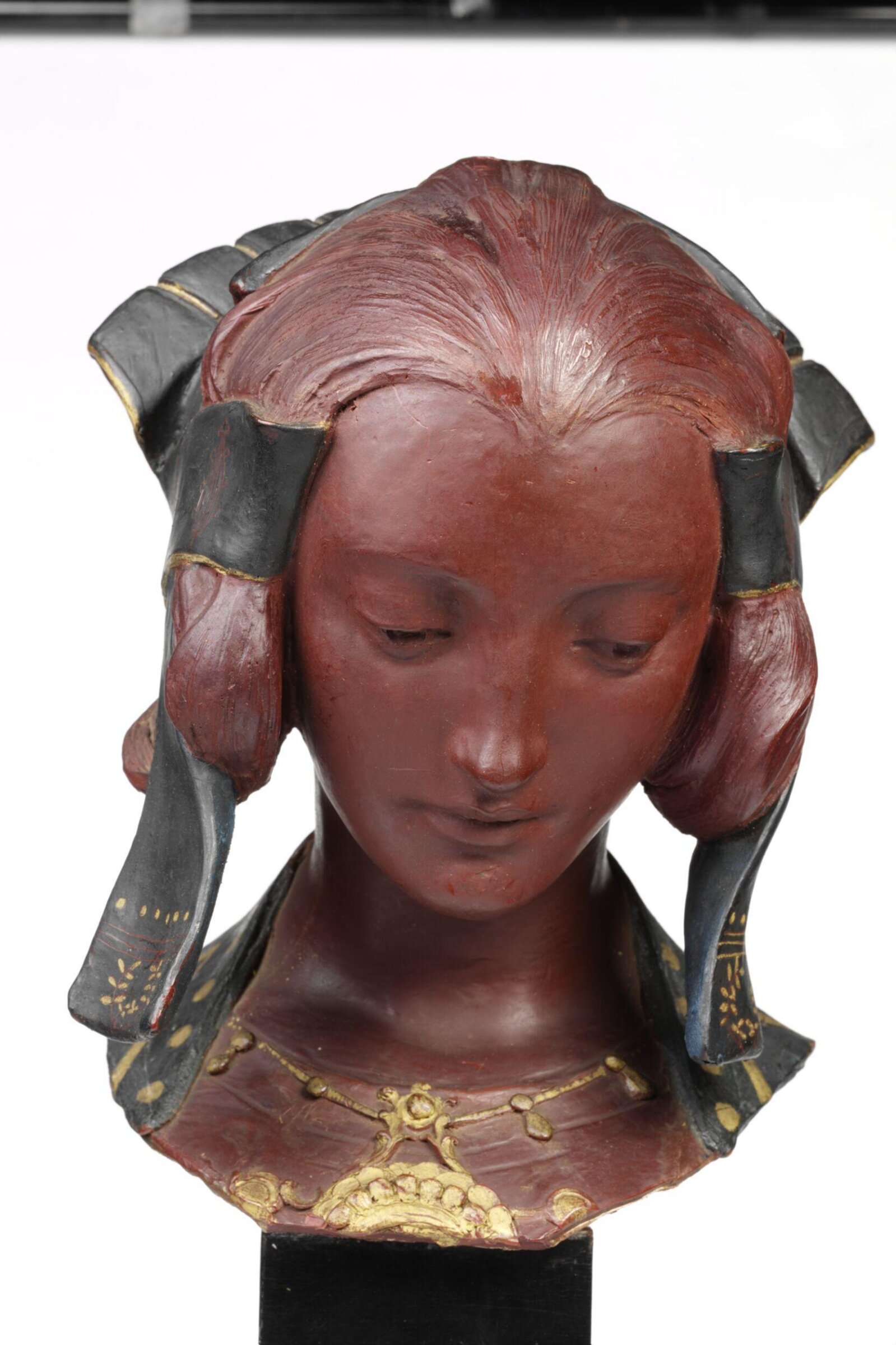
St Elizabeth, George James Frampton, 1902

George James Frampton

St Elizabeth, 1902

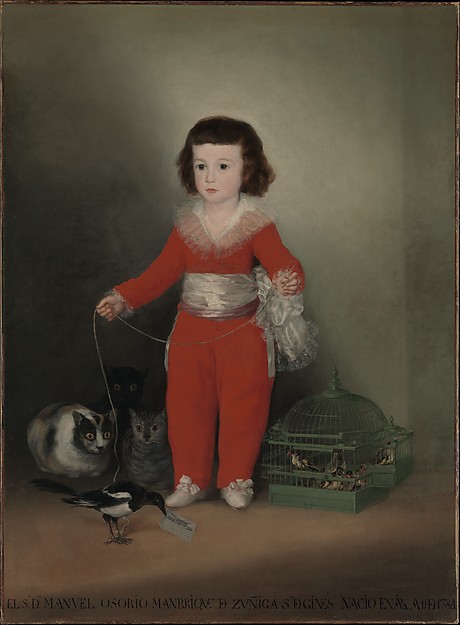
Manuel Osorio Manrique de Zuñiga (1784–1792), Goya, 1787–88

Francisco de Goya

Don Manuel Osorio de Zuniga, 1787–88

The Metropolitan Museum of Art

Blinded Minotaur Led by a Girl III (Minotaur aveugle guide par une fillette III), Pablo Picasso, 1934

Pablo Picasso

Blinded Minotaur Led by a Girl III (Minotaur aveugle guide par une fillette III), 1934

Not on view · National Gallery of Art

Dove (La colombe), Pablo Picasso, 1949

Pablo Picasso

Dove (La colombe), 1949

Not on view · National Gallery of Art

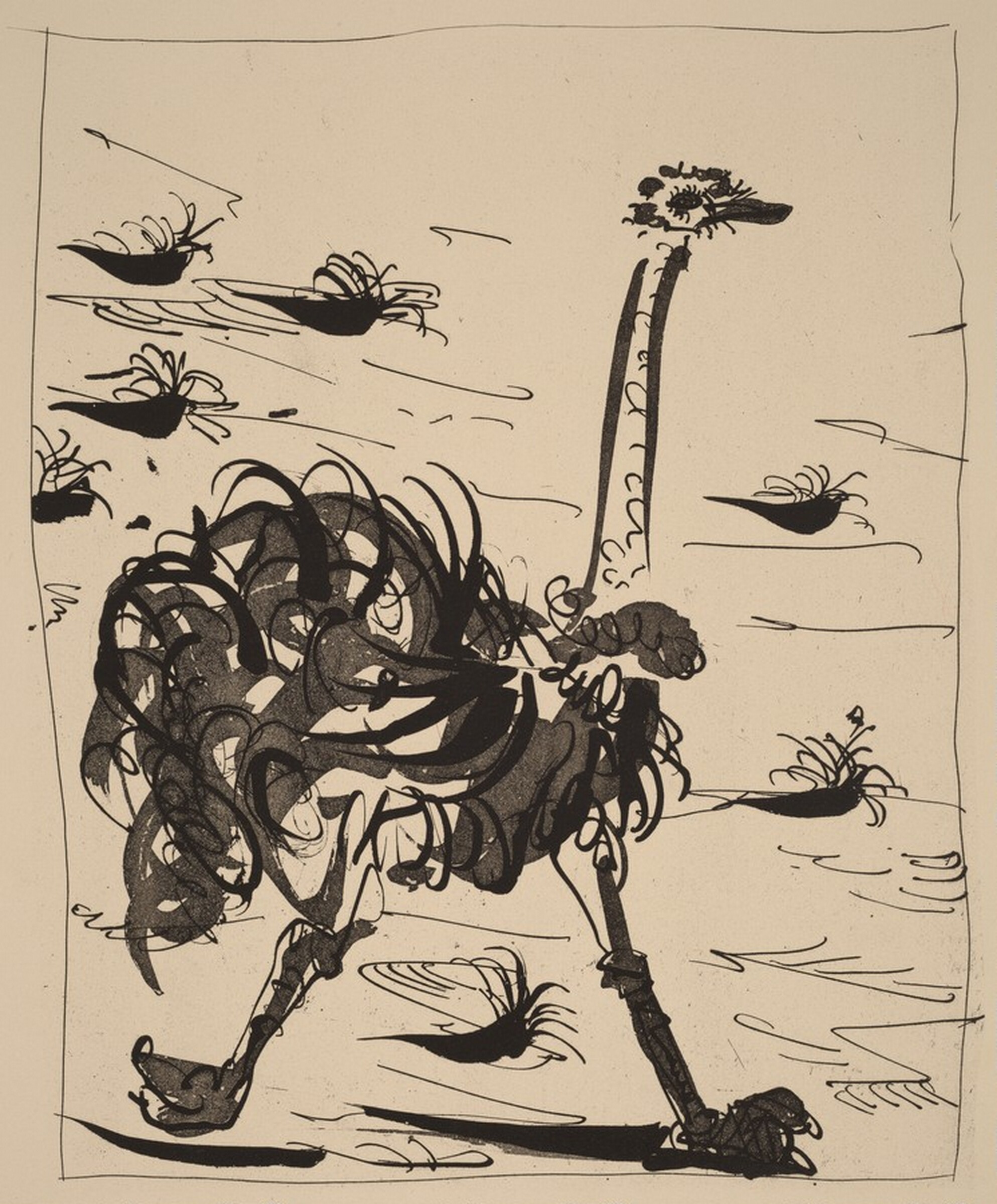
L'Autruche (The Ostrich), Pablo Picasso, 1941/1942

Pablo Picasso

L'Autruche (The Ostrich), 1941/1942

Not on view · National Gallery of Art

Blind Minotaur Led by Marie-Thérèse with a Dove in a Starry Night (Minotaure aveugle guidé par Marie-Thérèse au pigeon dans une nuit étoilée), Pablo Picasso, 1934

Pablo Picasso

Blind Minotaur Led by Marie-Thérèse with a Dove in a Starry Night (Minotaure aveugle guidé par Marie-Thérèse au pigeon dans une nuit étoilée), 1934

Not on view · National Gallery of Art

Blind Minotaur Led by Marie-Thérèse with a Dove in a Starry Night (Minotaure aveugle guidé par Marie-Thérèse au pigeon dans une nuit étoilée), Pablo Picasso, 1934

Pablo Picasso

Blind Minotaur Led by Marie-Thérèse with a Dove in a Starry Night (Minotaure aveugle guidé par Marie-Thérèse au pigeon dans une nuit étoilée), 1934

Not on view · National Gallery of Art

Blind Minotaur Led by Marie-Thérèse with a Dove in a Starry Night (Minotaure aveugle guidé par Marie-Thérèse au pigeon dans une nuit étoilée), Pablo Picasso, 1934

Pablo Picasso

Blind Minotaur Led by Marie-Thérèse with a Dove in a Starry Night (Minotaure aveugle guidé par Marie-Thérèse au pigeon dans une nuit étoilée), 1934

Not on view · National Gallery of Art

Pigeon with Gray Background (Pigeon au fond gris), Pablo Picasso, 1947

Pablo Picasso

Pigeon with Gray Background (Pigeon au fond gris), 1947

Not on view · National Gallery of Art