 Auguste RodinFrench, 1840–1917
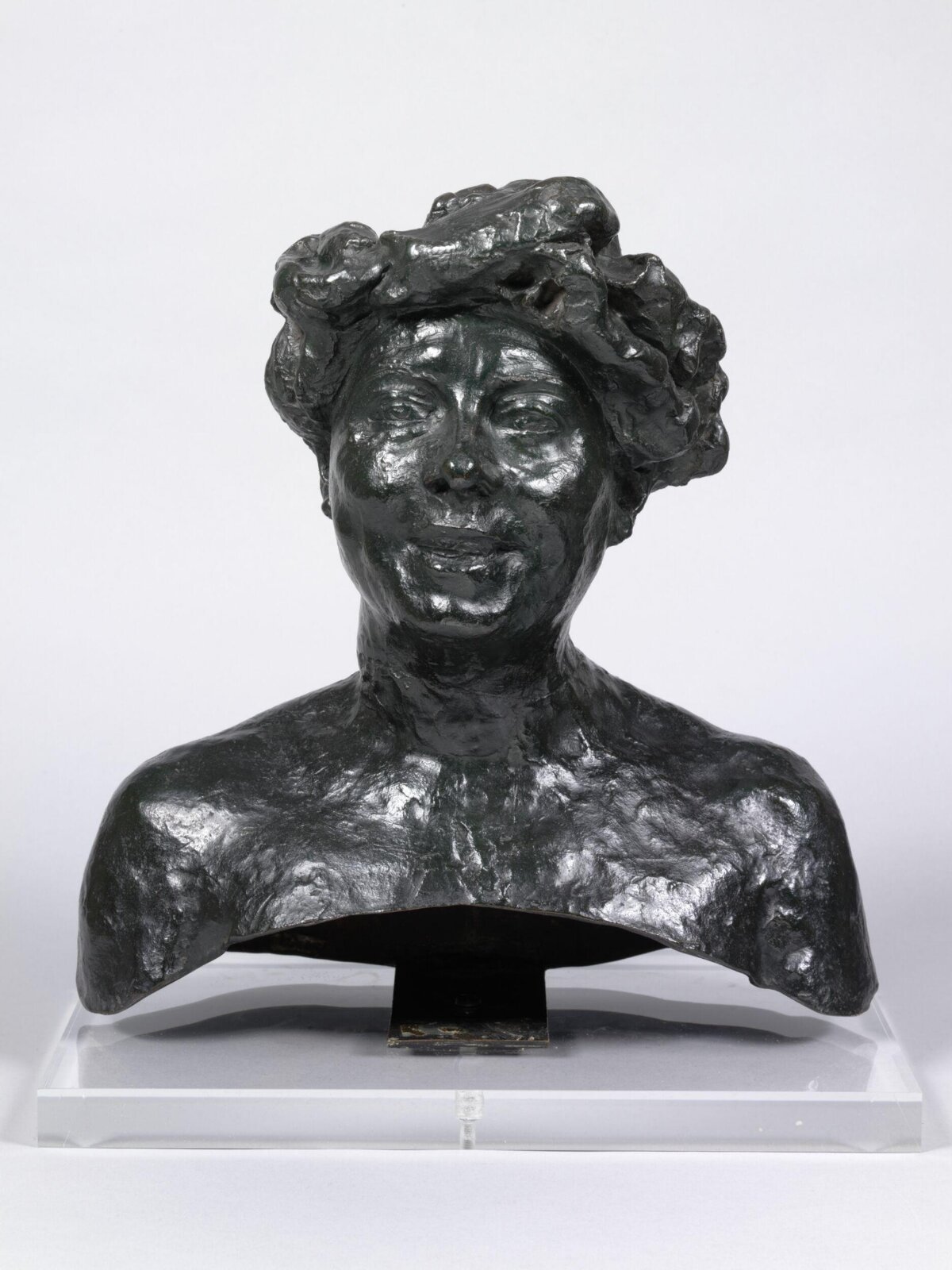
The Duchesse de Choiseul
May one see it?
Yes, receiving visitors

Victoria and Albert Museum
RoomSculpture, Room 111, The Gilbert Bayes GalleryLondon, United Kingdom
On public display.
- Checked
- 7 days ago
- In this state since
- Sep 25, 2026
- Source
- The museum's own collection data
About the sculpture
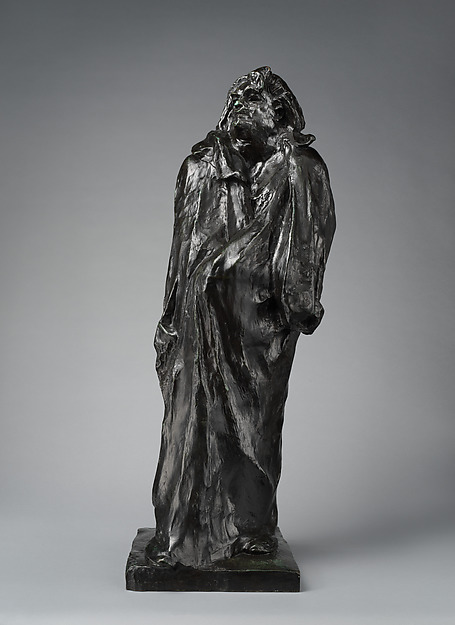
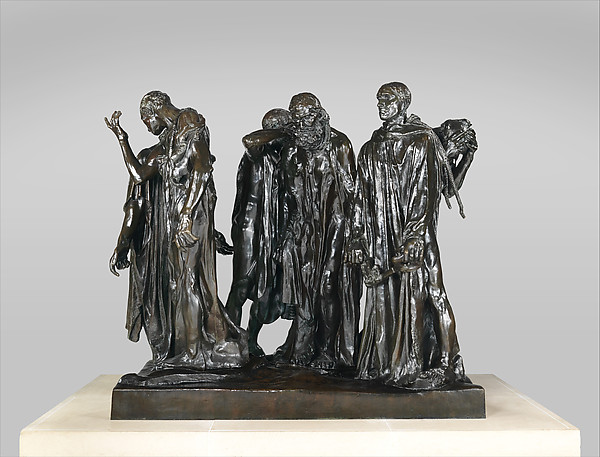
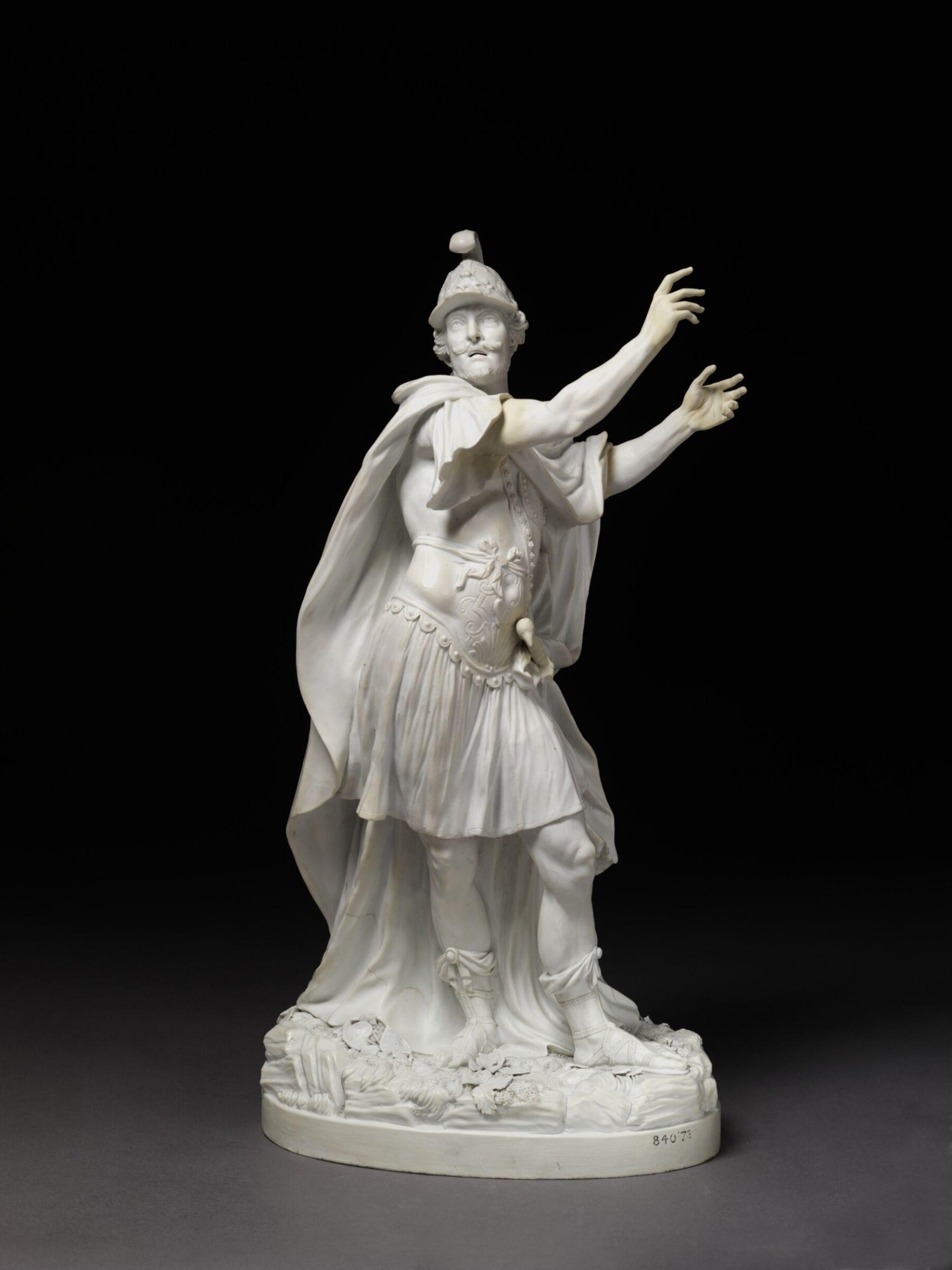
Auguste Rodin’s career maps the progress of 19th-century art, from the Romantic revolt against Neo-classicism, to the radical enquiry that paved the way for the Modernist developments of the 20th century. The V&A’s collection of works by Rodin is unique in that they were given by the artist, to represent his art in Britain and commemorate British soldiers fighting in France in November 1914. An American of French extraction, the Duchesse de Choiseul became an intimate friend of Rodin’s. This bust has an air of informality, born out of their relationship and the fact that it is a study rather than a formal commission. As with many of Rodin’s works, other versions exist in other materials.
Victoria and Albert Museum
Particulars
- Accession number
- A.45-1914
What it shows
In the catalog
Sources
- Victoria and Albert Museum: the museum's own open data · fetched 7 days ago
- Image: Victoria and Albert Museum — © Victoria and Albert Museum, London
Meanwhile, in the life of Auguste Rodin
The whole life1890s–1900s
Young sculptors in Rodin's studio
His income let him hire gifted young sculptors, among them Antoine Bourdelle, Charles Despiau, Jules Desbois, François Pompon and Aristide Maillol. Constantin Brancusi left after two months, convinced that nothing grows under a big tree.
1900s
Portraits of the famous and the rich
Rodin began to receive regular commissions for portraits; his clients included Bernard Shaw, Gustav Mahler, Georges Clemenceau, the Argentine president Sarmiento, the chemist Berthelot and the philanthropist Bertha Palmer. Clemenceau was displeased: he thought the portrait looked like a “Mongol general”.
1905–1906
Rilke as Rodin's secretary
In 1905–1906 the sculptor's private secretary was the German poet Rainer Maria Rilke, who later wrote an admiring monograph on Rodin.
1906 · Award
honorary doctorate of the University of Glasgow
1907 · Award
Honorary doctor of the University of Oxford
1908
Moves into the Hôtel Biron
Rilke invited Rodin to the eighteenth-century mansion where he rented rooms; Rodin liked it so much that he took the ground floor, moved his studio there and lived there for his last years.