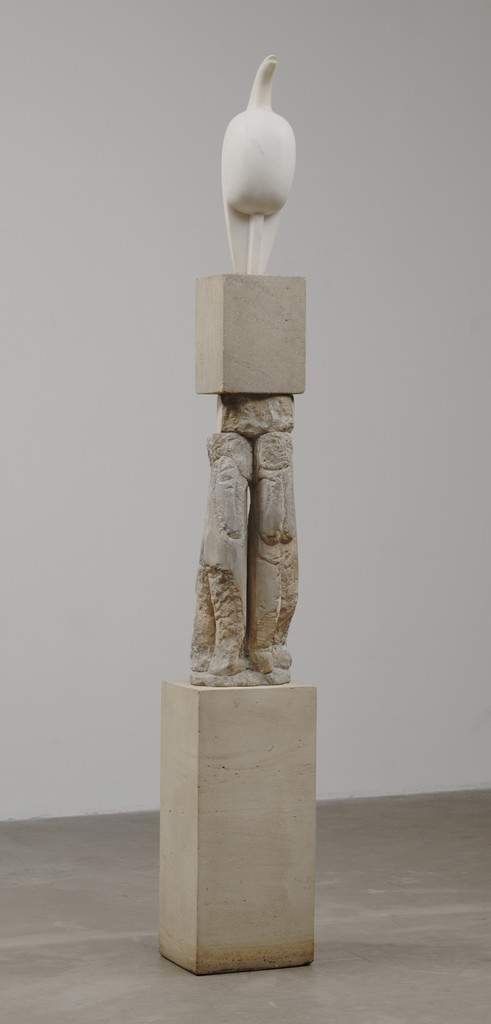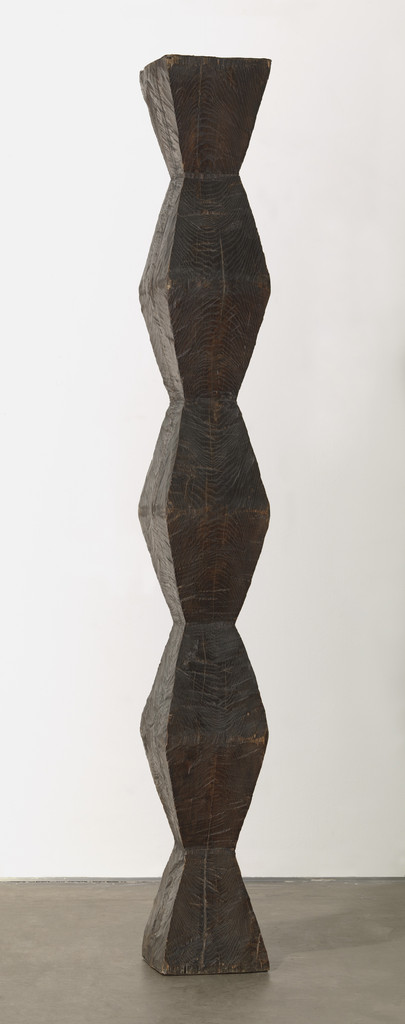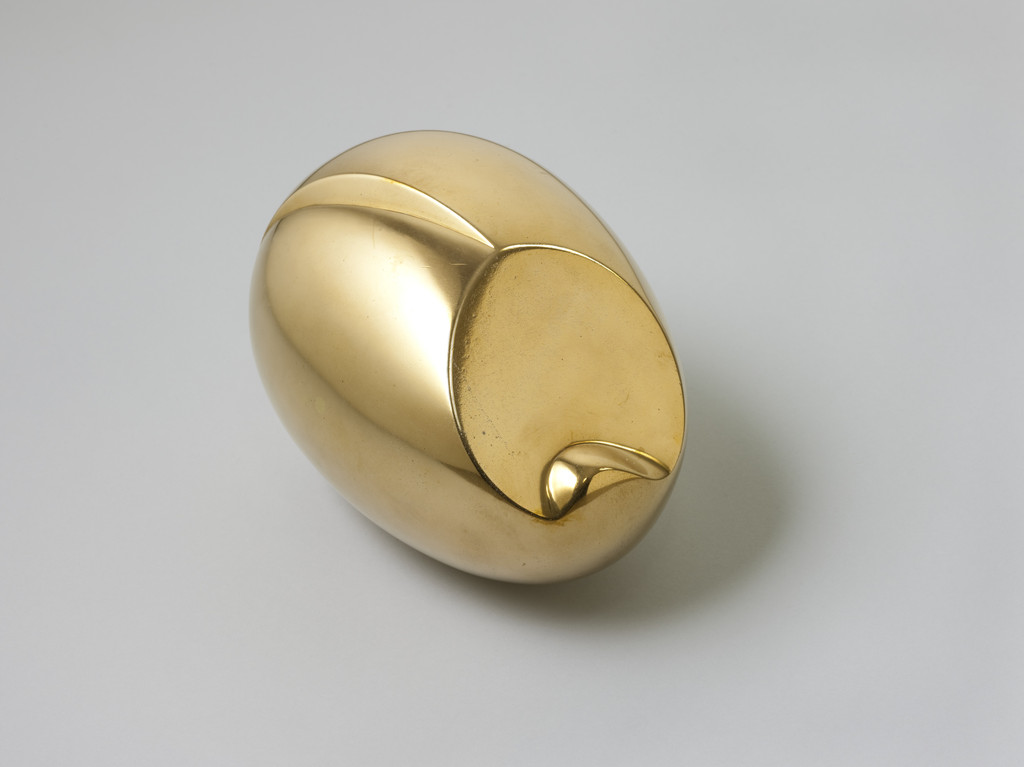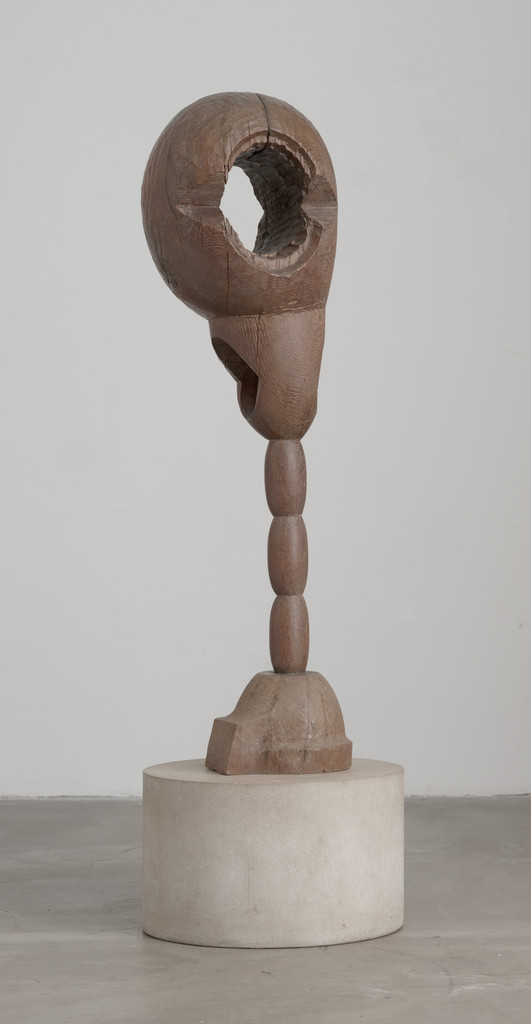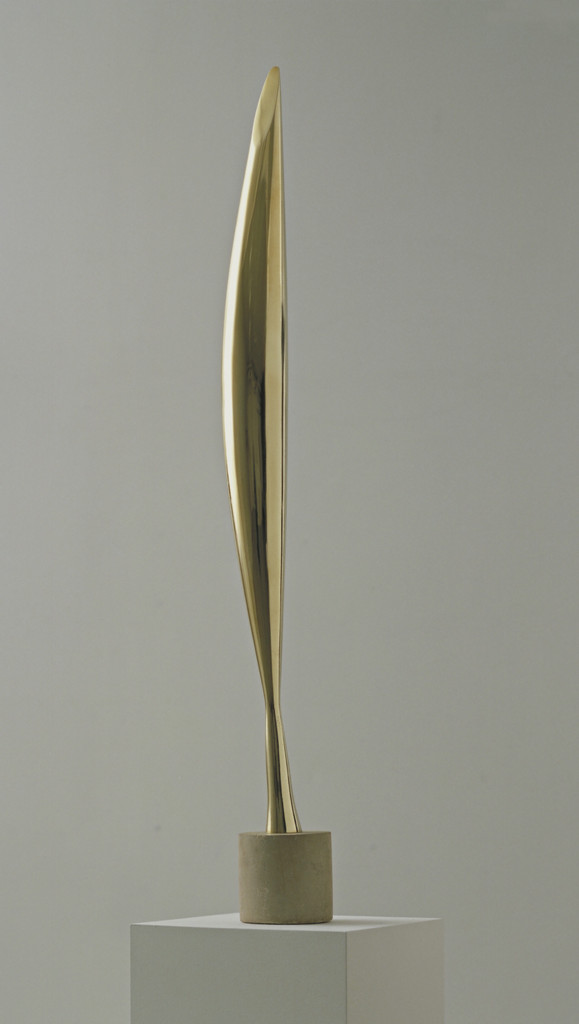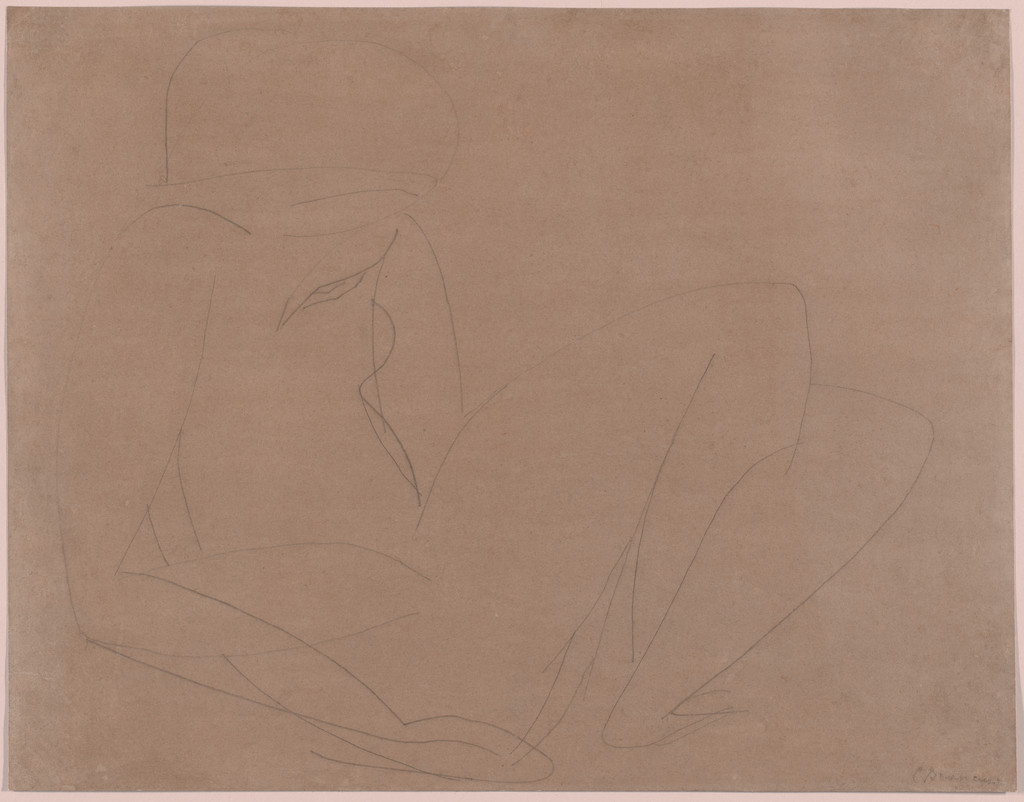
 Constantin BrancusiRomanian, 1876–1957
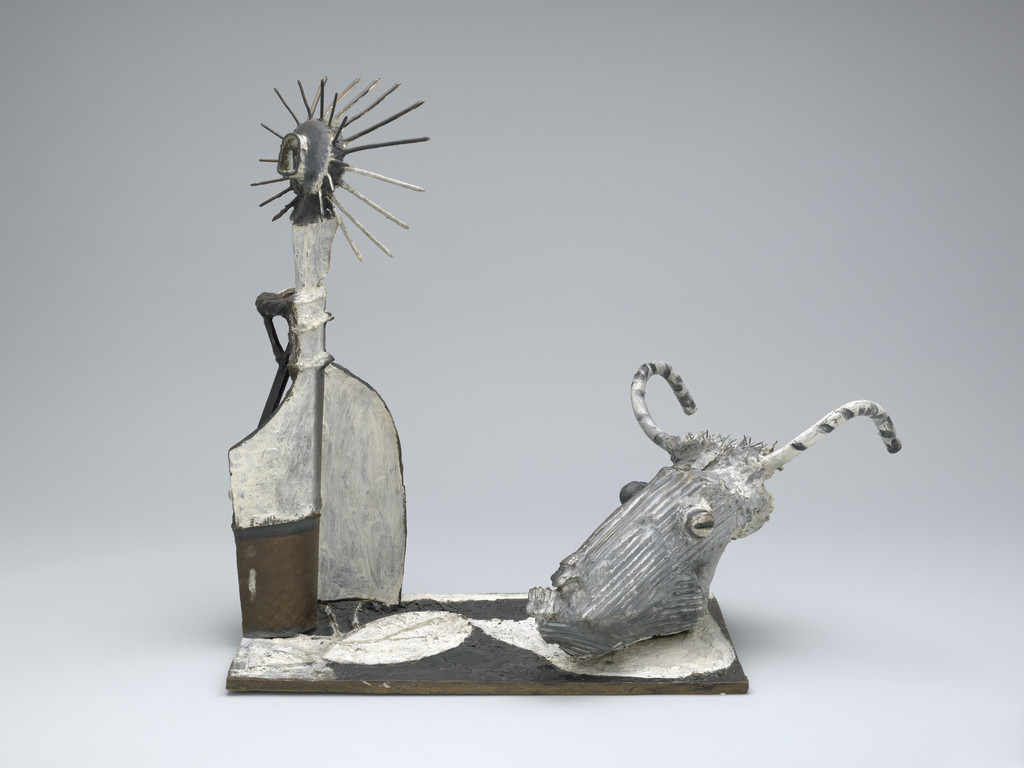
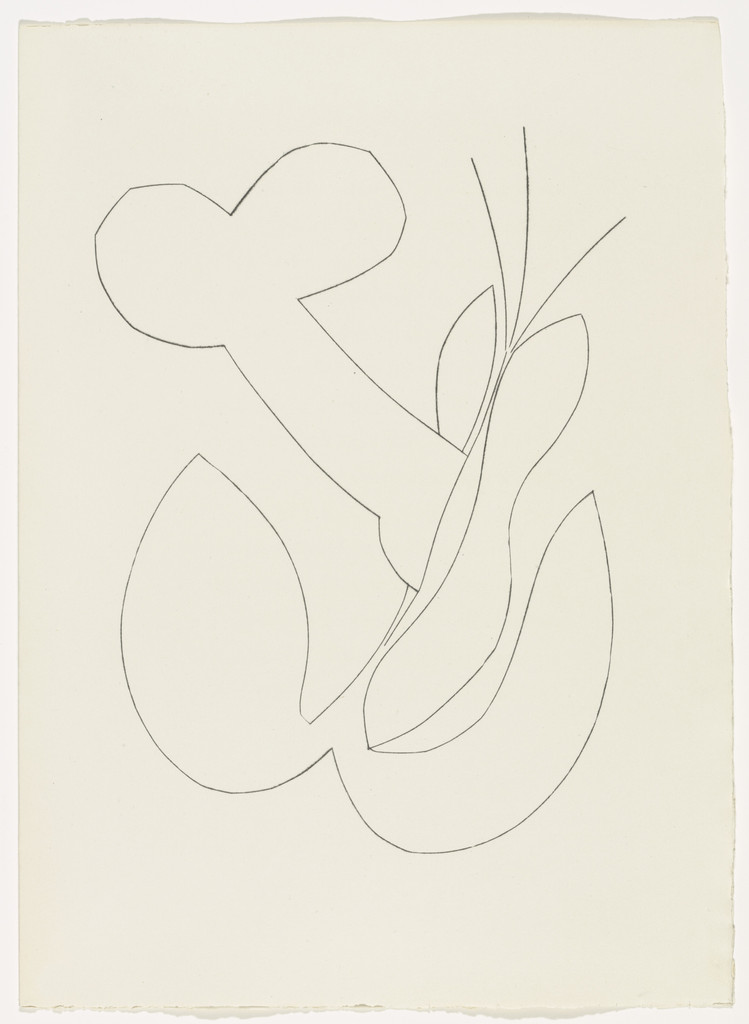
Reclining Nude
May one see it?
Not receiving at present

The Museum of Modern Art
New York, United States
It belongs to the collection, but is not on display at present.
- Checked
- Source
- The museum
Particulars
- Accession number
- 103.2019
In the catalog
Sources
- The Museum of Modern Art
- Image: The Museum of Modern Art — © the artist or rights holder
Meanwhile, in the life of Constantin Brancusi
The whole life1909
Meeting Modigliani
In 1909 the collector Paul Alexandre introduces Brâncuși to Amedeo Modigliani; the two become friends, and the Italian draws his portrait in black and red pencil that year. From 1909 to 1914 Modigliani works chiefly in sculpture, and his elongated limestone heads, with simplified forms and polished surfaces, are related to Brâncuși’s sculpture.
17 February 1913
The Armory Show in New York: five sculptures
In December 1912 the Armory Show organisers Arthur Bowen Davies, Walt Kuhn and Walter Pach visit Paris in search of works; the catalogue lists five sculptures by Brâncuși — “The Kiss”, “Sleeping Muse”, “A Muse”, “Mademoiselle Pogany” and “Torso”. The exhibition opens in New York on 17 February 1913 and travels to Chicago and Boston; his compact forms provoke laughter, caricatures and arguments in the press, and “Mademoiselle Pogany” is compared to an egg.
12 March – 4 April 1914
His first US solo show at the gallery 291
Edward Steichen selects the works for Brâncuși’s first solo exhibition in the United States: eight sculptures, including “Măiastra” and “Mademoiselle Pogany”, are shown at 291, the gallery run by Alfred Stieglitz. Agnes and Eugene Meyer pay for their transportation and begin buying works directly from Brâncuși.
January 1920
“Princess X” excluded from the Salon des Indépendants
In January 1920 the organizers of the Salon des Indépendants exclude “Princess X” (1915–1916) because they regard its shape as phallic. Fernand Léger and other friends of Brâncuși protest, the sculpture is returned to the exhibition, and the dispute leads to the manifesto “Pour l’indépendance de l’art”, signed by more than seventy artists and writers; Erik Satie signed the protest petition on 25 February 1920.
1926
Back to the United States: the Wildenstein and Brummer exhibitions
In 1926 Brâncuși returns to the United States: the Wildenstein Gallery presents his work in a group exhibition and then in a solo exhibition (16 February to 3 March), and on 17 November another exhibition opens at the Brummer Gallery, remaining on view until 15 December.
1926–1928
Brancusi v. United States: a bird is a work of art
During the trip United States customs officials detain a bronze “Bird in Space”, classify it as an article of metal and impose the tariff applied to manufactured objects. The case “Brancusi v. United States” ends in 1928 with the sculpture being accepted as a work of art.