ART WIKI33,040 on view
MapCollectionArtistsMuseumsExhibitionsJournal
Sign in

ART WIKI

Where the masterpiece hangs, and when they let you in.

Collections: Art Institute of Chicago, Getty Villa, Harvard Art Museums, Hirshhorn Museum and Sculpture Garden, J. Paul Getty Museum, Minneapolis Institute of Art, Musée du Louvre, National Gallery of Art, National Museum of Asian Art, National Portrait Gallery (Smithsonian), Pushkin State Museum of Fine Arts, Rijksmuseum, Smithsonian American Art Museum, SMK — National Gallery of Denmark, State Hermitage Museum, State Russian Museum, The Cleveland Museum of Art, The Metropolitan Museum of Art, The Museum of Modern Art, Tretyakov Gallery, Victoria and Albert Museum, Whitney Museum of American Art, State Catalogue of the Museum Fund of Russia (274 museums), Europeana (19 museums), Wikidata (6 museums), Paris Musées (12 museums), and Joconde, the French Ministry of Culture's museum database (495 museums). Images belong to their rights holders.

Sections

  • Map
  • Search
  • Collection
  • Masterpieces
  • On view now
  • Artists

More

  • Museums & galleries
  • Exhibitions
  • Journal
  • Where the data comes from
  • Privacy & cookies
HomeMapBrowse
  1. Collection/
  2. National Gallery of Art/
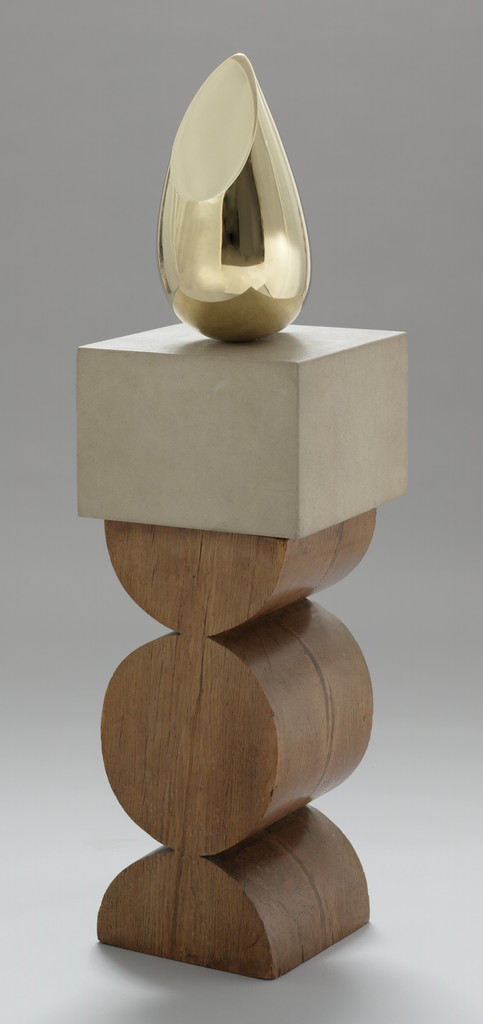
  3. Maiastra
Maiastra, Constantin Brâncuși, c. 1911

Maiastra

c. 1911 · Sculpture

Particulars

c. 1911
18761957
Accession number
1980.75.1

Meanwhile, in the life of Constantin Brancusi

The whole life
  1. 1909

    Meeting Modigliani

    In 1909 the collector Paul Alexandre introduces Brâncuși to Amedeo Modigliani; the two become friends, and the Italian draws his portrait in black and red pencil that year. From 1909 to 1914 Modigliani works chiefly in sculpture, and his elongated limestone heads, with simplified forms and polished surfaces, are related to Brâncuși’s sculpture.

  2. 1910s

    “Mobile groups”: rearranging the sculptures

    During the 1910s Brâncuși arranges sculptures and pedestals in changing compositions that he calls “mobile groups”: he moves the works and watches how each change alters the space around them. When he sells a sculpture he often puts a plaster version in the same position, and by the 1920s the studio is also an exhibition space whose arrangement forms part of the work.

  3. autumn 1912

    The Grand Palais aviation show with Duchamp and Léger

    In the fall of 1912 Brâncuși visits an aviation exhibition at the Grand Palais with Marcel Duchamp and Fernand Léger; the three stop before an airplane propeller, and its mechanical precision leads them into a conversation about machine-made forms and the direction sculpture might take. In May of that year he had rented a second studio at 47 rue du Montparnasse, across from the first.

  4. 17 February 1913

    The Armory Show in New York: five sculptures

    In December 1912 the Armory Show organisers Arthur Bowen Davies, Walt Kuhn and Walter Pach visit Paris in search of works; the catalogue lists five sculptures by Brâncuși — “The Kiss”, “Sleeping Muse”, “A Muse”, “Mademoiselle Pogany” and “Torso”. The exhibition opens in New York on 17 February 1913 and travels to Chicago and Boston; his compact forms provoke laughter, caricatures and arguments in the press, and “Mademoiselle Pogany” is compared to an egg.

More by Constantin Brancusi

All works

In the same room · EU-415-C, National Gallery of Art

Museum page

On the same theme · Bird

All works on the theme
Constantin Brancusi, portraitConstantin BrancusiRomanian, 1876–1957

May one see it?

Yes, receiving visitors

National Gallery of Art

Washington, D.C., United States

Room415C · East Building, Upper Level

On public display.

Checked
9 days ago
In this state since
Aug 19, 2026
Source
The museum
On the mapMuseum page

What it shows

Bird

In the catalog

SculptureBronzeModernism20th centuryRomanianAbstraction

Sources

  • National Gallery of Art
  • Image: National Gallery of Art — © the artist or rights holder
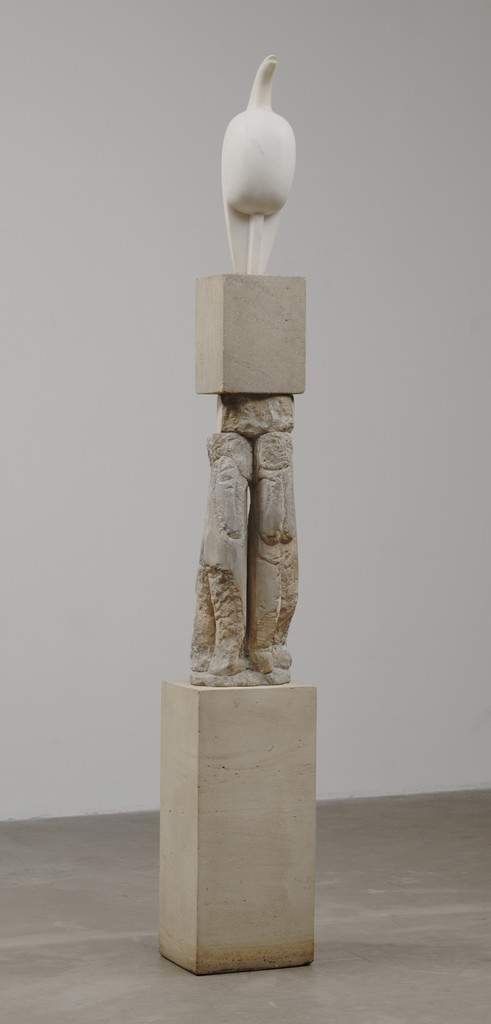
Maiastra, Constantin Brancusi, 1910-12

Maiastra

1910-12 · The Museum of Modern Art

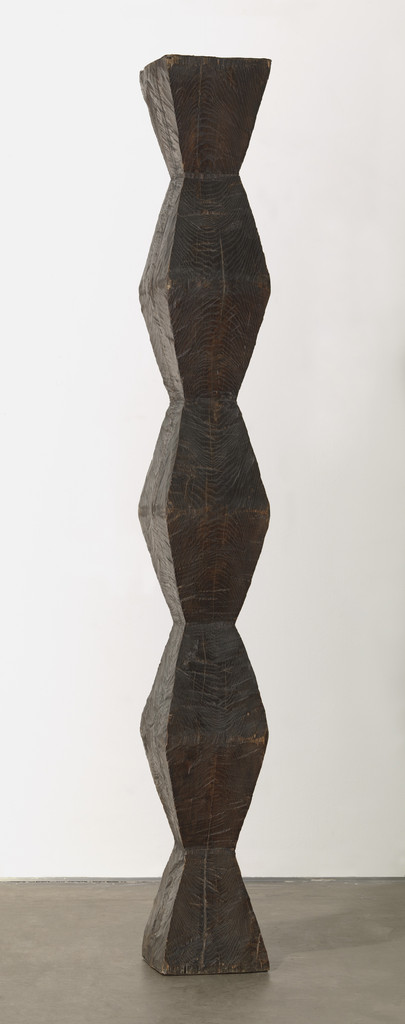
Endless Column, Constantin Brancusi, version I, 1918

Endless Column

version I, 1918 · The Museum of Modern Art

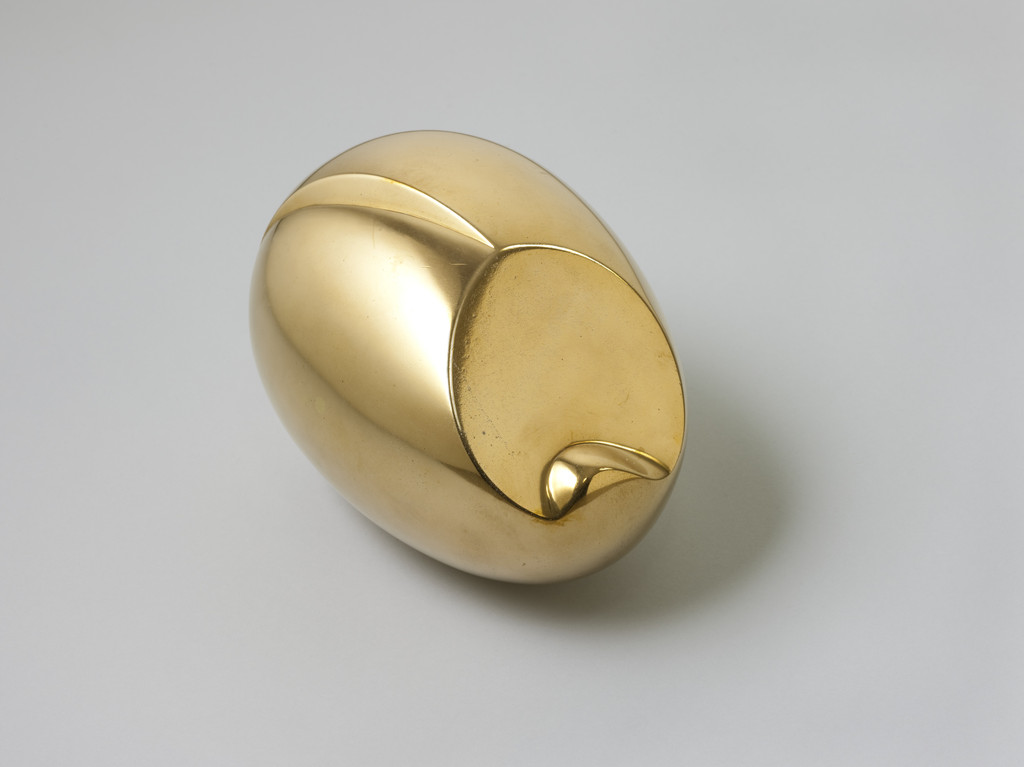
The Newborn, Constantin Brancusi, version I, 1920

The Newborn

version I, 1920 · The Museum of Modern Art

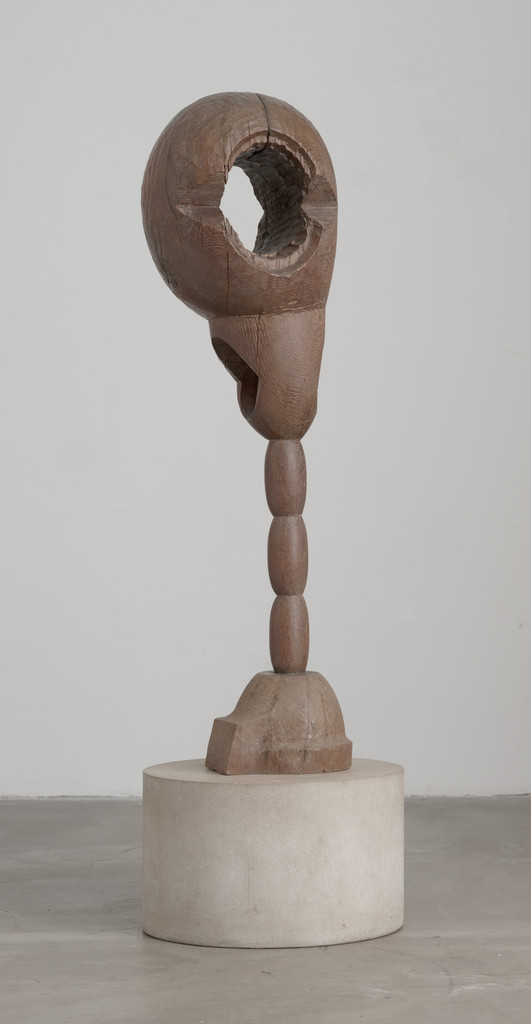
Socrates, Constantin Brancusi, 1922

Socrates

1922 · The Museum of Modern Art

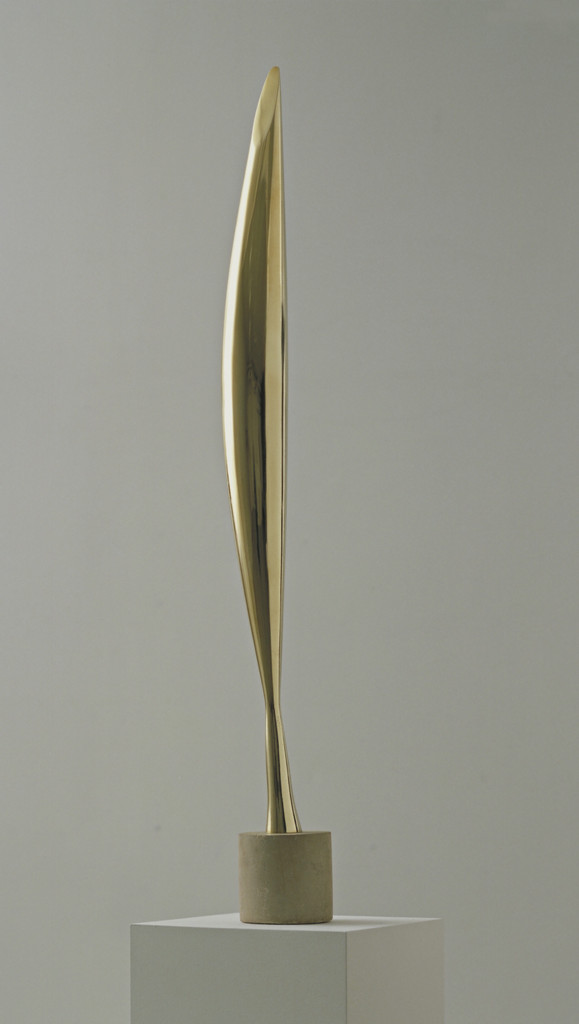
Bird in Space, Constantin Brâncuși, 1925

Bird in Space

1925 · National Gallery of Art

Bird in Space, Constantin Brâncuși, 1927

Bird in Space

1927 · National Gallery of Art

Bird in Space, Constantin Brancusi, 1928

Bird in Space

1928 · The Museum of Modern Art

Young Bird, Constantin Brancusi, Paris 1928

Young Bird

Paris 1928 · The Museum of Modern Art

Guitar, Pablo Picasso, 1926

Pablo Picasso

Guitar, 1926

Tableau No. IV; Lozenge Composition with Red, Gray, Blue, Yellow, and Black, Piet Mondrian, c. 1924/1925

Piet Mondrian

Tableau No. IV; Lozenge Composition with Red, Gray, Blue, Yellow, and Black, c. 1924/1925

Head of a Catalan Peasant, Joan Miró, 1924

Joan Miró

Head of a Catalan Peasant, 1924

New House in the Suburbs, Paul Klee, 1924

Paul Klee

New House in the Suburbs, 1924

Agnes E. Meyer, Constantin Brâncuși, 1929

Constantin Brancusi

Agnes E. Meyer, 1929

Bird in Space, Constantin Brâncuși, 1927

Constantin Brancusi

Bird in Space, 1927

Bird in Space, Constantin Brâncuși, 1925

Constantin Brancusi

Bird in Space, 1925

Two Women, Fernand Léger, 1922

Fernand Léger

Two Women, 1922

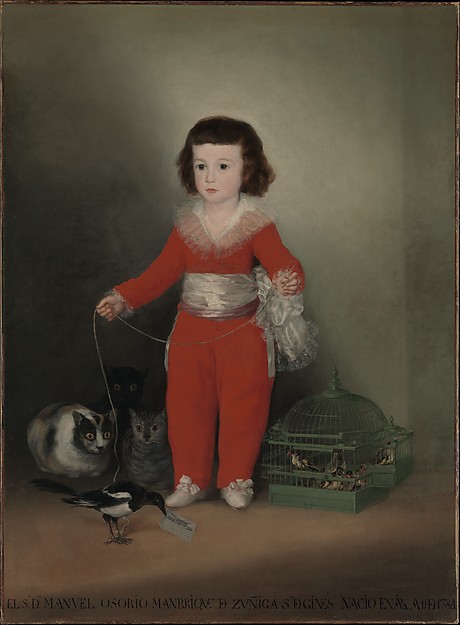
Manuel Osorio Manrique de Zuñiga (1784–1792), Goya, 1787–88

Francisco de Goya

Don Manuel Osorio de Zuniga, 1787–88

The Metropolitan Museum of Art

Blinded Minotaur Led by a Girl III (Minotaur aveugle guide par une fillette III), Pablo Picasso, 1934

Pablo Picasso

Blinded Minotaur Led by a Girl III (Minotaur aveugle guide par une fillette III), 1934

Not on view · National Gallery of Art

Dove (La colombe), Pablo Picasso, 1949

Pablo Picasso

Dove (La colombe), 1949

Not on view · National Gallery of Art

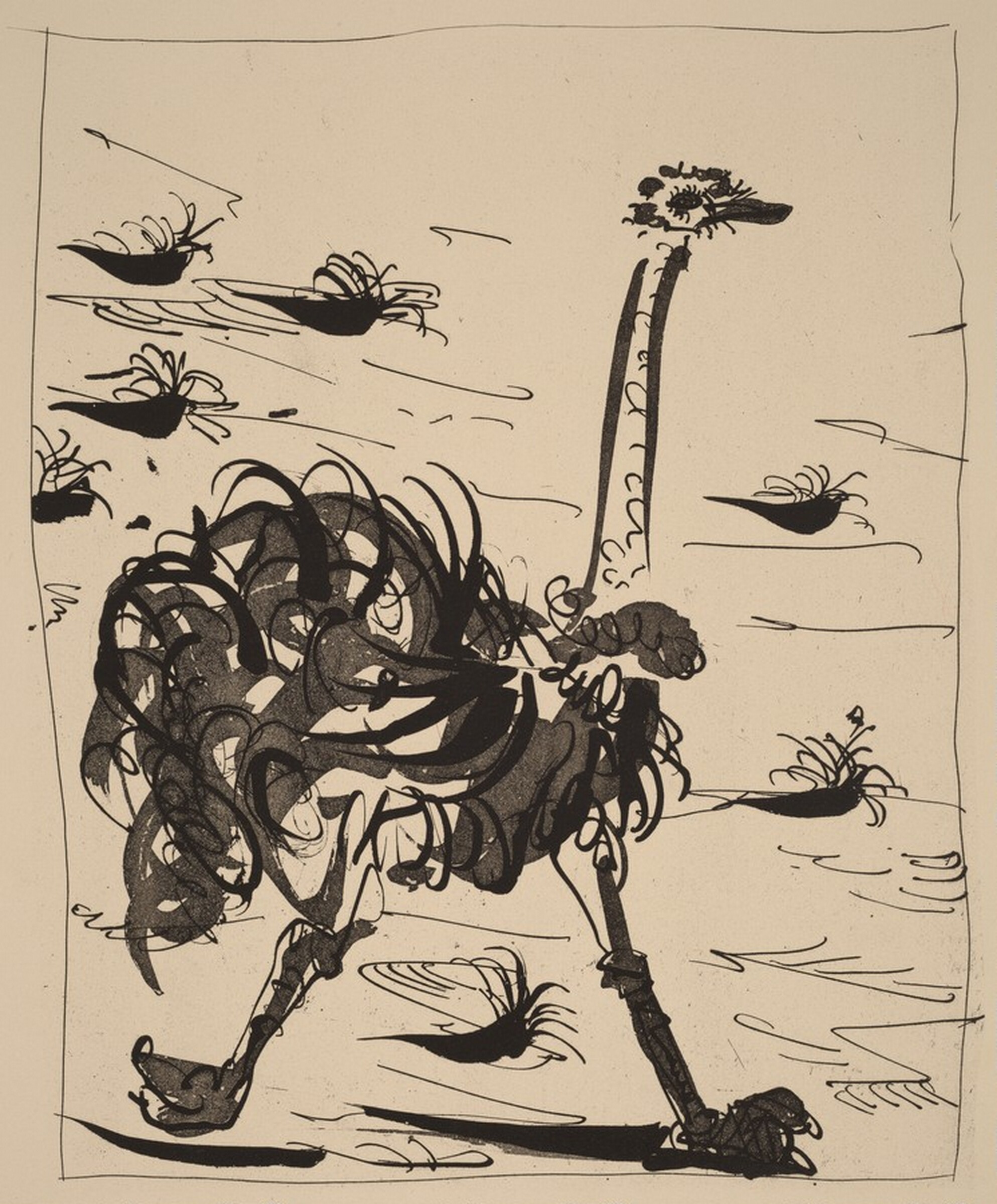
L'Autruche (The Ostrich), Pablo Picasso, 1941/1942

Pablo Picasso

L'Autruche (The Ostrich), 1941/1942

Not on view · National Gallery of Art

Blind Minotaur Led by Marie-Thérèse with a Dove in a Starry Night (Minotaure aveugle guidé par Marie-Thérèse au pigeon dans une nuit étoilée), Pablo Picasso, 1934

Pablo Picasso

Blind Minotaur Led by Marie-Thérèse with a Dove in a Starry Night (Minotaure aveugle guidé par Marie-Thérèse au pigeon dans une nuit étoilée), 1934

Not on view · National Gallery of Art

Blind Minotaur Led by Marie-Thérèse with a Dove in a Starry Night (Minotaure aveugle guidé par Marie-Thérèse au pigeon dans une nuit étoilée), Pablo Picasso, 1934

Pablo Picasso

Blind Minotaur Led by Marie-Thérèse with a Dove in a Starry Night (Minotaure aveugle guidé par Marie-Thérèse au pigeon dans une nuit étoilée), 1934

Not on view · National Gallery of Art

Blind Minotaur Led by Marie-Thérèse with a Dove in a Starry Night (Minotaure aveugle guidé par Marie-Thérèse au pigeon dans une nuit étoilée), Pablo Picasso, 1934

Pablo Picasso

Blind Minotaur Led by Marie-Thérèse with a Dove in a Starry Night (Minotaure aveugle guidé par Marie-Thérèse au pigeon dans une nuit étoilée), 1934

Not on view · National Gallery of Art

Pigeon with Gray Background (Pigeon au fond gris), Pablo Picasso, 1947

Pablo Picasso

Pigeon with Gray Background (Pigeon au fond gris), 1947

Not on view · National Gallery of Art