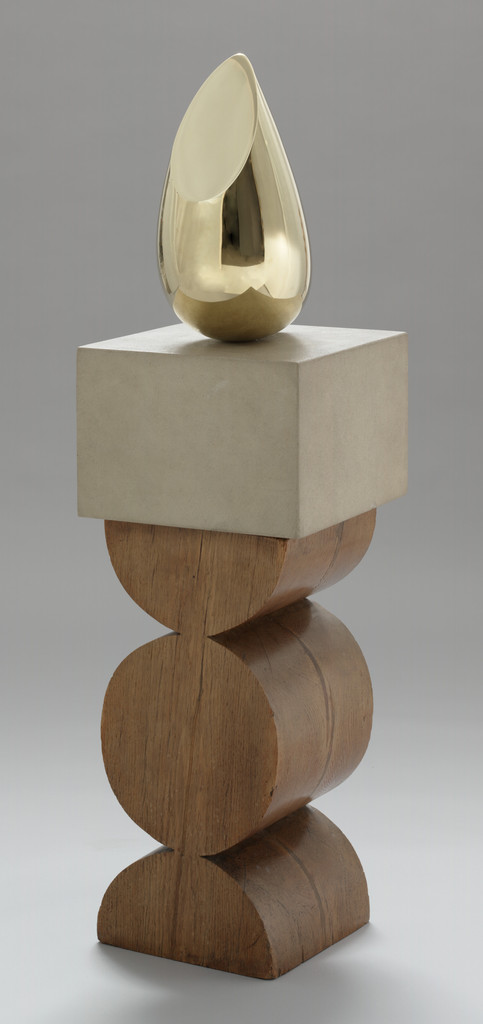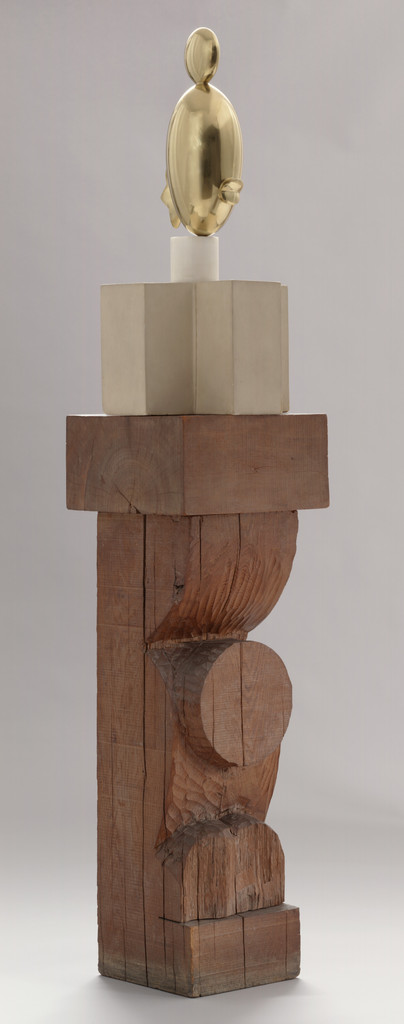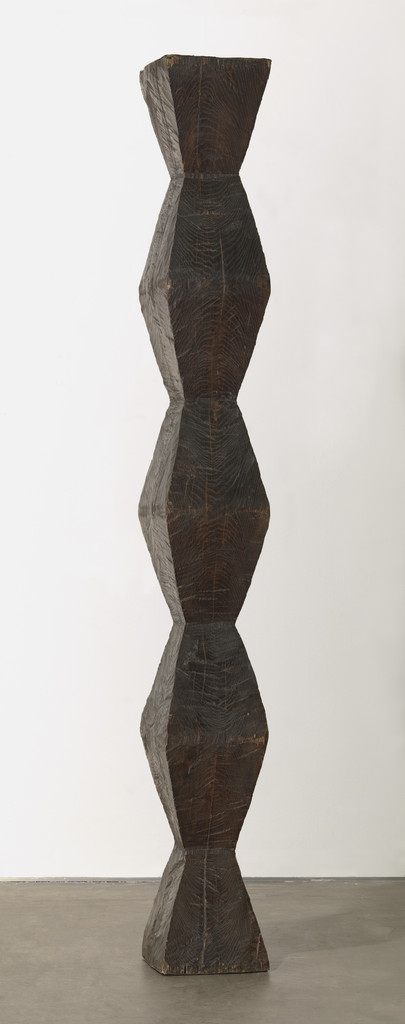
 Constantin BrancusiRomanian, 1876–1957
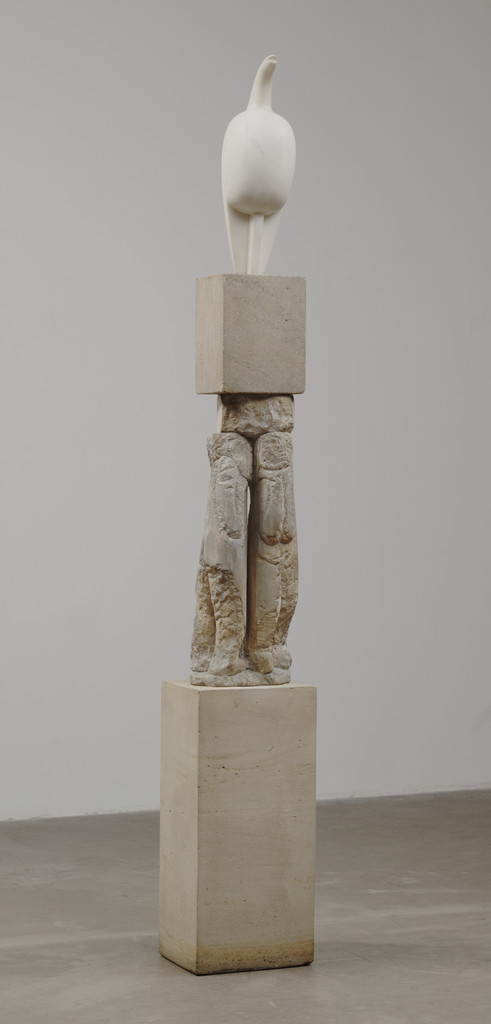
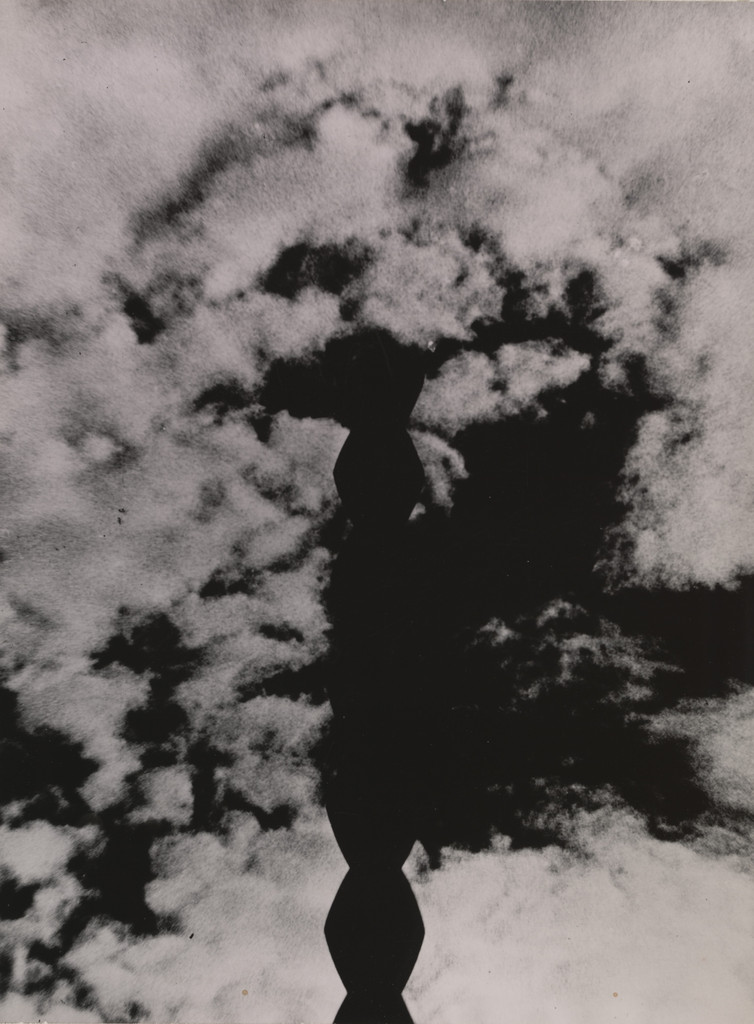
Endless Column
Can I see it?
Yes, on view now
Where is “Endless Column” now? The Museum of Modern Art, MoMA, Floor 6, New York. Yes, on view now. Checked November 17, 2026.

Closed· opens tomorrow at 10:30 AM
On public display.
- Checked
- In this state since
- Source
- The museum
Details
- Accession number
- 645.1983
In the catalog
Display history
On view · MoMA, Floor 6
The Museum of Modern Art · Oct 27, 2026 — now · Verified
Was not on view
The Museum of Modern Art · Oct 12, 2026 — Oct 27, 2026 · Verified
Was on view · MoMA, Floor 5, 508
The Museum of Modern Art · Verified
Sources
- The Museum of Modern Art
- Image: The Museum of Modern Art — © the artist or rights holder
In the life of Constantin Brancusi
The whole life1910s
“Mobile groups”: rearranging the sculptures
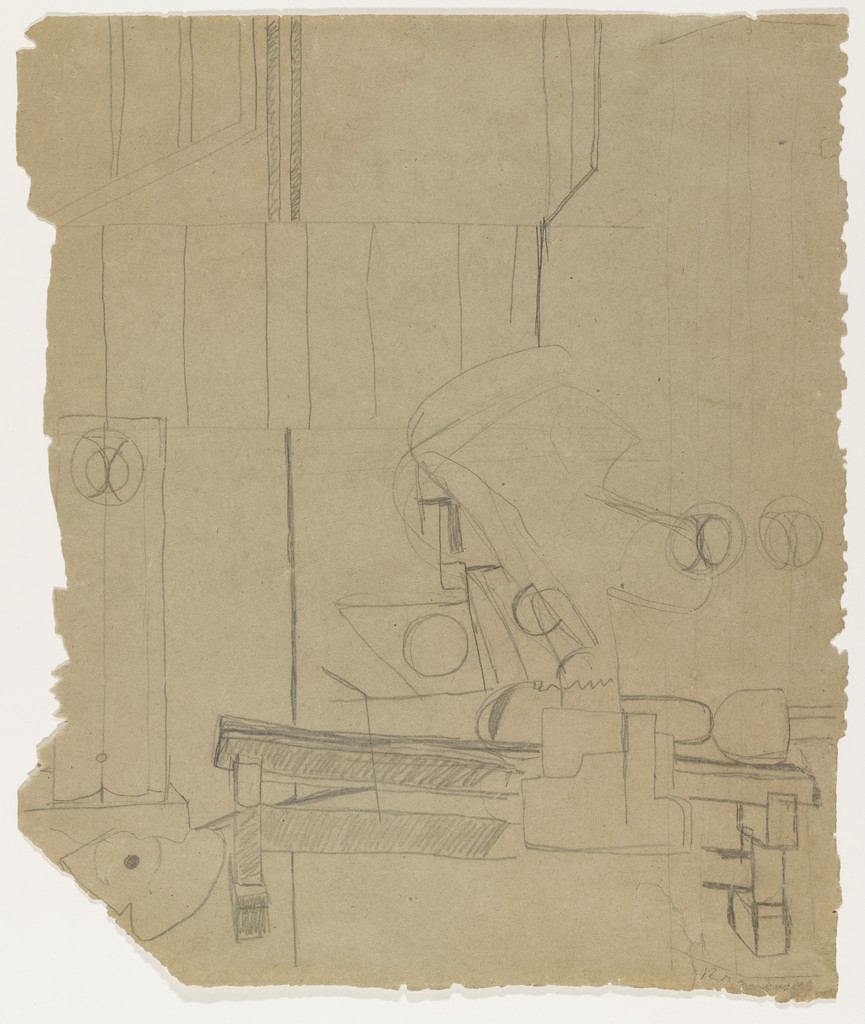
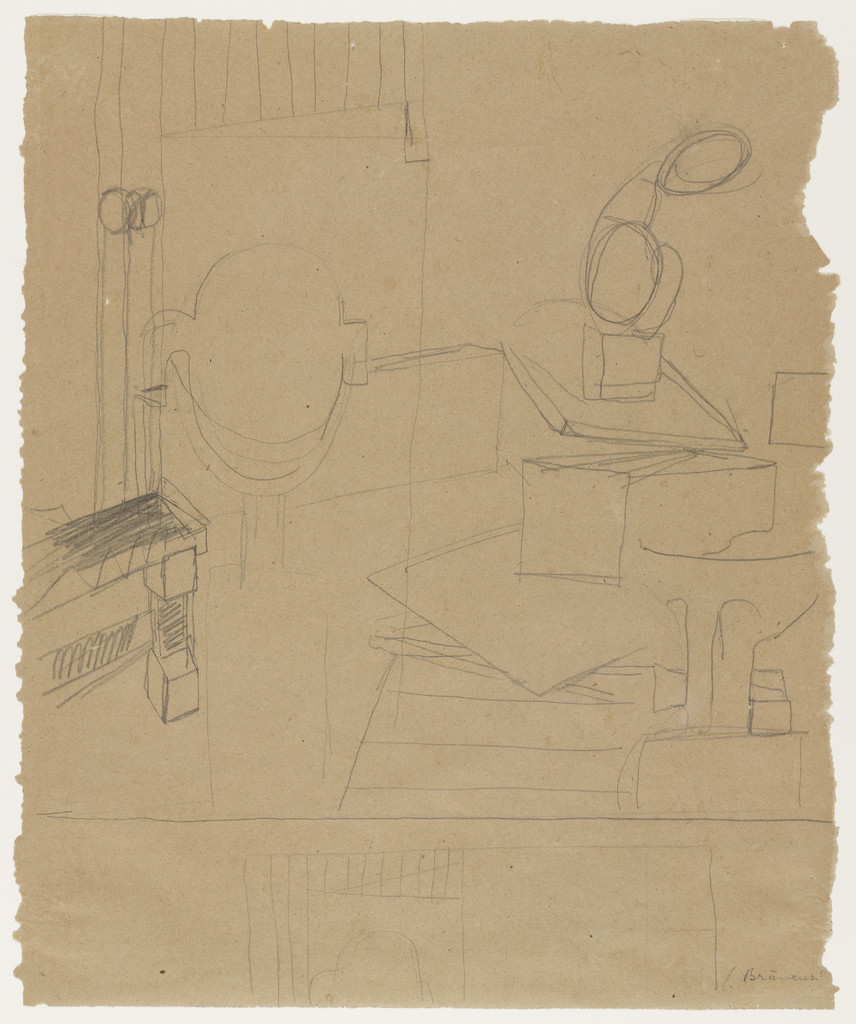
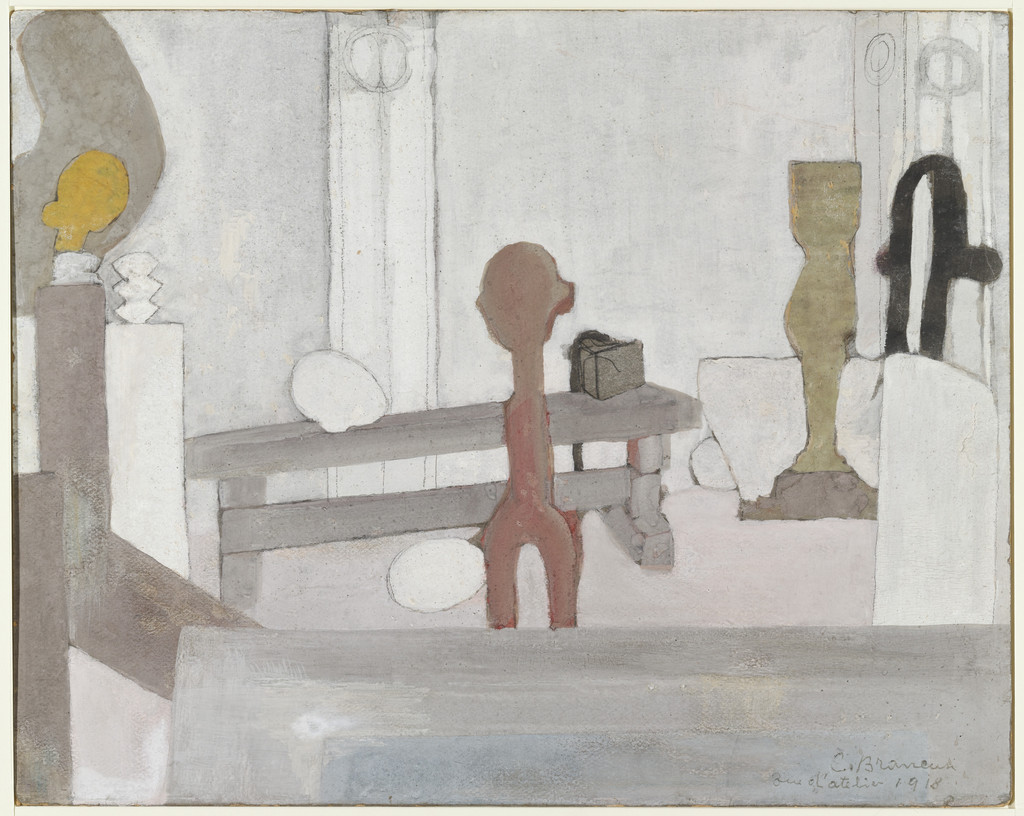
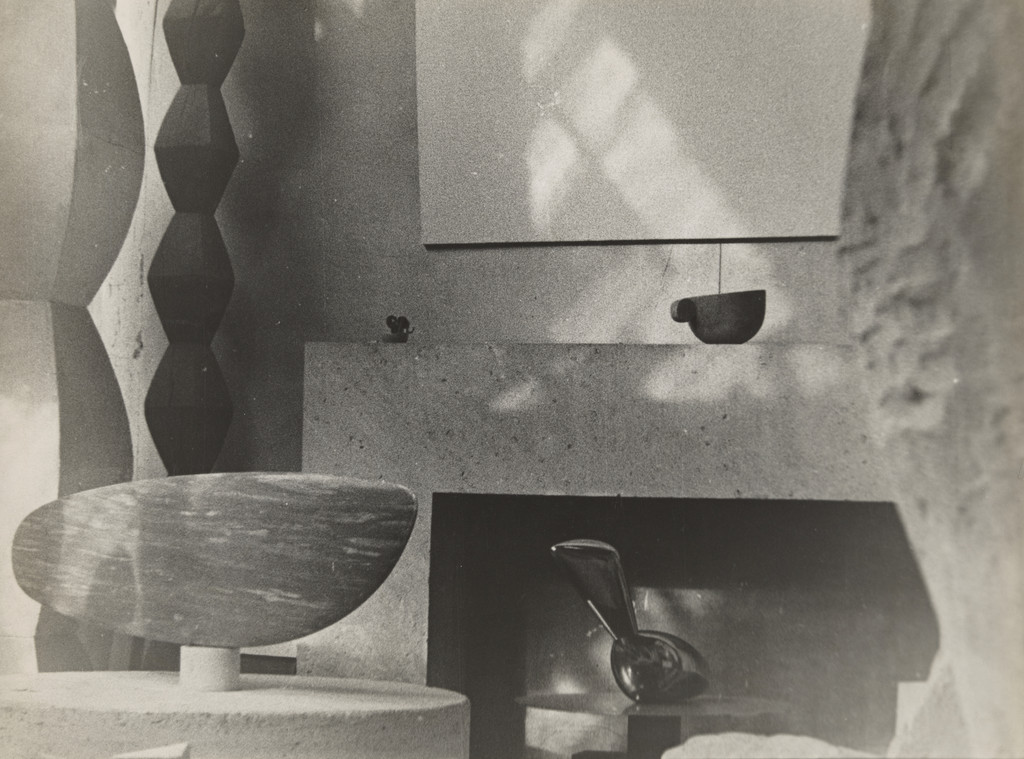
During the 1910s Brâncuși arranges sculptures and pedestals in changing compositions that he calls “mobile groups”: he moves the works and watches how each change alters the space around them. When he sells a sculpture he often puts a plaster version in the same position, and by the 1920s the studio is also an exhibition space whose arrangement forms part of the work.
1915–1917
The First World War: a refusal to serve
Brâncuși stays in Paris after the outbreak of World War I; in 1915 he donates works to an exhibition at Bernheim-Jeune that raises money for Polish artists affected by the war. As a Romanian citizen he remains liable for military service, but he refuses to serve in 1916 and receives a permanent exemption on 8 November 1917.
early 1916
Moving into the Impasse Ronsin
In early 1916 Brâncuși moves into number 8 Impasse Ronsin and later occupies number 11 as well, cutting openings through the walls to join first two studios and then three; in 1936 and 1941 he adds rooms for unfinished works, his workbench and his tools. He furnishes the studio with pieces he makes himself — a large stone slab as a table, a fireplace recalling rural houses in Oltenia — and cooks his own food, serving Romanian dishes to friends.
1916
The Modern Gallery buys “The Newborn I”
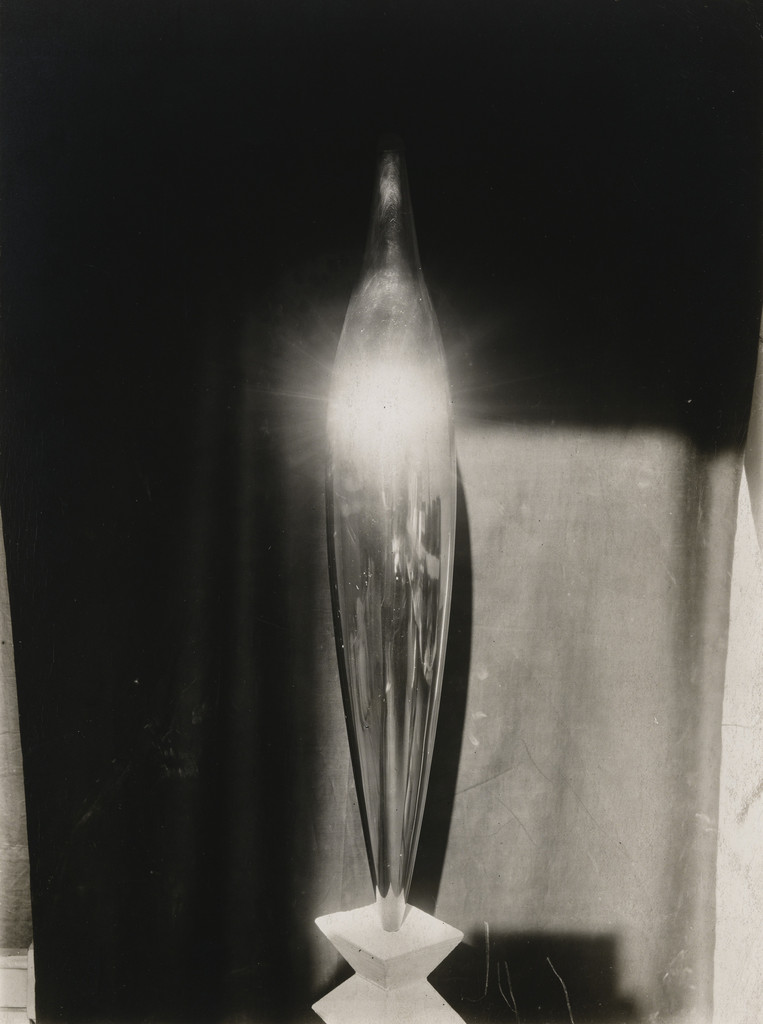
In 1916 the Modern Gallery, founded by Marius de Zayas, buys “Le Nouveau-Né I”; the sale widens the group of American collectors following his work. Brâncuși also begins photographing his sculptures and testing different arrangements for them inside the studio.
November 1919
Meeting Erik Satie
The writer Henri-Pierre Roché brings the composer Erik Satie, exactly ten years older than Brâncuși, to his studio together with Marcel Duchamp, beginning a friendship that lasts from 1919 to 1925. After dinner Brâncuși plays the violin for his guest, and Satie, in Roché’s words, teaches him verbal fencing, self-belief and clarity of thought.
January 1920
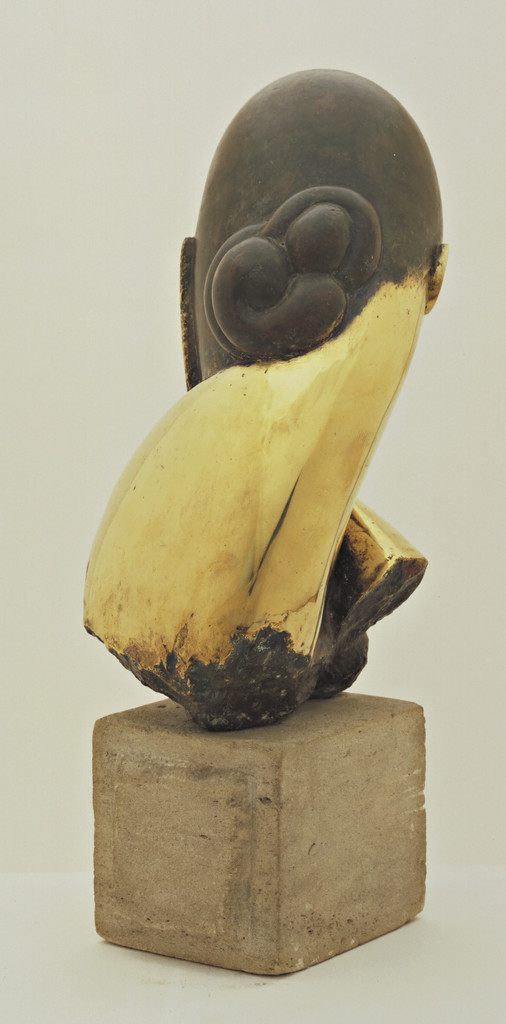
“Princess X” excluded from the Salon des Indépendants
In January 1920 the organizers of the Salon des Indépendants exclude “Princess X” (1915–1916) because they regard its shape as phallic. Fernand Léger and other friends of Brâncuși protest, the sculpture is returned to the exhibition, and the dispute leads to the manifesto “Pour l’indépendance de l’art”, signed by more than seventy artists and writers; Erik Satie signed the protest petition on 25 February 1920.