ART WIKI32,963 on view
MapCollectionArtistsMuseumsExhibitionsJournal
Sign in

ART WIKI

Where the masterpiece hangs, and when they let you in.

Collections: Art Institute of Chicago, Getty Villa, Harvard Art Museums, Hirshhorn Museum and Sculpture Garden, J. Paul Getty Museum, Minneapolis Institute of Art, Musée du Louvre, National Gallery of Art, National Museum of Asian Art, National Portrait Gallery (Smithsonian), Pushkin State Museum of Fine Arts, Rijksmuseum, Smithsonian American Art Museum, SMK — National Gallery of Denmark, State Hermitage Museum, State Russian Museum, The Cleveland Museum of Art, The Metropolitan Museum of Art, The Museum of Modern Art, Tretyakov Gallery, Victoria and Albert Museum, Whitney Museum of American Art, State Catalogue of the Museum Fund of Russia (274 museums), Europeana (19 museums), Wikidata (6 museums), Paris Musées (12 museums), and Joconde, the French Ministry of Culture's museum database (495 museums). Images belong to their rights holders.

Sections

  • Map
  • Search
  • Collection
  • Masterpieces
  • On view now
  • Artists

More

  • Museums & galleries
  • Exhibitions
  • Journal
  • Where the data comes from
  • Privacy & cookies
HomeMapBrowse
  1. Collection/
  2. SMK/
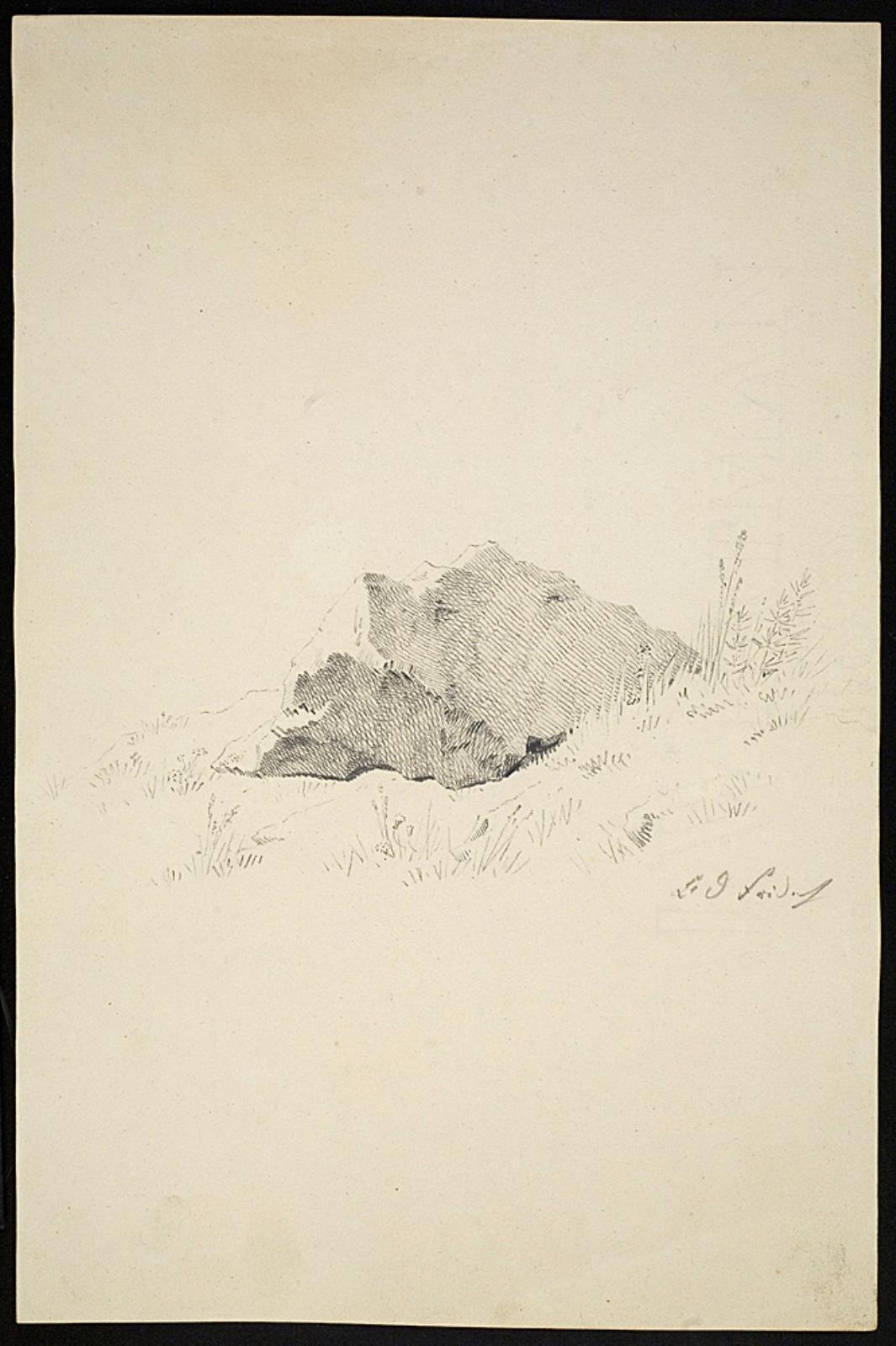
  3. Klippeformation og planter
Klippeformation og planter, Caspar David Friedrich, 1803-1806
Caspar David Friedrich, portraitCaspar David FriedrichGerman, 1774–1840

Klippeformation og planter

1803-1806 · Drawing

May one see it?

Not receiving at present

SMK — National Gallery of Denmark

Copenhagen, Denmark

It belongs to the collection, but is not on display at present.

Checked
3 days ago
In this state since
Aug 19, 2026
Source
The museum
On the mapMuseum page

Particulars

1803-1806
17741840
Accession number
KKS1972-38/34

In the catalog

Drawings & watercolorsGraphiteNeoclassicismRomanticism19th century

Sources

  • SMK
  • Image: SMK — National Gallery of Denmark — public domain

Meanwhile, in the life of Caspar David Friedrich

The whole life
  1. 1798–1804

    Etchings and woodcuts

    In Dresden Friedrich experiments with etching and makes designs for woodcuts that his furniture-maker brother cuts: by 1804 he has produced 18 etchings and four woodcuts, apparently in small numbers and distributed only to friends. His main media remain ink, watercolour and sepia, and he does not work extensively in oils until his reputation is more established.

  2. from 1801

    Trips in search of motifs from 1801

    From 1801 Friedrich makes frequent trips in search of motifs to the Baltic coast, Bohemia, the Krkonoše and the Harz Mountains. He makes his studies almost exclusively in pencil, with topographical notes, while the subtle atmospheric effects that become his trademark are painted later from memory.

  3. 1805

    Wins Goethe’s Weimar competition

    With two sepia drawings, “Procession at Dawn” and “Fisher-Folk by the Sea”, Friedrich wins the competition organised by Goethe in Weimar. The poet, whose reputation was suffering from the poor quality of the entries, responds enthusiastically to the artist’s resourcefulness, and the success establishes Friedrich’s reputation.

  4. 1807

    The turn to oil painting

    Until 1807 Friedrich works exclusively in drawing, chiefly in pencil or sepia, and then turns to oil painting as well.

  5. 1808–1809

    The quarrel with Ramdohr: can a landscape stand on an altar?

    The altarpiece is generally coldly received but becomes Friedrich’s first painting to win wide publicity: friends defend it publicly, while the critic Basilius von Ramdohr publishes a long article challenging the use of landscape in a religious context. In 1809 Friedrich answers with a programme comparing the rays of the evening sun to the light of the Holy Father — the only time he recorded a detailed interpretation of his own work.
More by Caspar David Friedrich

All works
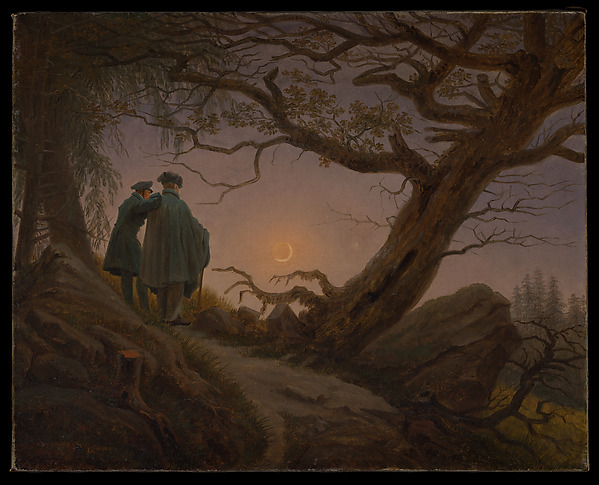
Two Men Contemplating the Moon, Caspar David Friedrich, ca. 1825–30

Two Men Contemplating the Moon

ca. 1825–30 · The Metropolitan Museum of Art

Night in a Harbour, Caspar David Friedrich, 1818

Night in a Harbour

1818 · State Hermitage Museum

On a Sailing Ship, Caspar David Friedrich, 1818

On a Sailing Ship

1818 · State Hermitage Museum

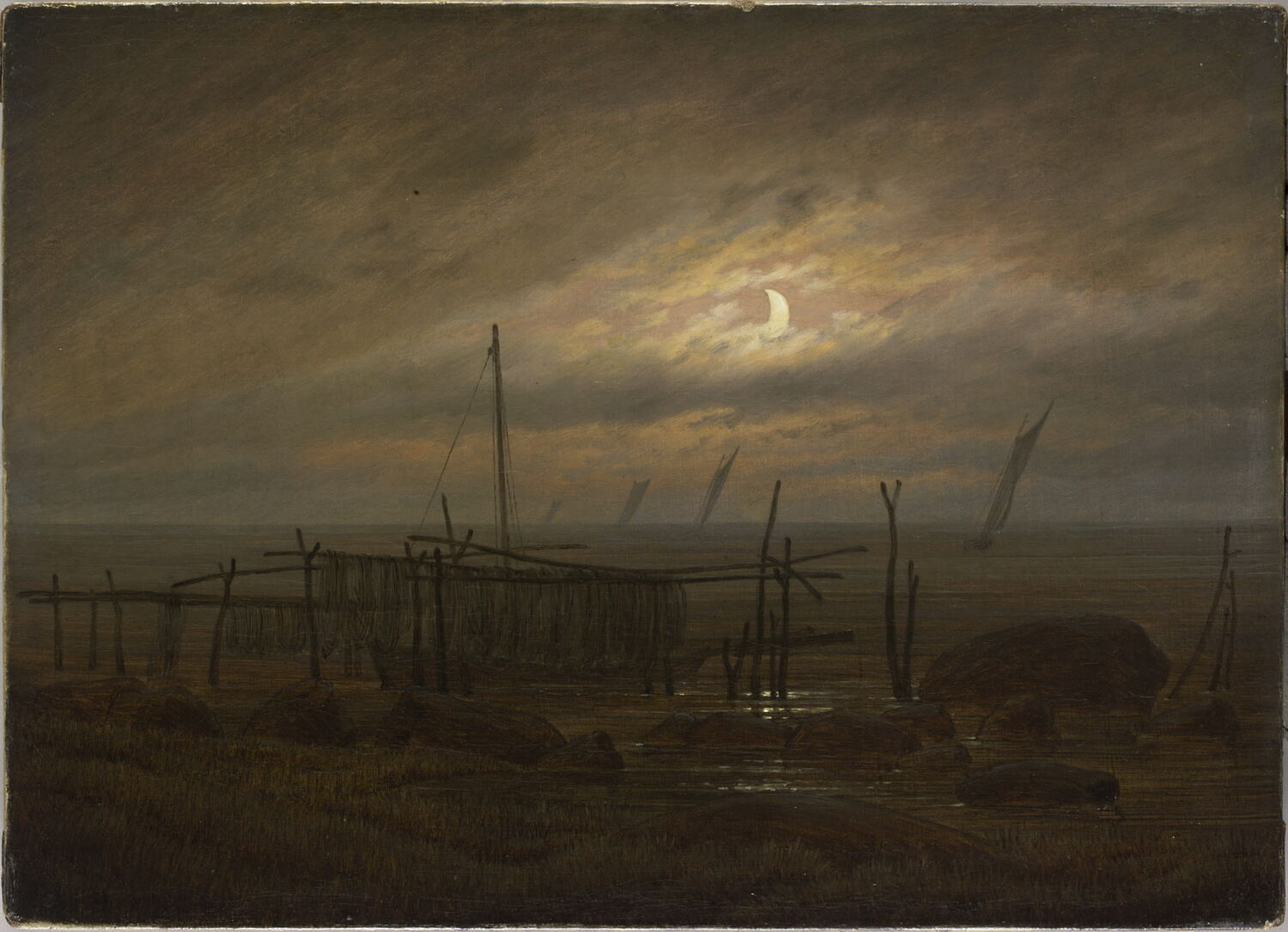
Bord de mer au clair de lune, Friedrich, Caspar David, 1e quart du XIXe siècle (vers 1818)

Bord de mer au clair de lune

first quarter of the 19th century (c. 1818) · Musée du Louvre

Morning in the Mountains, Caspar David Friedrich, 1820s

Morning in the Mountains

1820s · State Hermitage Museum

Moonrise over the Sea, Caspar David Friedrich, 1821

Moonrise over the Sea

1821 · State Hermitage Museum

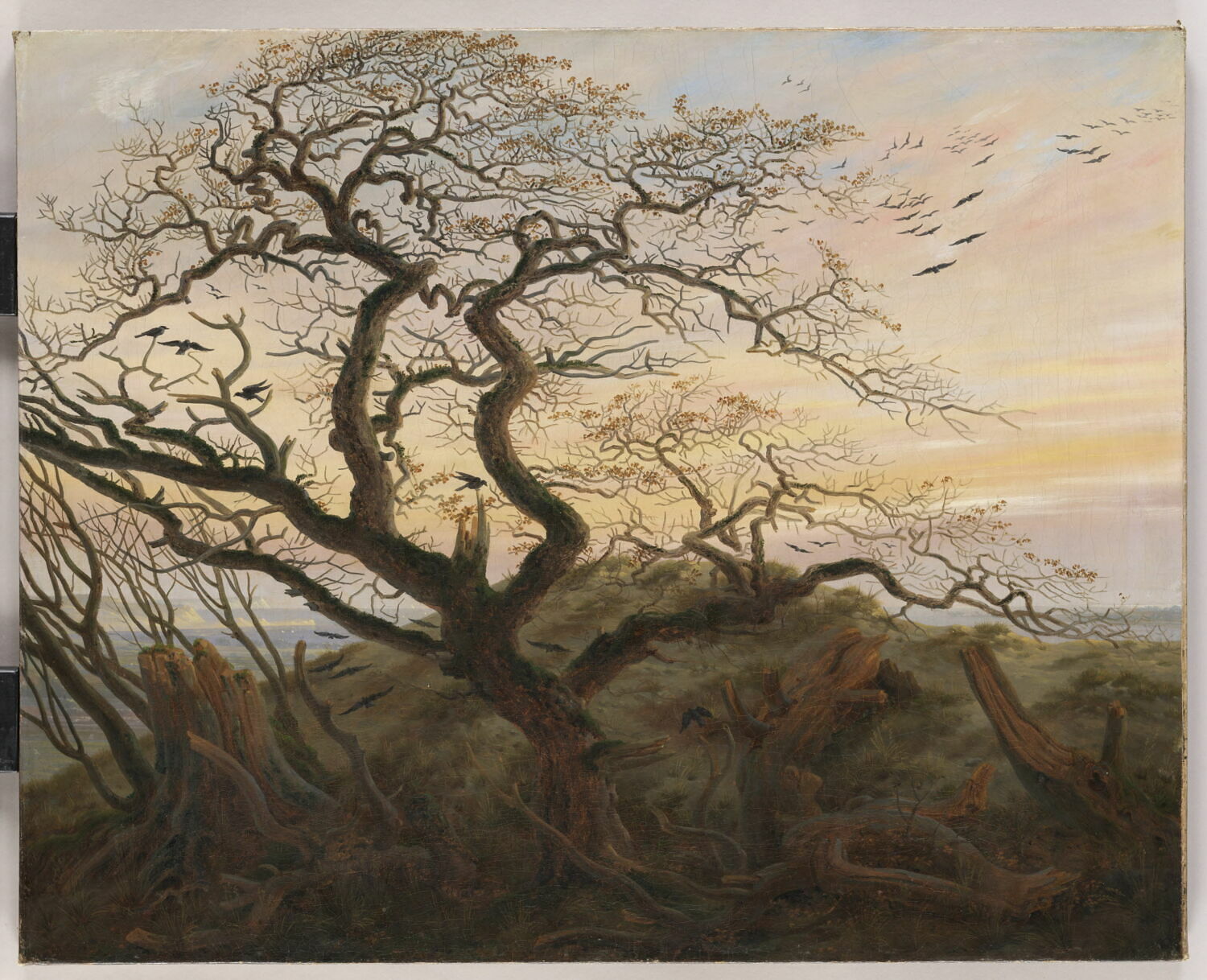
L'arbre aux corbeaux, Friedrich, Caspar David, 1e quart du XIXe siècle (vers 1822)

Tree of crows

first quarter of the 19th century (c. 1822) · Musée du Louvre

Swans in the reeds at the first dawn, Caspar David Friedrich, 1830s

Swans in the reeds at the first dawn

1830s · State Hermitage Museum

Neighbors at SMK — National Gallery of Denmark

Museum page
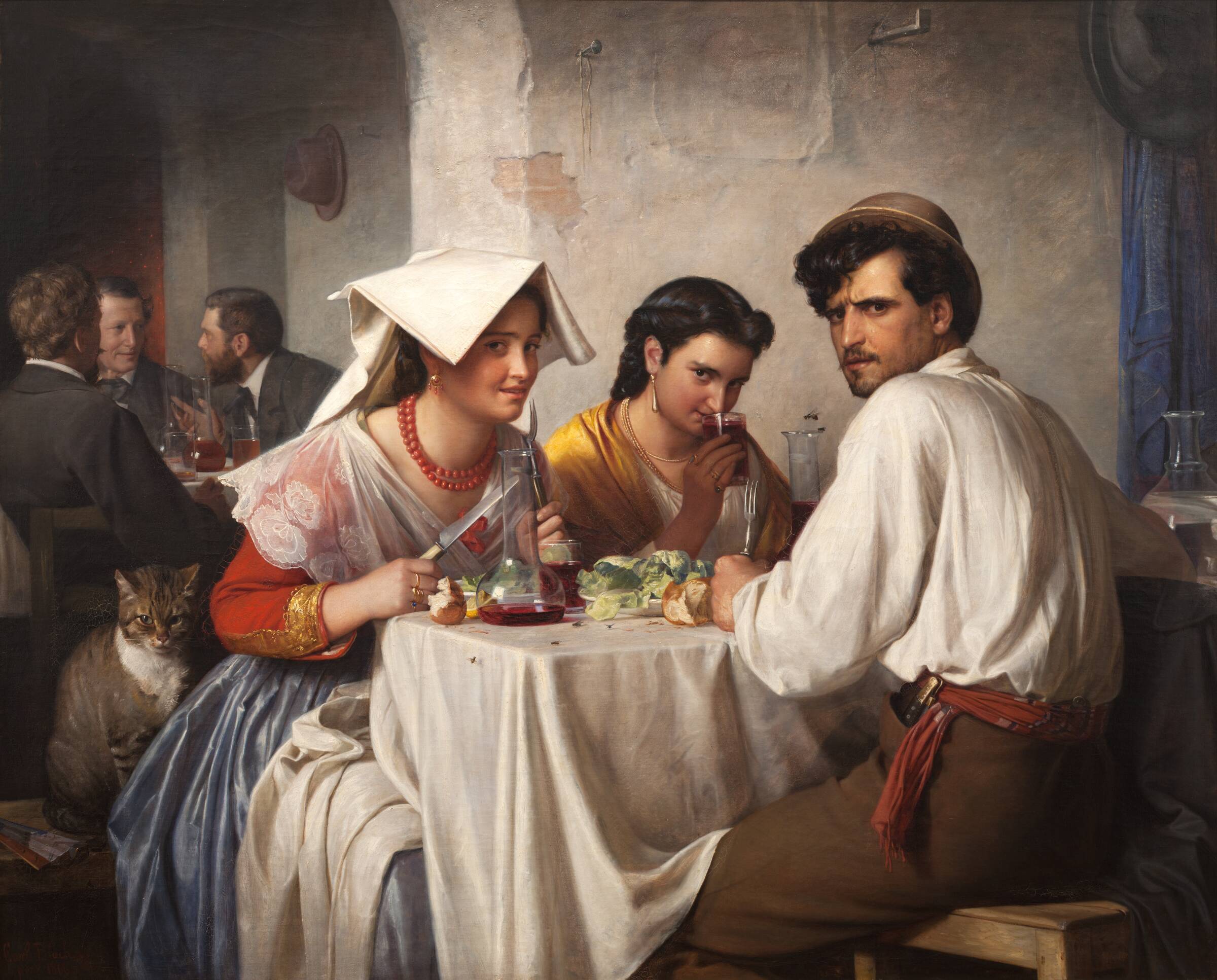
Fra et romersk osteria, Carl Bloch, 1866

Carl Bloch

In a Roman Osteria, 1866

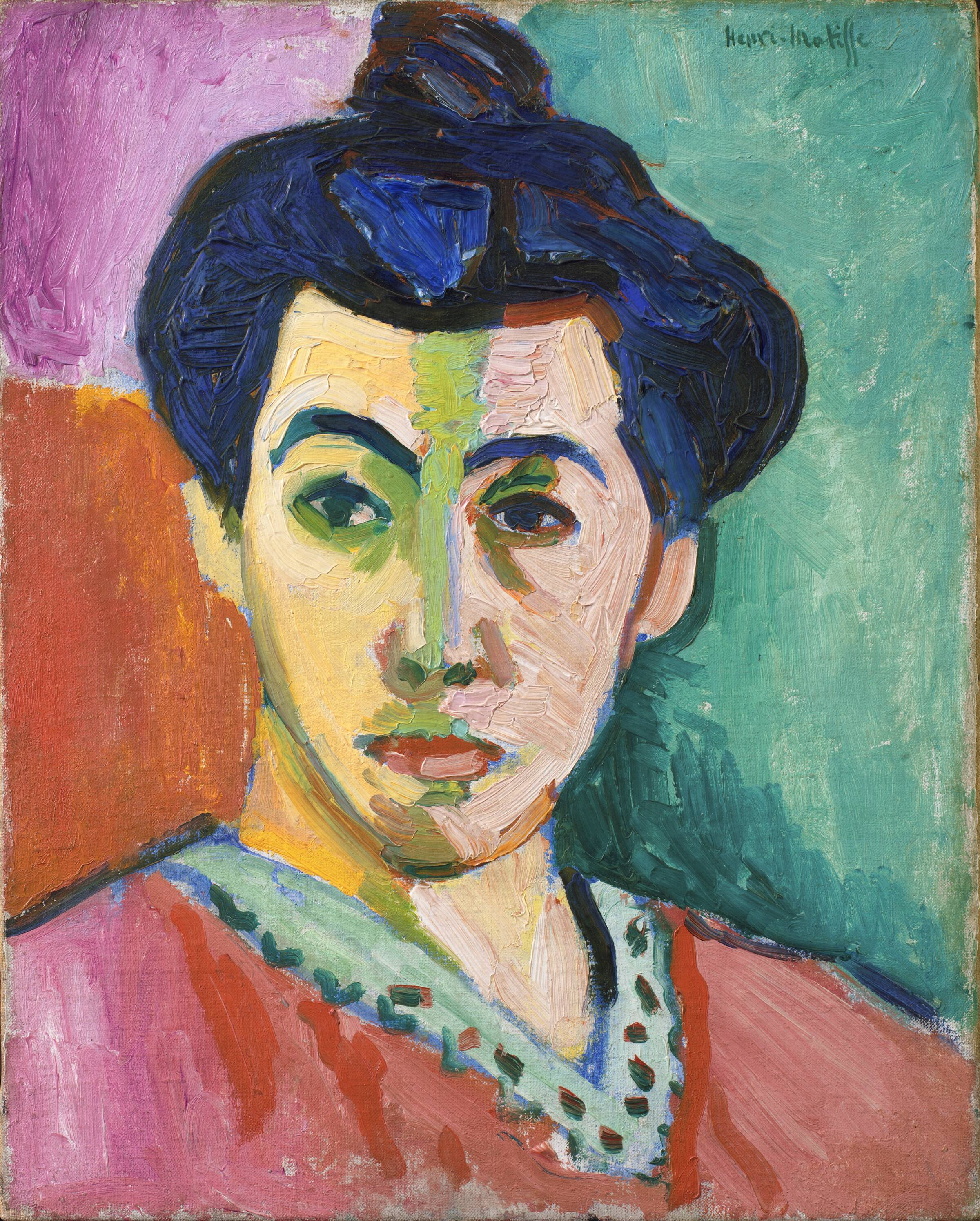
Portræt af Madame Matisse. Den grønne stribe, Henri Matisse, 1905

Henri Matisse

The Green Stripe, 1905

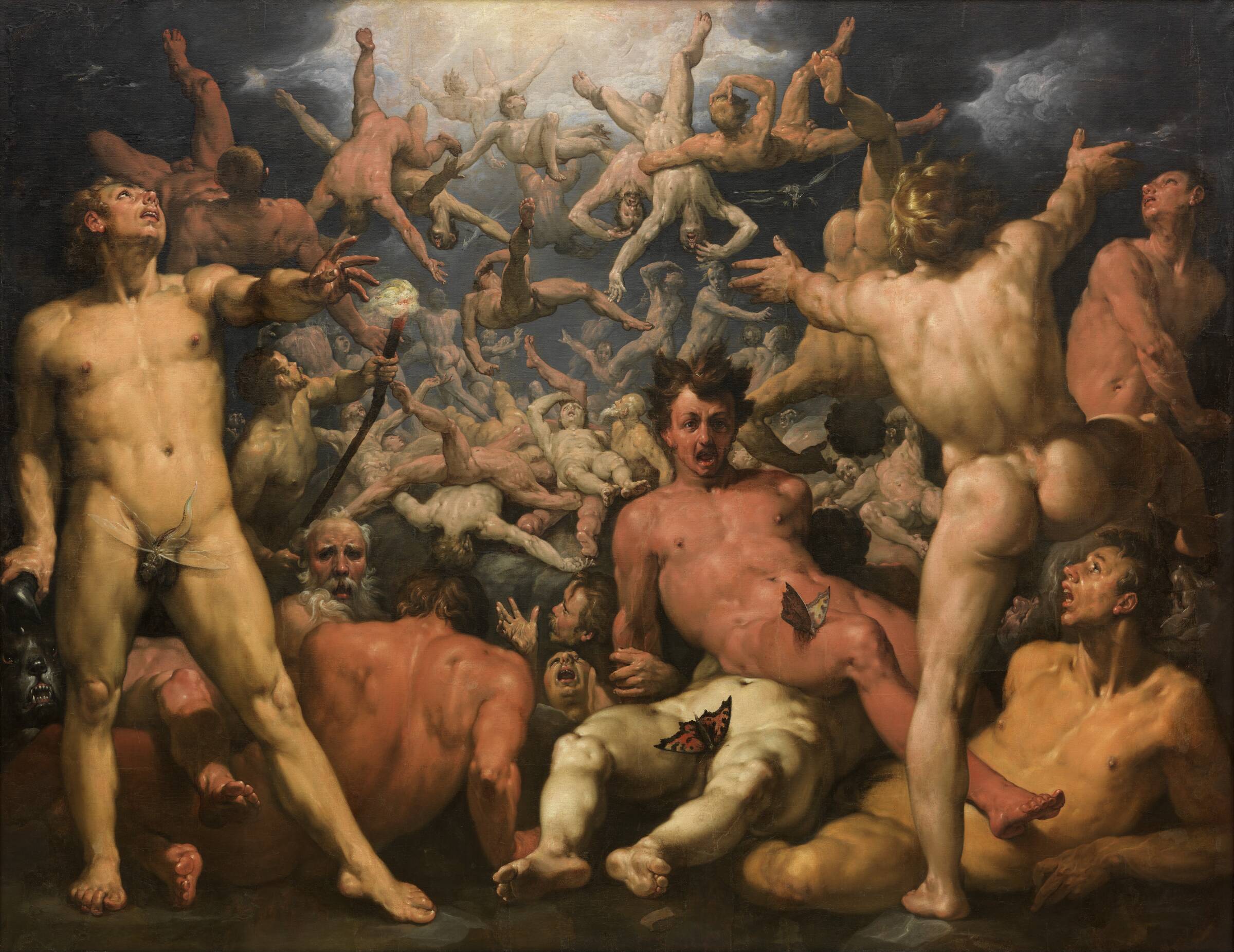
Titanernes fald, Cornelis Cornelisz. van Haarlem, 1588-1590

Cornelis Cornelisz. van Haarlem

The Fall of the Titans, 1588-1590

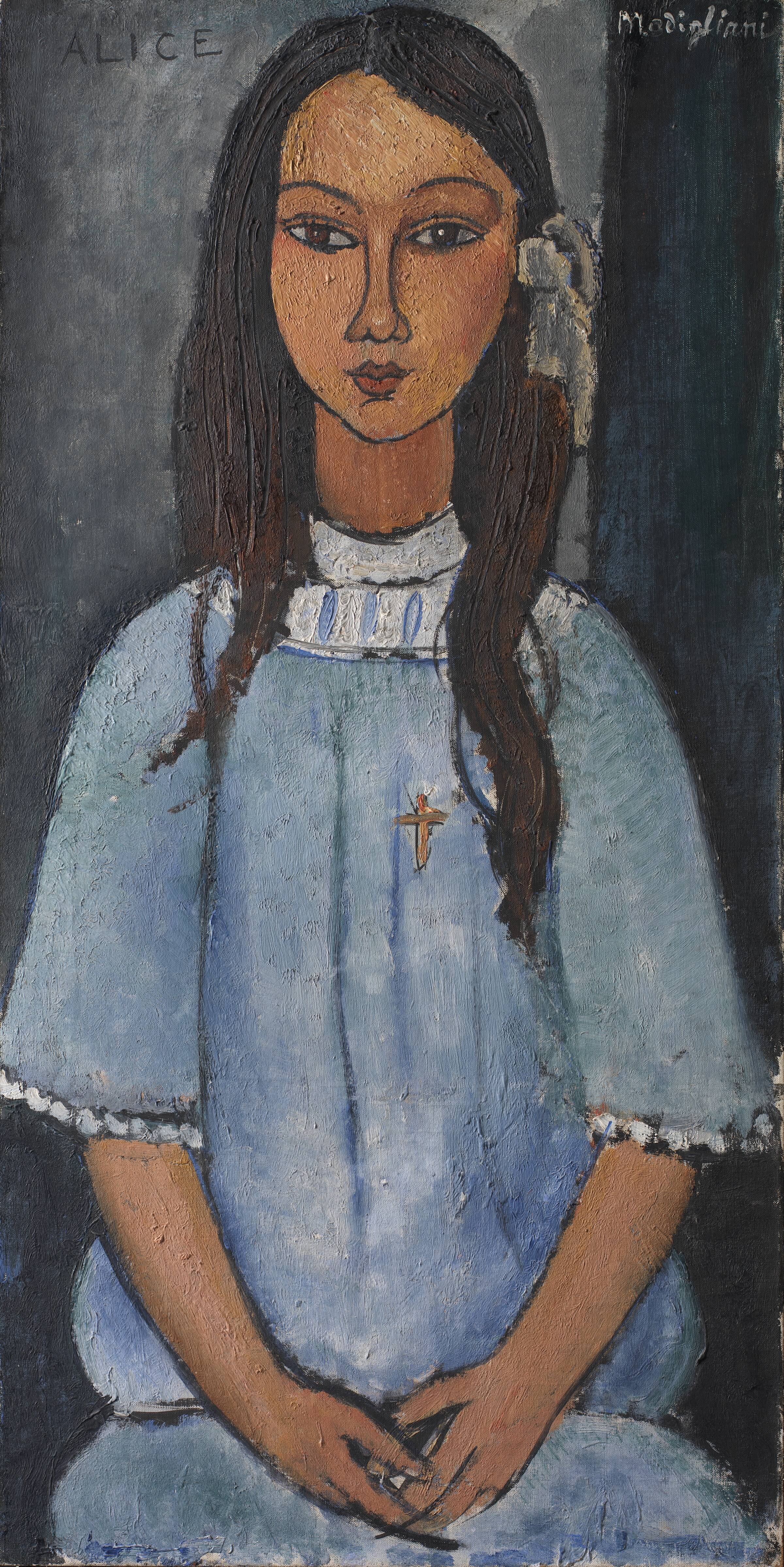
Alice, Amedeo Modigliani, 1916-1919

Amedeo Modigliani

Alice, 1916-1919

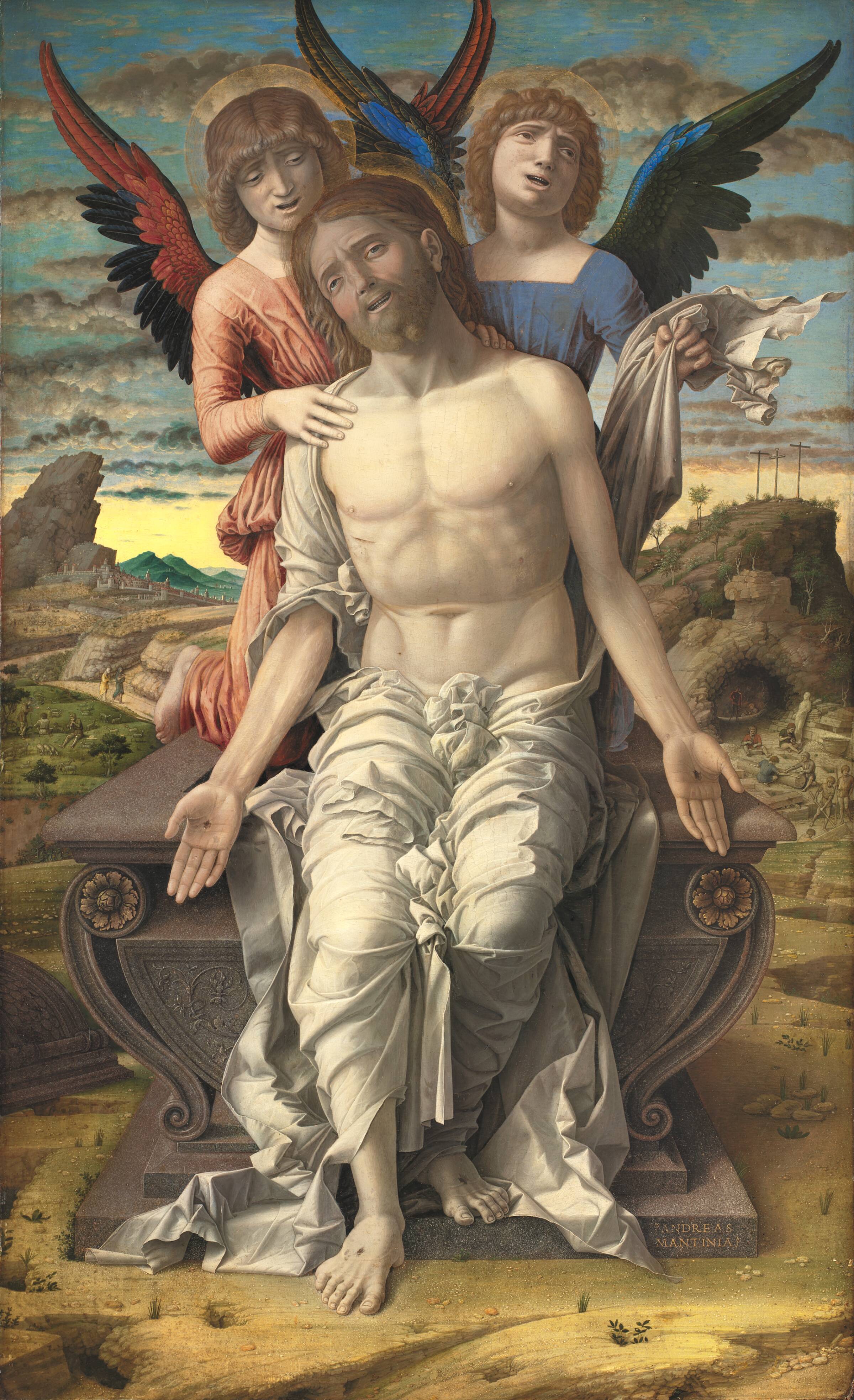
Kristus som den lidende frelser, Andrea Mantegna, 1485-1495

Andrea Mantegna

Christ as the Suffering Redeemer, 1485-1495

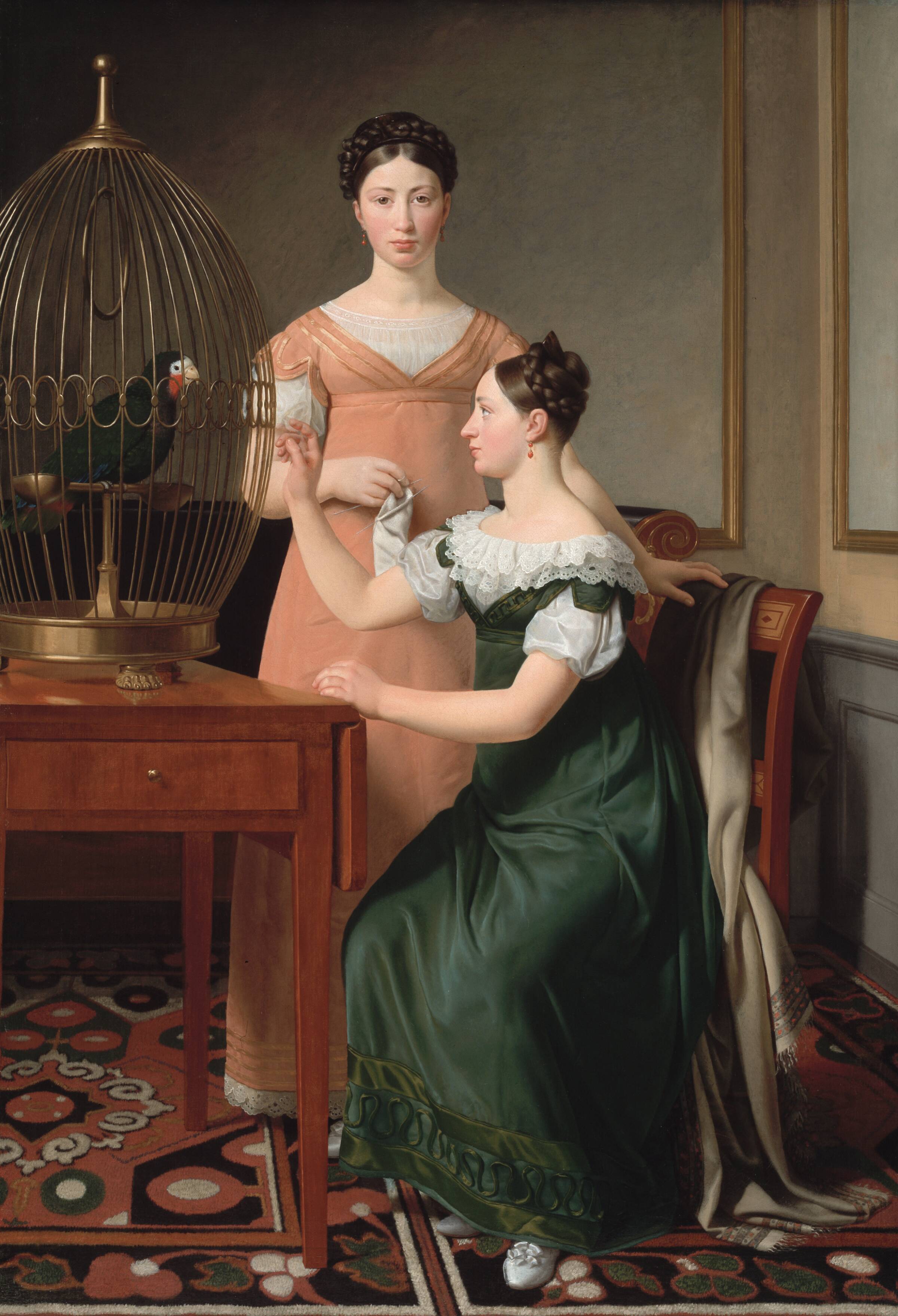
Mendel Levin Nathansons ældste døtre, Bella og Hanna, C.W. Eckersberg, 1820

Christoffer Wilhelm Eckersberg

Bella and Hanna. The Eldest Daughters of M. L. Nathanson, 1820

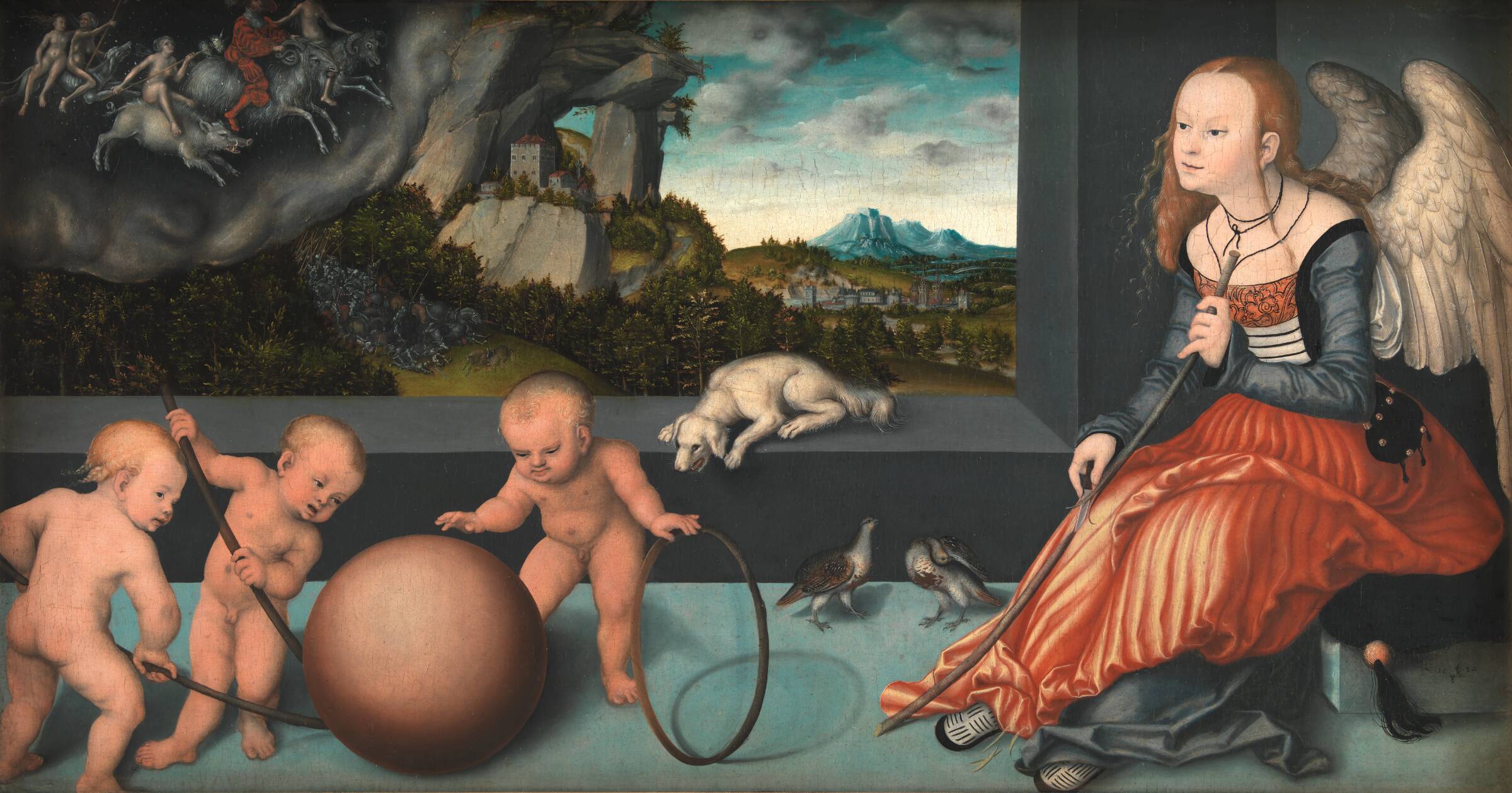
Melankolien, Lucas Cranach, 1532

Lucas Cranach

Melankolien, 1532

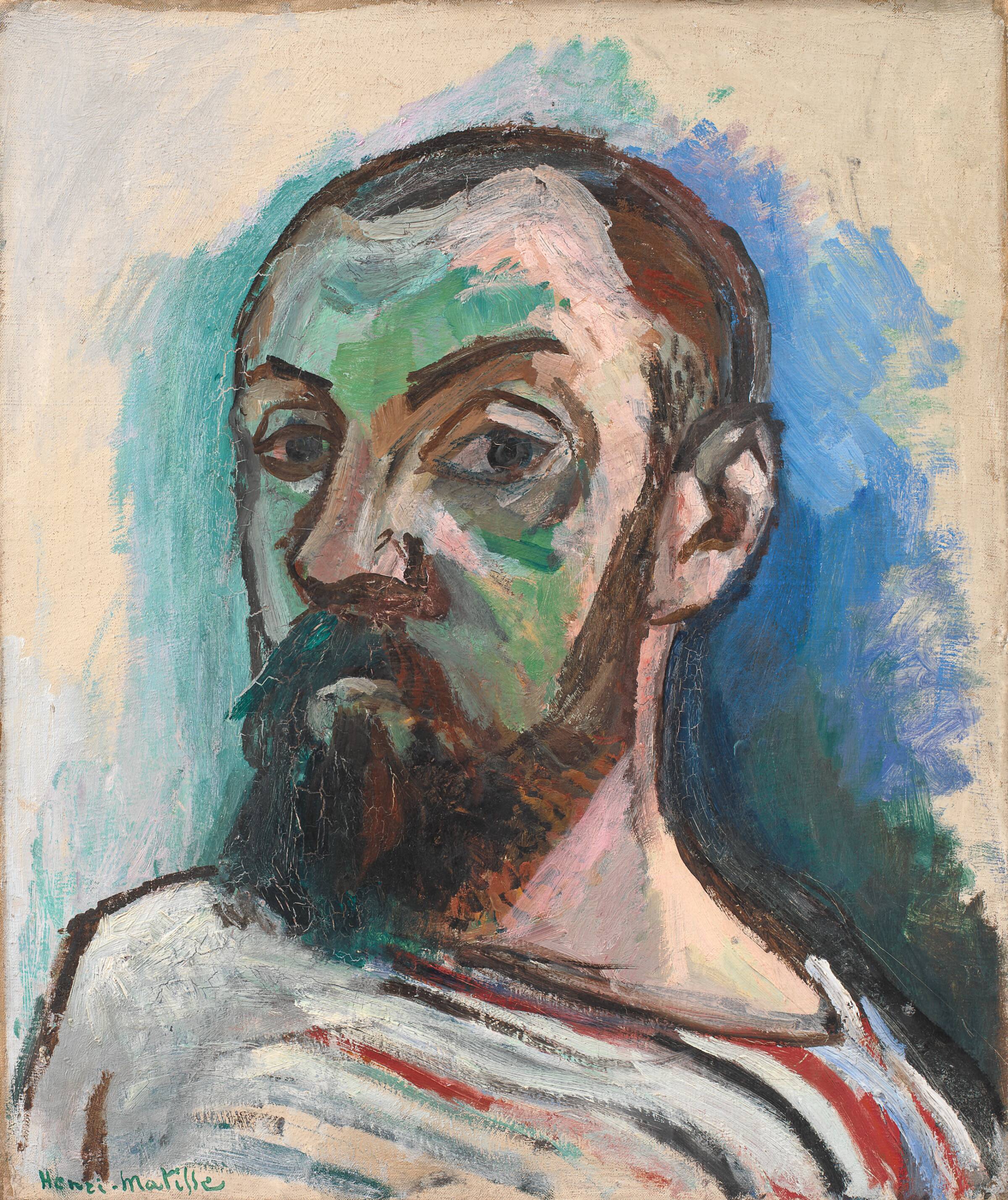
Selvportræt, Henri Matisse, 1906

Henri Matisse

Selvportræt, 1906