 Mark RothkoVereinigte Staaten, 1903–1970
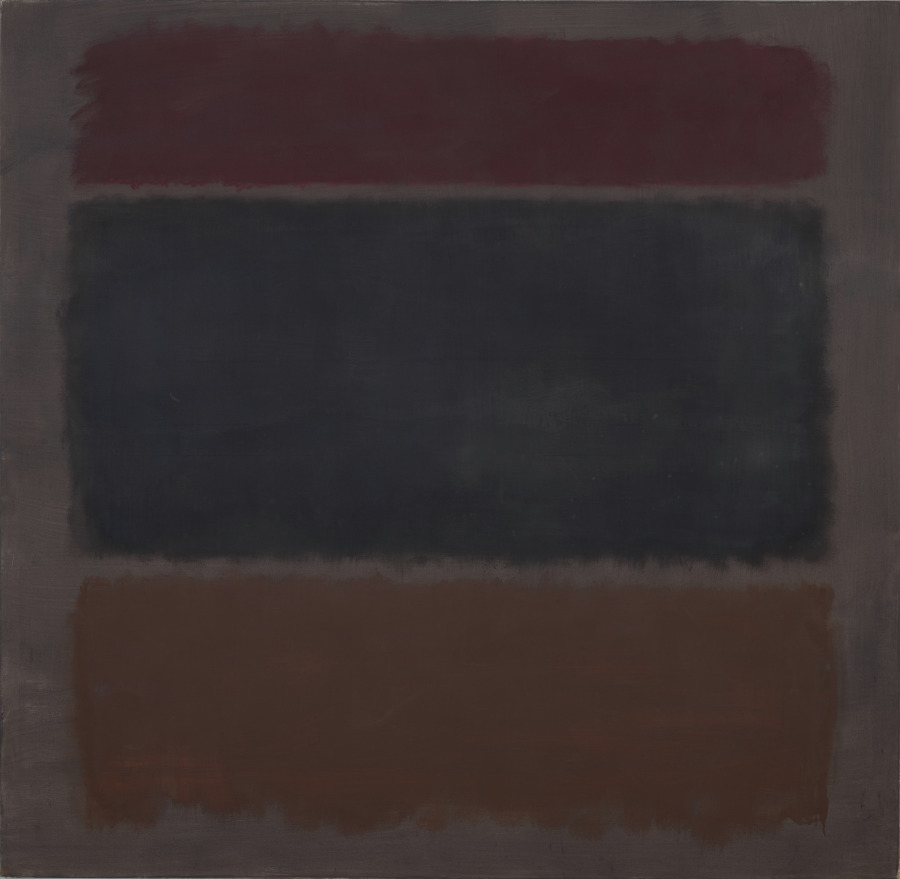
No. 2 (Red Maroons)
Darf man es sehen?
Ja, es empfängt Besucher

Öffentlich ausgestellt. Wer dafür bürgt, steht unten.
- Geprüft
- vorgestern
- Unverändert seit
- 19. Aug. 2026
- Quelle
- Sammlungsdaten des Museums selbst
About the painting
When asked to explain the aims of his art, Rothko answered, “I’m interested only in expressing basic human emotions—tragedy, ecstasy, doom, and so on. . . .” Most of his mature works feature diffuse areas of color appearing to float against a background of a different hue. Rothko typically applied several layers of diluted paint to each canvas, sometimes rubbing the wet surfaces with cloths to achieve his ethereal effects. Born Marcus Rothkowitz, the artist altered his name in 1940, partly in response to antisemitism. He and fellow Jewish artists—including Lee Krasner, Morris Louis, and Louise Nevelson, all represented in this gallery—made major contributions toward the development of American abstract art during the mid-1900s.
Cleveland Museum of Art
Angaben
- Inventarnummer
- 1962.239
Im Katalog
Quellen
- Cleveland Museum of Art: the museum's own open data · abgerufen vor 5 Tagen
- Bild: Cleveland Museum of Art — © 1998 Kate Rothko Prizel & Christopher Rothko / Artists Rights Society (ARS), New York
Derweil im Leben von Mark Rothko
Das ganze Leben1961
The retrospective at MoMA
In 1961 the Museum of Modern Art held a retrospective of Rothko’s work, to considerable commercial and critical success, though the art world was already turning its attention to pop art.
1962
Pop art: “Are the young artists plotting to kill us all?”
At a 1962 exhibition of pop art Rothko called the pop artists “charlatans and young opportunists” and wondered aloud whether the young artists were plotting to kill them all; looking at Jasper Johns’s flags he remarked that they had worked for years to get rid of all that.
1963
Son born: Christopher Rothko
autumn 1963
A contract with the Marlborough Gallery
In the autumn of 1963 Rothko signed with the Marlborough Gallery for sales of his work outside the United States; in New York he went on selling directly from his studio.
1964–1970
The Rothko Chapel: six years of work
The chapel for the oil millionaires John and Dominique de Menil in Houston was originally meant to be Roman Catholic, and for the first three years, until 1967, Rothko believed it would remain so; he took a close interest in its layout and insisted on a central cupola. Because of his health he hired two assistants to apply the layers of paint; on half of the works he applied none himself, calling the completion of the paintings “torment”.
1964–1970
The last studio on East 69th Street
In 1964 Rothko moved into his last New York studio at 157 East 69th Street. To simulate the lighting he wanted for the chapel he equipped it with pulleys carrying large walls of canvas material to regulate light from a central cupola.