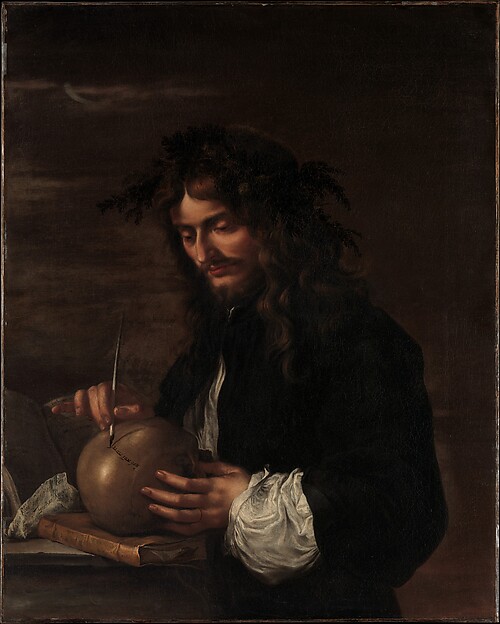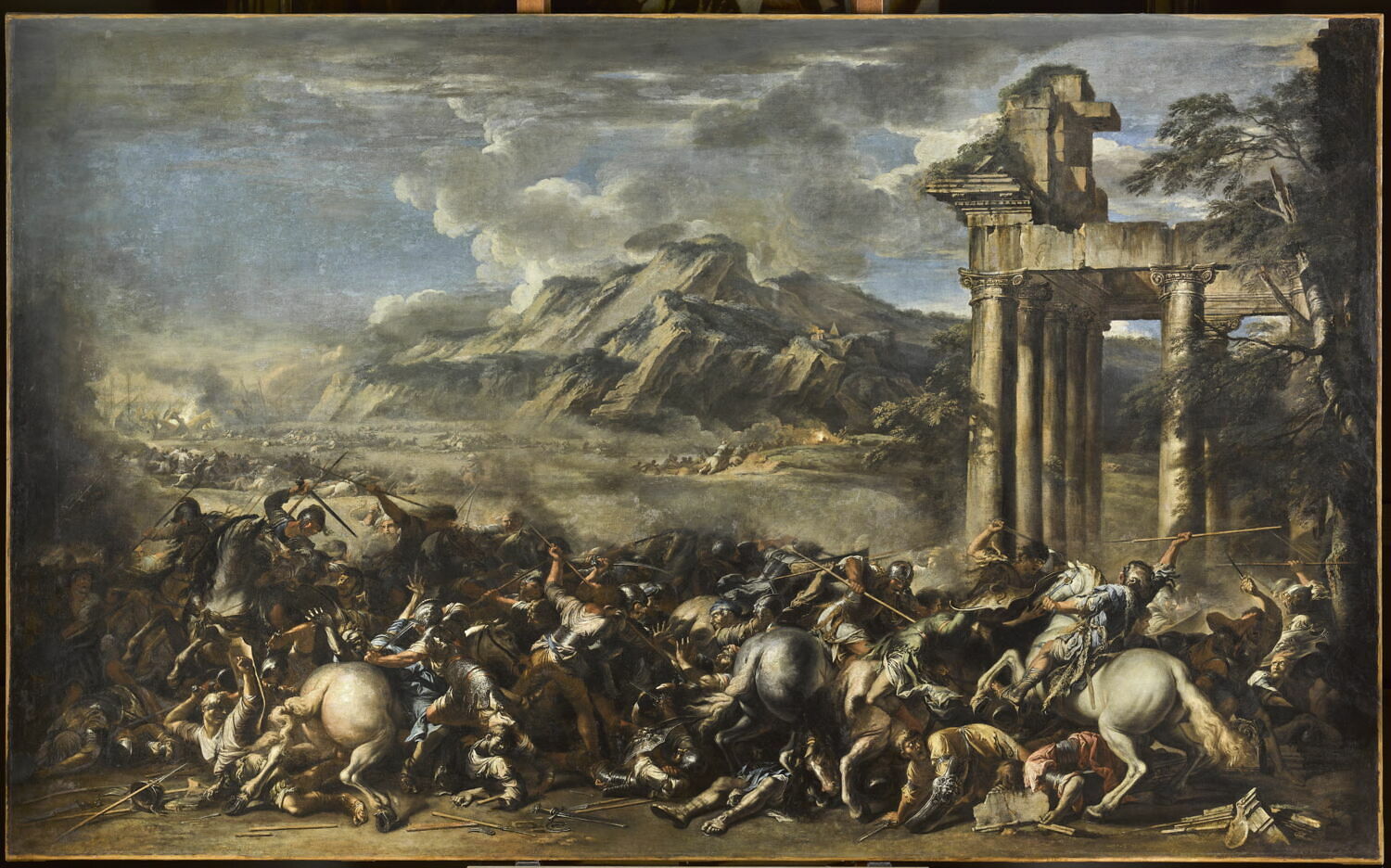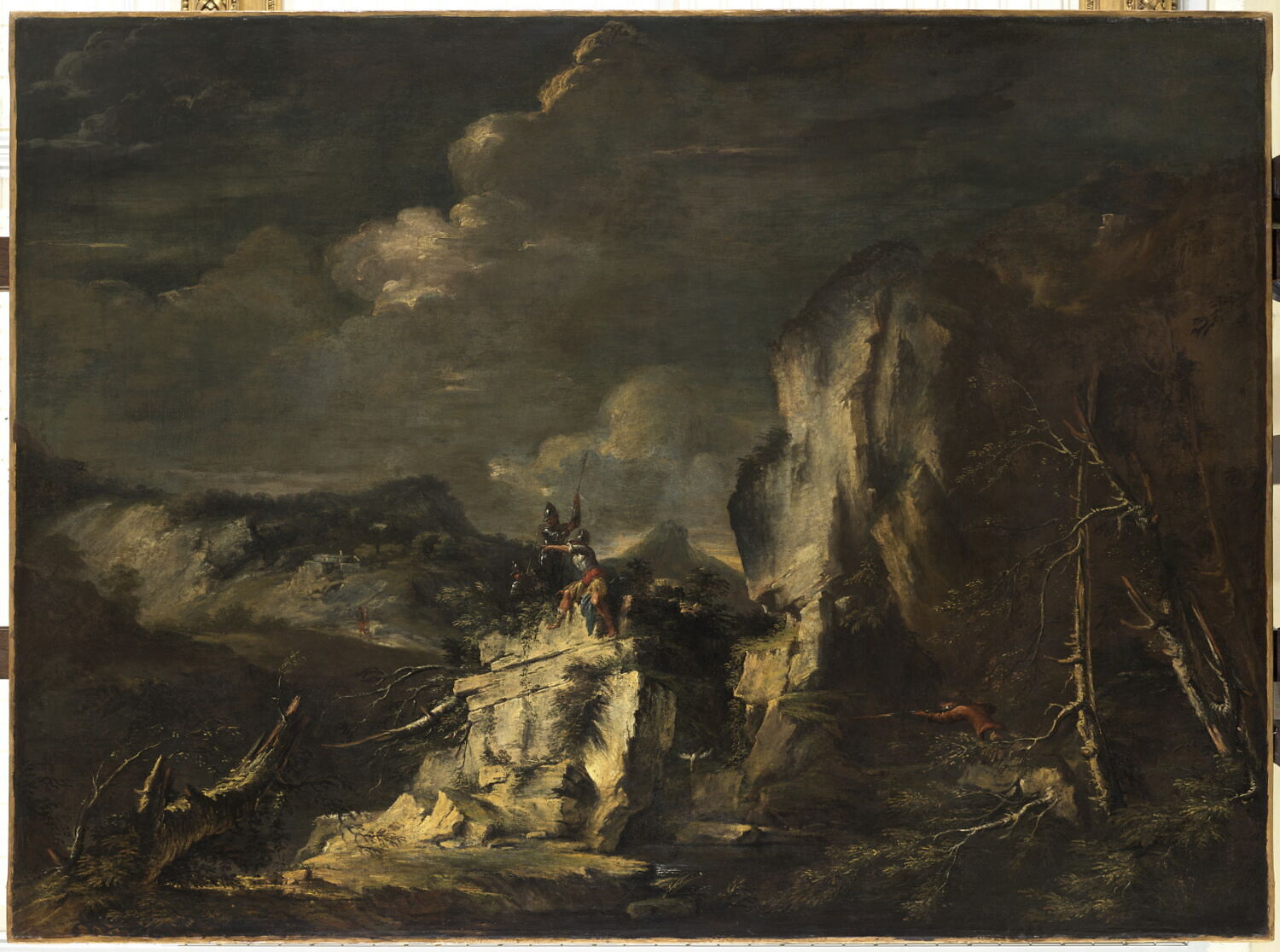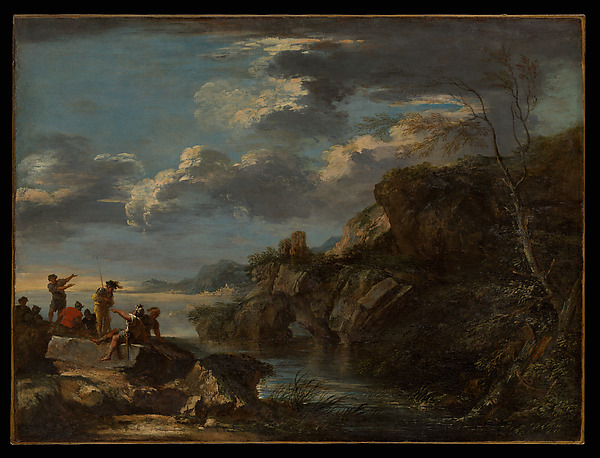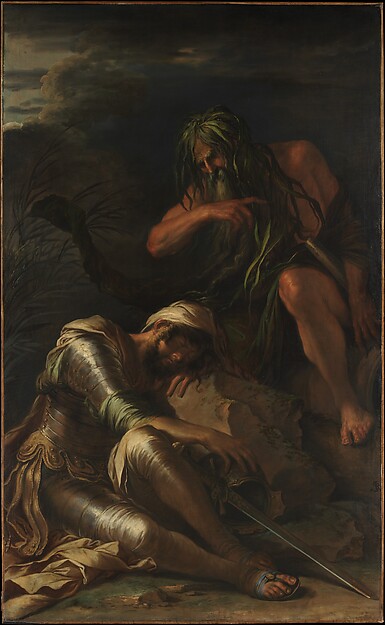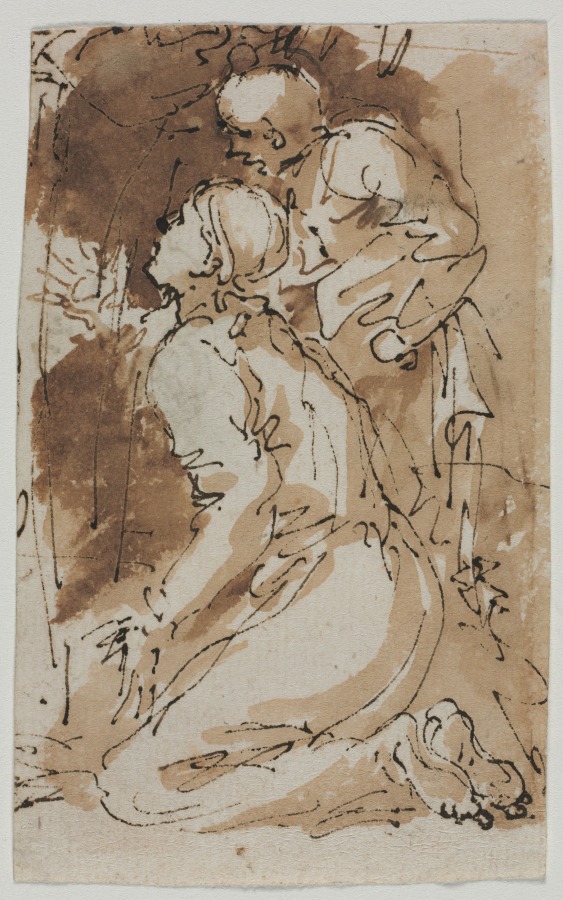
 Salvator RosaItalien, 1615–1673
Figure Studies
Darf man es sehen?
Empfängt derzeit nicht

Cleveland Museum of Art
Cleveland, Vereinigte Staaten
Es gehört zur Sammlung, ist derzeit aber nicht ausgestellt.
- Geprüft
- vorgestern
- Unverändert seit
- 19. Aug. 2026
- Quelle
- Sammlungsdaten des Museums selbst
Angaben
- Inventarnummer
- 2009.153
Im Katalog
Quellen
- Cleveland Museum of Art: the museum's own open data · abgerufen vor 6 Tagen
- Bild: Cleveland Museum of Art — Museum open access
Derweil im Leben von Salvator Rosa
Das ganze Leben1638
Move to Rome under the Protection of Cardinal Brancaccio
He settled in Rome under the patronage of the influential Cardinal Francesco Maria Brancaccio, a lover of the arts and theater who was close to the Barberini family.
1640
Meeting Lucrezia Paolini
In Florence he met Lucrezia Paolini, who had been abandoned by her husband; she became his lifelong companion and was probably the model for the allegory of Music (c. 1641).
1640–1649
Florentine Period at the Medici Court
After scandalous quarrels with Bernini and his failure to gain admission to the Accademia di San Luca, he moved to Florence at the invitation of Giovanni Carlo de' Medici, where he remained until 1649.
1647
Participation in Masaniello's Revolt
According to a widespread account, he took part in the popular uprising led by Masaniello in Naples; he painted a portrait of Masaniello and expressed sympathy for the revolt in one of his satires.
1650
Return to Rome, Seclusion
He returned to Rome, kept to himself, and accepted no commissions, devoting himself to battle scenes and enigmatic landscapes, which he sold through his friend, the banker Carlo de Rossi.
1650s
Scandal over the "Allegory of Fortune"
The painting Allegory of Fortune provoked a storm of indignation among the religious and secular authorities, who saw in it a satire on themselves; Rosa came close to arrest and published a text offering innocuous interpretations of its imagery.