ART WIKI32.963 ausgestellt
KarteSammlungKünstlerMuseenAusstellungenJournal
Anmelden

ART WIKI

Wo das Meisterwerk hängt und wann man vorgelassen wird.

Sammlungen: Art Institute of Chicago, Cleveland Museum of Art, Eremitage, Getty Villa, Harvard Art Museums, Hirshhorn Museum and Sculpture Garden, J. Paul Getty Museum, Louvre, Metropolitan Museum of Art, Minneapolis Institute of Art, Museum of Modern Art, National Gallery of Art, National Museum of Asian Art, National Portrait Gallery, Puschkin-Museum, Rijksmuseum Amsterdam, Russisches Museum, Smithsonian American Art Museum, Statens Museum for Kunst, Tretjakow-Galerie, Victoria and Albert Museum, Whitney Museum of American Art, Staatskatalog des Museumsfonds Russlands (274 Museen), Europeana (19 Museen), Wikidata (6 Museen), Paris Musées (12 Museen) und Joconde, die Museumsdatenbank des französischen Kulturministeriums (495 Museen). Die Bilder gehören ihren Rechteinhabern.

Rubriken

  • Karte
  • Suche
  • Sammlung
  • Meisterwerke
  • Jetzt ausgestellt
  • Künstler

Mehr

  • Museen & Galerien
  • Ausstellungen
  • Journal
  • Woher die Daten stammen
  • Datenschutz & Cookies
StartseiteKarteKatalog
  1. Sammlung/
  2. Cleveland Museum of Art/
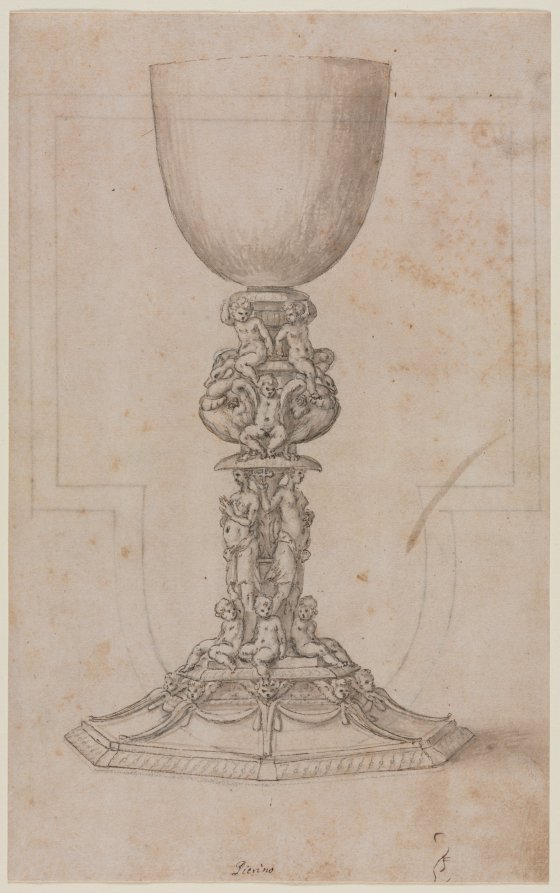
  3. Design for a Chalice (recto)
Design for a Chalice (recto), Luzio Romano, mid-1500s
LLuzio LuziItalien, 1528–1573

Design for a Chalice (recto)

mid-1500s · Drawing

Darf man es sehen?

Empfängt derzeit nicht

Cleveland Museum of Art

Cleveland, Vereinigte Staaten

Es gehört zur Sammlung, ist derzeit aber nicht ausgestellt.

Geprüft
vor 3 Tagen
Unverändert seit
19. Aug. 2026
Quelle
Das Museum
Auf der KarteMuseumsseite

Über das Werk

An assistant to influential Renaissance designer Perino del Vaga (1501–1547), Luzio Romano is known primarily through the drawings he made for liturgical objects (objects used for public worship), such as this chalice, likely a goldsmith’s design. The foot is decorated with seraphim—the highest order of angels—and nude children below figures of women and pelicans on the base of the bowl, which together allude to the theological virtue of charity. A pelican piercing its breast to feed its young with its blood is also a symbol of Christ’s sacrifice on the cross, fitting for a vessel meant to hold the eucharistic wine.

Cleveland Museum of Art

Angaben

Inventarnummer
1924.587.a

Im Katalog

Zeichnungen & AquarelleKreideItaly, 16th century

Quellen

  • Cleveland Museum of Art
  • Bild: Cleveland Museum of Art — Museum open access

Mehr von Luzio Luzi

Alle Werke
Studien für drei Supraporten, Luzio Luzi

Studien für drei Supraporten

Museum Kunstpalast

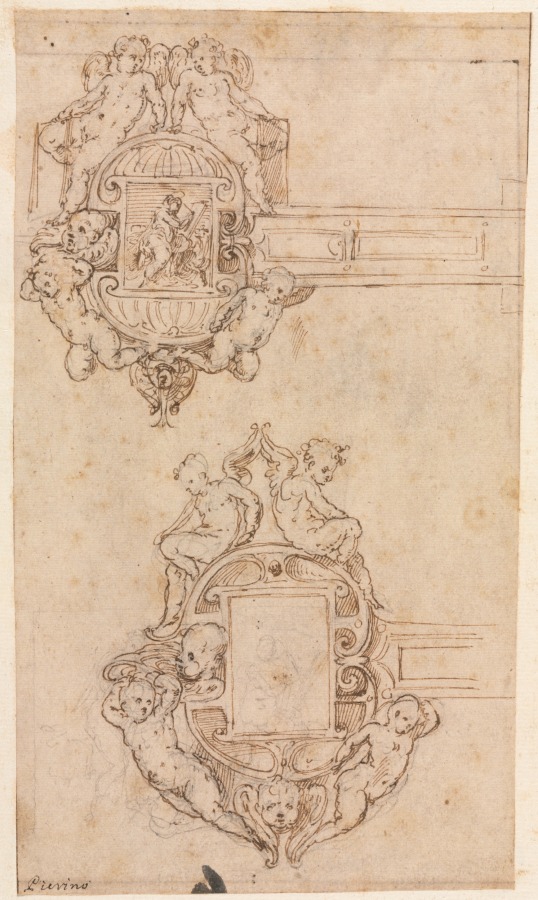
Design for Decorative Hinges (recto), Luzio Romano, mid 1500s

Design for Decorative Hinges (recto)

mid 1500s · Nicht ausgestellt · Cleveland Museum of Art

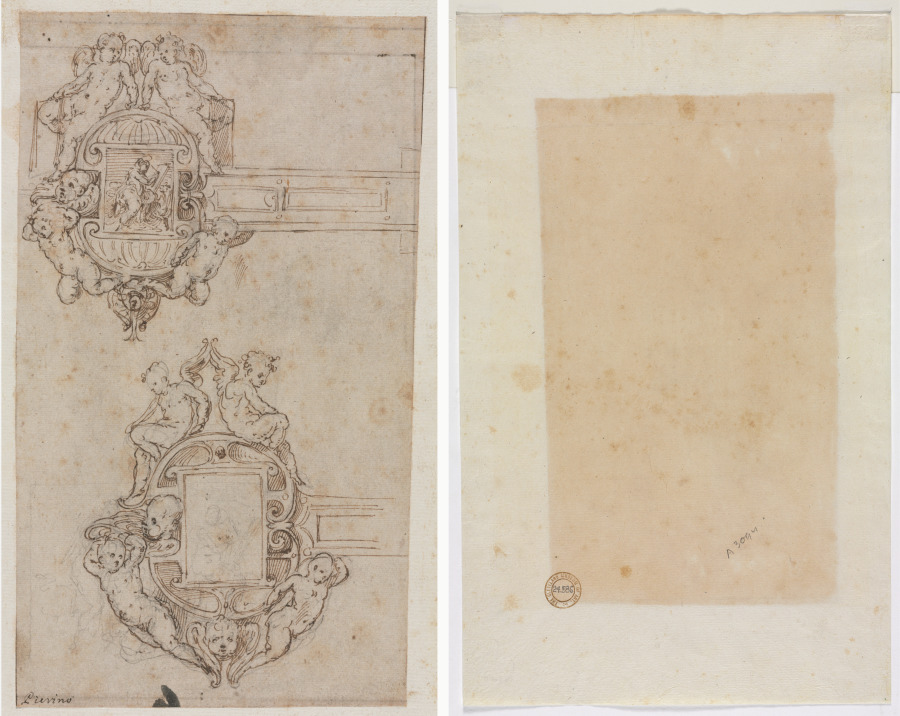
Design for Decorative Hinges (recto) Border Lines (verso), Luzio Romano, mid 1500s

Design for Decorative Hinges (recto) Border Lines (verso)

mid 1500s · Nicht ausgestellt · Cleveland Museum of Art

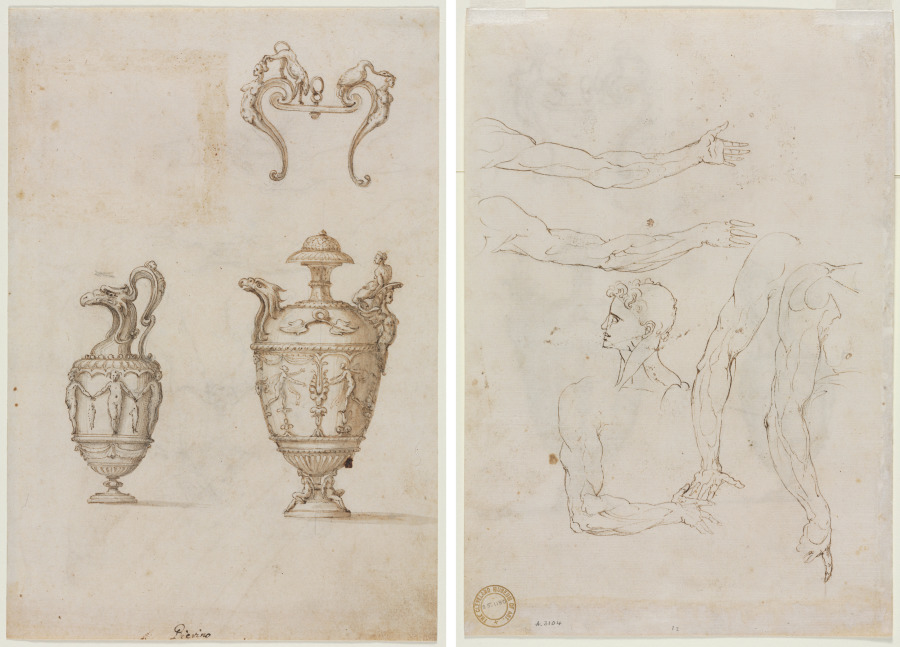
Design for Two Vases and an Ornament (recto); Sketches of Five Arms and a Head (verso), Luzio Romano, mid 1500s

Design for Two Vases and an Ornament (recto); Sketches of Five Arms and a Head (verso)

mid 1500s · Nicht ausgestellt · Cleveland Museum of Art

Border Lines (verso), Luzio Romano, mid 1500s

Border Lines (verso)

mid 1500s · Nicht ausgestellt · Cleveland Museum of Art

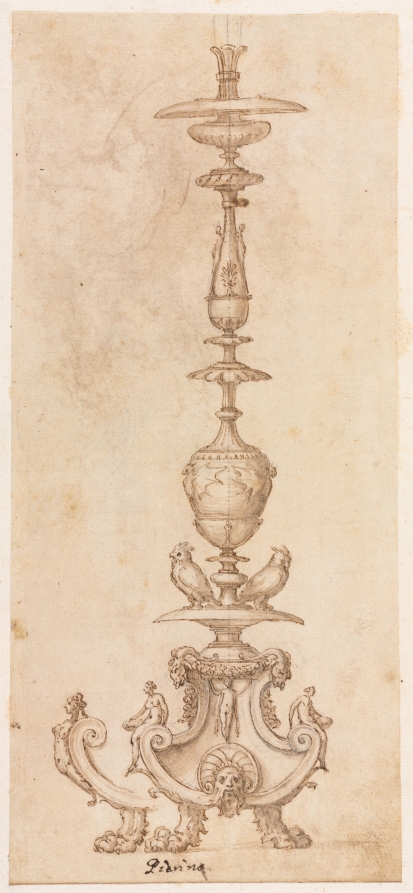
Design for a Candlestick, Luzio Romano, mid 1500s

Design for a Candlestick

mid 1500s · Nicht ausgestellt · Cleveland Museum of Art

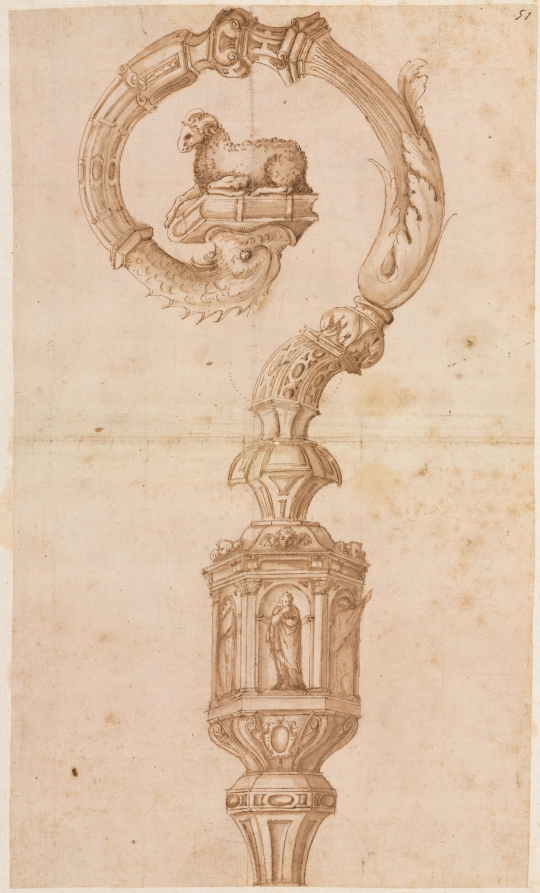
Design for a Crozier, Luzio Romano, mid 1500s

Design for a Crozier

mid 1500s · Nicht ausgestellt · Cleveland Museum of Art

Architectural Plan (verso), Luzio Romano, mid 1500s

Architectural Plan (verso)

mid 1500s · Nicht ausgestellt · Cleveland Museum of Art

Nachbarn im Haus: Cleveland Museum of Art

Museumsseite
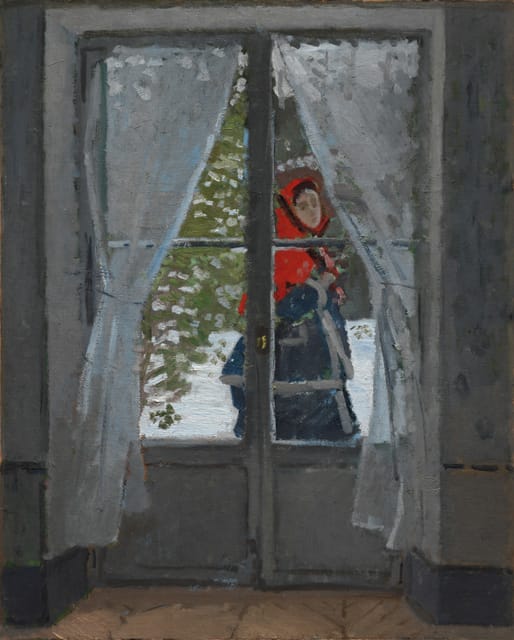
The Red Kerchief, Claude Monet, c. 1868–73

Claude Monet

The Red Kerchief, c. 1868–73

Melencolia I, Albrecht Dürer, 1514

Albrecht Dürer

Melencolia I, 1514

The Virgin and Child with the Pear, Albrecht Dürer, 1511

Albrecht Dürer

The Virgin and Child with the Pear, 1511

The Nativity, Albrecht Dürer, probably c. 1509/1510

Albrecht Dürer

The Nativity, probably c. 1509/1510

The Virgin and Child on a Crescent with a Starry Crown, Albrecht Dürer, 1508

Albrecht Dürer

The Virgin and Child on a Crescent with a Starry Crown, 1508

The Lamentation, Albrecht Dürer, 1507

Albrecht Dürer

The Lamentation, 1507

Large Horse, Albrecht Dürer, 1505

Albrecht Dürer

Large Horse, 1505

Nemesis (The Great Fortune), Albrecht Dürer, c. 1501/1502

Albrecht Dürer

Nemesis (The Great Fortune), c. 1501/1502