ART WIKI33.040 udstillet
KortSamlingKunstnereMuseerUdstillingerJournal
Log ind

ART WIKI

Hvor mesterværket hænger, og hvornår man bliver lukket ind.

Samlinger: Art Institute of Chicago, Det Russiske Museum, Eremitagen, Getty Villa, Harvard Art Museums, Hirshhorn Museum and Sculpture Garden, J. Paul Getty Museum, Louvre, Metropolitan Museum of Art, Minneapolis Institute of Art, Museum of Modern Art, National Gallery of Art, National Museum of Asian Art, National Portrait Gallery (Smithsonian), Pusjkinmuseet, Rijksmuseum Amsterdam, Smithsonian American Art Museum, Statens Museum for Kunst, The Cleveland Museum of Art, Tretjakovgalleriet, Victoria and Albert Museum, Whitney Museum of American Art, Ruslands statskatalog over museumsfonden (274 museer), Europeana (19 museer), Wikidata (6 museer), Paris Musées (12 museer) og Joconde, det franske kulturministeriums museumsdatabase (495 museer). Billederne tilhører deres rettighedshavere.

Afsnit

  • Kort
  • Søgning
  • Samling
  • Mesterværker
  • Udstillet nu
  • Kunstnere

Mere

  • Museer & gallerier
  • Udstillinger
  • Journal
  • Hvor data kommer fra
  • Privatliv & cookies
ForsideKortKatalog
  1. Samling/
  2. The Cleveland Museum of Art/
  3. Three-Way Piece No. 2: Archer
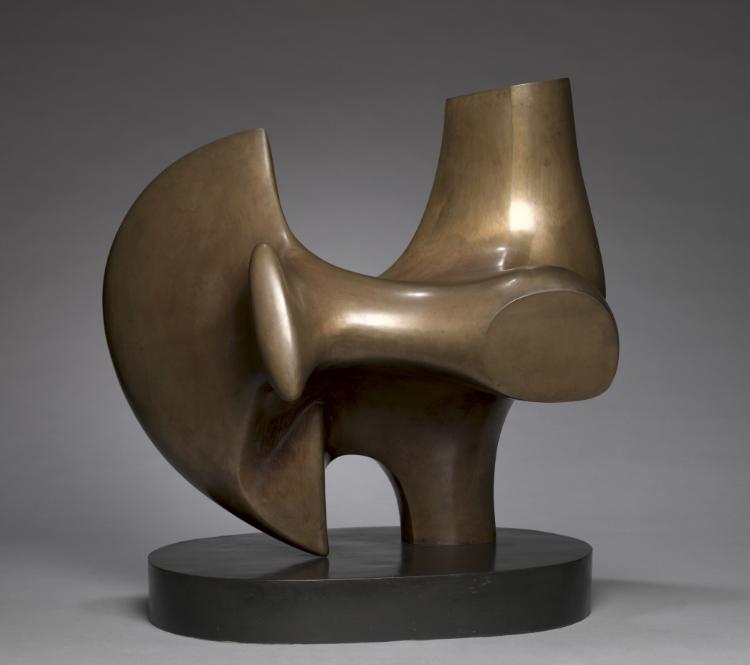
Three-Way Piece No. 2: Archer, Henry Moore, 1964
Henry Moore, portrætHenry MooreEngland, 1898–1986

Three-Way Piece No. 2: Archer

1964 · Sculpture

Om skulpturen

Considered by many to be the 20th century's greatest figurative sculptor, Henry Moore was also the creator of remarkable abstract works. Three-Way Piece No. 2: Archer does not literally depict an archer; rather it evokes the qualities of vigor, strength, and conflict associated with warriors or hunters. The "three ways" of the title may refer to the three main elements of the work. First, a large sweeping curved form suggests a bent bow pulling in one direction. Second, a curved vertical section represents the torso of an archer, which joins the base and leans backward. Finally, a horizontal section protruding from one side is reminiscent of an arm connecting the archer's torso to the bow. Using these abstract elements, Moore created a sculpture that may remind us of ancient images of hunters—from those drawn on cave walls to classical Greek warriors. Three-Way Piece No. 2: Archer captures the energy of the hunt in a thoroughly modern way.

The Cleveland Museum of Art

Oplysninger

1964 · 66 år gammel
18981986
Inventarnummer
1970.112

Mere af Henry Moore

Alle værker

Naboer på The Cleveland Museum of Art

Museets side

Må man se det?

Ja, det tager imod

The Cleveland Museum of Art

Cleveland, USA

SalAAE Art Allée East

Udstillet for publikum. Hvem der står inde for det, står nedenfor.

Kontrolleret
for 9 dage siden
Uændret siden
19. aug. 2026
Kilde
Museet
På kortetMuseets side

I kataloget

SkulpturBronzeEfterkrigskunst1900-talletEngland, 20th century

Kilder

  • The Cleveland Museum of Art
  • Billede: The Cleveland Museum of Art — © 2010 The Henry Moore Foundation. All Rights Reserved / Artists Rights Society (ARS), New York
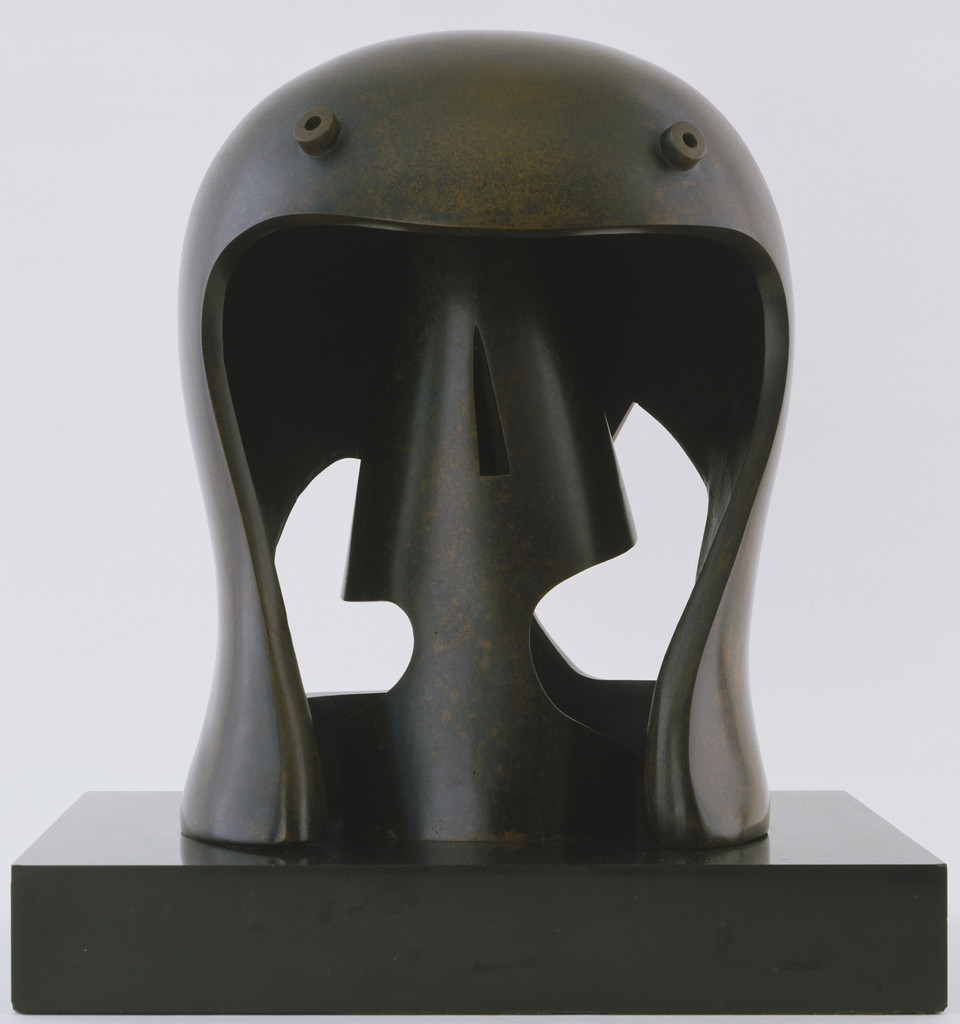
Helmet Head Number 1, Henry Moore, 1950

Helmet Head Number 1

1950 · Museum of Modern Art

Three Motives Against Wall, Number 1, Henry Moore, 1958

Three Motives Against Wall, Number 1

1958 · National Gallery of Art

Seated Woman, Henry Moore, designed 1958–1959; cast 1975

Seated Woman

designed 1958–1959; cast 1975 · J. Paul Getty Museum

Stone Memorial, Henry Moore, 1961/1969

Stone Memorial

1961/1969 · National Gallery of Art

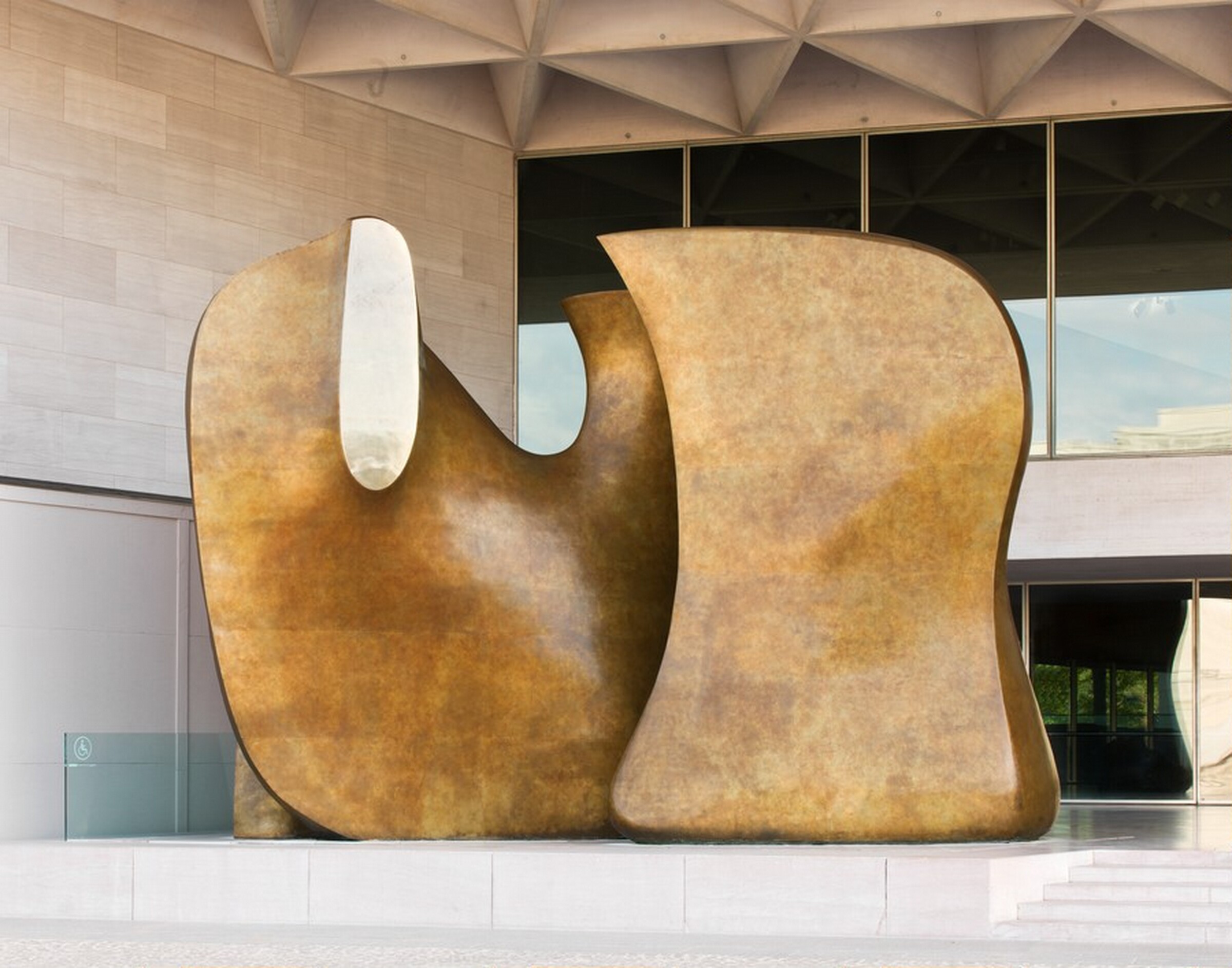
Knife Edge Mirror Two Piece, Henry Moore, 1976-1978

Knife Edge Mirror Two Piece

1976-1978 · National Gallery of Art

Bronze Form, Henry Moore, 1985

Bronze Form

1985 · J. Paul Getty Museum

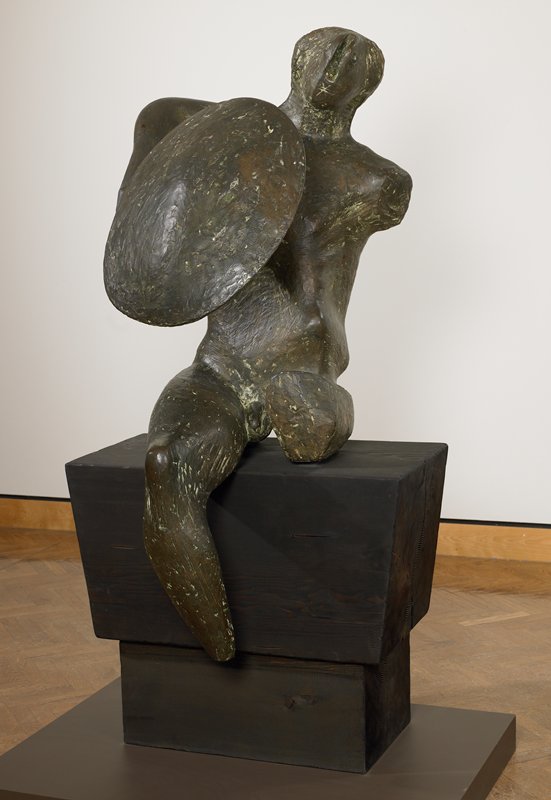
Warrior with Shield, Henry Moore, 1953–54

Warrior with Shield

1953–54 · Minneapolis Institute of Art

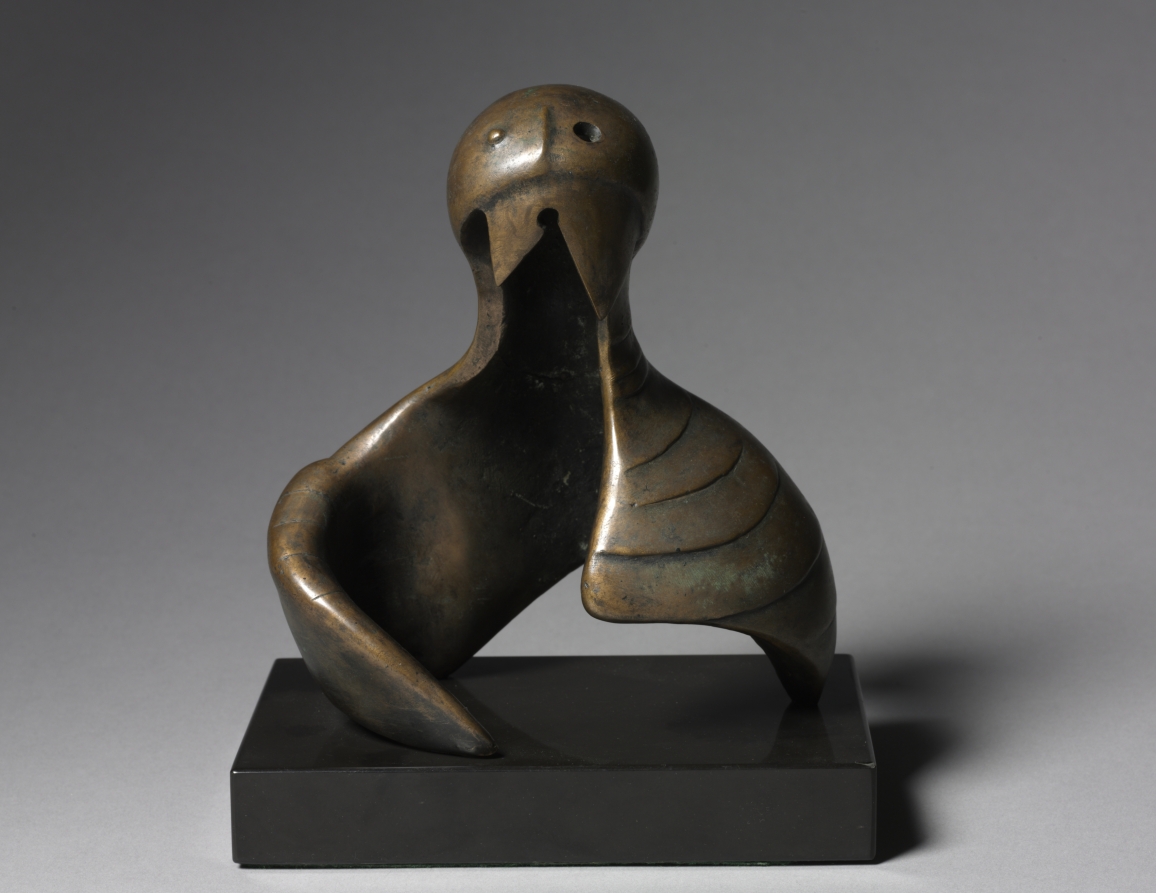
Helmet Head, Henry Moore, 1952

Helmet Head

1952 · The Cleveland Museum of Art

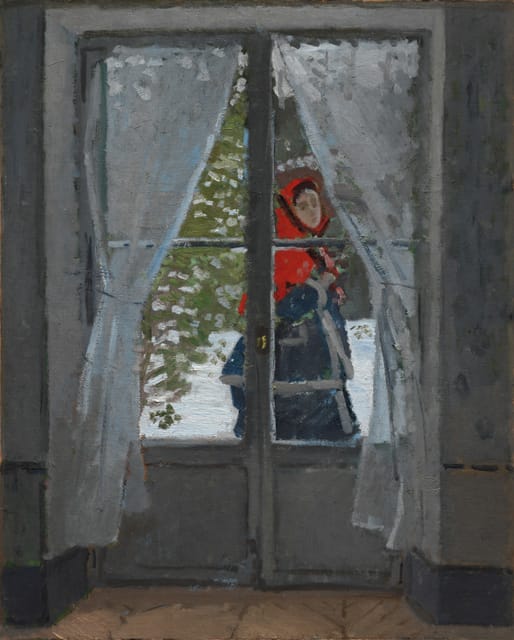
The Red Kerchief, Claude Monet, c. 1868–73

Claude Monet

The Red Kerchief, c. 1868–73

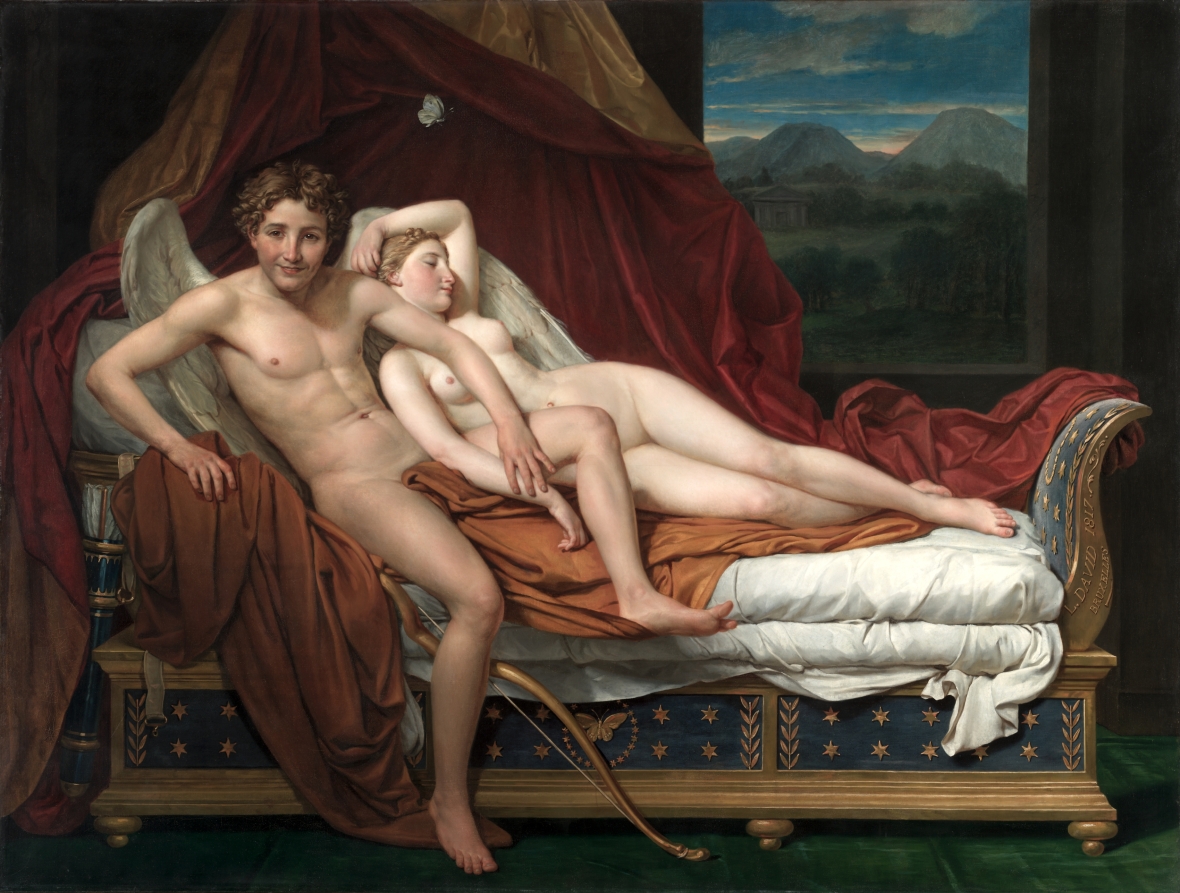
Cupid and Psyche, Jacques-Louis David, 1817

Jacques-Louis David

Cupid and Psyche, 1817

Mars, Venus, and Eros, Marcantonio Raimondi possibly after Andrea Mantegna, 1508

Andrea Mantegna

Mars, Venus, and Eros, 1508

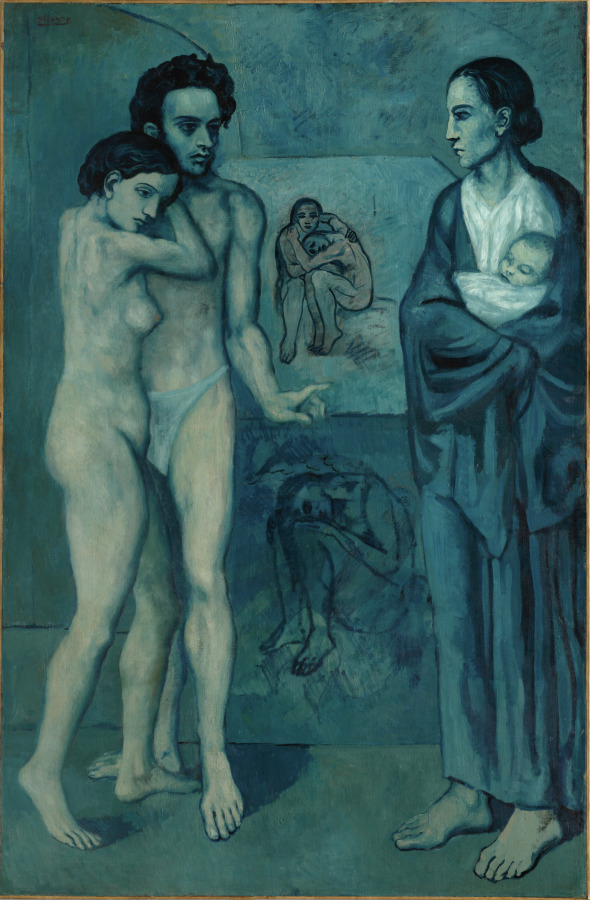
La Vie, Pablo Picasso, 1903

Pablo Picasso

La Vie, 1903

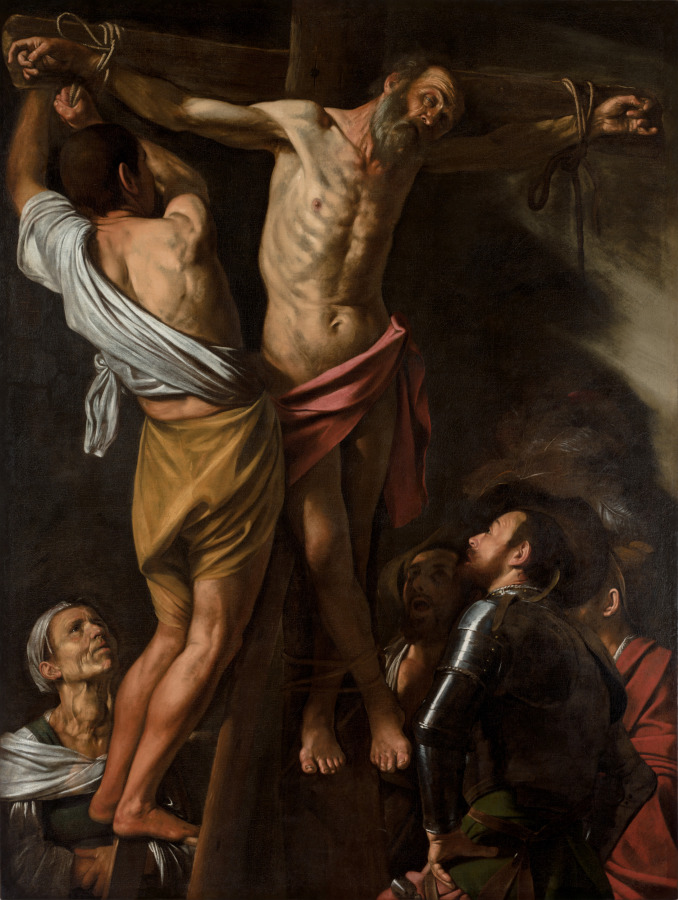
The Crucifixion of Saint Andrew, Caravaggio, 1606–7

Caravaggio

The Crucifixion of Saint Andrew, 1606–7

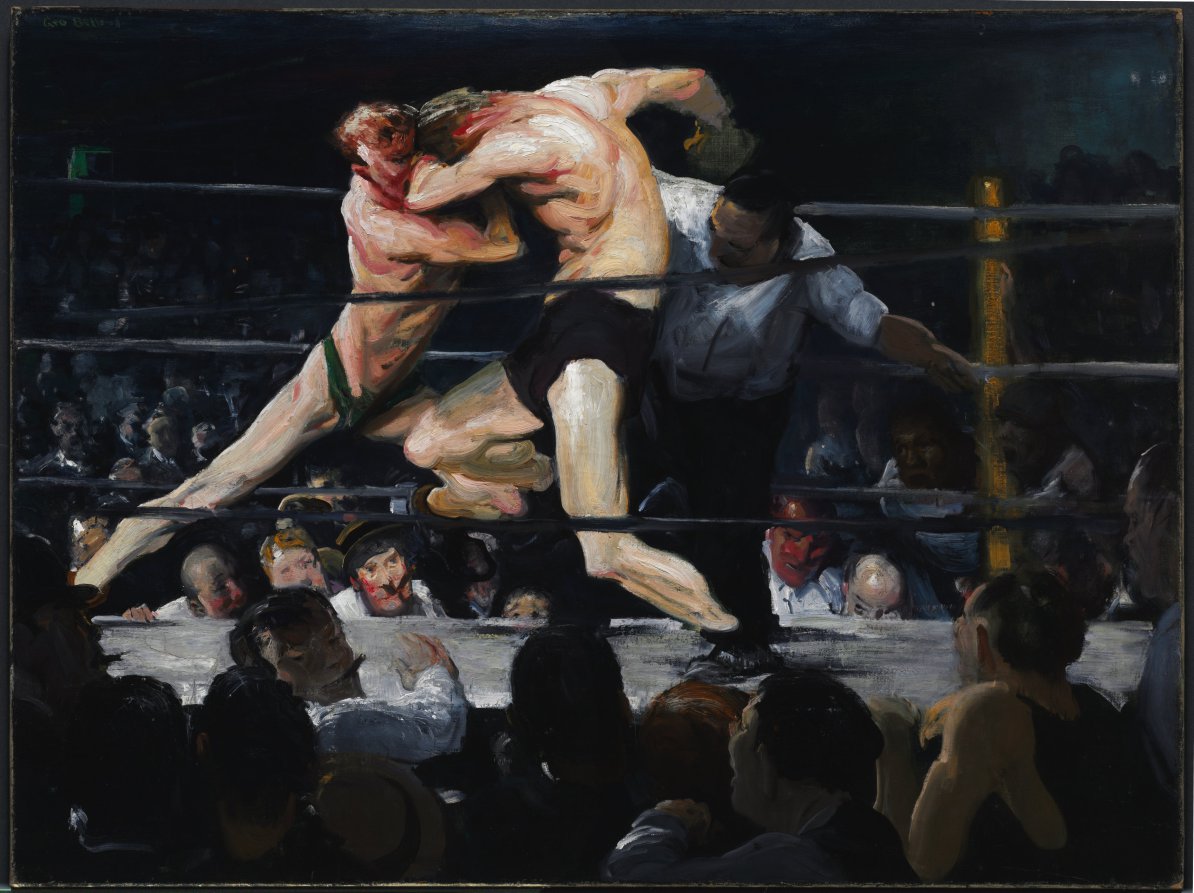
Stag at Sharkey's, George Bellows, 1909

George Bellows

Stag at Sharkey's, 1909

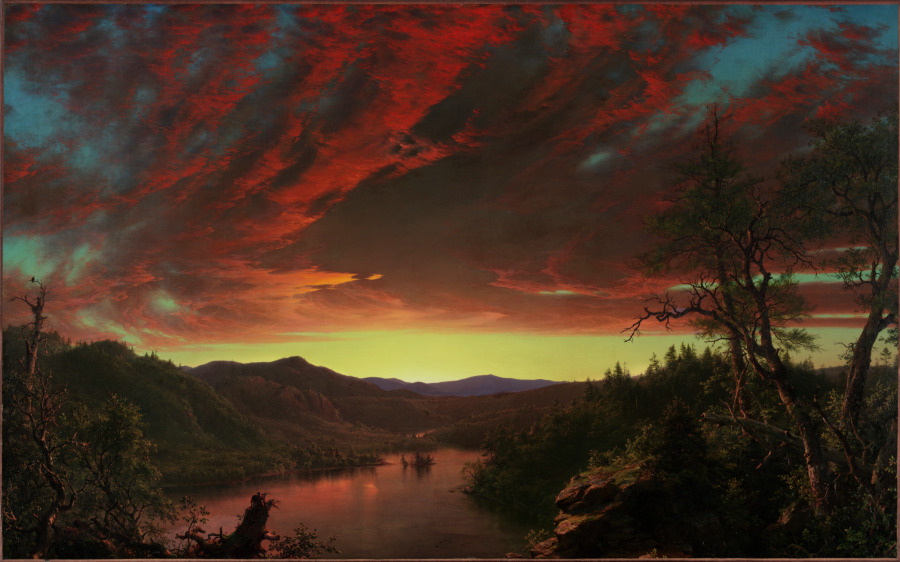
Twilight in the Wilderness, Frederic Edwin Church, 1860

Frederic Edwin Church

Twilight in the Wilderness, 1860

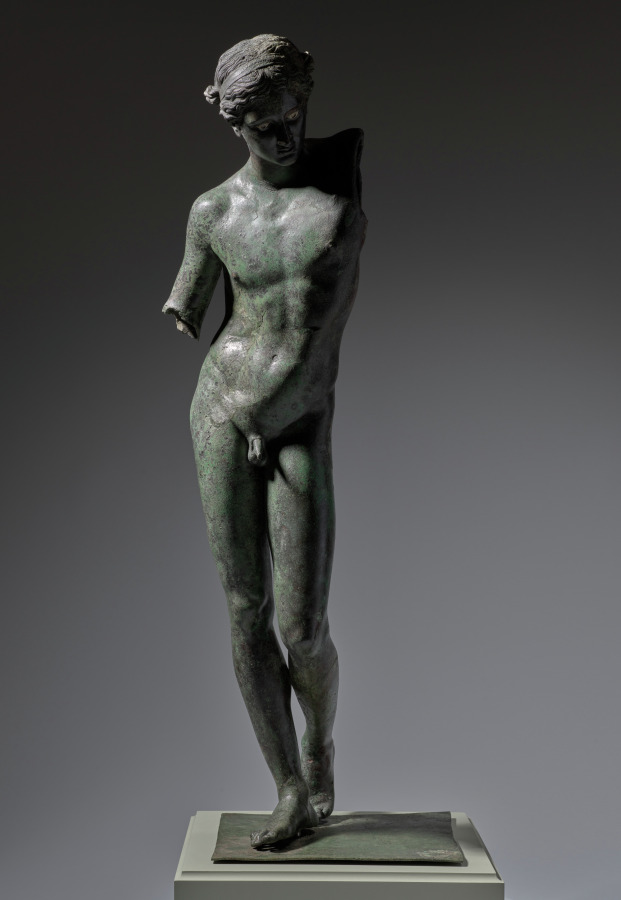
The Cleveland Apollo: Apollo Sauroktonos (Lizard-Slayer) or Apollo the Python-Slayer, Praxiteles, c. 350–200 BCE

Praxiteles

The Cleveland Apollo: Apollo Sauroktonos (Lizard-Slayer) or Apollo the Python-Slayer, c. 350–200 BCE