![[Lacock Abbey], William Henry Fox Talbot, 1839](https://media.getty.edu/iiif/image/aeb38a15-49a6-474e-b196-4f7d41797d82/full/!1200,1200/0/default.jpg)
 William Henry Fox TalbotEngeland, 1800–1877
[Lacock Abbey]
Mag men het zien?
Ontvangt momenteel niet
Los Angeles, Verenigde Staten
Het hoort bij de collectie, maar is momenteel niet tentoongesteld.
- Gecontroleerd
- Ongewijzigd sinds
- Bron
- Het museum
Gegevens
- Inventarisnummer
- 85.XM.150.21
In de catalogus
Bronnen
- J. Paul Getty Museum
- Afbeelding: J. Paul Getty Museum — Open Content
Intussen, in het leven van William Henry Fox Talbot
Het hele leven1837 · Onderscheiding
Royal Society Bakerian Medal
16 maart 1837
Daughter born: Rosamond Constance Talbot
25 January 1839
First showing of photographs at the Royal Institution
Shortly after Louis Daguerre’s daguerreotype was announced in early January, Talbot asserted his priority and, at a Friday Evening Discourse at the Royal Institution, exhibited several paper photographs he had made in 1835. Within a fortnight he described the nature of his process to the Royal Society, while Daguerre revealed no useful details of his own until mid-August.
1840
Invents the calotype
Talbot found a way to print any number of positives on salted paper from a paper negative; new chemicals cut the exposure to a minute in bright sunlight. He called the method the “calotype” (from kalos, beautiful), informally the “talbotype”: unlike the daguerreotype with its single positive, it effectively created modern photography.
1840–1841
Post: High Sheriff of Wiltshire
February 1841
Patents the calotype
Talbot obtained an English patent for the calotype process and sold licences at £20 each, later lowering the fee for amateurs to £4 while professionals paid up to £300 a year; scientists saw it as a hindrance to scientific freedom. He justified his rigour by the roughly £5,000 he had spent on photography; for science the method was free, and Talbot himself published the first known photomicrograph of a mineral crystal.


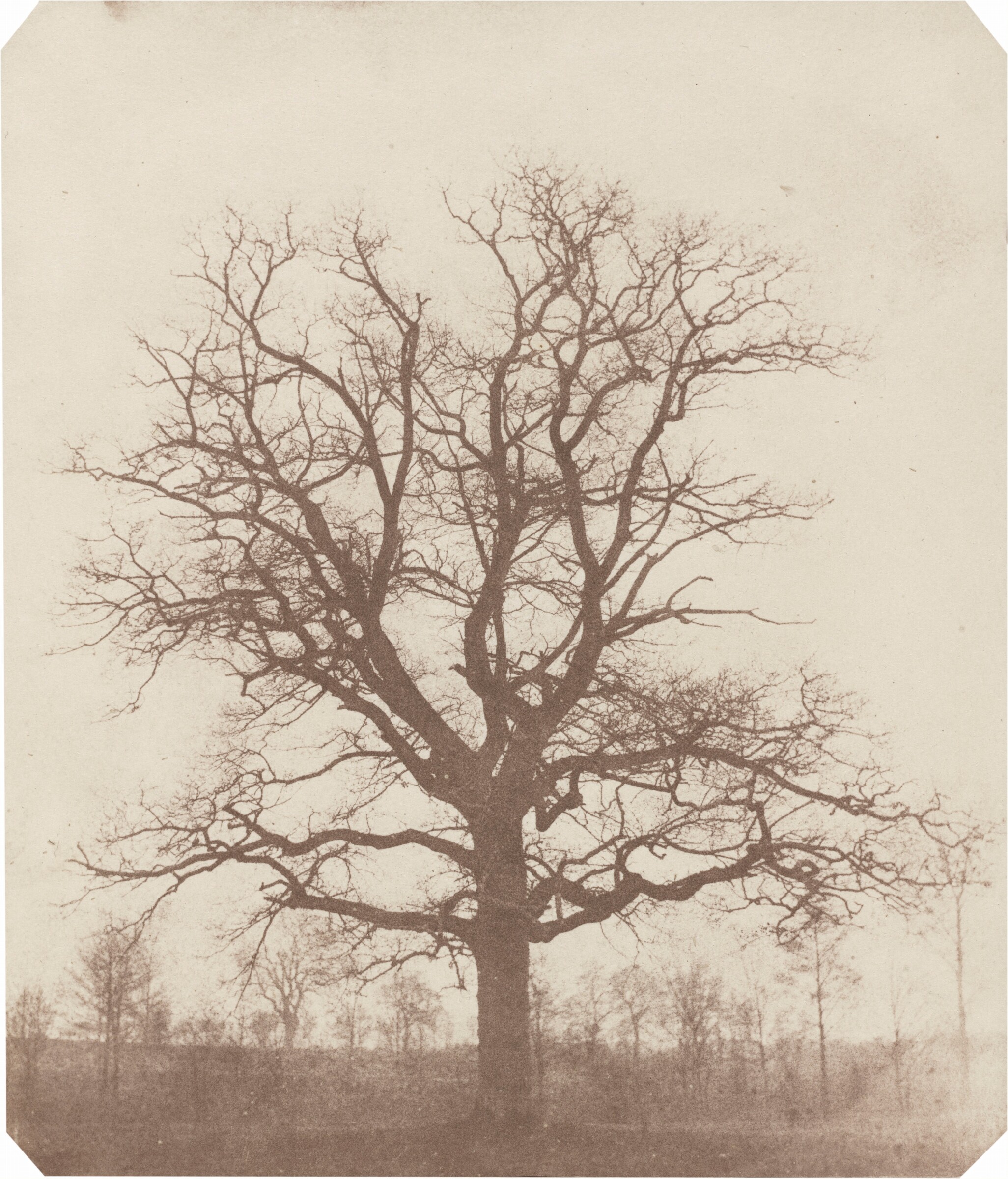
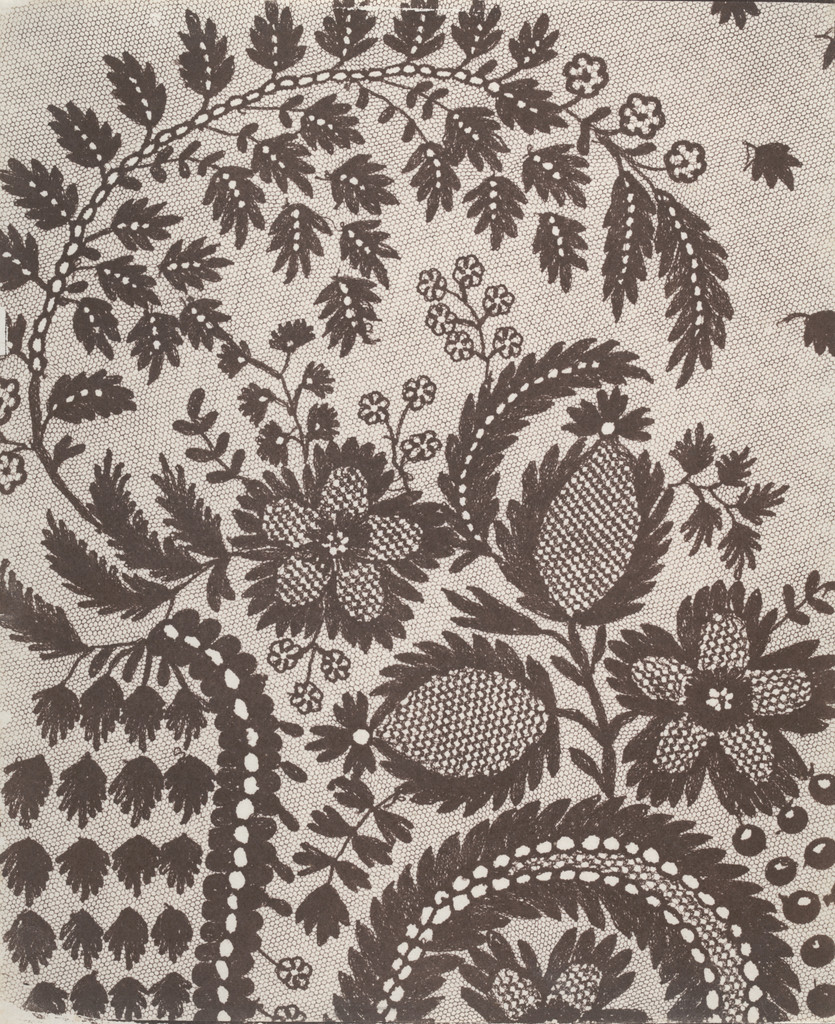

![[Group of Trees from the American Walnut], William Henry Fox Talbot, June 1, 1840](https://media.getty.edu/iiif/image/e2239044-50e4-44d2-be46-db53cdc317f1/full/!1200,1200/0/default.jpg)


