Marcel DuchampFrankrijk, 1887–1968
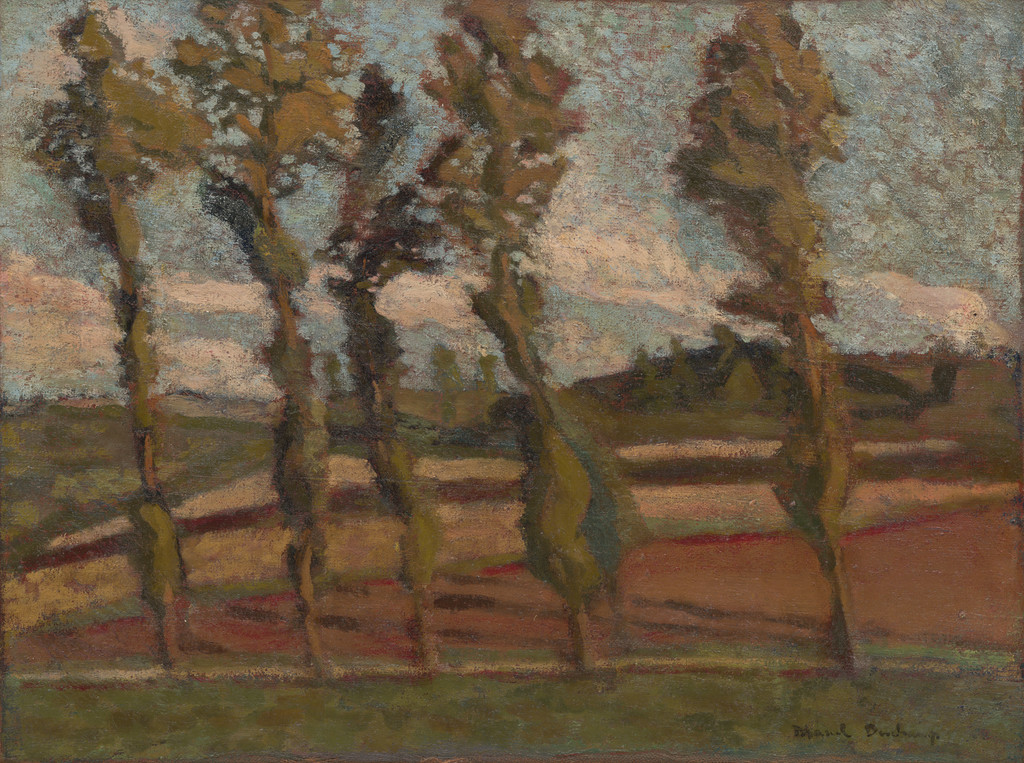
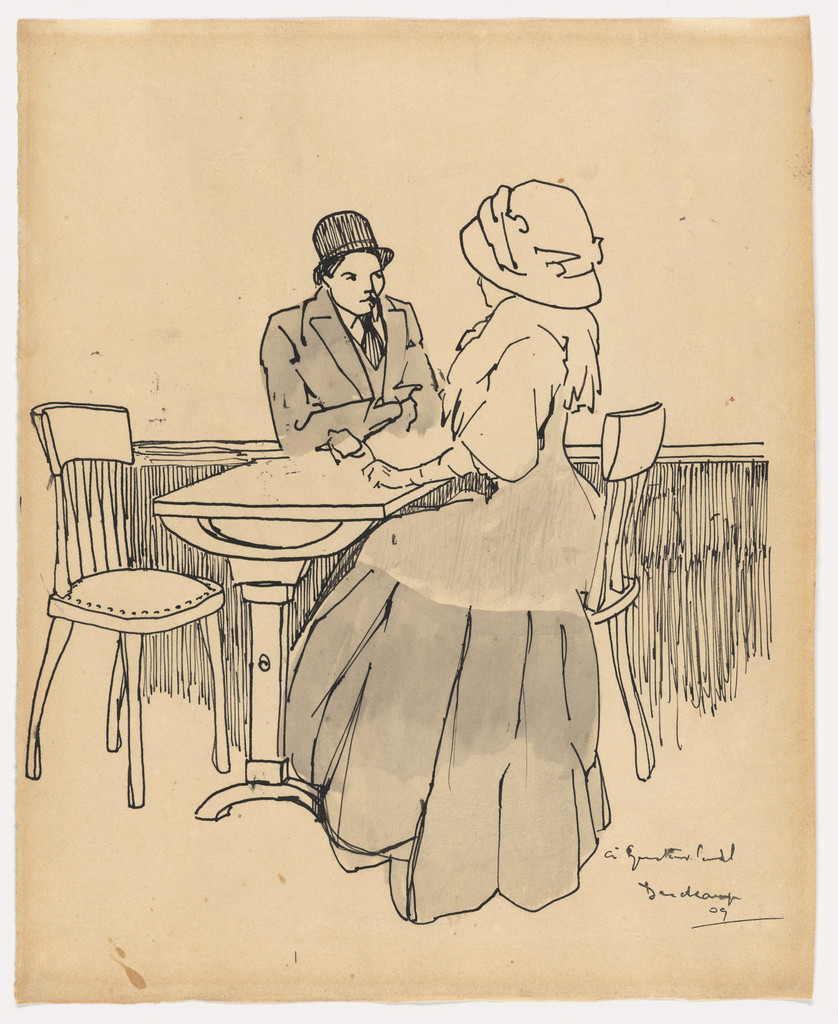
Composition with Circles
Mag men het zien?
Ontvangt momenteel niet

Art Institute of Chicago
Chicago, Verenigde Staten
Het hoort bij de collectie, maar is momenteel niet tentoongesteld.
- Gecontroleerd
- gisteren
- Ongewijzigd sinds
- 19 aug 2026
- Bron
- De eigen collectiegegevens van het museum
Gegevens
- Inventarisnummer
- 1971.924
In de catalogus
Bronnen
- Art Institute of Chicago: the museum's own open data · opgehaald 5 dagen geleden
- Afbeelding: Art Institute of Chicago — © the artist or rights holder
Intussen, in het leven van Marcel Duchamp
Het hele levenc. 1915 – 1917
The Arensbergs: a studio in exchange for the Large Glass
For two years the patrons Louise and Walter Arensberg, who remained his friends and patrons for 42 years, were the landlords of his studio and agreed to accept the Large Glass in lieu of rent. A gallery offered him $10,000 a year for his whole yearly production, but he declined in order to keep working on the Glass.
1917
“Fountain” rejected by the Independents’ show
A urinal signed with the pseudonym “R. Mutt” was submitted to the exhibition of the Society of Independent Artists, which displayed everything submitted without a jury; the committee insisted that it was not art and rejected it. The Dadaists were outraged and Duchamp resigned from the Society’s board.
1918–1919
Nine months in Buenos Aires
In 1918 he took leave of the New York art scene, interrupting work on the Large Glass, and went to Buenos Aires, where he stayed nine months, played a lot of chess and carved his own wooden set — a local craftsman made the knights.
1920
Founds the Société Anonyme
With Katherine Dreier and Man Ray he created the Société Anonyme as an experimental exhibition context that predates the Museum of Modern Art and was the first modern art collection in the US. In the same year, 1920, he returned from Paris to the United States.
1921
Rrose Sélavy is born
In 1921, in a series of Man Ray’s photographs, Duchamp appeared dressed as a woman under the pseudonym Rrose Sélavy, a pun on “Éros, c’est la vie” (“Eros, such is life”); later he used the name as a byline and signed several works with it.