ART WIKI32.963 te zien
KaartCollectieKunstenaarsMuseaTentoonstellingenJournal
Inloggen

ART WIKI

Waar het meesterwerk hangt en wanneer men u toelaat.

Collecties: Art Institute of Chicago, Cleveland Museum of Art, Getty Villa, Harvard Art Museums, Hermitage, Hirshhorn Museum and Sculpture Garden, J. Paul Getty Museum, Louvre, Metropolitan Museum of Art, Minneapolis Institute of Art, Museum of Modern Art, National Gallery of Art, National Museum of Asian Art, National Portrait Gallery, Poesjkinmuseum, Rijksmuseum Amsterdam, Russisch Museum, Smithsonian American Art Museum, Statens Museum for Kunst, Tretjakovgalerij, Victoria and Albert Museum, Whitney Museum of American Art, Staatscatalogus van het Russische museumfonds (274 musea), Europeana (19 musea), Wikidata (6 musea), Paris Musées (12 musea) en Joconde, de museumdatabank van het Franse ministerie van Cultuur (495 musea). De afbeeldingen behoren toe aan hun rechthebbenden.

Rubrieken

  • Kaart
  • Zoeken
  • Collectie
  • Meesterwerken
  • Nu te zien
  • Kunstenaars

Meer

  • Musea & galerieën
  • Tentoonstellingen
  • Journal
  • Waar de gegevens vandaan komen
  • Privacy & cookies
StartpaginaKaartCatalogus
  1. Collectie/
  2. Museum of Modern Art/
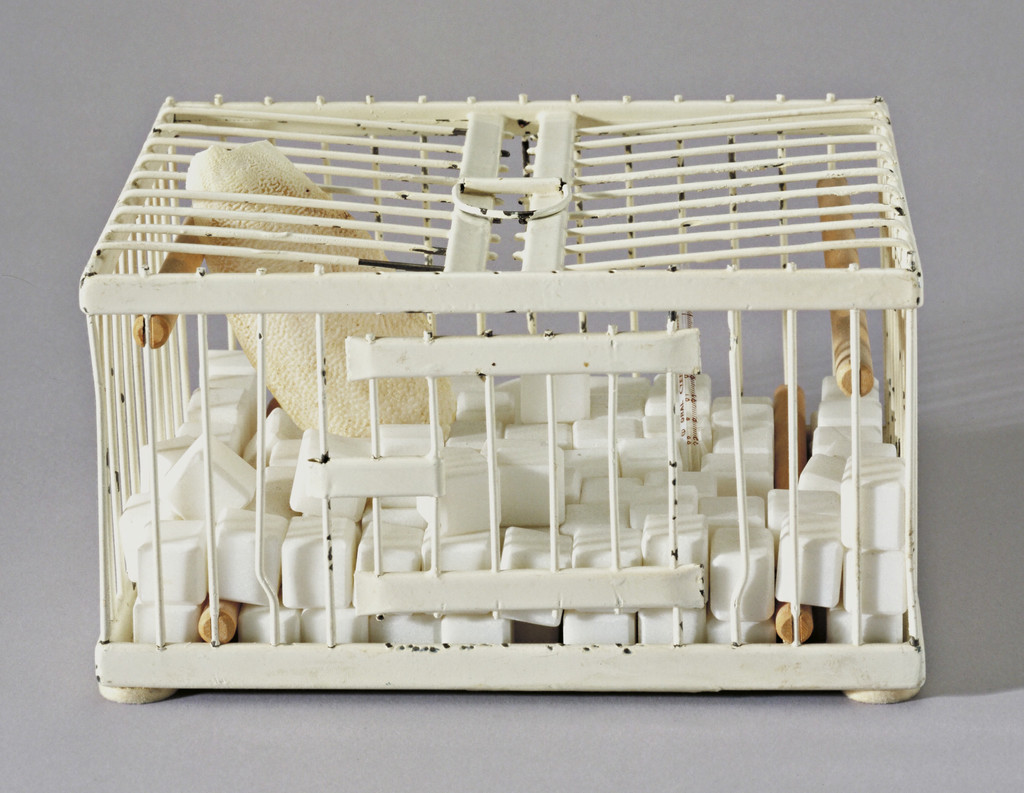
  3. Why Not Sneeze Rose Sélavy?
Why Not Sneeze Rose Sélavy?, Marcel Duchamp, 1964 (replica of 1921 original)
Marcel Duchamp, portretMarcel DuchampFrankrijk, 1887–1968

Why Not Sneeze Rose Sélavy?

1964 (replica of 1921 original) · Sculpture

Mag men het zien?

Ja, het ontvangt bezoek

Museum of Modern Art

New York, Verenigde Staten

ZaalMoMA, Floor 4, 408

Publiek tentoongesteld. Wie daarvoor instaat, staat hieronder.

Gecontroleerd
8 dagen geleden
Bron
De eigen collectiegegevens van het museum
Op de kaartMuseumpagina

Gegevens

1964 (replica of 1921 original)
18871968
Inventarisnummer
1123.1964.a-e

In de catalogus

BeeldhouwkunstMarmerModernisme20e eeuw

Bronnen

  • Museum of Modern Art: de open data van het museum · opgehaald 15 dagen geleden
  • Afbeelding: Museum of Modern Art — © the artist or rights holder

Intussen, in het leven van Marcel Duchamp

Het hele leven
  1. 1920

    Founds the Société Anonyme

    With Katherine Dreier and Man Ray he created the Société Anonyme as an experimental exhibition context that predates the Museum of Modern Art and was the first modern art collection in the US. In the same year, 1920, he returned from Paris to the United States.

  2. 1921

    Rrose Sélavy is born

    In 1921, in a series of Man Ray’s photographs, Duchamp appeared dressed as a woman under the pseudonym Rrose Sélavy, a pun on “Éros, c’est la vie” (“Eros, such is life”); later he used the name as a byline and signed several works with it.

  3. 1923

    Back in Paris, and into chess

    Back in Paris in 1923 he was in essence no longer a practising artist: his main interest became chess, which he studied for the rest of his life to the exclusion of most other activities.

  4. 1931

    Coins the word “mobile”

    In Alexander Calder’s studio, looking at the sculptor’s kinetic works, he suggested calling them “mobiles”; Calder agreed to use the new term in his coming show, and sculptures of this kind have been called that ever since.

  5. 1938

    “Generator-Arbiter” of the International Surrealist Exhibition

    At the exhibition in Paris organised by Breton and Paul Éluard he was named “Générateur-arbitre” and showed the installation Twelve Hundred Coal Bags Suspended from the Ceiling over a Stove — literally 1,200 stuffed coal bags hanging from the ceiling of the Room of Superstition.

  6. 1942

    The “mile of string” at First Papers of Surrealism

    Surrealists asked him to design the show in New York: he strung a three-dimensional web of twine through the rooms so that the works were almost impossible to see. By a secret arrangement with an associate’s son, a dozen children in athletic clothes turned up at the opening, kicking and passing balls and skipping rope, and told puzzled guests: “Mr. Duchamp told us we could play here”.
Meer van Marcel Duchamp

Alle werken
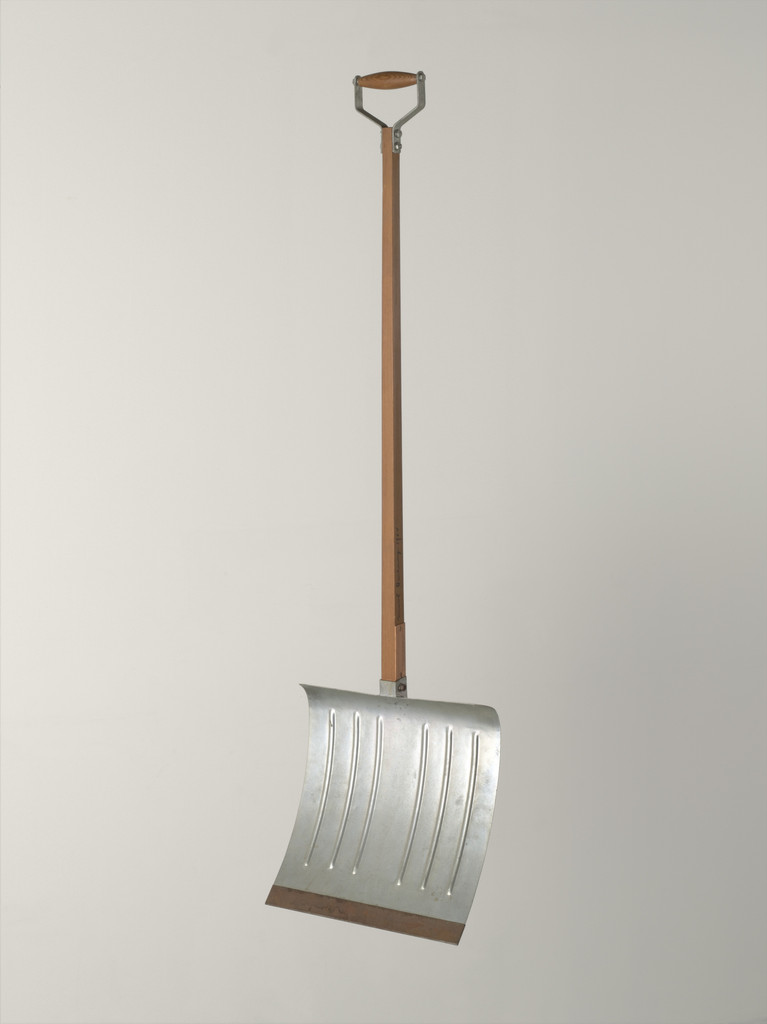
In Advance of the Broken Arm, Marcel Duchamp, August 1964 (fourth version, after lost original of November 1915)

In Advance of the Broken Arm

August 1964 (fourth version, after lost original of November 1915) · Museum of Modern Art

Fresh Widow, Marcel Duchamp, original 1920, fabricated 1964

Fresh Widow

original 1920, fabricated 1964 · National Gallery of Art

Pocket Chess Set, Marcel Duchamp, 1944

Pocket Chess Set

1944 · Art Institute of Chicago

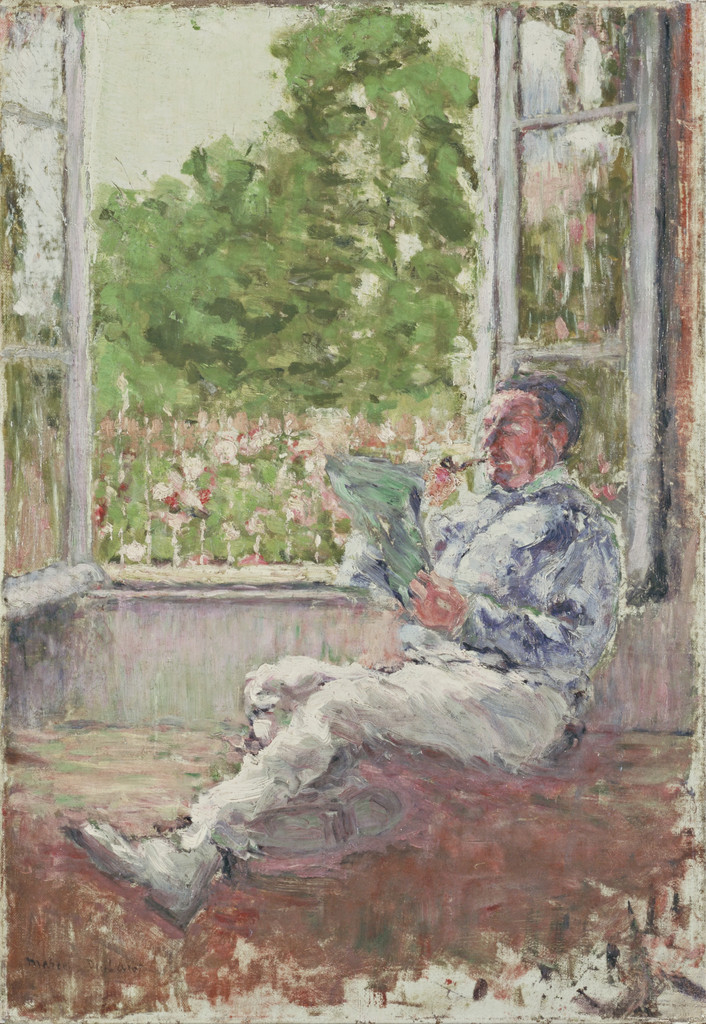
Man Seated by a Window, Marcel Duchamp, 1907

Man Seated by a Window

1907 · Niet te zien · Museum of Modern Art

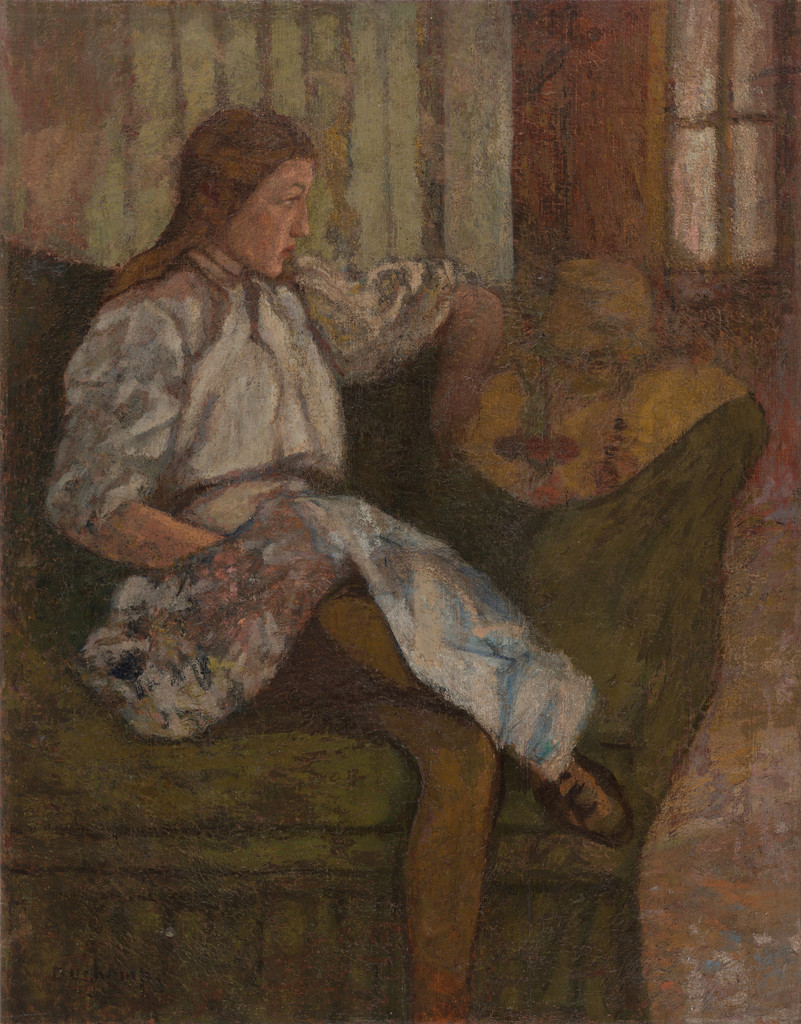
Portrait of Yvonne Duchamp, Marcel Duchamp, 1907 or 1909

Portrait of Yvonne Duchamp

1907 or 1909 · Niet te zien · Museum of Modern Art

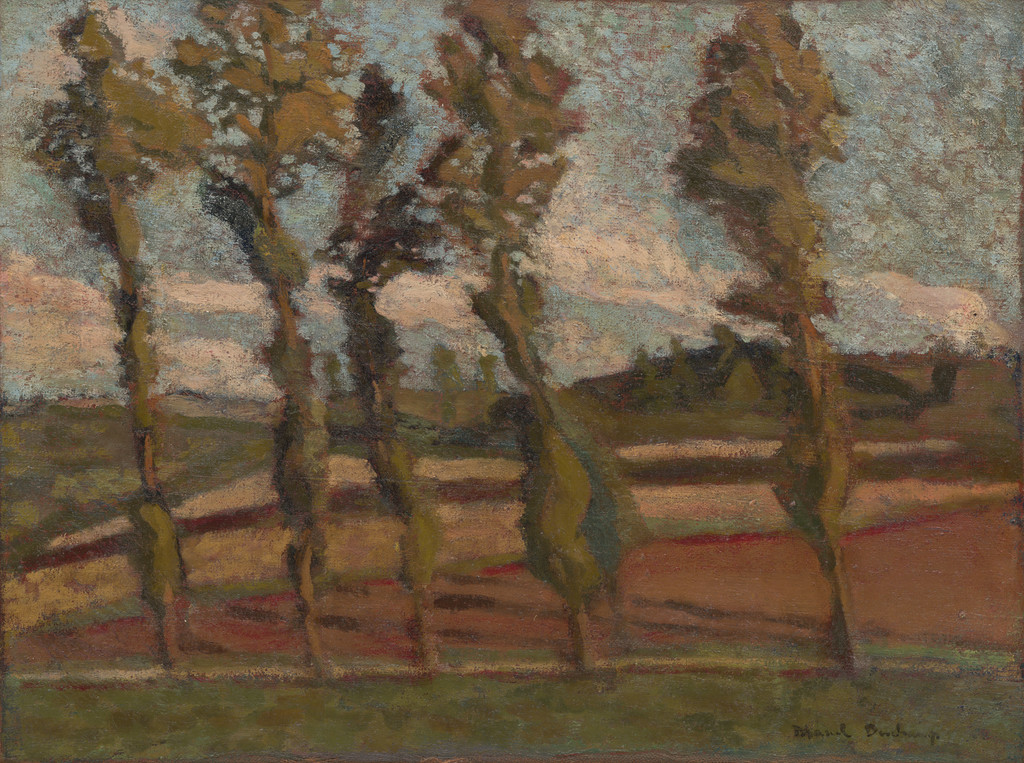
Landscape, Marcel Duchamp, 1908

Landscape

1908 · Niet te zien · Museum of Modern Art

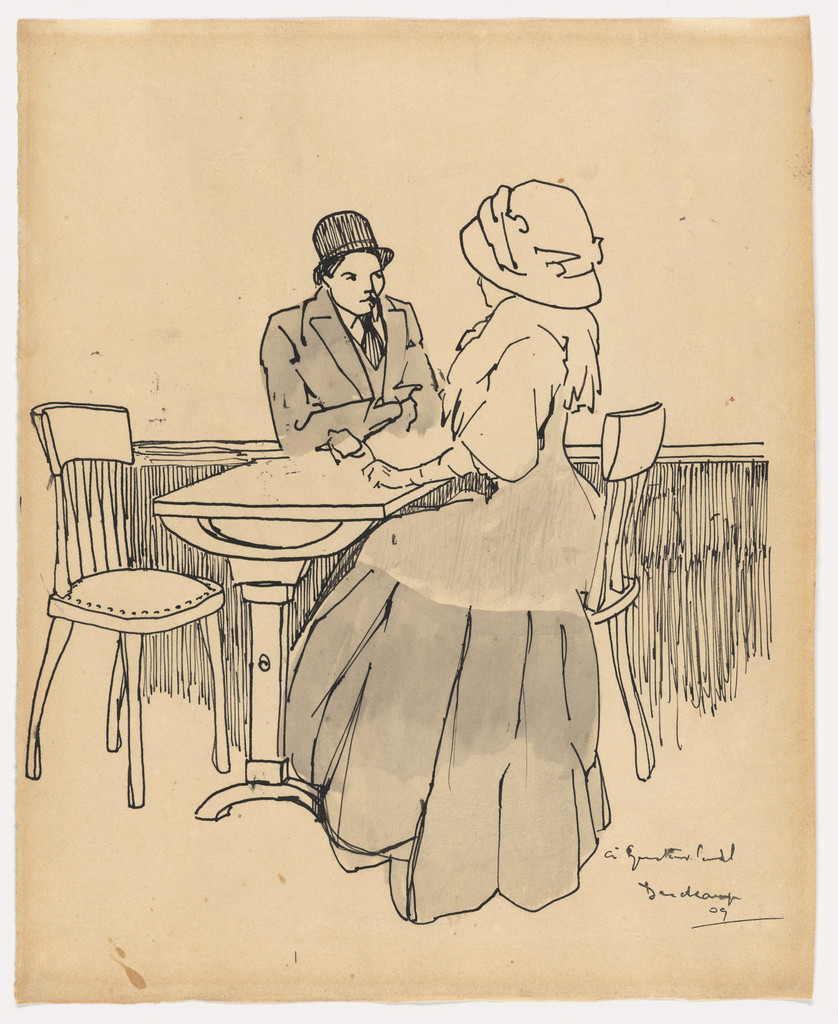
Conversation, Marcel Duchamp, 1909

Conversation

1909 · Niet te zien · Museum of Modern Art

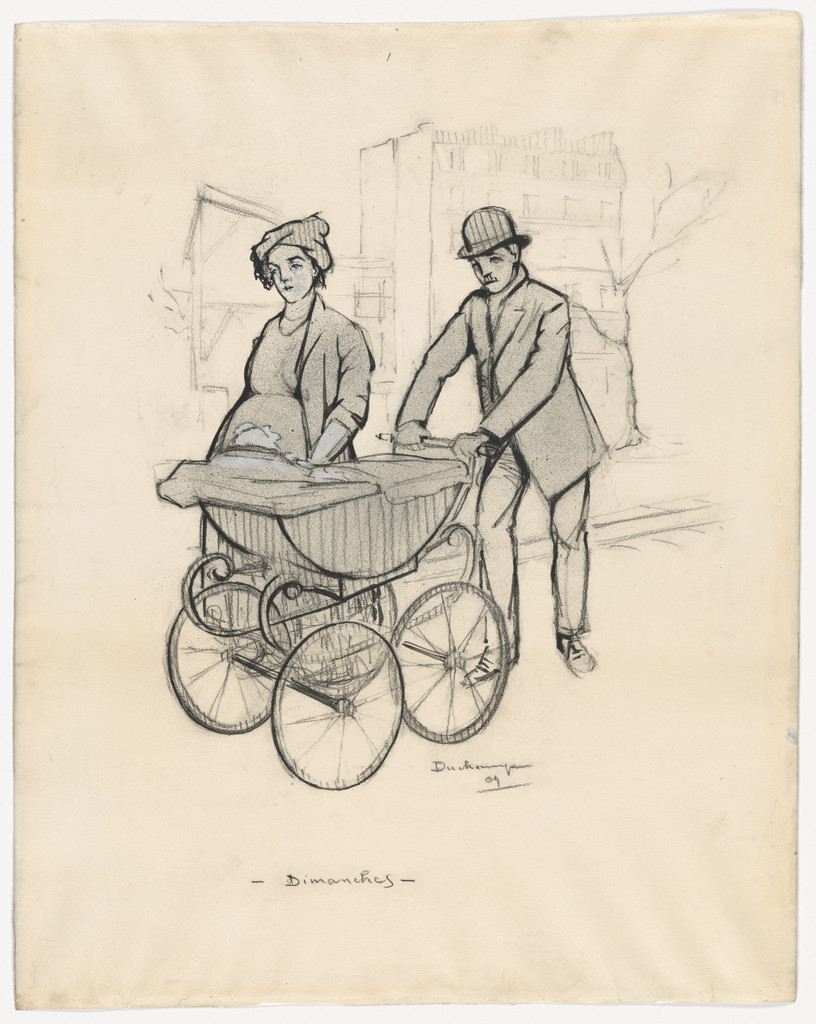
Sundays, Marcel Duchamp, 1909

Sundays

1909 · Niet te zien · Museum of Modern Art

Buren in huis: Museum of Modern Art

Museumpagina
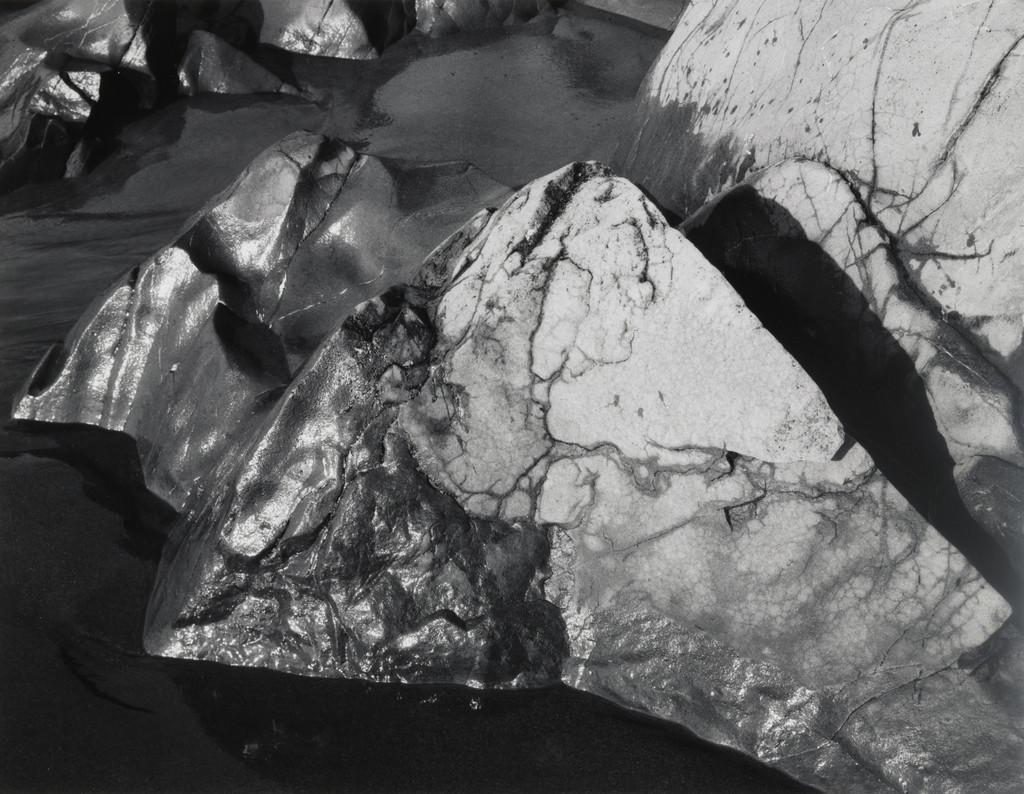
Rock, Bakers Beach, San Francisco, California, Ansel Adams, c. 1931

Ansel Adams

Rock, Bakers Beach, San Francisco, California, c. 1931

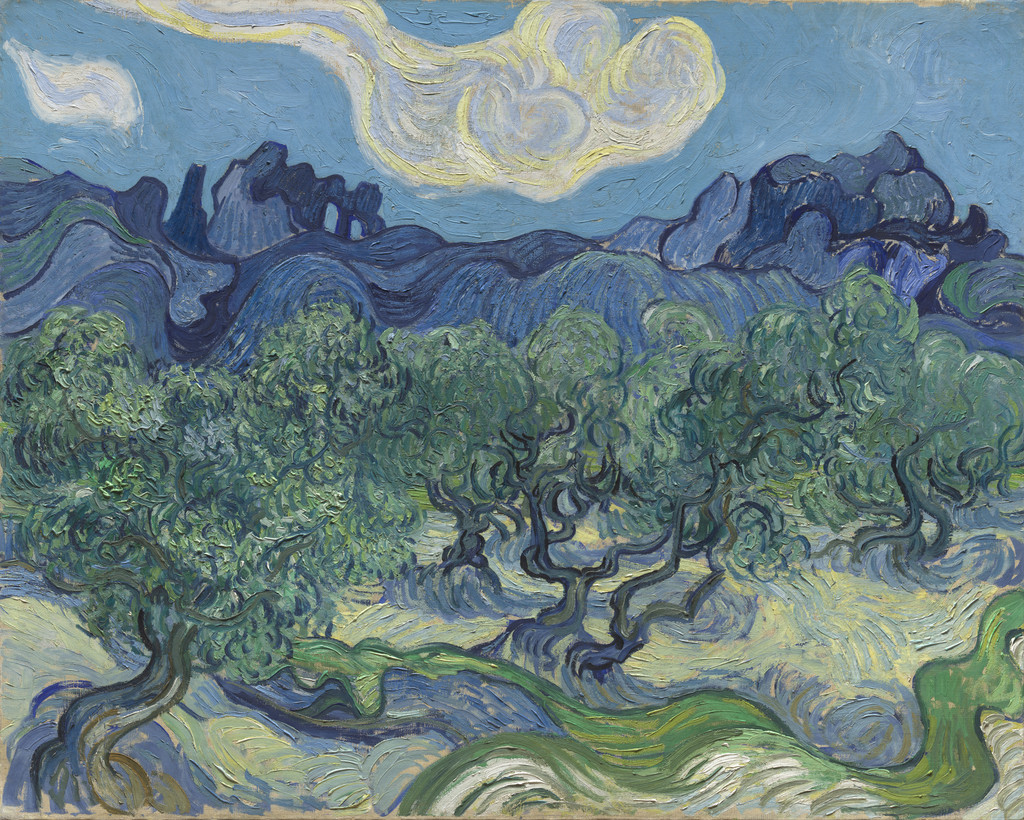
The Olive Trees, Vincent van Gogh, Saint Rémy, June-July 1889

Vincent van Gogh

The Olive Trees, Saint Rémy, June-July 1889

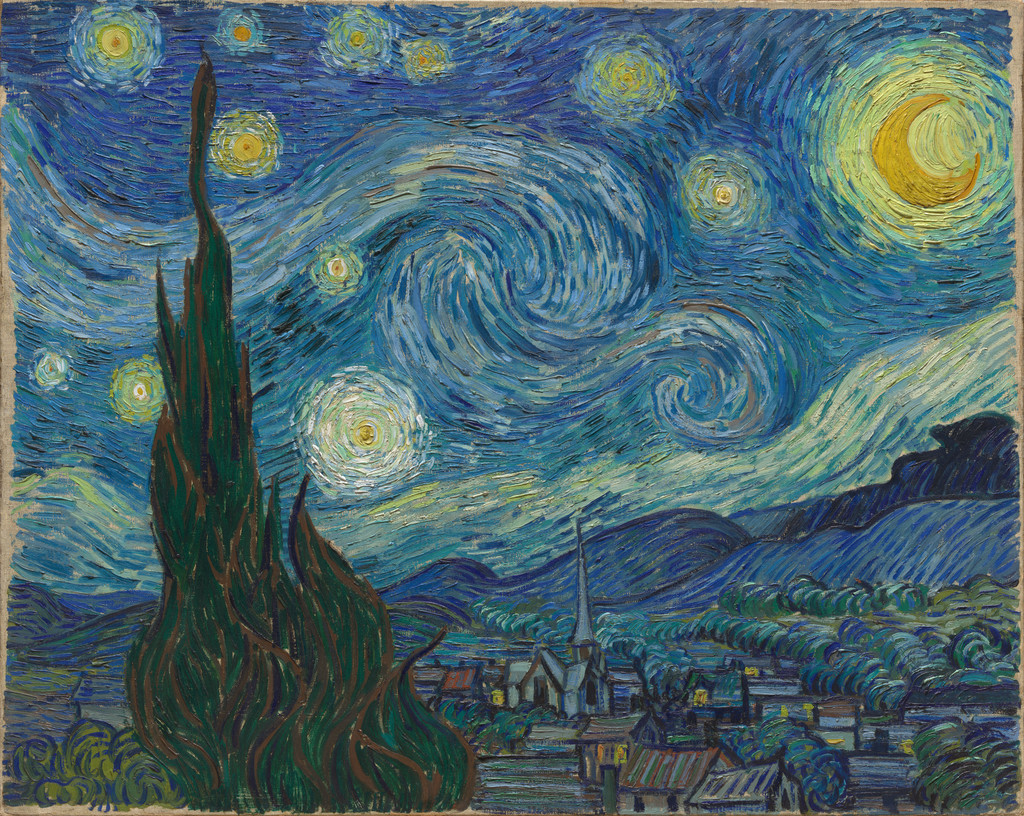
The Starry Night, Vincent van Gogh, Saint Rémy, June 1889

Vincent van Gogh

De sterrennacht, Saint Rémy, June 1889

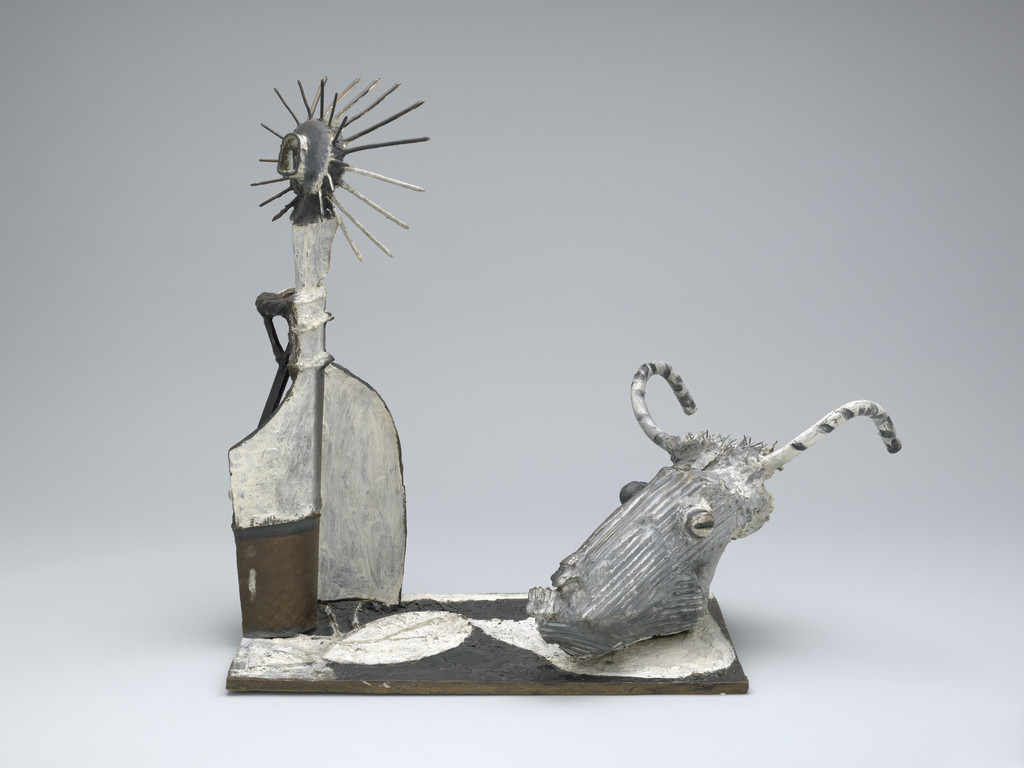
Goat Skull and Bottle, Pablo Picasso, Vallauris, 1951 (cast 1954)

Pablo Picasso

Goat Skull and Bottle, Vallauris, 1951 (cast 1954)

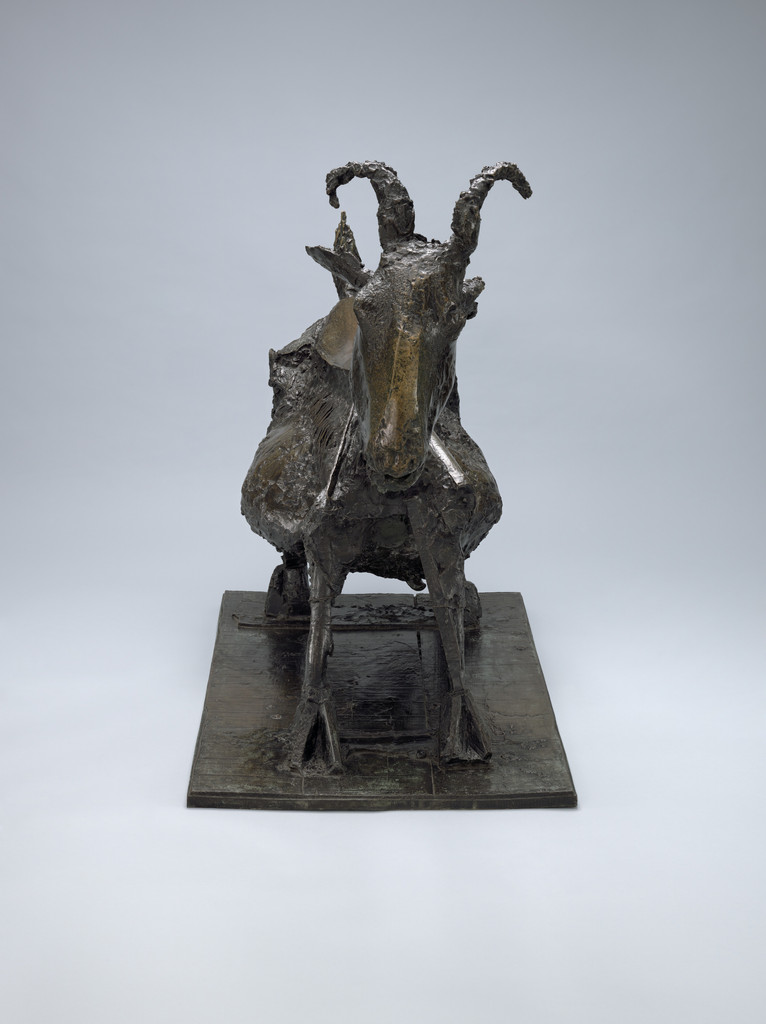
She-Goat, Pablo Picasso, Vallauris, 1950 (cast 1952)

Pablo Picasso

She-Goat, Vallauris, 1950 (cast 1952)

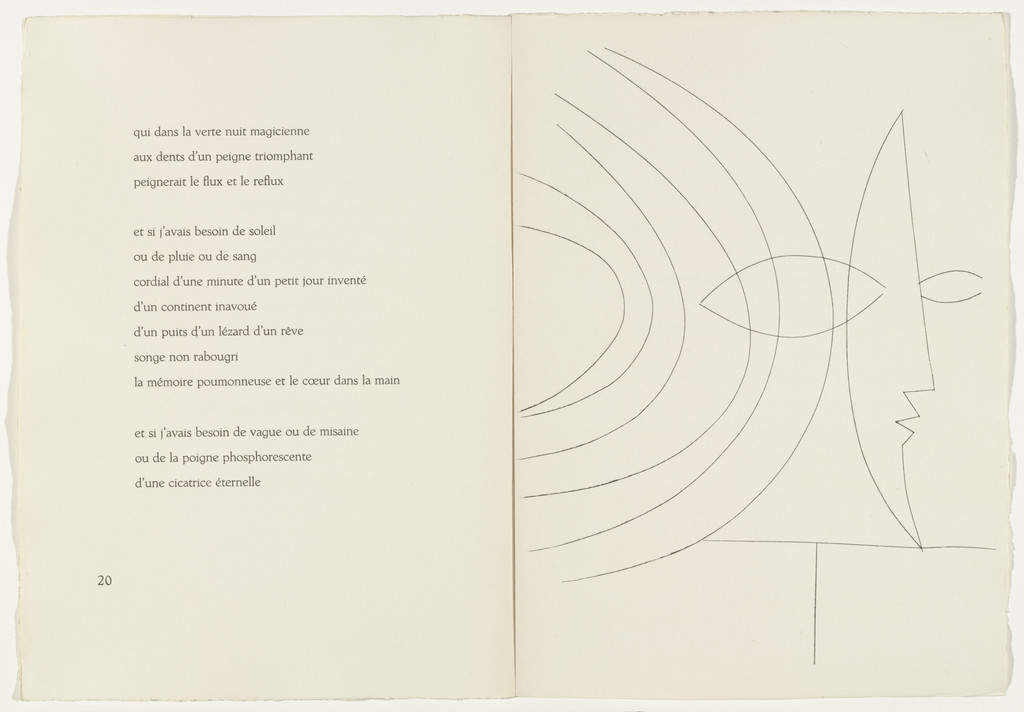
Face in Profile (plate, page 21) from Corps perdu, Pablo Picasso, 1949, published 1950

Pablo Picasso

Face in Profile (plate, page 21) from Corps perdu, 1949, published 1950

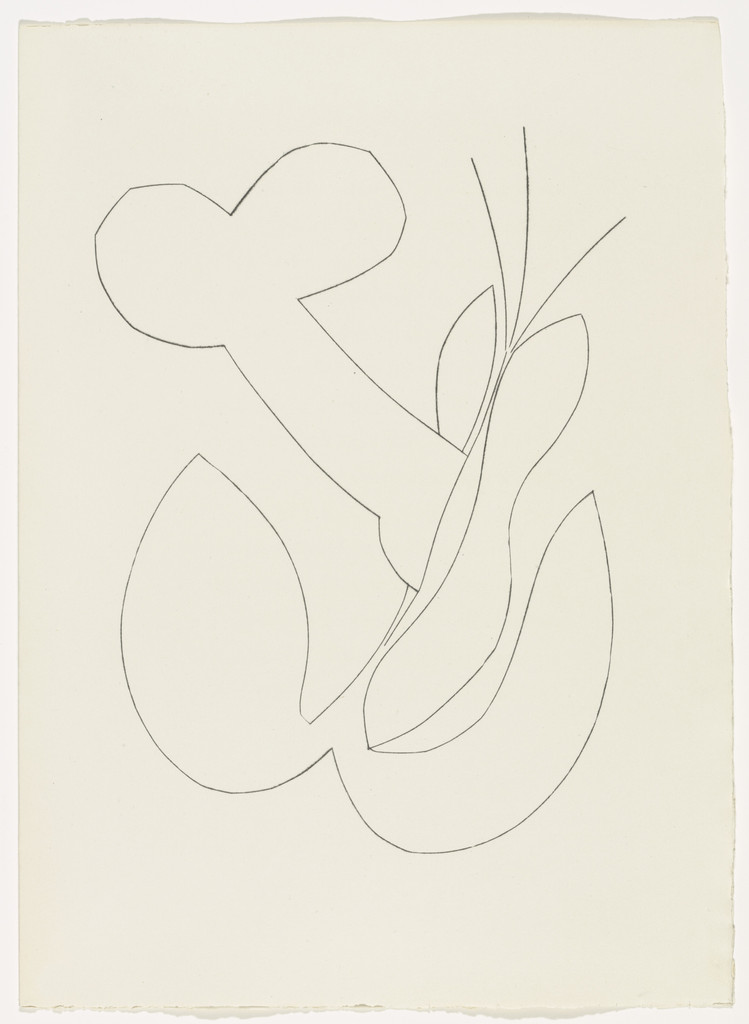
Coupling (plate, page 17) from Corps perdu, Pablo Picasso, 1949, published 1950

Pablo Picasso

Coupling (plate, page 17) from Corps perdu, 1949, published 1950

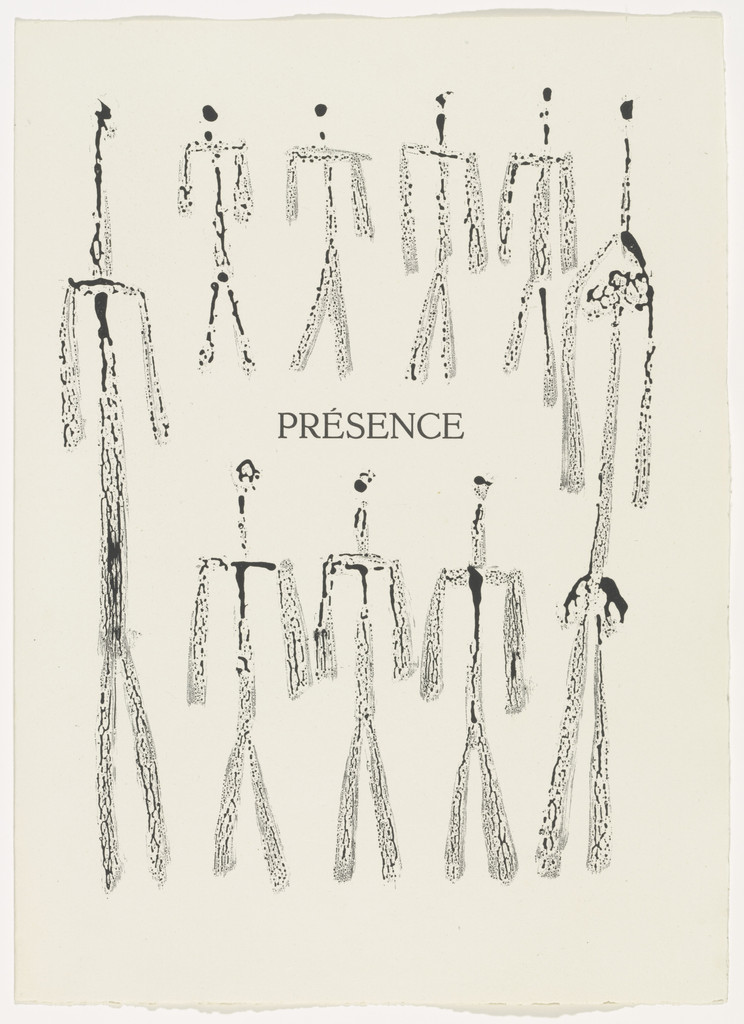
"Présence" (chapter title, page 13) from Corps perdu, Pablo Picasso, 1949, published 1950

Pablo Picasso

"Présence" (chapter title, page 13) from Corps perdu, 1949, published 1950