ART WIKI32.963 te zien
KaartCollectieKunstenaarsMuseaTentoonstellingenJournal
Inloggen

ART WIKI

Waar het meesterwerk hangt en wanneer men u toelaat.

Collecties: Art Institute of Chicago, Cleveland Museum of Art, Getty Villa, Harvard Art Museums, Hermitage, Hirshhorn Museum and Sculpture Garden, J. Paul Getty Museum, Louvre, Metropolitan Museum of Art, Minneapolis Institute of Art, Museum of Modern Art, National Gallery of Art, National Museum of Asian Art, National Portrait Gallery, Poesjkinmuseum, Rijksmuseum Amsterdam, Russisch Museum, Smithsonian American Art Museum, Statens Museum for Kunst, Tretjakovgalerij, Victoria and Albert Museum, Whitney Museum of American Art, Staatscatalogus van het Russische museumfonds (274 musea), Europeana (19 musea), Wikidata (6 musea), Paris Musées (12 musea) en Joconde, de museumdatabank van het Franse ministerie van Cultuur (495 musea). De afbeeldingen behoren toe aan hun rechthebbenden.

Rubrieken

  • Kaart
  • Zoeken
  • Collectie
  • Meesterwerken
  • Nu te zien
  • Kunstenaars

Meer

  • Musea & galerieën
  • Tentoonstellingen
  • Journal
  • Waar de gegevens vandaan komen
  • Privacy & cookies
StartpaginaKaartCatalogus
  1. Collectie/
  2. Art Institute of Chicago/
  3. Bottle Rack (Porte-Bouteilles)
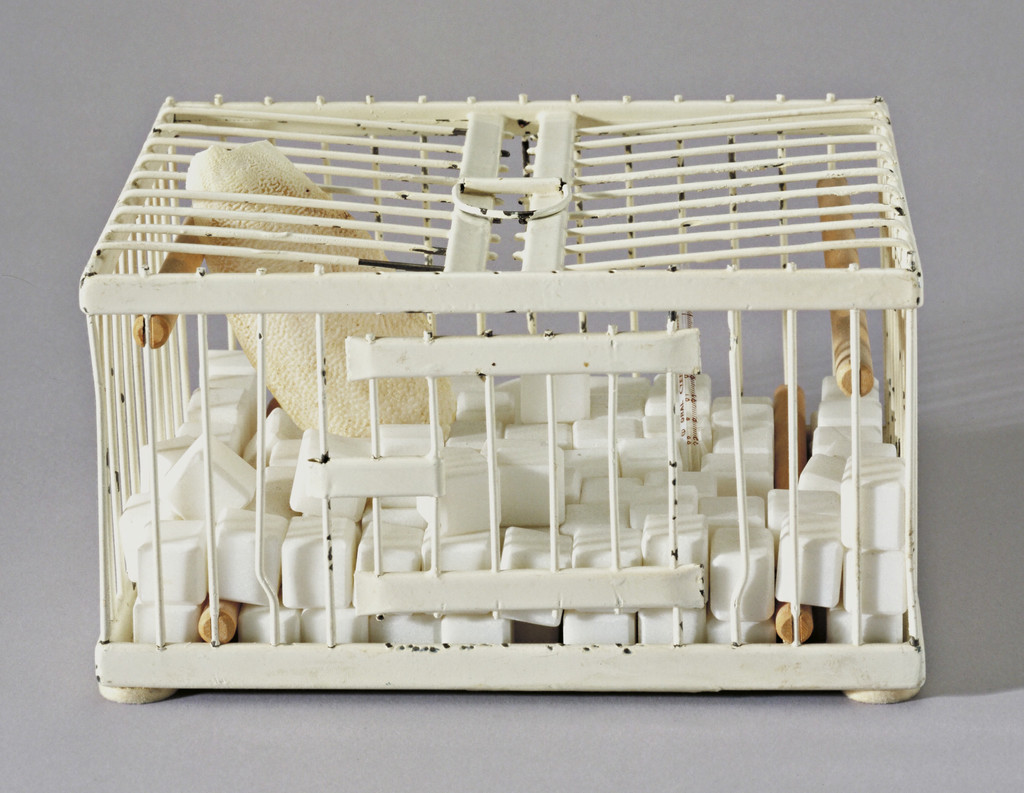
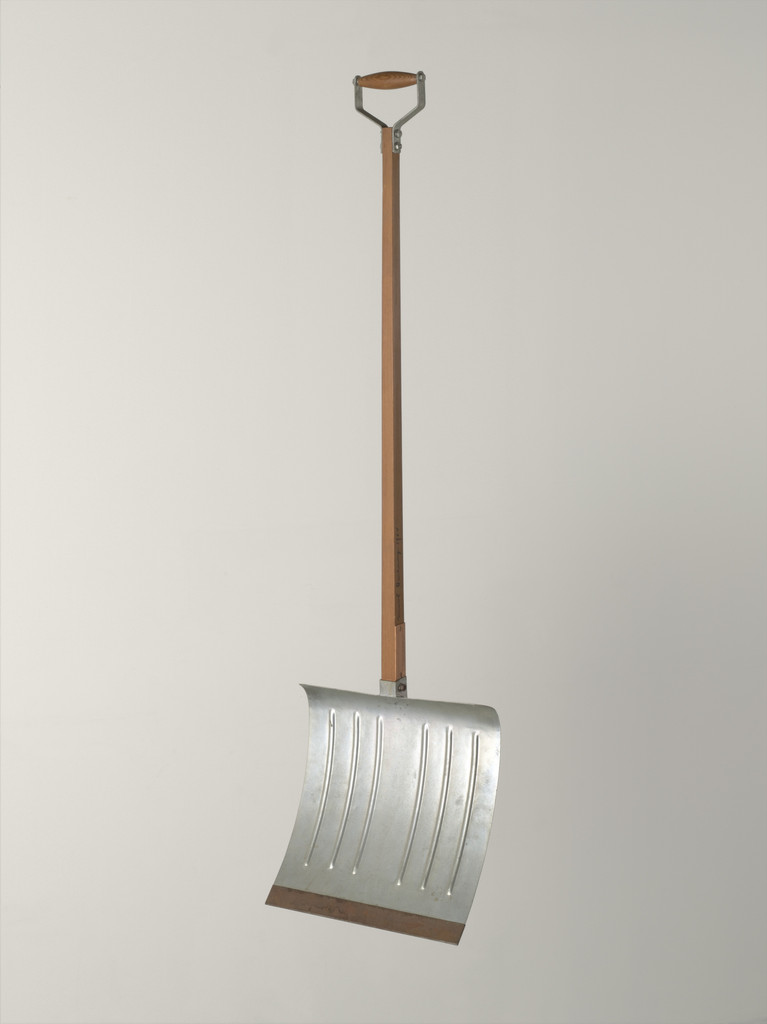
Bottle Rack (Porte-Bouteilles), Marcel Duchamp, 1914/1959
Marcel Duchamp, portretMarcel DuchampFrankrijk, 1887–1968

Bottle Rack (Porte-Bouteilles)

1914/1959 · Sculpture

Mag men het zien?

Ontvangt momenteel niet

Art Institute of Chicago

Chicago, Verenigde Staten

Het hoort bij de collectie, maar is momenteel niet tentoongesteld.

Gecontroleerd
eergisteren
Ongewijzigd sinds
28 sep 2026
Bron
Het museum
Op de kaartMuseumpagina

Over de sculptuur

Marcel Duchamp began his career as a painter of conventional portraits and nudes. By 1912, however, he set out to prove the end of “retinal art”—pictures created to delight the eye—in order to “put painting once again at the service of the mind.” His answer was the “readymade,” an ordinary object transformed into a work of art by virtue of the artist selecting it. Taken out of context, repositioned, and signed by the artist, the readymade upended tradition and artistic convention by revolutionizing the way we think about what an artwork is, how it is produced, and the ways in which it is exhibited.

Verder lezen

In 1914 Duchamp purchased this mass-produced bottle rack at a department store. He felt free to acquire new versions for exhibitions and display after his sister accidentally discarded the “original.” He selected the present version for the 1959 exhibition Art and the Found Object in New York. Artist Robert Rauschenberg acquired Bottle Rack and asked Duchamp to sign it. He obliged, writing in French, “Impossible for me to recall the original phrase M.D. / Marcel Duchamp /1960.”

Art Institute of Chicago · CC BY 4.0

Gegevens

1914/1959
18871968
Inventarisnummer
2017.422

Wat het toont

Joseph Winterbotham Collection

In de catalogus

BeeldhouwkunstMetaalModernisme20e eeuw

Bronnen

  • Art Institute of Chicago
  • Afbeelding: Art Institute of Chicago — © the artist or rights holder

Intussen, in het leven van Marcel Duchamp

Het hele leven
  1. 1912

    Takes the “Nude” back from the Salon des Indépendants

    Through Duchamp’s brothers, Albert Gleizes asked him to withdraw the painting or at least rename it (as Duchamp later told it); he quietly refused, but went straight to the show and took the canvas home by taxi. “It was really a turning point in my life,” he recalled, adding that after this he would not be very much interested in groups.

  2. november 1912 · Opleiding

    École des chartes

  3. 1913

    The Armory Show: the scandal of the “Nude”

    At the first major exhibition in New York of the modern trends coming out of Paris, American viewers accustomed to realistic art were scandalised and the Nude stood at the centre of the controversy; it helped secure the sale of all four of Duchamp’s paintings in the show.

  4. 1915

    Emigration to the United States

    When the First World War began, Duchamp, exempted from service because of a heart murmur, felt uncomfortable in Paris, and the sale of all four of his paintings at the Armory Show let him finance the trip: in 1915 he left for New York. To his surprise he found himself a celebrity there and quickly befriended the patron Katherine Dreier and the artist Man Ray.

  5. 1917

    “Fountain” rejected by the Independents’ show

    A urinal signed with the pseudonym “R. Mutt” was submitted to the exhibition of the Society of Independent Artists, which displayed everything submitted without a jury; the committee insisted that it was not art and rejected it. The Dadaists were outraged and Duchamp resigned from the Society’s board.

  6. 1923

    Back in Paris, and into chess

    Back in Paris in 1923 he was in essence no longer a practising artist: his main interest became chess, which he studied for the rest of his life to the exclusion of most other activities.
Meer van Marcel Duchamp

Alle werken
In Advance of the Broken Arm, Marcel Duchamp, August 1964 (fourth version, after lost original of November 1915)

In Advance of the Broken Arm

August 1964 (fourth version, after lost original of November 1915) · Museum of Modern Art

Fresh Widow, Marcel Duchamp, original 1920, fabricated 1964

Fresh Widow

original 1920, fabricated 1964 · National Gallery of Art

Why Not Sneeze Rose Sélavy?, Marcel Duchamp, 1964 (replica of 1921 original)

Why Not Sneeze Rose Sélavy?

1964 (replica of 1921 original) · Museum of Modern Art

Pocket Chess Set, Marcel Duchamp, 1944

Pocket Chess Set

1944 · Art Institute of Chicago

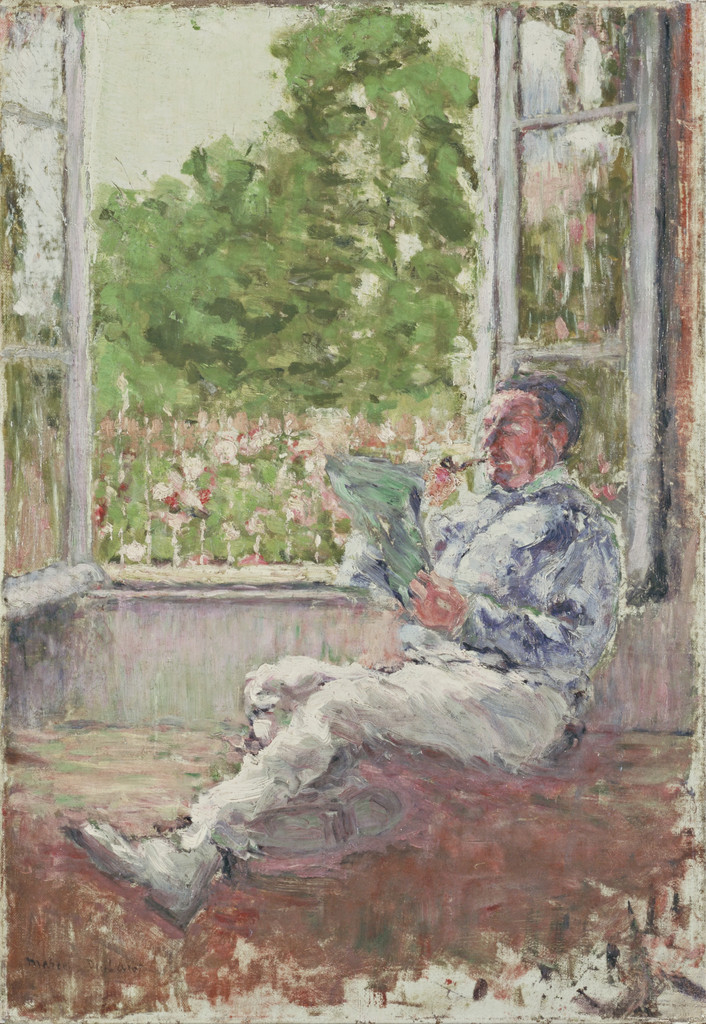
Man Seated by a Window, Marcel Duchamp, 1907

Man Seated by a Window

1907 · Niet te zien · Museum of Modern Art

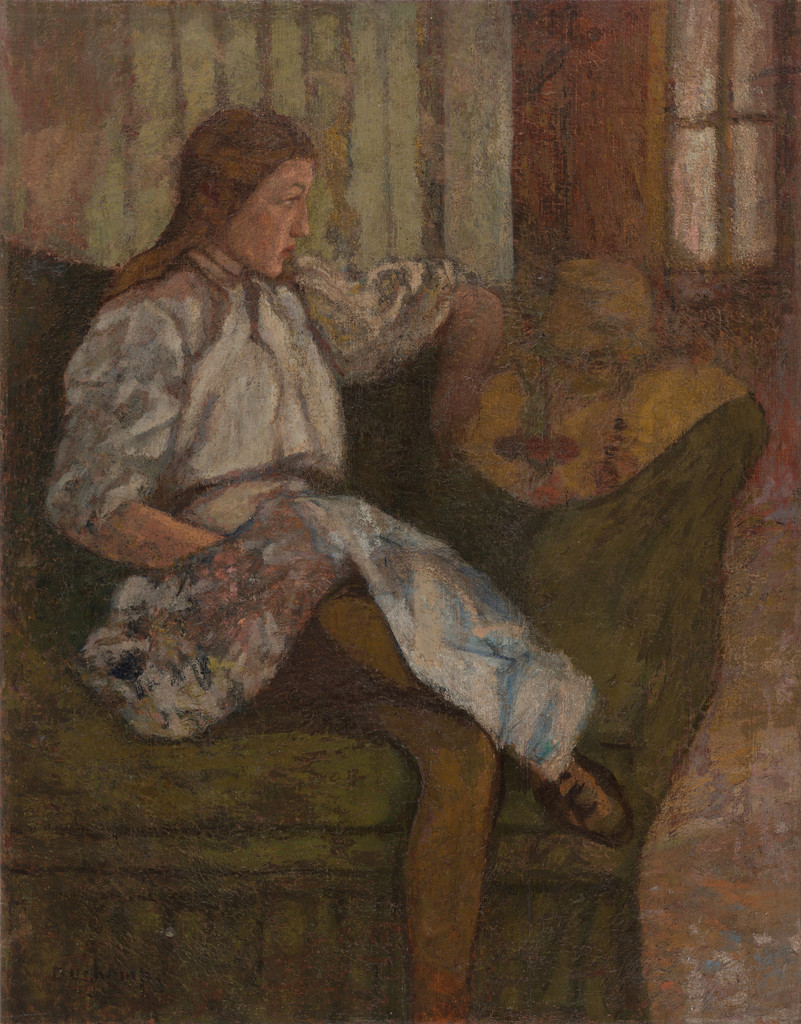
Portrait of Yvonne Duchamp, Marcel Duchamp, 1907 or 1909

Portrait of Yvonne Duchamp

1907 or 1909 · Niet te zien · Museum of Modern Art

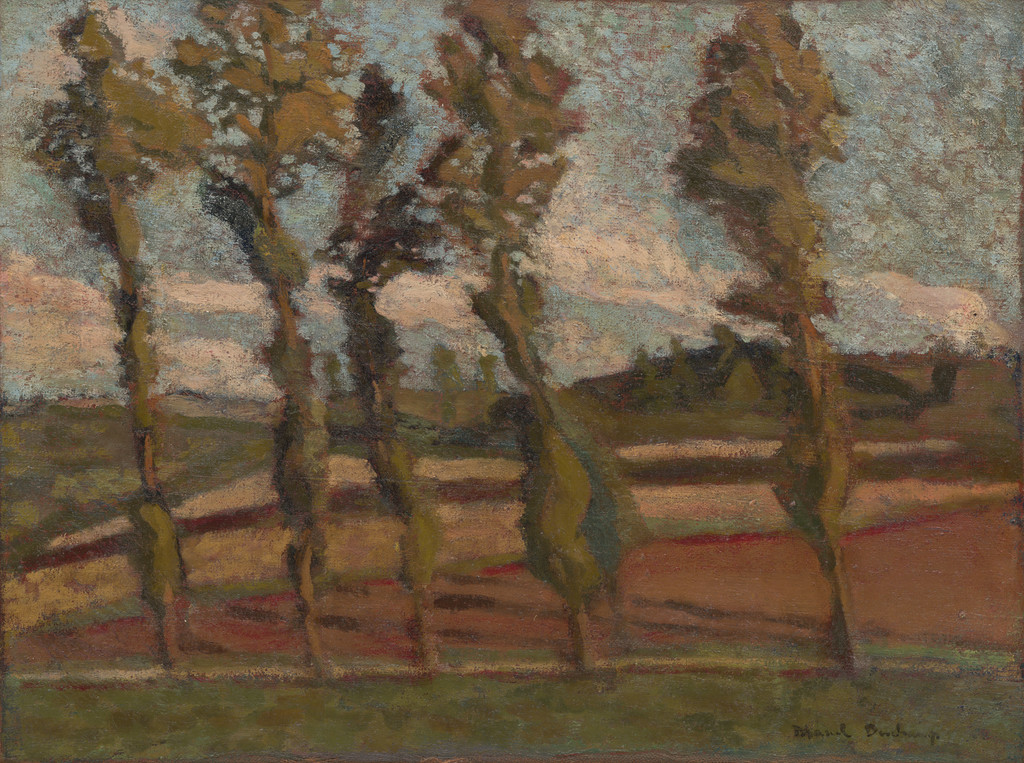
Landscape, Marcel Duchamp, 1908

Landscape

1908 · Niet te zien · Museum of Modern Art

Conversation, Marcel Duchamp, 1909

Conversation

1909 · Niet te zien · Museum of Modern Art

Buren in huis: Art Institute of Chicago

Museumpagina
The Bedroom, Vincent van Gogh, 1889

Vincent van Gogh

The Bedroom, 1889

A Sunday on La Grande Jatte — 1884, Georges Seurat, 1884–86, border added 1888–89

Georges Seurat

Dimanche d'été à la Grande Jatte, 1884–86, border added 1888–89

Paris Street; Rainy Day, Gustave Caillebotte, 1877

Gustave Caillebotte

Rue de Paris, temps de pluie, 1877

Two Sisters (On the Terrace), Pierre-Auguste Renoir, 1881

Pierre-Auguste Renoir

Twee zusjes, 1881

The Basket of Apples, Paul Cézanne, c. 1893

Paul Cézanne

Mand met appelen, c. 1893

Stacks of Wheat (End of Summer), Claude Monet, 1890–91

Claude Monet

Stacks of Wheat (End of Summer), 1890–91

American Gothic, Grant Wood, 1930

Grant Wood

American Gothic, 1930

Nighthawks, Edward Hopper, 1942

Edward Hopper

Nighthawks, 1942