ART WIKI32,963 点が展示中
地図コレクション作家美術館展覧会ジャーナル
ログイン

ART WIKI

名画の居場所と、扉の開く時刻。

所蔵館:J・ポール・ゲティ美術館、アムステルダム国立美術館、ヴィクトリア&アルバート博物館、エルミタージュ美術館、クリーブランド美術館、ゲティ・ヴィラ、コペンハーゲン国立美術館、シカゴ美術館、スミソニアン・アメリカ美術館、スミソニアン国立アジア美術館、トレチャコフ美術館、ナショナル・ギャラリー、ニューヨーク近代美術館、ハーシュホーン博物館と彫刻の庭、ハーバード美術館群、プーシキン美術館、ホイットニー美術館、ミネアポリス美術館、メトロポリタン美術館、ルーヴル美術館、ロシア美術館、国立肖像画美術館、ロシア博物館資料国家目録(274館)、Europeana(19館)、ウィキデータ(6館)、Paris Musées(12館)、Joconde(フランス文化省の美術館データベース)(495館)。画像の権利は各権利者に帰属します。

ご案内

  • 地図
  • 検索
  • コレクション
  • 名作
  • 現在展示中
  • 作家

その他

  • 美術館・ギャラリー
  • 展覧会
  • ジャーナル
  • データの出どころ
  • プライバシーとCookie
ホーム地図カタログ
  1. コレクション/
  2. ルーヴル美術館/
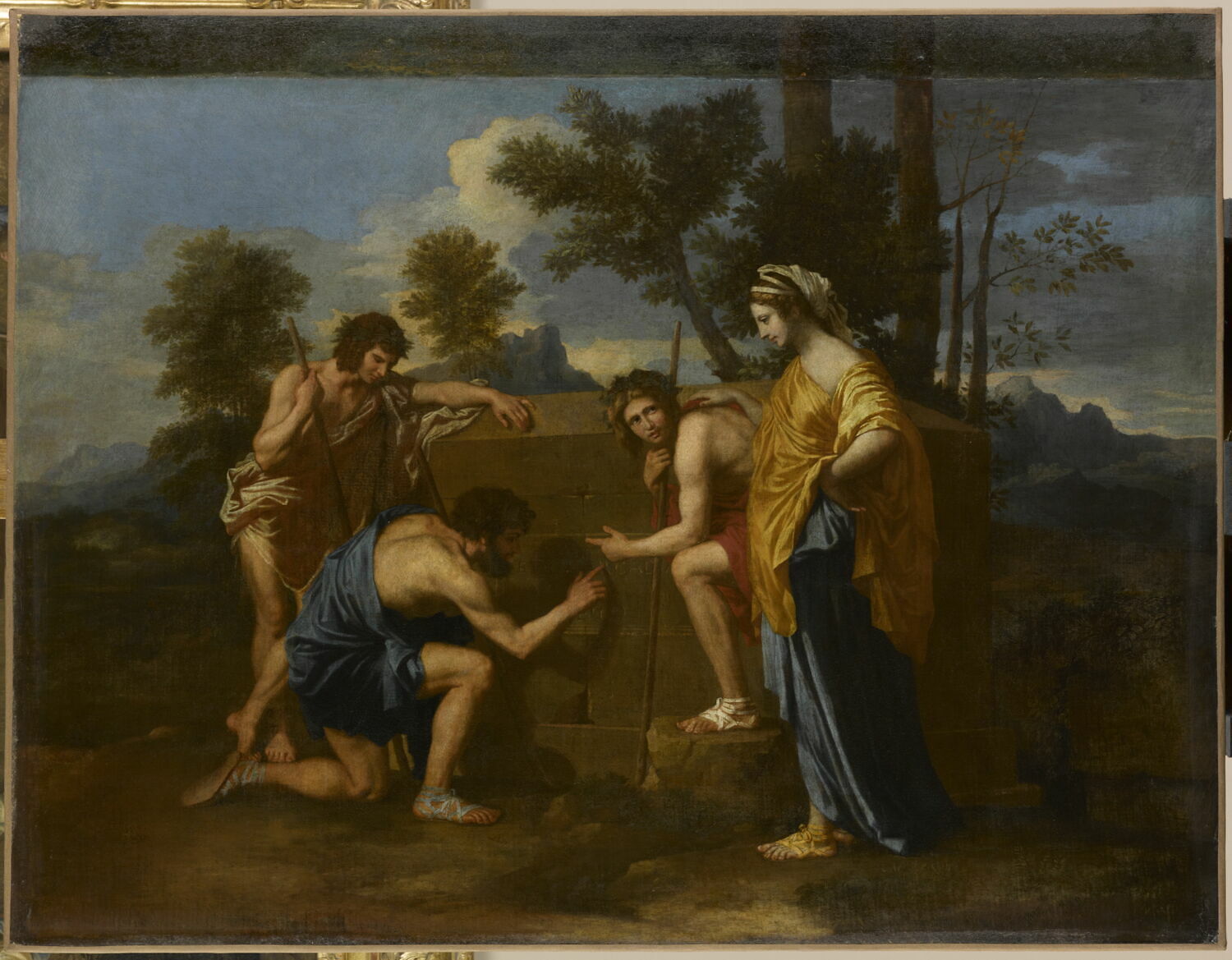
  3. Les Bergers d'Arcadie
Les Bergers d'Arcadie, Poussin, Nicolas, 2e quart du XVIIe siècle (vers 1638)
Nicolas Poussinの肖像Nicolas Poussinフランス, 1594–1665

Les Bergers d'Arcadie

2e quart du XVIIe siècle (vers 1638) · Peintures

お目にかかれますか?

はい、お客様をお迎えしています

ルーヴル美術館

パリ, フランス

展示室825, Aile Richelieu, Niveau 2

一般公開されています。裏付けとなる出典は下に記しています。

確認
12 日前
この状態になった日
2026年9月26日
出典
美術館
地図で見る美術館のページ

この絵画について

『我アルカディアにもあり』(われアルカディアにもあり、仏: Et in Arcadia ego、英: Et in Arcadia ego)、または『アルカディアの牧人』(アルカディアのぼくにん、仏: Les Bergers d'Arcadie、英: The Arcadian Shepherds)は、17世紀のフランスの巨匠ニコラ・プッサンが1637–1638年頃にキャンバス上に油彩で制作した絵画。

元来、後に教皇となるジュリオ・ロスピリッリオージ (Giulio Rospigliosi) 枢機卿 の所有であったが、1685年にフランス王ルイ14世のコレクションに入り、1816年以来、パリのルーヴル美術館に所蔵されている。

ウィキペディア · CC BY-SA

作品データ

2e quart du XVIIe siècle (vers 1638) · 44歳
15941665
収蔵番号
INV 7300

その頃、Nicolas Poussinの人生では

生涯をすべて見る
  1. 1624–1640

    Domenichino’s academy, anatomy, measuring ancient statues

    He resumed his study of anatomy with the surgeon Larchet, drew models at Domenichino’s academy, worked in the open air and measured ancient statues — on the back of the drawing “The Victory of Joshua” survive his measurements of the Apollo Belvedere; unlike many, he did not “restore” the lost fragments of antiques. In his Roman years he began to learn modelling, made wax models, arranged them in the order he wanted on a board, and copied Titian’s “Bacchanal” — in oil and as a bas-relief together with one of the Duquesnoy brothers.

  2. 1630s

    Cassiano dal Pozzo — his chief patron

    Poussin’s flowering coincided with his complete abandonment of church commissions: he gathered a circle of patrons around him but strove for independence, accepting commissions from connoisseurs without binding himself to any of them permanently. The most important was Cassiano dal Pozzo; in the surviving correspondence the relationship comes close to servitude, although the painter did not live in his house.

  3. 1630s

    Brother-in-law Gaspard Dughet — his first pupil

    After the wedding Poussin went on living in the house on the Via Paolina; with him lived Anne-Marie’s brother Gaspard Dughet, the future well-known landscape painter, and from 1636 his younger brother Jean. Poussin became Gaspard’s first teacher, and Gaspard later took his surname; the marriage seems to have been a happy one, but childless.

  4. 1639

    Begins his correspondence with Paul Fréart de Chantelou

    From 1639 until the painter’s death runs his correspondence with the court counsellor and royal maître d’hôtel Paul Fréart de Chantelou — a monument of long friendship and the chief source on Poussin’s daily occupations; the letters are in French and make no literary claims.
Nicolas Poussinのほかの作品

すべての作品

同じ展示室 · Salle 825, Aile Richelieu, Niveau 2, ルーヴル美術館

美術館のページ
  • December 1640

    December 1640: Poussin returns to Paris

    François Sublet de Noyers, Superintendent of the King’s Buildings, whose invitations Poussin had declined, sent his cousins Roland and Paul Fréart to Rome, offering the title of First Painter to the King and a substantial residence at the Tuileries. Poussin yielded, and in December 1640 he was back in Paris.

  • カタログ収録

    絵画油彩フランス絵画バロック17世紀

    出典

    • ルーヴル美術館
    • 画像: ルーヴル美術館 — © 2011 GrandPalaisRmn (musée du Louvre) / Stéphane Maréchalle
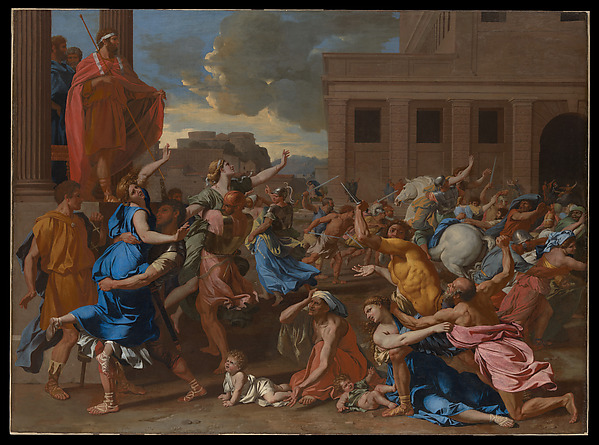
    The Abduction of the Sabine Women, Nicolas Poussin, probably 1633–34

    The Abduction of the Sabine Women

    probably 1633–34 · メトロポリタン美術館

    Blind Orion Searching for the Rising Sun, Nicolas Poussin, 1658

    Blind Orion Searching for the Rising Sun

    1658 · メトロポリタン美術館

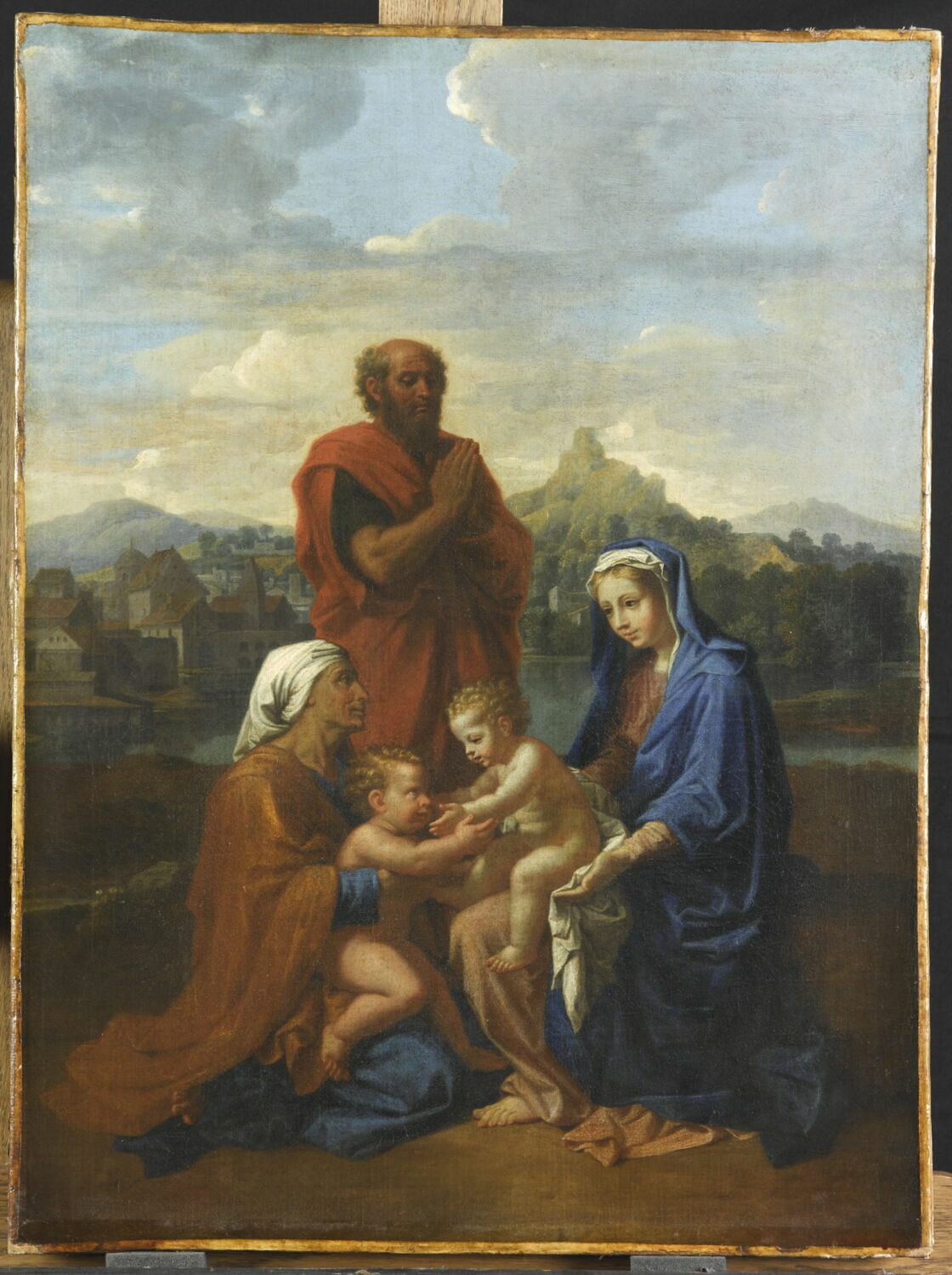
    La Sainte Famille avec saint Jean, sainte Elisabeth et saint Joseph priant, Poussin, Nicolas, Milieu du XVIIe siècle (vers 1650 - 1951)

    La Sainte Famille avec saint Jean, sainte Elisabeth et saint Joseph priant

    Milieu du XVIIe siècle (vers 1650 - 1951) · ルーヴル美術館

    Victory of Joshua over the Amalekites, Nicolas Poussin, 1623

    Victory of Joshua over the Amalekites

    1623 · エルミタージュ美術館

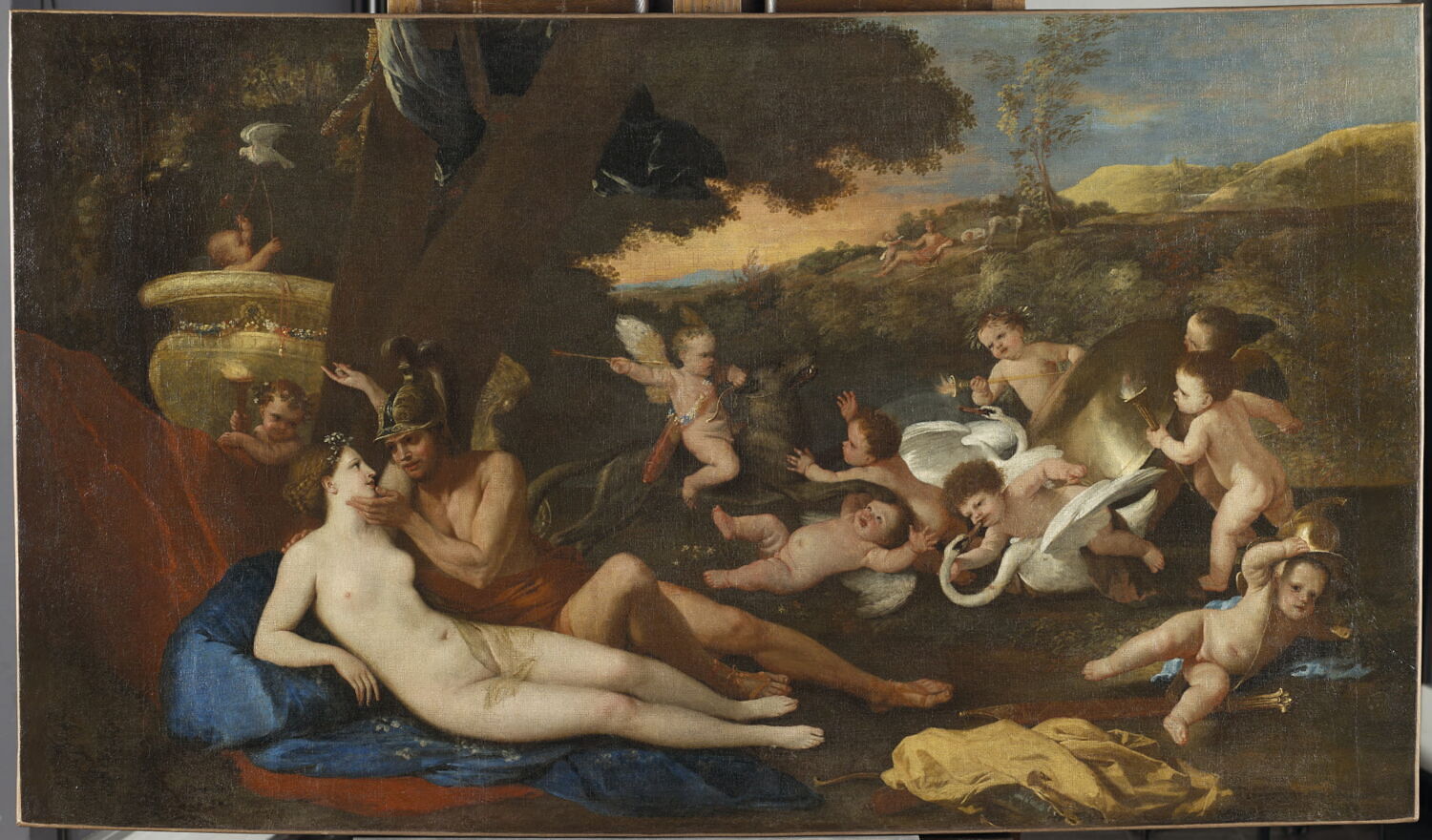
    Mars et Vénus, Poussin, Nicolas, 1e tiers du XVIIe siècle (vers 1625)

    Mars et Vénus

    1e tiers du XVIIe siècle (vers 1625) · ルーヴル美術館

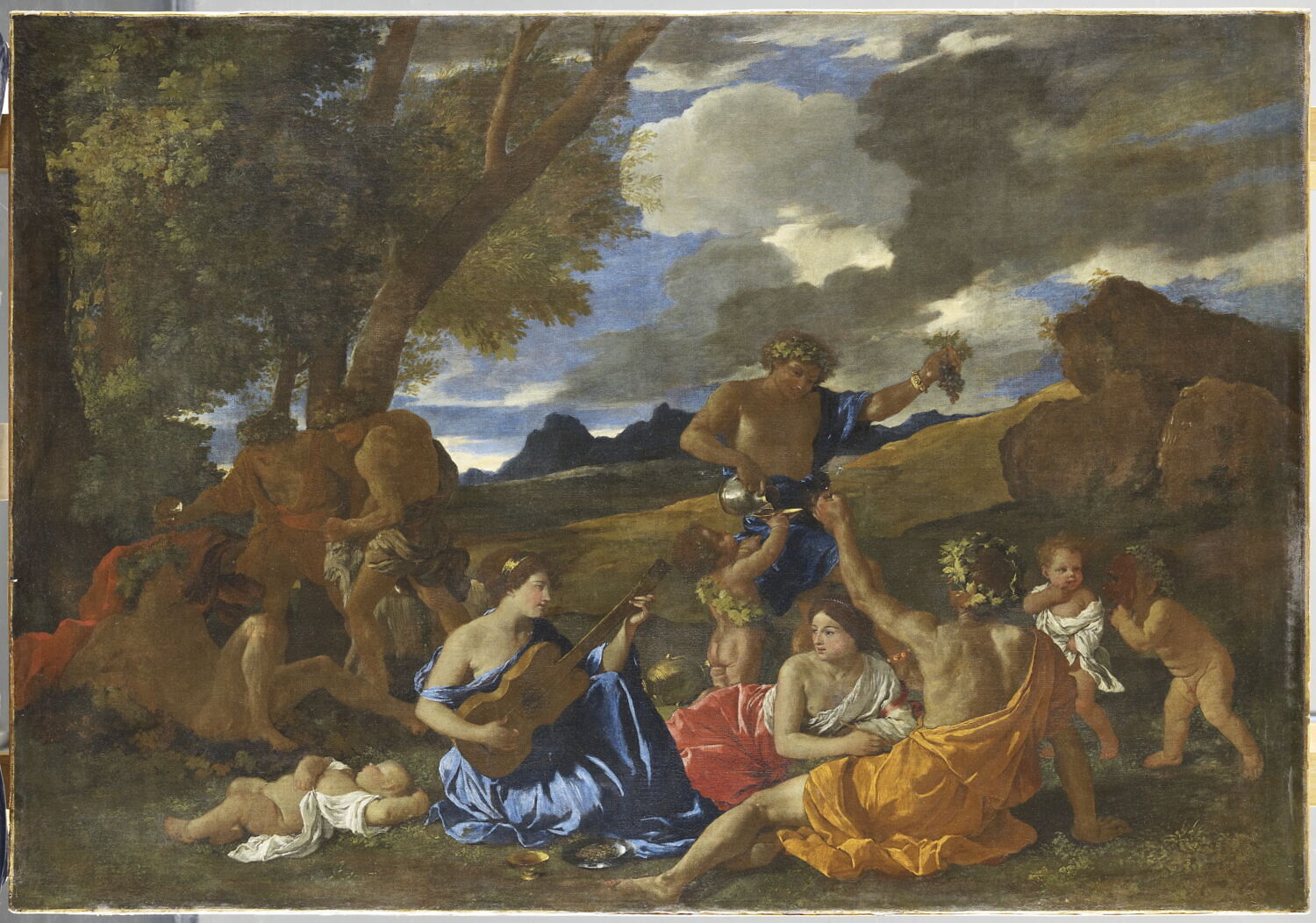
    Bacchanale à la joueuse de guitare, Poussin, Nicolas, 2e quart du XVIIe siècle (vers 1625)

    Bacchanale à la joueuse de guitare

    2e quart du XVIIe siècle (vers 1625) · ルーヴル美術館

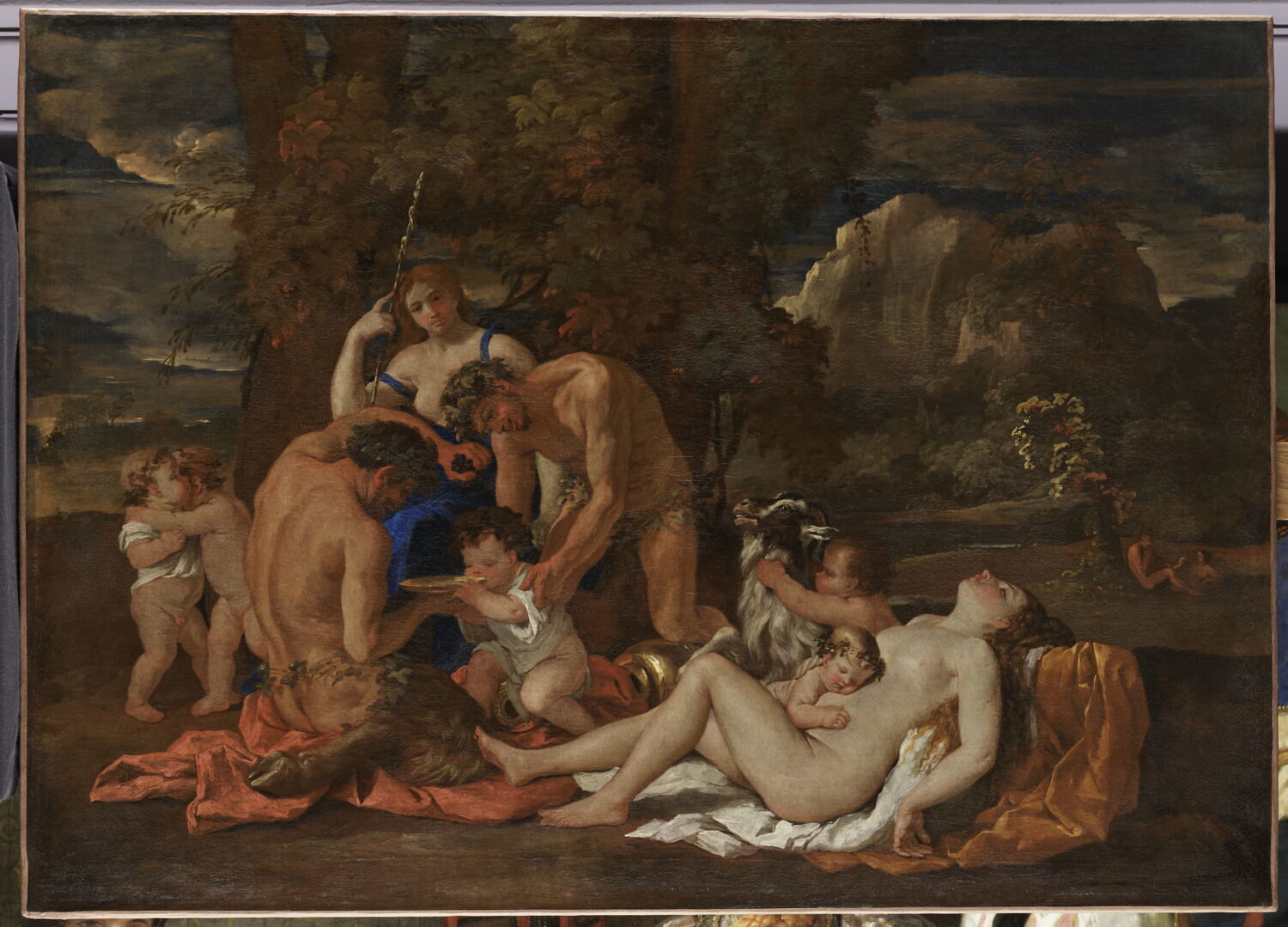
    La Nourriture de Bacchus, Poussin, Nicolas, 2e quart du XVIIe siècle (vers 1626)

    La Nourriture de Bacchus

    2e quart du XVIIe siècle (vers 1626) · ルーヴル美術館

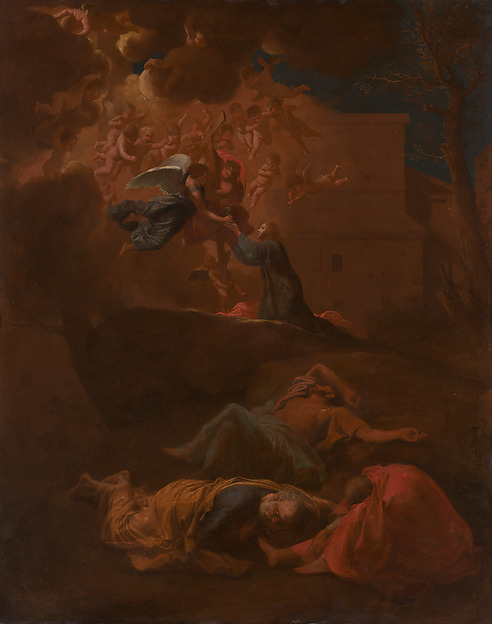
    The Agony in the Garden, Nicolas Poussin, 1626–27

    The Agony in the Garden

    1626–27 · メトロポリタン美術館

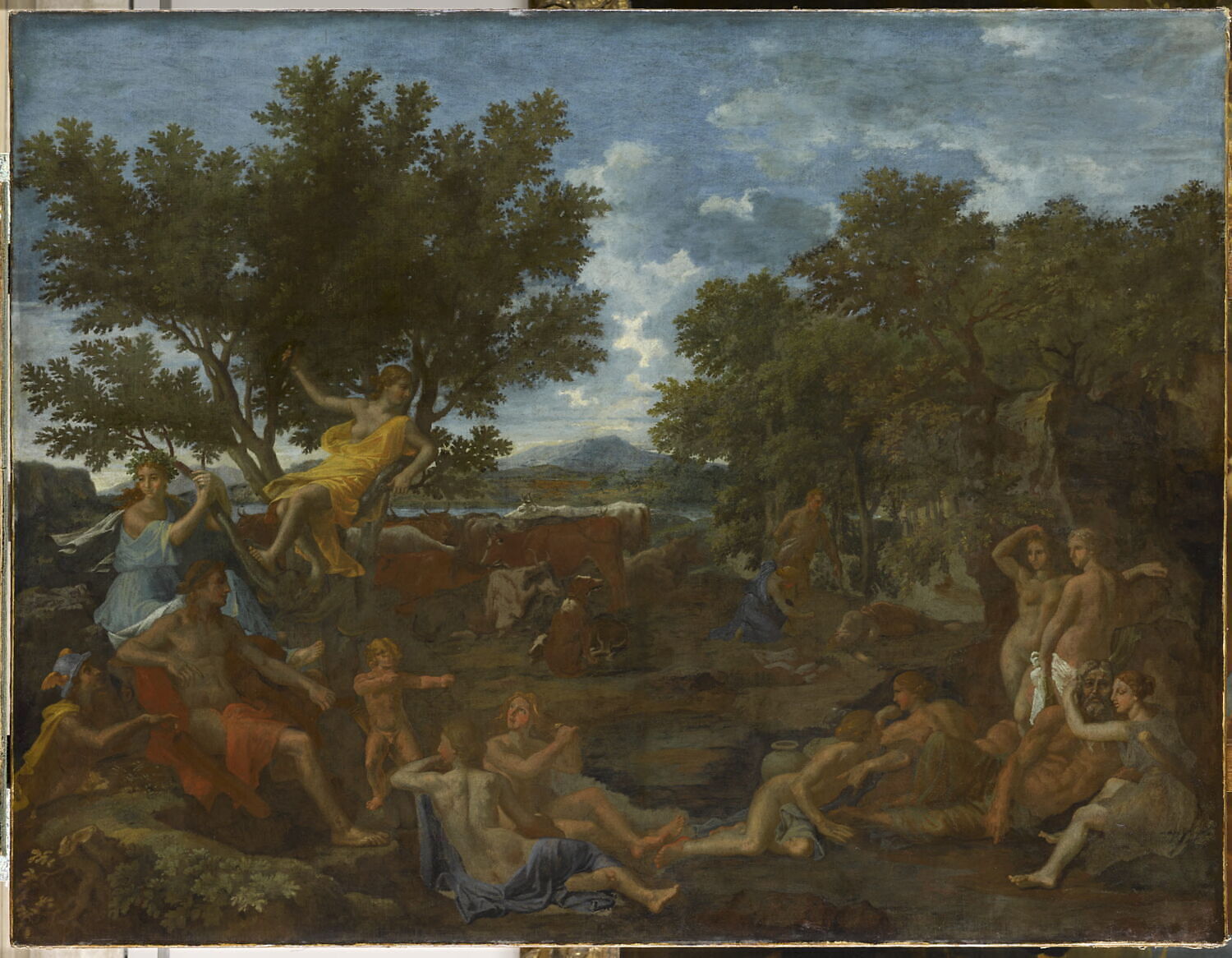
    Apollon amoureux de Daphné, Poussin, Nicolas, XVIIe siècle (vers 1663 - 1664)

    Nicolas Poussin

    Apollon amoureux de Daphné, XVIIe siècle (vers 1663 - 1664)

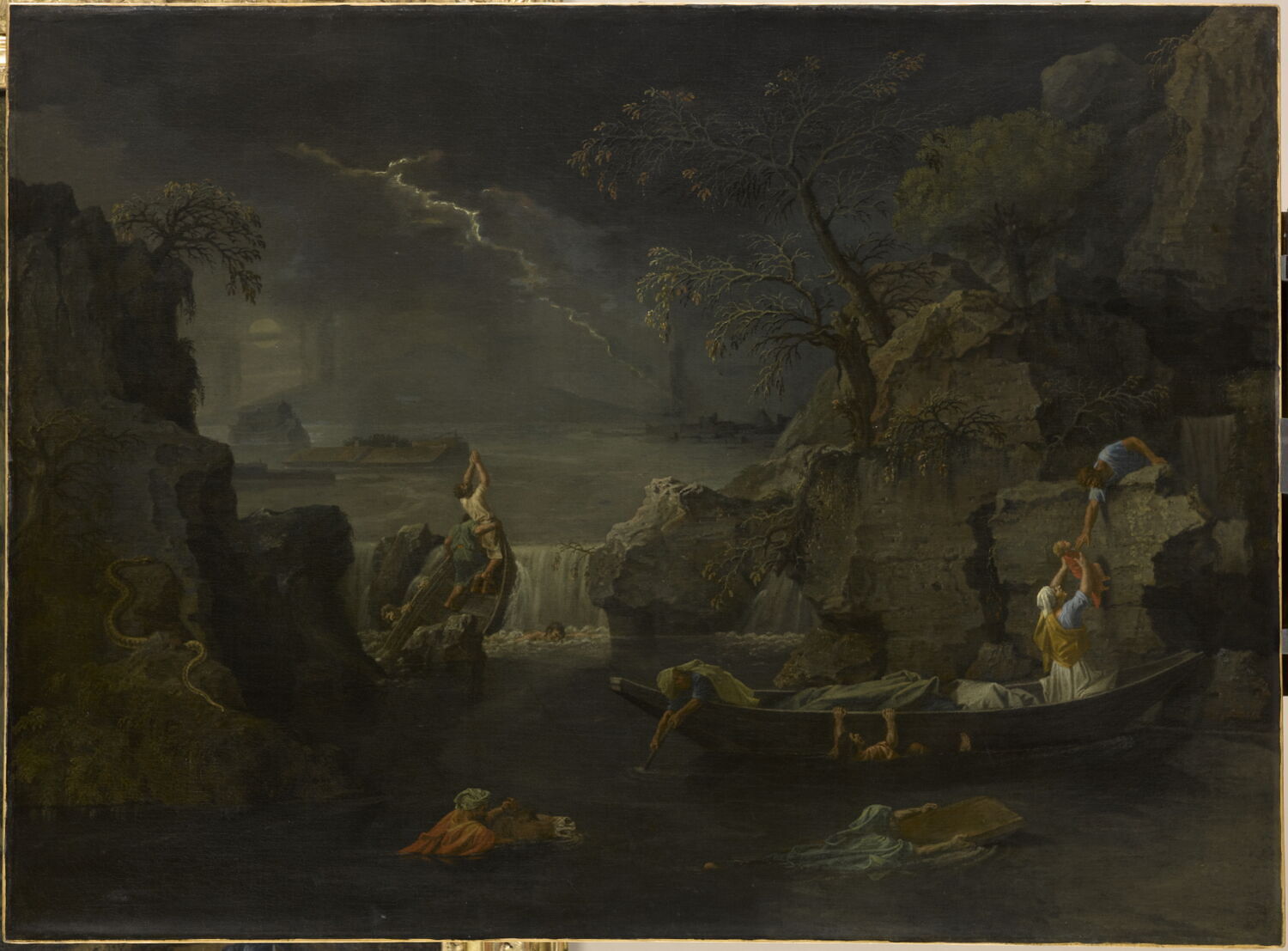
    L'Hiver, Poussin, Nicolas, 3e quart du XVIIe siècle (1660 - 1664)

    Nicolas Poussin

    L'Hiver, 3e quart du XVIIe siècle (1660 - 1664)

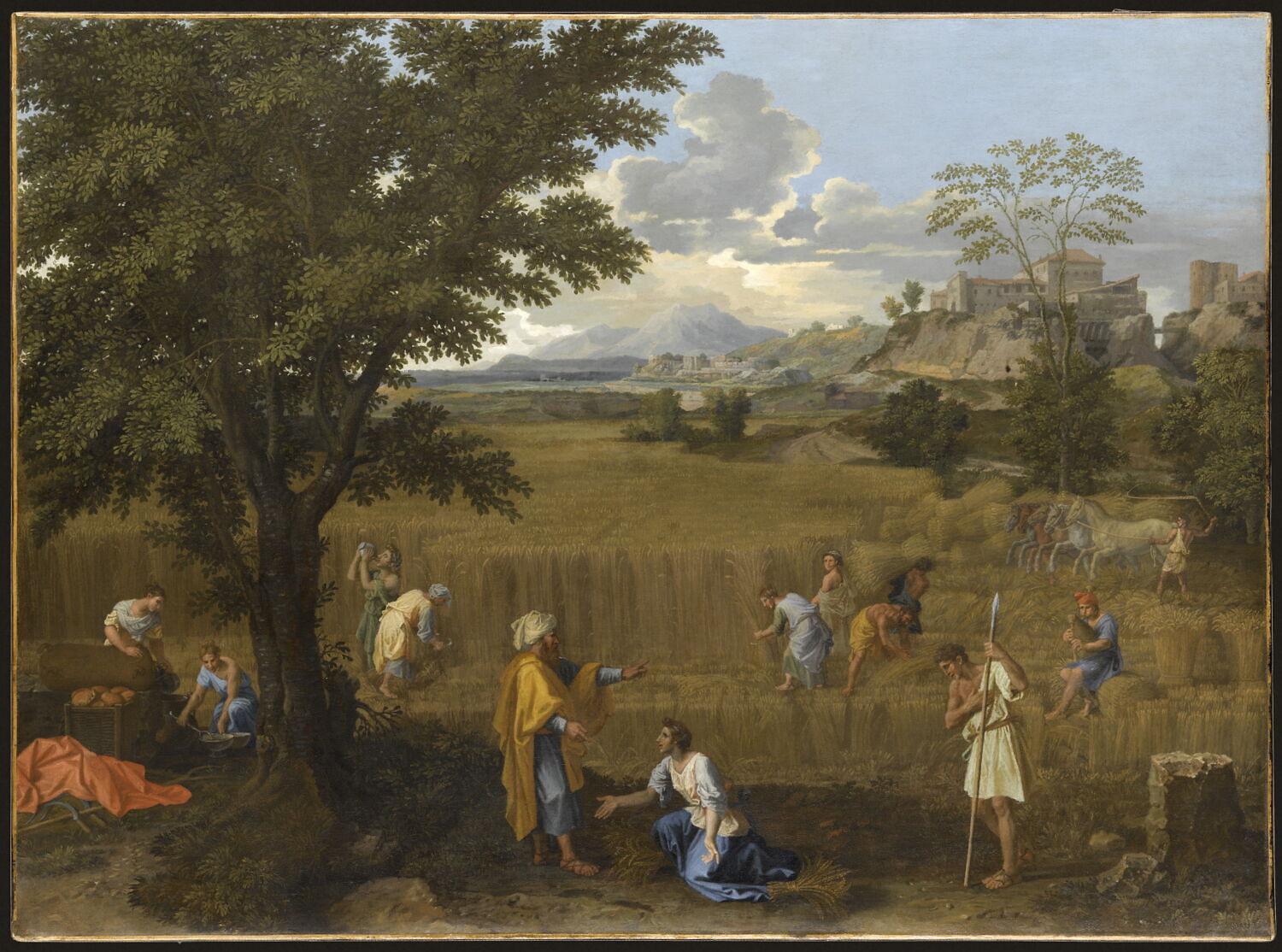
    L'Été, Poussin, Nicolas, 3e quart du XVIIe siècle (1660 - 1664)

    Nicolas Poussin

    L'Été, 3e quart du XVIIe siècle (1660 - 1664)

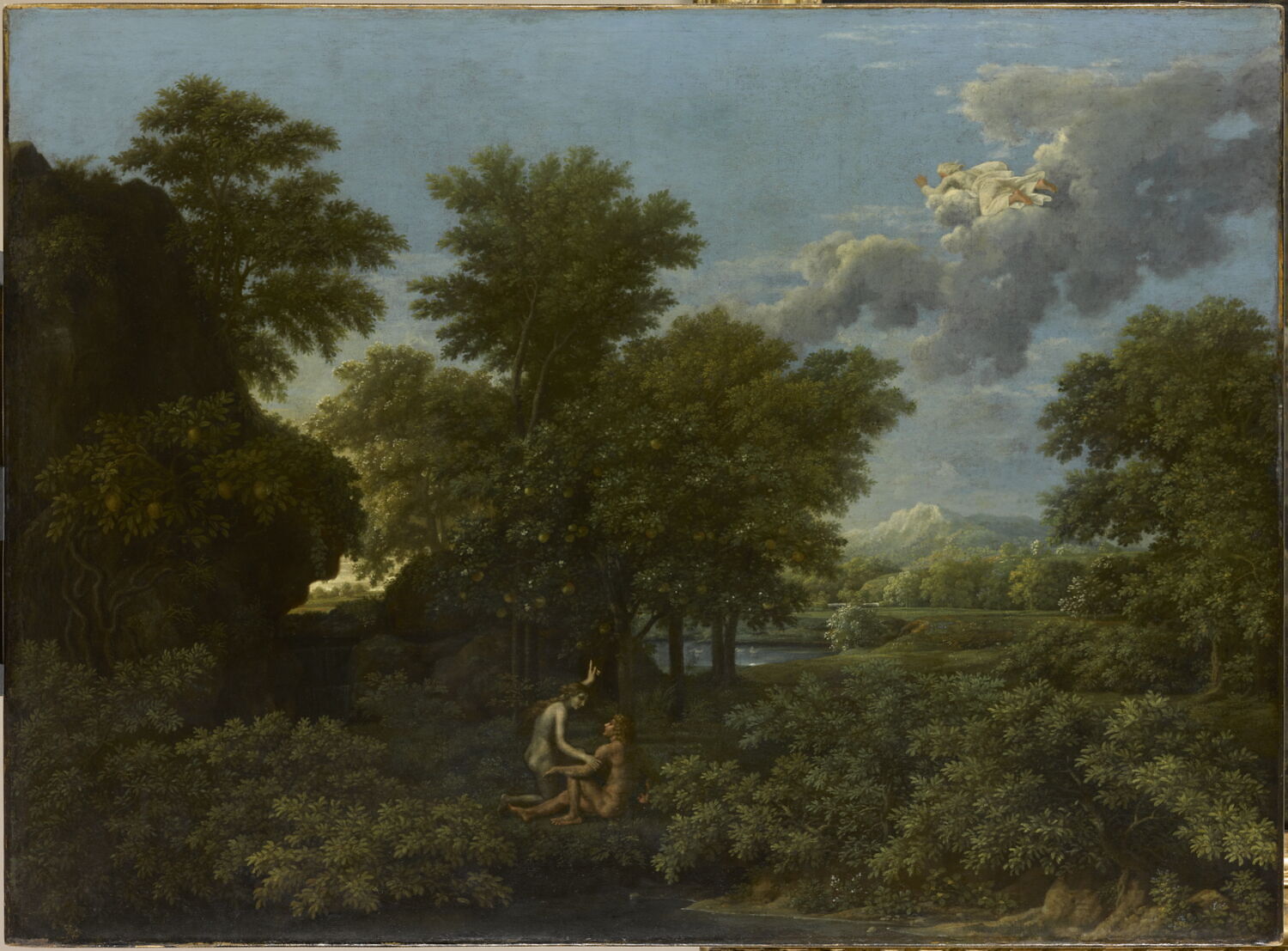
    Le Printemps, Poussin, Nicolas, 3e quart du XVIIe siècle (1660 - 1664)

    Nicolas Poussin

    Le Printemps, 3e quart du XVIIe siècle (1660 - 1664)

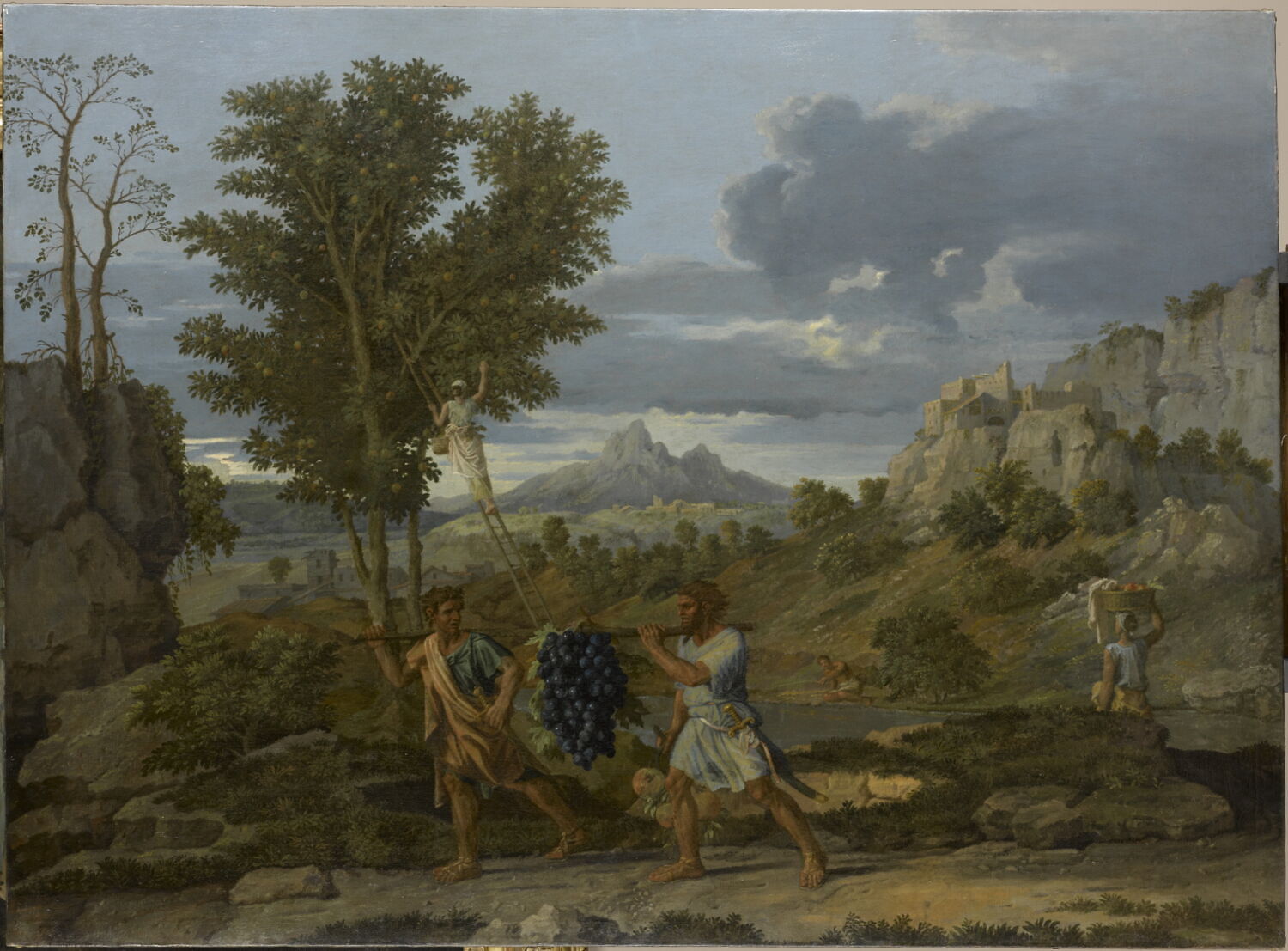
    L'Automne, Poussin, Nicolas, 3e quart du XVIIe siècle (1660 - 1664)

    Nicolas Poussin

    L'Automne, 3e quart du XVIIe siècle (1660 - 1664)

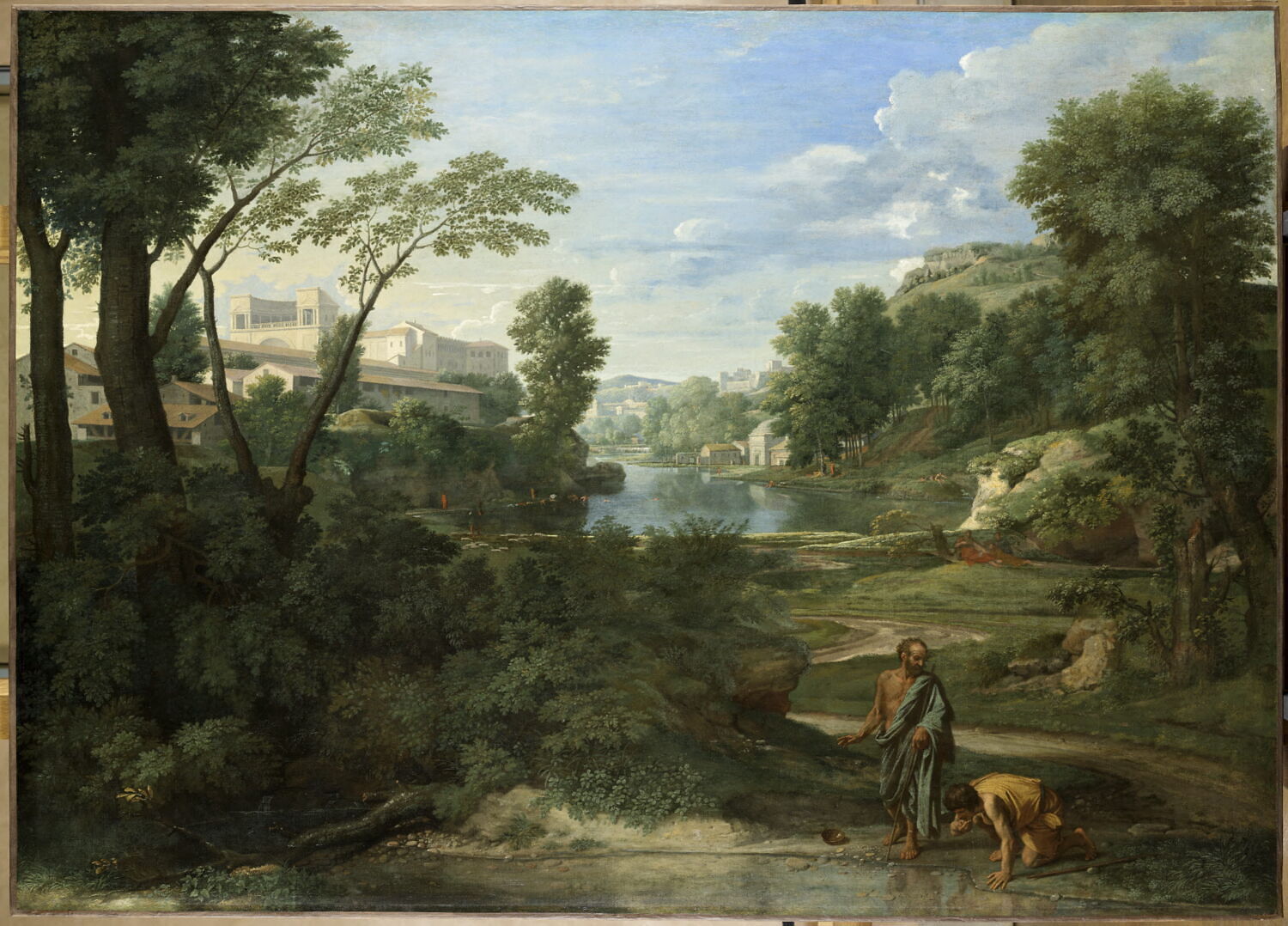
    Diogène jetant son écuelle, Poussin, Nicolas, Milieu du XVIIe siècle (vers 1654 - 1658)

    Nicolas Poussin

    Diogène jetant son écuelle, Milieu du XVIIe siècle (vers 1654 - 1658)

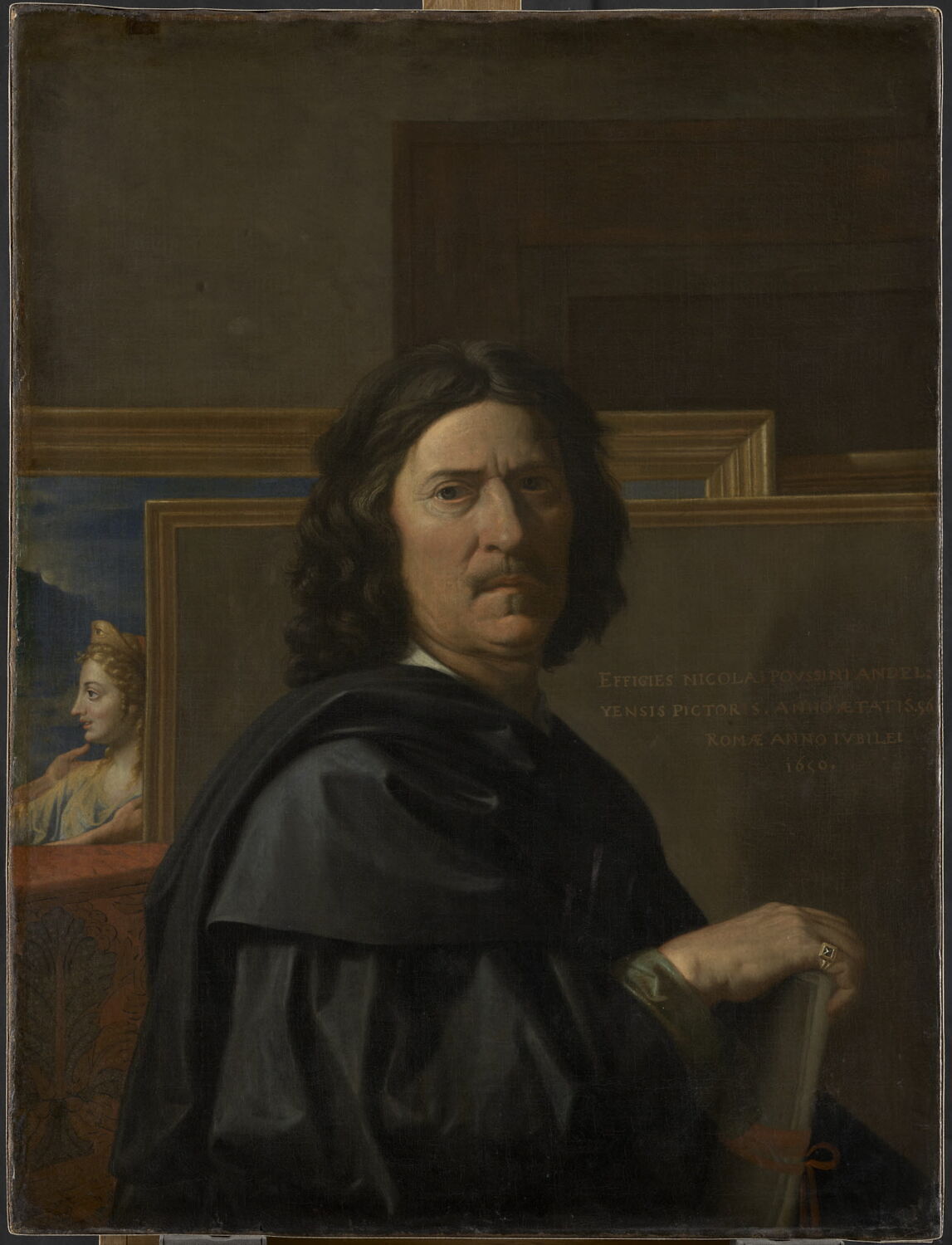
    Autoportrait, Poussin, Nicolas, 2e quart du XVIIe siècle (1650)

    Nicolas Poussin

    Autoportrait, 2e quart du XVIIe siècle (1650)

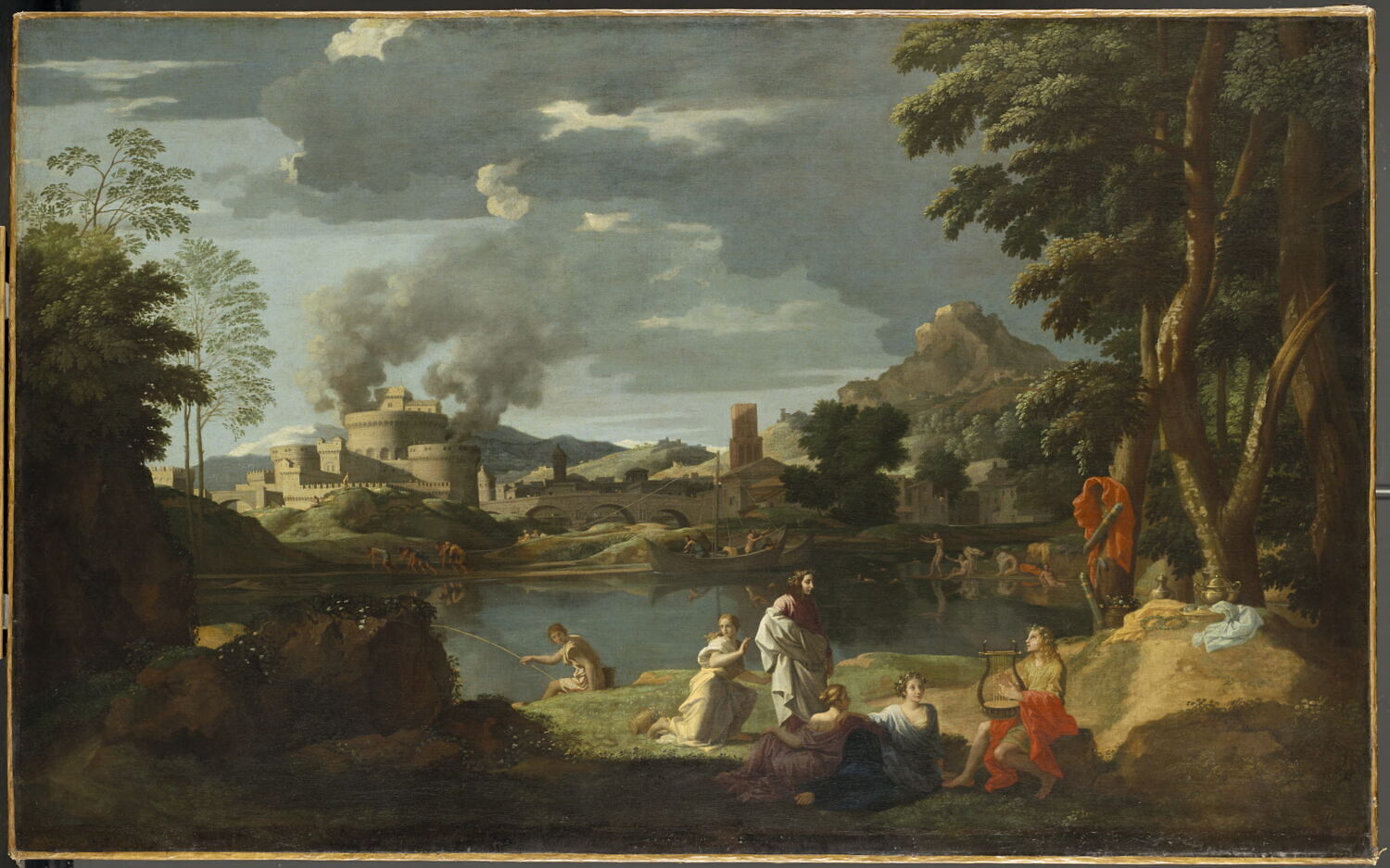
    Orphée et Eurydice, Poussin, Nicolas, 2e quart du XVIIe siècle (vers 1648)

    Nicolas Poussin

    Orphée et Eurydice, 2e quart du XVIIe siècle (vers 1648)