 Arkhip KuindzhiUcraina, 1842–1910
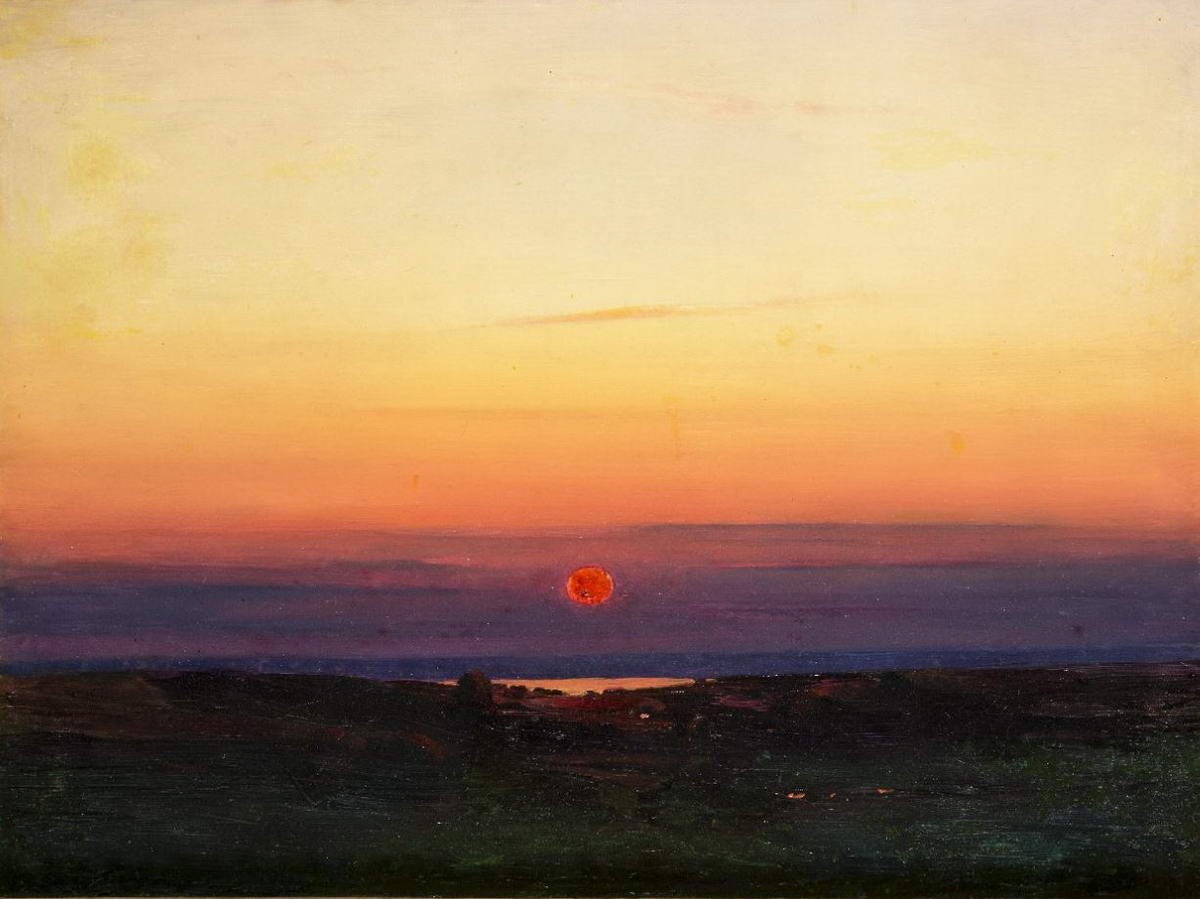
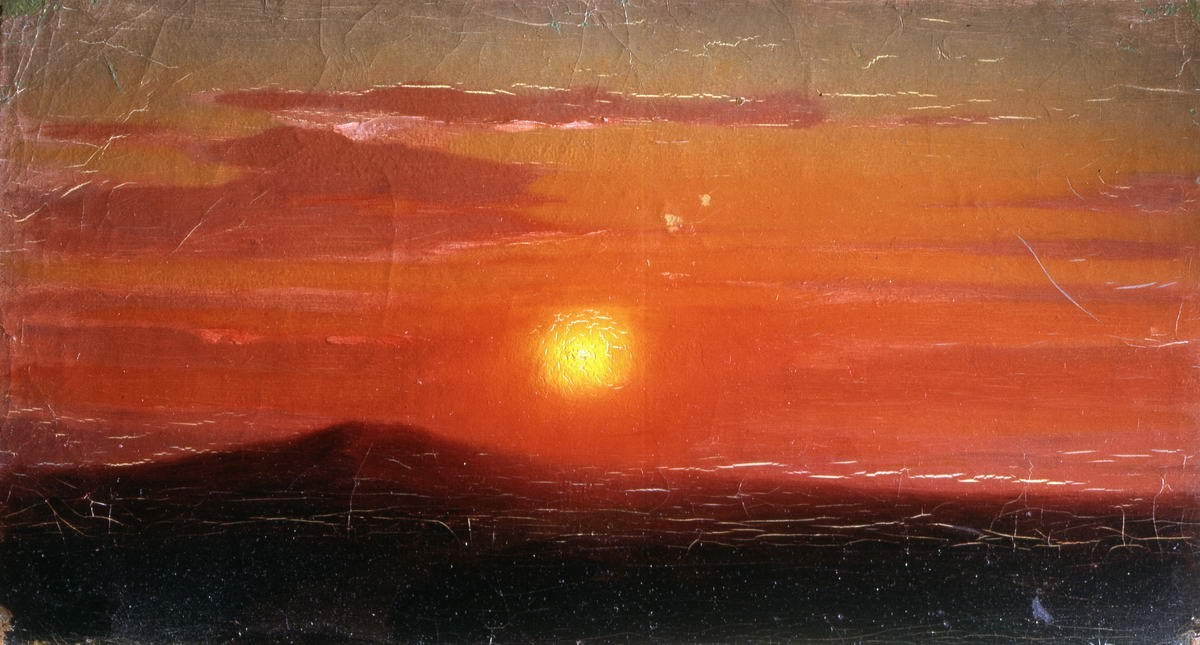
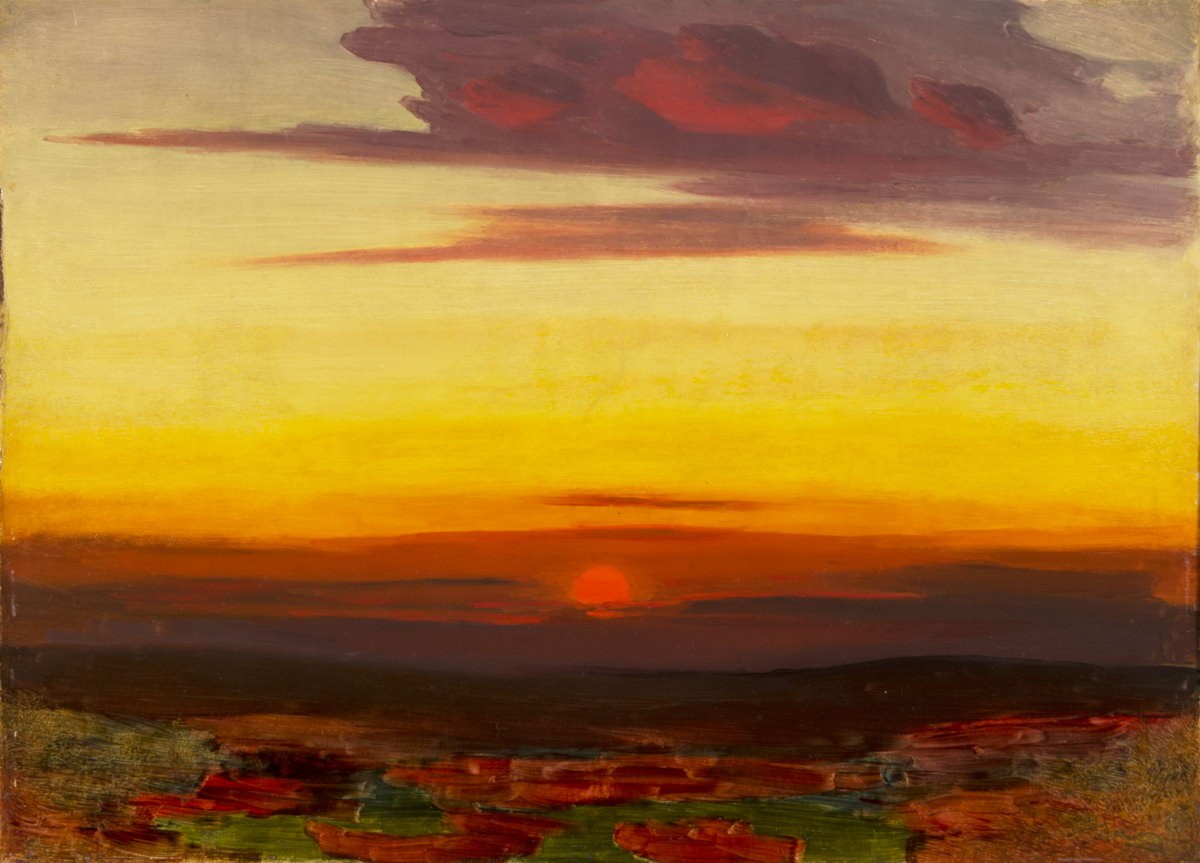
Закат
Si può vedere?
Sì, esposta ora
Dove si trova «Закат» oggi? Museo russo, Mikhaylovskiy dvorets, Zal 35. A. I. Kuindzhi, San Pietroburgo. Sì, esposta ora. Verificato 12 ottobre 2026.

Chiuso· apre domani alle 10:00
Esposta al pubblico.
- Verificato
- Ultimo cambio di stato
- Fonte
- Il museo
Sul dipinto
Con le parole del museo — in russo
Серия „Закатов“, как бы завершающая декоративные искания Куинджи, стала по своей живописной новизне в буквальном и переносном смысле одной из самых ярких страниц в его художественном наследии. В отличие от импрессионистов, художника волновала не погоня за мимолетным, а преследовала мысль о вечном. Сюита „Закатов“, поражающая небывалой в передвижническом пейзаже интенсивностью цвета, завершилась большим полотном „ Красный закат “ (1905—1908, Метрополитен-музей, Нью-Йорк). „Великий и вечный искатель новых колористических задач“, по словам А. Н. Бенуа, Куинджи стремится дать ощущение ослепительного закатного солнца. При этом он воспринимает его, прежде всего, как носителя своего рода космического огня, окрашивающего небо, землю и воду неземной, волшебной красотой. В некоторых куиндживских закатах возникает предчувствие тех красочных феерических образов, которые позднее будет создавать Н. К. Рерих с его космизмом, романтическими устремлениями и вместе с тем с реалистичностью изображения природы.
Leggi
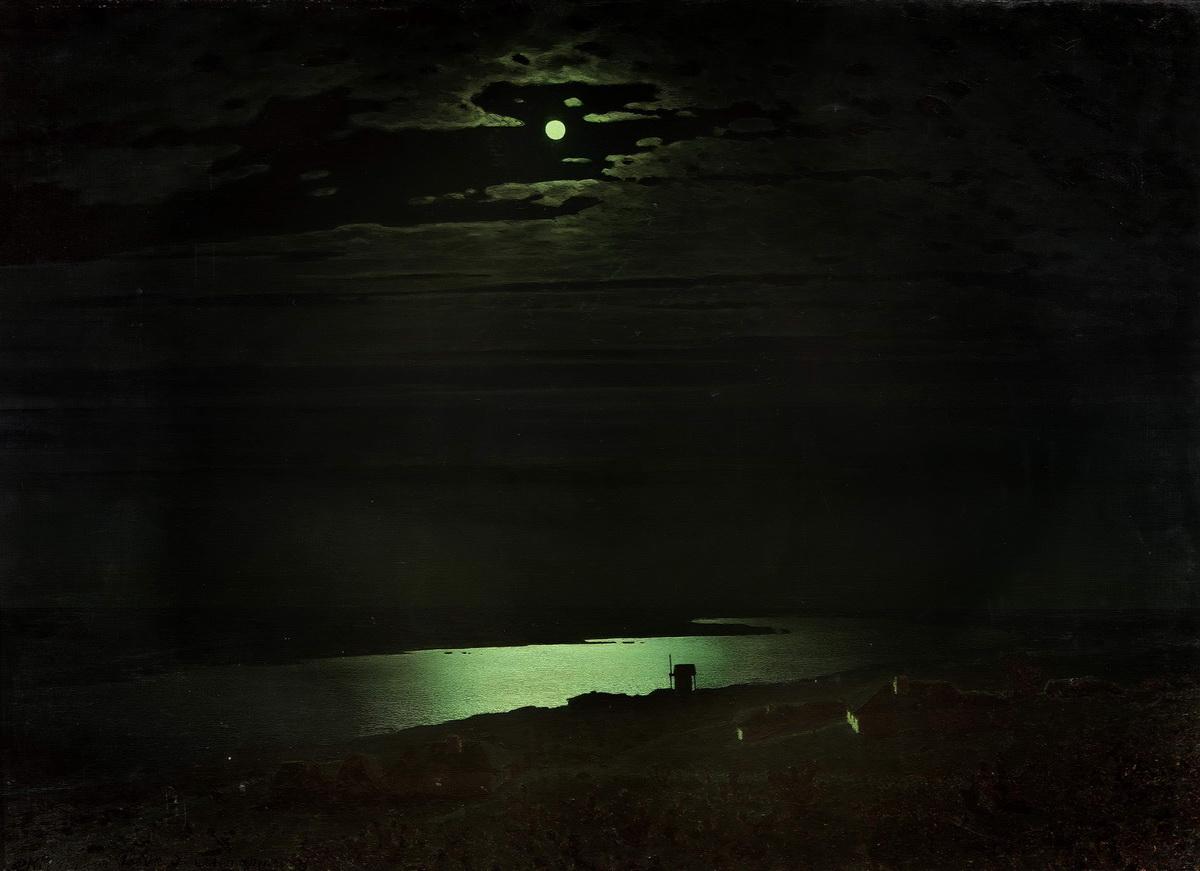
Продолжая разрабатывать необычную, начатую еще в „Вечере на Украине“ свето-цветовую систему, преображающую цветовую гамму пейзажа, Куинджи открывает на этом пути все новые возможности. При этом, стремясь приблизиться к силе цвета, существующего в природе, он ищет в закатах такие живописные отношения, в которых романтическое восприятие мира было бы одновременно и несомненной правдой, и поэтическим образом.
Ирина Шувалова. Куинджи в Русском музее // Архип Куинджи. СПб, 2010. С.24.
Museo russo
Scheda
- Numero di inventario
- Жб-462
Che cosa raffigura
In catalogo
Fonti
- Museo russo
- Immagine: Museo russo — © State Russian Museum
Nella vita di Arkhip Kuindzhi
Tutta la vita1882–1901
Twenty years of seclusion
The reasons for the seclusion are unknown; he was probably tired of the fuss and of accusations of cheap effects. The public thought he had exhausted himself, but he worked tirelessly, searching for pigments and grounds resistant to the air, and created about five hundred sketches and finished works and about three hundred graphic works.
1901
Breaks his seclusion: four paintings
In 1901 Kuindzhi showed his students, and then some friends, four paintings: the finished “Evening in Ukraine”, “Christ in the Garden of Gethsemane”, the third version of “The Birch Grove” and the already known “The Dnieper in the Morning”. The viewers were enraptured, and people talked of the artist again.
1901
The last public exhibition
In November 1901 the last public exhibition of Kuindzhi’s work took place; after it nobody saw his new paintings until his death. Witnesses explained this by his fear of sceptical visitors, but the explanation satisfied few.
1908–1909
Founds the artists’ society that bears his name
Together with Konstantin Kryzhitsky Kuindzhi took the initiative in founding in St Petersburg a society of artists to support artists; it was established in November 1908 or in 1909 and was later named after him.
summer 1910
Pneumonia in the Crimea
In summer 1910, while in the Crimea, Kuindzhi fell ill with pneumonia. With the doctors’ permission his wife took him to St Petersburg, but the illness progressed: his weak heart told.
24 luglio 1910
Died