William Henry Fox TalbotInghilterra, 1800–1877
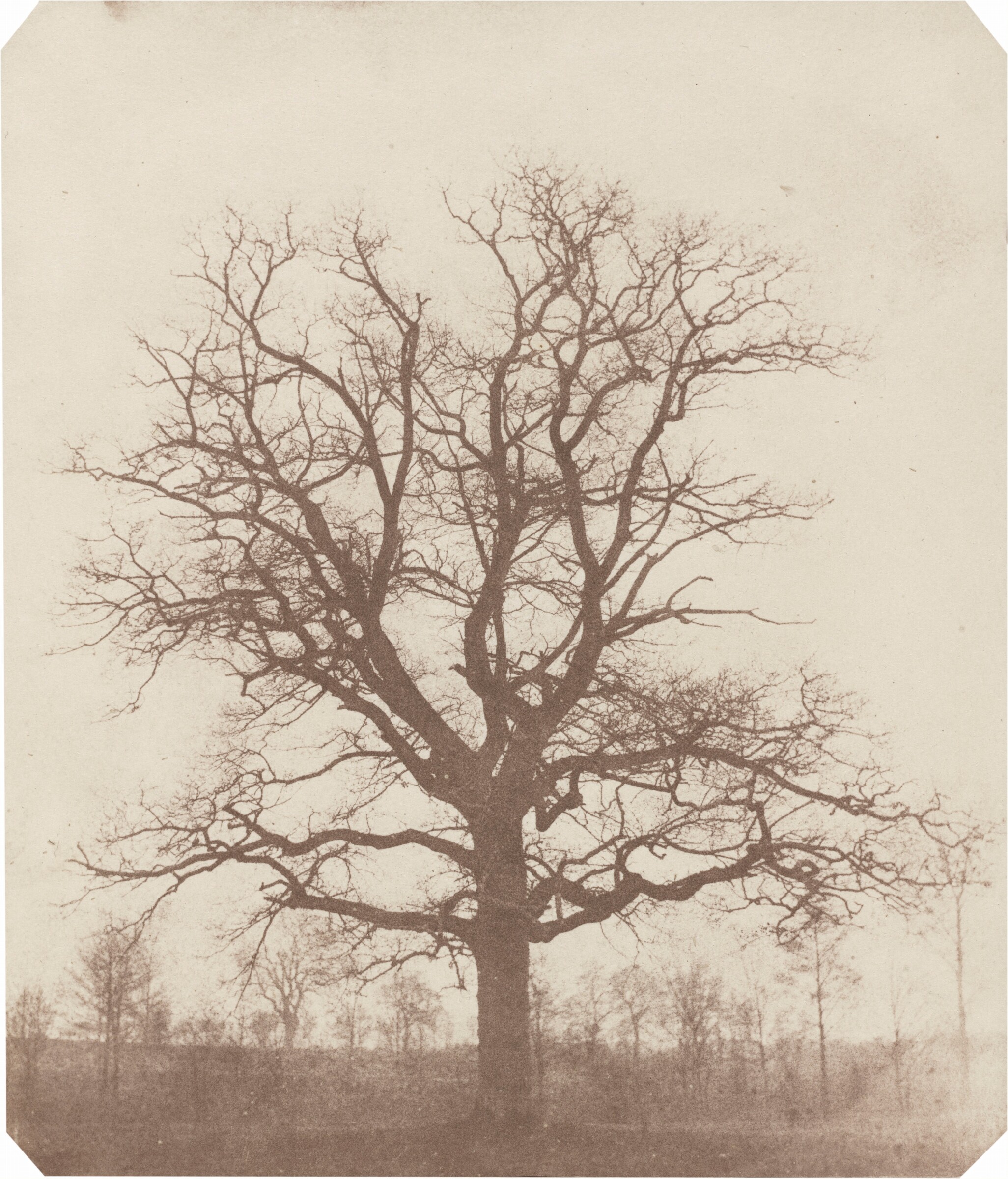
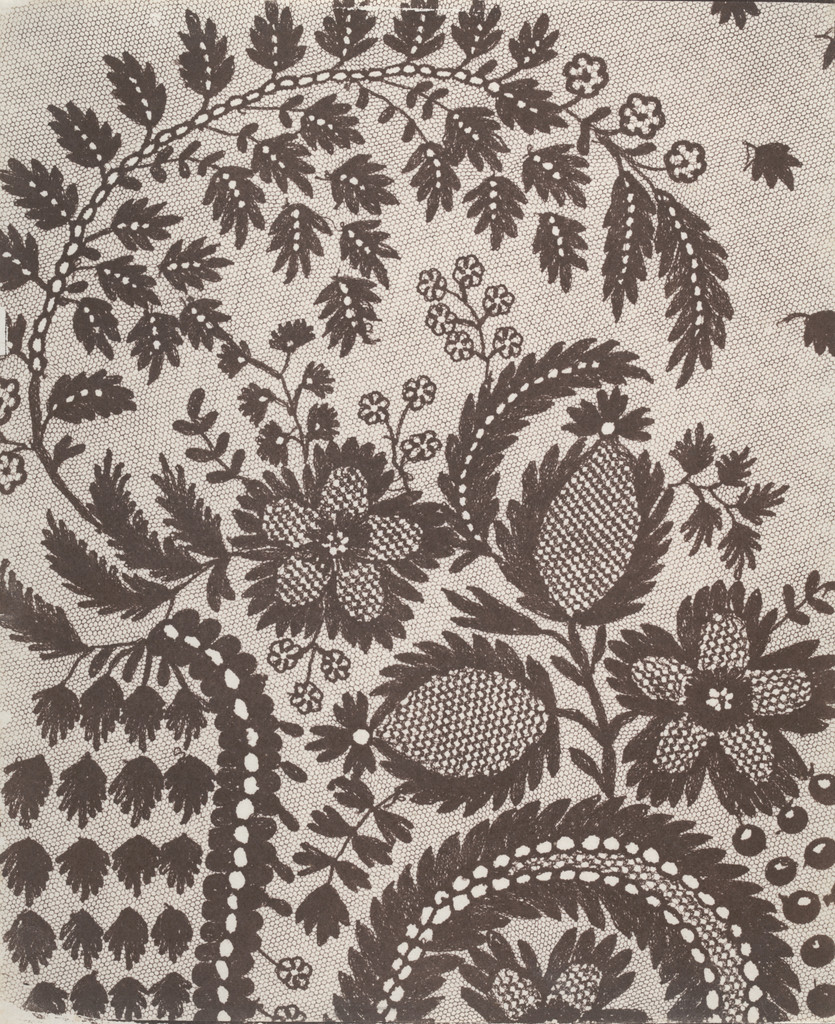
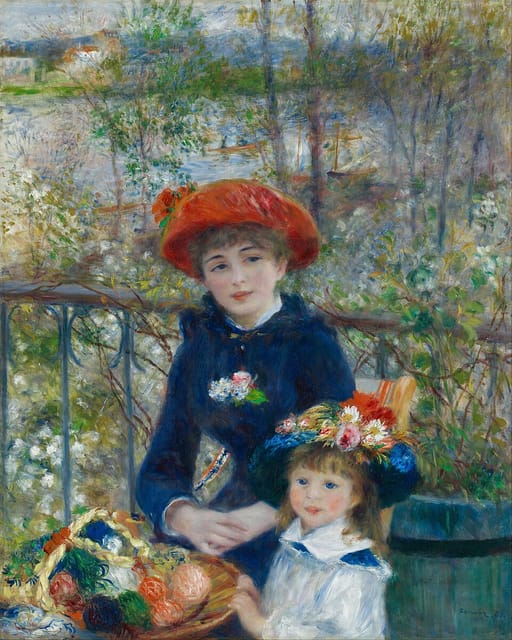
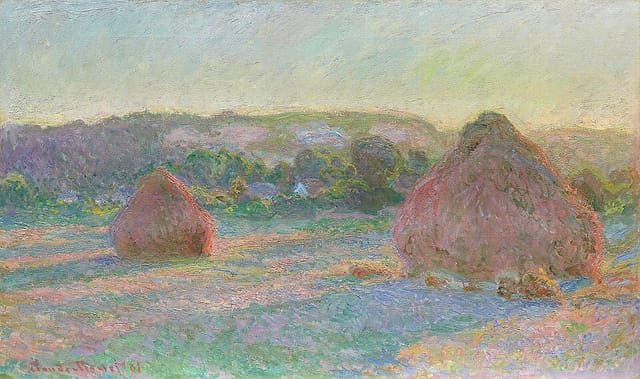
Untitled
Si può ammirare?
Al momento non riceve

Art Institute of Chicago
Chicago, Stati Uniti
Appartiene alla collezione, ma al momento non è esposta.
- Verificato
- Ultimo cambio di stato
- Fonte
- I dati di collezione del museo stesso
Scheda
- Numero di inventario
- 1960.815.19
What it shows
In catalogo
Fonti
- Art Institute of Chicago: the museum's own open data · acquisita 7 giorni fa
- Immagine: Art Institute of Chicago — CC0
Nel frattempo, nella vita di William Henry Fox Talbot
Tutta la vita1822–1872
Half a century of papers for the Royal Society
From 1822 to 1872 Talbot communicated papers to the Royal Society of London, a large share of them on mathematical subjects.
1840s
Photomechanics: the road to photogravure
In the 1840s Talbot turned to the photomechanical reproduction of pictures; this work led to photoglyphic engraving, the precursor of photogravure. Rendering a photograph in printer’s ink made editions cheaper and avoided the fading of early silver prints.
1844
The Reading Establishment for mass-producing prints
Talbot helped set up an establishment in Russell Terrace (now Baker Street), Reading, to mass-produce prints from his calotype negatives; it also printed from others’ negatives, copied artworks and documents and took portraits, but it was not a success. His closest friends and collaborators in photography were Nicolaas Henneman and Antoine Claudet.
1844–1846
“The Pencil of Nature”, the first photobook, appears
Longman, Brown, Green & Longmans issued the book in separate parts: 24 prints, each pasted in by hand and accompanied by a short text. Talbot is regarded as the author of the first photographic book; scholars see in it the design of a new canon built on biblical rhetoric.
1846
“English Etymologies” appears
Talbot, whose interests included etymology, published the book “English Etymologies”.