
 William Henry Fox TalbotInghilterra, 1800–1877
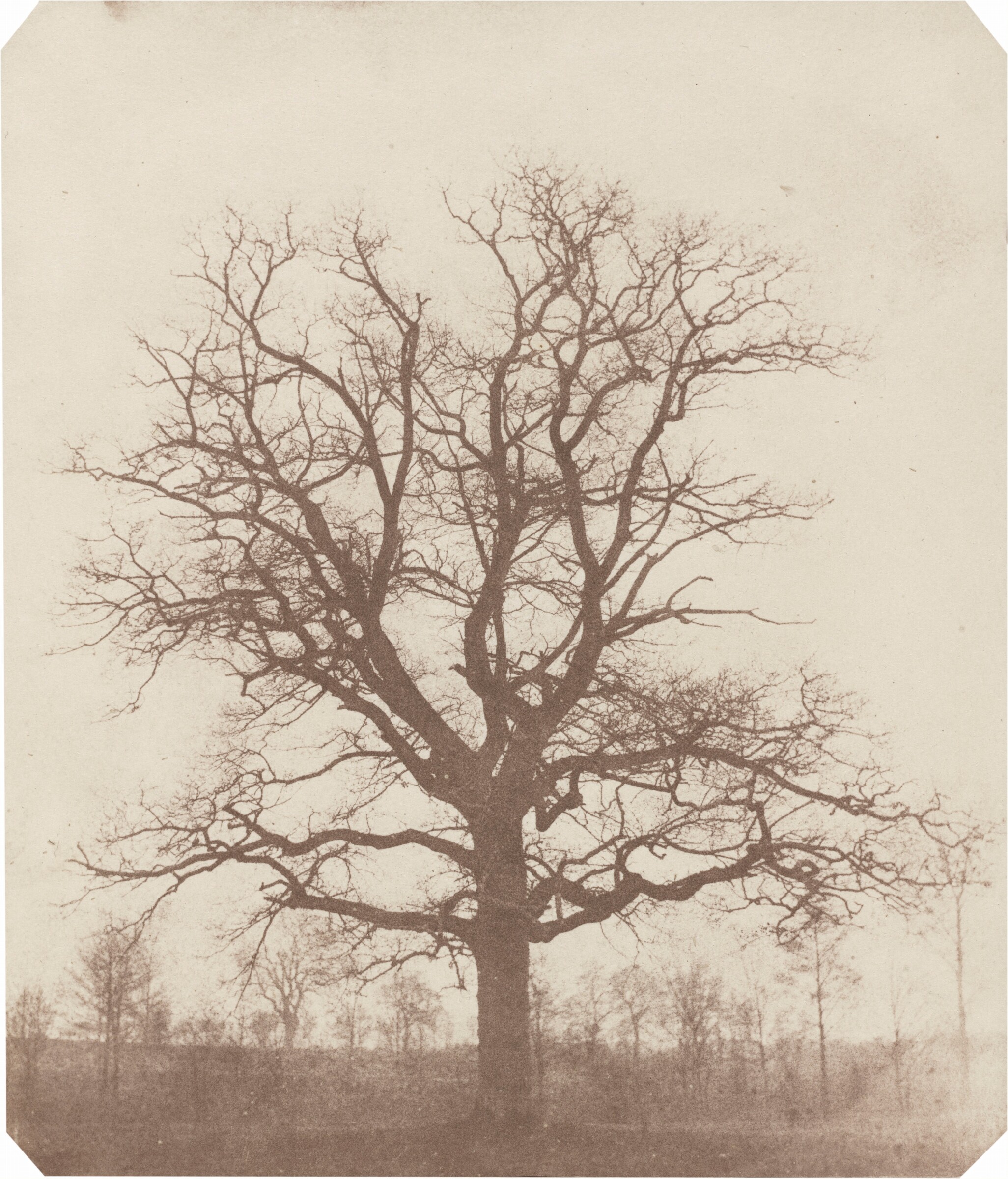
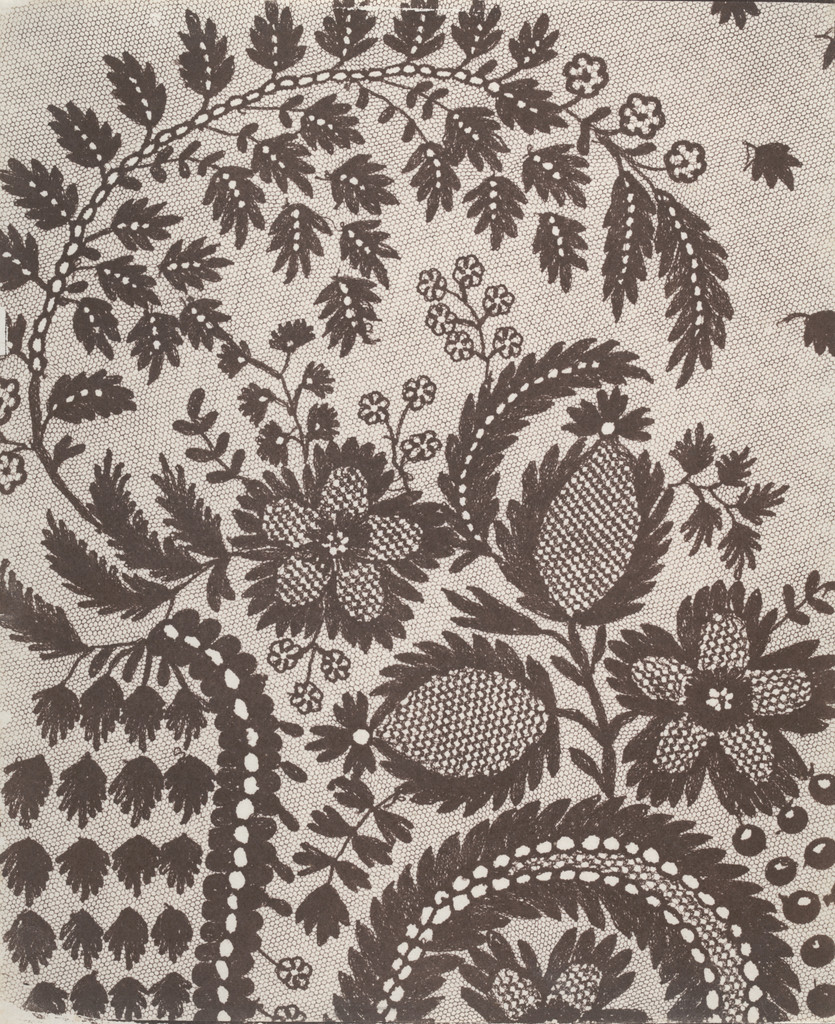
Leaf Study
Si può ammirare?
Al momento non riceve

National Gallery of Art
Washington, Stati Uniti
Appartiene alla collezione, ma al momento non è esposta.
- Verificato
- 14 ore fa
- Ultimo cambio di stato
- 19 ago 2026
- Fonte
- I dati di collezione del museo stesso
Scheda
- Numero di inventario
- 1995.35.22
What it shows
In catalogo
Fonti
- National Gallery of Art: the museum's own open data · acquisita 4 giorni fa
- Immagine: National Gallery of Art — Museum open access
Nel frattempo, nella vita di William Henry Fox Talbot
Tutta la vita1837 · Premio
Royal Society Bakerian Medal
16 marzo 1837
Daughter born: Rosamond Constance Talbot
25 January 1839
First showing of photographs at the Royal Institution
Shortly after Louis Daguerre’s daguerreotype was announced in early January, Talbot asserted his priority and, at a Friday Evening Discourse at the Royal Institution, exhibited several paper photographs he had made in 1835. Within a fortnight he described the nature of his process to the Royal Society, while Daguerre revealed no useful details of his own until mid-August.
1840
Invents the calotype
Talbot found a way to print any number of positives on salted paper from a paper negative; new chemicals cut the exposure to a minute in bright sunlight. He called the method the “calotype” (from kalos, beautiful), informally the “talbotype”: unlike the daguerreotype with its single positive, it effectively created modern photography.
1840–1841
Post: High Sheriff of Wiltshire
February 1841
Patents the calotype
Talbot obtained an English patent for the calotype process and sold licences at £20 each, later lowering the fee for amateurs to £4 while professionals paid up to £300 a year; scientists saw it as a hindrance to scientific freedom. He justified his rigour by the roughly £5,000 he had spent on photography; for science the method was free, and Talbot himself published the first known photomicrograph of a mineral crystal.


![Scenes from the Passion of Christ: The Descent into Limbo [right panel], Andrea Vanni, 1380s](https://api.nga.gov/iiif/4205a539-eadd-4486-89a7-3cff9c1ba428/full/!2400,2400/0/default.jpg)


