ART WIKI32.963 in sala
MappaCollezioneArtistiMuseiMostreRivista
Accedi

ART WIKI

Dove è appeso il capolavoro, e quando si può entrare.

Collezioni: Art Institute of Chicago, Cleveland Museum of Art, Ermitage, Galleria Tret'jakov, Getty Museum, Harvard Art Museums, Hirshhorn Museum and Sculpture Garden, Metropolitan Museum of Art, Minneapolis Institute of Art, Museo del Louvre, Museo Puškin delle belle arti, Museo russo, Museum of Modern Art, National Gallery of Art, National Museum of Asian Art, National Portrait Gallery, Rijksmuseum, Smithsonian American Art Museum, Statens Museum for Kunst, Victoria and Albert Museum, Villa Getty, Whitney Museum of American Art, Catalogo statale del fondo museale russo (274 musei), Europeana (19 musei), Wikidata (6 musei), Paris Musées (12 musei) e Joconde, la banca dati dei musei del Ministero della Cultura francese (495 musei). Le immagini appartengono ai titolari dei diritti.

Sezioni

  • Mappa
  • Ricerca
  • Collezione
  • Capolavori
  • Esposte ora
  • Artisti

Altro

  • Musei e gallerie
  • Mostre
  • Rivista
  • Da dove vengono i dati
  • Privacy e cookie
HomeMappaCatalogo
  1. Collezione/
  2. Art Institute of Chicago/
  3. Two Boxers Facing Left
Two Boxers Facing Left, Jean Louis André Théodore Géricault, 1818
Théodore Géricault, ritrattoThéodore GéricaultFrancia, 1791–1824

Two Boxers Facing Left

1818 · Drawing and Watercolor

Si può ammirare?

Al momento non riceve

Art Institute of Chicago

Chicago, Stati Uniti

Appartiene alla collezione, ma al momento non è esposta.

Verificato
3 giorni fa
Ultimo cambio di stato
19 ago 2026
Fonte
Il museo
Sulla mappaPagina del museo

Scheda

1818 · a 27 anni
17911824
Numero di inventario
1947.35.10

In catalogo

Disegni e acquerelliGrafiteNeoclassicismoRomanticismoXIX secoloFrancia

Fonti

  • Art Institute of Chicago
  • Immagine: Art Institute of Chicago — CC0

Nel frattempo, nella vita di Théodore Géricault

Tutta la vita
  1. 1816

    An affair with his uncle's wife: another reason to leave

    At that time Géricault began a love affair with his uncle's wife, Alexandrine-Modeste Caruel, and feared its discovery; it was another, personal reason for his departure for Italy.

  2. 1816–1817

    Naples and Rome: the shock of Michelangelo

    Géricault visited Naples, drawing the landscapes and people, but spent most of his time in Rome. The frescoes of the Sistine Chapel shook him: Michelangelo's monumentality of form inspired his pen drawings, such as “Man Felling a Bull”, among the most interesting made in Rome.

  3. autumn 1817

    The book on the wreck of the Méduse reaches Géricault

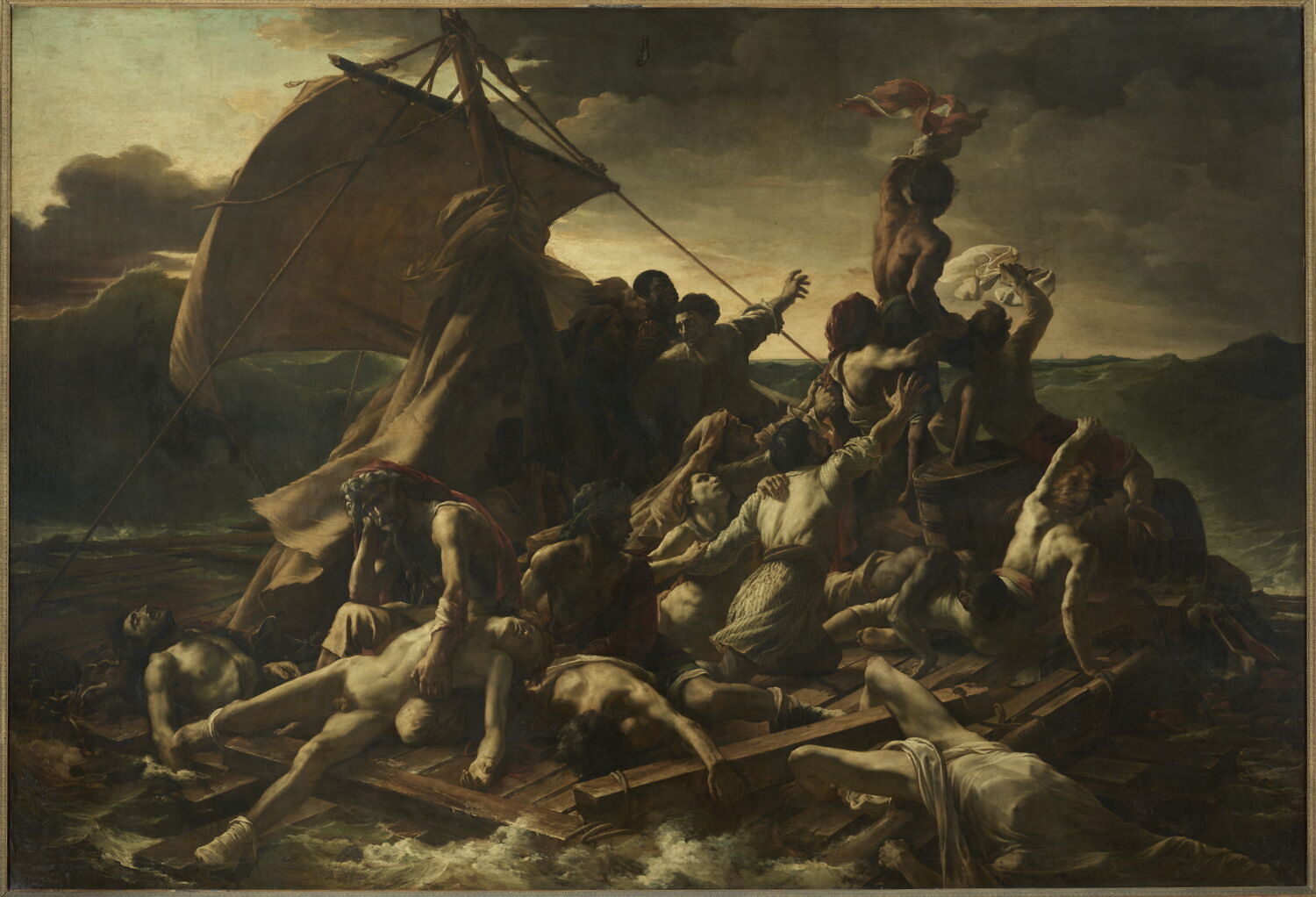
    In the autumn of 1817 the book “The Wreck of the Frigate Medusa” appeared, in which the eyewitnesses, the geographer-engineer Alexandre Corréard and the physician Henri Savigny, described the thirteen-day drift of the raft after the ship ran aground off the coast of Mauritania. The book reached Géricault, who saw in it the subject for the large painting he had long dreamed of.

  4. 1817–1818

    Investigating the disaster: survivors, a model raft, morgues

    Géricault re-created the event by studying the available materials and meeting witnesses: he got to know Corréard and Savigny, a carpenter from the Méduse made a scale model of the raft for him, and the artist modelled wax figures himself. He visited hospital morgues, drawing dead heads, emaciated bodies and severed limbs, and the preparation ended with a trip to Le Havre, where he painted studies of sea and sky.

  5. 1819

    “The Raft of the Medusa” sparks a political controversy at the Salon

    When first exhibited at the Paris Salon of 1819, “The Raft of the Medusa” ignited political controversy: it indicted a corrupt establishment, in which the captain had left the crew and passengers to die, but also dramatized the eternal struggle of man against nature.

  6. 12 June – 30 December 1820

    London: 50,000 visitors and 20,000 francs

    The entrepreneur Bullock exhibited “The Raft of the Medusa” in London from 12 June to 30 December 1820; about 50,000 people saw it, critics called it a masterpiece, and its author was compared to Michelangelo and Caravaggio. Géricault was entitled to a third of the ticket receipts and received 20,000 francs.
Altre opere di Théodore Géricault

Tutte le opere
Le radeau de la Méduse, Géricault, Théodore, 1e quart du XIXe siècle (1818 - 1819)

La zattera della Medusa

1e quart du XIXe siècle (1818 - 1819) · Museo del Louvre

Flayed Horse III, Théodore Gericault, model c. 1820/1824, cast 1959-1960

Flayed Horse III

model c. 1820/1824, cast 1959-1960 · National Gallery of Art

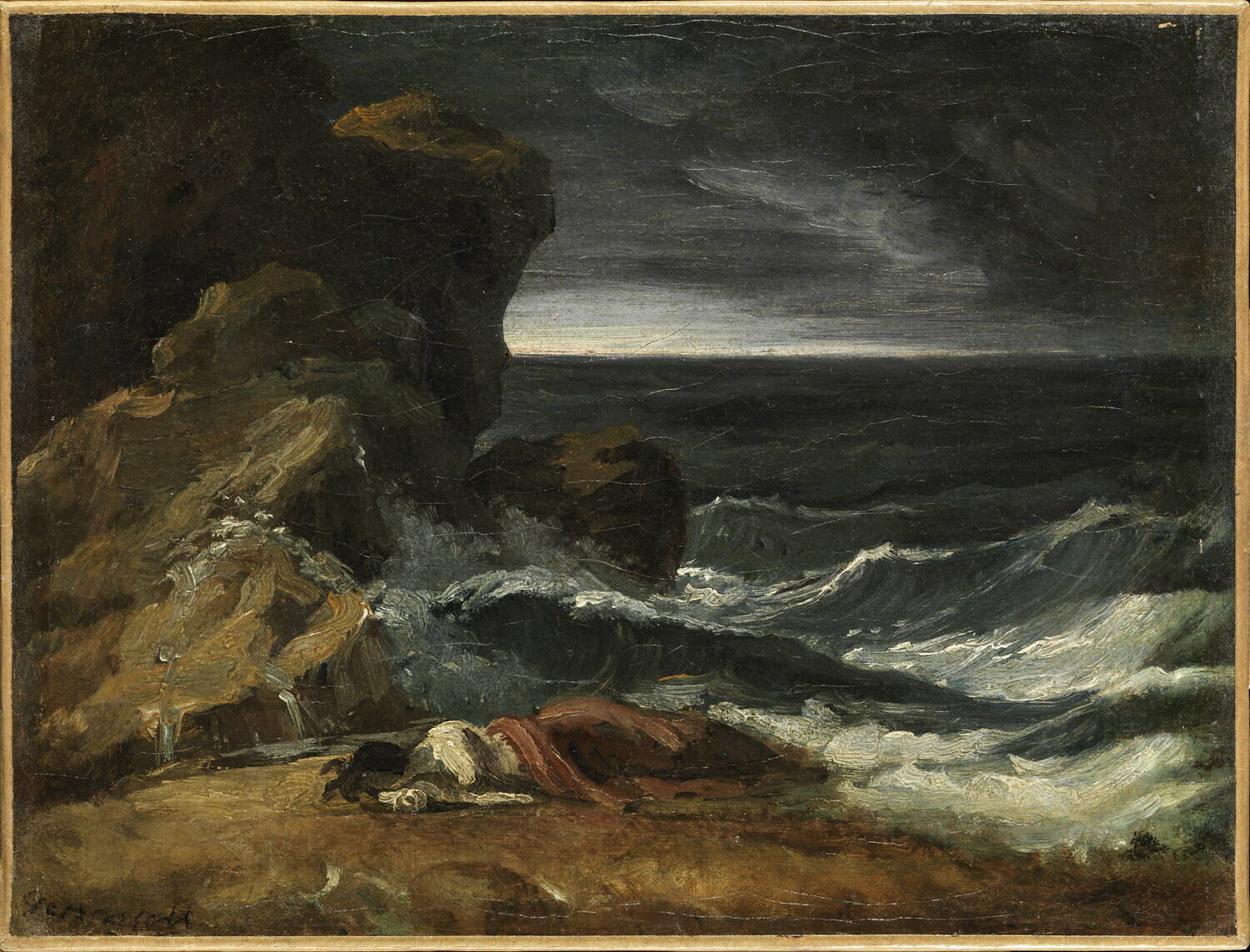
La tempête ou L'épave, Géricault, Théodore, 1e quart du XIXe siècle (1800 - 1825)

La tempête ou L'épave

1e quart du XIXe siècle (1800 - 1825) · Museo del Louvre

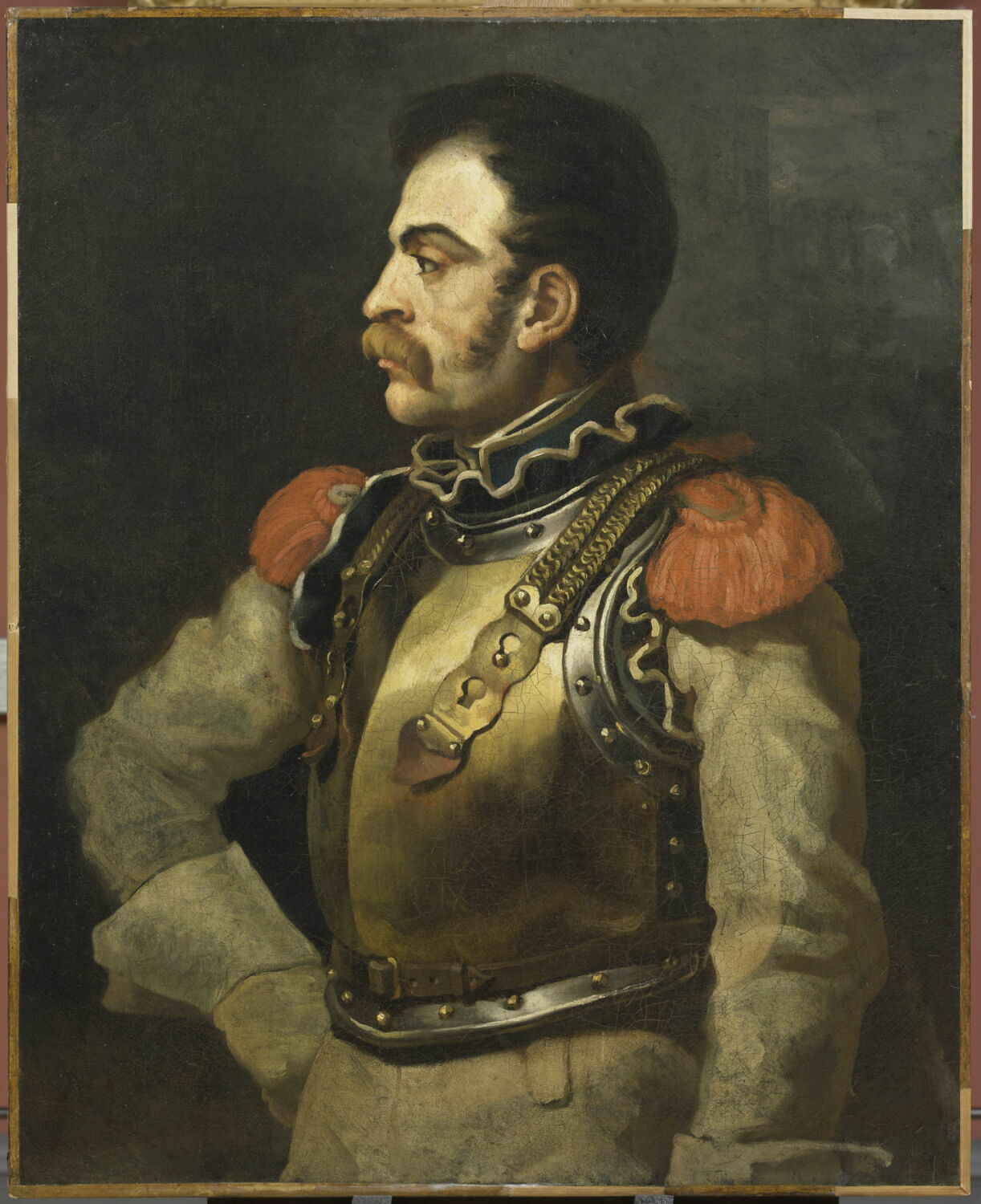
Un carabinier, vu à mi-corps., Géricault, Théodore, 1e quart du XIXe siècle (1800 - 1825)

Un carabinier, vu à mi-corps.

1e quart du XIXe siècle (1800 - 1825) · Museo del Louvre

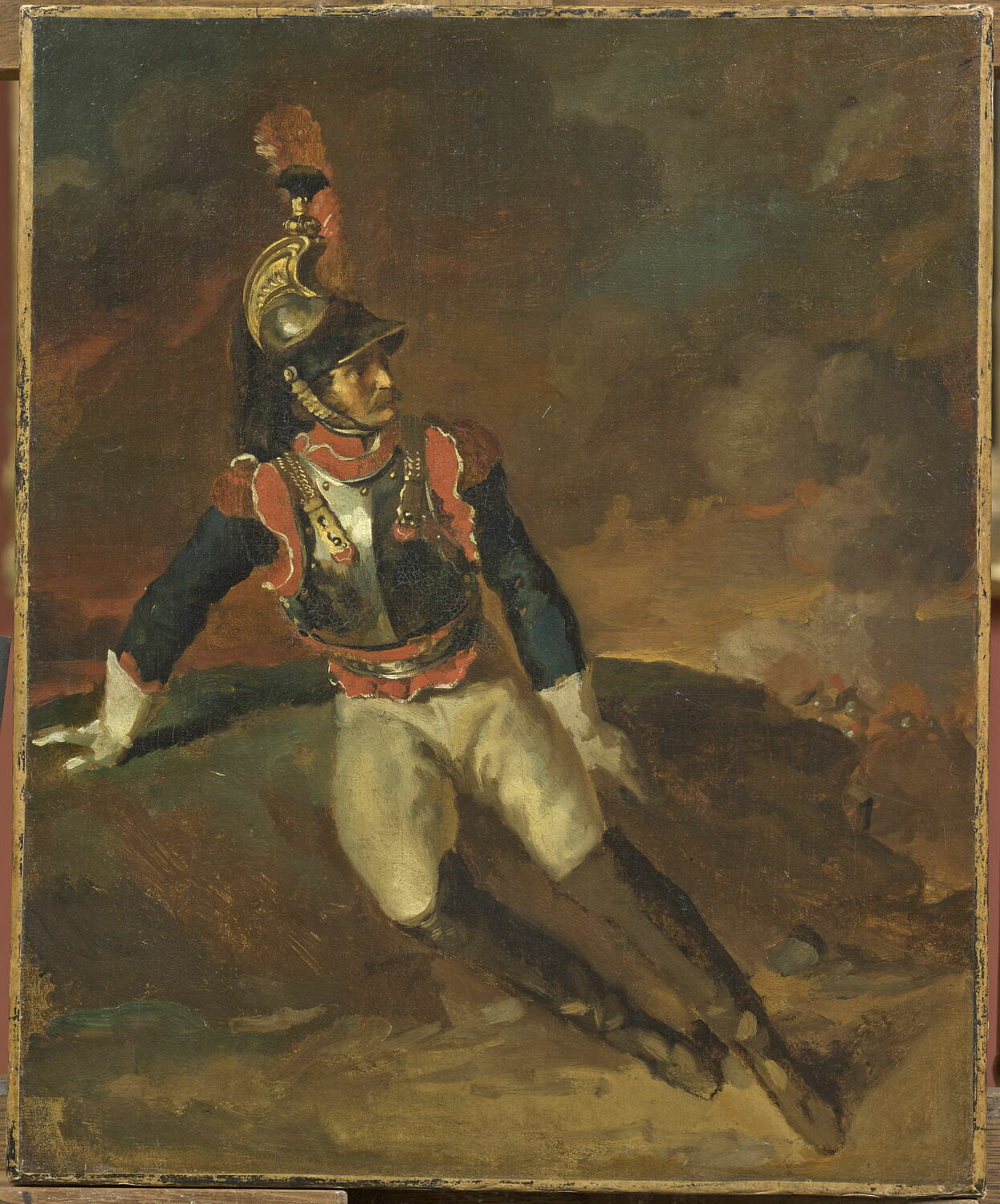
Cuirassier blessé, Géricault, Théodore, 1e quart du XIXe siècle (1800 - 1825)

Cuirassier blessé

1e quart du XIXe siècle (1800 - 1825) · Museo del Louvre

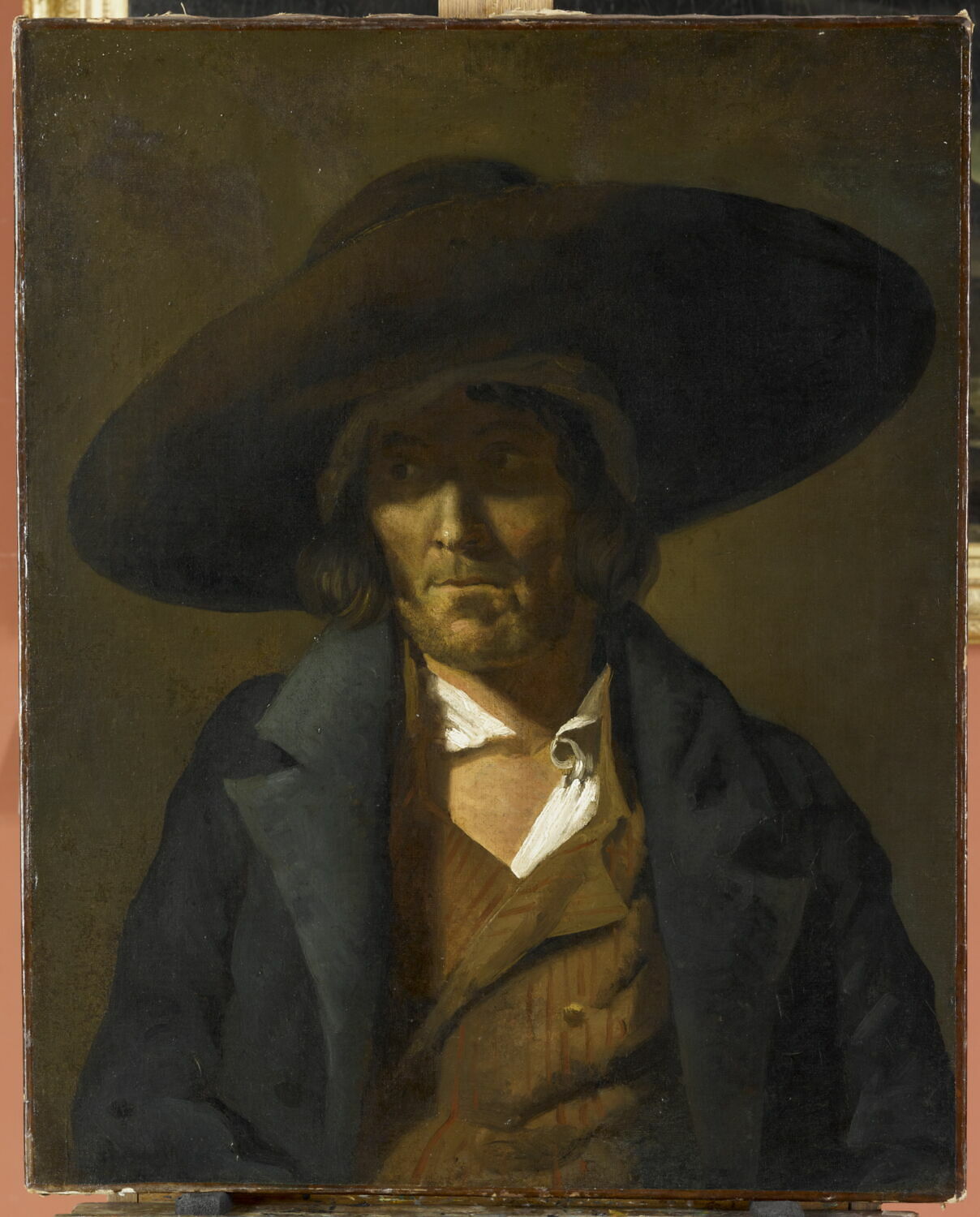
Portrait d'homme, dit le Vendéen, Géricault, Théodore, 1e quart du XIXe siècle (1800 - 1825)

Portrait d'homme, dit le Vendéen

1e quart du XIXe siècle (1800 - 1825) · Museo del Louvre

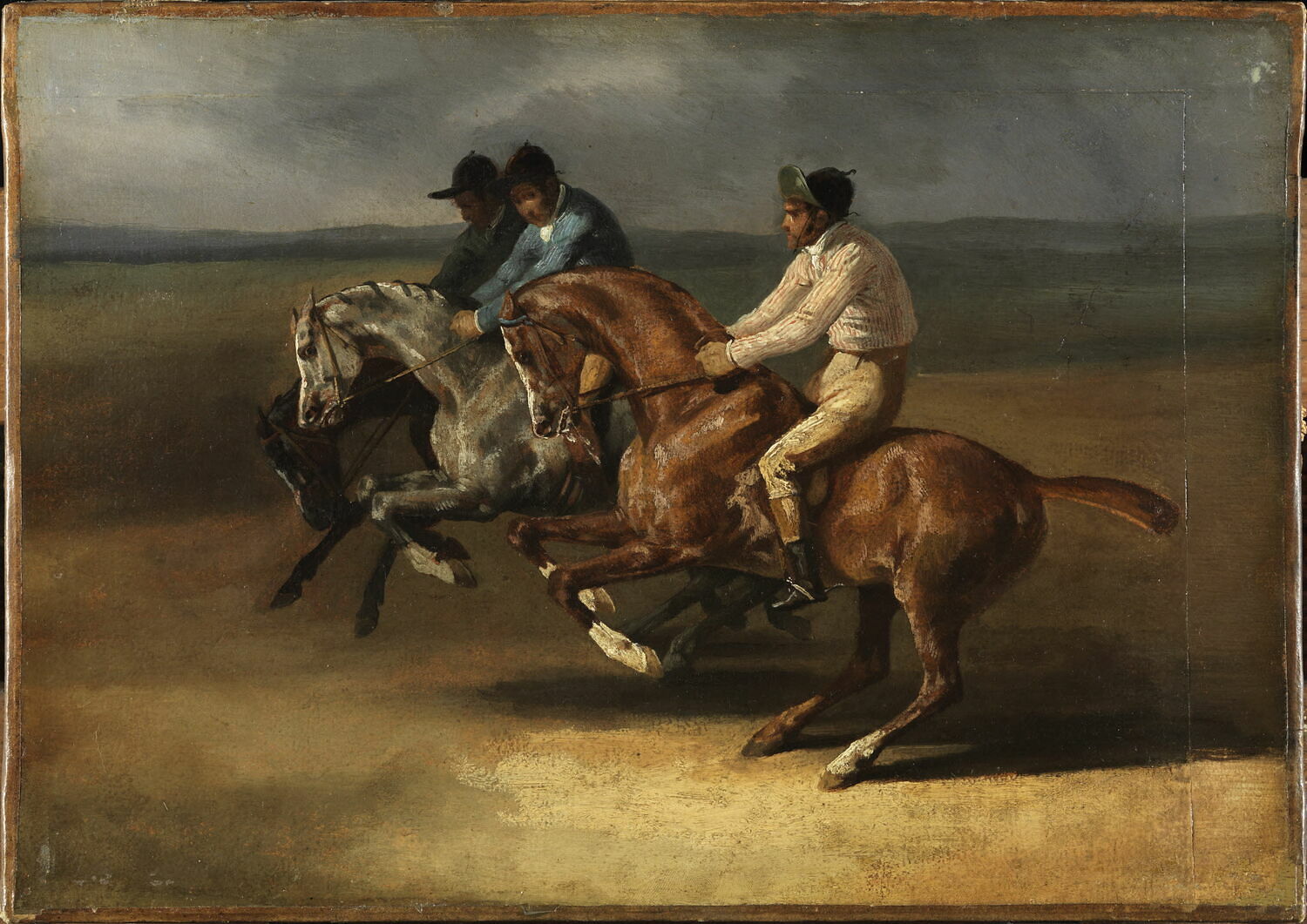
Course de Chevaux montés allant à gauche, au moment du départ., Géricault, Théodore, 1e quart du XIXe siècle (1800 - 1825)

Course de Chevaux montés allant à gauche, au moment du départ.

1e quart du XIXe siècle (1800 - 1825) · Museo del Louvre

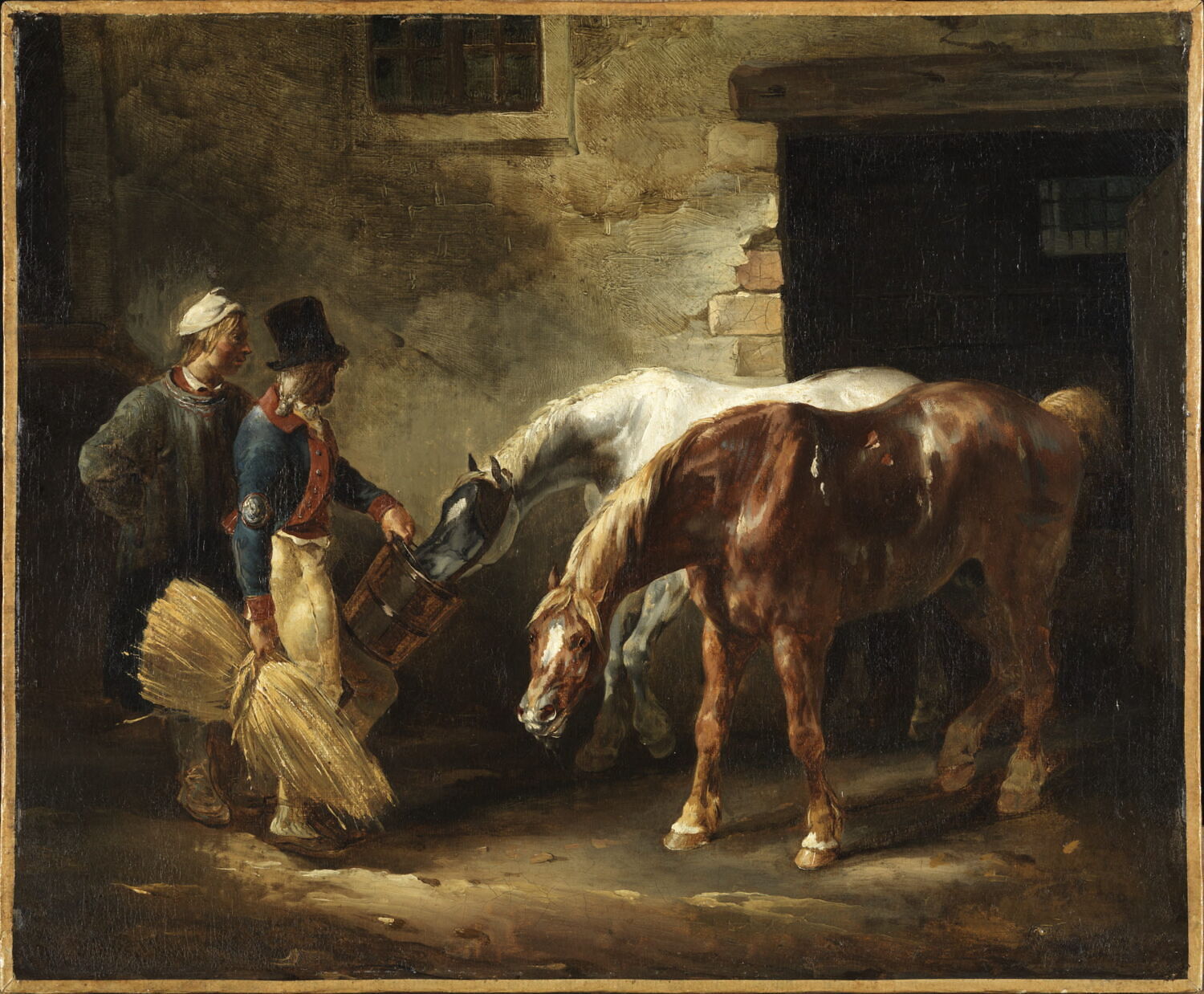
Deux chevaux de poste à la porte d'une écurie, Géricault, Théodore, 1e quart du XIXe siècle (1800 - 1825)

Deux chevaux de poste à la porte d'une écurie

1e quart du XIXe siècle (1800 - 1825) · Museo del Louvre

Sotto lo stesso tetto: Art Institute of Chicago

Pagina del museo
The Bedroom, Vincent van Gogh, 1889

Vincent van Gogh

The Bedroom, 1889

A Sunday on La Grande Jatte — 1884, Georges Seurat, 1884–86, border added 1888–89

Georges Seurat

Una domenica pomeriggio sull'isola della Grande-Jatte, 1884–86, border added 1888–89

Paris Street; Rainy Day, Gustave Caillebotte, 1877

Gustave Caillebotte

Strada di Parigi in un giorno di pioggia, 1877

Two Sisters (On the Terrace), Pierre-Auguste Renoir, 1881

Pierre-Auguste Renoir

Sulla terrazza, 1881

The Basket of Apples, Paul Cézanne, c. 1893

Paul Cézanne

il cesto di mele, c. 1893

Stacks of Wheat (End of Summer), Claude Monet, 1890–91

Claude Monet

Stacks of Wheat (End of Summer), 1890–91

American Gothic, Grant Wood, 1930

Grant Wood

American Gothic, 1930

Nighthawks, Edward Hopper, 1942

Edward Hopper

I nottambuli, 1942