ART WIKI32.963 in sala
MappaCollezioneArtistiMuseiMostreRivista
Accedi

ART WIKI

Dove è appeso il capolavoro, e quando si può entrare.

Collezioni: Art Institute of Chicago, Cleveland Museum of Art, Ermitage, Galleria Tret'jakov, Getty Museum, Harvard Art Museums, Hirshhorn Museum and Sculpture Garden, Metropolitan Museum of Art, Minneapolis Institute of Art, Museo del Louvre, Museo Puškin delle belle arti, Museo russo, Museum of Modern Art, National Gallery of Art, National Museum of Asian Art, National Portrait Gallery, Rijksmuseum, Smithsonian American Art Museum, Statens Museum for Kunst, Victoria and Albert Museum, Villa Getty, Whitney Museum of American Art, Catalogo statale del fondo museale russo (274 musei), Europeana (19 musei), Wikidata (6 musei), Paris Musées (12 musei) e Joconde, la banca dati dei musei del Ministero della Cultura francese (495 musei). Le immagini appartengono ai titolari dei diritti.

Sezioni

  • Mappa
  • Ricerca
  • Collezione
  • Capolavori
  • Esposte ora
  • Artisti

Altro

  • Musei e gallerie
  • Mostre
  • Rivista
  • Da dove vengono i dati
  • Privacy e cookie
HomeMappaCatalogo
  1. Collezione/
  2. Victoria and Albert Museum/
  3. The Three Graces
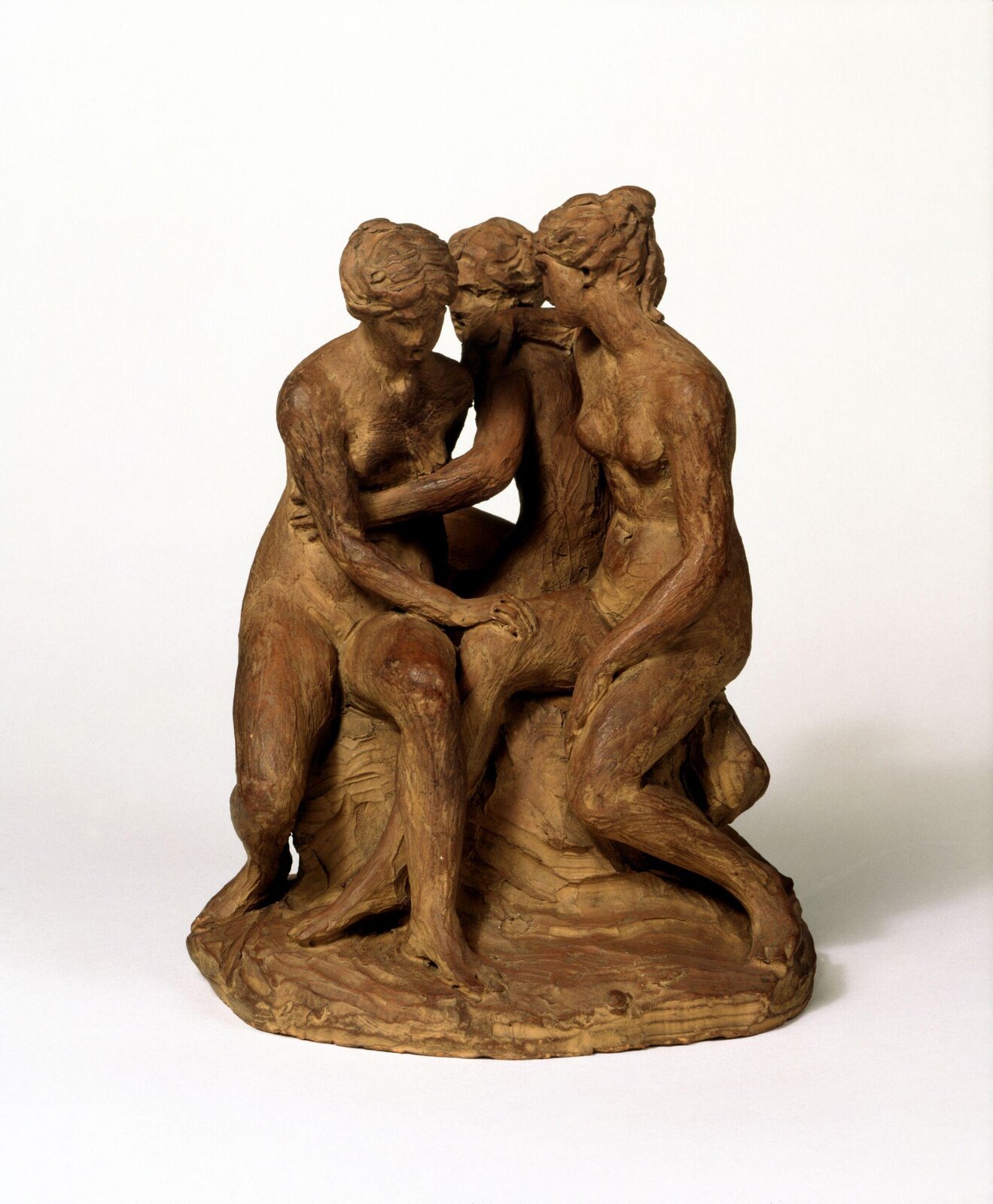
The Three Graces, Joseph Nollekens, ca. 1802

The Three Graces

ca. 1802 · Sculpture

Sulla scultura

This terracotta appeared in the sale of Nollekens’s studio effects held on 4 July, 1823 at Christie’s. Some years later, it was compared to Canova’s Three Graces (A.4-1994; now jointly owned by the Victoria & Albert Museum and the National Galleries of Scotland). Medwin wrote in The Corsair of 1839, ‘There is a terracotta by Nollekens, that far surpasses in design the Graces of the celebrated Venetian. The three sisters are most judiciously seated in an irregular mound, and their attitudes have all the simplicity and unaffected ease of which immortal grace and beauty are susceptible.’ A related drawing by Nollekens of a standing group of the Three Graces is in the Word and Image Department in the Museum.

Continua a leggere

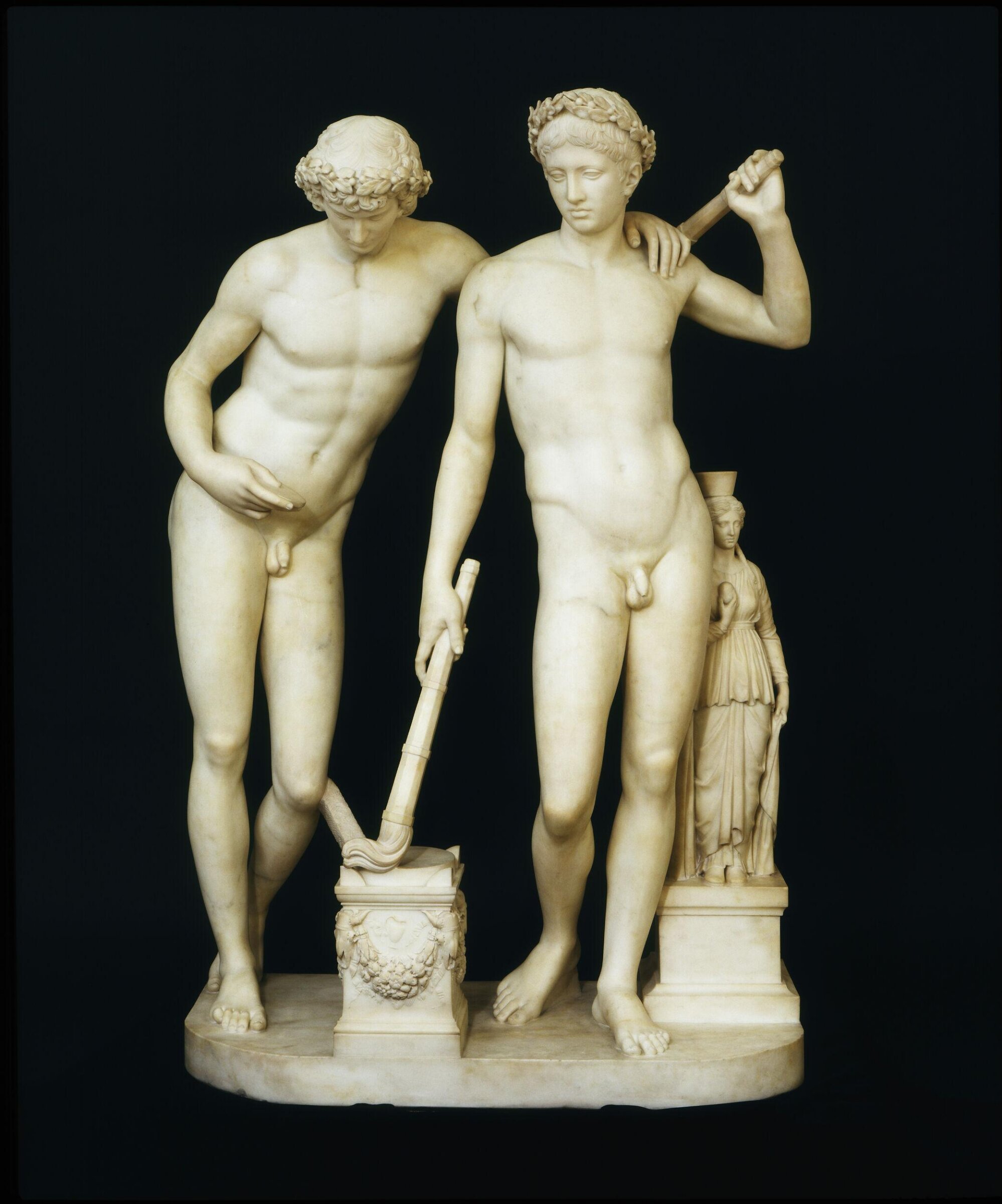
As well as producing monuments, Joseph Nollekens (1737-1823) was a prolific sculptor of portrait busts, and operated a thriving workshop in London. He spent eight years in Rome from 1762 to 1770, where he worked with Bartolomeo Cavaceppi restoring and copying antique marbles. One of these copies, his group Castor and Pollux (A.59-1940), is displayed in the British Galleries.

Victoria and Albert Museum

Scheda

ca. 1802

Altre opere di Joseph Nollekens

Tutte le opere

Nella stessa sala · Sculpture, Room 22, The Dorothy and Michael Hintze Galleries, Victoria and Albert Museum
Pagina del museo

Sullo stesso tema · The three Graces

Tutte le opere sul tema
17371823
Numero di inventario
A.1-2000

Fonti

  • Victoria and Albert Museum
  • Immagine: Victoria and Albert Museum — © Victoria and Albert Museum, London
Joseph Nollekens, ritrattoJoseph NollekensInghilterra, 1737–1823

Si può ammirare?

Sì, riceve visite

Victoria and Albert Museum
Londra, Regno Unito

SalaSculpture, Room 22, The Dorothy and Michael Hintze Galleries

Esposta al pubblico. Chi lo garantisce è indicato qui sotto.

Verificato
12 giorni fa
Ultimo cambio di stato
25 set 2026
Fonte
Il museo
Sulla mappaPagina del museo
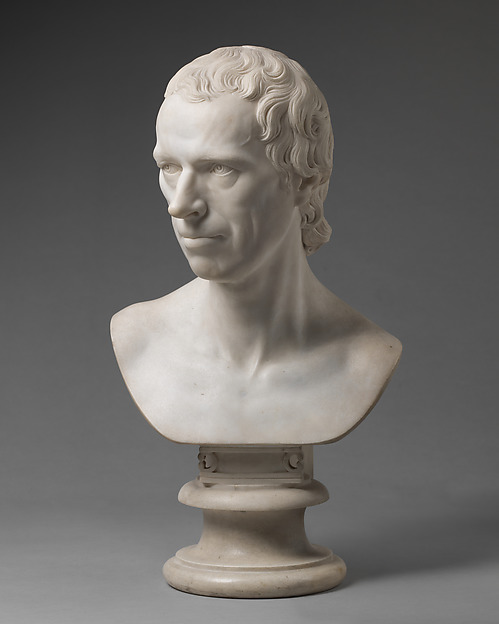
Laurence Sterne (1713–1768), Joseph Nollekens, first modeled 1766

Laurence Sterne (1713–1768)

first modeled 1766 · Metropolitan Museum of Art

Venus, Joseph Nollekens, 1773

Venus

1773 · Getty Museum

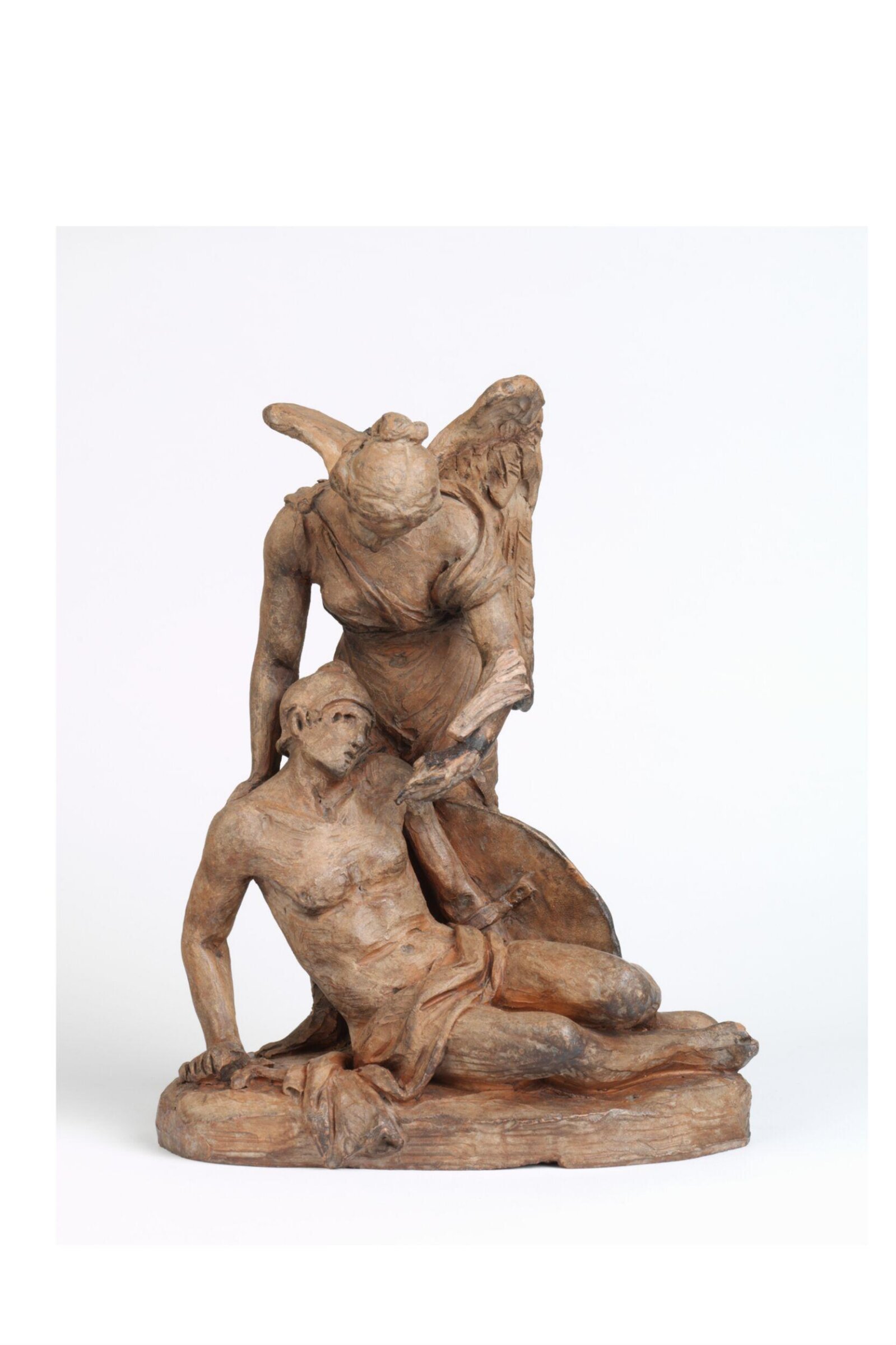
A Hero dying in the arms of Victory, Joseph Nollekens, late eighteenth century

A Hero dying in the arms of Victory

late eighteenth century · Victoria and Albert Museum
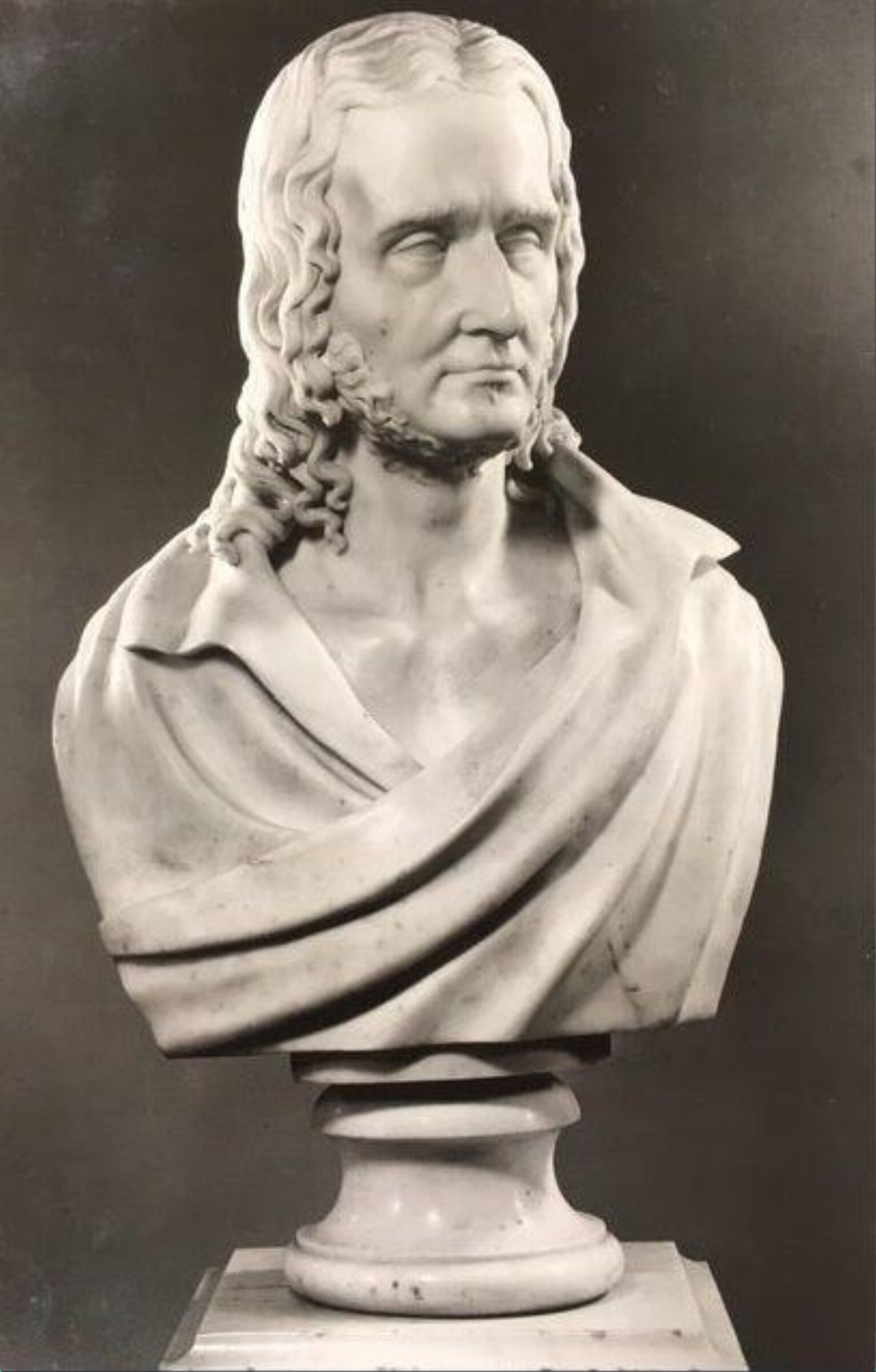
Castor and Pollux, Joseph Nollekens, 1767

Castor and Pollux

1767 · Victoria and Albert Museum
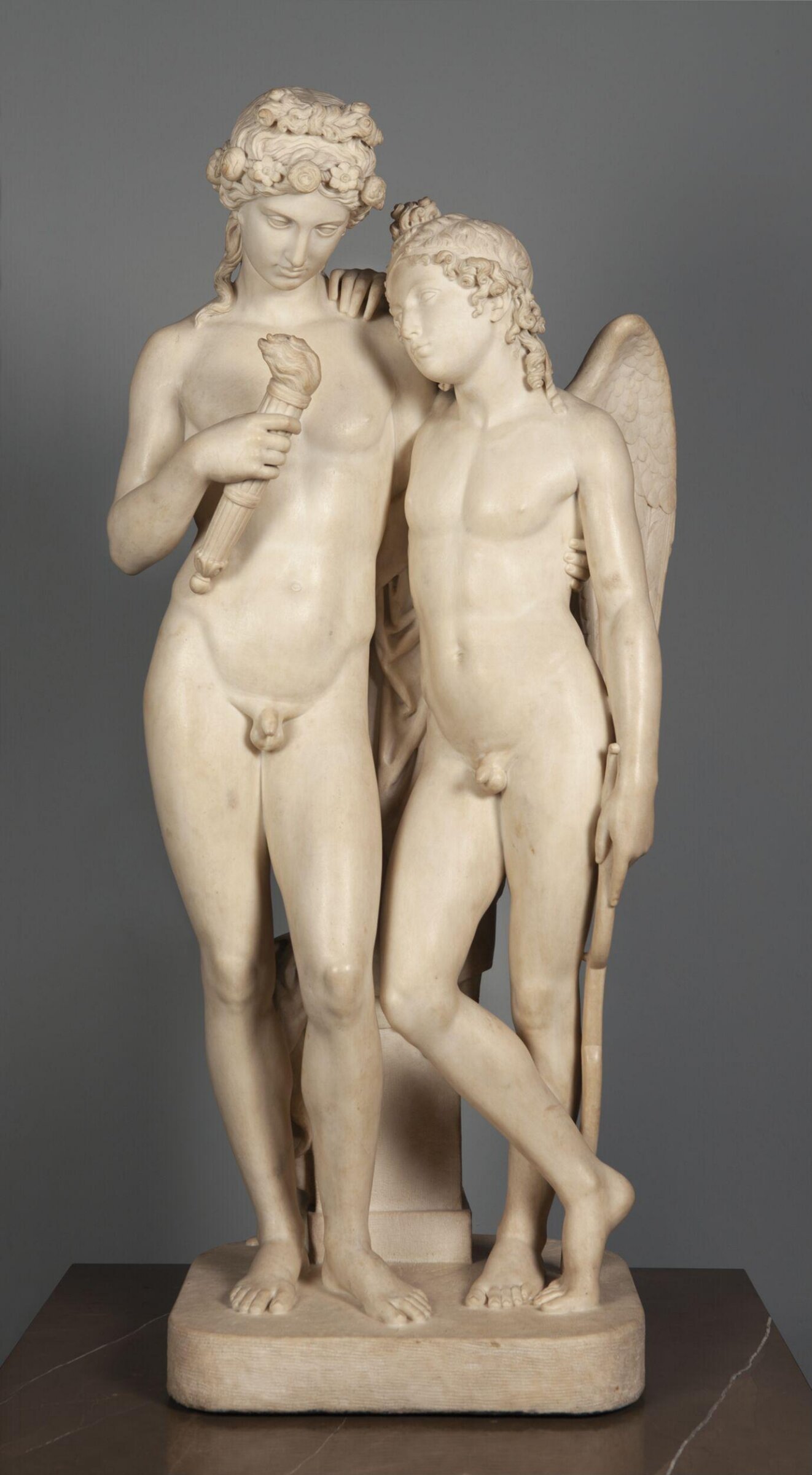
Minerva, Joseph Nollekens, 1775

Minerva

1775 · Getty Museum

Juno, Joseph Nollekens, 1776

Juno

1776 · Getty Museum

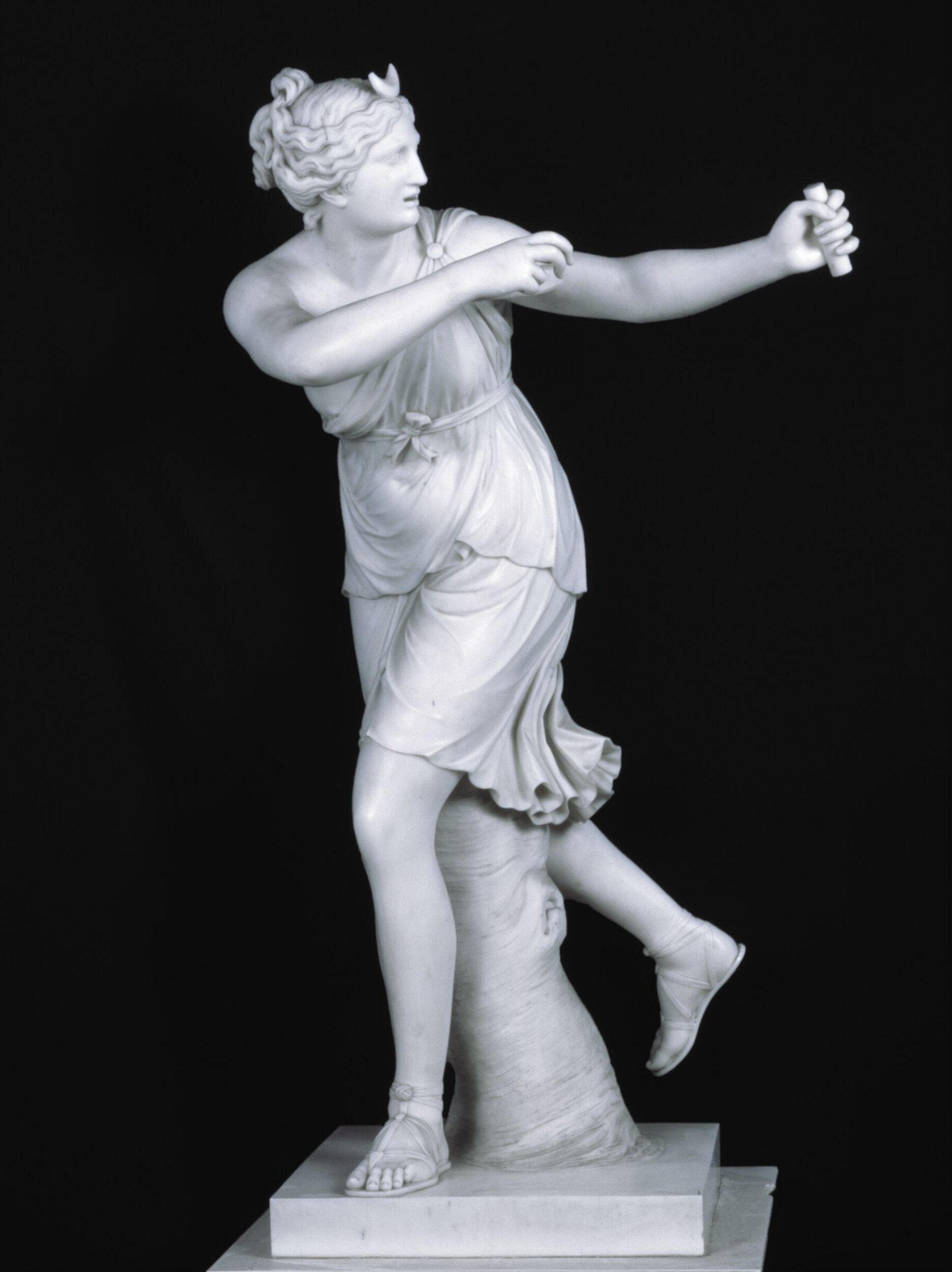
Diana, Joseph Nollekens, 1778

Diana

1778 · Victoria and Albert Museum
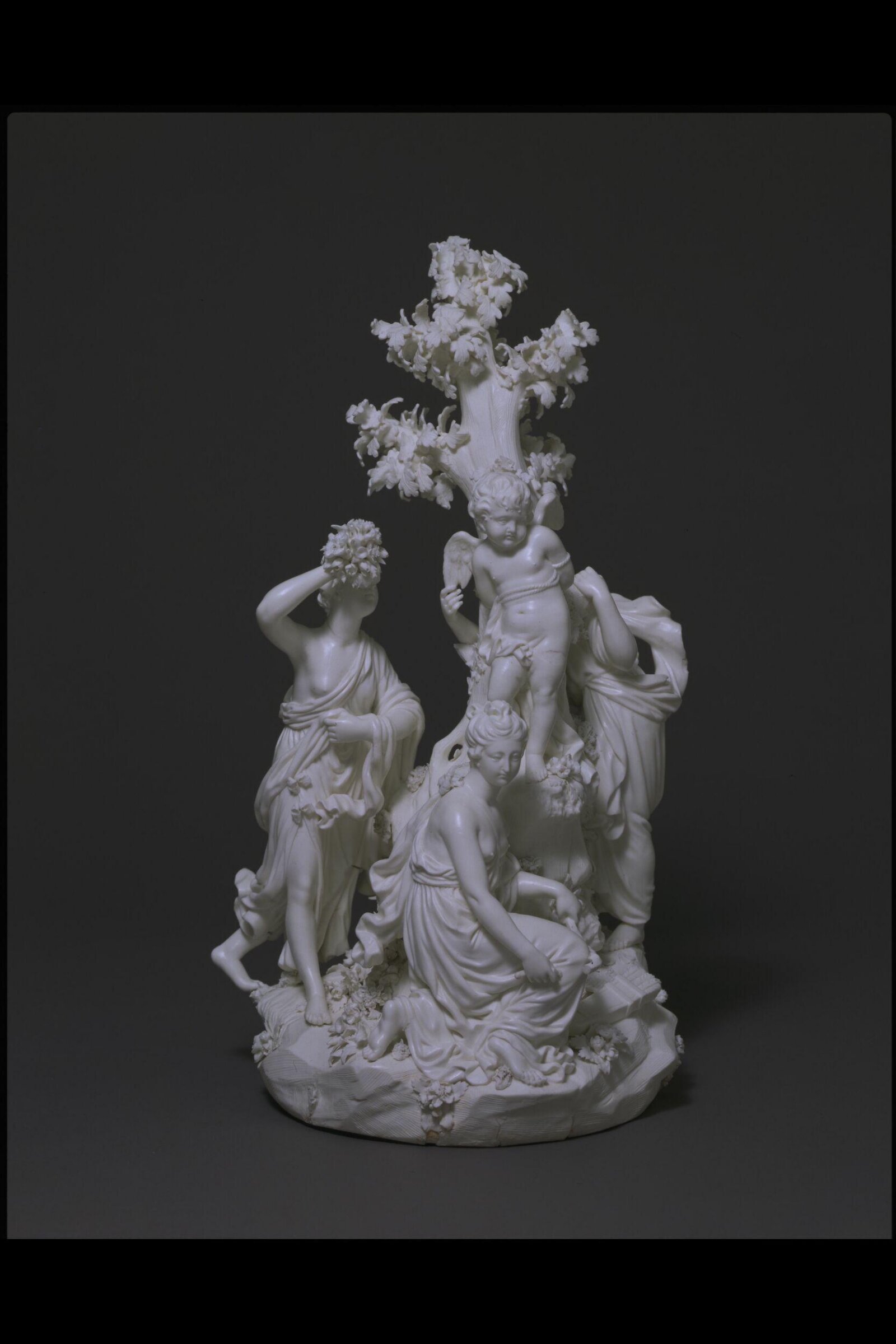
Sir George Savile (1726–84), Joseph Nollekens, 1784

Sir George Savile (1726–84)

1784 · Victoria and Albert Museum
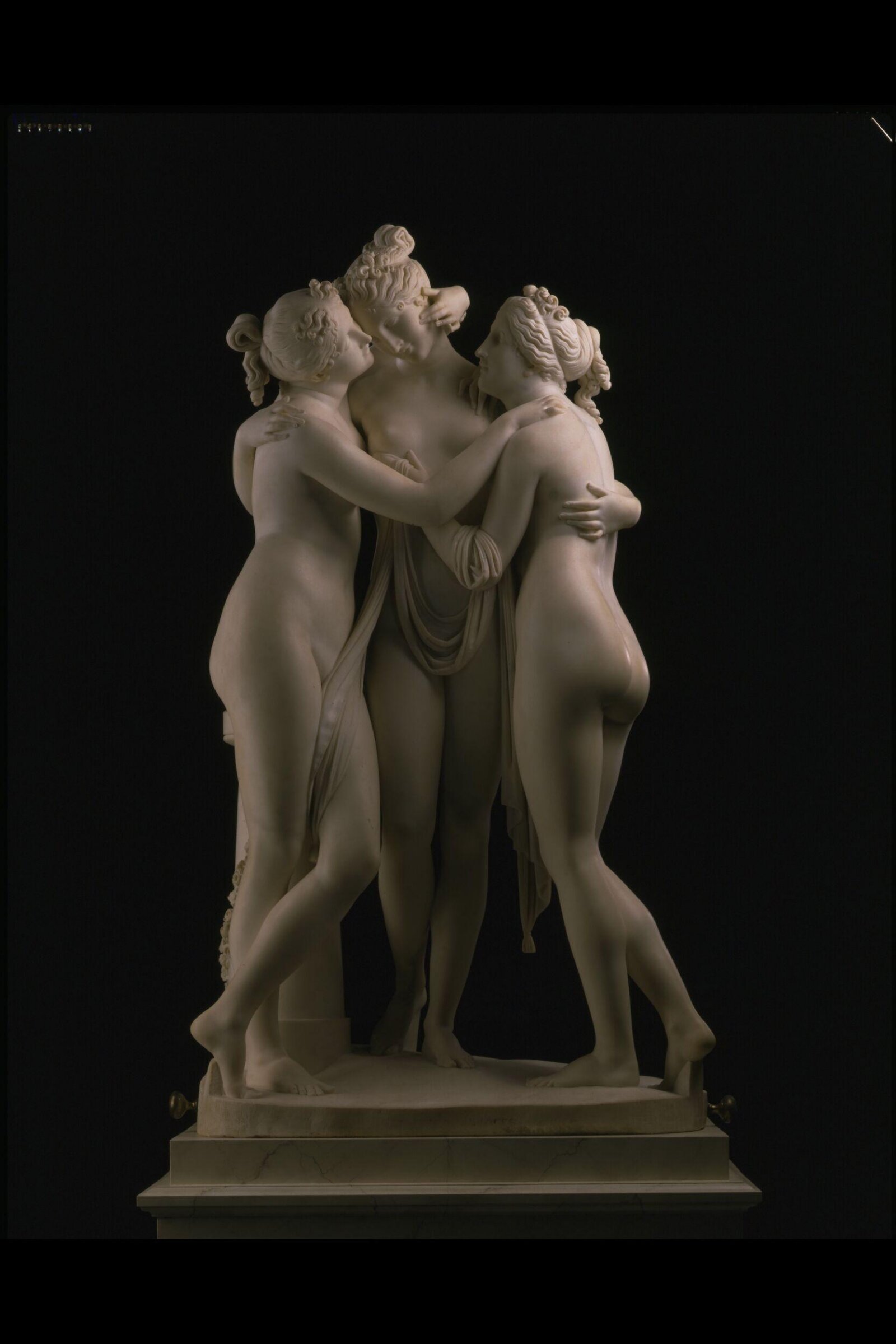
Model for Wellington Monument: Truth and Falsehood, Alfred George Stevens, 1867-8

Alfred Stevens

Model for Wellington Monument: Truth and Falsehood, 1867-8

Valour and Cowardice, Alfred George Stevens, 1866

Alfred Stevens

Valour and Cowardice, 1866

Pandora, John Gibson, 1856

John Gibson

Pandora, 1856

Eve listening to the voice, Edward Hodges Baily, 1842

Edward Hodges Baily

Eve listening to the voice, 1842

Maternal Affection, Edward Hodges Baily, 1837

Edward Hodges Baily

Maternal Affection, 1837

Catherine, Lady Stepney (d. 1845) as Cleopatra, Richard Cockle Lucas, ca. 1836

Richard Cockle Lucas

Catherine, Lady Stepney (d. 1845) as Cleopatra, ca. 1836

Nicolò Paganini, Henry Westmacott, 1832

Henry Westmacott

Nicolò Paganini, 1832

Cupid kindling the torch of Hymen, George Rennie, ca. 1831

George Rennie

Cupid kindling the torch of Hymen, ca. 1831

The Three Graces distressing Cupid, Derby Porcelain factory, late 18th century

Derby Porcelain Factory

The Three Graces distressing Cupid, late 18th century

Victoria and Albert Museum
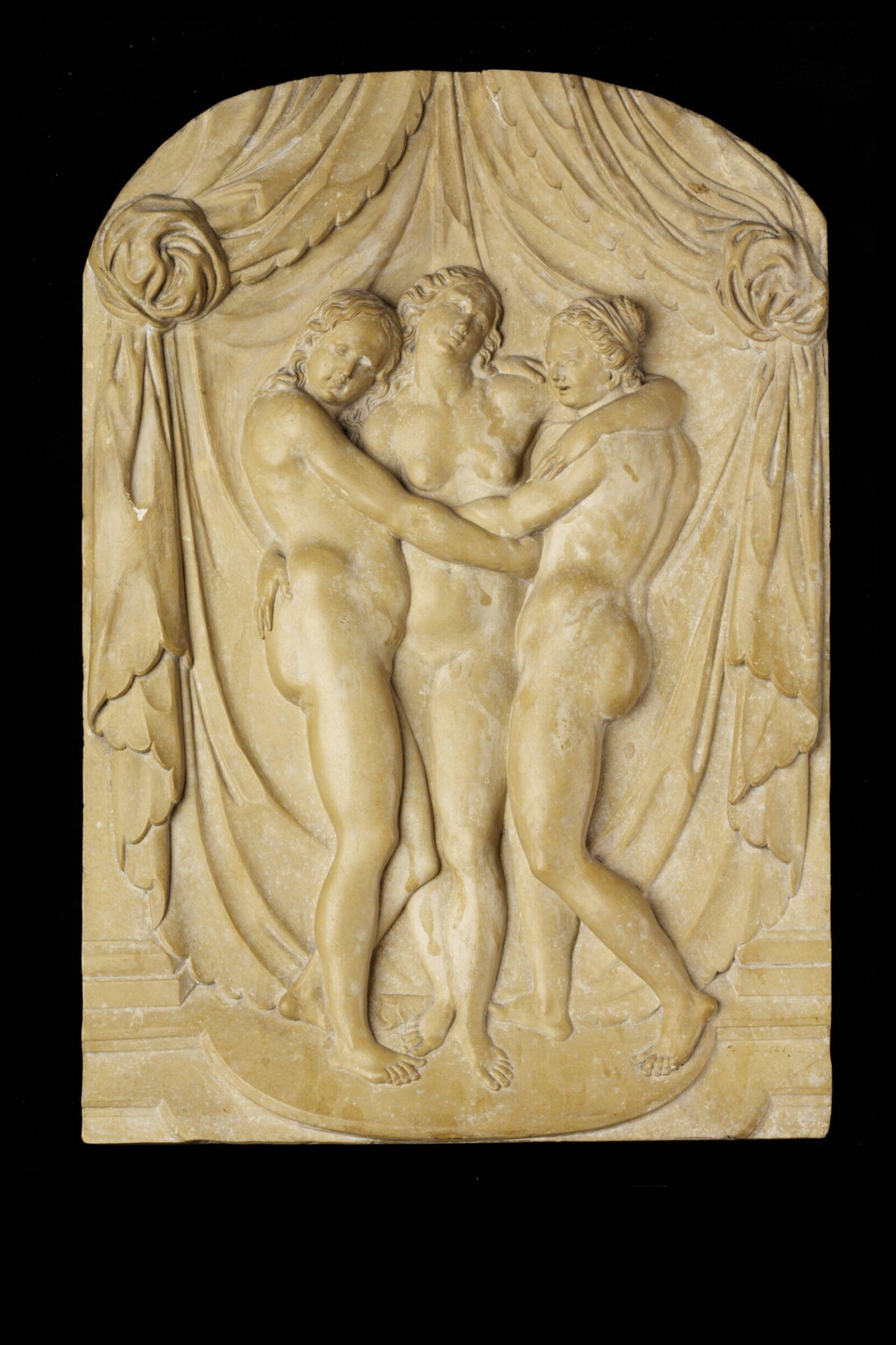
The Three Graces, Antonio Canova, 1814-1817

Antonio Canova

The Three Graces, 1814-1817

Victoria and Albert Museum
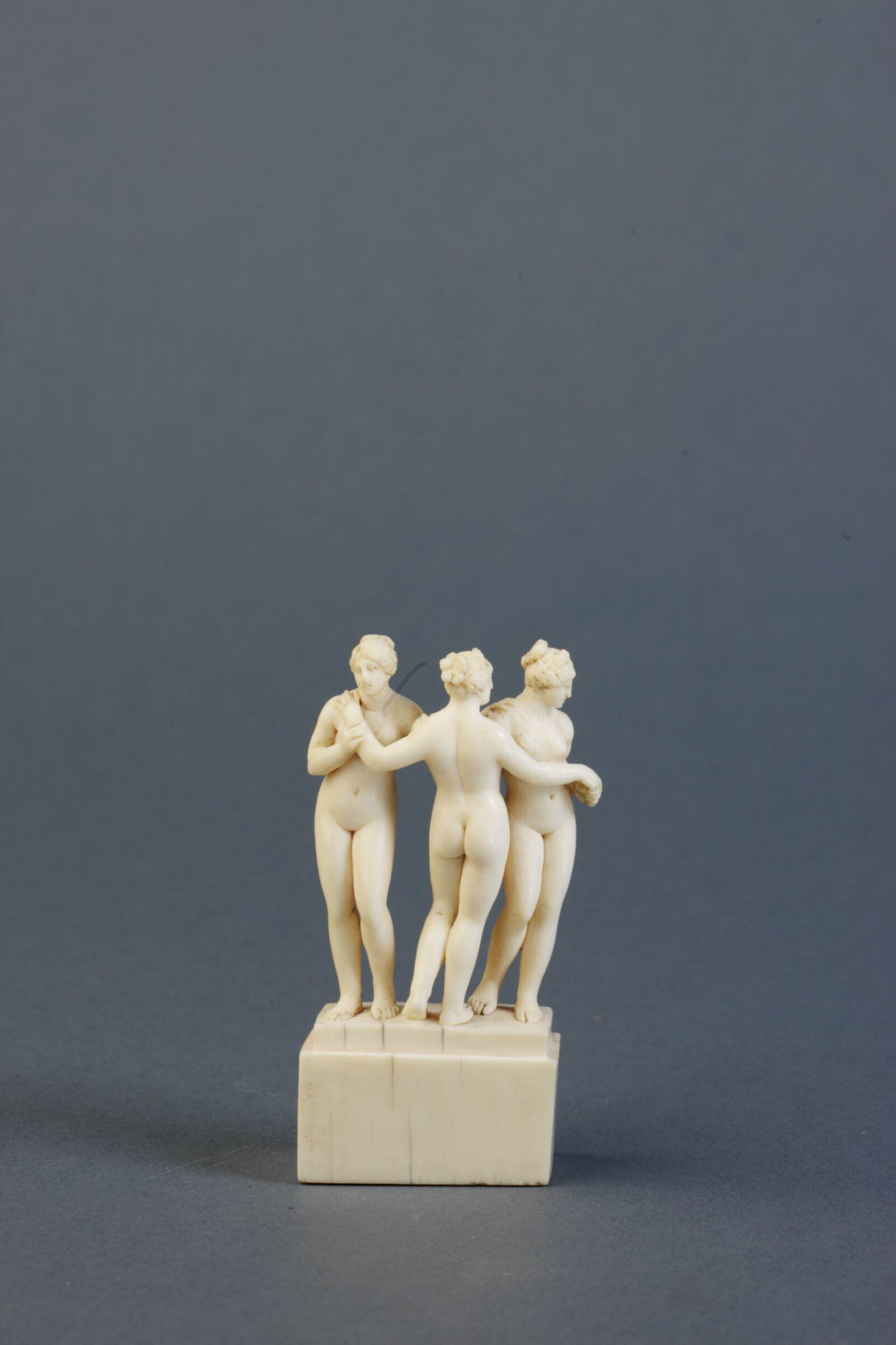
The Three Graces, George Schweigger, ca. 1650

George Schweigger

The Three Graces, ca. 1650

Victoria and Albert Museum
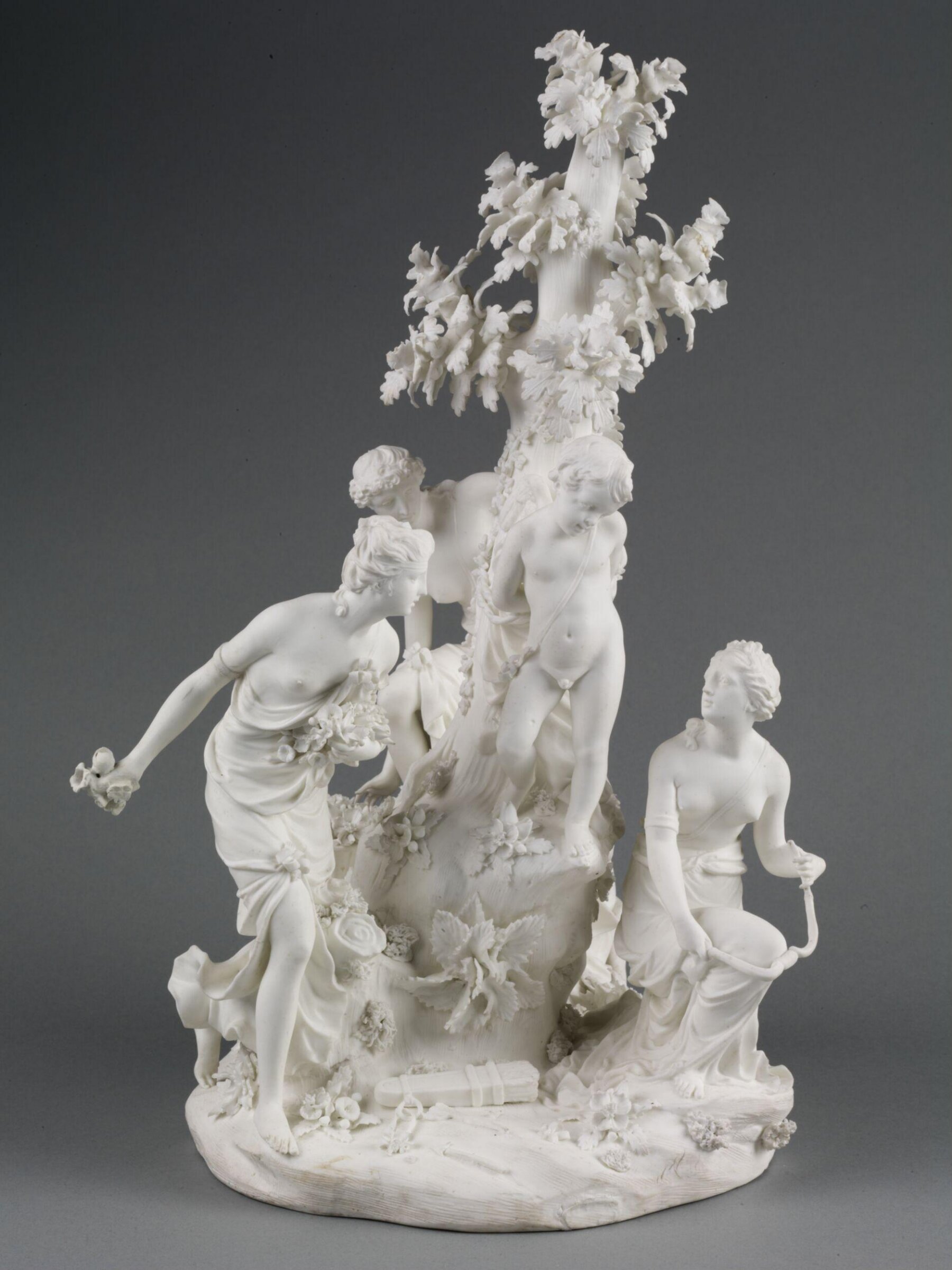
The Three Graces, Marchino di Campertogno, 1823

Marchino di Campertogno

The Three Graces, 1823

Non esposta · Victoria and Albert Museum
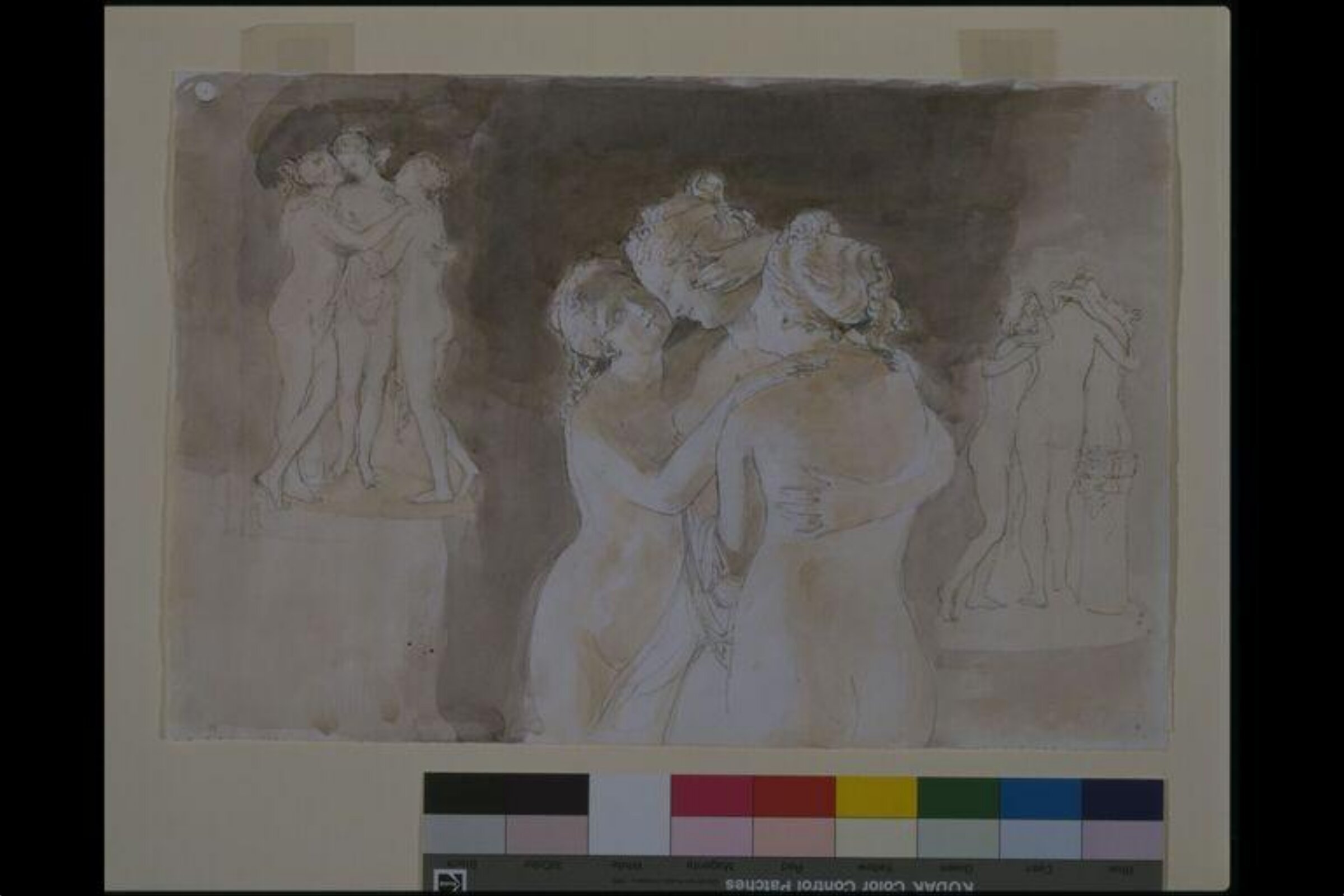
The Three Graces distressing Cupid, Angelica Kauffman, late 18th century

Angelica Kauffmann

The Three Graces distressing Cupid, late 18th century

Victoria and Albert Museum

The Three Graces, John Stanton Ward, 1995

John Stanton Ward

The Three Graces, 1995

Non esposta · Victoria and Albert Museum

Che cosa raffigura

The three Graces

In catalogo

SculturaTerracotta e ceramicaNeoclassicismoRomanticismoXIX secoloLondra