 Angelica KauffmannSvizzera, 1741–1807
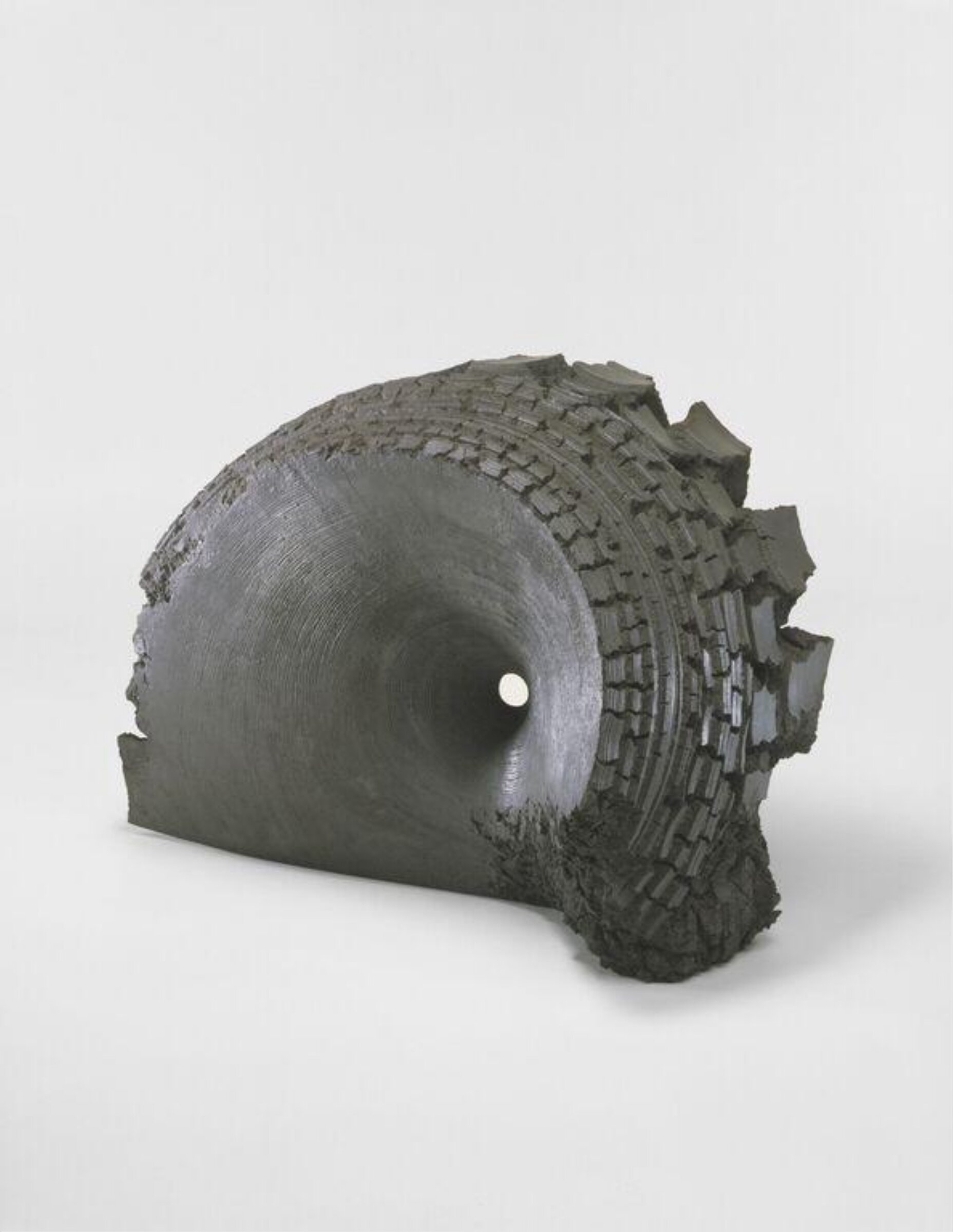
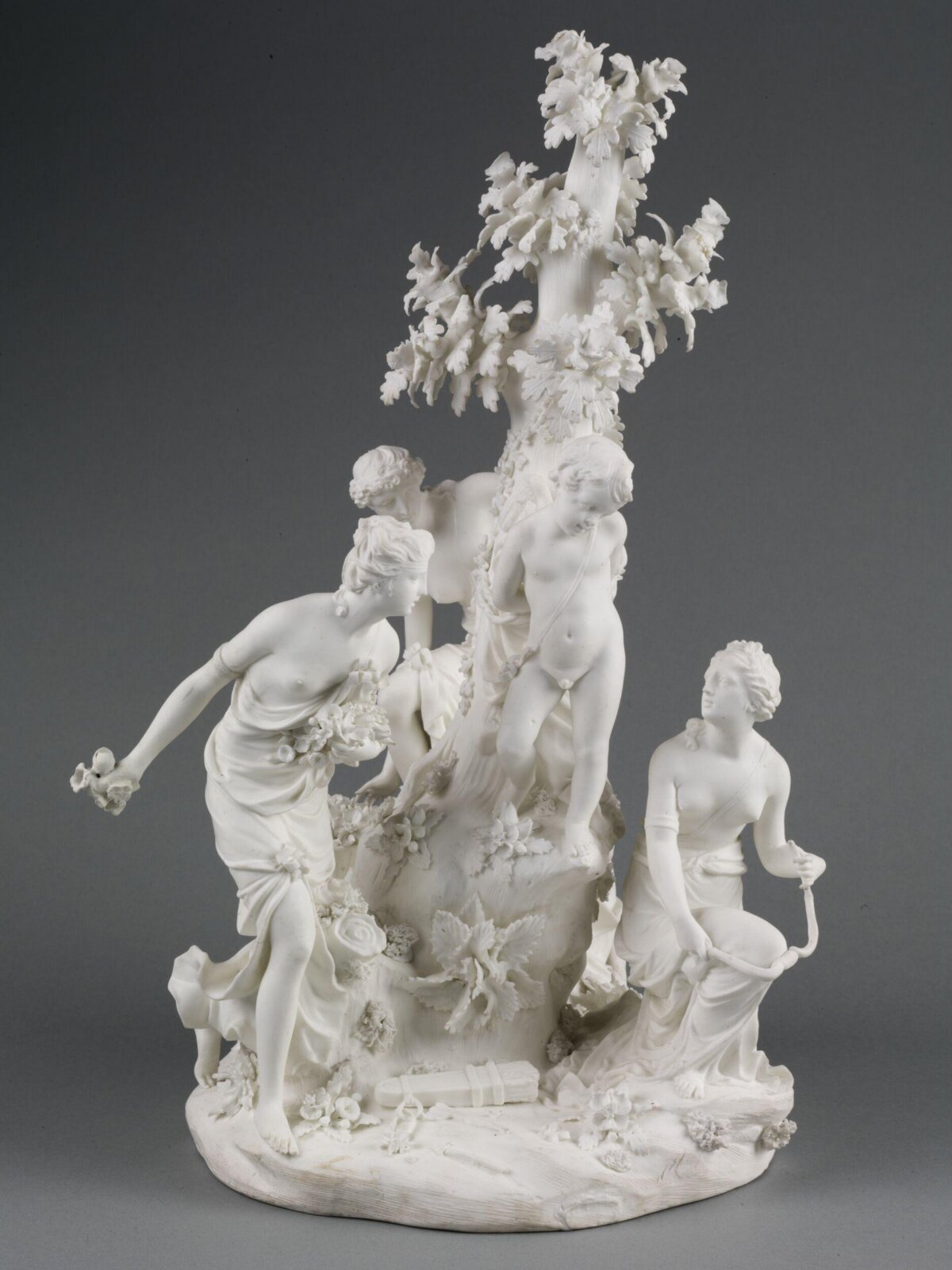
The Three Graces distressing Cupid
Si può vedere?
Sì, esposta ora
Dove si trova «The Three Graces distressing Cupid» oggi? Victoria and Albert Museum, Ceramics, Room 145, Londra. Sì, esposta ora. Verificato 12 ottobre 2026.

Aperto· fino alle 17:45
Esposta al pubblico.
- Verificato
- Ultimo cambio di stato
- Fonte
- Il museo
Sulla scultura
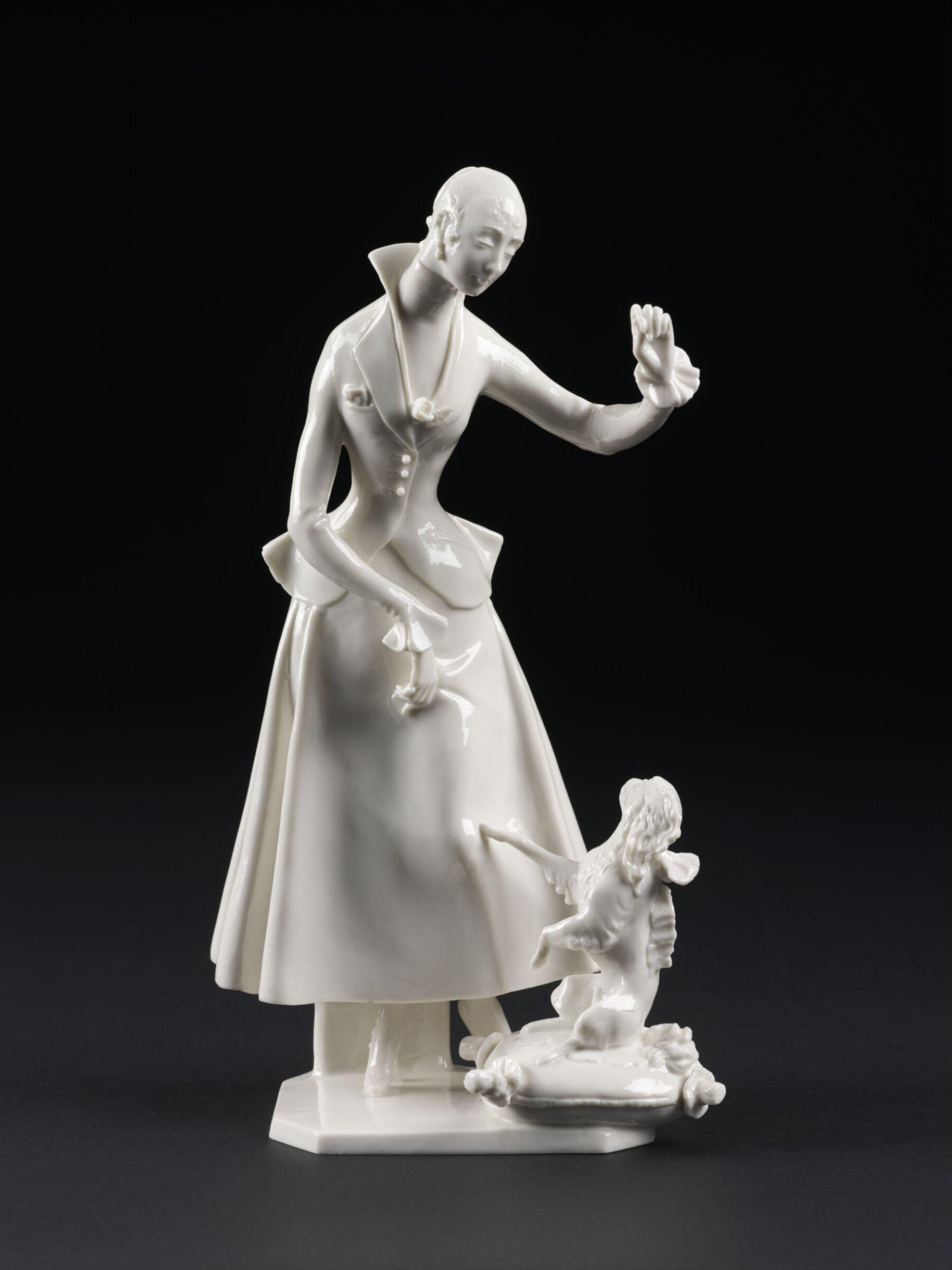
The composition of this figure group was taken from a print. This was common practice with many of the more ambitious British porcelain figure models. Here the print was Etiam Amor Criminibus Plectitur, ('Even Cupid is not alien to crime'). This engraving of 1777 by William Wynne Ryland reproduced a design by the painter Angelica Kauffmann. Ryland's engravings are listed in an inventory of prints owned by the Derby procelain factory in 1791.
With this group the Derby porcelain factory has skilfully adapted a two-dimensional drawing to a three-dimensional figure. The factory later issued a much less successful version. Derby's unglazed porcelain figure groups, such as this one, were advertised in 1773 as being 'particularly suited for the Embellishment of Desserts'.
Victoria and Albert Museum
Scheda
- Numero di inventario
- C.768-1936
Che cosa raffigura
In catalogo
Fonti
- Victoria and Albert Museum
- Immagine: Victoria and Albert Museum — © Victoria and Albert Museum, London
Nella vita di Angelica Kauffmann
Tutta la vita1766
L'amicizia con Joshua Reynolds
Reynolds divenne l'amico più fedele di Kauffmann: nei suoi taccuini lei compare spesso come «Miss Angelica» o «Miss Angel»; nel 1766 egli ne dipinse il ritratto e lei ricambiò con un ritratto di Reynolds.
1766
L'arrivo a Londra
Nel giugno 1766 Kauffmann arrivò a Londra al seguito di lady Wentworth, che l'aveva persuasa a partire con lei. La posizione di lady Wentworth le aprì le porte della società e la famiglia reale le riservò particolare benevolenza.
1767
Sposa l'impostore «conte de Horn»
Nel 1767 Kauffmann sposò un truffatore che si faceva chiamare conte Frederick de Horn; il matrimonio sfociò in uno scandalo: secondo alcune fonti fu dichiarato nullo dopo pochi mesi, secondo altre i coniugi si separarono l'anno seguente.
1768
Membro fondatore della Royal Academy of Arts
Nel dicembre 1768 Kauffmann divenne membro fondatore della Royal Academy of Arts di Londra, una delle due donne fra i fondatori.
1769
Tre dipinti alla mostra della Royal Academy
Alla mostra dell'Accademia del 1769 Kauffmann presentò «Гектора, прощающегося с Андромахой», «Венеру, указывающую Энею и Ахату путь в Карфаген» e «Ахилла, обнаруженного Улиссом среди дочерей Ликомеда»; tutte e tre le opere furono acquistate dalla mecenate Theresa Parker.
1781
Il ritorno a Roma
Delusa dall'indifferenza degli inglesi verso la pittura di storia, nel 1781, dopo le nozze con Antonio Zucchi, Kauffmann lasciò Londra, dove aveva vissuto per quindici anni, e tornò a Roma: qui il genere era più conosciuto e godeva del sostegno di mecenati e collezionisti.