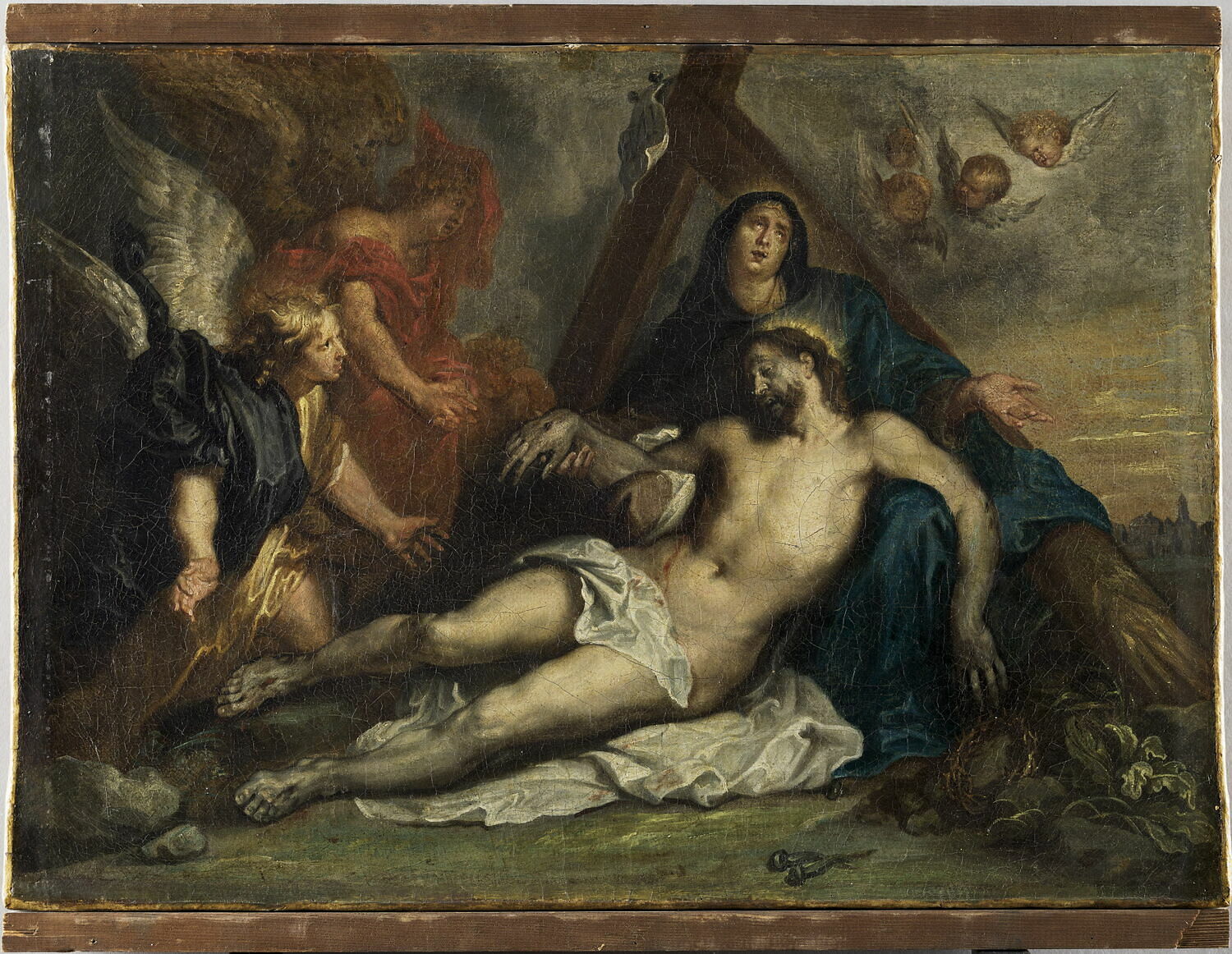
Anthony van DyckFiandre, 1599–1641
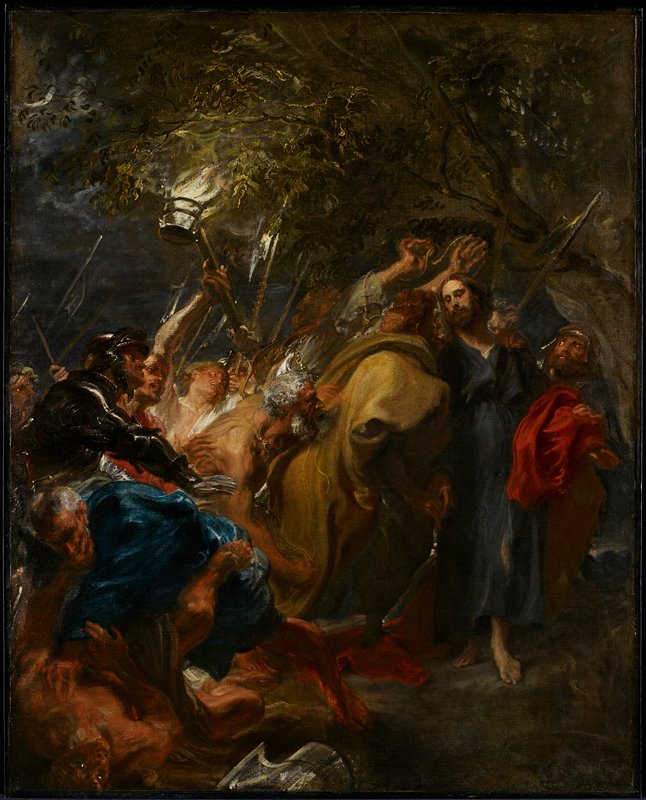
St Augustine in Ecstasy
Si può vedere?
Non si sa
Dove si trova «St Augustine in Ecstasy» oggi? Collezione: Museo reale di belle arti di Anversa, Antwerp. Non si sa se oggi sia esposta.
Antwerp, Belgio
Il proprietario è noto; non si sa se oggi sia esposta.
- Ultimo cambio di stato
- Fonte
- Il museo
Scheda
- Numero di inventario
- IB003
In catalogo
Fonti
- Wikidata
- Immagine: Museo reale di belle arti di Anversa — Anthony van Dyck · Public domain · Wikimedia Commons
Nella vita di Anthony van Dyck
Tutta la vita1626–1632
The Iconography Print Series
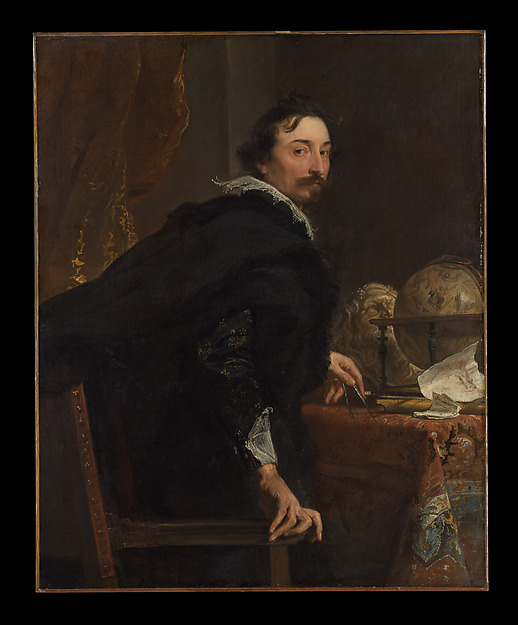
After returning to Antwerp, Van Dyck conceived a large series of engraved portraits of his contemporaries, the Iconography; he etched eighteen plates himself, executing the preparatory drawings mainly between 1626 and 1633. The first edition (80 plates) appeared in Antwerp in 1632.
1627
Return to Antwerp
In 1627 Van Dyck returned from Italy to Antwerp, where he remained for five years, creating portraits of the Flemish nobility and large altarpieces, and beginning to work in printmaking.
1629
Beginning of His Relationship with Charles I
Van Dyck's relationship with Charles I began in 1629: through the intermediary Sir Endymion Porter, the king acquired his painting Rinaldo and Armida.
by 1630
Court Painter to Archduchess Isabella
From 1630 Van Dyck was court painter to Archduchess Isabella Clara Eugenia of Habsburg, regent of the Spanish Netherlands; for her portrait he received a gold chain.