ART WIKI33 040 en salle
CarteCollectionArtistesMuséesExpositionsJournal
Connexion

ART WIKI

Où est accroché le chef-d’œuvre, et quand on vous laisse entrer.

Collections : Art Institute of Chicago, Cleveland Museum of Art, Galerie Tretiakov, Hirshhorn Museum and Sculpture Garden, J. Paul Getty Museum, Metropolitan Museum of Art, Minneapolis Institute of Art, Musée de l'Ermitage, Musée des Beaux-Arts Pouchkine, Musée du Louvre, musée national d'art asiatique, Musée russe, Musées d'Art de Harvard, Museum of Modern Art, National Gallery of Art, National Portrait Gallery, Rijksmuseum Amsterdam, Smithsonian American Art Museum, Statens Museum for Kunst, Victoria and Albert Museum, Villa Getty, Whitney Museum of American Art, Catalogue d’État du fonds muséal de Russie (274 musées), Europeana (19 musées), Wikidata (6 musées), Paris Musées (12 musées) et Joconde, la base des musées du ministère de la Culture (495 musées). Les images appartiennent à leurs ayants droit.

Rubriques

  • Carte
  • Recherche
  • Collection
  • Chefs-d’œuvre
  • Exposées en ce moment
  • Artistes

Et aussi

  • Musées et galeries
  • Expositions
  • Journal
  • D’où viennent les données
  • Confidentialité et cookies
AccueilCarteCatalogue
  1. Collection/
  2. Cleveland Museum of Art/
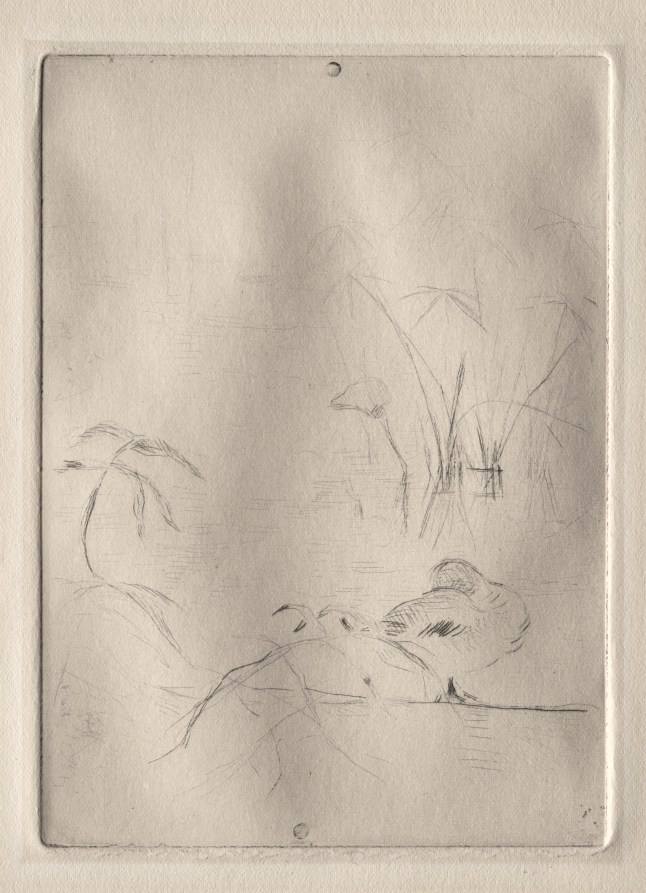
  3. The Duck
The Duck, Berthe Morisot, 1888–90
Berthe Morisot, portraitBerthe MorisotFrance, 1841–1895

The Duck

1888–90 · Print

Peut-on la contempler ?

Elle ne reçoit pas en ce moment

Cleveland Museum of Art

Cleveland, États-Unis

Elle appartient à la collection, mais n’est pas présentée en ce moment.

Vérifié
il y a 9 jours
Dans cet état depuis
19 août 2026
Source
Le musée
Sur la cartePage du musée

Notice

1888–90
18411895
Numéro d’inventaire
1998.377

Au catalogue

EstampesEau-forteImpressionnismeXIXe siècleFrance, 19th century

Sources

  • Cleveland Museum of Art
  • Image : Cleveland Museum of Art — Museum open access

Pendant ce temps, chez Berthe Morisot

La vie entière
  1. 1885–1887

    A turn to drawing: line and form

    After 1885 drawing begins to dominate Morisot's work: she experiments with charcoal and coloured pencils and clarifies form and line, influenced by photography and Japonism. Like the Japanese prints of the time, she places objects away from the centre of the composition.

  2. 1887–1895

    Squaring and tracing paper: the synthesis of her last years

    Morisot starts to use squaring and tracing paper to transcribe her drawings exactly onto the canvas, which lets her build compositions with more complicated interaction between figures. Her late works are distinctive for their synthesis of the Impressionist touch with broad strokes and light reflections and the graphic approach of clear lines.

  3. 1888–1889

    From short strokes to long, sinuous ones

    In 1888–89 Morisot's brushstrokes change from short, rapid ones to long, sinuous ones that define form; the outer edges of her paintings are often left unfinished, so that the canvas shows through and increases the sense of spontaneity.

  4. 1890

    “No man has ever treated a woman as an equal”

    In 1890 Morisot writes in a notebook about her struggle to be taken seriously as an artist: she does not think there has ever been a man who treated a woman as an equal, and that is all she would have asked for, since she knows she is worth as much as they are.

  5. 1892

    The first solo exhibition

    In 1892, after almost two decades of showing in group exhibitions, Morisot's first solo exhibition is held.

  6. 1892

    Her husband Eugène Manet dies

    In 1892 Morisot's husband, the painter Eugène Manet (1833–1892), dies.

Autres œuvres : Berthe Morisot

Toutes les œuvres
Young Woman Seated on a Sofa, Berthe Morisot, ca. 1879

Young Woman Seated on a Sofa

ca. 1879 · Metropolitan Museum of Art

The Harbor at Lorient, Berthe Morisot, 1869

The Harbor at Lorient

1869 · National Gallery of Art

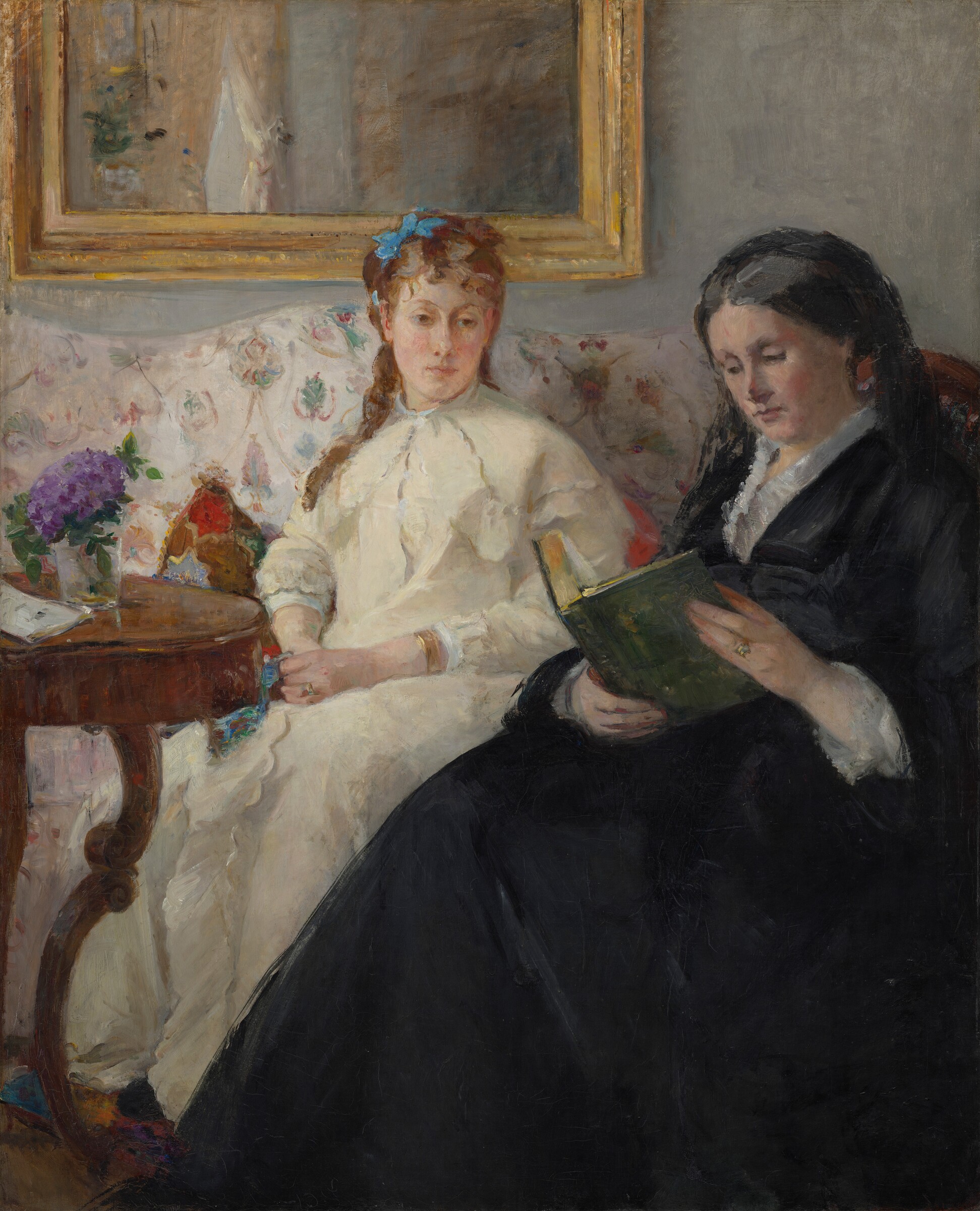
The Mother and Sister of the Artist, Berthe Morisot, 1869/1870

The Mother and Sister of the Artist

1869/1870 · National Gallery of Art

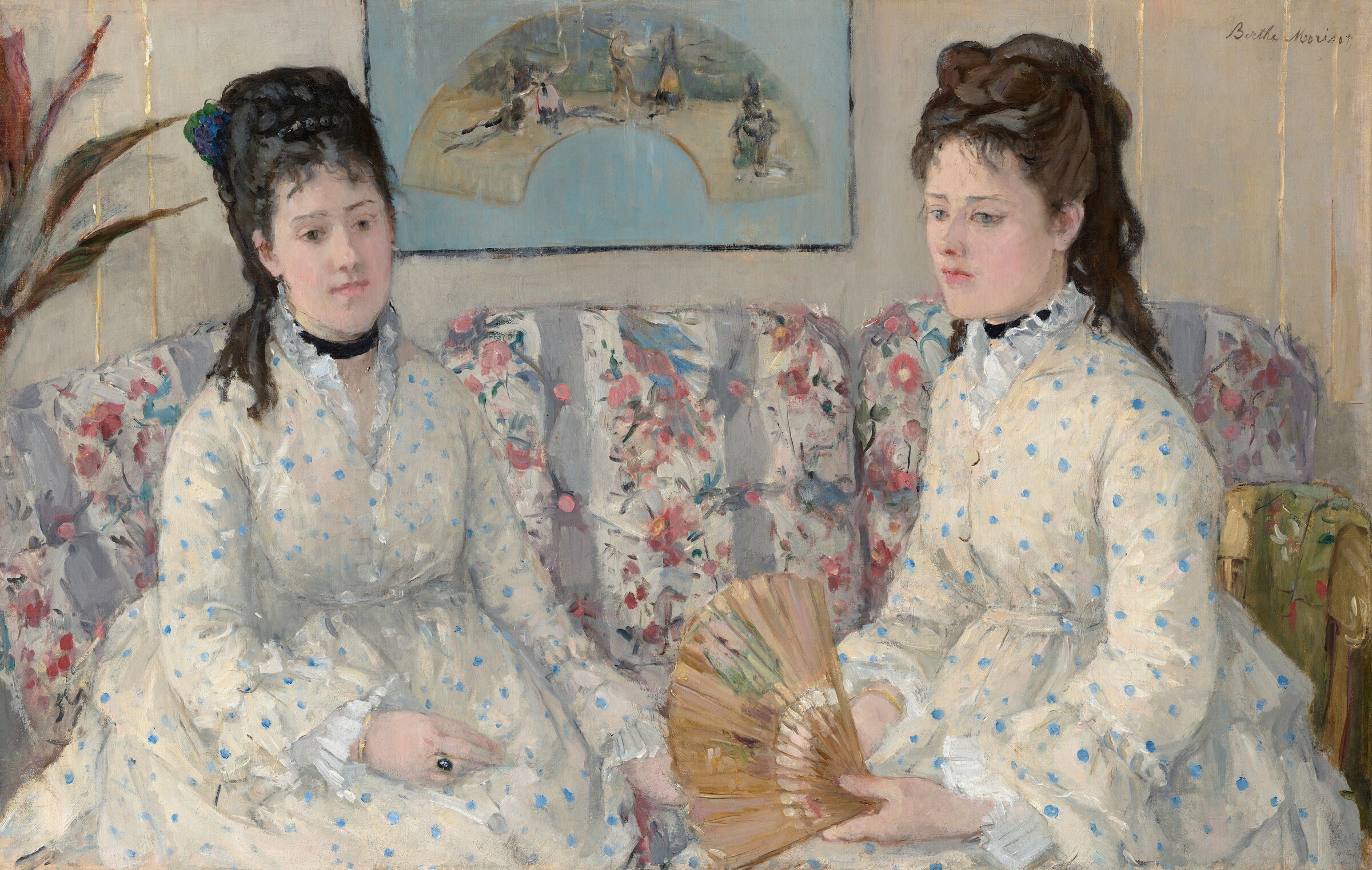
The Sisters, Berthe Morisot, 1869

The Sisters

1869 · National Gallery of Art

The Artist's Sister at a Window, Berthe Morisot, 1869

The Artist's Sister at a Window

1869 · National Gallery of Art

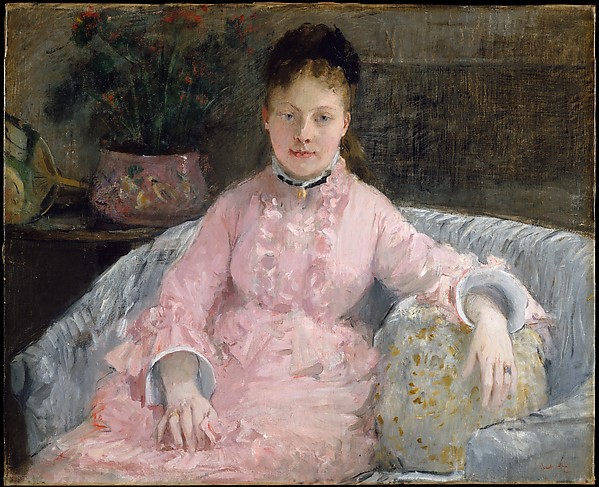
The Pink Dress (Albertie-Marguerite Carré, later Madame Ferdinand-Henri Himmes, 1854–1935), Berthe Morisot, ca. 1870

The Pink Dress (Albertie-Marguerite Carré, later Madame Ferdinand-Henri Himmes, 1854–1935)

ca. 1870 · Metropolitan Museum of Art

In the Dining Room, Berthe Morisot, 1886

In the Dining Room

1886 · National Gallery of Art

The Artist's Daughter with a Parakeet, Berthe Morisot, 1890

The Artist's Daughter with a Parakeet

1890 · National Gallery of Art

Sous le même toit : Cleveland Museum of Art

Page du musée
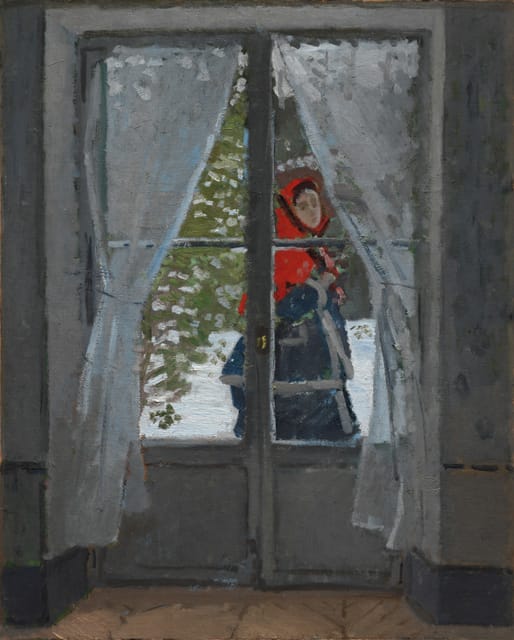
The Red Kerchief, Claude Monet, c. 1868–73

Claude Monet

The Red Kerchief, c. 1868–73

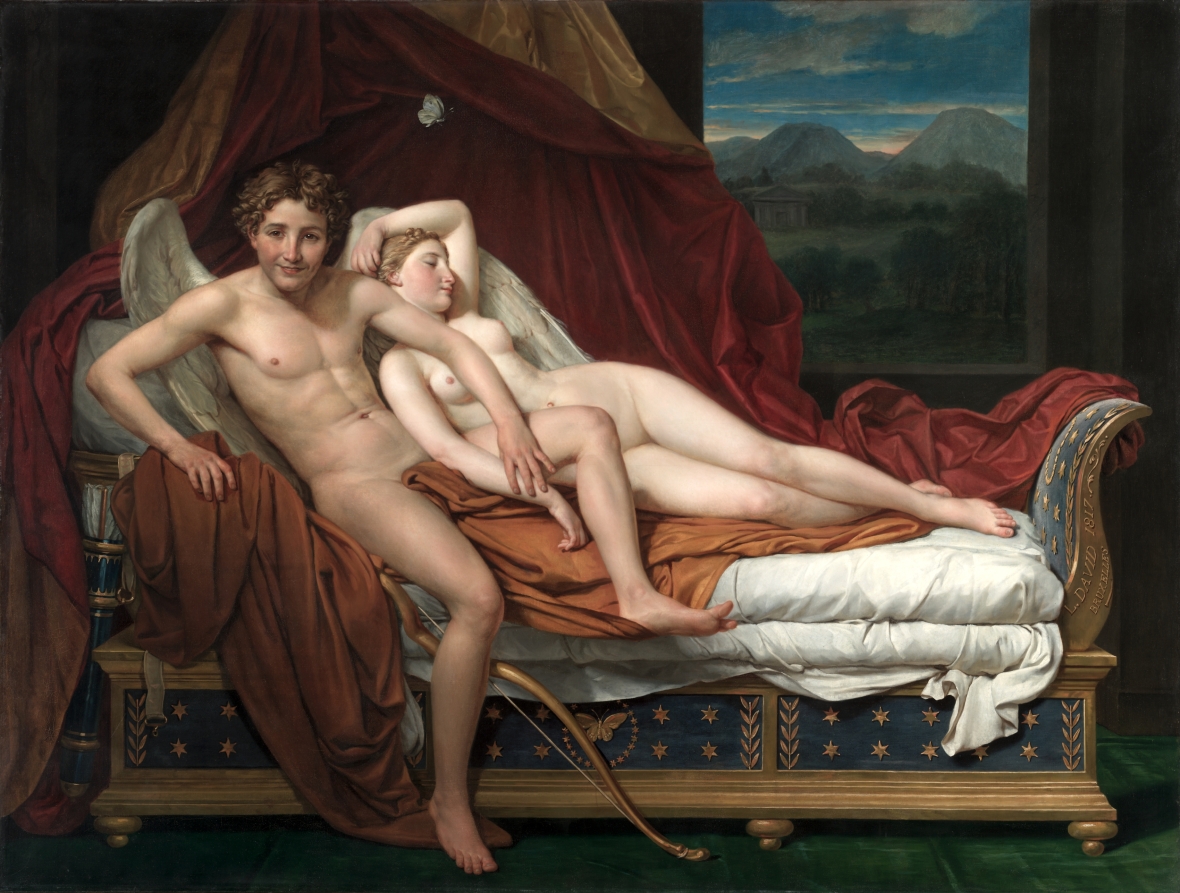
Cupid and Psyche, Jacques-Louis David, 1817

Jacques-Louis David

L'Amour et Psyché, 1817

Mars, Venus, and Eros, Marcantonio Raimondi possibly after Andrea Mantegna, 1508

Andrea Mantegna

Mars, Venus, and Eros, 1508

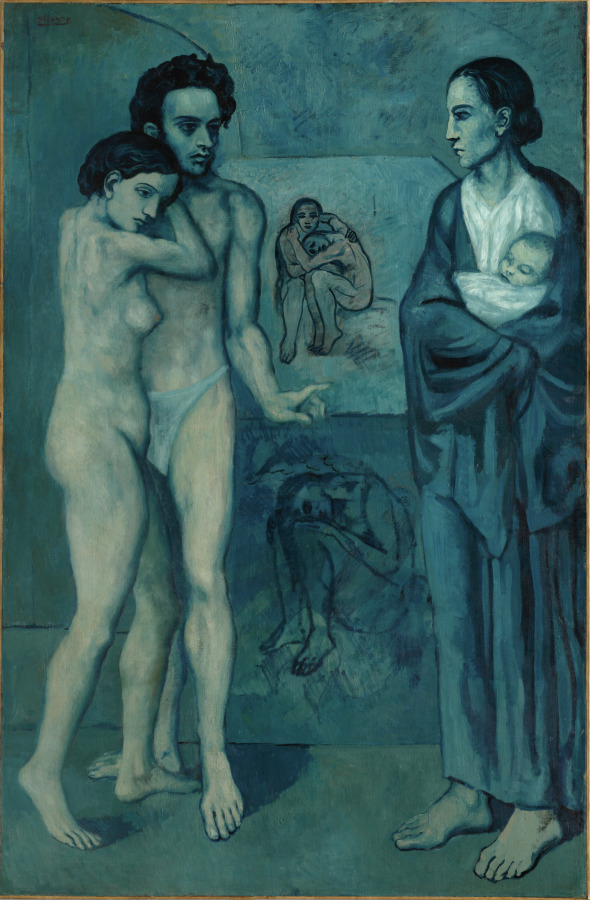
La Vie, Pablo Picasso, 1903

Pablo Picasso

La Vie, 1903

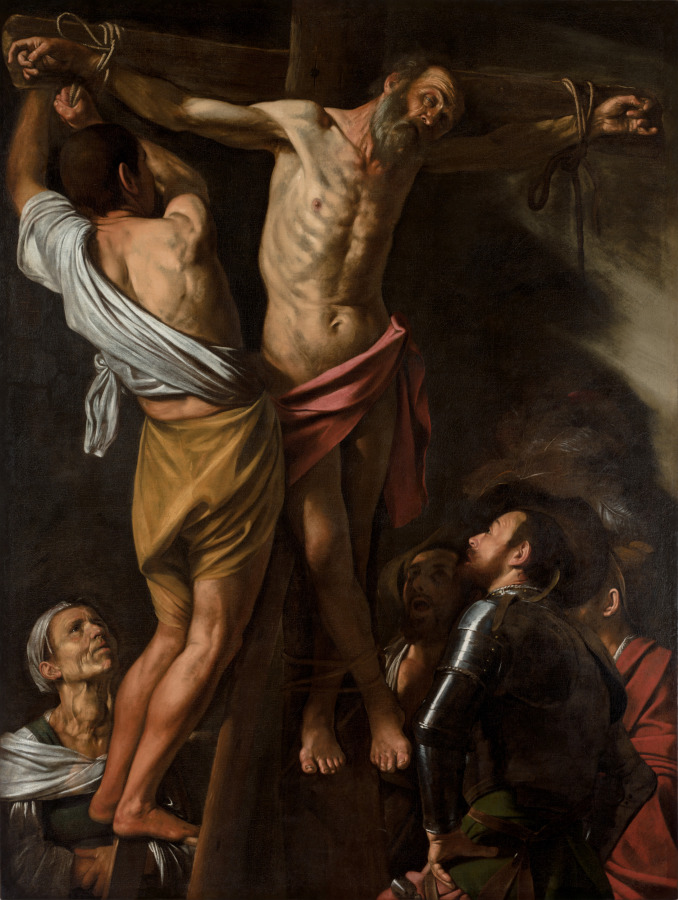
The Crucifixion of Saint Andrew, Caravaggio, 1606–7

Caravaggio

The Crucifixion of Saint Andrew, 1606–7

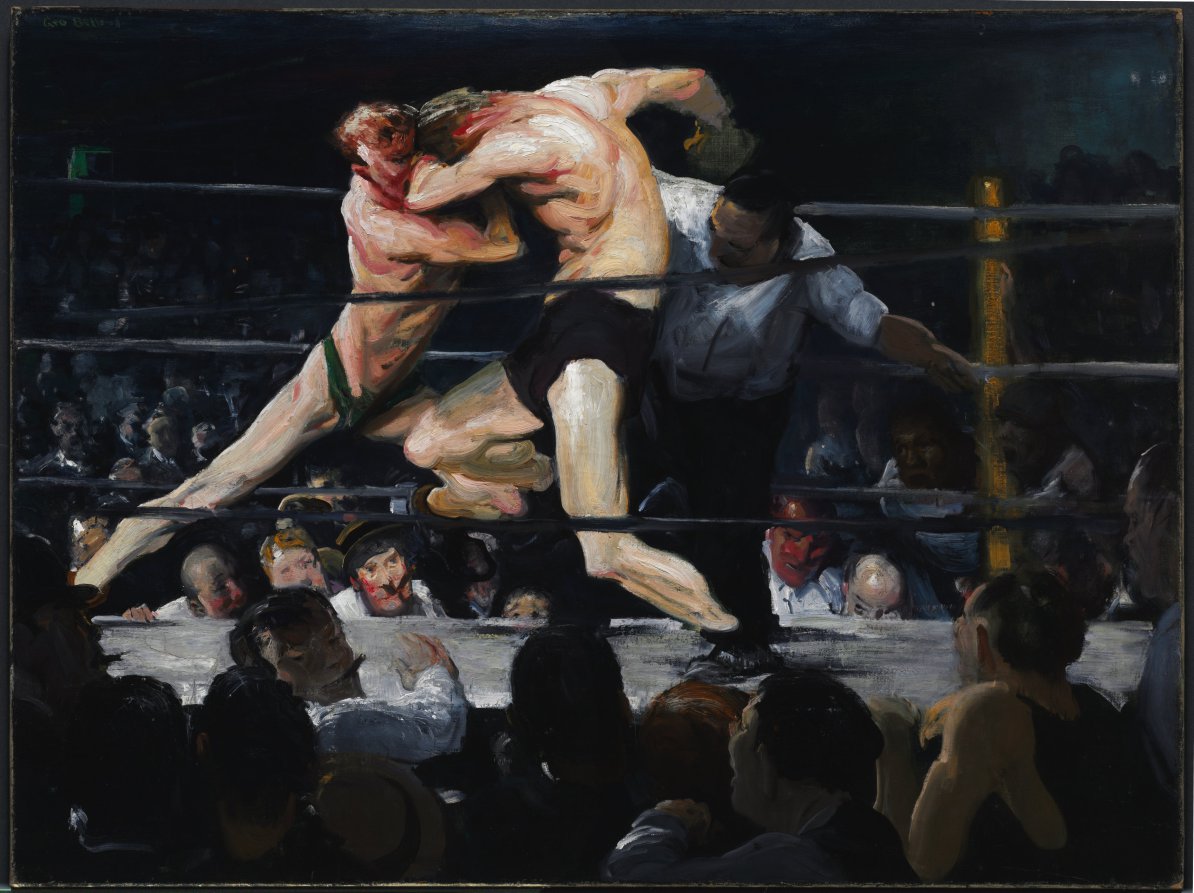
Stag at Sharkey's, George Bellows, 1909

George Bellows

Stag at Sharkey's, 1909

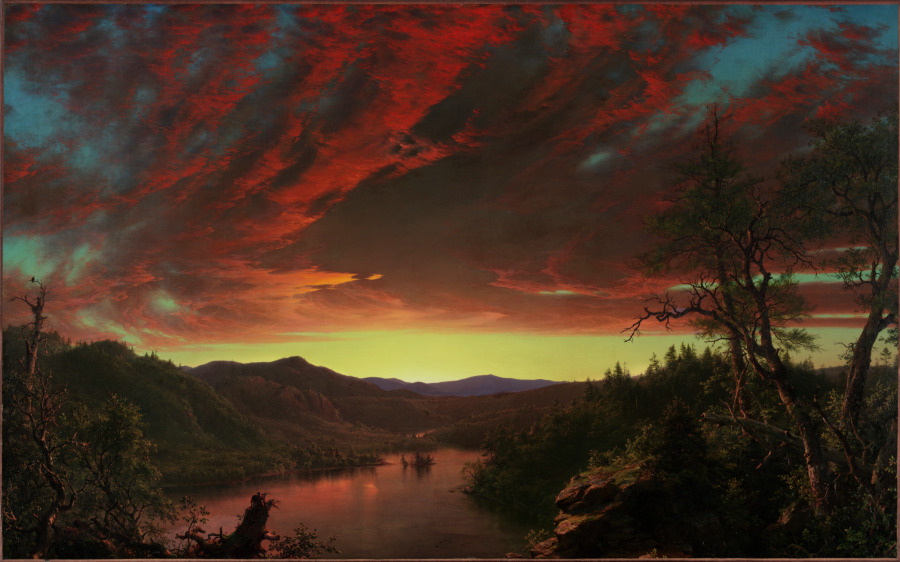
Twilight in the Wilderness, Frederic Edwin Church, 1860

Frederic Edwin Church

Twilight in the Wilderness, 1860

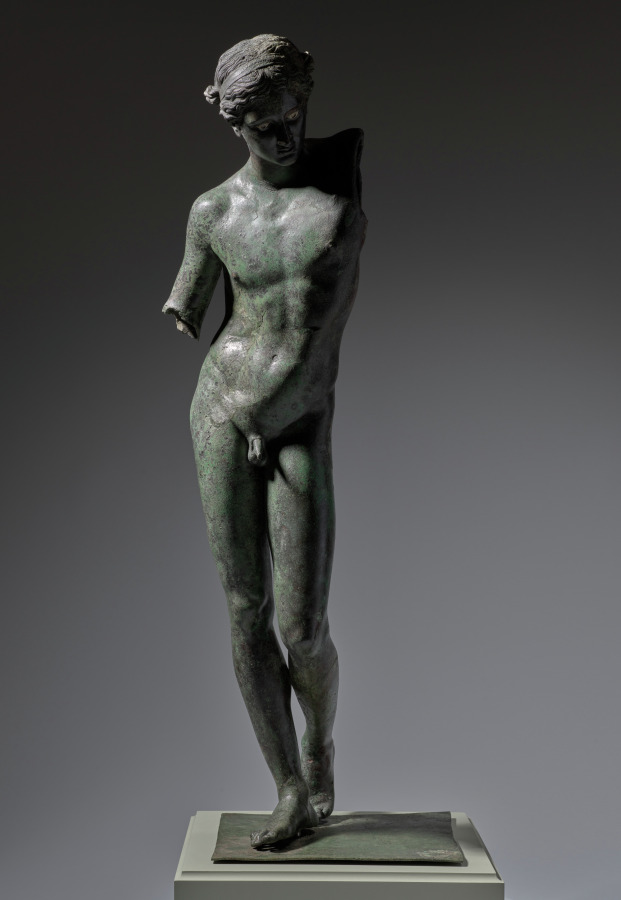
The Cleveland Apollo: Apollo Sauroktonos (Lizard-Slayer) or Apollo the Python-Slayer, Praxiteles, c. 350–200 BCE

Praxiteles

The Cleveland Apollo: Apollo Sauroktonos (Lizard-Slayer) or Apollo the Python-Slayer, c. 350–200 BCE