 Ensor, JamesBelgique, 1860–1949
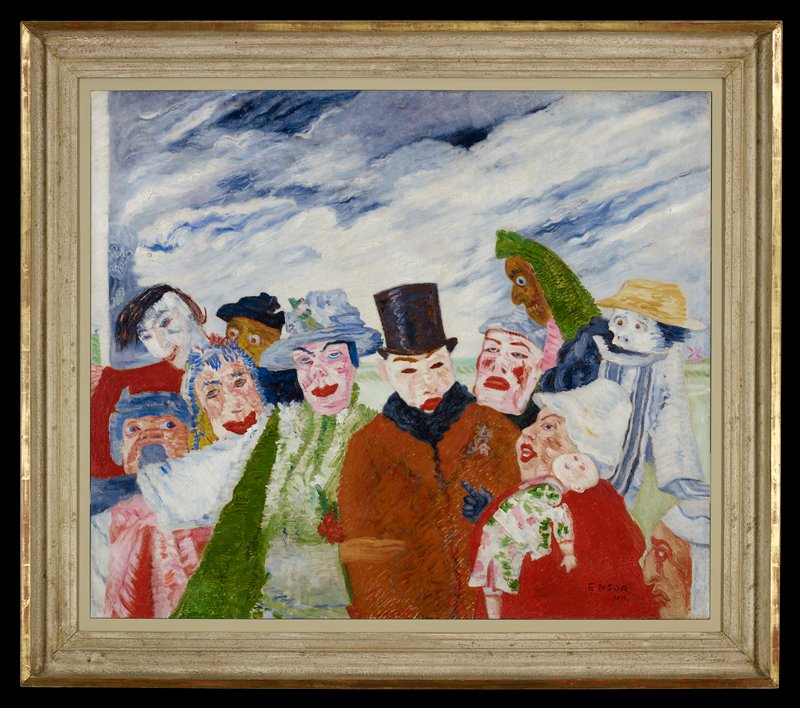
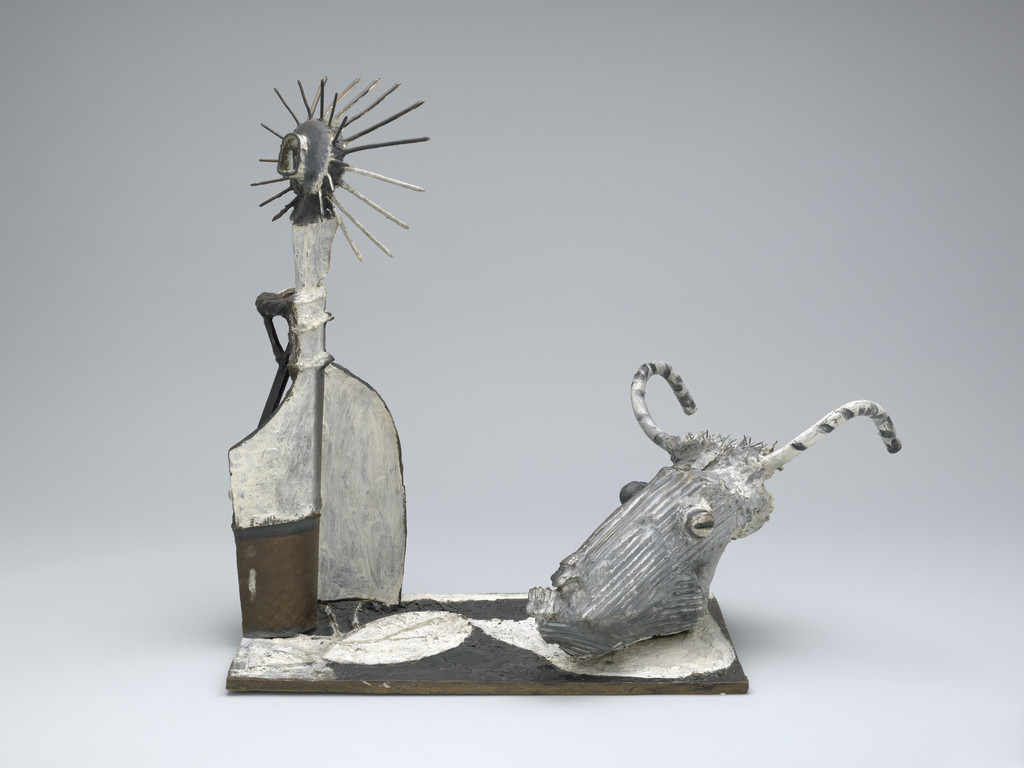
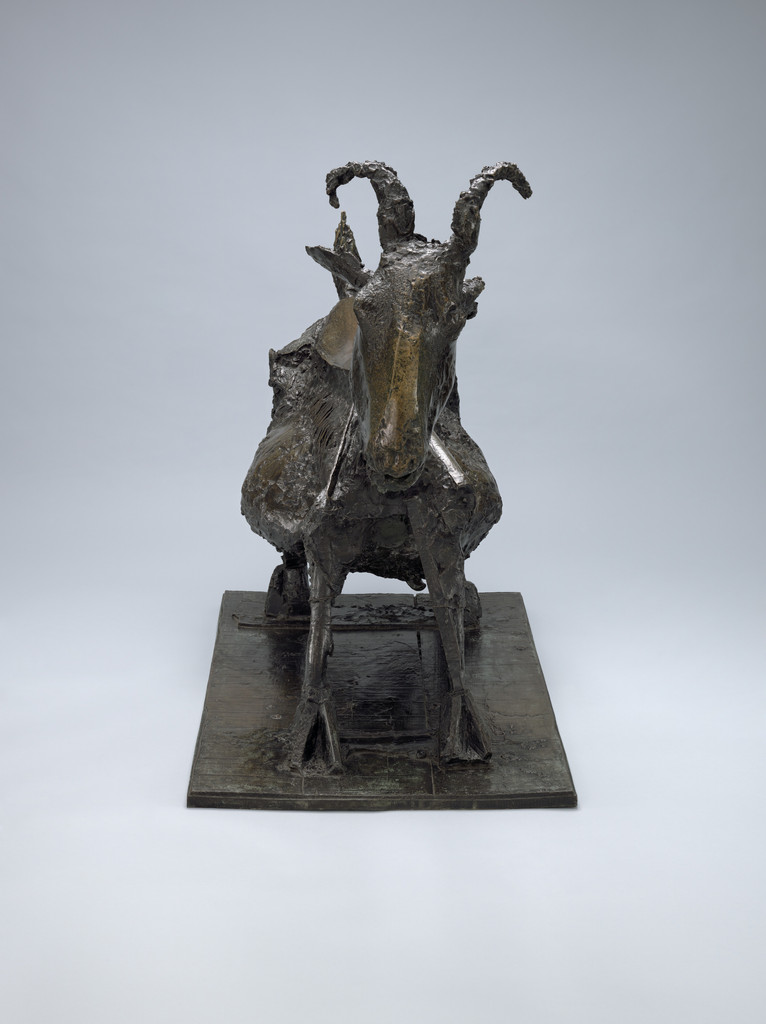
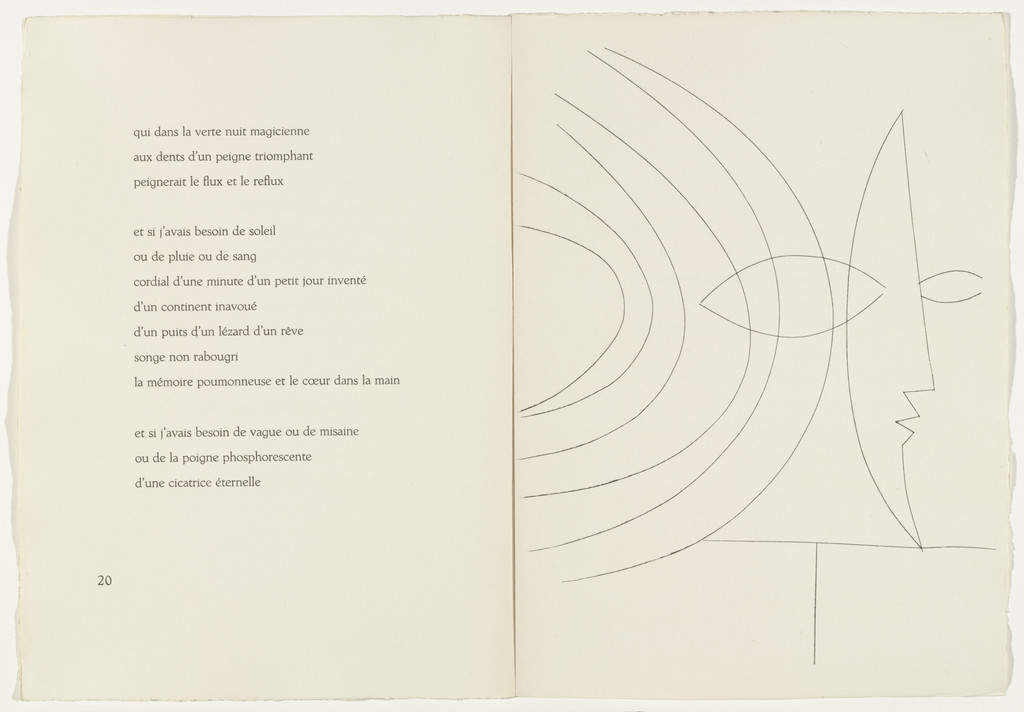
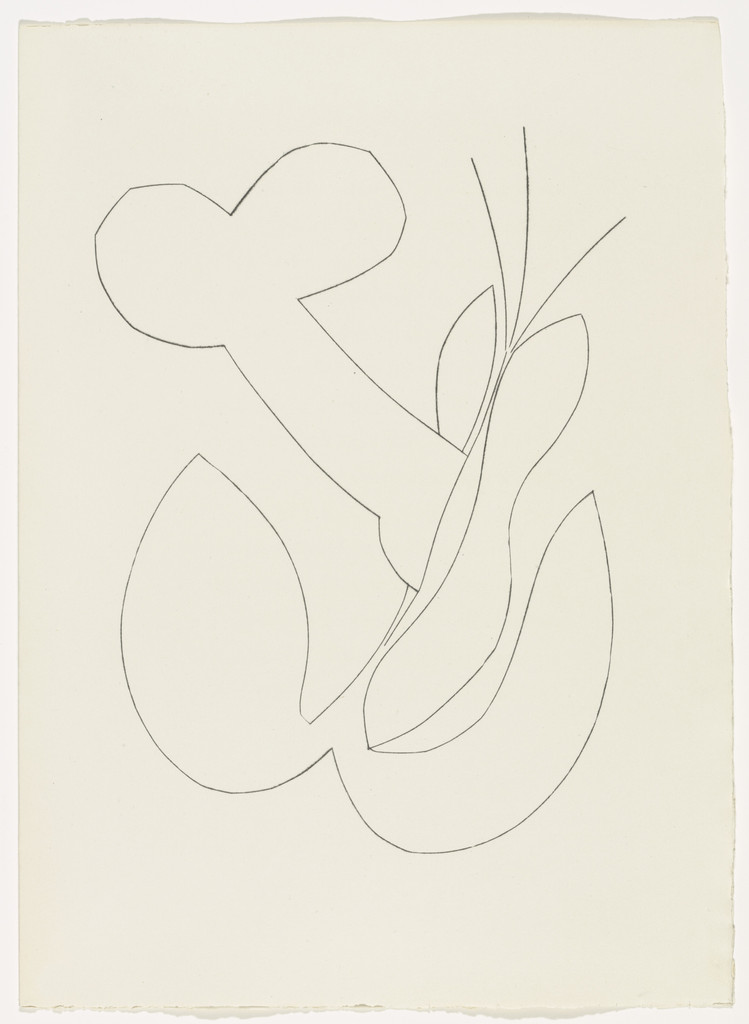
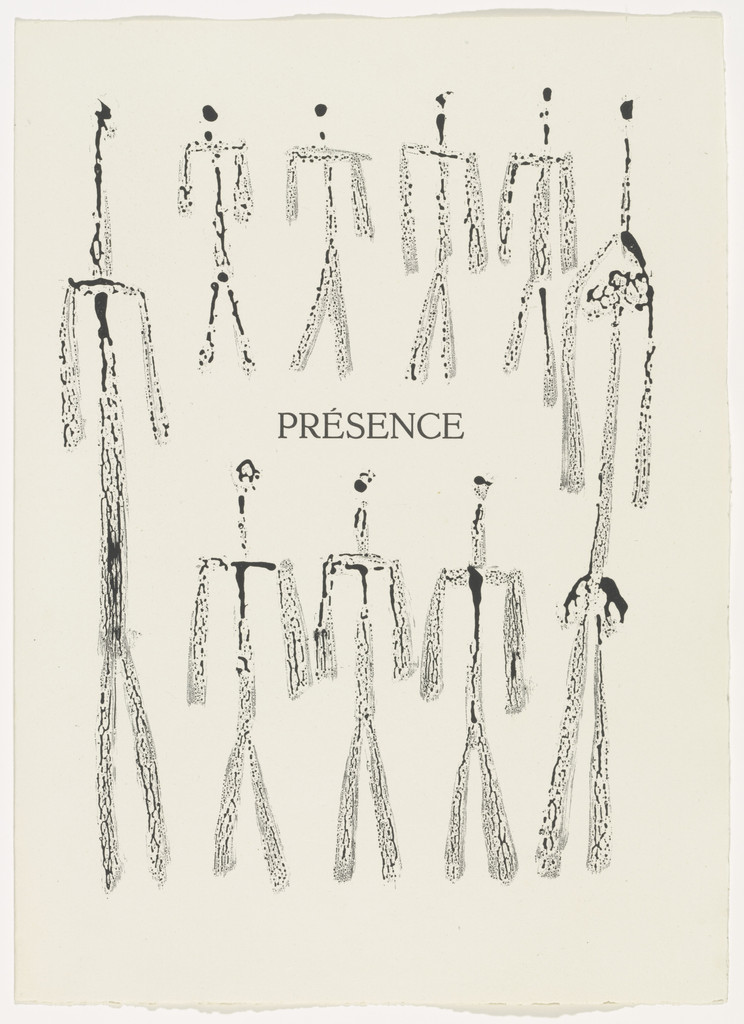
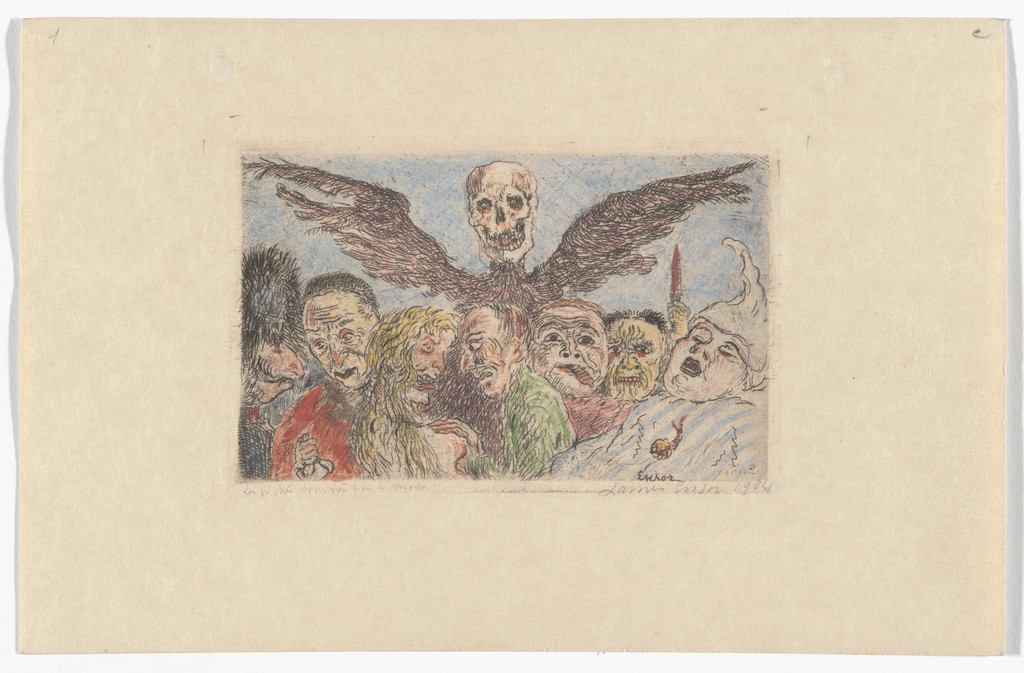
The Deadly Sins (Les Péchés capitaux)
Peut-on la voir ?
Pas exposée actuellement
Où est « The Deadly Sins (Les Péchés capitaux) » aujourd’hui ? Collection: Museum of Modern Art, New York. Pas exposée actuellement. Vérifié 22 septembre 2026.

New York, États-Unis
Elle appartient à la collection, mais n’est pas présentée en ce moment.
- Vérifié
- Source
- Le musée
Notice
- Numéro d’inventaire
- 1007.2011.1-8
Au catalogue
Sources
- Museum of Modern Art
- Image : Museum of Modern Art — © the artist or rights holder
Dans la vie de Ensor, James
La vie entière1860–1949 · Lieu de travail
Ostend
1880s
Brief trips to France and the Netherlands
Ensor travelled very little: in the 1880s, just three brief trips to France and two to the Netherlands.
1887
Death of his father
His father, James Frederic Ensor, died — a scion of a wealthy English family who never found his footing in Belgium, mocked by small-town Ostend as a drunkard and failure, yet always supportive of his son's passion for art. Left the only man in the family, James felt a special responsibility for his younger sister Mariette (Mitche).
1888–1892
Turning-point years: the Passion of Christ
Ensor turned to religious themes, most often the torments of Christ, expressing through them his disgust at the inhumanity of the world; an atheist, he identified with Christ as a victim of mockery. At the height of his creative powers, between 1886 and 1891, he made 86 of his 133 etchings.
1895
First solo exhibition in Brussels
Acceptance came gradually: the Royal Museums of Fine Arts of Belgium acquired his painting “The Lamp Boy” (1880), and Ensor had his first solo exhibition in Brussels.
1898
The Dead Rat Ball
Ensor and his friends began the tradition of the Ostend 'Bal du Rat mort' (Dead Rat Ball), which is still held every year for charity.