ART WIKI32 963 en salle
CarteCollectionArtistesMuséesExpositionsJournal
Connexion

ART WIKI

Où est accroché le chef-d’œuvre, et quand on vous laisse entrer.

Collections : Art Institute of Chicago, Cleveland Museum of Art, Galerie Tretiakov, Hirshhorn Museum and Sculpture Garden, J. Paul Getty Museum, Metropolitan Museum of Art, Minneapolis Institute of Art, Musée de l'Ermitage, Musée des Beaux-Arts Pouchkine, Musée du Louvre, musée national d'art asiatique, Musée russe, Musées d'Art de Harvard, Museum of Modern Art, National Gallery of Art, National Portrait Gallery, Rijksmuseum Amsterdam, Smithsonian American Art Museum, Statens Museum for Kunst, Victoria and Albert Museum, Villa Getty, Whitney Museum of American Art, Catalogue d’État du fonds muséal de Russie (274 musées), Europeana (19 musées), Wikidata (6 musées), Paris Musées (12 musées) et Joconde, la base des musées du ministère de la Culture (495 musées). Les images appartiennent à leurs ayants droit.

Rubriques

  • Carte
  • Recherche
  • Collection
  • Chefs-d’œuvre
  • Exposées en ce moment
  • Artistes

Et aussi

  • Musées et galeries
  • Expositions
  • Journal
  • D’où viennent les données
  • Confidentialité et cookies
AccueilCarteCatalogue
  1. Collection/
  2. Minneapolis Institute of Art/
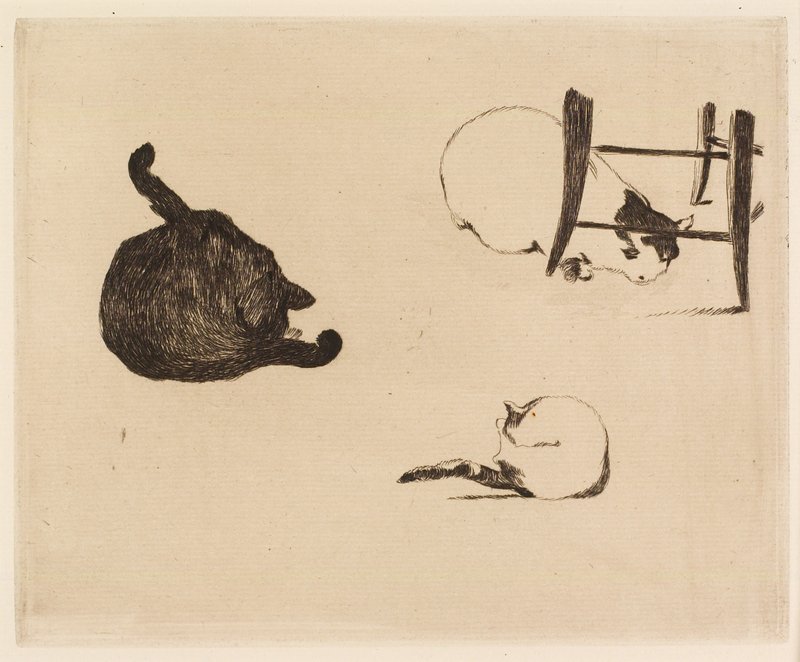
  3. The Cats
The Cats, Édouard Manet, 1869
Édouard Manet, portraitÉdouard ManetFrance, 1832–1883

The Cats

1869 · Print · 17.78 × 21.91 cm

Peut-on la contempler ?

Elle ne reçoit pas en ce moment

Minneapolis Institute of Art

Minneapolis, États-Unis

Elle appartient à la collection, mais n’est pas présentée en ce moment.

Vérifié
il y a 3 jours
Dans cet état depuis
25 sept. 2026
Source
Le musée
Sur la cartePage du musée

À propos de l’œuvre

Edouard Manet was an early admirer of Japanese art. He was drawn to the static nature of the compositions and flatness of the picture planes. He also responded to the popularity of cats as subjects in Japanese art. In this group of isolated felines, Manet captured the essential feline personality of each animal with minimal modeling and without an unnecessary line, much in the manner of Hokusai's Manga.

Minneapolis Institute of Art

Notice

1869 · à 37 ans
18321883
Numéro d’inventaire
P.3, 001

Au catalogue

EstampesEau-forteRéalismeImpressionnismeXIXe siècleFrance

Sources

  • Minneapolis Institute of Art
  • Image : Minneapolis Institute of Art — public domain

Pendant ce temps, chez Édouard Manet

La vie entière
  1. 1867

    His own pavilion near the Pont de l'Alma

    In 1867, during the World's Fair in Paris, Manet set up his own pavilion near the Pont de l'Alma and showed fifty of his best works of the past ten years. Possibly this step led to his works being accepted at the next two Salons.

  2. 1867

    Zola defends Manet in print

    In 1867 Émile Zola, who supported Manet publicly in the press, wrote that the public was not accustomed to such simple and direct translations of reality and that this luminous and serious painting interprets nature with a gentle brutality.

  3. 1867

    First contacts with the future Impressionists

    When Manet was excluded from the International Exhibition of 1867 he set up his own; it was enormously expensive, his mother worried he would waste his inheritance, and it earned poor reviews from the major critics, but it provided his first contacts with several future Impressionist painters, including Degas.

  4. 1868

    Friendship with Berthe Morisot

    In 1868 Manet became a friend and colleague of Berthe Morisot; she is credited with convincing him to attempt plein air painting, to which Camille Corot had introduced her. Through Morisot, Manet became friends with Degas, Monet, Renoir, Sisley, Cézanne and Pissarro.

  5. 1870

    The siege of Paris: Manet in the army

    During the siege of Paris Manet, a convinced republican, sent his family to Oloron-Sainte-Marie in the south of France, while he himself, with many fellow artists, joined the army and took part in the defence of the capital; he was lucky to survive.

  6. 1870s

    Refuses to exhibit with the Impressionists

    Although his own work influenced and anticipated the Impressionist style, Manet resisted involvement in Impressionist exhibitions: he did not wish to be seen as the representative of a group identity and held that modern artists should seek to exhibit at the Salon.

Autres œuvres : Édouard Manet

Toutes les œuvres
The Spanish Singer, Edouard Manet, 1860

Le Chanteur espagnol

1860 · Metropolitan Museum of Art

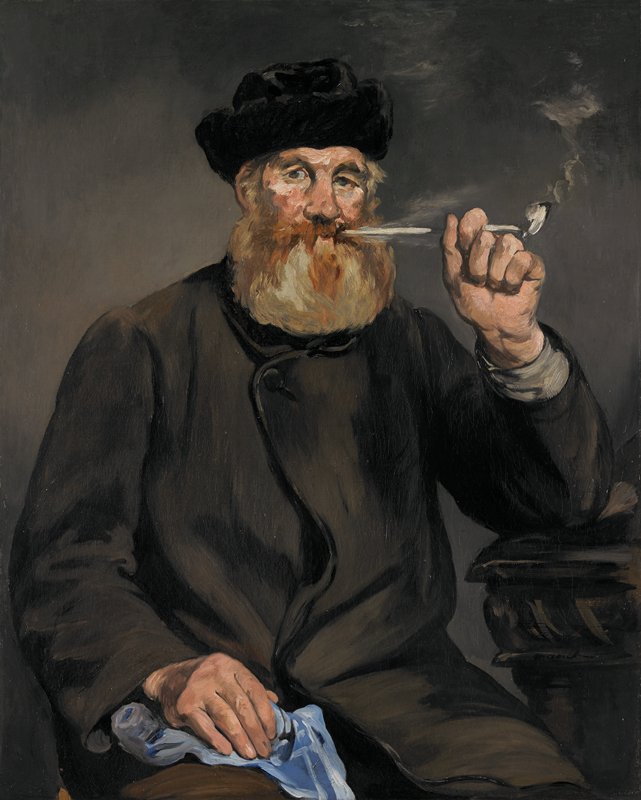
The Smoker, Édouard Manet, 1866

The Smoker

1866 · Minneapolis Institute of Art

Young Lady in 1866, Edouard Manet, 1866

Young Lady in 1866

1866 · Metropolitan Museum of Art

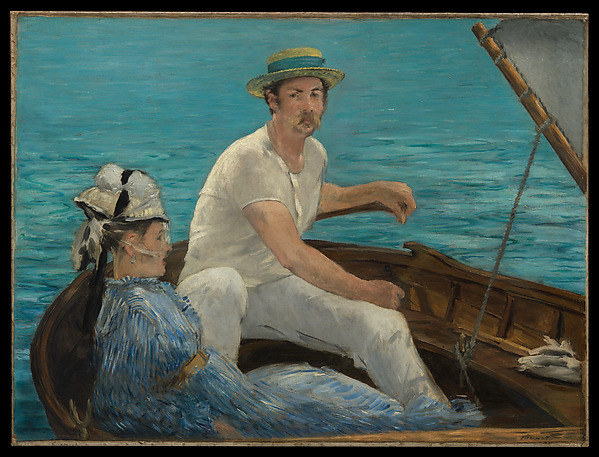
Boating, Edouard Manet, 1874

En bateau

1874 · Metropolitan Museum of Art

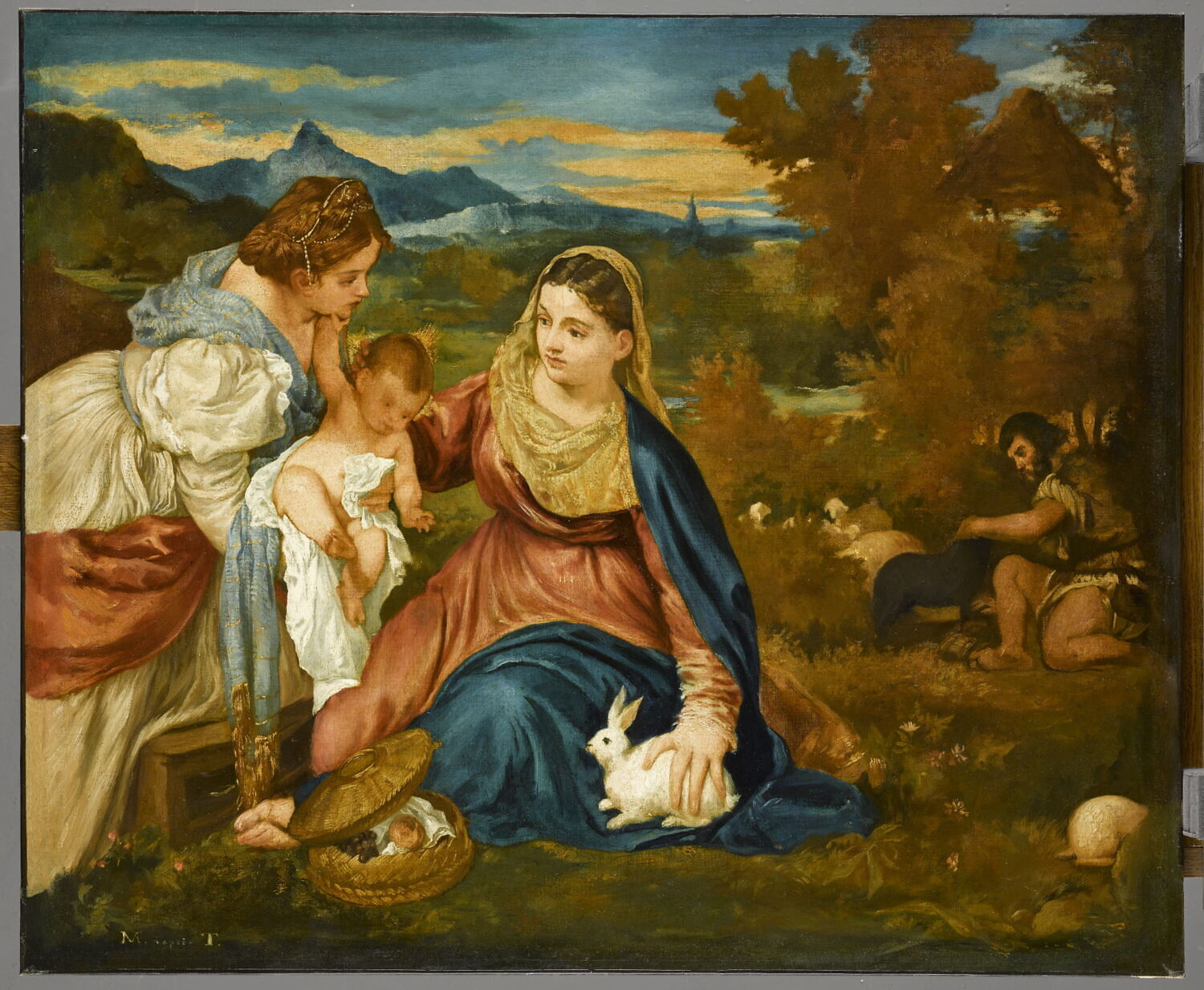
La Vierge au lapin, Manet, Édouard, Milieu du XIXe siècle (1840 - 1860)

La Vierge au lapin

Milieu du XIXe siècle (1840 - 1860) · Musée du Louvre

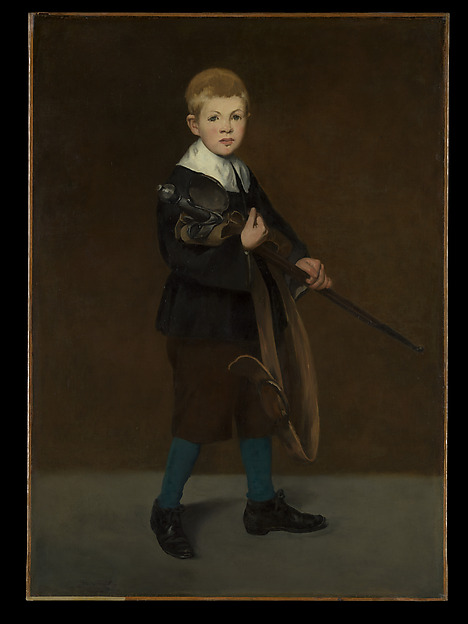
Boy with a Sword, Edouard Manet, 1861

L'Enfant à l'épée

1861 · Metropolitan Museum of Art

Portrait of Madame Brunet, Édouard Manet, about 1861–1863, reworked by 1867

Portrait of Madame Brunet

about 1861–1863, reworked by 1867 · J. Paul Getty Museum

The Old Musician, Edouard Manet, 1862

Le Vieux Musicien

1862 · National Gallery of Art

Sous le même toit : Minneapolis Institute of Art

Page du musée
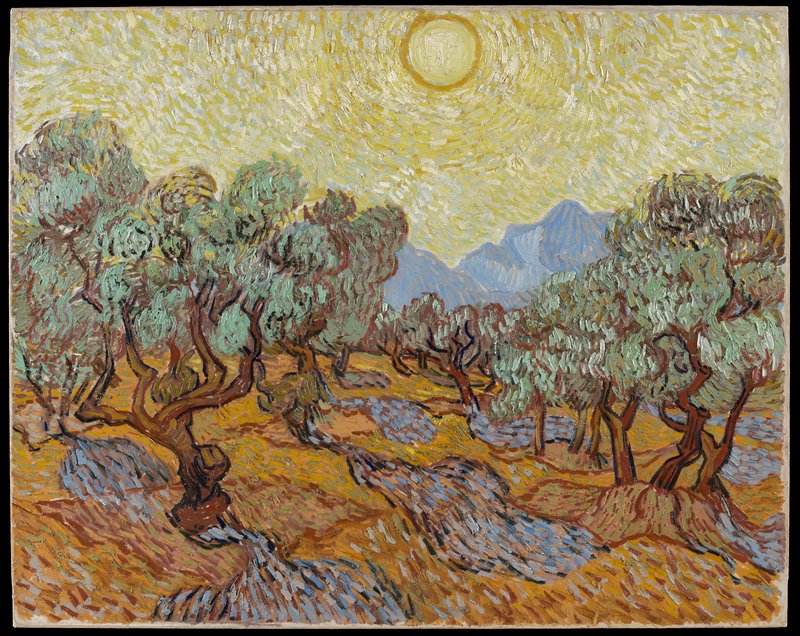
Olive Trees, Vincent van Gogh, 1889

Vincent van Gogh

Olive Trees, 1889

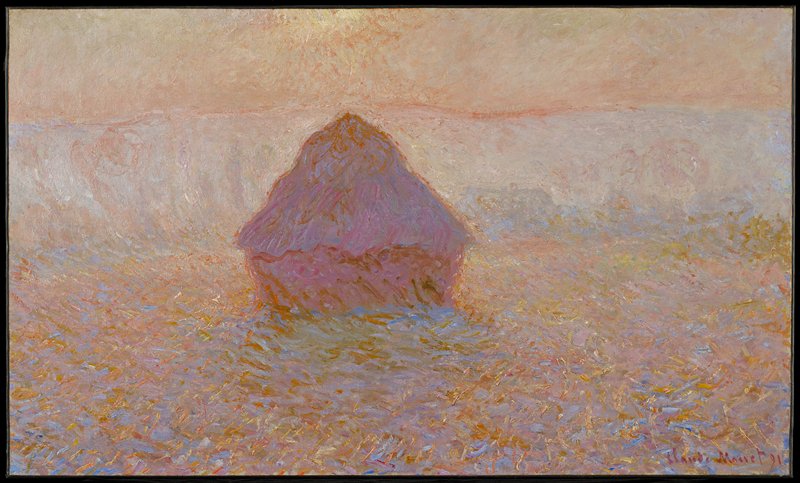
Grainstack, Sun in the Mist, Claude Monet, 1891

Claude Monet

Grainstack, Sun in the Mist, 1891

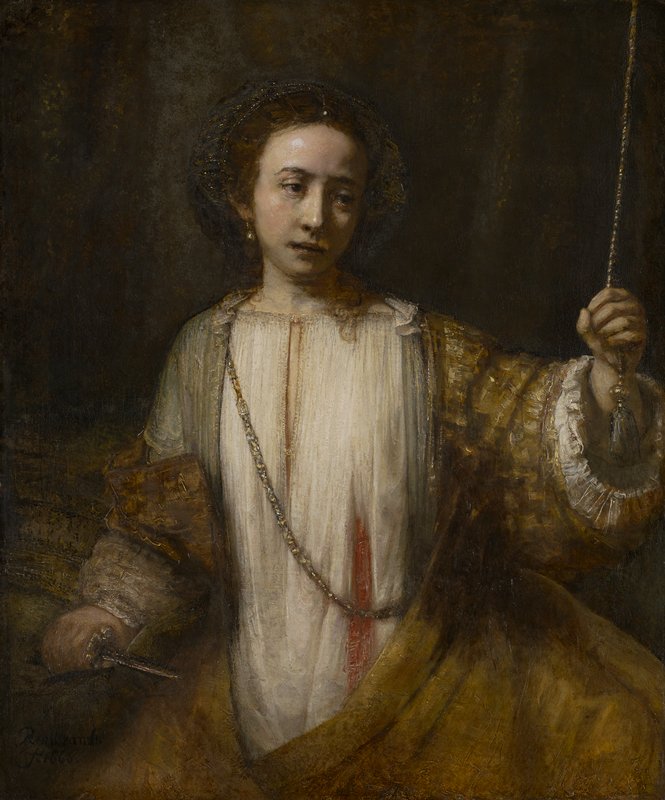
Lucretia, Rembrandt van Rijn, 1666

Rembrandt van Rijn

Lucretia, 1666

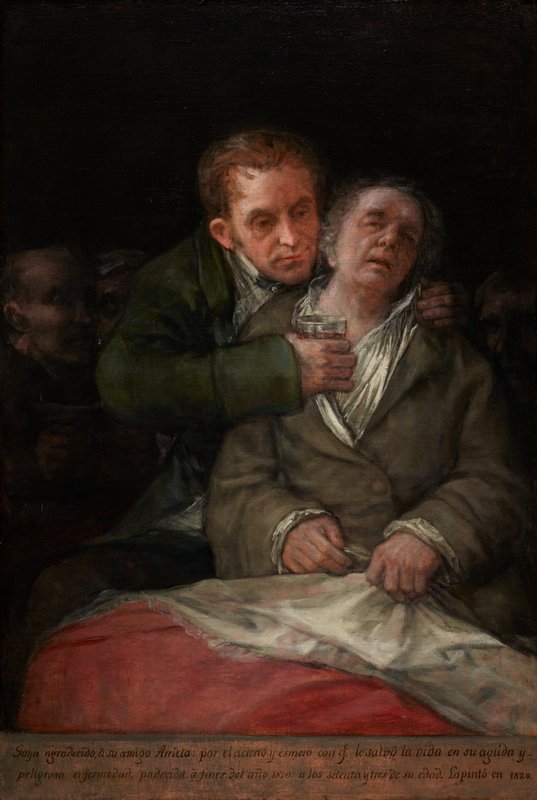
Self-Portrait with Dr. Arrieta, Francisco José de Goya y Lucientes, 1820

Francisco de Goya

Goya et son médecin, 1820

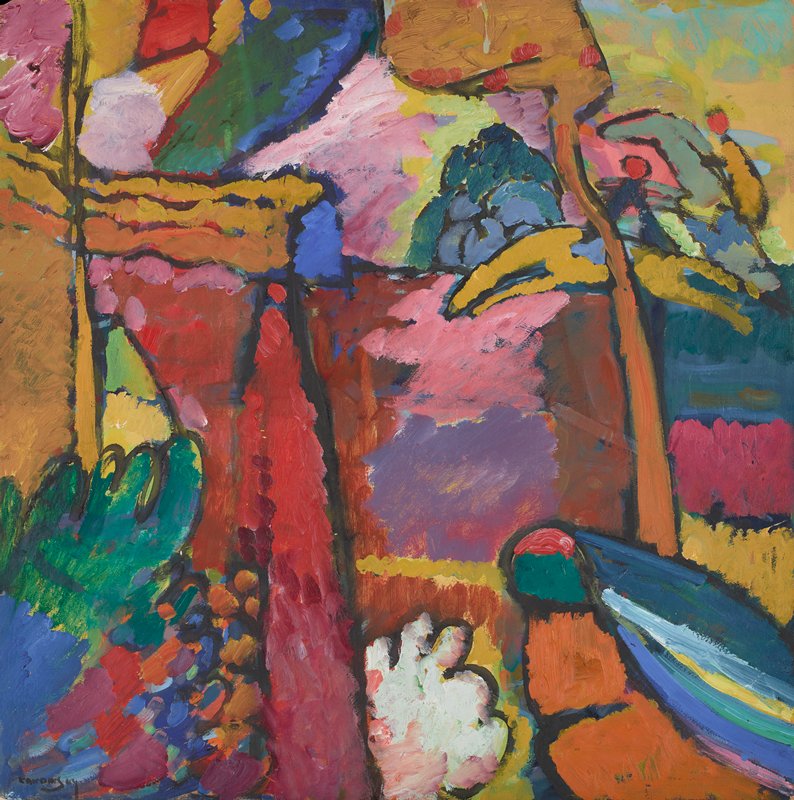
Study for Improvisation V, Vassily Kandinsky, 1910

Vasily Kandinsky

Study for Improvisation V, 1910

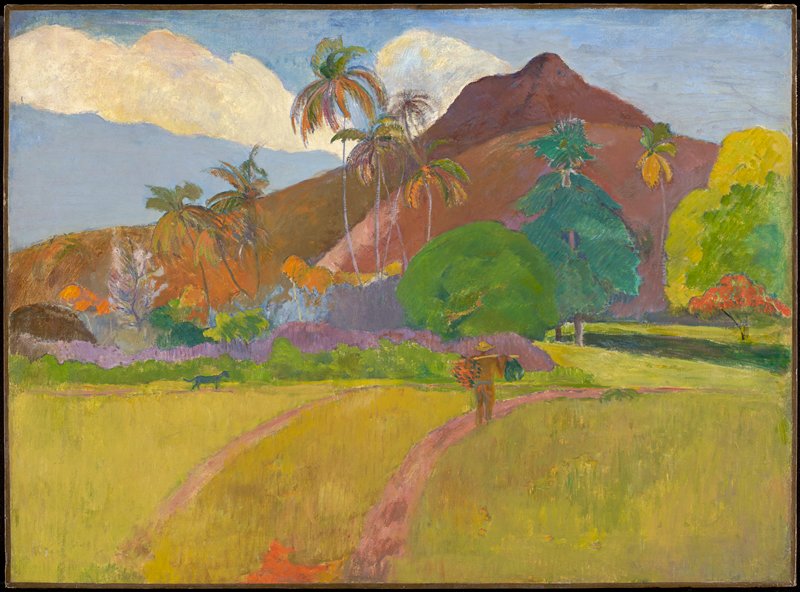
Tahitian Landscape, Paul Gauguin, 1891

Paul Gauguin

Tahitian Landscape, 1891

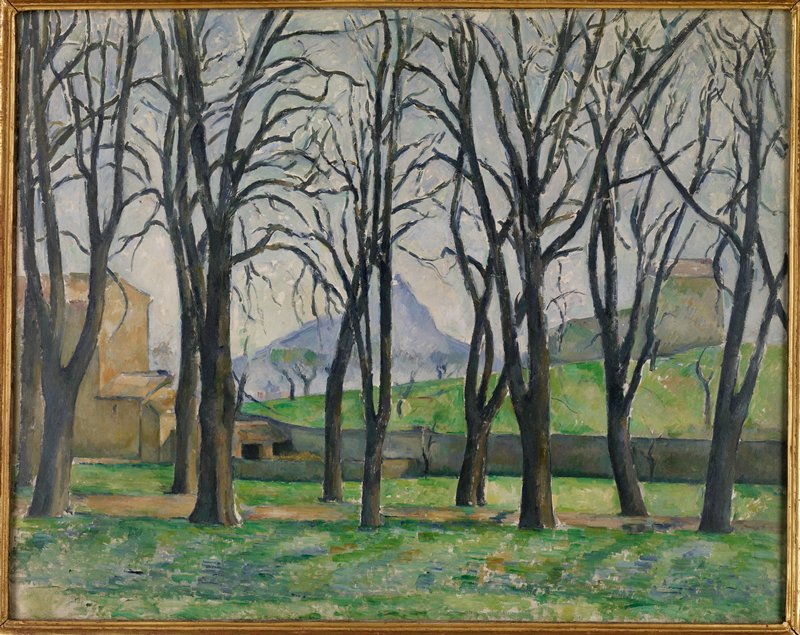
Chestnut Trees at Jas de Bouffan, Paul Cézanne, c. 1885–86

Paul Cézanne

Chestnut Trees at Jas de Bouffan, c. 1885–86

The Union of England and Scotland (Charles I as the Prince of Wales), Peter Paul Rubens, 1633–34

Peter Paul Rubens

The Union of England and Scotland (Charles I as the Prince of Wales), 1633–34