 Oskar SchlemmerAllemagne, 1888–1943
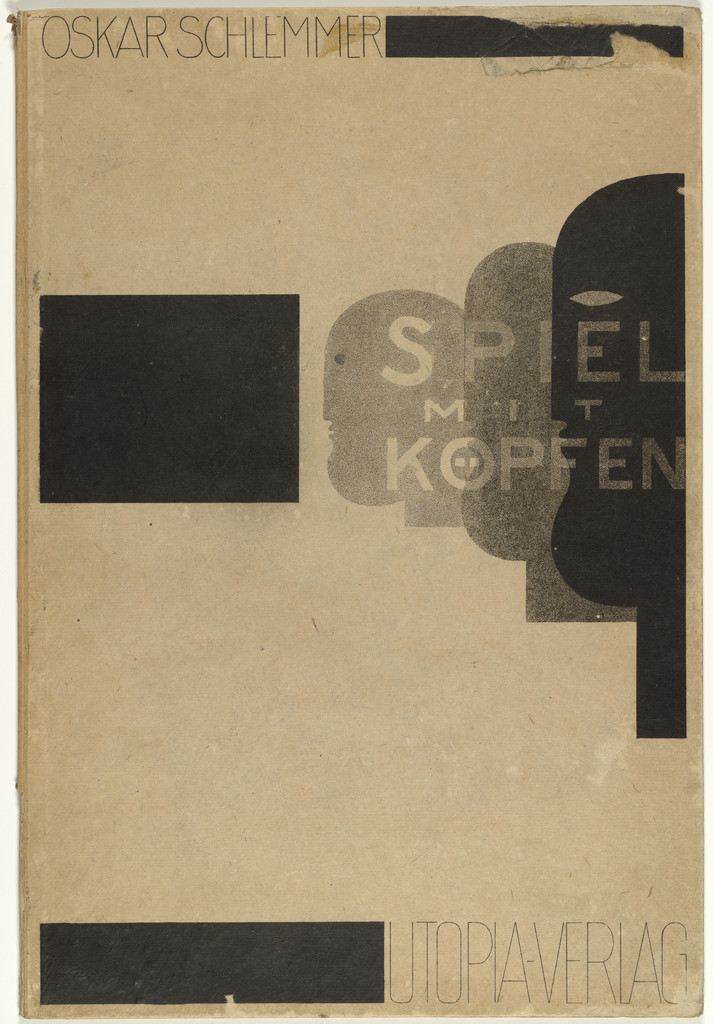
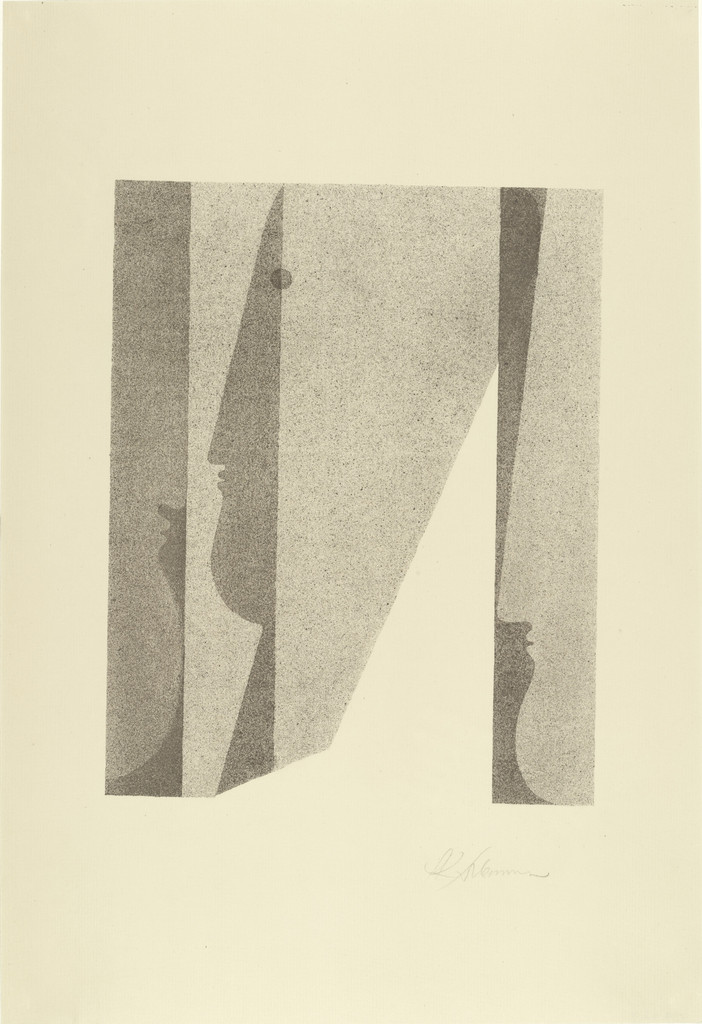
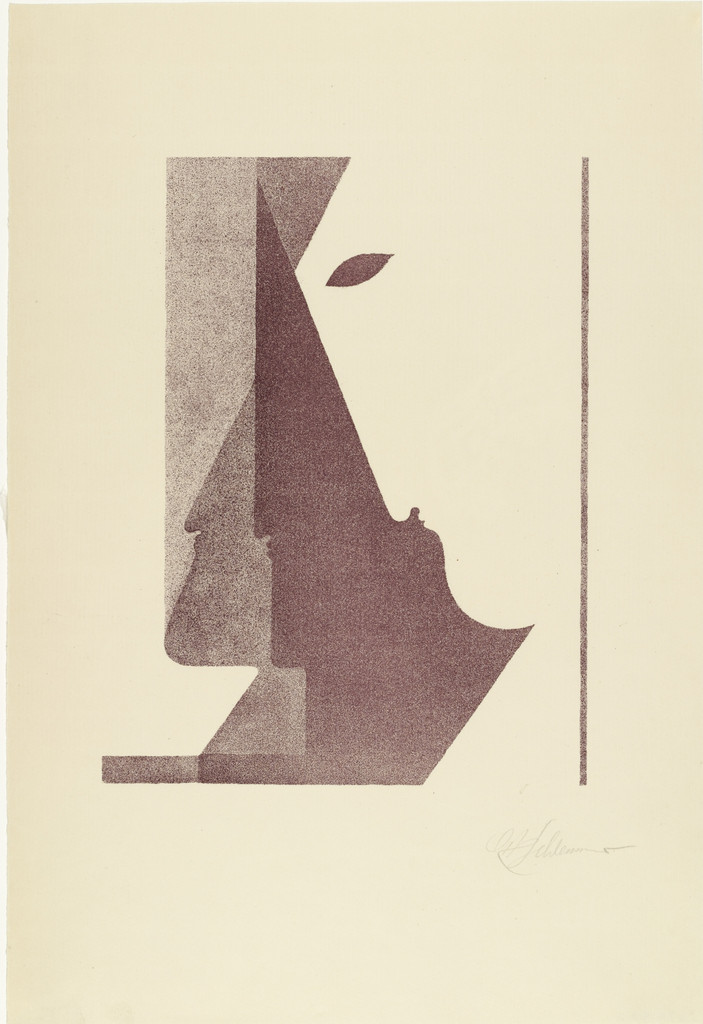
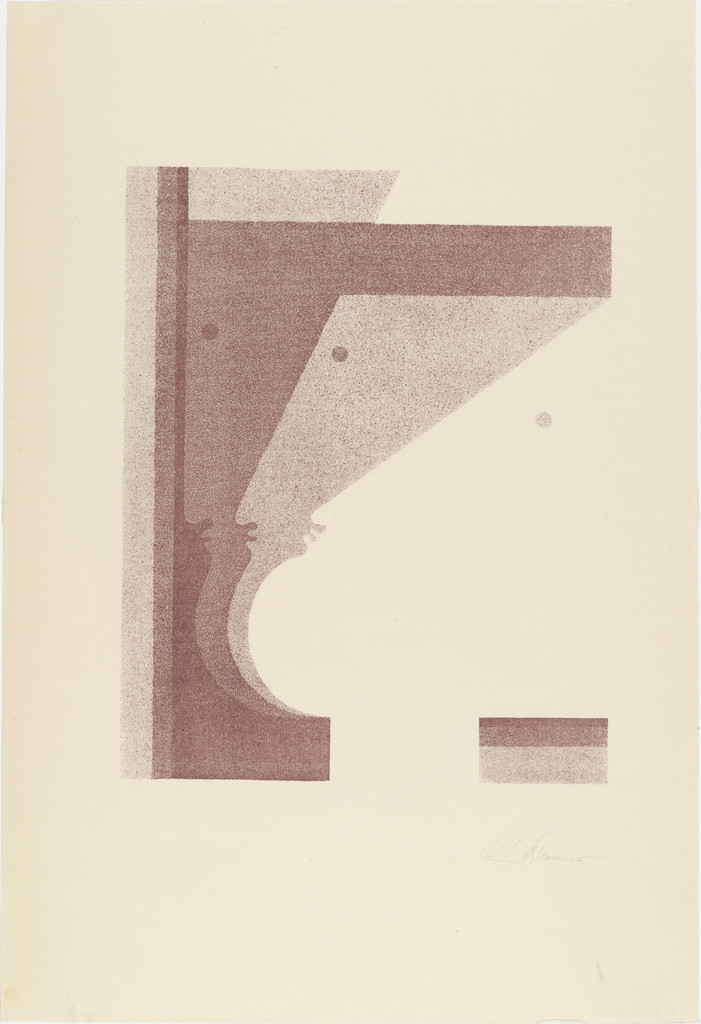
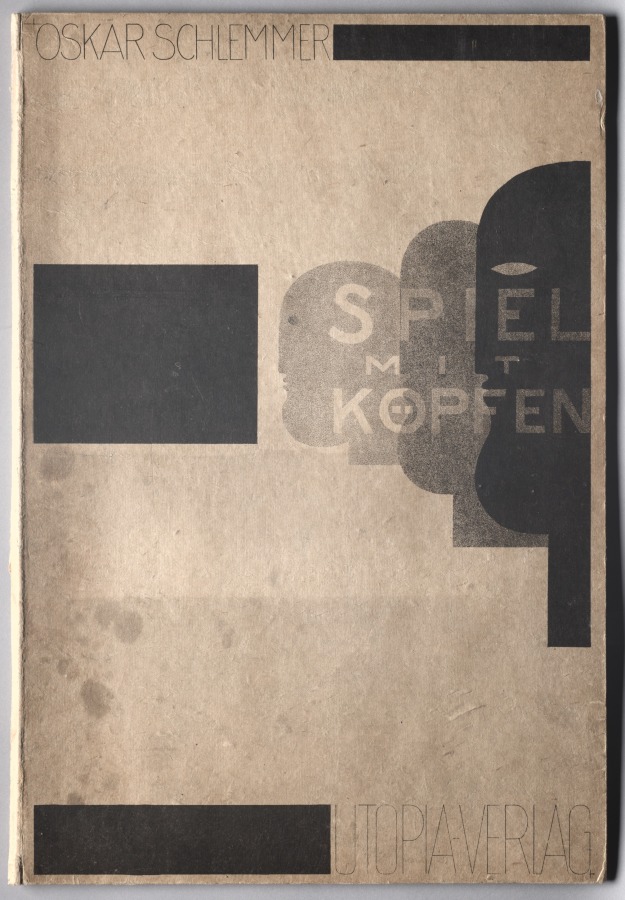
Play with Heads
Peut-on la contempler ?
Elle ne reçoit pas en ce moment

Cleveland, États-Unis
Elle appartient à la collection, mais n’est pas présentée en ce moment.
- Vérifié
- Dans cet état depuis
- Source
- Le musée
À propos de l’œuvre
Variations on a theme, this rare set of prints explores diverse arrangements of three heads. Each image uses a single color and was printed in a spatter technique first used in the 19th century by French lithographers like Henri Toulouse-Lautrec. By drawing a blade across a toothbrush saturated with lithographic ink, the ink is spattered onto the lithographic stone in a random pattern of variously sized dots. By controlling the fine spray of droplets, transparent forms and a wide tonal range can be obtained. Unlike his contemporaries, El Lissitzky, Lázló Moholy-Nagy, and Kurt Schwitters, whose work focused only on abstraction, Schlemmer was intensely interested in the human form. He once said, however, that he was "interested in creating human types, not portraits." Thus he did not portray specific individuals, but prototypes for a purified, timeless image of humanity.
Cleveland Museum of Art
Notice
- Numéro d’inventaire
- 2000.120
Au catalogue
Sources
- Cleveland Museum of Art
- Image : Cleveland Museum of Art — Museum open access
Pendant ce temps, chez Oskar Schlemmer
La vie entière1920–1928
Employed by: Bauhaus
1920–1929
Develops the course “Der Mensch”
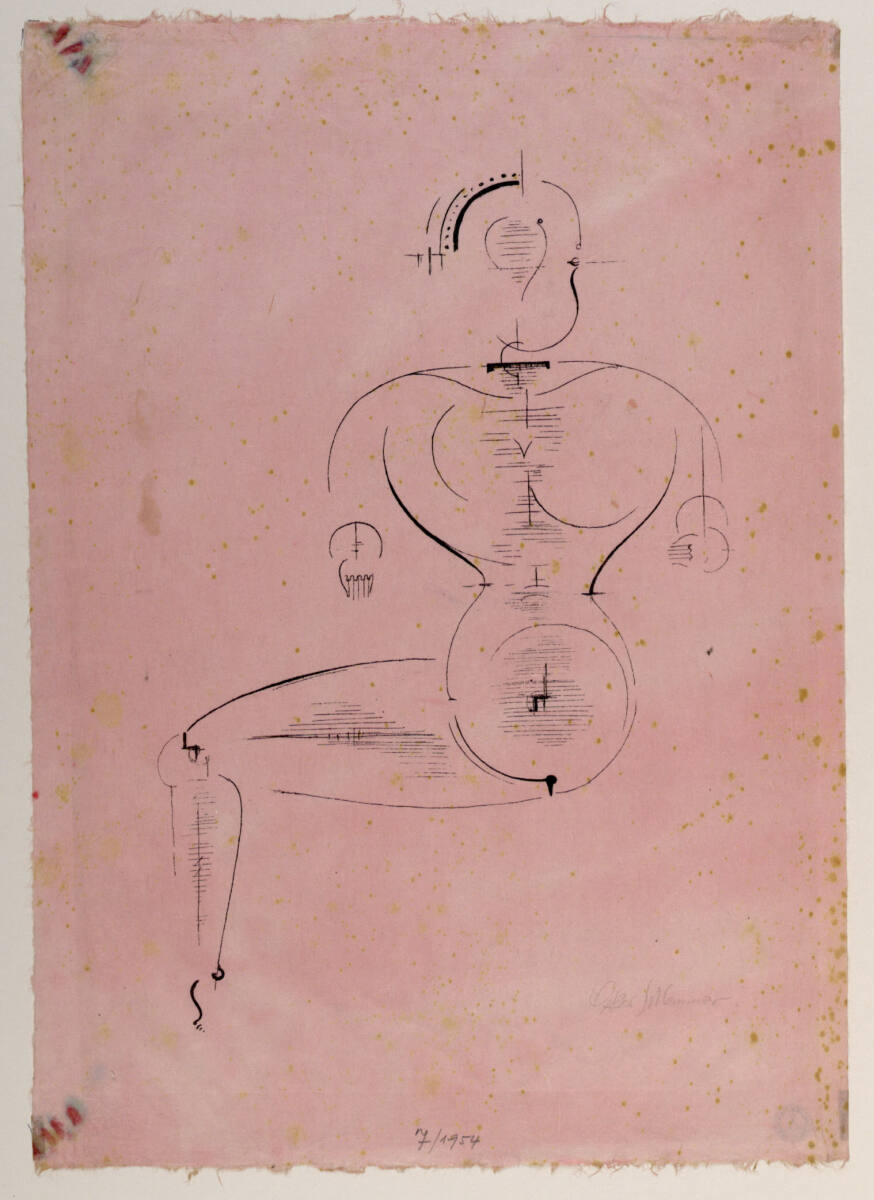
During his Bauhaus years Schlemmer develops the multidisciplinary course “Der Mensch” (The Human Being): in the human form he saw a measure that could provide a foothold in the disunity of his time.
17 septembre 1921
Daughter born: Karin Schlemmer
1922
Daughter born: Ute-Jaïna Schlemmer
1923
Takes over the theatre workshop from Lothar Schreyer
In 1923 Schlemmer becomes Master of Form at the Bauhaus theatre workshop, taking it over from Lothar Schreyer. His complex ideas prove influential, making him one of the most important teachers at the school at that time.
1923
The influence of Metaphysical painting
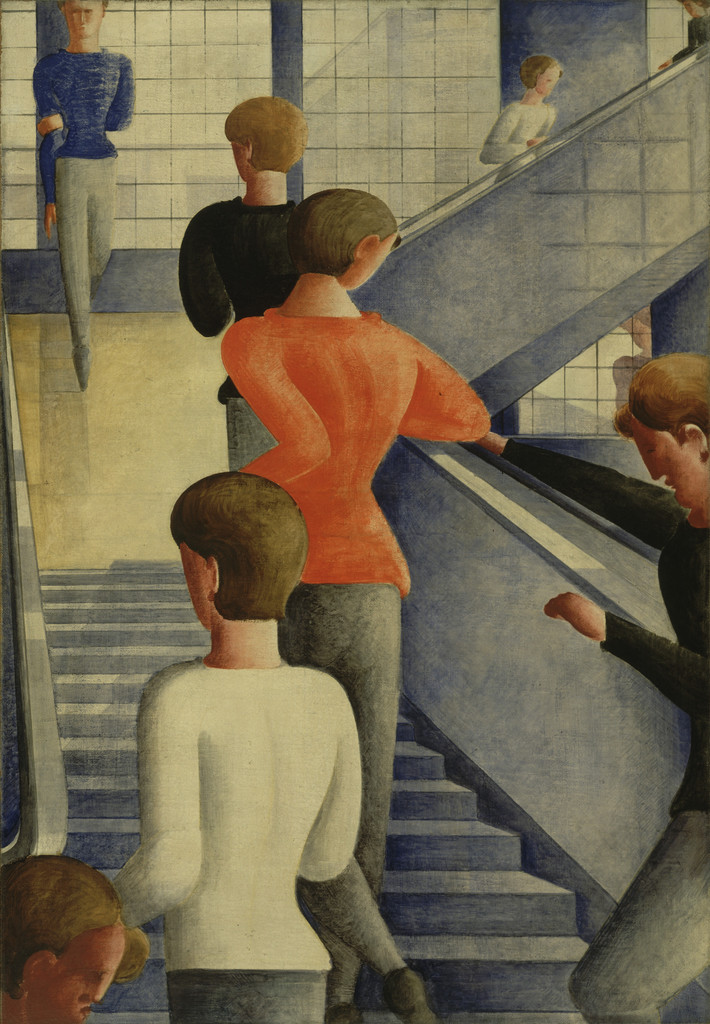
From 1923 Schlemmer’s style is strongly influenced by Metaphysical painting (Pittura Metafisica): the number of figures in his pictures noticeably decreases, and they are arranged on a clearly divided surface in a choreographic order that reflects universal harmony. The National Gallery in Berlin and the Folkwang Museum in Essen acquire works from this period, and recognition and fame come to the artist.